Tag: Kantar

  • Rural India likely to bounce back faster than urban: Kantar & GroupM’s Dialogue Factory

    By A Correspondent


    Insights and research major Kantar, along with GroupM’s experiential marketing unit- Dialogue Factory, have unveiled a Rural Covid Barometer Report. This report provides a provides a unique, fact-based perspective on consumer sentiments, their consumption choices and the behavioral changes brought about by the pandemic. This survey was conducted in 17 Indian states and deep dives into the lives of rural consumers and their adaptations post Covid, providing valuable inputs for any brand’s rural strategy.


    The lockdown amidst Covid has brought about varied changes in the lives and livelihoods of Rural India. Loss of income, socio-cultural norms, health and hygiene protocols and reverse migration are some key challenges faced by the rural population during the pandemic.


    The report highlights emergence of new trends which will necessitate changes in the way businesses and brands connect with rural consumers:


    :: Heightened focus on rural affluent consumers: The report suggests that with 1 in 3 rural adults being impacted by COVID-19, the rural economy is likely to take a hit. However, with fewer job losses and consequent reduction in the incomes of the affluent households, the overall impact on rural consumption pattern is likely to be muted in the future. This presents an opportunity for the businesses to sharply target their brands towards the upper end of the rural consumer spectrum

    :: Quest for balancing the budget: The rural Indian is walking the tight rope and is balancing the budget by cutting on “indulgence” categories like cold drinks, ready to eat snacks like chips etc. and diverting the savings towards hygiene products

    :: Digital adoption: Like their urban counterparts, rural Indians are increasingly relying on digital services for their day to day activities. With the pandemic accelerating digital adoption, there is a huge potential for businesses and brands to leverage mobile as a medium to reach rural consumers

    :: Focus on the future:  The pandemic has heightened the worries around health and safety. The study highlights that rural Indians are today more concerned about their future well-being; especially of the chief earners.  With a relatively weaker health infrastructure as compared to urban areas, the mindset of rural Indians is shifting towards financial planning. They are also considering buying health and other insurance products. This opens a large market for the BFSI segment.

    :: Last mile connectivity: With commute being restricted, the rural consumer is now increasingly shopping within the village for their FMCG needs. It is therefore imperative for the brands to focus on their distribution and last mile connectivity, since product availability in the local village stores will significantly impact brand choices of the rural shopper


    Dalveer Singh

    Said Dalveer Singh, Head of Experiential Marketing- APAC, Dialogue Factory: “Rural India has always had a higher degree of resilience which makes it more confident for a rapid recovery than the urban areas during these unprecedented times. This report; which is one of the biggest assessment of the impact of the pandemic on rural areas, speaks volumes on the new, defining values that are shaping rural India – resilience, planning for future, protection from falling sick and growing reliance on digital.”


    Puneet Avasthi

    Added Puneet Avasthi, Senior Executive Director, Insights Division, Kantar: “For businesses, we would recommend a regional prioritization. We believe that the Western India is likely to bounce back earliest. On the other hand, indications seem to suggest that rural South might take longer to recover as the impact of COVID 19 on employment has been more severe, which in turn has depressed the economic outlook of consumers in rural South. We see this as an opportunity for brands to deploy their resources across zones in a graded and phased manner”


    The report also assessed the impact of reverse migration. The study suggests that nearly 53 million migrant workers in India have returned to their villages. 80% of migrants who have returned to due to COVID come from 5 States. Commented Avasthi: “With 1 out of 3 rural migrants not planning to go back to urban India, we are likely to see a huge shift in rural consumption choices. This will also affect the availability of labor in urban India”


    The report also highlights a deep sense of optimism regarding India’s economic future; stemming from a healthy growth in the agricultural sector and near universal reach of targeted government programs (75% of all consumers claimed to have received at least one of the major government schemes for Rural India; 66% claimed to have received free rations under PM Garib Kalyan Yojana).

  • Marketing Imperatives for Rebound & Recovering


    By A Correspondent


    More than two thirds (69%) of businesses expect to end the second half of 2020 in decline. Just under half (45%) of those expect their business to be down by 20% or less, while one in five of those leaders expects their business to be down in excess of 40% y/y. As news of positive Stage 3 clinical trials emerges, just one quarter (23%) expect their business to recover within a six-month timeframe of a vaccine being widely available, while 41% expect recovery within a year. More than one quarter (27%) expect their business to take as long as two years to fully recover from the Covid-19 crisis.


    In Global Business Compass, a study of almost 4,500 business leaders around the world, Kantar identified that almost two thirds (61%) of companies had reduced their marketing spend by an average of 36.7% in 2020. This included half of companies (50%) cutting comms and media spend by an average of 39.3%. With this widespread economic concern, and the constraints being placed upon marketing, Kantar, the world’s leading data, insights, and consulting company has identified the three core strategies marketing teams should pursue to support their business’s ‘rebound and recovery’ strategy.


    Imperative #1: Digital Transformation:

    Omnichannel and ecommerce is surging. 40% of consumers say they have increased their ecommerce spend during lockdown, rising to 48% of households with children. 45% of consumers will continue shopping with online stores they found during the pandemic. 55% of companies invested in their ecommerce capabilities during the pandemic. The change is not only about online business, new buying patterns and behaviours are emerging making brands and companies more vulnerable to competition. With digital becoming an integral part of the new normal, brands that elevate the human experience will be strongest.

    Marketing teams can drive success through reinventing channel strategies, shifting towards the best performing channels. Testing new models of growth and partnerships (social commerce and direct to consumer) should be on the agenda of every CMO, while investigating changing needs, buying power and the importance of different touchpoints in new ecommerce journeys will inform those strategies. This understanding will require a purposeful data strategy that discovers the power of owned data within the organisation and integrates it with trusted third-party data to understand the new buying signals and deliver that data to the decision makers within the marketing and media teams.


    Imperative #2:  Purpose and sustainability really will make a difference

    The pandemic has made people re-evaluate the importance of purpose and sustainability in their priorities. 85% of consumers think it is important to buy from companies that support causes in which they believe. Brands need to have an impact in people’s lives and the world they live in. Purpose is a systemic stabiliser for brands in times of global economic recession. It is paramount to revive and reinvent relationships that connect the brands to emerging consumer needs. Businesses are under pressure to play a more supporting role in giving meaning to people’s life and position themselves on issues such as diversity, local culture vs. globalism, racial justice, sustainability and community.

    Marketing teams in 2021 should reflect on what explicit or implicit needs are being met and consider the impact you can have on users’ lives, functionally or emotionally. Integrate purpose as a living element of the communication, product, brand experience and brand commitment rather than treat it as an isolated concept. Re-engage with consumers and their issues in a transparent, meaningful, connected way, and be ready to make sacrifices for the public good.


    Imperative #3: Organisation performance and innovation:

    Almost two in three leaders don’t feel they have the right operating model to be competitive. During the pandemic 20% of businesses experienced growth. There are lessons to be learned from these companies that will transform how businesses are run. 59% of companies that achieved growth during the pandemic pivoted their business model, while more than a quarter invested more in innovation. Recovery will require businesses to make drastic changes to old ways of working and significantly review and invest in organisational performance.

    Create a feedback loop with your employees and consumers to ensure your corporate narrative and long-term strategic priorities are still relevant and to accelerate your learning curve and consistently scale best practices. People’s new rituals need to be at the heart of the portfolio innovation strategy. Innovation is one of the key characteristics that enable meaningfully different brands to rebound up to nine times faster. Reinvent channel strategies – remember people crave human connection. Elevate the human experience even in digital environments. Only one in four consumers are satisfied with retailers omnichannel presence. Siloed-organisations that isolate customer experience from sales and marketing need urgent reorganisation to get a holistic view of how to reactivate demand.


    In discussing Kantar’s advice for marketing leaders Rosie Hawkins, Chief Innovation Officer at Kantar said: “Adapting to new conditions and being brave are key to fast recovery. Virtually every business we interviewed for this study agreed that consumer behaviour has changed for good. Whether it is how they shop, their product needs, their customer service needs, we need to reset what we know about customer behaviour in the future. History has taught us that businesses that are brave during these recessionary periods rebound stronger. Understand your changing customer needs, invest as much as possible in gaining share of voice (and share of market), adapt your strategy to leverage more digital shopping and service channels. Every company has an opportunity to reframe the experiences they deliver to offer purpose-driven actions and they should not be afraid of serving this important new role in society.”


    Added Preeti Reddy, CEO – South Asia, Insights Division, Kantar: “In this changing world order, it is an imperative that organisations and brands continue learning about changing consumer preferences and adapting strategies on a real time basis. This will need businesses to be agile and to develop mechanisms that capture information from multiple sources to aid decision making. This will also mean that the need to build stronger, more resilient brands will only increase further; and also to build a strong communication network to communicate brand value and intent to customers on an ongoing basis. Consequently, the role of marketing in driving future strategies of the organisation will become even more significant.”


    Kantar’s three imperatives for rebound and recovery are part of Global Business Compass. More insights can be found on Kantar.com.


  • Jio,Airtel,Netflix,Apple,Tata Sky top Kantar CX+ 2020 TMT

    By A Correspondent


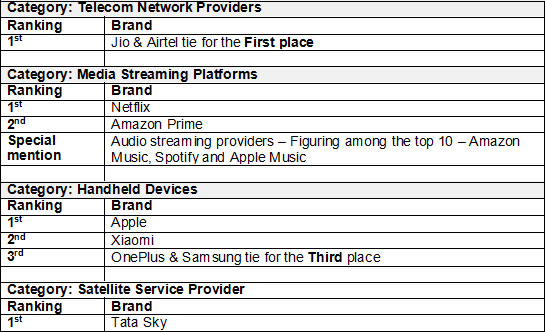
    Jio, Airtel, Netflix, Apple, Tata Sky have topped the Kantar CX+ 2020 for TMT. The Kantar CX+ report evaluates the CX performance of companies in the Telecom, Media and Technology sectors, using the Kantar’s CX+ index. CX+ is a sector-specific index to look at brands in the context of their category. It uses customer centricity as its core to evaluate CX performance of a company.


    As per a communique, the basic premise of CX+ is that brand and customer experience have become synonymous, in this increasingly connected environment.


    The roadmap to delivering a holistic experience is based on five key CX success factors:

    1. Clarity of brand promise

    2. Empowered employees

    3. Empowered customers

    4. Creating lasting memories

    5. Reinforcement of brand choice


    Additionally, the study also identifies each brand’s Experience Gap – which quantifies the difference between the Brand Promise and the actual customer experience delivered.


    The CX+ index for each brand is derived based on a combination of the CX Performance and the Experience Gap.


    The TMT study covered Telecom Network Providers, Media Streaming Platforms and Handheld Devices. In this study conducted in early 2020, clear winners emerged in each of the sectors.


    Commenting on the launch of the CX+ TMT report findings, Sushmita Balasubramaniam, Domain Lead for CX and Commerce – South Asia, Insights Division, Kantar said: “The landscape across the TMT sectors has changed drastically over the last one year. Consumers’ adoption of and dependence on digital, whether for basic everyday living, working, studying or entertainment has presented enormous challenges to companies in these sectors. And, the changes in usage of products and services will also mean that customer priorities on the kind of experience they are seeking will be different from the pre-Covid era.”


    Added Soumya Mohanty, Chief Client Officer, South Asia, Insights Division, Kantar: “In the current scenario, with tech convergence and emerging global media giants, the world will see vigorous competition in the TMT sector. This is an arena where tech credentials will become increasingly hygiene, CX will be critical. As network services providers, handheld device brands and streaming media providers, all will leverage customer data to build personalised journeys, CX and owning the relationship with the end user will become increasingly important.”


    Kantar CX+ 2020: Leaders in the TMT sector in India


    The Kantar CX+ TMT 2020 study analysed 6,000+ customers drawn from users across the sectors in India and was conducted in early 2020.


  • Peace or Perish!


    [updated with India Today Group quote & Republic TV statement]

    By Pradyuman Maheshwari


    Ask present and past TV audience measurement professionals who or what is pulling down the reputation of their business, the response would be an emphatic: news channels.


    TAM, a joint venture of Nielsen and Kantar (then owned by WPP and now majority owned by Bain), lost its measurement contracts from broadcasters, advertisers and agencies thanks essentially to news channels warring against it. Premier news network NDTV took TAM to court over allegations of faulty data, and this hastened the effort to set up the joint industry owned body Broadcast Audience Research Council (BARC). Eventually TAM sold its measurement business to BARC.


    Like TAM in the past, the BARC team faced turbulent times from the news channels, and in a letter to the BARC chairman Punit Goenka, the News Broadcasters Association (NBA) is said to have expressed its reservations about the BARC leadership of the past.


    There are murmurs that BARC CEO Sunil Lulla too has experienced some angst from news channels.


    The problem is always with ratings. That some of the channels have deep political connections makes matters worse. So every time there is a peeve, news channels flock to the I&B minister for intervention. In the past, matters have also gone to Parliament and there have been committees set up to examine nuances of the business. And if it’s not the law-makers who assert themselves, it’s regulator Telecom Regulatory Authority of India (TRAI) which intervenes.


    Frankly, the government ought not to have role in the business of news television. Except for running its own Doordarshan news channels, its publicity department DAVP which doles out advertising and monitoring objectionable content and addressing the media on issues and make announcements.


    But by running to the government often, channel owners have invited the ministers and bureaucracy to step into a territory which they shouldn’t be treading on.


    For instance, BARC’s weekly viewership data ensures that advertisers and the agencies make wise media buying decisions. It also helps broadcasters and content-makers better their content, sales and marketing act.


    But the ecosystem dominated by broadcasters inflicted on itself the government’s intervention (or interference?) and got BARC to be governed by a set of rules and regulations.


    There’s nothing new with what happened on Thursday. It occurred when TAM was around and it’s taken place under the BARC regime. There has been pilferage of information on the placement of set-top boxes, but the machinery is well-oiled to issue alerts when necessary.


    That’s what happened when Hansa Research, one of BARC’s vendors on engagement with panel homes, alerted the police about a mess up.


    Was Republic named in any written complaint? We don’t know. An FIR shared with MxM has a mention made of the India Today channel. Both Republic and India Today (by way of a report on the site) have presented their points of view.


    What we did find last night was various channels shaming Republic TV and founder, editor-in-chief and managing director Arnab Goswami. Newspaper reports today – owned by media companies which also run news channels as well as a few others – have also named Republic and Goswami prominently. The reference to other channels and India Today has been understated or is missing.


    So when did it all start? The war of words and ratings began even when Goswami was with Times Now. The channel was doing exceedingly well, on the back of the heated debates that it would air.


    But when Goswami quit the Times Network to start Republic, the daggers were pulled out from all directions. All sides are to blame. Times Now had its issues with Goswami for quitting, hiring some ex-staffers and making no bones of the fact that he was taking on his former employer. The others got on to the act the moment Republic shot to #1 in the ratings roster. ‘News without Noise’, became India Today’s credo.


    Various attempts were made to isolate Republic, including the rest of the news channels pulling out their watermarks so as to boycott BARC. On its part, Republic too countered the others – and compared its ratings with that of the others. Nothing wrong with it, except that the comparison was accompanied by much bombast. Surefire formula to rile others.


    But the war took on a new turn when Goswami launched Republic Bharat. While English news channels are influential and earn fair monies, the real bucks is in Hindi news. Aaj Tak, ABP News, Zee News have been raking in the moolah over the years. While Bharat made its presence felt, it didn’t create much of a dent until the Covid-19 pandemic-led lockdown happened and the Arnab Goswami brand of hyper-aggressive, right of centre journalism took over.


    And then came the controversy around actor Sushant Singh Rajput’s death. The line that Republic Bharat took on the controversy ensured it was numero uno. And not just for one week, but for now many weeks.


    Advertisement buying decisions are not taken in a hurry, but buoyed by its success, Republic Bharat has hiked its ad rates.


    On Thursday evening, the Mumbai police commissioner named Republic TV based on what appear to be unverified complaints and allegations. Later, on its primetime bulletin, Republic TV showed scans of the FIR naming India Today. The joint commissioner of police is reported on the India Today website stating that while India Today was named in the FIR, neither the accused nor the witnesses supported the claim. “On the contrary, the accused and witnesses are specifically mentioning the names of Republic TV…”


    The India Today Group issued a statement late on Friday: “There is a malicious campaign on right now by a few vested interests to drag the name of the India Today Group into the TRP scandal that broke out on October 8, 2020,” adding: “We welcome any probe the police may wish to conduct and are fully confident that we will come out unscathed as we have not acted in any inappropriate manner. What we have right now is nothing but malicious, unsubstantiated allegations by a vested party.”


    Republic TV has taken on the Maharashtra government and Police Commssioner Param Bir Singh over the last few months in Sushant Singh Rajput case. Meanwhile, Goswami has threatened to sue Singh.


    So what next on this? The news channels business in India is a divided house. There is the News Broadcasters Association (NBA) which comprises most of the big players operating nationally and there’s News Broadcasters Federation (NBF) which is spearheaded by Goswami and Republic. Recently TV9 pulled out of the NBA with the association lodging a complaint with BARC saying that the network had used unfair means to forge ahead on the ratings roster. The network is now back as its member.


    Singh was quoted on a channel saying that advertisers may also be called for interrogation. So will Amul managing director R S Sodhi have to make the rounds of the commissioner’s office? Perhaps he will be. Will media agency network bosses Prasanth Kumar of GroupM and Shashi Sinha of IPG Mediabrands also be questioned by the cops? If Sodhi is, surely Kumar and Sinha will be called in.


    It suits the government perfectly well to have channels warring each other. But if the police summons advertisers and agency bosses for questioning, there could be trouble. Large, pedigreed advertisers would prefer to stay away from the murky world of news television. Channel owners would do well to smoke the piece pipe.


    If warring countries and corporates can get together, surely Arnab Goswami and Rajdeep Sardesai can.


    Updates:


    Media agency bosses Sam Balsara, Shashi Sinha and Prasanth Kumar have been called to the police station for seeking information. So these may not be summons, but a request from the cops is never for a chat about the weather. There are rumours that names of certain advertisers have also been handed over to the police.


    The Republic Media Network has issued a press release: https://www.republicworld.com/india-news/general-news/full-news-release-from-republic-media-network.html. “The Republic Media Network has approached the Honourable Supreme Court of India. We have served notices of our legal action to the Maharashtra Government as well. While we will follow the law, we are determined to seek a legal remedy against this atrocious witchhunt,” the release says.


    Although Pradyuman Maheshwari is Editor-in-Chief and CEO of MxMIndia, the views here are personal and are not necessarily that of MxMIndia. He can be reached via Twitter at @pmahesh. A version of this has also appeared on The Wire at The ‘TRP Scam’ Could Open the Doors for the Government to Enter the Picture


  • MxM Newsmakers: Preeti Reddy, CEO – South Asia, Insights Division, Kantar on BrandZ 2020

    By A Correspondent


    Preeti Reddy
    Preeti Reddy

    On Friday, leading media services conglomerate WPP presented the BrandZ report of Top 75 Most Valuable Indian Brands.


    At 6pm today on September 18, Preeti Reddy, CEO – South Asia, Insights Division, Kantar spoke with Pradyuman Maheshwari, Founder and Editor-in-Chief, MxMIndia in an exclusive interview


    Here’s the interview:


  • Time spent on Instagram & Facebook leapfrogs: Kantar

    By A Correspondent


    In the wake of the Government of India banning 59 popular Chinese apps, Kantar has released insights on the impact of this ban on consumers’ digital behaviour. The ban as we know, came into effect from June 29, 2020.


    Summarising the learnings, Akhil Almeida, Vice President (Insights), Kantar, said: “Although consumers lost access to some of their favourite short-form video sharing apps, the bulk of consumers switched over to alternate platforms in an almost seamless manner. We saw that overall time-spent online was not as strongly impacted as one might have expected, given the size and scale of the affected platforms.”


    Key Learnings:

    A. No significant impact on Engagement

    The app-ban impacted platforms with a sizeable following. Given that users were spending hours every week across these platforms, one would have expected to see a dip in the overall time spent online once these platforms were no longer accessible. However, the avg. time-spent dropped only marginally (-6%), indicating that consumers were switching over to rival platforms much faster than anticipated.


    B. Big wins for rival platforms

    :: Instagram and Facebook saw an immediate increase in engagement.

    > Avg. Time/Day on Instagram more than doubled (2.3X), and Facebook too saw a significant 35% jump in time-spent on the platform with the bulk of this additional engagement being driven by smaller town consumers.

    > Among the youth audience aged below 24 yrs., Avg. Time/Day on Instagram grew by 35%


    :: Sharechat, India’s very own video sharing platform which focuses content around regional languages also witnessed a 2.5X increase in time spent.

    > This has primarily been driven by the younger faction of internet audience (aged below 24 yrs.). They have more than tripled (3.4X) their Avg. Time/Day on Sharechat since the ban came into effect.


    C. YouTube is still King

    The most impressive gain was seen on YouTube. Already the most popular digital video platform in the country, it saw a further 25% increase in time-spent!


    D. OTT also gets a boost

    Other players also enjoyed their fair share of rise in engagement levels. Hotstar, India’s leading Video OTT player saw their daily time spent grow by over 25%. Time spent in the video OTT space grew by 40% overall once the ban was imposed.


  • Parle is most chosen brand in India in Kantar’s Brand Footprint 2020 report

    By A Correspondetn


    Last week, Worldpanel Division of Kantar, the leading data, insights and consulting company, released its report, Brand Footprint 2020. The report is an annual ranking of FMCG brands based on the Consumer Reach Points the brands scored in a year. The report is in its 8th edition this year.


    Key findings:

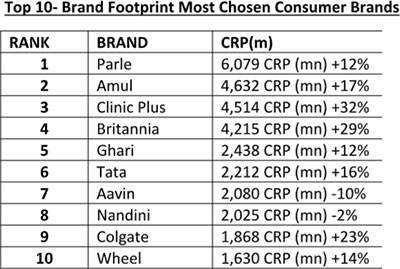
    Scoring the highest CRP (mn) at 6029/ +12% Parle, ranks first followed by Amul at 4,632 CRP (mn)/ +17%, Amul at 4,632 CRP (mn)/ +17%, Clinic Plus at 4,514 CRP (mn)/ +32%, Britannia at 4,215 CRP (mn)/ +29% and Ghari at 2,438 CRP (mn)/ +12%

    Five new brands joined the Billion CRP Club this year Dabur, Vim, Sunfeast, Brooke Bond & Patanjali. 21 brands made it to this group in 2019 compared to 16 in both 2018 and 2017.

    Over 2/3rd of the top 50 brands are Indian Origin brands (36) while global stands at 14.

    Global brands (29 %) show 1.8x growth compared to Indian Origin brands (16%). Global brands are growing almost twice as fast at 29% compared to Indian Origin brands at 16%.

    Consumers make significantly more choices this year leading to a significantly better CRP performance by brands- 57 % brands record growing CRPs.

    Bigger brands find better growth and follow the Golden Rule, brands grow faster by growing penetration

    Colgate stands at the highest penetrated brand at 88%

    Surf excel remains marks a consistent CRP growth rate at +20% scoring 1566 mn CRP.

    58 brands saw a penetration gain of 1% or more. Leading the category is Ponds at 5.8% followed by Harpic (4.8%), Comfort (4.5%). 1% penetration gain adds an extra 2.9mn shoppers to the brand.

    In the foods category Britannia clearly charts out a success story as the 2nd most chosen brand, 7th highest penetrated brand with a household penetration at 67.6%. While Aashirvaad saw a surge with 4% penetration increase and +55% CRP growth.

    Within homecare surf excel marks +48% CRP growth while recording +3.4% penetration increase, closely followed by Vim at +44% CRP growth and +3.2% penetration.

    Dabur comes out strong in the personal care & foods category with +34% CRP growth, making it the 5th most chosen beauty & health brand in India with a 70.0% household penetration.


    Impact of Covid-19:

    Food & Beverage brands get picked up more often except Parle and Tata due to drop in frequency. For example, Amul is chosen over 100,000 additional times during the COVID months of March-May.

    While personal and home care brands drop CRPs

    Despite CRPs, trip size increases causing top brands to grow volume


    Said K Ramakrishnan, MD- South Asia, Worldpanel Division, Kantar: “Consumer Reach Points are a great way to measure and rank brands as it is a measure of the number of opportunities a brand has, to interact with a consumer. It is great to see consistent validation for the fact that if you build penetration, frequency and growth follow. This has really been a year of global brands in terms of their higher growth than others. Like these, this year’s report has a lot of interesting nuggets to derive a lot of information and insights on top the behaviour of consumers towards brands in the last year.”


  • Value and innovation: Finding growth in the post-pandemic recession


    By A Correspondent


    Persistent safety concerns, financial pressures and sticky new behaviours mean consumers will not return to pre-pandemic behaviour any time soon. Marketers will need to pivot to finding growth in recession; delivering increasing value in the short-term to address growing economic concerns while innovating their way to sustained relevancy as behaviours and priorities change long-term. These are the findings from the fifth wave of Kantar’s Covid-19 Barometer, a global study tracking people’s attitudes, behaviours and expectations across more than 50 markets.


    Post-pandemic recovery delayed

    Only one third of people (37%) expect to return to non-essential consumer behaviour before 2-3 months. Even as many countries relax lockdown laws and commercial businesses reopen, across the world 66% of people say they will continue to avoid busy places, meaning a drag on physical retail environments. Beyond mandated hygiene and social distancing measures, 50% of people want regular testing for all and 43% want mandatory facemasks, led by demand in Asia, but more reluctance in western markets.

    Nearly everyone is experiencing increased anxiety over money. 56% of households across the world have now experienced a loss of income due to COVID-19. In India, the impact is even more acute, with 74% of households having experienced a loss of income due to COVID-19. This rises to 68% of the Millennial generation and 65% of GenZ. A further 19% expect an impact on their income in the future.


    In the short-term, brands and retailers need to prove their value

    As the financial impact of the crisis becomes increasingly apparent, across the world consumers consistently speak of a sense of pride in finding value, making smart decisions, and quietly enabling their own long-term success. 53% of consumers are paying more attention to products on sale (vs 36% in wave1). Offering discounts and promotions is now the third highest expectation of brands, (vs 5th in wave 2). 69% of consumers say a shopping list is more important now globally as well as in India.

    Beyond pricing strategies, consumers expect brands to keep advertising and acknowledge the crisis; three in four (74%) are happy with the volume of advertising, and only 14% want to see pre-pandemic ‘normal’ advertising. Two thirds of consumers are looking for help and advice – for themselves (64%) and their communities (65%) in the adverts they see and in actual brand behaviour. In India too, more than half of consumers would like to see lot more of advertising which shows what brands are doing to help the community (57%) and the people themselves (54%).

    Grocery stores are recognised as delivering value in the short term. 40% of consumers globally and 60% in India perceive their grocery store experience to be more positive while 69% perceive employees to be friendly and helpful and grocery stores to be acting on their promises; both metrics significantly outperforming CX benchmarks. Ecommerce usage continues to soar. 40% (vs 33% in wave 3) of consumers now say they have increased or significantly increased their online purchasing, rising to 48% for households with children and millennial households. India too shows a positive trend for Ecommerce usage (45% vs 40%) in Wave 3). Low pricing and promotions rank as the biggest reasons.


    Innovate to align with the new rhythms of life

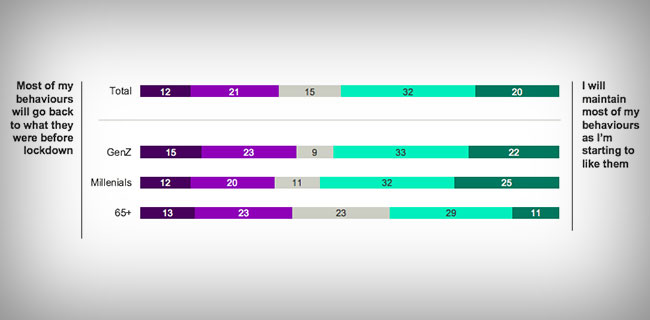
    People have started to like their lockdown habits. More than half (52%, 57% Millennial, 55% GenZ believe they will maintain lockdown behaviours post-pandemic. In India too, (53%, 56% Millennial, 61% – 35+ year olds) likely to maintain behaviours adopted during the pandemic. Increased hygiene, healthier eating, spending time with the family and personal development are most likely to be maintained. More than half the world (51%) now claim to be trying to exercise more. These changes all lead to different needs and spending patterns, and with more than half the world also feeling financial pressure, brands need to ensure their products make the cut in being considered vital in the new rhythms of life. This is amplified by the increase in willingness to switch. 45% (rising to 50%+ of households with kids) of consumers say they are prepared to keep using products and online stores they found while in lockdown.

    Said Soumya Mohanty, Chief Client Officer, South Asia, Insights Division, Kantar: “Indians are still in the phase between a lockdown and unlock. Some habits are starting to stick – eating healthy, hygiene while new ones around social distancing are emerging. The way we shop and interact will change but in an emerging, aspirational market the meaning of sustainability and responsible consumption differs. Brands will need to move from emotional succour and social solidarity to fundamentals of value, functionality, innovative delivery and simple mental availability. Simplicity could well be the new mantra as we navigate an uncertain world.”

    Commenting on the findings, Rosie Hawkins, Chief Innovation Officer, Kantar observed, “Adapting to life post pandemic, we’ve started to appreciate, and want to maintain our newly formed healthy behaviours, our more considered and purposeful personal connections and our online shopping habits. Brands and companies first and foremost need to ensure that their goods and services are safe to use and that precautions have been taken to guarantee this. As lockdown restrictions lift, consumers’ lives will continue to change and so brands will need to reassert their relevance in these new environments.”


  • HUL’s Ouch Mummy is Kantar’s 9th most effective ad

    By A Correspondent


    Hindustan Unilever’s ‘Ouch Mummy’ creative for Bru Instant has ranked #9 amongst the top performing global TV ads for 2019. It’s the only ad from India to win an award across all categories- TV, Digital and OOH/ Outdoor – in Kantar’s inaugural Creative Effectiveness awards.


    BP’s Blind Date (Spain), Milka’s Christmas ad Give to those who give the most (Germany) and HSBC’s CSR Birmingham (UK) are the most effective ads from around the world in 2019 in these new awards that were set up to celebrate the world’s best performing ads across the three key media channels based on actual consumer feedback.


    Here’s what a communique noted:

    Spanning three categories (digital, print/out of home and TV) and from 78 different markets, the winners represent the most creative and effective work from over 10,000 ads tested with consumers in 2019 using Kantar’s Link creative testing, which measures any advert’s potential to deliver against short and long-term brand goals. These first award winners perform in the top 4% for short-term sales likelihood, and the top 1% for long-term brand building when measured against the Link database of over 200,000 ads analysed over the past 30 years. The winning ads are all at least twice as likely to drive sales than an ad that performs at the median evaluation score and ten times more likely than a weak ad.

    The winners show that distinctive creative is central to advertising success, falling in the top 15% of ads for distinctiveness in Kantar’s database. In a world flooded with content, brands need to ensure their advertising captures people’s attention.


    Digital effectiveness: Engage don’t enrage

    Analysis of the digital category revealed the most effective ads reward the viewer with entertaining content that breaks through the ‘ad filter’ in consumers’ minds and compels them to view it. Milka’s Christmas ad Give to those who give the most tops the digital ad awards, demonstrating the power of storytelling for driving engagement by evoking strong emotions. The beautifully touching film, centred around a strong, seasonally relevant message of thoughtful gifting, was created in partnership with the European Union of the Deaf and promotes inclusion in a very moving way.

    Digital Ranking Brand Ad Name Agency Country
    1 Milka Milka Christmas: give to those who give the most Wieden + Kennedy, Amsterdam Germany
    2 Google App Search the lyrics with Google Zula Alpha Kilo Indonesia
    3 Dulux Let’s colour experiment: escalator Road 381 UK


    Print & Out of Home ads: Spark a response in seconds

    The winners here illustrate the power of creative to deliver an instant impression about the brand. Immediate impact is essential as consumers give just seconds of their time to print and out of home (OOH) ads, in which the content needs to communicate its message or hook the viewer in for longer.

    HSBC evokes an immediate emotional reaction through its winning OOH execution. The shocking statistic that 1 in 45 people living in Birmingham have no address, therefore can’t have a bank account, a job, or a home, helps highlight the work the bank is doing to support the local community. The impact of the message is heightened by delivering it in situ enabled by the medium of OOH.

    Print and OOH Ranking Brand Ad Name Agency Country
    1 HSBC HSBC CSR Birmingham Wunderman Thompson UK
    2 Estrella Damm Silja &Rosàs UK
    3 Camden Hells Juicer static Forever Beta UK


    Top-performing TV ads tell great stories

    The TV winners demonstrate the continued sales-generating and brand-building ability of broadcast content, particularly when strong distinctive assets are weaved into great emotional story telling. Crowned as  Kantar’s most powerful TV ad of 2019 globally, BP’s Blind Date is a great example of how a distinctive approach to a category can create differentiation. The ad shows how a functional message can be intrinsically sewn into an amusing, brand-centric story that is quite different to what you would expect to see from the category.

    TV Ranking Brand Ad Name Agency Country
    1 BP Blind Date Ogilvy&Mather Spain
    2 Tim Hortons Ask a Timbits Kid Zula Alpha Kilo Canada
    3 Unox Tijden veranderen TBWA Netherlands


    Said Daren Poole, Global Head of Creative at Kantar: “The first ever Kantar Creative and Effective awards showcase some of the most impactful advertising work from around the world. The commonality across all the winning ads is distinctiveness, and how strongly the brand is integrated into the narrative. Our winners – real consumers’ favourites – take on many forms and employ a range of creative tactics to convey their message; proving there is no ‘one-size-fits-all’ approach that can be employed to achieve great content. Interestingly, many of the winning ads in Kantar’s Creative Effectiveness awards are heart-warming stories or contain humour, in contrast to the broader industry trend, which is to incorporate humour less.” Just over one third (34%) of 2019’s adverts were intentionally light-hearted or funny, compared to more than half (54%) of ads evaluated by Kantar in 2000.


  • Mera Gaon. Mera Digital

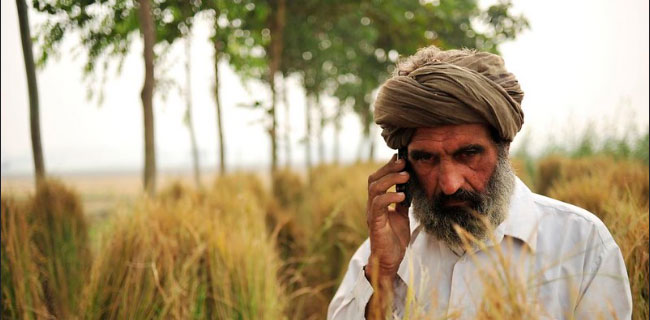
    Photograph of a rice farmer in Punjab by Neil Palmer (CIAT). Creative Commons Licence


    Data, insights and consulting major Kantar has released its ICube 2019 report on digital adoption and usage trends in India. The annual tracking study regarded as the currency for digital adoption in the country, gauges the changing digital ecosystem in India, measuring Internet usage by demographic, activity and device segments.


    Key findings:

    :: Estimated at 574 million, the number of monthly active Internet users have registered an annual growth of 24% indicating an overall penetration of 41%.

    :: The report projects 11% growth for 2020; estimates 639 million monthly active Internet users


    Active Internet User
    Estimated Growth Rate  11%

    · 2019

    · 574 Million

    · 2020 (estimated)

    · 639 Million


    :: All monthly active Internet users use a mobile phone as one of the devices to access the Internet

    ICube is an annual syndicated study of Kantar to measure the reach and frequency of Internet usership in India. Launched in 1998, the study is in its 22nd year. ICube 2019 covered about 75,000 respondents across 390 cities and urban locations and about 1300+ villages. The study represents all states and Union Territories of India barring Lakshadweep. The data collection for the study was conducted between May to August 2019.


    Said Puneet Avasthi, Senior Director, Insights Division, Kantar: “The latest edition of Kantar ICube 2019 report shows that the digital base in India has achieved a strong growth with the addition of over 112 million users last year. The new decade is expected to witness the next wave of Digital India aided by the recent COVID-19 pandemic that has catalysed the speed at which the already connected consumer is getting further connected with devices, payments, e-medicine, etc. Kantar’s ICube 2019 report gives a frontline view of the digital adoption and its growth drivers, thereby providing marketers the key insights necessary for formulating their marketing and communication strategies.”


    Added Biswapriya Bhattacharjee, Vice President, Insights Division, Kantar: “The lockdown and social distancing have pushed users experiment with various digital solutions, some of them by desire while others due to compulsion. The comfort of accessing services and availing their benefits from the comfort of home in the times of social distancing will continue to push users to adopt and use multiple Internet services. Given this, the year 2020 is likely to see a tectonic shift in both Internet adoption and frequency of usage. OTT, Hyperlocal services, Social media and communication and Online Payments will be some key elements that will drive the impact,”


    Entertainment moves Online

    As per the ICube 2019 report, about 84% users access the Internet for entertainment purposes. 2019 witnessed a surge in OTT, both audio and video, probably driven by original contents and Cricket (both IPL and Cricket world cup streamed on OTT Platforms). Convenience of content availability across devices and on the go low cost Internet service resulted in a significant growth in the entertainment consumption in the last year. This is expected to continue in 2020 too, especially in view of the lockdown.

    More children on the Internet than ever before

    At 38%, schoolgoing children segment in the age group of 15 years or below has shown a promising growth on the internet usage. Access to information and education, social media, gaming and entertainment, especially, Sports, are driving the adoption.

    Content availability drives the surge in daily usage

    Content is the king and is driving the surge in daily internet usage. ICube 2019 reports a growth of more than 60% in the daily Internet users in the last one year; almost 9 out of 10 active internet users were accessing the internet daily owing to entertainment and communication needs.

    Rural masses continue to propel India’s digital revolution

    India’s digital revolution continues to be propelled by the rural masses — Rural India registered a 45% growth in the monthly active internet users in 2019. It is now estimated that there are 264 million internet users in rural India, and this is expected to reach 304 million in 2020. Local language and video are the underlying factors for the internet boom in rural. The rural population has finally crossed the point of a chasm by embracing the Internet in a big way, resulting in a 2.5X growth in penetration in the last 4 years.

    Looking ahead:

    :: Children and housewives will be the new Internet adopters in the next year or two. Most of these users already have Internet at home, and it will be more about breaking the mindset barriers to access the web. With the availability of curated content for these groups, the adoption will be considerably faster amongst these segments.

    :: Video, Voice and Vernacular (3 Vs) will be significant usage factors for the Internet users. These will drive higher engagement and frequency of usage, thereby, helping the users mature in their Internet journey.

    :: IOT and Smart Devices will make the internet as much a household phenomenon as it is an individual phenomenon.

    (Internet User is defined as anyone who has accessed the internet in the past one month)


    ICube is an annual syndicated study of Kantar to measure the reach and frequency of Internet usership in India. Launched in 1998, the study is in its 22nd year. ICube 2019 covered about 75,000 respondents across 390 cities and urban locations and about 1300+ villages. The study represents all states and Union Territories of India barring Lakshadweep. The data collection for the study was conducted between May to August 2019.


  • Reminiscing the BARC set-up days

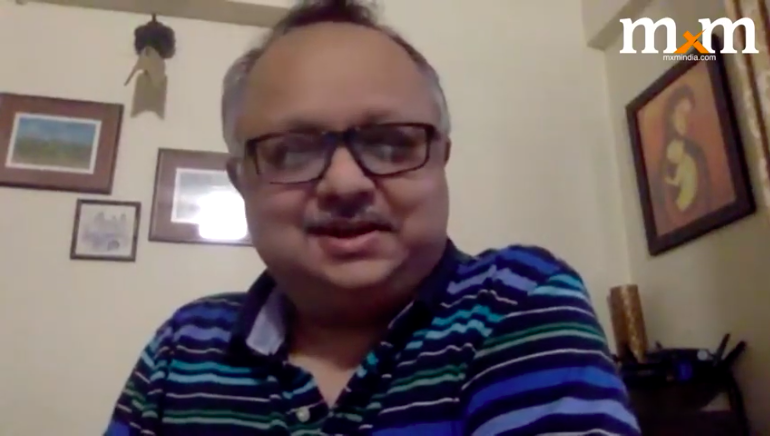
    Partho Dasgupta: Screengrab from Video


    By A Correspondent


    Over the last five-odd years MxMIndia would’ve done over a hundred-odd stories on television audience measurement and central to all of them was Partho Dasgupta, former CEO of BARC India.


    Dasgupta joined BARC in June 2013 and in November last year handed over operations to his friend and former colleague, Sunil Lulla.


    He is now using his experience and learnings to various places in the world, setting up BARC-like entities as an expert. He is also consulting broadcast and new media companies as a management consultant. And overseeing performance management. He of course continues to be President of the Advertising Club.


    Earlier this week, we interviewed Sunil Lulla, CEO, BARC India on the eve of its fifth anniversary. We now speak with Partho Dasgupta, the former CEO of BARC India and get him to reminisce the days before operations began on April 29, 2015.


  • Kantar publishes Covid-19 Barometer report

    By A Correspondent


    Kantar has released a new study that understands urban India’s sentiments, behaviours and expectations from brands during the Covid-19 pandemic.


    As consumer behaviour shifts dramatically and an anxious India waits it out, the new study provides brand owners the answers to burning questions like:


    What are people thinking, their major concerns, fears and expectations

    How the current crisis is impacting purchase behaviour

    Implications for brands and marketing


    In the wake of the pandemic, urban India emerges deeply anxious with a strong need for reassurance and stabilization. Some highlights of the study are:


    Urban India sentiments and behaviour

    Despite a significantly lower number of cases and death toll compared to many nations, India has a high score on the concern index at 57 per cent

    Day-to-day disruption bothers India more (69 per cent) when compared to

    Health concerns (48 per cent)

    Economic recession (18 per cent)

    Financial preparedness of the nation (47 per cent)

    Standing at 54 per cent, India supersedes the global average of 34 per cent when it comes to expecting speedy recovery

    We are optimistic attitudinally, but behaviours are contrary. Driven by high concerns for scarcity (51 per cent) India is stocking up for worse; mainly essentials

    Going by the current scenario, shared mobility is likely to take a hit – the numbers are heavily skewed towards a complete stop on usage of public transport (55 per cent), taxis/ride hailing apps (35 per cent), domestic air travel (58 per cent), domestic railway travel (57 per cent) as opposed to private vehicles (17 per cent)


    Expectations of brands


    A “New Normal” is gradually forming  If you don’t build desire, we will learn to live with less indicates the Kantar study.


    Brands are expected to be a trusted source of accurate information (28 per cent)

    Consumers don’t want brands to stop advertising and it must not be exploitative

    71 per cent believe coronavirus must not be exploited to promote a brand

    Brands must show how they can be helpful in the new everyday life (79 per cent)

    Inform about their efforts to face the situation (77 per cent)

    Offer a positive perspective (74 per cent)


    Kantar’s Covid-19 Barometer India study was conducted among 1100+ sample across 19 cities and 15 states. The respondents are 18+ years men and women and belongs to NCCS A and B. The data collection was done through March 19-22.