Category: MEDIA

  • What Ticks for Indian Consumers/Children – Ritu Dhawan and Rajiv Dingra

    Continuing with our extracts from the second edition of the MxMIndia Annual, we present contributions by Ritu Dhawan and Rajiv Dingra


    ‘Kids are emerging as intelligent news consumers’


    By Ritu Dhawan


    Till sometime back, Hindi news used to be about a very 40+ kind of audience but with time it has steadily transformed into being a 25+ one with more youth getting engaged to the genre through infotainment. In the last few years, while kids have established themselves as biggest influencers in most categories of consumables, they seem to be emerging as intelligent news consumers as well.


    In fact, these days there are times when they appear to be more informed than the adults. Even numbers (viewership) capture 10 per cent profiling for the 4-14 years age group. Yes, the involvement levels may not appear very high at the moment, but in certain events like Aarushi Murder Case, Mumbai Bomb blasts or even Elections, if you speak to kids these days, it is surprising to see the kind of information they flaunt with ease.


    How can brands engage kids on digital media?


    By Rajiv Dingra


    According to a report by IAMAI, the internet population consists of 41 per cent of users that range from kids to teens in the age group of 8-21 years.


    This, by any angle, is a significant base from the total active internet population which is now pegged at 169 million users. This means brands that target this age group now can look at digital to engage their audience.


    The age group 8-13 is very different from 13-21.


    One can clearly see how the 17-21 yearolds in India are present on Facebook, which seems to the primary platform for them to connect. Facebook ad targeting shows that there are 40 million users between the age of 13-21 on the platform.


    This, as a trend, only indicates that to engage the mentioned age group may not require any additional efforts. Any new programming initiative to specifically tap the mentioned audience in the said cities has to be done basis an educated trade-off with the core news TG.


    40 million is a huge number and definitely that makes Facebook a key platform for engaging the young kids and teens on this platform.


    When one looks at Facebook, the 5 Cs that work when it comes to engagement are as follows:


    1. Contests

    2. Content (relevant to both brand and audience)

    3. Campaigns (thematic campaigns that engage audience and gets them involved)

    4. Crowd sourcing (young users are active and engage in sharing content as well)

    5. Comics (bit strips is one such example )


    Beyond Facebook, younger users are logging onto IM chat apps like Whatsapp. Engagement on platforms like Whatsapp and Wechat is not easy. One has to get a fixed number and also create multiple groups to engage audiences. One direct way may also be to do an alliance or sponsorship on the platform.


    When it comes to younger audiences like 8-13 year olds and 13-21 year olds one can also look to engage them to mobile apps especially android and iOS. Lots of parents today buy low cost tablets for their kids to play on and games and engaging apps is definitely one way to reach this audience.


    On the whole, there are some other new age platforms like Instagram and Vine that are growing globally among this TG group of kids, tweens and teens but in India these platforms are yet to catch on. Only time will tell if global platforms and trends start impacting the Indian market as well.


    Wednesday, September 3:  Family/Colvyn Harris and Prasoon Joshi
     

  • Modi in the Media


    By Ranjona Banerji


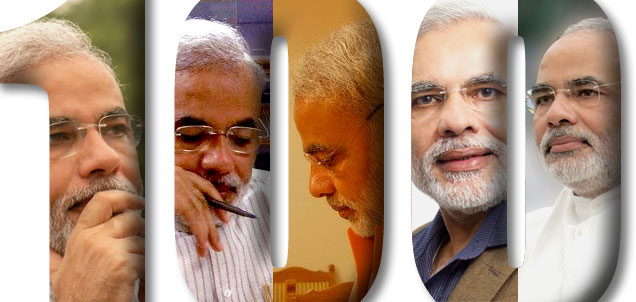
    100 days is now a media mantra when it comes to anything at all. Should one go as far to say that this has something to do with the title of a book written by Gabriel Garcia Marquez? Probably not. So we have to assess 100 days of the Narendra Modi government at the Centre. Not three months (which would be around 90 days) and not 200 days but perhaps we’ll re-assess the government at 365 days and call it one year?

    I put “100 days Modi government” into Google and got stories headlined around that theme, in order, from IBNLive, DNA, Indian Express, LiveMint, India Today, Hindustan Times, NDTV, Zee News, Times of India and Economic Times. So much for originality…

    Having decided to play “follow the leader” on the 100 days theme however it has to be admitted that all media outlets did not take the same line. Some gushed, some focused on the misses, some talked about hits and misses both, some spoke to the Opposition.

    The biggest takeaway from all this seems to be that Modi has made his ministers accountable. According to a fascinating story carried in Niticentral, a rightwing website, this has been achieved by spying on his own ministers.  http://www.niticentral.com/2014/08/25/narendra-modi-enforces-tough-discipline-among-ministers-236467.html.

    So the100 days theme runs like this: Modi has cut through plenty of slack, he has improved systems by making sure his own ministers work, he has travelled to many countries, he has not spoken enough, he has not made good on several other promises, some of the benefits accrued to his government come from UPA policies, he has renamed certain existing schemes, he has made an Independence Day speech, he has fed fish in Japan, he has stopped his party people from talking too much, he has stopped his ministers from speaking almost completely, he has got rid of several governors, he has sidelined the old-timers in the BJP, he has made his right-hand man Amit Shah party president…

    How much of this is remarkable and how much is pedestrian perhaps lies in the eyes of the believer. As TV news tries to jump from issue to manufactured outrage and print sprints to keep pace, we see a fractured image. There is a larger-than-life Modi in carefully posed pictures in foreign lands, we have a Modi who promises security for women and toilets for all, we have a Modi who says everyone must have a bank account.

    We have a BJP which launches a campaign in Uttar Pradesh claiming that hordes of Muslim men are conspiring to make Hindu women fall in love with them to convert them to Islam and thus increase the number of Muslims in the nation. We have BJP-run state governments and the Union HRD ministry trying to manipulate history. We have local BJP units and BJP allies pushing for India as a “Hindu” state. We have the RSS jumping in and claiming credit for Modi’s victory.

    And we have a media which is unable to put all these refracted elements together. So Gaurav Sawant of Headlines Today and a reporter from CNN-IBN got to Japan and behaved like no one has ever been to Japan before. They make ridiculously banal comments about Japanese trains, they comment on cleanliness. They say: “Look at these Japanese people sitting silently on a train.” “When will India ever have such clean stations?”

    What is this? A delegation of idiots goes to Japan? Where is Mark Twain when you need him? The tenuous connection is the promise of a bullet train in India made by Modi. The obsequious brainlessness of some TV journalists and presumably their editors will be part of an ignominious chapter in the history of Indian journalism.

    P S:

    Meanwhile, scroll.in tells us that Shekhar Gupta is no longer vice-chairman of the India Today group. He is now an “advisor”. This is a mere two months after he took over, having ended a long stint at The Indian Express.

    What gives at India Today? Is it family matters or recalcitrant employees? MJ Akbar didn’t last too long, Siddharth Vardarajan didn’t get further than signing a contract and Gupta is out in two months…

    http://scroll.in/article/shekhar-guptas-return-to-india-today-group-ends-in-two-months-to-take-advisory-position/?id=677005


  • What Ticks for Indian Consumers/ Family – Colvyn Harris and Prasoon Joshi

    Continuing with our extracts from the second edition of the MxMIndia Annual, we present contributions by Colvyn Harris and Prasoon Joshi


    Having it your way with the family


    By Colvyn Harris


    While a lot could be said about the positive impact that a family manages to create on the life of a brand, it would be appropriate if we could first figure out how the definition of a family, especially a ‘happy’ family is changing.


    A happy family

    Good human and compassionate values lead to happiness. Another important element is that satisfaction comes from a ‘want’ state. You can have a very happy family with limited resources and you may have a family, which has everything but may not be as happy. Good middle-class core values keep a family united, and religious beliefs create happiness. A feeling that somebody like parents, are watching your actions, what you do, how you behave and manages to keep the family focused, together, close and hopefully happy.


    Socio-economic reasons for changing family dynamics

    Family dynamics are changing and there are two key reasons for it: one is aspirations and the second is keeping up with peers. What my neighbour has got, what he is doing, what has my friend got, what has my colleague got, creates a certain kind of peer pressure or competitive nature in people. This larger, bigger, better are new attributes where everybody wants more…like a thinner laptop, faster working phone, flashier car etc. These are very complex behavioural and intrinsic actions that people take based on what they see. Of course, these values are based on whether someone has the propensity to spend.


    Rural vs. Urban life

    Urban families live a city life which comes with its own set of opportunities and challenges. The type of community, living, working, commuting, aspirations are so very different because we live in this melting pot, we are a part of this wonderful golden so to speak rut. I met this Chinese taxi driver in New York once who said I stop working when my eyes close and when they open in the morning I am working. I think that pretty much articulates urban life – you get up, your entire grind is towards getting into office, and then there is the grind (which is a full day at work) and then the grind back home only to come back the next morning and start all over again.


    ‘Marketers better be honest to the consumer’


    By Prasoon Joshi


    Today, the definition of a happy family has definitely changed. To what extent, depends on the socio-economic strata of society you are talking about. If you ask a person in a village how family happiness has changed for him, it would be very different from middle India where I was brought up.


    The biggest change is that society has become more individualistic and the joint family structure is gradually diminishing. We have not yet moved into an individualist society completely though. We are in a cusp where people are finding it difficult to be a collective society. The notion of self, my needs, my life, me, my achievements is increasingly becoming more important.


    There is a flux of people to metros, big towns and cities. The happiness that people used to get from family has somewhat shifted from family to material things, and that is the first sign of a consumerist society.


    Consumerism has tip-toed into our consciousness. We are willy-nilly going the western way, which is based on consumption. When your economic principles are changing, then your value system also changes gradually. It is not to say that the meaning of happiness has gone diagonally opposite of what it used to be – Indians still value inner happiness.


    Rural vs. Urban

    When you say development, it means different things to different people. In rural India, there are infrastructural issues like in many places there is no electricity, no roads etc. While on one side their basic infrastructural needs are being met now, they are also getting connected with the world at the same time, thanks to the way mobile phones have reached rural India. It is leapfrogging ahead and they are experiencing things faster than urban India did. Unlike urban India, they are not experiencing changes in phases.


    The challenges of rural India have also been different – people in urban India cannot even imagine that somebody still gets water from a faraway place. We live in a very compartmentalised and disconnected world. On one hand, we are talking of having hundreds of channels where the number keeps increasing every day and on other, people are living in media dark ages in the same country.


    Then I look at the juxtaposition of rural life. I have not lived there but I have been in many villages and in my view it is simpler, less complicated, one has fewer things to do and it is definitely not hurried. They have stress of a different kind – they have living stress, water, electricity, sanitation etc., though that is changing now.


    It is not to say that people in rural areas do not chase dreams and aspirations. TV is a great window for anybody who lives a rural life to understand how we live in cities, which is why today the sachet packs of brands are being sold in rural areas – nothing prevents them from wanting a Sunsilk shampoo sachet or a Horlicks sachet. Distribution might be an issue but that will get resolved too.


    From a collective to individualistic society

    Individualism has been there since the time hedonism was invented. The time we live in makes it more pronounced. I do, I hope, I did, it is the ‘I’ word that drives the behaviour in all we do. It is a lot of self-credo and want for ‘myself ‘ and that is a big change.


    When it comes to purchase decisions, people do seek approval but decision making is purely individualistic. You may want affirmation after you decide it, but by and large you pretty much decide it. As for the stories about my child influenced me to buy a red car or some other product, it is said so but I don’t really believe in that maxim.


    Most challenging TG for marketers

    Teens, in my view, are the most difficult to reach. They are at an age where they think they know everything but haven’t tested it yet. They have that rebellious spirit as well. Peer group pressure is maximised with this audience or market segment. They have aspirations, dreams, they want and every marketer is trying to reach them. They are definitely the most important audience segment.


    Man’s role in changing family dynamics

    Larger societal values drive them to perform and succeed, be it in a career or at home. The same motivations which drive anybody drive men as well – may be they are more ambitious, but here is where good family values make the difference as against the family values of a western world. In the Indian context, we believe in our duty towards family, towards career, towards children, towards marriage and more. As a result, there is lot more security in the Indian society. How people think in the western world is that at age of 16, 18 and 21, there are three rites of passage where you move out. Not so in the Indian society.


    Advertising and changing consumer

    To an extent, brands drive cultural change and we ride those cultural trends. It is like a cycle, a brand sets out a cultural nuance and then that becomes a trend which people ride. It continues till the next one comes along that inspires the next behaviour.


    The power of social media

    That is the future. I find it very instantaneous and effective. You can pinpoint it much better. The creation of the now famous Pink Chaddi brigade and the moral policing when they all donated their pink chaddis; or the Arab Spring or the recent Campa Cola Housing Society campaign and the sexual harassment campaign were highly effective. When targeted correctly, social media can be most impactful and effective. There are many such examples that show how it can fuel whatever cause it sets out to do. Having said that, the cause must be just and justified.


    Mobile: the way forward

    Mobile is specific, targeted, real time, geographic and relevant. Where the future development will take place is in the quality of messaging. Just tele-marketing, pushing out a banner, or a billboard, as is being done currently, would not suffice. Targeting would need to get more focused. For instance if I say Pizza, GPS would pick my location and show me the available outlets. But it should go beyond that – marketers would have to figure what can I do to entice a consumer to my brand v/s another? Or, perhaps it can get me to change my mind out of pizzas.


    Changing consumer expectations & future readiness of marketers

    Consumers would always be dynamically driven and a difficult-to-satisfy set of individuals. Brands and aspirations will drive them to expect more, to want more, and to spend more as their respective economic affluence grows. The richer you get and the better you do, you will continue to want more.


    Are marketers future ready?

    Marketers can be as future ready as they want to be. They are finally people taking decisions. Like there is no common man, there is no common marketer driving a purchase decision. For every brilliant marketer there is an equally not so brilliant one – so on average some will always be ahead of the curve driving change and others wondering what happened and that’s how case studies get built.


    Family purchase decisions

    The man and woman relationship and equation has got redefined in our society, more so in the urban areas. Earlier, man was the provider and woman used to take care of the house. Since the time women have come out and said, I do not need a provider – I need a relationship, it has changed. It has made her an equal stakeholder in the purchase decisions. Earlier children were kept at an arm’s length, they couldn’t look straight into their father’s eyes, forget about participating in purchase decisions. Today’s kids have much more say – in fact decisions even on buying a TV or refrigerator or what car the father drives sometimes are completely driven by their influence. As a society, we are becoming individualistic but the nuclear family purchase decisions are more collective today.


    The most difficult TG to reach

    Teenagers are the most difficult to reach as their media habits are very complex – they are on social media, telephone, they watch television. Though they are available, it is complex to be able to map their lives. I would say you still get appointment viewing for the housewife or the man of the house or children, but to get hold of a teenager is the most difficult part.


    It is very important to reach them though. They experiment, and are emotional about the brand they want to associate themselves with. They are ready to spend money and most marketers and product categories want them. If you get them at that age, they will stick to your brand…they become your brand loyalists.


    What holds the family together?

    Today’s society is connected through festivals and special occasions. It is not that people are disconnected and are not interested in meeting their families and friends. They are so caught up with their life – life has become so tough that they are finding festivals and special occasions as a time to connect. Whether it is somebody’s birthday, anniversary or festivals, these have become much more serious interacting points than ever before. I think special occasions are keeping people together at least in metros and urban society.


    Selling indulgence

    It is not easy to sell indulgence to Indians. An Indian consumer prefers not to call himself or herself indulgent, still there is some resistance to it. Barring a few categories, if you want to sell them pure indulgence they will be little wary of that. Unlike the western society where there is no guilt for buying for indulgence, here age-old guilt still exists. However, that is gradually changing. Luxury products have already started finding windows – earlier the cars would be just of functional use for family but today a person can go for a car which expresses his individuality.


    Changing consumer expectations

    Consumer is an emperor now, he is spoilt for choices and he/she is going to be more demanding and discerning. The consumer of today wants less faff and more of the real stuff. Your brand is going to be very closely scrutinized and your promises are going to be looked at very critically. The consumer will want answers from you, and would want you to be accountable for what you say in your advertising and what you promise through your products. Consumer is definitely going to discard brands which would not fulfil their promises, or are going to be fly-by-night, flimsy and shifty.


    Also, a social/environmental consciousness about the brand and the company’s social and environmental standards/commitments is slowly coming in at least some consumer segments.


    Marketers have to realize that they have to live up to the expectations of the consumer. Hyperbole has to be used very carefully in brand communication. Marketers better be honest to the consumer rather than promising the earth. As is said, ‘Good advertising kills a bad product faster’.


    – (As told to Ritu Midha).


    Tomorrow: Thursday, September 4: Men/Divya Gupta and Paritosh Joshi


  • Lowe Lintas rolls out youth-oriented campaign for FreeCharge

    By A Correspondent


    Lowe Lintas has been appointed as the creative agency for FreeCharge, India’s leading online platform for recharge, utility payments, promotions and couponing. As part of the alliance, Lowe Lintas has been tasked with the mandate of making Freecharge a go-to and top-of-mind brand in India. Lowe Lintas fended off competition from six other agencies that were in the fray before it was chosen.


    FreeCharge is a pioneer in the online recharge space with a unique business model. FreeCharge doesn’t just make the process of recharging convenient, it also makes it rewarding, by way of discount coupons. For every recharge done on FreeCharge, the company gives customers discount coupons from top food joints and popular retailers, equivalent to your recharge amount, delivered to their mobile, inbox or even doorstep. These coupons can be used to save money when customers eat out, watch movies, book travel tickets, shop online, visit a salon, go gaming, pick up books, music, groceries, and live a rewarding life!


    Sharing his views on appointing Lowe Lintas as the creative agency, Alok Goel, CEO, FreeCharge said, “FreeCharge is a youth brand and hence we wanted to figure out a campaign idea that will connect with today’s youth at deep emotional levels. Lowe team came up with phenomenal insight. The insight was that today’s youngsters are smart problem solvers and they will figure out their way out in life despite what life throws at them. The insight was so original and emotional that we felt Lowe team will be great partners for this campaign.”


    To drive FreeCharge’s marketing objectives, Lowe Lintas has unveiled a campaign – ‘Recharge nahin… FreeCharge’ that depicts FreeCharge’s core proposition of being an ally for the youth and how it plans to alter the recharge landscape in India by offering rewarding coupons and offers. The campaign is live online and will soon be seen across other traditional media.


    Speaking on the launch of the campaign, Kunal Shah, Co-founder of FreeCharge said, “We want to completely change what people expect from the simple act of recharging a mobile phone. It is no longer just a payment, but a rewarding experience which delivers joys to our customers. We felt that Lowe Lintas’ campaign idea captured this in a surprising and insightful way. We are confident the youth of today will connect with the brand and engage with it for a long time to come.”


    The youth is often stereotyped by parents for being spendthrifts who don’t value money. Lowe Lintas’ consumer-research revealed that in fact, the reverse is true today. The digital-native youngsters are quite smart and inventive when it comes to stretching their means to the max.


    Sharing his thoughts on the creative approach taken for the brand in a crowded marketplace, Arun Iyer, National Creative Director, Lowe Lintas stated, “We felt that our campaign needed to do more than land the product and its benefits. We needed to connect with our rechargers at a real level. We hit upon an insight that the youth of today are ‘charged’ with being irresponsible with their money. This simple app is their ally and just one re-‘charge’ fittingly answers all these charges.”


    The campaign aims to build further on the brand’s key offering through relevant tie-ups.


  • Breakthrough hands over digital duties to Ignitee Digital

    By A Correspondent


    Global human rights organization Breakthrough, has appointed Ignitee Digital as its digital agency. Breakthrough seeks to prevent violence and discrimination against women by transforming the norms and cultures that enable it. Through this association, Breakthrough seeks to leverage the digital media platforms to educate the audience by establishing meaningful conversations and building a critical mass of change agents worldwide. By building an active presence on social media through its collaboration with Ignitee, Breakthrough intends to build a Breakthrough Generation-whose bold collective action will deliver irreversible impact on the issue of violence against women.


    Launched in 2000 by Indian-American human rights activist and cultural entrepreneur Mallika Dutt, Breakthrough has expanded online with a view to serve as a common platform for women’s general well-being, building a support network and advocate for gender equality and women’s rights.


    Ignitee has been appointed by Breakthrough to manage the #Selfies4School digital campaign to create a platform through which users can upload selfies and promote the campaign on their social media profiles.


    “At Breakthrough our aim is to make human rights real and relevant to everyone by creating innovative, relevant multimedia and pop culture that bring human rights issues and values into the mainstream. The Vodafone Breakthrough Selfies4School campaign is a call to educated, urban men and women to join our effort to delay the early marriage of girls till they attain legal age. By sending in selfies to join this campaign, one will not only ensure the resources to support the right to education for girls, but also endorse the courage of girls to fight against odds like poverty, gender discrimination and child marriage to realize their dreams,” said Sonali Khan, Vice President and Country Director, Breakthrough India.


    The Ignitee team is also responsible to revamp the Breakthrough website which will focus on how the users can join hands with Breakthrough and work with them. Through this website, Ignitee aims to create innovative, relevant multimedia tools and programs-from short animations to long-term leadership training-that reach individuals and institutions where they are, inspiring and equipping them to build a world in which all people enjoy their human rights. With an active presence online and a revamped website, Breakthrough will be able to engage with its followers and registered users, send them relevant invites for events based on their location and other parameters.


    Atul Hegde

    On this strategic partnership, Atul Hegde, CEO, Ignitee said, “We are extremely delighted to be associated with Breakthrough and look forward to support the campaigns with Ignitee’s expertise in the digital space. We are looking at building engaging content which will help bring a notable positive difference to the lives of all women and lead to a better society to live in. We, at Ignitee, will create unique and innovative campaigns reflecting the needs of the users and connect with them on a personal level by providing useful information to users and encourage them to join in the various initiatives.”


    Ignitee had previously been associated with cause marketing initiative like Be Brave (Godfrey Phillips India) and NGO like YouWeCan (Yuvraj Singh Foundation).


  • MIB issues list of initiatives understaken

    Source: Press Information Bureau


    The Ministry of Information & Broadcasting has undertaken key initiatives in the different sectors aimed at enhancing the outreach of policies and programmes across platforms. Some of the initiatives undertaken have been innovative involving people’s participation, enhancing government’s presence on the social media platforms and strengthening communication at the grassroots. Some of the key initiatives are as under:


    Launch of new Kisan Channel: Government has allocated an amount of Rs 100 crore to Kisan Channel, which will disseminate real time information to the farmers regarding new farming techniques, water conservation, organic farming etc.


    Establishment of Social Media Presence of Government of India: In order to facilitate Ministries/Departments in registering their presence on Social media the Ministry of Information & Broadcasting has organized a half day training workshop on 11th July, 2014 at the National Media Centre.


    Launch of new Arun Prabha Channel for North East: In order to provide a strong platform for expression of cultural identities and for creating greater awareness regarding North Eastern Region, the government has announced launching of a new 24×7 Channel for North East called Arun Prabha.


    3rd and 4th phase of Digitization: A Task Force has been constituted to steer the remaining two phases i.e., Phase III and Phase IV of digitization in India, which will pave the way for implementation of digitization initiative in India, which will see digitization of about 8 crores Cable TV homes in India. It is also a step towards the Prime Minister’s dream of a Digital India as digitization will enable quick penetration of broadband connectivity in India.


    3rd phase of FM radio auction: On the request of this Ministry, TRAI has furnished its recommendations on migration of FM Radio Broadcasters from Phase-II to Phase-III. The issue is being examined.


    Goa declared the Permanent Destination for International Films Festival of India: In order to develop the “Brand IFFI” on the lines of other International Film Festivals, the Goa has been declared as the permanent destination for International Films Festival of India.


    North East Film Festival: For the first time, a three-day North East Film Festival was held in Delhi (Siri Fort Complex) on a grand scale. It will henceforth be an annual feature, a prominent event in the film festival calendar of the Directorate of Film Festivals.


    FTII, SRFTII to be institutes of National Importance: In Order to provide statutory backing through an act of Parliament to declare both the institutes as Institutes of National Importance the government has proposed a Bill. The proposed Bill would enable both the Institutes to award its own degrees and diplomas and start new activities on the lines of IITs and IIMs.


    Meeting with stakeholders related to Set-Top-Boxes to promote Indigenization of Digitization: Efforts were taken to fulfill the long pending demand of domestic manufacturers of Set Top Boxes to get tax concession (C Form benefit) in order to compete with imported STBs.


    e-initiatives: The office of Registrar of Newspapers for India (RNI) under M/o I&B has streamlined its Single Window Public dealing mechanism at its office. RNI has achieved 100 % success in online e-filing of annual statements by publishers for 2013- 14.


    Boost to Community Radio movement in the Country: The government has allotted an amount of Rs 100 crores for “Supporting Community Radio Movement in India”. This would enable setting up of 600 community radio stations across the country in the 12th Five Year Plan. This major initiative of the new government will strengthen the connect with the population living in rural and marginalized areas.


    Simplification of Procedures for granting Television licences for starting additional television channels: Ministry of Home Affairs has agreed to the proposal of I&B Ministry for not seeking security clearance for such channels whose security clearance have already been sought earlier along with the Board of Directors. This decision has paved the way for speedy clearance of additional television channel permissions, which will benefit the broadcast industry in a big way. After the decision was taken 23 TV channels have already been permitted by the Ministry.


    Proposal cleared for Rs.600 crore National Film Heritage Mission (NFHM) to preserve India’s film legacy: The revised EFC proposal for a Rs. 600 crore National Film Heritage Mission project to preserve India’s filmic legacy was cleared by the Expenditure Finance Committee in the Ministry of Finance on 3rd July, 2014. The draft Cabinet Note has been circulated to the concerned Ministries and the Note will shortly be submitted for approval of the Cabinet.


    Peoples’ participation in Government Advertising through Crowd- Sourcing of Advertisements: The advertisement for the important events being designed on the crowd sourcing model. Independence Day advertisement designed on these lines and DAVP has invited suggestions for the proposed advertisement to be brought out on 5th September to observe “Teachers Day”.


    Adopting 360 degree approach to information dissemination: For Independence Day, the advertisements were crowd sourced for the first time and Independence Day coverage was extended to all Media platforms. Similarly, a series of Press Conferences being organized to highlight the initiatives of the Government and the same approach is being adopted to ensure information dissemination across all platforms.


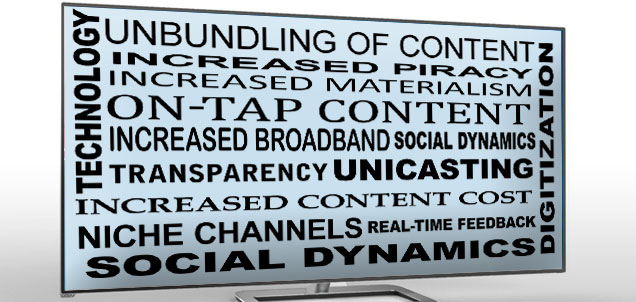
  • 10 Trends that will Drive TV Tomorrow


    Global leader in assurance, tax, transaction and advisory services Ernst & Young LLP or EY, as it’s now known, presented a report at the TV.NXT conference being held in Mumbai and organised by leading industry publication afaqs. Presenting an extract from the report presented by senior EY professionals  Devendra Parulekar and Ashish Pherwani


    The Indian television industry is undergoing a seismic shift. The pace of technological change is accelerating so quickly that finding the right balance between addressing today’s daily operational challenges and planning for the next big thing can be a struggle. Many executives are so focussed on the critical issues that they need to address today that looking forward is nearly impossible. And yet, looking forward is what executives need to do if they want to innovate, prosper and survive.


    Here are ten emerging trends that we see as having the biggest impact on the future of television in India

    1. Unbundling of content will drive new revenue models

    Trend:

    As seen in both music and books, with the advent of good-quality broadband and increasing per-capita income, TV content will get unbundled. There will be a shift from channel loyalty and TV loyalty to program loyalty and device disloyalty


    Implications:

    1. Need for sachet pricing models -Pricing by episode, series, day, etc willbe required

    2. Loss of traditional subscriptionrevenues
    3. Threat that high individual pricingcould be hampered by piracy


    2. Technology will enable omniplatform consumption

    Trend:

    Consumption will move from one location to many, as viewers’ desire to be entertained across locations will become possible with the aid of technology like wifi. They will consume content across various formats and devices.


    Implications:

    1. Content will need to move seamlessly across devices and locales; storytelling will need to evolve

    2. Measurement of viewership will be individualized, and be based on large volumes of actual data
    3. Increased adoption of digital supply chain to reduce cost and time


    3. “On-tap” content will lead to time-shifted bingeing

    Trend:

    As there is no need for immediacy of viewing (except in sports and breaking news), viewers will access most content at their ease, and indulge in binging (consuming many episodes at once).


    Implications:

    1. Digital asset management wouldneed to be strengthened to enable subscription revenues

    2. New pricing and packagingmodels would emerge
    3. Growth of Multi Channel Networks


    4. Increased materialism will move TV consumption from the living room to the bedroom

    Trend:

    Increased materialism and lower TV, broadband and PC costs will enable families to split their viewing patterns from the “common” or living room, to the “individual” or bedroom


    Implications:

    1. Lower share for GECs and increased importance of niche channels

    2. Ability for advertisers to target audiences one-on-one


    5. Increased broadband will result in increased piracy

    Trend:

    Broadband growth = Piracy growth. Specially when broadband rates reduce and come on par with cable rates.


    Implications:

    1. Need for industry-level initiatives to curb piracy

    2. Flexible & fair content pricing models


    6. Increased content cost will shift power to the content producer

    Trend:

    IP will begin to be co-owned by production houses, and not just broadcasters, as increasing content costs will result in increased risk sharing


    Implications:

    1. New models of content licensing

    2. Need for robust content use monitoring systems
    3. Premium artists start to share the risk


    7. Digitization will increase importance of niche channels

    Trend:

    India will digitize its distribution across Phases I to III, and increased collections from subscribers will trickle to broadcasters. Phase IV will remain a fragmented or HITS play, with LCOs retaining their last-mile relationships.


    Implications:

    1. Increased revenues for niche channels

    2. Fragmentation of the “GEC” into “sub- GECs” with focused target audiences
    3. Possibility of massive viewership measurement at the household level
    4. Marketing will need to support Phase III viewership support


    8. Transparency will lead to perviewer carriage models

    Trend:

    Carriage is a distribution cost and will be recognized as such, till such time as MSOs begin to collect a larger share of subscription revenues


    Implication:

    1. Per-viewer carriage models will come into being; split across 50 large and medium distributors


    9. Unicasting could lead to resultbased ad models

    Trend:

    Ad service will change to unicast models, targeting individual viewers, like the internet.


    Implications:

    1 Advertisers will begin to pay per ad served and viewed, and increased measurement will be the norm
    2. Value of a served customer vs. a mass customer will be determined
    3. Use of return path (where possible) to drive interactivity


    10. Social dynamics will lead to more real-time feedback

    Trend:

    Apart from viewership measurement, trends from social media like Facebook, Twitter, etc. will provide inputs to marketing, pricing and story-telling


    Implications:

    1. Need to implement social media crawlers and big data analytics
    2. Content supply chain needs to be flexible


    Published with permission from EY


  • Premnath Unnikrishnan appointed South Head – Digital at MEC

    By A Correspondent


    MEC India has announced the appointment of Premnath Unnikrishnan as South Head – Digital. Prior to joining MEC, he was with Interactive Avenues, a leading full-service digital marketing company. Based out of Bangalore, Premnath will report to Vishal Chinchankar, Digital Leader – India.
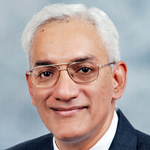

     

    Vishal Chinchankar added, “It is great to have Prem a part of the MEC’ Digital team. He is a seasoned professional and come with a plethora of skills and expertise. He has a proven ability to create strategic simplicity, drive innovation, ensure systematic execution, and deliver results. We wish him the very best in his new role”.


    Premnath, a thorough digital professional with over 10 years of experience, comes with in-depth knowledge of performance based campaigns. At Interactive Avenues, Premnath has managed prestigious accounts like Wipro, TTK, ING Vysya Bank, World Vision amongst others.


    On his appointment, Premnath Unnikrishnan said, “It’s an absolute honor to be part of this leading organization. This opportunity has provided me a great platform to further showcase and enhance client service levels. From developing digital strategies to implementing digital technologies and running digital processes, these responsibilities will serve as a great learning opportunity. I am eager and look forward to learning from the pool of talented people present here at MEC.”


  • Lowe Lintas appointed advertising agency for Policybazaar.com

    By A Correspondent


    PolicyBazaar.com has announced the appointment of Lowe Lintas as its advertising agency. This development comes close on the heels of the company receiving a funding of $20 million, most of which will be deployed to step up marketing activities and ramp up technology.


    Speaking on the development, Naveen Kukreja, CMO, PolicyBazaar.com said, “PolicyBazaar.com has been a key force in developing online insurance along with our insurance partners. Over the last six years, we have helped > 50 Lakh users save money by comparing different policies before purchase. Online purchase and the habit of comparing different options through a neutral platform, is still in a nascent stage though.”


    In order to meet this objective, we are excited to partner with Lowe Lintas as our brand agency. With them on board, we are now gearing up for a new brand positioning and innovative marketing campaigns in the near future. We chose Lowe Lintas for their clear understanding of our brand, proven record for delivering some of the most successful ad campaigns and focus on delivering business results.”


    Naveen Gaur, President, Lowe Lintas + Partners said, “PolicyBazaar.com is a young dynamic brand which has revolutionized the financial management and investments category. Its proposition of comparing financial products is truly unique. We were very excited by this proposition and that clearly showed in our presentation to them. The first set of work after our formal association with each other will be out shortly, and I am sure that this will be the first of many steps we will take together to make this brand the success it should rightfully be.”


    PolicyBazaar.com, which recently completed six years, has already launched strong campaigns, which urge people to compare insurance policies before making their purchase. This year, they have already kicked off a campaign in July and are looking to roll out more campaigns.The company also recently experimented by launching a radio campaign in Delhi.


  • IAA to host ‘The Mentorship Program’ in Mumbai

    By A Correspondent


    The International Advertising Association (IAA) India Chapter has invited Sangita Jindal, Chairperson of JSW Foundation to launch its Mentorship program for 700 young professionals with about 35 leaders on Friday, September 19 at Bombay Stock Exchange’s International Convention Hall. The Mentorship program will be launched right after interactive session on “Engaging with the Audience – Lessons from the Entertainment Industry” between R. Balki, Chairman & CCO, Lowe Lintas + Partners and Stefan Haves, renowned Director from Hollywood from 4 pm onwards. Anish Trivedi, renowned Theatre personality and Author will moderate this session.


    The HBO South Asia is the Presenting Partner and Mahindra Special Services Group and NASSCOM are the knowledge partners of the IAA Young Turks Forum.


    Srinivasan K Swamy

    “IAA is for the first time doing a double event – an high energy interactive session followed by a mentorship programme where 20 young executives will have their questions answered on their personal career issues by one of the 35 seasoned professionals/entrepreneurs assembled at the event. The interactive session too will be a very engaging one since Balki and Stefan are well known professionals. Balki in addition to award winning advertising work has also directed two successful Bollywood films “Cheeni Kum” and “Paa”. Paa won 5 awards out of 14 nominations at the 16th Star Screen Awards. Stefan Haves on the other hand is also an acclaimed director, creator and producer of circus, theater and film whose creations have appeared across the globe,” said Srinivasan K Swamy, President IAA India Chapter & Vice President, Development, Asia Pacific.


    Monica Tata

    “HBO has always had a strong connect with youth audiences and we are delighted to be associated with this thought exchange platform for young leaders,” said Monica Tata, Managing Director HBO South Asia, Presenting Partner of the IAA Young Turks Forum.


  • IBN7 appoints new members in team

    By A Correspondent


    Sumit Awasthi, well-known journalist and anchor has joined IBN7 as Deputy Managing Editor. Awasthi has worked with some of the leading news brands in the country anchoring some of the most watched shows in the Hindi News genre. His major forte has been in the realm of political reportage, but he has also extensively covered cricket and international affairs.


    The channel’s line-up of anchors has received a further boost with Akash Soni joining the team. Akash has over 18 years of experience across TV, Radio, Print and Online media. His expertise is in the realm of Indian politics and international affairs especially in reporting from conflict areas. He has worked with leading news channels in India and abroad including BBC World Service, London.


  • Hungama.com awards its creative mandate to Scarecrow Communications

    By A Correspondent


    Hungama.com has awarded its creative duties to Scarecrow Communications. With this appointment, the agency will be responsible for designing clutter breaking creative communication that further augments the presence of Hungama.com in the digital music industry.


    The agency’s prime mandate will be to reach out to the existing consumer base of Hungama.com and target digital music consumers across the country via 360 degree creative communications that maximise the potential of various medium including print, OOH and digital.


    Sidhartha Roy

    Commenting on the appointment, Siddhartha Roy, CEO at Hungama.com said, “Scarecrow Communications comes with a widespread portfolio of media and entertainment brands. With the agency’s deep understanding of the sector and innovative creative campaigns for various brands over the years, we have decided to award the creative mandate to them. We at Hungama.com look forward to a fruitful association with Scarecrow Communications that can help us drive our vision towards being a preferred music streaming service.”


    Raghu Bhat

    On winning the account, Raghu Bhat, Founder & Director at Scarecrow Communications said, “Hungama.com is the pioneer in digital entertainment. A new-age brand that exists resides at the cusp of devices, music, Bollywood and the internet – four forces that touch the lives of almost every Indian. We are thrilled with this mandate and will also treat this as a great learning opportunity.”