August 15, 2022 saw the high point of the two-plus-year celebrations initiated as Azadi Ka Amrit Mahotsav by the government in March 2021. 75 years of progressive India!
That’s quite a milestone. Except the glorious narrative seems to be a bit lopsided for the marginalised sections of the Indian population.
The Narendra Modi=led government has a special inclination towards formulating mantras or slogans that build recall and popularise the leadership among the ignorant masses. The latest one ‘Har Ghar Tiranga’, saw proud Indians displaying selfies taken against the national flag. The other iconic ones include ‘Achche Din…’, ‘Minimum Government, Maximum Governance’, ‘Beti Bachao Beti Padhao’, ‘Make in India’, ‘Ab ki baar…’, et cetera. It’s a lengthy list of hollow promises.
Seven years ago, professionals and organisations dedicated to the cause of including persons with disabilities into the mainstream society were also awestruck by one such rhetoric.
On December 3, 2015, International Day of Persons with Disabilities, Prime Minister Narendra Modi launched the ‘Accessible India’ campaign, also known as the ‘Sugamya Bharat Abhiyan’. The big idea was to ease the access to Built Environment, Transportation System as well as the Information and Communication Ecosystem, for persons with disabilities. Aimed at providing equal opportunities of access and growth to all citizens by 2017-2019, Sugamya Bharat was lauded by the disabled community and its advocates. Until reality slapped us in the face, yet again.
Accessibility audits conducted close to the 2019 deadline, reported major gaps in what was promised versus what existed on the ground. Deadlines were extended as a result. First it was March 2020. Then June 2022. But as per parliamentary responses and the correspondence between the Department of Empowerment of Persons with Disabilities (DEPwD) and chief secretaries of states and Union Territories, a lot remains unaccomplished till date.
Just to give you a better understanding of the objective of this nationwide campaign, and how critical it is to the 2.68 crore (severely underreported) disabled Indians. Here’s what the government set out to achieve by 2019 (or June 2022).
The campaign was targeted to achieve universal accessibility for Persons with Disabilities (PwDs) under three verticals.
1. Build Environment Accessibility
The objective is to eliminate all barriers obstacles and barriers to indoor and outdoor facilities like schools, medical facilities, workplaces, government buildings etc. This also includes public spaces like parks, footpaths, roads and so on. An accessible building is one where there are no barriers in entry and exit or using any of the facilities housed in the premises. Such a building is equipped with ramps, elevators, walkways, accessible toilets, signage, lighting, alarms et cetera for ease of navigation for a person with disability.
2. Transportation System Accessibility
Like anyone else, PwDs rely on the transportation system to get around from one place to the other. It could be for work, education, leisure or health. This includes transportation via trains, buses, airplane and taxis. This means that bus stops, railway stations and airports should also be fully accessible for a disabled person traveling independently.
3. Information and Communication (ICT) Ecosystem
In the age of information overload, it is imperative that PwDs have access to information of all sorts. This includes ensuring access to content in the form of documents, website, mobile applications and all audio-video media. Under this vertical, the authorities will also work to enhance the available pool of sign language interpreters for the benefit of those with hearing and speech impairments.
Sounds propitious and revolutionary, doesn’t it? It is, on paper.
Data reported by DEPwD cites several gaps in implementation. Only 585 of the 1030 central government buildings have been made barrier-free. Similarly, just 48.5% of the state government buildings have been made accessible. Public transport accessibility has a long way to go, with only 8.73% of buses made accessible. Access to information isn’t exactly easy to come by, either. Legal and other official documents in the public space, including health (Covid) notifications continue to be circulated/ published in inaccessible formats. A lot of websites, mobile applications and other digital services still don’t comply with the universal design and accessibility guidelines, denying information access to PwDs.
75% of children with disabilities in India don’t attend school, lack of social inclusion, reasonable accommodation and shoddy implementation of laws and policies being some of the reasons. And of the almost 3 crore disabled population, 1.3 crore are employable between the age of 15 and 59. But only 34 lakh have been employed.
Lifting the barriers of access in the physical and virtual infrastructure can open up opportunities of education and employment for millions of persons with disabilities.
Unless and until the surrounding environment ceases to quash the ability in disability, how can the country’s disabled revel in Azadi ka Amrit Mahotsav?
Shruti Pushkarna is a former journalist who now works as Director, EnAble India where she heads North India operations as well as media and communications outreach. She was a part of the founding team of MxMIndia. Shruti writes for MxMIndia every other Thursday. Her views here are personal. She can be reached via Twitter at @shrutipushkarna
Diversity, Equity and Inclusion, or DEI seems to be the latest fad. With no intention to offend those working hard to achieve inclusion in their respective areas of work, there are individuals and groups who use the term for a voguish propaganda as opposed to a sincere acceptance of differences.
And there are people who advocate for inclusion of one community while discriminating against another. For instance, disability advocates might not necessarily support LGBTQIA+ rights. Or, feminists may be indifferent towards an equal status for Dalits or other underprivileged groups. This half-baked subscription to the idea of inclusion dilutes the very essence of equality for all.
I must confess, that I align myself more to the cause of disability Inclusion but that’s more to do with my lack of awareness regarding other communities’ diverse needs. It isn’t willful or conscious discrimination. If I think back to my childhood, I was always scared of transgender people when they came to our colony to celebrate someone’s matrimony or birth. Fear emerged as a natural reaction to the different physical traits. But I recall frequently seeing a person with dwarfism who didn’t seem to petrify me.
I wonder how we internalise and react to differences. If lessons in inclusion and exposure to diversity is available at an early age, there would be a lot less systemic societal stigmatisation.
Doordarshan was the first to start a sign language bulletin for the deaf
Growing up in the 1980s, I was allowed limited television time. One of the permitted indulgences included a feature film on Doordarshan on the weekend. It was preceded or followed by a news bulletin which had sign language interpretation. That acted as an effective tool of sensitisation for me, immediately helping me understand that there were more ways to communicate than what I was accustomed to.
September is the Deaf Awareness Month, with World Day of the Deaf celebrated on the last Sunday of the month. This year it would be September 25. It is a way to highlight the importance of equal access to the deaf, hard of hearing or anyone experiencing hearing loss.
Did you know that 5% of the world’s population is deaf?
According to the World Health Organisation, one in every four individuals, or around 2.5 million people will experience mild to profound hearing loss by 2050. It is estimated that approximately 700 million people will have disabling hearing loss as against the current count of around 450 million.
With 80% of this population in developing countries, India alone is home to 63 million people who are deaf and hard of hearing. If you find this number appalling, here’s the real shocker.
In India, officially there are only 250 certified sign language interpreters, translating for a deaf population ranging anywhere between 1.8 million and 7 million (as per Census numbers).
With challenges of communication, language barrier is the real disability and not deafness!
As per a 2019 news report, only 1% of the total deaf population gets quality education in the country. Needless to say, it is harder for them to find jobs in comparison to the hearing people.
What stops us from including deaf people into the mainstream?
The optimist in me believes it is ignorance rather than apathy. So in the true spirit of Deaf Awareness Month, I’ve put together a quiz to quickly assess how little (or not) do you know about this community.
1. What is deafness?
a. When people can’t hear
b. When people can’t speak
c. When people can’t focus and get distracted
d. When people can hear only loud sounds
2. How do deaf people communicate?
a. Writing
b. Signing
c. Lipreading
d. All of the above
3. Which country has the highest deaf population in the world?
a. India
b. Russia
c. China
d. United States
4. According to the World Federation of the Deaf, how many sign languages are used worldwide?
a. 19
b. 327
c. 200
d. 53
5. How can deaf people access education?
a. Regular school
b. Special school
c. Home schooling
d. All of the above
6. Other than being born deaf, can you acquire deafness? If yes, how?
a. Old age
b. Exposure to loud sounds
c. Accident
d. All of the above
7. What is the most acceptable term for deaf people?
a. Deaf
b. Deaf and Dumb
c. Disabled
d. Hearing Impaired
8. Which of the following activities can’t be done by deaf people?
a. Driving
b. Using a phone
c. Listening to music
d. None of the above
9. What is the most common cause of deafness according to WHO?
Is your score indicative of someone who can champion the cause of deaf inclusion? Or are you at the lower end of the spectrum, mindless of the barriers in access for a whopping 63 million? It’s never too late to sensitise yourself and the others around you. This month, post one less selfie on Instagram, and replace it with some deaf trivia!
Shruti Pushkarna is a former journalist who now works as Director, EnAble India where she heads North India operations as well as media and communications outreach. Shruti writes for MxMIndia every other Thursday. Her views here are personal. She can be reached via Twitter at @shrutipushkarna
I enjoy my mornings this time of the year in the capital. A slight nip in the air, fresh breeze with lush green trees swaying gently, and my steaming cup of tea. And the most important ritual, skimming through the dailies. Yesterday, I came across a nearly full-page advert in The Indian Express which incited a flurry of emotions in me. Yet another self-aggrandising propaganda of our dear Prime Minister. Needless to say, the newspapers these days are filled with life-size pictures of Narendra Modi and his government’s pathbreaking (sarcasm alert) feats!
The headline that caught my attention was: ‘Accessible and Affordable Healthcare Services Assured for All’. Now we all understand the term affordability especially in the backdrop of poverty facing a large section of the Indian population. As for accessibility, it includes access to the service from awareness of what it entails, how to avail and where from. I’m not even getting into the meaning of access or the lack of it, specific to persons with disabilities.
The exact quote from the Prime Minister read: “Making the best treatment accessible to all is the country’s vision for a healthy India in the Azadi Ka Amrit Kaal. Today, India’s health policy revolves around health for all.”
And this was followed by the usual number citing of modern and accessible health facilities for citizens. Of course, there was also the expected photo of a ‘needy’ man looking hopefully at the average Indian’s messiah (read Modi).
As I said, it triggered multiple emotions inside me. Annoyance, at the unnecessarily rosy portrayal of reality. Frustration, at the indifferent usage of the word ‘accessible’. Disgust, at the never-ending convenient misconstrued usage of numbers.
Data show-off is a favourite tactic of ruling parties, be it the current government or their predecessors. The advert in question states, “More than 50 crore poor can access free treatment up to 5 lakh rupees per family per year through Ayushman Bharat Pradhan Mantri Jan Arogya Yojana”. The number of health centres and additional medical colleges is reassuring (however misleading) to a naïve reader. But what’s the truth behind these out-of-context numbers?
Last month, I was staring at the growing pile of clothes that sat in one corner of my room, because the ironing lady didn’t show up. My car was covered in dust for days as the car cleaner went missing. On asking around, I learned that the couple was reeling under their unexpected share of miseries. The guy fell down and ended up paralysed in a hospital, where the family couldn’t afford the necessary treatment. They had to rush to another hospital where he was operated, with a glimmer of hope for some sensation to return in his legs. For now, he is ‘disabled’, without an income and a handsome loan with no means to repay.
When I asked his wife why they didn’t avail the Ayushman scheme, she said, “only if it were that easy”. That’s the naked truth. Simple and sharp. This woman is now working hard to run the house, look after her kids and ensure somehow that her husband receives treatment to spring back into action. She cannot afford the unforeseen yet unavoidable healthcare expense, and neither can she access the so-called welfare scheme.
I wonder if this distraught woman believes in the PM’s vision of accessible and affordable healthcare for all.
Meanwhile, residents like me have found a new guy who can iron clothes as well as clean cars. And I’m sure we sip our tea in peace, looking at the elaborate advertisements celebrating Azadi Ka Amrit Kaal.
According to the National Health Accounts (NHA) estimate for 2014-15, the Government Health Expenditure (GHE) per person per year is only Rs 1,108 that comes to Rs 3 per day. Reports indicate that India’s public health spending is less than lower-income countries like Bhutan, Sri Lanka and Nepal. 0.38 million people committed suicide in India between 2001 and 2015 due to the lack of treatment facilities, as stated by the National Crime Records Bureau.
After the pandemic, the healthcare needs have amplified and so has the spending but is it enough for every section of the population? What about the disabled community or those who have acquired disability after contracting Covid? This includes invisible disabilities like brain-fogging and loss of smell, both of which I have experienced personally.
Speaking of persons with disabilities, during the pandemic, another social security scheme was promoted by the leadership and the news media. The famous Antyodaya Anna Yojana, under which every beneficiary could claim 35 kilos of ration, including 20 kilos of wheat and 15 kg rice. Handling the backend operations of a national helpline for blind and visually impaired people, I was faced with distressed accounts on a regular basis as Covid numbers were on the rise.
When people called asking for ration, the helpline redirected them to district and village officials to avail the Antyodaya Yojana. But most callers reported denial of ration, on account of disability or incomplete paperwork. This when the central and state governments were heavily advertising the simplicity in access of the said welfare measure for ‘all’. True that a lot of people received free ration during the troubled times, but an equal (or more) number of folks faced brutal rejection at the hands of implementing agencies.
Persons with disabilities were stranded without help, food, or medicines, and some even without proper shelter, during the lockdown. For them, fear emanated more from how they would be able to access healthcare in case they contracted Covid rather than how the disease would impact their physical being.
Where is the data that speaks for the people? I can understand that it may not be in the best interest of governments to reveal such insights, but what is preventing the news media from doing so? Are the woes of an average citizen not glamorous enough to feature alongside blatant agitprop in newspapers, or on primetime television debates?
Shruti Pushkarna is a former journalist who now works as Director, EnAble India where she heads North India operations as well as media and communications outreach. Shruti writes for MxMIndia every other Thursday. Her views here are personal. She can be reached via Twitter at @shrutipushkarna
I enjoy driving, especially if it’s interstate. Road trips both liberate and invigorate me. But I avoid getting behind the wheel at night due to my nearsightedness. I wear high minus lenses, or what optometrists call a strong prescription, and that makes it difficult to focus on the road with lights flashing in my eyes from front and/or rear.
Simply put, highway traffic is disabling for me. My eye condition in that sense is restrictive or even prohibitive. But in no way do I feel incapacitated or less than anyone else. And on several occasions, I have managed to steer towards my destination with lighting hiccups.
Myopia or any corneal issue is hardly termed a disability in the conventional sense of the word. It’s an impairment but I don’t recall being addressed as a person with vision impairment so far. Even though I struggle to see without my glasses or contact lenses.
For me, contacts solve two problems, one is cosmetic and the other is encountering people’s perception towards anyone with thick spectacles. They make the disability invisible. To another’s eye. For me, it stays tangible in every aspect of daily living.
Last month, I slipped in the bathroom and severely injured my knee. I was grounded for three weeks before I could start limping around the house. Trying to walk with very little pressure on the knee, I ended up exerting the ankle. That’s problematic because I live with a sore ankle, weakened by tissue damage multiple times. To lead a normal life, I have to exercise regularly and strengthen other muscles in the leg. Else, I experience trouble in walking and driving, in addition to excruciating pain.
But if I exercise, the said muscles for 15 minutes daily, I can cope. Doesn’t sound too complicated, right?
Except after two long hauls of Covid-19, regular exercise has been out of question for me. It took a while to understand the changes my body experienced due to the virus and overmedication. Fatigue and persistent fever weakened my system. The gut was also hit, making it impossible to digest foods or medicines that could help. Every time I attempt at building a healthy routine, I falter as some symptom (re)surfaces.
Are you already wondering what a mess I am? Or feel that I’m quite a ‘special’ case? Don’t worry you are not the only one thinking it. As frustrating as it maybe to live with a recurring series of problems, what’s worse is to be judged for it.
Your family, friends, colleagues and employers project biased perceptions, disregarding difficulties you grapple with, to counter those very judgmental eyeballs. You often become the butt of distasteful jokes. You stop mentioning your health problems to your closest circle of people. You show up to work even on days you are physically unfit. You overperform to exceed expectations, in both personal and professional space. So that you are accepted.
Yet the insensitivity disturbs and distresses.
Globally, one in seven of us live with a disability. And of those, 80% are invisible. That’s 1 billion people living with a non-visible disability. 96% of people with chronic medical conditions live with an invisible illness. Covid has added to this count, with an increasing number of people experiencing a long-term disabling condition, like Crohn’s disease, Liver Cirrhosis, Diabetes, Anxiety, Neurological and Intestinal disorders, et cetera. People have also been battling severe allergies, loss of smell, altered taste, brain fog, depression, brittle bones and more, in the post-Covid world. Furthermore, people with chronic illness are mired in Catch-22 scenarios, making it impossible to treat one condition without a worsening side effect.
According to Disability 100 Findings Report from May 2021, “No executives or senior managers at any of the FTSE 100 companies have disclosed they have a disability.” With no representation on the top, what is the probability of employees sharing their challenges at work?
Acceptance precedes accommodation. If we don’t see, hear or understand it, how will we build an inclusive ecosystem for all?
If you follow stories on disability or inclusion, you’d realise October is a month rife with awareness campaigns. Individuals and organisations working for disability rights have been busy sharing information and insights or curating events for World Cerebral Palsy Day (October 6), Blindness Awareness Month and Invisible Disabilities Week (October 16-22).
These annual observances are an opportunity to educate as well as remind people of the challenges and the courage, the dreams and the hurdles, the limitations and the successes, and most importantly, the different aspects of the lives of millions living with some form of disability. It’s a celebration as well as an acknowledgment of the diversity that exists.
But apart from niche accounts posting on Instagram or LinkedIn, there hasn’t been any significant mass coverage of the issues facing people living with cerebral palsy, blindness, mental and neurological disorders, chronic illnesses or other innumerous invisible disabilities. How come the Indian media remains oblivious to the prospect of sensitising the civil society towards a large and vulnerable section of the population?
So why are we publishing this column on an A&M site? Well, we strongly feel that the media can dramatically transform the world of persons with disabilities And this series can help bring forth issues that the media must champion to create a truly inclusive and accessible India. To write this column, in late 2019, we invited Shruti Pushkarna, a former journalist who now works as Director, EnAble India where she heads North India operations as well as media and communications outreach. Shruti writes for MxMIndia every other Thursday. Her views here are personal.
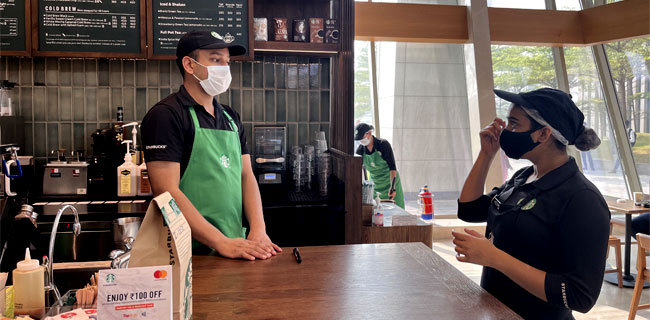
Starbucks outlet at Noida Sector 16B where the baristas use sign language Photograph: Shruti Pushkarna
By Shruti Pushkarna
This week started with waking up to the news of Morbi bridge collapse and the death toll crossing 130. Since 2020, health, education, employment, entertainment and almost every aspect of our lives have been reeling under the aftermath of Covid 19. News reports and social conversations revolve around natural or manmade disasters, rape and murder, fiscal scams and political horse trading.
Radicalisation and inflation are on the rise. Cars, petrol, houses, food, everything costs more. There are no jobs. Businesses are struggling. We are taxed for everything, including hospital room rent.
In short, an average Indian is grappling with a gazillion problems on a daily basis. If your own issues don’t depress you enough, there is communal hyperbole to push you towards hopelessness.
A simple ask for empathy seems unreasonable against this ubiquitous backdrop of societal grief. At a time, when the daily commute to work and back is an exercise in aggression due to bad roads, bad driving and bad traffic, how can anyone retain their sensitivity towards another human being?
Thousands of people in urban and rural parts of the country can’t think beyond arranging two square meals a day. No wonder politicians and corporate giants get away with dirty ploys and false promises, because who is keeping track anyway?
Fighting for inclusion and access for persons with disabilities sometimes seems secondary in this context. Especially if a large part of advocacy involves calling out the gaps and faults. At times, it helps to apply a two-pronged approach to the same problem. Where shrill activism fails, positive reinforcement does the trick.
On that optimistic note, let me refrain from citing unmet targets and implementation loopholes pertaining to the country’s disabled population in today’s piece. Instead I want to share two encouraging encounters which deserve propagation.
Due to temporary confinement following a knee injury, my movements inside and outside the house were possible only with the aid of a wheelchair. Desirous of watching a movie in the cinema hall, I booked a seat in PVR Director’s Cut at Ambience Mall, Delhi. I assumed there would be wheelchair access to the last row of seats I booked. But when I reached the assigned auditorium, the staff enquired if I could stand up and walk at all. Used to taking my mother (in her wheelchair) around inaccessible spaces, I was ready to slip into my activist avatar, demanding access. Just then the extremely polite personnel brought out a motorised wheelchair and helped me shift out of mine.
Before anyone else entered the hall, I was escorted up the several set of stairs, seated secured with a seatbelt. It took the wheelchair operator around ten to fifteen minutes to transport me to my seat. He did that with patience and grace. I was mightily impressed. Of course, similar treatment was meted out at the time of exiting the hall. In addition, as my husband escorted me to the accessible washroom, the PVR staff jumped up to help, ensuring the facility was clean.
My inability to walk didn’t hamper my entertainment experience, thanks to the trained and empathetic staff. There are definitely solutions available to accommodate and include, even in physical spaces that are built discarding the principles of universal design.
I also noticed fellow movie-goers observe how a young person with an impairment was out and about, enjoying a fun evening like anyone else. If there were people speculating why did I venture out at all, I’m certain there were an equal number wondering, why not!
Subtle sensitisation supersedes stereotypes.
A few days ago, when I went down to a newly opened Starbucks to fetch myself my morning dose of caffeine, I was in for a pleasant surprise. I noticed the baristas at work were quietly focused on their jobs except they exchanged a few signs with each other as orders were passed on.
Curious, I asked the cashier if they were hearing impaired. Her response was affirmative. All the seven baristas were hearing and speech impaired and their two managers were fluent in sign language. The cashier proudly shared that she was pursuing an advanced course in Indian Sign Language to further bridge the communication gap.
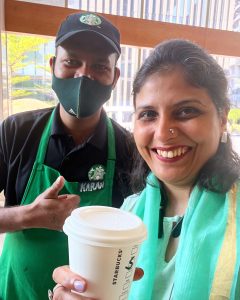
With a barista at the Starbucks outlet
As I collected my cup of coffee, I remembered to sign ‘Thank You’ to the cheerful server. I also signed to check if I could take a picture with him. He obliged, acknowledging my honest attempt to communicate in an inclusive language.
This Starbucks is located on the ground floor of a commercial building that houses several private offices and a co-working space, in Noida Sector 16B. High influx of professionals provides an unmissable opportunity for sensitisation. Hiring persons with disabilities in a mainstream job helps counter misconceptions along with restoring agency and dignity.
These two recent incidents speak of the power of change that is possible with certain additions and adjustments to a limited (and rigid) idea of normal. Publicising and broadcasting such acts of inclusion can whip up support for the excluded (disabled, elderly, severely ill) sections of the population. Practical demonstrations also help individuals and institutions realise that incorporating accessibility is not unfathomable.
Here’s hoping that several such reports feature on the ‘good news’ sections of mainstream media.
So why are we publishing this column on an A&M site? Well, we strongly feel that the media can dramatically transform the world of persons with disabilities. And this series can help bring forth issues that the media must champion to create a truly inclusive and accessible India. To write this column, we invited Shruti Pushkarna, a former journalist who now works as Director, EnAble India where she heads North India operations as well as media and communications outreach. Shruti writes for MxMIndia every other Thursday. Her views here are personal. To access the archives of all her 60-plus columns, please visit: https://www.mxmindia.com/category/columns/shruti-pushkarna/
Since Elon Musk’s takeover on November 4, Twitter has been constantly in the news. For firing around 3700 people within the first week in the name of cost-cutting. For $8-a-month fee to get the verified blue tick status. For scammers that popped up soon after the announcement of the Blue subscription plan. It’s been chaotic, in short.
Both the Indian and the foreign news media have been nosing around for the tiniest whiff of this musky saga. Chasing all angles of the unraveling stories, be it the woes of the Twitterati, their tweeps, the economics at play or the lives affected by the brutal layoffs.
In the local context, we’ve seen moving accounts of Indians who stand to lose their H1B status after being fired. A tweet by the new CEO rationalising the nearly 50% reduction in staff to save the company $4 million a day, is hardly any consolation.
Regarding Twitter’s reduction in force, unfortunately there is no choice when the company is losing over $4M/day.
Everyone exited was offered 3 months of severance, which is 50% more than legally required.
There is another human angle to this disruptive development that has been missed by the Indian media. It’s how the new guard and the subsequent decisions impact persons with disabilities. However, there has been some coverage in the American media, of the disabled Twitter users’ fears of the changes being brought about on the social media platform. But unless you are a Disability Rights Advocate, or disabled yourself or related to someone who is, it’s not the most obvious issue that stands out in the flood of mainstream Twitter reportage.
Let’s try and understand why it matters. And what has changed.
Fifteen percent of the world’s population lives with some form of disability. Despite the huge numbers, the community has remained invisible for various reasons. Lack of access to opportunities, barriers in the physical and digital environment, stigma in the society towards disability and so on. The emergence of the internet, technology and finally social media, provided a possibility of engagement to these faceless people, giving them a chance to voice their ideas and opinions.
Social media platforms level out the differences that may exist in the physical world, extending an equal chance to mingle with the mainstream. The vulnerabilities and the discrimination fade away to a great extent.
Up until now, Twitter has made significant efforts to make the platform accessible for persons with disabilities. In 2016, it introduced ALT (alternative) text for images where you can add description for non-textual content, to help users with low vision, blindness or cognitive disabilities. In a statement released in September 2020, Twitter promised to enhance its efforts to make the platform more accessible, announcing new teams placed in-charge of focusing on user experience. A new handle, @TwitterA11y carried all updates on product/ service accessibility.
If you are wondering what are these features and how do they make it possible for people with different types of disabilities to engage on the platform, here’s a list naming a few:
1. Image Description
2. Captions
3. High Contrast Buttons
4. Left-aligned text
5. White background
6. Accessible content labels
7. Keyboard shortcuts
8. Reduce Motion
9. Auto-generated Captions
10. Magic Tap action to compose tweets
And there are several more, including different settings for Web, iOS and Android users. Earlier this year, the Twitter Accessibility Experience Team rolled out the ALT text badge and new Closed Captions (CC) button. The visible The ALT badge on images lets you know when someone has added a description to their image. The CC button appears in the top-right corner of a video that has captions available, giving you the option of turning captions on or off.
Now here’s the big news.
On November 4, 2022, Elon Musk scrapped the entire Accessibility Experience Team, along with other important ones like Human Rights, Communications, Public Policy et cetera.
I am officially no longer the Engineering Manager for the Accessibility Experience Team at Twitter. I have words. 🧵
Rejected and dismissed by surrounding community, many disabled people found a new home on social media. A place that helps them discuss issues, find support and answers, pursue interests other than disability and make friends beyond physical boundaries. Not all platforms are mindfully geared towards accessibility needs of the PwD (persons with disabilities) groups. Twitter was leading by example. Many users looking for alternative platforms of interaction, have now been reporting barriers of access on platforms like Mastodon and so on.
On one hand, Musk publicly vouches for making Twitter a space for citizens, and yet on the other, sidesteps the needs of more than 1 billion people. Would it be an exaggeration to call this another Nazi-like propaganda against the disabled?
So why are we publishing this column on an A&M site? Well, we strongly feel that the media can help in dramatically transforming the world for persons with disabilities. And this series can help bring forth issues that the media must champion to create a truly inclusive and accessible India. To write this column, we invited Shruti Pushkarna, a former journalist who now works as Director, EnAble India where she heads North India operations as well as media and communications outreach. Shruti writes for MxMIndia every other Thursday. Her views here are personal. To access the archives of all her 60-plus columns, please visit: https://www.mxmindia.com/category/columns/shruti-pushkarna/
The battle for inclusion is an ongoing one. Different groups go through varied struggles at different points in time, to be accepted by the majority. Gender, race, colour, disability, religion, caste and sexual orientation, have been the basis of discrimination, keeping the so-called ‘abnormal’ outside of the larger group.
Underlying beneath the idea of exclusion is a total absence of empathy. It’s the inability to realise the inherent privilege with which we overlook or dismiss the existence of another. It’s often assumed that the inability to understand and address the issues facing persons with disabilities comes from a lack of awareness or ignorance.
Take a day-in-the-life scenario…
Did you know that persons with disabilities or those with limited mobility, have to consider the following before heading out of their homes?
They have to think of the mode of transport and how they will transfer from the wheelchair to the vehicle seat. The number of stops and transfers also have to be accounted for, to consider the rate of exhaustion in the entire process. Access to a bathroom is usually unpredictable in unknown territory. We hope to find clean facilities, while they think of the possibility of using a bathroom at all, given the narrow openings, unsuitable height of the toilet seat, et cetera. Foregoing the desire to drink in order to keep the water intake to a minimum seems the only option. Obviously, they have to check on the availability of ramp and elevator, and if they are operational.
Speaking of functionality, in many residential complexes where maintenance of elevators is dependent on the funds generated by inhabitants, people don’t want to pay for fixes and replacements, if they can take the stairs. This not only displays apathy for someone who cannot physically climb up and down but sheer shortsightedness of an event that can render them temporarily dependent.
But if 15 per cent of the world’s population living with some form of disability remains invisible or marginalised, how do we develop our knowledge of people’s diverse needs? Is it our (non-disabled) responsibility to educate ourselves in order to include them or does the onus of being included lie with the voiceless and oppressed?
My own limited understanding of living life with disability comes from the acquaintances I have made in the last few years while working towards empowerment of the disabled population. But do all of us have enough opportunities where disabled and nondisabled worlds intersect and interactions flow freely?
Rights-based advocacy groups rely on awareness campaigns and initiatives to sensitise people in a controlled, simulated manner. Consciously training to accept people as they are, communicate in non-threatening ways and use person-first language.
Such drives and discourses are amplified around December 3, International Day of Persons with Disabilities. But we need repeated iterations through the year to bridge the humungous gap that separates groups of people on account of misconceived notions of ability.
Media portrayals also prove helpful in widening the scope of imagination. In the last couple of years, OTT platforms have featured a variety of fictional content that tackles disability and inclusion from a humanistic as well as thematic approach.
Here are a few recommendations to get you started on inclusive content,
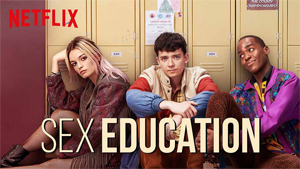
1. Sex Education (Netflix):A British comedy drama featuring a teenage boy with a sex therapist mother who teams with a classmate to set up an underground sex therapy clinic in high school.
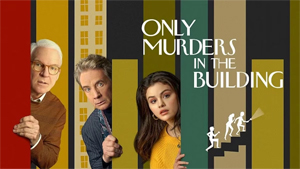
2. Only Murders in the Building (Disney+ Hotstar): A murder mystery comedy starring Steve Martin, Selena Gomez and Martin Short. James Caverly who identifies as Deaf also plays the character of a deaf boy, Theo Dimas.
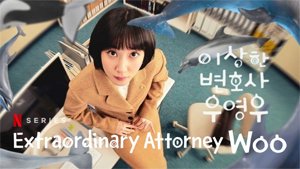
3. Extraordinary Attorney Woo (Netflix):A South Korean legal drama in which 27-year-old Woo Young Woo who is diagnosed with autism spectrum disorder, plays the central character. She has an impressive memory but struggles with everyday interactions.
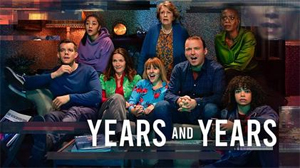
4. Years and Years (HBO):A science fiction drama that revolves around the day-to-day lives of Lyons family. Ruth Madeley, a disabled British actress plays the role of Rosie Lyon, a single mother born with spina bifida.
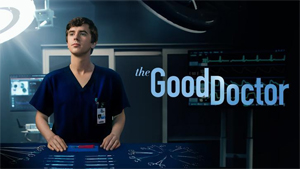
5. The Good Doctor (Netflix):A series about Shaun Murphy, a young surgical resident with autistic savant syndrome, who challenges his sceptical colleagues by displaying extraordinary skill to save lives.
While the natural instinct is to judge and exclude, can we challenge ourselves to unlearn and rewire, to accept even before we can embrace?
Three days until we pull the curtains down on 2022. The atmosphere is rife with joyful celebrations, with lurking fear of a new Covid variant, inflation and taxation woes and of course, hope for better twelve months.
Although I’m not agog about a date change magically altering the course of our lives, I have my yearnings. I don’t indulge in resolutions because those are just clichés avowed and disowned annually. I am more of a bucket list person, who likes to either tick things off or cross them out altogether. And inclusion for all is the highlight of my Wishlist for 2023. Emphasis on ‘all’.
Let’s rewind a bit. Some years ago, I shifted gears to reroute my career path, transitioning from the media to the development sector. I learned to navigate through a new world, new subject, new people and new ways. However, one thing remained consistent. A personal and professional ambition of challenging and changing the status quo.
The hustling-bustling newsroom chatter gave way to ardent articulations of inclusion advocates. Learning from and working closely with persons with disabilities, I became aligned to a collective call for accepting differences and acknowledging abilities.
Today, my work entails voicing the stories, the needs and the dreams of 26.8 million disabled people who stand separated by physical and attitudinal barriers.
I often find myself digging deeper into the history and psychology of ‘othering’, revisiting my literature and film theory classes, where I studied multitudinous accounts of discrimination on the basis of gender, colour, caste, sexual orientation and ethnicity. The discourse on disability seems missing. And different marginalized groups are waging parallel battles against exclusion.
I have also realised that the agenda to include is controlled by diverse individuals and their distinct schools of thought. In drumming up support to integrate one community, are we erroneously creating new subsections? I’m beginning to wonder whether inclusion for one is possible without excluding another.
Let me simplify this a bit. I am a woman, a person with low vision, a caregiver and a professional who advocates for equal rights of persons with disabilities. The definition of inclusion varies with the different aspects of my existence. Similarly, the inclusion needs of a gay blind woman cannot be seen through the lens of disability, gender or sexuality alone. One can draw up many permutations and combinations like that.
There are 21 types of disabilities identified in the Rights of Persons with Disabilities Act, 2016 but I am yet to find a forum where the needs of all different types of disabilities are looked at equally. What’s worse is that various disability groups don’t understand or empathize with the access needs of one another.
The challenge of inclusion is complicated by the intersectionality of people and issues.
A universal approach to problem solving addresses the needs of a wider collective. Take the example of technological innovations built into a smartphone, a product designed for diverse set of users. A senior citizen uses the magnifying tool to read easily. A person with blindness sends out emails and messages using Speech to Text feature. A working mother reads (listens to) books on her drive home on the Audible app. Similarly, modern homes equipped with smart appliances simplify and enable access for people in varied ways, disabled and non-disabled alike.
Is it time to align streams of thought and reduce the fissures within factions to strengthen the business case for inclusion? Do we need to redefine the parameters of inclusion based on intersectionality, irrespective of tags like disability, gender, colour et cetera?
I wonder what that inclusive Wishlist will look like in 2023 and the years to come.
The year 2023 couldn’t have opened on a better note, or shall I say, ‘inclusive’ note. India witnessed its first ever large-scale inclusive festival for persons with disabilities in Goa from January 6 to 8. Purple Fest was a unique initiative of the state government, supported by the Office of State Commissioner of Persons with Disabilities and collaborating NGOs from across the country.
Over five thousand delegates witnessed this novel amalgamation of different stakeholders including, persons with disabilities, parents, academicians, rehabilitation professionals, disability rights advocates, government officials, employers, entrepreneurs, trainers, technology experts, students, NGO representatives, media and civil society members.
Fortunate to be in the middle of all action, I was in awe of the organising and ground level teams who worked tirelessly to curate an experience that was distinctively discerning. The three-day convention had parallel events and activities running in and around the Entertainment Society of Goa in Panaji, attracting curious crowds. Exhibits of products, services and solutions, experience zones, discussions around inclusive education, employment sports and policy, interactions with achievers and changemakers, music, games, dance, cruise ride, bird walk, movie screenings, marathon, car rally, sporting events and more. It was an action-packed jamboree!
Purple Ambassadors for 21 disabilities at the opening ceremony of the Purple Fest
And all done with the prime objective of including and sensitising the society towards the varied needs, solutions, issues and aspirations of persons with disabilities. According to Census 2011, Goa features in the list of states with low percentage of disabled population of around 32,000. But recent reports indicate a sharp rise in the overall number of disabled persons in the last few years. And the State Social Welfare Department is determined to create awareness as well as make infrastructure and services accessible to all. Purple Fest is one such step in this direction.
Now that I have set the context, let me tell you why this event matters. Foremost, persons with disabilities were seen live in action, belying and breaking stereotypes. Age old images fixated in the minds of people were challenged.
All events and activities had inclusion interwoven into them, true to the spirit of Leaving No One Behind. Physical spaces were made accessible with ramps, elevators, braille signage, QR powered navigation app and so on. Ensuring access for every attendee, there was audio description, sign language interpretation, tactile signing, captions and more. It was all done in a precise and yet matter-of-fact manner, emphasising (to the excluding majority) that it doesn’t take too much, only a mindset shift towards accepting the ‘other’.
This was evident from the experiences shared by some people who participated in a car rally where persons with blindness were teamed up with sighted drivers for a 35km-ride. The visually impaired person used a braille map to help the sighted driver navigate his or her way through. During the rally, the conversations and interdependence experienced by both parties resulted in building friendships and potential long-term relationships between the sighted and visually impaired communities.
Apprehensions gave way to curiosity, finally translating into a change in perception. The lifecycle of any person (including those with disability) involves parenting, education, skilling, employment, healthcare and social welfare. The various exhibits demonstrated how persons with disability and their surrounding community could ensure independent activities of daily living as well as equal access to all services and facilities.
There were grassroots and technological innovations on display, making possible for a person with disability to walk, sit, eat, read, write, watch, cook and play independently or with little help. Assistive aids and devices made it possible for them to conduct science experiments, solve math equations, withdraw cash from an ATM, access smart appliances and even drive on their own.
I could go on because there were many hits at the Purple Fest. The biggest one being the representation of Purple Ambassadors for each of the 21 types of disabilities listed in the Right of Persons with Disabilities Act 2016. It was a historic moment captured by crowds, cameras and crews where so many different disabilities were seen walking the talk.
The Goan dailies and social media platforms were abuzz with stories from the Purple Fest. The inclusion advocate in me was both rooting and scouting for in-depth coverage of this magical manifestation of ability. But I was disappointed with the surface level reportage focused essentially on already famous government officials, disabled achievers and stalwarts in respective domains.
What was missing from the media discourse were the raw, heartwrenching accounts of ordinary (average) persons with disability who managed to overcome challenges in personal and professional spaces. The media missed the chance to recount the stories of Purple Ambassadors of 21 disabilities, especially the lesser understood ones like haemophilia, sickle cell disease, blood disorder and other invisible disabilities.
Fifty-eight-year-old Umesh Salagar from Pune touched many hearts while recapitulating the struggles of a 10-year-old who lost both his parents, forced to earn and study simultaneously, thankfully with some help from his landlady and primary school teacher, only to be later shocked by the death of his young wife, leading to a life with Parkinson’s disease.
Manju Sharma representing chronic neurological disability, shared the sudden turn of events in her life and the gradual journey of acceptance. A jetsetting air hostess had to reset and reorient to a life with acquired neurological conditions that aren’t easily comprehended. She is now gainfully employed in Naomundi, Jharkhand.
Persons with mental illness and learning disability as well as deaf people shared their excruciating trauma of being excluded at various stages in life by a society that scores rather low on empathy. Walking around the venue, having a cup of coffee, listening to the panel discussions, interacting with the 21 representatives, looking at simple solutions and performances, most people experienced innumerable eureka moments.
Did the show of strength and glimpse of an equitable co-existence fail to stir up the media’s sensibility and responsibility towards its citizens?
So why are we publishing this column on an A&M site? Well, we strongly feel that the media can dramatically transform the world of persons with disabilities. And this series can help bring forth issues that the media must champion to create a truly inclusive and accessible India. To write this column, we invited Shruti Pushkarna, a former journalist who now works as Director, EnAble India where she heads North India operations as well as media and communications outreach. Shruti writes for MxMIndia every other Thursday. Her views here are personal. To access the archives of all her 60-plus columns, please visit: https://www.mxmindia.com/category /columns/shruti-pushkarna/
As I sat down to write this piece after a gap of nearly a month, I sifted through several topics and ideas that struck in the past few weeks. But a recent experience was freshest in the mind, also because it goes against all the notions of inclusion and diversity that I celebrated in my last column.
Last Sunday, I headed out to enjoy the last of the February winter weekends. And if you are in the Capital, what better place to catch the spring blooms than the Mughal Gardens. Oh wait, I meant Amrit Udyan, the all-new name of the iconic and must-visit tourist destination.
The only way I imagined recounting my visit was to friends and family, and of course Instagram stories of floral beauties. Neither happened. Instead it turned out to be an unexpectedly distasteful experience, yet again highlighting the gaps in access and the utter disregard for anyone with a limitation. Be it the elderly, persons with disabilities or just anyone who appreciates some personal space!
When I booked the entry pass online, I had to choose from various hourly slots which sort of indicated that the entry and exit count was being controlled and monitored. But when I reached the drop off point, the entry gate was hidden behind humongous hordes. Pushing and pulling through the crowds, I somehow managed to make it to the security check, from where I was pointed into another direction to put my purse through an x-ray machine.
Standing in the lines, figuring out where to go, how and where to place my bag and then reclaim it, I wondered how would a wheelchair or a white cane user navigate through this mess. One part of that was quickly answered as I got in line behind a girl in a wheelchair. I saw the caregiver struggling to push her through the damaged pathways, equally hazardous for someone prone to ankle injuries, senior citizens or children.
The worst part, there was no room to walk, let alone breathe and enjoy nature. Amid the unruly herds obtrusively pushing forward to catch a glimpse of the blossoming ranunculus or suddenly halting to capture selfies, my soulful Sunday soliloquy turned into a cantankerous cacophony.
As I held my elbows up to assert personal space, I pictured a person with vision impairment unable to use the white cane to her advantage. Clearly, there was no consideration for a blind person tapping and navigating their way around. If, for once, anyone stopped to help or make room for another, the security guards upped the decibel levels of their incessant shouting, “chalte rahiye”, meaning “keep walking”.
There was only one entry and exit point. There was only one path for everyone to walk on. There was no resting spot or benches to catch one’s breath. There was no chance to sit in peace to take in the botanic view. And of course, in all this, there was no visible means of handling a medical emergency. I thought hard as to what I would do if the person next to me had an asthma attack or fainted. I wouldn’t be able to get him or her to the emergency shed, which by the way, was (un)strategically housed near the exit gate.
How can I forget the steep ramps and the dangerous footpaths? In several places in the pathway, I noticed a sudden drop without warning. Ramps placed next to the stairs had no secure sides, making it dangerously adventurous for a wheelchair user. Plus, they were populated by the general public, mindless of its actual utility.
The last time I spotted the girl in the wheelchair, she was confused on how to enter the Bonsai garden, flooded with people. And this was just the beginning of the nightmare that lay ahead. Beyond this point, she was not to be seen. I assumed she turned around and left when there was still a way out.
Carrying on with my treacherous trek to the exit point, desperate to find my ‘Do Gaj ki doori’, I also encountered littered, wet patches, creating a unique image of Amrit Udyan in my head. The one that will keep me away from explorations for a while.
The newly christened horticultural heaven open to the Indian public for a limited two-month period, is out of bounds for so many sections of the population. How does prefixing Amrit ensure grandeur and joy? How does a citizen take delight in Azadi Ka Amrit Mahotsav, when they are excluded from public arenas? Are the access auditors of Sugamya Bharat Abhiyaan paying no heed?
So why are we publishing this column on an A&M site? Well, we strongly feel that the media can dramatically transform the world of persons with disabilities. And this series can help bring forth issues that the media must champion to create a truly inclusive and accessible India. To write this column, we invited Shruti Pushkarna, a former journalist who now works as Director, EnAble India where she heads North India operations as well as media and communications outreach. Shruti writes for MxMIndia every other Thursday. Her views here are personal. To access the archives of all her 70-odd columns, please visit: https://www.mxmindia.com/category/ columns/shruti-pushkarna/
A few days before India assumed the G20 Presidency on December 1, 2022, Prime Minister Narendra Modi spoke to the G20 leaders in Bali about the transformative power of digital architecture, applauding India’s efforts in the recent years. In July 2015, the flagship programme of the Modi-led government, Digital India, was launched with a view to digitally empower the society and knowledge economy.
The initiative was deemed promising by different groups for varied reasons. It was seen as a step towards bridging the socio-economic gaps by providing access to services, digitally. Education could reach a wider audience tucked in far-out nooks of the country. Small business owners could tap into a new market share, thanks to digital payment gateways.
Persons with disabilities, especially those with vision impairment, also saw a huge opportunity of inclusion and integration into the mainstream of things. With innovation in technology, acquiring a decently priced smartphone is no longer difficult or out of bounds. Increased internet penetration and the special push of the government to go digital, has opened up services to millions of blind citizens.
A visually impaired student can access books, browse for information, appear for examination and more, all through the power of smartphone, computer and internet. A blind woman can apply for a job and work efficiently through a digital system built by the employer for all staff.
Similar avenues have opened up for persons with other types of disabilities. Covid-19 is a case in point, where people transitioned to a largely digital existence because of social distancing. The corporate world experienced a mindset shift pertaining to remote work. The 2022 National Employment & Disability Survey which compares workplaces in 2017 and 2022, reveals significant gains in recruiting, hiring, accommodating and retaining employees with disabilities.
Reports cite that around 40% of the world’s real-time payment transactions took place through UPI in the last one year. Reviewing these statistics, one tends to share PM’s optimism when he pitches for a digital transformation into the life of every human being in the next ten years.
Sounds like all is hunky-dory, right? In principle, yes. Because the idea has immense potential. But there are quite a lot of rough patches that we need to smoothen before we pronounce utopia. We must improve our implementation tally before we can score a 100 on the Digital India dream.
Certain basic services like shopping, banking, ordering food, booking flights or hotels, have all gone digital in the past few years. Three clicks and you are done. Similarly, content consumption has increasingly moved to digital media, whether it is entertainment on OTT platforms or news gathering via internet powered devices.
If an average blind or visually impaired person is digitally literate and empowered by a smartphone or a laptop enabled by a screen reading software, what stops him or her from accessing information and engaging with the new digital world?
It’s a one-word answer. Compliance.
There is innovation in technology. There is a mandate to make products and services digitally accessible to all. But who will enforce these rules? Who will hold service providers accountable when they falter? Before you say judiciary, there are fairly detailed legal procedures listed out as well. But the real question is, are we aware of who accesses these numerous services and how?
If I were to take the example of news websites, you’d be surprised how many of these mainstream publications are inaccessible because they don’t comply to the Web Accessibility Guidelines. The World Wide Web Consortium (W3C) has put together a set of recommendations for making Web content accessible, primarily to persons with disabilities. The latest version is called Web Content Accessibility Guidelines (WCAG) 2.0, which prescribe the norms in fine detail.
Things like having clearly labeled headlines and buttons, using a CAPTCHA along with a text and audio substitute for deafblind users, et cetera, are all listed and explained in the internationally standardized document. WCAG 2.0 consist of 12 guidelines organised under four principles, websites must be perceivable, operable, understandable, and robust for all users. The latest version of these guidelines also accommodates feedback from accessibility experts and members from the disabled community.
Recently, a Research Fellow at the Vidhi Centre for Legal Policy shared with me interesting findings pertaining to the digital accessibility of popular news websites. The author used accessibility measures like dark contrast, large fonts, as well as screen readers to ascertain compliance levels. The barriers in access are categorized as critical, serious, moderate and minor. Some of the websites that report serious accessibility oversights include, The Hindu, Economic Times, Aaj Tak, The Print, The Wire, Hindustan Times and so on.
Under the Rights of Persons with Disabilities Act 2016, service providers have a legal obligation to make platforms accessible and the deadline to do that was June 2019. Are these news publications purposefully flouting the rules? Or are they unaware of a sizeable user base who are outside the purview of normal and therefore not considered part of the target audience?
Access to information is empowering in the growing digital economy. How can we deprive fifteen per cent of the world’s disabled population from accessing relevant and valuable information, that can transform their lives?
So why are we publishing this column on an A&M site? Well, we strongly feel that the media can dramatically transform the world of persons with disabilities. And this series can help bring forth issues that the media must champion to create a truly inclusive and accessible India. To write this column, we invited Shruti Pushkarna, a former journalist who now works as Director, EnAble India where she heads North India operations as well as media and communications outreach. Shruti writes for MxMIndia every other Thursday. Her views here are personal. To access the archives of all her 70-odd columns, please visit: https://www.mxmindia.com/category/ columns/shruti-pushkarna/
What do Albert Einstein, Emily Dickinson, Tim Burton, Charles Darwin, Bobby Fischer, Bill Gates, Jerry Seinfeld, Tim Burton, and Elon Musk have in common? The answer is ASD or Autism Spectrum Disorder. It is a developmental disability caused by differences in the brain. People with ASD often have problems communicating and socializing, they may display repetitive behavior or restricted interests. But they also have their unique strengths and abilities. And all the personalities mentioned above are proof that although it may be challenging to live with autism, but people on the spectrum can accomplish great things.
Source: Freepik.com
April is Autism Awareness Month, and you would have come across several news stories around autism awareness, inclusion, numbers in the past couple of weeks. But do we really know enough about autism? Are we accepting and welcoming of people on the spectrum in the mainstream? Does India have enough services catering to the needs of autistic people?
Merry Barua
I posed these and several other questions to Merry Barua who is credited with initiating the autism movement in the country. Merry gave birth to her son, Neeraj in 1981. It took a new mother months and years to understand her autistic son’s needs, traits, and interests, to ultimately devote herself towards creating awareness and a conducive environment for thousands like Neeraj. Merry Barua is the Founder Director of Action for Autism, an organisation dedicated towards building a hopeful future for autistic children and their families. She has also authored many books on the subject.
In this interview, she talks about her journey as both a mother and an activist, the transformation that people and organisations working on autism experienced over the years and how the media contributed, impacted, or lacked.
Q: Tell us a bit about your first encounter with autism as a young mother.
A: When my son was little, I had no knowledge of how a little baby must be like. He was my first child, and I had no experience. He reached all his physical milestones, except that he did not speak, but everyone assured me that boys speak late. He was very cranky as an infant. I was barely able to breastfeed him because he did not suck. There were other challenges, he would drop things out of the window. I couldn’t explain to him that this is not something that one does. As he grew, he barely slept at night. When he started going to the playschool, I noticed that all the kids were playing together but he would be hanging around on the fringes. I thought he was shy. At the end of the year, when they sent us the exercise books, all of them were empty except for the colouring book where the crayon had been rubbed repeatedly in one spot in the centre of whatever the outline was. Initially I thought he was a slow child. But there seemed to be something more and I tried asking his paediatrician, but he said there was nothing to worry about. So, life was quite challenging. And I felt there was something wrong in my parenting. One of the bad things I did was that I followed Benjamin Spock (American paediatrician) who encouraged to say ‘no’ and give them a little spank and I would do that. And I know now that those are terribly wrong things to do.
Q: You began with championing autism rights as a mother, and later it translated into a national movement. Tell us a bit about this transformative journey.
A: After I got a diagnosis, I realised that nobody had even heard of this word ‘autism’. There was nothing available. I got hold of one book by Lorna Wing.
Autism is not a simple straightforward kind of disability. You have to really put in an effort to understand it. For example, when people would ask me, I would say it’s a difficulty in communication and socialisation. And people would say so what, there are many other shy kids who don’t play with anyone. And I didn’t have the understanding to explain the pervasive nature of social challenges that my son was coping with. I visited many schools for the disabled and I realised that there was very little or almost nothing people understood about disability, forget autism. So, I started writing. I wrote a few articles in magazines and newspapers with the aim to get people to at least know the word ‘autism’. Around the late ’80s, the film Rain Man had been released in India and a lot of people who watched the movie didn’t get that it was about a disability. So, I printed out a little piece of information and I went to all the local video parlours asking the owner to stick it on the cassettes to help people understand. I also started to bring about a journal called Autism News. My aim was to reach families and help them. These were all the small things I did to create awareness. I had a young girl whose sister brought her over, asking for me to work with her. I did and then another mother came with a boy. By this time, my son was 12. This is how the school started. My aim was to show through the school that these are children who can learn and progress just like other children. Because I’d experienced that with my son during his home programme.
It wasn’t just about my child, it was about this whole population of autistic people who were not getting the right services they required. It was important to ensure that autism was recognised in policy. Also, in many places the understanding is that the way you teach kids with intellectual disability is how you also teach kids with autism. It’s like saying that you teach deaf and blind kids in the same way. Except it’s not! They’re completely different disabilities. So that understanding had to be pushed through. So, one of the things that I struggled with was to get the Rehabilitation Council of India (RCI) agree to start a training of teachers to work with children with autism. And that struggle took me seven years. As I began to understand autism, I saw there were so many children who had autism, but they were misdiagnosed. I was often told that I was trying to make autism fashionable! I could see that this was a population that desperately needed services, laws, needed things to change. We also realised that we had to do a lot more work on awareness, so we did a lot of concerts with popular musicians. I wrote the first book on autism around 1997. Then we write a manual for paediatricians. So, one thing led to another and that is how the whole movement started off.
Q: Autism has been treated in different ways in literature and films, some close to factually correct, some stereotypical, some totally absurd. A classic example being Rain Man, people assume all persons on the spectrum are mathematical wizards! Then there was My Name is Khan, I am Sam, Who’s Eating Gilbert Grape and so on. How do you respond to some of these yesteryear productions? Do you think they have led to more stereotyping or have managed to educate the ignorant masses?
A: Yes, I know there have been a lot of films and the depiction hasn’t always been the best and they have created a wrong impact. But at the same time, I deeply appreciate a lot of the films. For instance, ‘Rain Man’ when it came out, it was the only film that was really talking about autism clearly. And I know that’s not the kind of autism that my son has. But it was a film that gave us an understanding of the different kinds of autism. And it’s an excellent depiction of an autistic person of a particular kind. As for ‘What’s Eating Gilbert Grape’, I thought it was fantastic too. You cannot show every kind of autistic person in a film. I liked Gilbert Grape especially because the autistic person was not the main character, he was just the sibling. I thought ‘Barfi’ was cute, but the ending was unnecessarily happy. Like the kid in ‘Taare Zameen Par’, why did he have to win the competition. It’s like when you have a disability, you must have something to redeem yourself. That bugs me. Why can’t disabled people be like regular people and have happiness, failures, sadness, successes, everything doesn’t have to end on a happy note. But I guess the more the merrier because they create awareness. There’s so much stigma that is attached to disability in our country and if these movies address that stigma in some ways, I say let it be.
Q: But today there is a lot more content that is produced from a more informed position, representing rather than misleading. To cite a few examples, there are shows like Atypical, The Good Doctor, Extraordinary Attorney Woo et cetera. What do you feel about this shift in portrayals?
A: The early portrayals have been able to create some awareness. For instance, if we took our kids out, someone approached us asking if these kids are like ‘Taare Zameen Par’, and I would say yes. Because it didn’t matter, to that person, there was no distinction between a learning disability and autism. All he knew was that these people are different, and he was trying to be good. And I think that’s what matters ultimately. As long as people accept them for who they are and want to include and help them. Having said that, the current lot of OTT films and series are fabulous, including the ones that you have mentioned. So there has been a big shift, especially the stuff that’s coming from the West, if not as much in India.
Q: Action for Autism, can you tell us a bit about the organisation’s vision and how the work has evolved through these years?
A: Action for Autism was started with the objective of creating an environment which was supportive of autistic individuals and families. One had to change perceptions from them being hopeless, useless, violent children. And to do that one had to start services to prove that those perceptions were wrong. We started the school initially and then we moved to diagnosis, early intervention, teacher training, running a vocational centre and so on. And then moving to employment. The bigger shift which has colored all the work that we do is the evolution of our understanding of autism. We’ve learnt a lot from our colleagues with autism, as we have from autistic people who have written about their life experiences. As our understanding grows, it impacts our services.
Q: April is also Autism Awareness Month, this year being the 15th annual observance. How have you seen the awareness raising activities and engagements grow or transform through these years?
A: There has been a steady increase in the observance. Initially, we used to do an Autism Awareness month in December starting 2000 onwards and we did it across cities. Then of course Autism Awareness month was flagged by UN in 2008. Now, there are observances by organisations across the country helping create more awareness. There are also a lot of observances happening in smaller towns, but the reality is that awareness is still a long way to go. This is also a time when a lot of flaky therapies get majorly boosted by the people who propagate them. While there are a lot of walks, public events et cetera, there are also a lot of discussions, articles in the media that happen during this month. In earlier times, there was a lot of awareness activities. Now, the push is more towards acceptance of autism.
Q: You have written extensively in newspapers about autism, you even started a journal called Autism News, what according to you is the media doing right and what it has missed out on. What should change?
A: One of the good things is that the media is nowadays covering the condition. They suddenly seemed to have discovered autism as a worthy topic. In the entertainment media, there are series that have characters with autism, they try to portray people with lived experiences. But one of the things that happens with our news coverage is caricaturing, or a heroic portrayal. The language needs to change because it is ableist. The reporters who write the story, they are often people who don’t have much understanding of autism or even disability. Things like ‘differently abled’, ‘suffering from autism’, are indicative of very ableist language. The intentions are better, but because they come from an ableist perspective, the appropriate language is missing. But one should be happy that at least the media considers disability matters worth covering.
So why are we publishing this column on an A&M site? Well, we strongly feel that the media can dramatically transform the world of persons with disabilities. And this series can help bring forth issues that the media must champion to create a truly inclusive and accessible India. To write this column, we invited Shruti Pushkarna, a former journalist who is now a disability inclusion advocate based in New Delhi. Her views here are personal. To access the archives of her 70-odd columns, please visit: https://www.mxmindia.com/category/ columns/shruti-pushkarna/
If you have a view on the issue or would like to align with MxMIndia on this cause, write to us at editor [at] mxmindia.com.
 By Shruti Pushkarna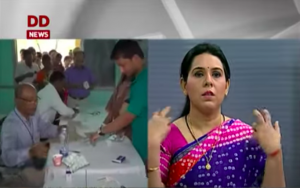
 The headline that caught my attention was: ‘Accessible and Affordable Healthcare Services Assured for All’. Now we all understand the term affordability especially in the backdrop of poverty facing a large section of the Indian population. As for accessibility, it includes access to the service from awareness of what it entails, how to avail and where from. I’m not even getting into the meaning of access or the lack of it, specific to persons with disabilities.