The Delhi weather has been delightful for the past couple of days. It’s what prompts you to go for a drive on an impulse. Or grab a sumptuous meal at your favourite restaurant. Or head out for a staycation at one of the boutique resorts on the outskirts of the capital.
Well, the sudden change in temperatures also brings in unexpected bouts of illnesses and before you can do all the fun things, you are waiting in a doctor’s clinic or a pathology lab for a diagnosis.
Whether you follow the heart or a more logical path, either way you get where you have to be, without thinking too much. I’m talking of a restaurant, hotel, or a hospital. But not everyone is as lucky as you are.
At least not persons with disability or chronic illness. Have you ever wondered that spontaneity is not an option in the barrier-ridden lives of millions of people? In fact, it’s worse. Not even careful planning can land them in some places because of sheer thoughtlessness that leads to inaccessibility.
When it comes to travel, medical healthcare, or amusement of any sorts, persons with disability and those living with chronic illness are left struggling because of the barriers in access to various places, products, and services.
Foremost, let’s understand how many people we are talking about here. As per Census 2011, out of the 1.23 billion population, over 21 million live with some form of disability. According to the Longitudinal Ageing Study in India, 55 per cent people above the age of 60 suffer from a chronic illness. And as per the last census, that’s 8.6 per cent of India’s population, so 103 million elderlies. And chronic illness is not limited to people above sixty years of age. In fact, the Rights of Persons with Disabilities Act 2016 recognises certain chronic conditions in the 21 types of disabilities, these can be genetic or acquired.
Notwithstanding the Census 2011 data is old and heavily undercounts persons with disabilities. It’s a large enough number for us, the government, the private sector, and the media to ignore.
As a primary caregiver to a parent with a chronic autoimmune disorder, I encounter various hurdles in all the areas mentioned above. The last time we had to go for an X-Ray and an Ultrasound, it took us an hour and several phone calls to determine a place where the wheelchair could enter the laboratory. Usually, our first choice is to go to a hospital but when that doesn’t work out for whatever reason, the inaccessibility of most neighbourhood pathology labs glares at us.
Anyway, once you have managed to enter a lab with wide enough doors for a wheelchair, the discomfort and lack of dignity is what you brace for, next. The patient with zero mobility is lifted up and down, pushed sideways by random strangers, who are dressed as attendants, but lack the knowledge, empathy, and training to handle complicated medical cases.
And good luck if you are in for a whole abdomen ultrasound, nursing a full bladder, desperate to ease yourself. Because fate is what you are counting on to find a large enough toilet built with access needs in mind.
Toilets are the same story in hotels and restaurants as well. Even big chain hotels which openly propagate their diversity goals to find a spot in the prevalent inclusion agenda, are non-compliant when it comes to infrastructural accessibility guidelines.
My mother and I were surprised at the shoddy access offerings at the most luxurious (and expensive) hotel in New Delhi in a more recent visit. Although I must add that the hotel staff were kind and eager to help. Before I knew it, someone took the wheelchair away from me and pushed her all the way inside the restaurant. It was only on our way out that the glorious display began to show some cracks. There wasn’t a separate accessible washroom. I couldn’t wheel her in the ladies’ room. After pestering the staff for some time, we discovered that the men’s toilet could be accessed. As we headed out, I pushed her down the ramp in my usual matter-of-fact way, except I almost lost balance because the slope was too steep!
Despite the rush of anger experienced in situations like these, one finds hope in national campaigns like ‘Accessible India’. Compliance maybe a problem, but the sentiment is right, and it has created awareness. The need of the hour is to propel the inclusion agenda with full thrust.
For those of you unfamiliar with the subject, the Union Housing and Urban Affairs Ministry revised the Harmonised Guidelines and Standards for Universal Accessibility in 2021, to make India’s cities truly inclusive.
Then how do these places, institutions, businesses get away with it? Doesn’t the nation want to know? Doesn’t any daily want to highlight the brutal disregard for a population so large? Doesn’t any television news channel want to lend a bit of shrill during primetime to these voiceless masses?
So why are we publishing this column on an A&M site? Well, we strongly feel that the media can dramatically transform the world of persons with disabilities. And this series can help bring forth issues that the media must champion to create a truly inclusive and accessible India. To write this column, we invited Shruti Pushkarna, a former journalist who is now a disability inclusion advocate based in New Delhi. Her views here are personal. To access the archives of her 70-odd columns, please visit: https://www.mxmindia.com/category/ columns/shruti-pushkarna/
If you have a view on the issue or would like to align with MxMIndia on this cause, write to us at editor [at] mxmindia.com.
What’s the first thing you reach out for when you wake up? Or, what’s the last thing you use before turning in at night? In all likelihood, it’s your cellphone. An inseparable part of our lives, it’s the mode for all kinds of content consumption. Whether it’s managing your calendar, getting the news, or scanning social media feeds, cellphone is a constant presence and an enabler.
Computers, smartphones, and other smart devices have not only made things easy but also improved our productivity levels. Most services including healthcare, banking, food delivery, and entertainment have gone digital. Now imagine, if one billion people encounter challenges in accessing mainstream digital products and services.
That’s the number of people who live with some form of disability, worldwide. They experience lack of access to basic things which we take for granted in our daily routines. Reading the news, browsing Instagram, making a UPI payment, transferring funds to another account, or ordering a pizza!
Today (May 18) is the Global Accessibility Awareness Day (GAAD), an annual celebration to get everyone talking, thinking, and learning about digital access and inclusion of persons with disabilities. The theme of this year, ‘Keeping technology accessible for everyone’, is in line with the growing shift towards digital infrastructure.
But what does accessibility mean in the context of disability? How can technology include or exclude people with visual, hearing, motor, and cognitive disabilities? To answer these and more, I spoke to three professionals who live with different types of disabilities.
Amar Jain is a corporate lawyer and a person with total blindness. Akshay CM is a DEI (Diversity, Equity and Inclusion) and Talent Management consultant and a neurodivergent individual with multiple invisible disabilities. And, Tushar Viradiya is a deaf individual who works for a Bengaluru-based NGO.
Q: What does ‘accessibility’ mean to you?
Amar Jain (AJ): Simply put, Accessibility = ability to access. People perceive information and user interface components of technology using three senses, as we can neither taste nor smell technology. And to me, accessibility is when all of the information and components I can use with more than one sense. For example, colour alone to convey information relies only on sense of seeing, whereas a colour indicated with text alternatives like a * sign, makes it accessible to other senses of hearing and touch for people who may have difficulty using one of their senses.
Akshay CM (ACM): Accessibility, to me, means ensuring that all individuals, regardless of their abilities or disabilities, have equal access to information, technology, physical spaces, and opportunities to fully participate in society.
Tushar Viradiya (TV): For me, accessibility means creating an inclusive environment and services, which are available to individuals with abilities or disabilities. For example, sign language interpreters play a vital role in making communication accessible for both deaf and hearing individuals.
Q: Give us one example from your daily life where access or the lack of it significantly impacts you?
AJ: As a lawyer, ability to read handwritten text, and different designs that people create using pen on paper like cutting down stuff, inserting new lines, making different signs to indicate intent impacts my daily life a lot because none of this is accessible to me as a person with blindness and I have to depend on others to obtain this information.
ACM: When websites or apps lack proper captioning or transcripts for videos and audio content. As a neurodivergent individual, I heavily rely on visual cues and text-based information. Without adequate access to captions or transcripts, I face difficulties in understanding and engaging with the content.
TV: Every day I visit YouTube channels and social media platforms that provide news and information in Indian sign language. Having sign language interpreters present during work meetings on Zoom enhances accessibility for deaf and hearing individuals. It becomes fully accessible for me.
Q: Given the push towards Digital India and the changed environment after Covid-19, with an increasing transition of activities of education, employment, and entertainment in the virtual space, how important is ‘accessibility’ to you as a person with blindness/neurodiversity/hearing impairment?
AJ: While technology is progressing and replacing almost every manual effort, at the same time, inaccessible design is creating exclusion and more barriers for persons with disabilities. From gadgets to work, to entertainment to everything else, technology is getting the centrestage. And given this push, it is equally important to have the technology which is inclusive, accessible and usable for everyone including people with disabilities.
ACM: As a neurodivergent individual, accessibility is crucial in the digital space, especially considering the increased reliance on virtual platforms for education, employment, and entertainment. It enables me to navigate and engage with these activities effectively, enhancing my overall inclusion and participation. Unfortunately, awareness of the principles of Universal Design for Learning (UDL) is relatively low among content creators, particularly in the context of neurodiversity. Adhering to UDL principles could greatly improve the accessibility and inclusivity of their content.
TV: Before Covid-19, deaf students faced barriers in accessing education due to limited resources and challenges in communication. There is very little awareness around the deaf and Indian Sign Language (ISL). There are mostly hearing teachers in special schools for the deaf, who do not understand sign language and expect the kids to understand through notes they write on the board. There is no explanation, context or description given. Now, there are online education channels which have content available in sign language which helps deaf people acquire knowledge. With the shift toward online learning in education, we need to ensure accessibility for deaf people. This includes, providing closed captions and sign language interpretation for education material, so they can fully engage in the learning activities. However, there are very few qualified ISL interpreters to cater to the needs of around 18 million deaf people!
Q: This year, the theme of GAAD is ‘Keeping technology accessible for everyone’. How relevant do you think this is in the Indian context and how far or close are we from achieving this? Especially in the context of media offerings, whether it is e-papers, news websites, OTT platforms, etc.
AJ: Accessibility can only happen when we have the right attitude and we understand the impact of inaccessibility. While things are changing in terms of policies, the implementation continues to be a daunting task.
ACM: India has witnessed a significant digital transformation in recent years, with increased reliance on online platforms for various activities. However, the accessibility of these platforms, particularly in terms of media offerings like epapers, news websites, and OTT platforms, remains a pressing concern. Many of these platforms lack adequate accessibility features such as screen reader compatibility, captioning, and alternative text for images, making it challenging for neurodivergent individuals and those with disabilities to access and engage with the content. While progress has been made, there is still a long way to go in ensuring inclusive and accessible technology for all.
TV: TV news is not signed, and when it is, sometimes the interpreters are not good enough to be accurate, so it does not make sense to me. I depend on independent YouTube channels and social media that produce news updates in sign language for deaf people. Deaf individuals face challenges when it comes to accessing entertainment such as movies, TV shows, and live performances. However, there has been some progress. Closed captioning is widely available for movies and television programs.
Recently, the Ministry of Social Justice and Empowerment notified that persons with disabilities can now approach the Chief Disability Commissioner to seek redressal under the Rights of Persons with Disabilities Act 2016, if ICT (Information and Communication Technology) products and services are not in keeping with the laid out standards of accessibility applicable to both government and private sector manufacturers and service providers. Will the government’s empowering move prove gamechanging in ensuring accessibility for all?
So why are we publishing this column on an A&M site? Well, we strongly feel that the media can dramatically transform the world of persons with disabilities. And this series can help bring forth issues that the media must champion to create a truly inclusive and accessible India. To write this column, we invited Shruti Pushkarna, a former journalist who is now a disability inclusion advocate based in New Delhi. Her views here are personal. To access the archives of her 70-odd columns, please visit: https://www.mxmindia.com/category/ columns/shruti-pushkarna/
If you have a view on the issues raise or would like to align with MxMIndia on this cause, write to us at editor [at] mxmindia.com.
Recently, while researching different disabilities and their representation in the media, I stumbled upon a blog dedicated to fiction for adults, young adults and children which contain characters living with Multiple Sclerosis (MS). The creator, Jennie Minor who works in Brooklyn, decided to write her master’s thesis on Understanding Disability through Literature while in graduate school. Her mother was diagnosed with MS when Jennie was 13 years old.
Around 2.8 million people are estimated to live with Multiple Sclerosis worldwide. While the prevalence of MS in India was valued at nearly 1/1,00,000 in the 1980s, reports suggest that annual diagnoses have almost doubled, as per more recent data collected from hospitals across the country.
Yet the average Indian knows so little about this condition.
May 30 is observed as World Multiple Sclerosis Day. The theme for 2023 is ‘Connections’. People with MS often feel lonely and socially isolated, so this year, MS advocates around the world urged people to build personal and community connections for better services, support systems and quality care.
Anjali Vyas
I spoke to a young MS advocate in India who has been living with this condition since 2014. Anjali Vyas hails from Bhandara, a town near Nagpur. She is a Chemical Engineer by qualification and an English language trainer by profession. Currently pursuing a fellowship on disability at National Centre for Promotion of Employment for Disabled People (NCPEDP), Anjali writes and propagates stories about people with MS and other invisible disabilities on social media.
Q: For the benefit of our readers, can you articulate what is Multiple Sclerosis? And how does it affect the life of someone living with this condition?
A: MS, known as Multiple Sclerosis (a tongue twister), is an autoimmune, neurological disorder. This means that one’s own immune system attacks the body, to be particular, the protective layer on the nerve fibres. This protective layer is called Myelin sheath which acts as an insulation of the nerve fibres and helps in smooth transmission of the messages from the body to the brain and vice versa. Just like we have insulated wires in our homes that support the flow of electricity by protecting the copper wires inside it! Now when this message to and from the body as well as the brain is not delivered on time, it disables a person to respond or performa particular task. And this entire process is invisible, which also leads to extreme fatigue, brain fog, urinary incontinence, pain, tingling, numbness and weakness. It’s very difficult to make people understand the challenges due to the invisible symptoms while struggling to manage the condition. This further adds to the stigma around MS and hampers the quality of life of a person with MS and their caregivers/ family.
Q: You have been involved in raising awareness around MS. What differences have you noticed in the awareness levels of people here in India versus abroad, in other countries?
A: MS usually manifests in young adults, typically between the ages 20-30 and its prevalence is twice in women than in men. As per the India MS map (www.indiamsmap.org), 70% of the registered members at Multiple Sclerosis Society of India (MSSI) fall in the age group, 19-45; which is a working class population. Despite being recognised as a disability in the Rights of Persons with Disabilities (RPWD) Act 2016, the awareness on MS is very low. MS is prevalent in the western countries and hence is comparatively better known and understood by people, including health professionals and policy makers. In India, the awareness among general physicians and government officials is still low.
When I had my first relapse in the form of temporary vision loss, my ophthalmologist had no idea about MS. Even to get a disability certificate, people with MS find it extremely challenging as the members in the assessment panel and the government officials don’t know much about this condition and its invisible symptoms. There is only one organisation, MS Society of India, that’s been working for the welfare of Persons with Multiple Sclerosis since 1985 and the fact that it exists was also not well-known until the RPWD Act came into force.
Q: In your experience, are people living with MS comfortable in coming out and talking about their disability? Are they accepting of their own condition? Do they feel they can talk about it with others without the fear of being judged?
A: Had this question been asked several years ago, I would definitely have said that people with MS aren’t comfortable talking and accepting it. Employed adults with MS are often uncomfortable disclosing it to their employers or colleagues due to the fear of job loss or fear of getting treated differently/ unfairly. But in the past 2-3 years, in my experience, I have seen things improve. While there still exists stigma and fear, people are getting vocal about their disability and being more acceptable of MS. I personally feel that this shift in mindset is owing to the impact of social media and role models, especially in the field of cinema.
Yes, there’s always a fear of being misjudged or misunderstood and that will only disappear gradually when there will be more conversations around MS or for that matter, any invisible disability. I too, was in denial for almost a year after my diagnosis and wasn’t ready to share my condition until I decided to educate myself on MS, in the right manner. Ever since then, my journey as a self-advocate on MS, began.
Q: Famous American actor Selma Blair who announced her MS diagnosis on Instagram in 2018, shared in an interview to The Guardian, that her doctors urged not to go public as no one would understand and she wouldn’t get work. She did make an appearance at the Oscars in 2019 with a bejewelled cane and she was applauded as a warrior, a hero. How do you respond to that?
A: Before the news on Selma Blair getting diagnosed with MS came out, most people with MS didn’t even know of her as an established actor. Still today, some don’t. But as soon as the news aired, I remember some of my MS friends called me and said, they suddenly felt empowered. In fact, very recently, Selma Blair was also on the Vogue cover, which added to the confidence and feeling of belongingness amongst people with MS. Afterall, it was the first, international representation of the MS community.
On the other hand, I personally also feel that labelling people with disability as warriors or heroes or glorifying them because of the disability, is not as fair. Terms like these, act as catalysts in shaping the stigma on disability around us. To ensure inclusion, we need to normalise the notion that every person with disability is as good an achiever as anyone without disability.
Q: The lead actress in the Netflix series, ‘Dead to Me’, Christina Applegate received her diagnosis during filming the show in 2021. It was tough for her, and Netflix paused production and even considered doing away with it altogether. But she wanted to finish it. When Applegate was doing publicity for the latest season, her condition was also public. And there were a lot of social media responses to it. Do you think how we react to such news/ information today, has changed over the years?
A: As I mentioned earlier, cinema and social media have been instrumental in demystifying the myths and alleviating stigma around disability over the past few years. Earlier, the portrayal of disabled characters had always been that of subject of pity. They were always seen as helpless and dependent. I always wondered about the impact of the female disabled characters on the impressionable minds. As the times changed, technology advanced and the youth became more involved and sensitive towards important issues. A shift in such narratives on disability was observed. In my recent experiences, I have seen that most of the younger generation has become proactive and pursues the issues around disability, empathetically yet logically.
Q: While there are various Bollywood movies which have looked at protagonists with Cerebral Palsy, Autism, Asperger’s Syndrome, Amnesia and so on, the only character I recall with MS, was of Meenu in Mani Ratnam’s Guru. Vidya Balan plays Meenu, who builds a strong friendship with the lead, Gurukant Desai, portrayed by Abhishek Bachhan. What do you think of the portrayal of MS in our films and television?
A: Firstly, there has not been enough representation of disabilities in the mainstream cinema, let alone conditions like MS. Also, it’s unfortunate that the characters who play the role of a disabled are themselves non-disabled. No offence, but talking about portrayal of MS in Guru does not hold true for most of the Persons with MS (at least in the present times) as many of us do not exhibit any visible symptoms or disability. Hence, I also feel that persons with MS must be provided the platform for right depiction of the many forms of this disability. I must add that very recently, a documentary on a woman with MS and her life, called ‘I am a Limited Edition’ was premiered in Chennai. It will be soon released on OTT platforms too.
Q: What about the mainstream news media? Do you think journalists understand issues facing persons with MS, and report these adequately?
A: Nobody can deny the fact that mainstream media has not been as heedful towards the issues of disability as they have been towards criminal stories. It’s only on the occasion of the paralympics that one can see media even talking about disability. Frankly, I am not sure if the media knows enough about ‘disabilities’. The gap can be observed clearly when the just a couple of news channels have only 10 minutes of news for the Deaf with Sign Language Interpretation, that too in the odd hours of afternoon. Using language like, ‘Despite being disabled…’ further segregates us from the matters, that matter the most.
Q: How can the media help with normalizing MS or any disability for that matter?
A: It all starts with using the correct terms/ language around ‘disability’. Calling us differently-abled or specially-abled doesn’t help in normalising disability conversations, as we are neither different nor special. It’s also important that media should make their news accessible for the disabled and make them a part of the dialogues that happen on any national issue that can impact the disabled population equally. For instance, the pre-budget discussions that air on news channels days before the budget session, should have at least one speaker or representation from the disability community. It’s as basic as that. To Leave No One Behind, inclusion in all forms is essential.
Given that India is an emerging economy with a rising population of persons with MS in the country, it is high time that prime issues of people with MS and other disabilities be adequately reported by the media with appropriate disability terminologies.
So why are we publishing this column on an A&M site? Well, we strongly feel that the media can dramatically transform the world of persons with disabilities. And this series can help bring forth issues that the media must champion to create a truly inclusive and accessible India. To write this column, we invited Shruti Pushkarna, a former journalist who is now a disability inclusion advocate based in New Delhi. Her views here are personal. To access the archives of her 70-odd columns, please visit: https://www.mxmindia.com/category/ columns/shruti-pushkarna/
If you have a view on the issues raised or would like to align with MxMIndia on this cause, write to us at editor [at] mxmindia.com.
The increased discourse on diversity and inclusion has brought another term into common parlance, intersectionality. It refers to the interconnected relationship of social categorisations like gender, race, caste, colour, sexual orientation, disability and so on. Intersectionality is about the different aspects of a person’s identity that make him or her vulnerable to discrimination and oppression. For instance, within disability, women with disabilities are said to be doubly marginalized, because of their gender as well as physical and/or mental limitation.
At the recent Nasscom Global Inclusion Summit in Bengaluru, this term was repeatedly referred to, by DEI (Diversity, Equity & Inclusion) experts, corporate honchos, inclusion advocates and activists. I was part of a workshop on Inclusion in Technology Products and Services, where groups of professionals engaged in an activity to understand day-to-day challenges faced by diverse identities. And quite a few participants found it hard to comprehend scenarios where more than one form of diversity added to the complexity of the problem and made it that much more complicated to solve. So, while people may find it easier to talk about transgender and disabled identities separately, their combination becomes convoluted. And the myriad perils in the daily life of a transgender with disability appear overwhelming.
But why am I ranting about intersectionality and complex ostracised identities?
Recently, I woke up to a rather disturbing video shared in multiple WhatsApp groups. It was the video of a man urinating on the face of another man, and the incident took place in Sidhi, Madhya Pradesh. As I scrolled through my messages and Twitter feed, I discovered that the victim was a person with mental illness and a member of a tribal community. He was also poor. This intersectionality certainly made him powerless in many ways, compared to the perpetrator.
As one tweet indicated, the heinous act was carried out by a representative of the ruling party’s MLA in reaction to the tribal labourer’s demand for wages. Another layer of power politics in the societal hierarchy.
Thanks to social media, the viral video circulated at light speed, and several reactions poured in, condemning the monstrosity of Pravesh Shukla. Exasperated with the imagery of gross inhumanity, I eagerly awaited news reports highlighting the crime.
News media couldn’t ignore the story. Several headlines cited the brutal act, labeling it shameful and outrageous. And Shukla was soon arrested. A crime was committed, someone recorded and released it to the public. A hue and cry ensued. The offender was caught.
Seems right, doesn’t it? Except it isn’t. The media and political narrative around the incident stripped away the intersectional identity of the victim. What was emphasised in the reportage was his tribal identity juxtaposed with the political allegiance of the culprit. Apart from The Print which merely stated, ‘mentally ill tribal’, I didn’t find any reporting mentioning disability and the stigma experienced by lower caste poverty-stricken persons with disability. There was no mention of how disability often becomes the grounds for abuse because their existence is seen as a burden on the ableist society.
It was far more sensational to focus on the tribal identity which ignited a debate between the ruling party, opposition, and activists. Especially with the Madhya Pradesh elections coming up later this year. The conversation shifted from the victim who is mentally ill and deprived in more ways than one, to vote bank politics and hypocritical hurls between power-hungry leaders.
Congress Leader Kamal Nath hailed his party as the Scheduled Tribes’ messiah,
आज मेरा मन मध्य प्रदेश के आदिवासी भाई बहनों के अपमान की घटनाओं से बहुत दुखी है। सीधी जिले में एक आदिवासी युवक के ऊपर भाजपा नेता के पेशाब करने का वीडियो देखकर रूह कांप जाती है। क्या सत्ता का नशा इस कदर भारतीय जनता पार्टी के नेताओं पर चढ़ गया है कि वे इंसान को इंसान नहीं समझ रहे।… pic.twitter.com/JWq84p67Ol
Protesting activists rallied support for Schedules Castes (SCs) and Scheduled Tribes (STs), demanding action against the crime,
मध्यप्रदेश में गरीब आदिवासी व्यक्ति पर पेशाब करने वाले भाजपा के युवा नेता प्रवेश शुक्ला की यह शरारत और उद्दंडता असहनीय है। आदिवासियों के प्रति बीजेपी का यह असली चेहरा है। मप्र प्रशासन प्रवेश शुक्ला के विरूद्ध एससी एसटी एक्ट के तहत कड़ी कार्यवाही करें। #ArrestPraveshShukla pic.twitter.com/Yd95jIak1i
— Hansraj Meena (@HansrajMeena) July 4, 2023
In response, Chief Minister Shivraj Chouhan invoked National Security Act against the accused and resorted to dramatic antics, washing the victim’s feet while making tall claims of respect for every citizen.
यह वीडियो मैं आपके साथ इसलिए साझा कर रहा हूँ कि सब समझ लें कि मध्यप्रदेश में शिवराज सिंह चौहान है, तो जनता भगवान है।
किसी के साथ भी अत्याचार बर्दाश्त नहीं किया जायेगा। राज्य के हर नागरिक का सम्मान मेरा सम्मान है। pic.twitter.com/vCuniVJyP0
— Shivraj Singh Chouhan (@ChouhanShivraj) July 6, 2023
Both national and international media accentuated caste politics in India, specifically underlining the 1.53 crore underserved tribals of Madhya Pradesh and the 82 odd assembly seats reserved for SCs and STs.
While this is an equally pertinent issue which requires media and political attention, the layers of marginalisation didn’t seem to attract any prominent response from either group. Disability like always took a backseat, once again only confined to raging discussions among the disability rights advocates.
I guess calling them ‘divyang’ absolves humanity of all crimes.
So why are we publishing this column on an A&M site? Well, we strongly feel that the media can dramatically transform the world of persons with disabilities. And this series can help bring forth issues that the media must champion to create a truly inclusive and accessible India. To write this column, we invited Shruti Pushkarna, a former journalist who is now a disability inclusion advocate based in New Delhi. Her views here are personal. To access the archives of her 75-odd columns, please visit: https://www.mxmindia.com/category/ columns/shruti-pushkarna/
If you have a view on the issues raise or would like to align with MxMIndia on this cause, write to us at editor [at] mxmindia.com.
In the past few weeks, monsoon fury has topped news headlines across different parts of India. If you google rain+news, the search throws updates of orange and red alerts in parts of Maharashtra, Gujarat, Karnataka and more. Then there’s the frightful, shrieky voices of television anchors warning us about the dangerously rising levels of Yamuna and Ganga. Not to miss the conspiracy theories and political buck-passing between neighbouring states on releasing excess water.
Growing up in Delhi, I haven’t witnessed the city at such a standstill in the past, with roads completely blocked off because of water-logging. The situation is definitely bad. In fact, climate conditions across the world have been uncertain and alarming.
Both traditional and digital (and social) media are brimming with accounts of lives lost, infrastructural damage, crops destroyed, poor urban planning, homes demolished, et cetera. Average (wo)man is posting photos and videos on social media from their places of work/ study and residence, highlighting the respective perils they are facing.
I still recall the horror of July 26, 2005, one of the first few serious news stories I witnessed as a budding journalist. ‘Mumbai Deluge’, the headline and the corresponding pictures are vividly etched in my brain. The city received 944 mm rain, the eighth-heaviest 24-hour rainfall recorded ever, claiming thousands of lives.
Then too, similar coverage ensued. Eighteen years on, our cities and states still seem unprepared to battle the nature’s wrath. But I’ll leave that debate for another day.
For the average Indian citizen, what does monsoon mean? Baarish or pitter-patterraindrops throw up varied imagery and meaning for different people. A steaming cup of tea paired with hot pakodas, swaying lush green trees, potholes, overflowing sewers, watered-down roads, damp clothes, dripping huts, traffic snarls, careless children jumping in muddy puddles. I’m sure you can think of more!
Ever think of what it means for an average disabled citizen?
Twenty-nine-year-old Payal Bhattad lives in Virar near Mumbai and until recently, she traveled to Wilson College in Mumbai to teach history to undergraduates. The daily commute in the local train would easily take up three hours of her day. And Payal is a totally blind person who uses a white cane to navigate her way across the bustling city. When the heavy raindrops fall on the tin sheds of the train station, Payal is unable to register any other audio cues which otherwise guide her to move forward, backward, left, or right. She cannot hear the murmurs of fellow passengers, or hawkers’ cries, nothing that indicates any familiar direction or territory to her. Once, the roaring rain misled her to the edge of the platform and she fell onto the tracks. And no one noticed or stopped to help her up.
Akash Nimbalkar is a 30-year-old social worker who also lives in Virar. He is a person with low vision, who finds it extremely challenging to wade through knee-deep water on his way to work, using a cane. He is always worried of submerging into an open gutter or losing balance and slipping on the flooded road. His family hesitantly stops him from going to the office every day, as they worry about their visually impaired son getting stranded in the rain.
With wind blowing amidst heavy rain, it’s hard to steadily hold an umbrella, and manage to stay dry. Additionally, there’s personal belongings to juggle with the gamp. Forty-six-year-old Shirin Kheriwala works as a counsellor with a national helpline for the blind. She usually relies on sighted people to help her cross busy main roads and assist with directions. But during the monsoon, everyone is running to find shelter and save themselves. Coming back from work one day, she found herself isolated on the highway. And her umbrella broke. But as they say, necessity is the mother of invention. Shirin folded the umbrella to use as a cane and held her white cane up in the other hand as an indication to the rushing traffic, that she was walking across.
The situation is equally precarious for persons with orthopaedic or locomotor disabilities. It is difficult, sometimes even impossible to use wheelchairs, crutches, or any other assistive aids in such extreme weather conditions.
Saurabh Kohli is a 40-year-old person with multiple sclerosis (MS). Apart from the usual fatigue accompanying MS, he experiences balance issues and severe weakness in his legs. Although he drives a slightly modified automatic car to his office at Amity University in Noida, he uses a walker or wheelchair to get from one place to another. Walking without such assistance is next to impossible for him. He drives around 70 kms every day, but in rainy weather, he avoids stepping out alone. The humid weather conditions also adversely affect his medical condition.
Prosenjit Chakraborty is also a person with multiple sclerosis. He lives in Guwahati, and drives a battery-operated tricycle to run his errands, visit the doctor’s clinic and the hospital for follow-ups. He fears the day when rainwater seeps into the battery of his vehicle and stops it from functioning, leaving him helpless on the road. So far, he’s been lucky!
All these folks, like many other persons with disabilities don’t want to stay home, take leave, or not show up to work because of the additional challenges they face due to their disability, in the monsoon season. Instead, they look for solutions and brace up for perilous times.
But is the administration aware of their difficulties? Are policies being designed and implemented to prevent or tackle such hazardous situations facing approximately 2.68 crore people?
And what about the fourth pillar of democracy? Why doesn’t the media focus on reporting issues and accounts of persons with disabilities who have equal rights as citizens of India? Before raging another debate on urban development woes, climate change, or disaster management, the media should understand and include the stories of millions of overlooked disabled stakeholders.
Wondering why MxMIndia publishes a disability advocacy column? Well, we strongly feel that the media can dramatically transform the world of persons with disabilities. And this series can help bring forth issues that the media must champion to create a truly inclusive and accessible India. To write this column, we invited Shruti Pushkarna, a former journalist who is now a disability inclusion advocate based in New Delhi. Her views here are personal. To access the archives of her 75-plus columns, please visit: https://www.mxmindia.com/category/ columns/shruti-pushkarna/
If you have a view on the issues raise or would like to align with MxMIndia on this cause, write to us at editor [at] mxmindia.com.
Yesterday, August 23, 2023, India made history. We became the fourth country in the world to soft land on the moon and the first to touch down near the lunar south pole. Prime Minister Narendra Modi proudly broadcast India’s prowess in technology and science to the rest of the world. The ISRO Chairman and his entire team were ecstatic with the monumental accomplishment. And so was the average Indian citizen.
I was also glued to the television screen until the last few anxious seconds, and when the moment arrived, I leapt up involuntarily. Transforming into a cheering and cheerful compatriot.
Journalists, analysts, space experts, engineers, politicians, and scientists drummed up enthusiasm for the country’s scientific expertise and technological innovation. Looking at the nation’s progress into outer space, one can only imagine how many young adults must be aspiring to join this technological revolution.
More than 50 per cent of India’s population is below the age of 25. The success of this mission is bound to ignite a spark, encouraging students to pursue careers in Science, Technology, Engineering and Mathematics or popularly known as STEM.
Out of the 2.68 crore disabled Indians, 17% are in the age group of 10-19 years, and 16% are in the age group of 20-29 years (as per Census 2011).
It’s obvious that this young community too has ambitions and dreams. Fortunately, disability does not limit the imagination. Although limited imagination might prove disabling.
There’s no denying that technology has grown leaps and bounds in the past few years, and that it has leveled the playing field for marginalized communities. But there is also no denying that millions of people don’t have equal access to quality education.
Did you know that several students with vision impairment drop out of school after finishing Class 8? Did you know that most blind students are discouraged from taking up STEM subjects? Schools and colleges implicitly and sometimes even explicitly dissuade them from studying higher levels of science and maths.
Science is not just a subject but a means to comprehend and explain our surroundings. It encourages students to reason and think logically. But the inadequacies in teacher training, lack of assistive tools and technology and inaccessible study material, keeps STEM subjects out of reach for students with disabilities.
There’s also a lack of awareness among educational institutions, teachers, and the general public about the needs and potential of individuals with disabilities. This leads to discrimination and exclusion.
A 2013 report published by Xavier’s Resource Centre for the Visually Challenged (XRCVC) cites: “A combination of fear, doubt, lack of knowledge, lack of teacher training skills, and resources have held STEM (Science Technology Engineering and Maths) education for blind and low-vision students the world over, and similarly in India, hostage. They have combined to give the false verdict, ‘It is not possible!’ These views, over time, have become institutionalized as part of education systems. This, in turn, has had significant impact on lives and career choices of blind and low-vision persons. When a trend or an experience becomes part of collective social consciousness for a long time, imaginations assume the power of truths, relegating fact to the realm of fiction. It is critical to the success of blind students that educators help dispel misconceptions among sighted students as to what blind people are capable of.”
Despite the absence of systemic will and adequate investment in infrastructure, technology and training, role models continue to motivate aspiring scholars to pursue these disciplines.
Dr Satendra Singh is a disability rights activist and a medical professional. He contracted poliomyelitis when he was nine months old but went on to complete a Bachelor of Medicine, Bachelor of Surgery and later on Doctor of Medicine in Physiology. He is an advocate for inclusive education and has worked to promote accessibility in medical education.
Kartik Sawhney is a disability advocate, entrepreneur and technologist who works to empower people with disabilities using technology, community, and support services. He is the first blind student to pursue science education in high school in India. A computer science graduate of Stanford University, Kartik co-founded Project StemAccess (now I-Stem) that provides technical training, mentorship and hands-on opportunities to blind math and science students across the country.
Dipendra Manocha is an advocate for people with print disabilities. He is the Founder and Managing Trustee of Saksham (NGO) and Director (Developing Countries) with Daisy Consortium, a network of over 100 global organisations registered in Zurich, Switzerland.
Blind since childhood, Manocha has used technology to build a communications and training infrastructure that enables the disabled to put their abilities to work alongside other citizens in mainstream society.
There are several organisations in India focused on providing STEM-skilling opportunities specifically tailored for persons with disabilities. The work of exemplary individuals and institutions is testament to possibilities of inclusive and accessible education and the impact on the lives of disabled students.
Agreed that teaching STEM subjects can present unique challenges for educators, but these gaps can be bridged with inclusive infrastructure, accessible learning material, assistive technologies, online learning platforms, Virtual Reality (VR ) technology, communication aids, et cetera.
More importantly, there is a need to address negative attitudes and societal stigmas for fostering a conducive education environment for all. While there are laws and policies in place, effective implementation at all levels, from government bodies to individual schools, is crucial. The process of ensuring quality education and opportunities for disabled youth requires focus, investment, and commitment from all stakeholders.
It’s true that landing on the moon and educating disabled youth involves different challenges, priorities, and complexities. But they are equally important goals for a developing nation with a rapidly growing economy.
Here’s hoping for a tomorrow where Indians will celebrate inclusion and equity with similar fervour!
Wondering why MxMIndia publishes a disability advocacy column? Well, we strongly feel that the media can dramatically transform the world of persons with disabilities. And this series can help bring forth issues that the media must champion to create a truly inclusive and accessible India. To write this column, we invited Shruti Pushkarna, a former journalist who is now a disability inclusion advocate based in New Delhi. Her views here are personal. To access the archives of her 75-plus columns, please visit: https://www.mxmindia.com/category/ columns/shruti-pushkarna/
If you have a view on the issues raise or would like to align with MxMIndia on this cause, write to us at editor [at] mxmindia.com.
How many of you have watched the Academy Award winning movie CODA? A film that won the Best Picture, Best Supporting Actor and Best Adapted Screenplay at the 94th Oscars.
CODA (or Child of Deaf Adults) features deaf actors Marlee Matlin and Frank Kotsur portraying their disability on screen. The film centres around Ruby Rossi, the only hearing character in this family drama.
What really stood out for me in this fictional representation of a complex issue, is its ending. When their seventeen-year-old daughter (Ruby) decides to follow her passion and leaves for college to pursue music, the deaf family is left to fend for themselves. But throughout the movie, the filmmaker never puts the onus of inclusion on the disabled, and same is true of the conclusion. Their surrounding community, which is the (hearing) fishing community figures out ways of communicating and transacting with the Rossi family.
September is observed as the Deaf Awareness Month and this year the theme is ‘Building Inclusive Communities for All’, where deaf people feel connected to their community as well to those without a hearing impairment.
Officially, India has only 250 certified sign language interpreters for a deaf population of ranging between 1.8 and 7 million.
With an estimated count of 700 million people (globally) to experience hearing loss by 2050, it’s time we learn ways of including deaf individuals in mainstream conversations. And what better time to start than the Deaf Awareness month!
The obvious question to ask is how can we include deaf individuals in day-to-day activities, at work or even in social settings?
Here are five easy tips.
1. Learn basic sign language to initiate communication with a community severely dependent on visual cues. In 2017, the United Nations officially recognised September 23 as the International Day of Sign Languages. The aim was to raise awareness about the importance of sign languages as a means of communication and as a fundamental human right of deaf individuals.
2. Speak clearly without overemphasising or speaking too loudly or slowly, remaining natural in your delivery.
3. It always helps to communicate in quiet environments because noisy backgrounds can make it harder for the deaf (and hard of hearing) to focus on what is being said.
4. Always face the person you are communicating with while speaking or signing. Deaf individuals rely on gestures, facial expressions, and lip movements to communicate effectively.
5. Use visual aids like whiteboard, notepad or smartphone apps makes it easier to engage with the deaf especially if it involves information exchange.
In case you are curious about life with hearing impairment, here are five books that focus on the theme of inclusion using deaf characters.
1. El Deafo– This is a graphic novel based on the childhood experiences of American author, Cece Bell. It’s a heartwarming and humorous tale of a young girl navigating the world with her hearing aid, recounting her challenges and triumphs.
2. You’re Welcome, Universe– This book by Whitney Gardner features an Indian teenage deaf girl who gets expelled from her school for spraying graffiti on the wall. In her new school, she tries to find new friends and embarks on a journey of self-discovery.
3. Wonderstruck– This is an illustrated novel by Brian Selznick which follows the story of Ben, a deaf boy traveling to New York in 1977, and Rose, a deaf girl traveling to New York in 1927. The two stories overlap around the themes of connection and belonging.
4. Deaf Like Me– This novel by Thomas S Pradley and James P Pradley, is based on a true story. It recounts the journey of a hearing family raising a Deaf child. It delves into the challenges they face and their efforts to support their child’s communication and inclusion.
5. Deafening– This is a novel by Frances Itani, set during/before World War I, which tells the story of a young woman who becomes deaf due to a bout of scarlet fever.
And in case you are someone who prefers movies to books, here are five cinematic recommendations with diverse portrayals, exploring themes of deaf culture and inclusion.
1. Sound of Metal (2019)- Directed by Darius Marder, this film tells the story of a heavy metal drummer who begins to lose his hearing and must adapt to a new way of life within the Deaf community.
2. Iqbal (2005)- Directed by Nagesh Kukunoor, Iqbal is centred around a Deaf and mute aspiring cricketer. The film highlights his determination to overcome obstacles and pursue his dream of playing cricket at the national level.
3. The Shape of Water (2017)- Directed by Guillermo del Toro, this fantasy drama features a mute, non-verbal female lead who communicates using sign language. The film explores the power of communication beyond words and the connection between the characters.
4. Children of a Lesser God (1986)- Directed by Randa Haines, this film revolves around the romantic relationship between a hearing teacher and a Deaf custodian at a school for the Deaf. It explores issues related to communication, love, and societal expectations.
5. Soundtrack (2011)- Directed by Neerav Ghosh, this film is loosely based on the life of musician and composer Suman Sridhar. The film features a DJ who loses his hearing but continues to create music. It explores his journey of adaptation and resilience.
Change is not easy to come. Especially not in a country as diverse and complex as ours. It’s true that it takes more than one to transform and build an accessible world. But it’s the action of one that translates into a collective movement for change.
Can you commit to learn to sign at least one word this September?
Wondering why MxMIndia publishes a disability advocacy column? Well, we strongly feel that the media can dramatically transform the world of persons with disabilities. This series attempts to help bring forth issues that the media must champion to create a truly inclusive and accessible India. Writing this column is Shruti Pushkarna, a former journalist and now a disability inclusion advocate based in New Delhi. Her views here are personal. To access the archives of her 75-plus columns, please visit: https://www.mxmindia.com/category/ columns/shruti-pushkarna/
If you have a view on the issues raise or would like to align with MxMIndia on this cause, write to us at editor [at] mxmindia.com.
This article has been updated at https://www.mxmindia.com/columns/5-tips-5-books-5-movies-that-can-help-us-mainstream-deaf-individuals/
By Shruti Pushkarna
How many of you have watched the Academy Award winning movie CODA? A film that won the Best Picture, Best Supporting Actor and Best Adapted Screenplay at the 94th Oscars.
CODA (or Child of Deaf Adults) features deaf actors Marlee Matlin and Frank Kotsur portraying their disability on screen. The film centres around Ruby Rossi, the only hearing character in this family drama.
What really stood out for me in this fictional representation of a complex issue, is its ending. When their seventeen-year-old daughter (Ruby) decides to follow her passion and leaves for college to pursue music, the deaf family is left to fend for themselves. But throughout the movie, the filmmaker never puts the onus of inclusion on the disabled, and same is true of the conclusion. Their surrounding community, which is the (hearing) fishing community figures out ways of communicating and transacting with the Rossi family.
September is observed as the Deaf Awareness Month and this year the theme is ‘Building Inclusive Communities for All’, where deaf people feel connected to their community as well to those without a hearing impairment.
Officially, India has only 250 certified sign language interpreters for a deaf population of ranging between 1.8 and 7 million.
With an estimated count of 700 million people (globally) to experience hearing loss by 2050, it’s time we learn ways of including deaf individuals in mainstream conversations. And what better time to start than the Deaf Awareness month!
The obvious question to ask is how can we include deaf individuals in day-to-day activities, at work or even in social settings?
Here are five easy tips.
1. Learn basic sign language to initiate communication with a community severely dependent on visual cues. In 2017, the United Nations officially recognised September 23 as the International Day of Sign Languages. The aim was to raise awareness about the importance of sign languages as a means of communication and as a fundamental human right of deaf individuals.
2. Speak clearly without overemphasising or speaking too loudly or slowly, remaining natural in your delivery.
3. It always helps to communicate in quiet environments because noisy backgrounds can make it harder for the deaf (and hard of hearing) to focus on what is being said.
4. Always face the person you are communicating with while speaking or signing. Deaf individuals rely on gestures, facial expressions, and lip movements to communicate effectively.
5. Use visual aids like whiteboard, notepad or smartphone apps makes it easier to engage with the deaf especially if it involves information exchange.
In case you are curious about life with hearing impairment, here are five books that focus on the theme of inclusion using deaf characters.
1. El Deafo– This is a graphic novel based on the childhood experiences of American author, Cece Bell. It’s a heartwarming and humorous tale of a young girl navigating the world with her hearing aid, recounting her challenges and triumphs.
2. You’re Welcome, Universe– This book by Whitney Gardner features an Indian teenage deaf girl who gets expelled from her school for spraying graffiti on the wall. In her new school, she tries to find new friends and embarks on a journey of self-discovery.
3. Wonderstruck– This is an illustrated novel by Brian Selznick which follows the story of Ben, a deaf boy traveling to New York in 1977, and Rose, a deaf girl traveling to New York in 1927. The two stories overlap around the themes of connection and belonging.
4. Deaf Like Me– This novel by Thomas S Pradley and James P Pradley, is based on a true story. It recounts the journey of a hearing family raising a Deaf child. It delves into the challenges they face and their efforts to support their child’s communication and inclusion.
5. Deafening– This is a novel by Frances Itani, set during/before World War I, which tells the story of a young woman who becomes deaf due to a bout of scarlet fever.
And in case you are someone who prefers movies to books, here are five cinematic recommendations with diverse portrayals, exploring themes of deaf culture and inclusion.
1. Sound of Metal (2019)- Directed by Darius Marder, this film tells the story of a heavy metal drummer who begins to lose his hearing and must adapt to a new way of life within the Deaf community.
2. Iqbal (2005)- Directed by Nagesh Kukunoor, Iqbal is centred around a Deaf and mute aspiring cricketer. The film highlights his determination to overcome obstacles and pursue his dream of playing cricket at the national level.
3. The Shape of Water (2017)- Directed by Guillermo del Toro, this fantasy drama features a mute, non-verbal female lead who communicates using sign language. The film explores the power of communication beyond words and the connection between the characters.
4. Children of a Lesser God (1986)- Directed by Randa Haines, this film revolves around the romantic relationship between a hearing teacher and a Deaf custodian at a school for the Deaf. It explores issues related to communication, love, and societal expectations.
5. Soundtrack (2011)- Directed by Neerav Ghosh, this film is loosely based on the life of musician and composer Suman Sridhar. The film features a DJ who loses his hearing but continues to create music. It explores his journey of adaptation and resilience.
Change is not easy to come. Especially not in a country as diverse and complex as ours. It’s true that it takes more than one to transform and build an accessible world. But it’s the action of one that translates into a collective movement for change.
Can you commit to learn to sign at least one word this September?
Wondering why MxMIndia publishes a disability advocacy column? Well, we strongly feel that the media can dramatically transform the world of persons with disabilities. This series attempts to help bring forth issues that the media must champion to create a truly inclusive and accessible India. Writing this column is Shruti Pushkarna, a former journalist and now a disability inclusion advocate based in New Delhi. Her views here are personal. To access the archives of her 75-plus columns, please visit: https://www.mxmindia.com/category/ columns/shruti-pushkarna/
If you have a view on the issues raise or would like to align with MxMIndia on this cause, write to us at editor [at] mxmindia.com.
An earlier version of this article had misspelt Movies in the main headline as Bovies. It has been corrected. Our apologies – Ed
Photograph source: Official X account of the International Cricket Council (@ICC)
By Shruti Pushkarna
Almost eight years ago, I quit journalism (and the media) to work towards raising awareness and advocating for the equal rights of persons with disabilities. Having acquired experience and knowledge in this domain, a column on ‘Media and Disability’ seemed like a much-needed and a natural outcome of my passion for both these subjects, mainstream news and inclusion of persons with disabilities into the mainstream of things.
But it was much earlier when my two interests converged for the first time. As a budding journalist, I curated a video story around the Blind Cricket World Cup. This was also the first time, I viewed disability from an equal and empowering lens. When I met with the Founder of the World Blind Cricket Council, George Abraham, and the players as well as their coach, disability didn’t feature in our conversations at all. The only reference pertained to the technique used by this set of players with varying degrees of vision impairment. The modified version is played with a larger than standard cricket ball, filled with ball bearings to make sound that is audible to the players. Bowling is underarm and the team is divided into totally blind, partially sighted and partially sighted with slightly better vision players.
Other than that, there is similar enthusiasm and energy in the stadium, and the same passion for the religion called cricket. While producing this report on Blind Cricket, I experienced sports as an equaliser. Disability, and in this case, blindness took a backseat. As I witnessed the visually impaired players run between the wickets, the stereotype of a man in dark glasses begging on the street vanished into thin air. The focus shifted to the sporting skill, the game, team spirit and the zest of the players.
I also discovered that blind and visually impaired people, like most Indians, not only followed cricket on the radio and television, but also pursued sporting interests in football, chess, tennis, athletics and more. In fact, that’s true for persons with other disabilities too, something I have realised in more recent interactions, during the course of my work.
Haven’t you ever encountered someone in the bar or on the plane, who displays similar fandom for Novak Djokovic or M S Dhoni? Haven’t you ever hit off with a stranger in a party who analyses and critiques a game with calculated precision?
We all have. And this person could well be a person with disability. Physical and/or mental limitation to perform certain activities doesn’t take away the desire to follow a sport. But it does limit the way in which one consumes or accesses the sporting event.
Most of us have been following the Asian Games being held in Hangzhou, China. At the time of writing, the Indian contingent has bagged more than 80 medals, taking the country ranking to number four. And the biggest of all sporting delights, the ICC Men’s Cricket World Cup starts today in Ahmedabad.
Just like you and me, there are millions of disabled fans, cheering for their favourite players, hoping to see Rohit Sharma’s boys bring home the trophy after a decade. Are you still wondering if people who are blind, deaf, or on the autism spectrum, or any other disability follow these tournaments?
The answer is yes. The real question however is whether they can experience the game, process the information being relayed and check the updated score and tally, seamlessly. Unfortunately, not.
Television broadcast as well as online streaming of matches is heavy on visual production. Our screens are loaded with visuals, graphics, ticker, lower thirds et cetera giving out different pieces of information. A blind viewer experiences the game through audio commentary, which many a times omits voicing the information displayed on screen. Very often, when a new player enters the field, the name is announced through a graphic overlay on the match visual. Another example of inaccessibility of the gaming coverage is the analysis graphs or the field markings that appear on screen, again as an overlay. As for checking the latest score online, most websites open a pop-up with an update which is inaccessible to persons with vision impairment who use screen reading software to decipher details on digital platforms.
Similarly, deaf viewers miss out on the content consumption experience due to the absence of closed captioning or sign language interpretation. And this after the Ministry of Information and Broadcasting came up with accessibility standards for hearing impaired on TV channels in 2021.
While there is a whole visual effects industry that thrives on the graphic content of live events, like sports and music, we remain ignorant of the needs and challenges of diverse communities. For instance, a person on the autism spectrum or someone with dyslexia, or any other learning disability may find it disconcerting to consume jarring, colourful, and dynamic infographics and text on screen.
With the onset of OTT platforms in addition to the numerous private channels, outreach to a wider audience seems obvious. But clearly channels of mass media fail to communicate to a sizeable majority of the Indian population.
This is a problem facing not just the 2.68 crore disabled population but also an increasingly large percentage of seniors who acquire age-related disabilities that hamper their normal ways of functioning (read consumption). As per a recent report in The Hindu, senior citizens (above 60) will constitute around 12.5% of the total population by 2030.
So, what do we do? Who do we hold accountable? And more importantly, who bears the cost of ensuring accessibility for all? Is it the channel partner or the streaming partner, or the event organiser, or the production company? And is inclusion reliant on a government mandate, which doesn’t really extend to private entities in effect?
There aren’t any simple answers here. What is needed is perhaps a debate and discussion to work out a solution that minimises exclusive coverage. And a solution that makes business sense to reach an untapped audience which has quantified market worth.
Sporting events are also a perfect opportunity for brands and advertisers to promote their products/ services. Here’s an inclusive ad of Tide detergent that featured in the Super Bowl in 2021. It has descriptive audio and closed captioning for the visually and hearing impaired audience. With 385 million blind and visually impaired people in the world, and around 466 million people with hearing loss, can brands really afford to overlook such a large target group?
Streaming platforms like Netflix, Apple TV and Amazon Prime Video have consciously added accessibility features like audio descriptions, subtitles, and closed captions for their disabled audience. For the elderly, Netflix also has the option to increase the size of the subtitles, so they can read despite failing vision. These OTT websites and mobile applications are also designed keeping accessibility for screen reader users in mind. Of course, platforms like Sony LIV and Disney Hotstar remain inaccessible but with easy technological innovations available, one hopes that soon all streaming services will offer equal viewing experience to diverse audiences.
Wondering why MxMIndia publishes a disability advocacy column? Well, we strongly feel that the media can dramatically transform the world for persons with disabilities. This series attempts to help bring forth issues that the media must champion to create a truly inclusive and accessible India. Writing this column is Shruti Pushkarna, a former journalist and now a disability inclusion advocate based in New Delhi. Her views here are personal. To access the archives of her 80-odd columns, please visit: https://www.mxmindia.com/category/ columns/shruti-pushkarna/
If you have a view on the issues raise or would like to align with MxMIndia on this cause, write to us at editor [at] mxmindia.com.
In my last piece (https://www.mxmindia.com/columns/will-persons-with-disabilities-enjoy-the-icc-world-cup-coverage/), I highlighted the issues of inaccessibility of mainstream sports coverage. Whether it’s Wimbledon, FIFA World Cup, Asian Games or the ongoing ICC Men’s Cricket World Cup, viewers with different disabilities often lose out on the sporting action because the channels of mass media don’t necessarily communicate to this so-called minority.
Our communication, information and programming are packaged overlooking the principles of universal design and access for all. We (read media) assume that persons with disabilities don’t participate in mainstream (normal) activities or use the same channels of media consumption.
As I wrote in my previous piece, this is not an easy problem to solve given the various stakeholders, costs, and more importantly, the attitudinal barriers, that prevent us from including people with diverse needs. So where can we start?
We can begin with an understanding of some ways of making sports coverage accessible for different viewers. Here’s a list of five ways (each) to help persons with Vision Impairment, Hearing Impairment and Neurodiversity enjoy and engage with sporting events, with equal excitement.
5 ways to make sports accessible for blind and visually impaired people
1. Audio description- Narrate key elements of the game like the player movements, location of the ball and any other notable event on the field. This commentary should be concise and in sync with the broadcast.
2. Audio commentary- Along with play-by-play commentary, provide supplementary commentary that describes the atmosphere, players’ and crowd reactions, emotions et cetera.
3. Accessible apps and websites- Create accessible platforms where blind viewers can check live scores, schedules, player profiles and more, with the help of screen reading software. Images should have alternate text added, for access.
4. Inclusive announcers- Train and educate sports commentators and announcers about the needs of visually impaired fans. This means the need to be descriptive without assuming that visuals speak for themselves.
5. Accessible graphics- Ensure that on-screen scorecards and other graphics are accessible with screen readers or other assistive technology, so the blind viewers can keep a tab on the statistics independently.
5 ways to make sports accessible for persons with hearing impairment
1. Closed captioning- Provide closed captions for all audio commentary, interviews, and any other audio content. Real-time captioning is possible with the help of AI tools and software, that convert speech into text automatically.
2. Sign Language Interpreters- Having a sign language interpreter for live events, especially for important announcements or interviews, makes it possible for deaf viewers to consume information easily and directly.
3. Text-based updates- Provide real-time updates in text format, like displaying score changes, highlights and more, on screen. These can also be made available through an app or website, allowing deaf fans to follow the game.
4. Visual alerts- Incorporate visual cues like flashing lights or graphics to signal important events in the game like a goal, wicket, replay or appeal. These visual indicators can help the hearing impaired viewers identify critical moments in a match/tournament.
5. Inclusive social media content- Ensure all digital content shared on social media platforms has subtitles or closed captions for the deaf audience. This includes interviews, analysis, behind-the-scenes et cetera.
5 ways to make sports accessible for neurodivergent individuals
1. Sensory-friendly options- Provide sensory-sensitive viewing options for neurodivergent fans as they find it difficult to handle any sort of sensory overload. For instance, a quiet feed with minimal crowd noise and commentary, ability to customise audio levels to suit individual preferences, low background music et cetera.
2. Predictable and clear graphics- Ensure on-screen graphic content is easy to read, consistent and isn’t too distracting from the main visual content. Frequent flashing graphics or animations or too many overlays can be overwhelming for this audience.
3. Visual schedules and timers- Display clear timelines or countdowns for neurodivergent individuals to anticipate breaks, half-time, the end of the game. Predictable viewing experience causes less anxiety for these viewers.
4. Accessible content- Create easy to navigate content on digital and mobile platforms that help viewers find specific games, player profiles or highlights. Use clean icons and labels to simplify the selection of desired content.
5. Alternative viewing modes- Offer the option of switching to a simplified or augmented reality view that enhances the clarity of player movement, ball tracking and any other important events in the game.
Over and above, it is useful to establish communication channels for disabled groups to share feedback on content (and platform) accessibility. By implementing these changes/additions, sports broadcasters and media organisations can create an inclusive and improved fan experience for persons with disabilities.
Wondering why MxMIndia publishes a disability advocacy column? Well, we strongly feel that the media can dramatically transform the world for persons with disabilities. This series attempts to help bring forth issues that the media must champion to create a truly inclusive and accessible India. Writing this column is Shruti Pushkarna, a former journalist and now a disability inclusion advocate based in New Delhi. Her views here are personal. To access the archives of her 80-odd columns, please visit: https://www.mxmindia.com/category/ columns/shruti-pushkarna/
If you have a view on the issues raise or would like to align with MxMIndia on this cause, write to us at editor [at] mxmindia.com.
Festivities are in the air. Weddings, Diwali, Bhai Dooj, Chhath Puja, it’s an action-packed November. Events that people bring people together, closely celebrating and exchanging happy moments. Also, events with a substantial economic impact, especially opulent Indian weddings. This year, the business from Indian weddings alone is estimated to be worth $51 billion.
I was part of a recent week-long celebration with close family and friends in a big fat Punjabi wedding. Away from home, tucked in a resort on the outskirts of the capital, we created memorable moments of joy. The organisers, hotel and event partners carefully crafted four distinctly themed events, vibrant with colours, music and dance.
I was awestruck by the grandeur of the venue, the décor, and the variety of food on offer. Except there was one hiccup. Access. For someone on a wheelchair or someone with ageing knees, the venue was partially inaccessible.
One of the sections had a stair-only access, with no ramp, and no elevator. My mother who was suitably decked up for her dearest niece’s wedding, had to be lifted by four staff members (very willing to help), to get to the stage area. And this was done several times as she wheeled in and out of her room to attend the various festivities. I also noticed elderly family members on both sides, finding it troublesome to go up and down the long-winding staircases.
This hotel, like most others, was packed with wedding bookings through the season. Two or three simultaneous arrangements were underway. There was no dearth of money being made. And the crew was quite hospitable. But when it comes to accessibility, it didn’t seem to be a priority. There was a ramp at the entrance and one at another outdoor section of the venue. But nothing that was suitably built for ease of access. It was not in sync with the prescribed guidelines.
The bathrooms too were inaccessible for someone confined to a wheelchair, making me wonder if only ‘fit and normal’ people are expected to attend joyous celebrations.
Of course, since one is used to the lack of access, we had quick responses ready for each of the barriers. Nothing could prevent us from having a good time! But I wondered how people who were less experienced and less prepared than us, managed to navigate the space with its set of challenges.
It also reminded me of the frustration experienced by model and activist, Virali Modi, at her own wedding last month. In a series of social media posts that instantly went viral, Virali shared her ordeal as she was lifted ‘like a piece of luggage’ up two flights of stairs, so she could get married at the Mumbai Registrar office in Khar. There was no lift or ramp, and the officer refused to come downstairs for her signatures on the documents.
PLEASE RT!
I am disabled and I got married at the Registrars Office at Khar Mumbai on 16/10/23. The office was on the 2nd floor WITHOUT a lift. They wouldn’t come downstairs for the signatures and I had to be carried up two flights of stairs to get married. pic.twitter.com/ZNCQF3gJRY
— Virali Modi (@Virali01) October 18, 2023
The most precious moment of her life turned into an exasperating one, because the infrastructure in the country is built overlooking the needs of millions of persons with disabilities. Virali also highlighted in one of her posts that this could be equally disgruntling for someone who had a fall or a temporary difficulty walking up the stairs.
As she posted pictures citing the steep stairway and rusty railings, I recalled every single time when the lift in our housing society broke down and my mother was left with no choice but to be riskily transported three floors up on a plastic chair as her wheelchair won’t leave any room for turning.
Why should anyone go through such fearful and undignified experience for a regular excursion out of home? I have seen individuals and business owners finding it hard to understand different forms of access for persons with different types of disabilities. But when comes to wheelchairs, it’s fairly easily comprehended.
In fact, if one were to ask a non-disabled person, what they picture when they think of a disabled person, the response is likely a wheelchair, crutch, or a walking stick. And the most implemented accessibility solutions, are ramps and elevators.
Wheelchairs are frequently depicted in media, advertising, and cultural representations when discussing or portraying disability. This visibility reinforces the connection between wheelchairs and disability in the public consciousness.
And yet, such huge gaps exist in both private and public infrastructure. How come the average Indian citizen is unfazed at a wedding or any other social setting, where one or two people face restricted participation?
Wheelchairs are commonly associated with disability because they are a mobility aid designed to assist individuals who have difficulty walking or cannot walk at all due to various physical impairments. The wheelchair is a device that enhances mobility, making it one of the most visible symbols of disability.
For many people with mobility impairments, wheelchairs represent a means of gaining independence and maintaining an active lifestyle. They allow individuals to move around and participate in various activities, both indoors and outdoors, without relying on assistance from others.
And yet, most news headlines reporting Viral Modi’s harassment at the registrar’s office, termed her as a person who is ‘wheelchair bound’!
One wonders if it’s the cost of removing barriers of access that prevents inclusion or the deterring societal mindset towards the invisible majority of persons with disabilities, including those with permanent, temporary and age-related impairments.
Wondering why MxMIndia publishes a disability advocacy column? Well, we strongly feel that the media can dramatically transform the world for persons with disabilities. This series attempts to help bring forth issues that the media must champion to create a truly inclusive and accessible India. Writing this column is Shruti Pushkarna, a former journalist and now a disability inclusion advocate based in New Delhi. Her views here are personal. To access the archives of her 80-odd columns, please visit: https://www.mxmindia.com/category/ columns/shruti-pushkarna/
If you have a view on the issues raise or would like to align with MxMIndia on this cause, write to us at editor [at] mxmindia.com.
The International Day of Persons with Disabilities is around the corner. For the past three years or more, I have been nudging readers to initiate a dialogue on disability inclusion, or take a small step which goes beyond good intent. Just anything that translates into action signifying the desire to alter mindsets towards disability and accept diversity that exists in each one of us.
This year, I have drawn up a list of people who have done far more than that. These are individuals who not only lead by example, but inspire people like me to do more. Of course this is not an exhaustive list, and pathbreaking work in the domain of disability empowerment and inclusion has been an outcome of the efforts of thousands, if not millions.
But here’s my list of 10 heroes who deserve a hearty applause for their efforts on this December 3.
1. Bhavesh Chandubhai Bhatia
A visually impaired entrepreneur who is the founder of Sunrise Candles based in Mahabaleshwar. Bhavesh has a vision impairment due to retina macular degeneration. A rehabilitation centre that taught candidates to make candles rejected Bhavesh because of his disability. Unfurled, Bhavesh set up his own venture in 1994. Today, he employs more than 10,000 visually impaired men and women, churning out a business of 350 crore per annum.
2. Shilpi Kapoor
A social entrepreneur and advocate of accessibility, Shilpi is the founder CEO of BarrierBreak. Her organisation is focused on making technology accessible to persons with disabilities. Shilpi actively promotes the use of assistive technology and ensures that digital platforms are designed to include persons with different disabilities. Fifty per cent of her accessibility testing team is comprises people with disabilities. Shilpi is recognised as one of the Top 15 Women Transforming India by the Niti Aayog.
3. Prateek Khandelwal
In May 2014, Prateek met with an accident which led to a spinal cord injury. This left him with paraplegia, making him physically disabled. This is when he realised for the first time how inaccessible the country is built up to be. And he decided to retrofit and ramp up the nation. Based in Bengaluru, Prateek founded a company in 2018, RampMyCity. Instead of complaining, he decided to become part of solution generation. RampMyCity is a start-up that makes mainstream places like offices, residential complexes, schools, colleges, restaurants, parks, et cetera accessible.
4. Dr Satendra Singh
An Indian doctor and a disability rights activist, Dr Satendra is well-known for his work in promoting inclusion in healthcare and education of persons with disabilities. He is a Professor of Physiology at the University College of Medical Sciences and Guru Teg Bahadur Hospital, Delhi. He has been instrumental in bringing about many reforms, including the inclusion of disability competencies in the new medical curriculum in India. He received the National Award in 2021 by the President of India for making elections in the country accessible to persons with disabilities.
5. Alina Alam
Pic source: The Indian Express
The founder CEO of Mitti Café, Alina is on the Forbes list of 2020 30 Under 30- Asia- Social Entrepreneurs. Her café provides persons with disabilities a space to exhibit productivity. With outlets in 26 locations across Bengaluru, Kolkata and Delhi, Mitti Café is managed by over 250 adults with physical, mental and psychiatric disabilities. Each of these cafes also provides experiential training to persons with disabilities and entrepreneurship opportunities for mothers of adults with intellectual disabilities, who come from low income families. Earlier this month, Mitti Café launched a new outlet inside the Supreme Court of India, with the support of CJI DY Chandrachud.
6. Guruprasad Pawaskar
In January this year, an inclusion marvel was created by the Goa government. One of the key figures to bring the first Purple Fest to life was the State Commissioner of Persons with Disabilities in Goa, Guruprasad Pawaskar. With astounding success in its first edition and participation from all stakeholders including PwDs, enablers, changemakers, government officials, corporate employers et cetera, Purple Fest is going global in January 2024. As someone who worked closely with Pawaskar during the Purple Fest 2023, I was amazed at the zeal and hard work put in by a government representative to make a success out of the event. He worked day and night, tirelessly, barely leaving the venue. And now his team is gearing up for a bigger production next year.
7. Alok Dixit and Ashish Shukla
In 2013, Ashish and Alok started the ‘Stop Acid Attack’ campaign and connected with acid attack survivors (consciously avoiding the term victim) from different parts of India. This campaign culminated into the formation of an NGO, Chaanv Foundation which used crowdfunding platforms to support the survivors. These were people who struggled to find jobs because of the apathy meted out by the society due to their visible facial deformities. So the idea to open a café to give them employment, was born. Sheroes Hangout Café in Noida (Uttar Pradesh) Stadium is helping acid attack survivors rebuild their lives with dignity. Sheroes also has branches in Lucknow and Agra.
8. Rupmani Chhetri
More than 2000 Indians have worked as international volunteers with the United Nations, but deaf activist Rupmani Chhetri is the first disabled Indian volunteer who worked in Ukraine. She was born in Nepal and later moved to Darjeeling. Her family tried everything under the sun to make their daughter talk which made her feel sick. She is determined to improve the lives of deaf individuals, so they can freely communicate and feel a sense of belonging. Rupmani is the co-founder of a start-up named SignAble Communications, which helps deaf people access sign language interpreters in real-time through a mobile application. She aims to bring down the communication barriers with technology and training.
9. Thakur Datt Dhariyal
A civil servant who served more than three decades in the Ministries of Defence, Home, Shipping, and Social Justice and Empowerment, Dhariyal was the longest serving Deputy Chief Commissioner of Persons with Disabilities till 2014. During his tenure as the State Commissioner for Persons with Disabilities, Delhi, he is well known for delivering pathbreaking judgements on disability policy and implementation of the Rights of Persons with Disabilities Act 2016. Dhariyal is a walking-talking encyclopaedia when it comes to the laws pertaining to disability empowerment. He not only understands the legal fine print, but has been instrumental in actioning implementation level changes to make places accessible in the capital. He has helped resolve many cases of discrimination of the rights of persons with disabilities. One can say that as the Deputy CCPD and the SCPD, he has been the most effective bureaucrat, driving inclusion.
10. Dr Sam Taraporevala
(Pic source: Rotary Club of Bombay website)
A retired Associate Professor and Head of the Department of Sociology and Anthropology at St. Xavier’s College Mumbai, Dr Sam is a person with blindness. His parents however, chose to educate him through mainstream institutions. While he was teaching, he was curious to notice the sudden decline in numbers of blind students in the college. Realising that they lack the means to study and interact effectively in a mainstream environment, Dr Sam launched the famous Xavier’s Resource Centre for the Visually Challenged (XRCVC). Today, as XRVCVC’s Executive Director he is spearheading social advocacy, creating awareness and addressing the various access challenges faced by students with low vision and total blindness. Among other accomplishments, Dr Sam’s work has resulted in the amendment of the Copyright Act, India in 2012, deployment of 30,000 accessible ATMs in India, and opening up of Science, Technology, Engineering, and Mathematics (STEM) education for persons with blindness in the country.
Wondering why MxMIndia publishes a disability advocacy column? Well, we strongly feel that the media can dramatically transform the world for persons with disabilities. This series attempts to help bring forth issues that the media must champion to create a truly inclusive and accessible India. Writing this column is Shruti Pushkarna, a former journalist and now a disability inclusion advocate based in New Delhi. Her views here are personal. To access the archives of her 80-odd columns, please visit: https://www.mxmindia.com/category/ columns/shruti-pushkarna/
If you have a view on the issues raise or would like to align with MxMIndia on this cause, write to us at editor [at] mxmindia.com.
 The Delhi weather has been delightful for the past couple of days. It’s what prompts you to go for a drive on an impulse. Or grab a sumptuous meal at your favourite restaurant. Or head out for a staycation at one of the boutique resorts on the outskirts of the capital.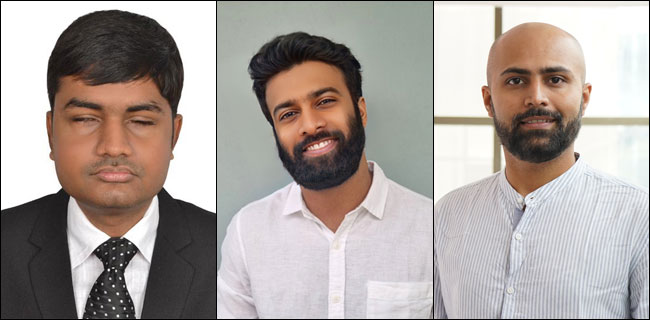
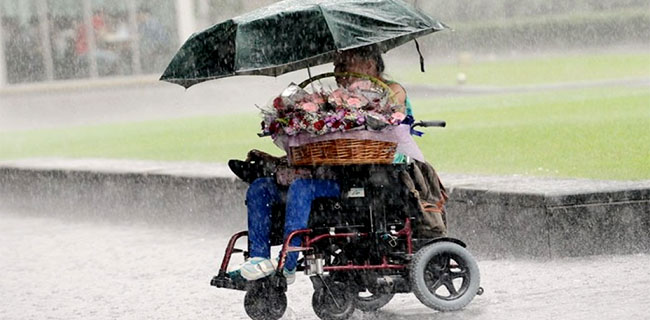
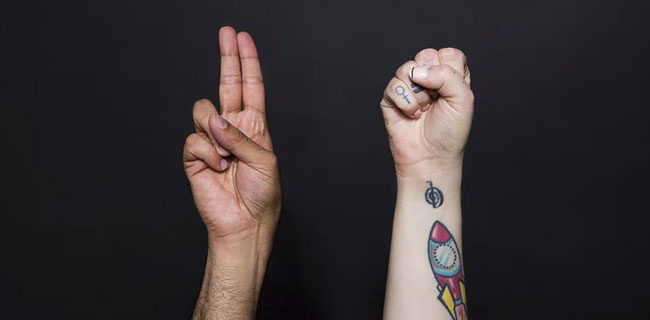
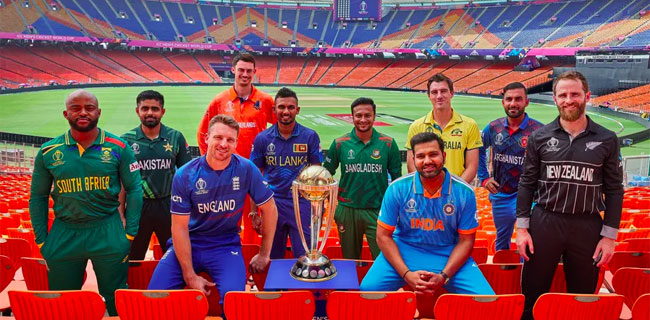
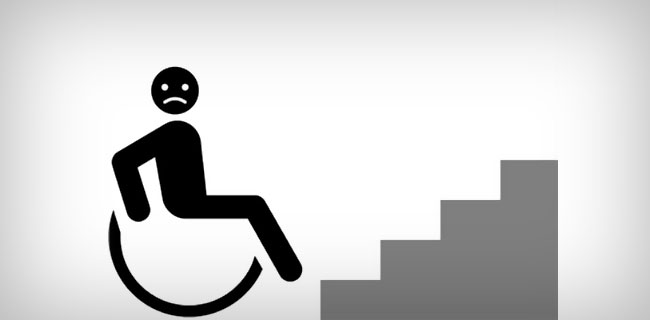
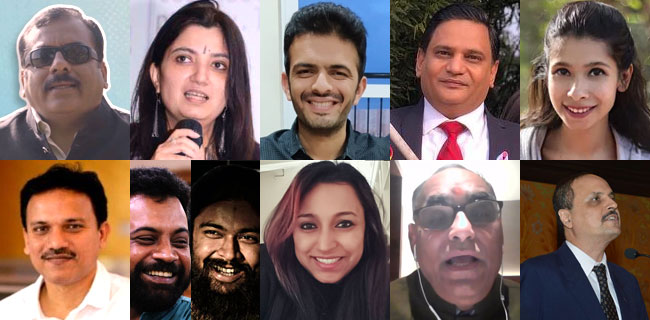
 A visually impaired entrepreneur who is the founder of Sunrise Candles based in Mahabaleshwar. Bhavesh has a vision impairment due to retina macular degeneration. A rehabilitation centre that taught candidates to make candles rejected Bhavesh because of his disability. Unfurled, Bhavesh set up his own venture in 1994. Today, he employs more than 10,000 visually impaired men and women, churning out a business of 350 crore per annum.
 A social entrepreneur and advocate of accessibility, Shilpi is the founder CEO of BarrierBreak. Her organisation is focused on making technology accessible to persons with disabilities. Shilpi actively promotes the use of assistive technology and ensures that digital platforms are designed to include persons with different disabilities. Fifty per cent of her accessibility testing team is comprises people with disabilities. Shilpi is recognised as one of the Top 15 Women Transforming India by the Niti Aayog.
 In May 2014, Prateek met with an accident which led to a spinal cord injury. This left him with paraplegia, making him physically disabled. This is when he realised for the first time how inaccessible the country is built up to be. And he decided to retrofit and ramp up the nation. Based in Bengaluru, Prateek founded a company in 2018, RampMyCity. Instead of complaining, he decided to become part of solution generation. RampMyCity is a start-up that makes mainstream places like offices, residential complexes, schools, colleges, restaurants, parks, et cetera accessible.
 An Indian doctor and a disability rights activist, Dr Satendra is well-known for his work in promoting inclusion in healthcare and education of persons with disabilities. He is a Professor of Physiology at the University College of Medical Sciences and Guru Teg Bahadur Hospital, Delhi. He has been instrumental in bringing about many reforms, including the inclusion of disability competencies in the new medical curriculum in India. He received the National Award in 2021 by the President of India for making elections in the country accessible to persons with disabilities.
 In January this year, an inclusion marvel was created by the Goa government. One of the key figures to bring the first Purple Fest to life was the State Commissioner of Persons with Disabilities in Goa, Guruprasad Pawaskar. With astounding success in its first edition and participation from all stakeholders including PwDs, enablers, changemakers, government officials, corporate employers et cetera, Purple Fest is going global in January 2024. As someone who worked closely with Pawaskar during the Purple Fest 2023, I was amazed at the zeal and hard work put in by a government representative to make a success out of the event. He worked day and night, tirelessly, barely leaving the venue. And now his team is gearing up for a bigger production next year.
 In 2013, Ashish and Alok started the ‘Stop Acid Attack’ campaign and connected with acid attack survivors (consciously avoiding the term victim) from different parts of India. This campaign culminated into the formation of an NGO, Chaanv Foundation which used crowdfunding platforms to support the survivors. These were people who struggled to find jobs because of the apathy meted out by the society due to their visible facial deformities. So the idea to open a café to give them employment, was born. Sheroes Hangout Café in Noida (Uttar Pradesh) Stadium is helping acid attack survivors rebuild their lives with dignity. Sheroes also has branches in Lucknow and Agra.
 More than 2000 Indians have worked as international volunteers with the United Nations, but deaf activist Rupmani Chhetri is the first disabled Indian volunteer who worked in Ukraine. She was born in Nepal and later moved to Darjeeling. Her family tried everything under the sun to make their daughter talk which made her feel sick. She is determined to improve the lives of deaf individuals, so they can freely communicate and feel a sense of belonging. Rupmani is the co-founder of a start-up named SignAble Communications, which helps deaf people access sign language interpreters in real-time through a mobile application. She aims to bring down the communication barriers with technology and training.
 A civil servant who served more than three decades in the Ministries of Defence, Home, Shipping, and Social Justice and Empowerment, Dhariyal was the longest serving Deputy Chief Commissioner of Persons with Disabilities till 2014. During his tenure as the State Commissioner for Persons with Disabilities, Delhi, he is well known for delivering pathbreaking judgements on disability policy and implementation of the Rights of Persons with Disabilities Act 2016. Dhariyal is a walking-talking encyclopaedia when it comes to the laws pertaining to disability empowerment. He not only understands the legal fine print, but has been instrumental in actioning implementation level changes to make places accessible in the capital. He has helped resolve many cases of discrimination of the rights of persons with disabilities. One can say that as the Deputy CCPD and the SCPD, he has been the most effective bureaucrat, driving inclusion.