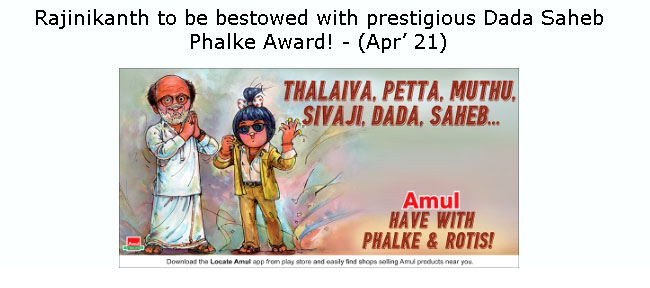
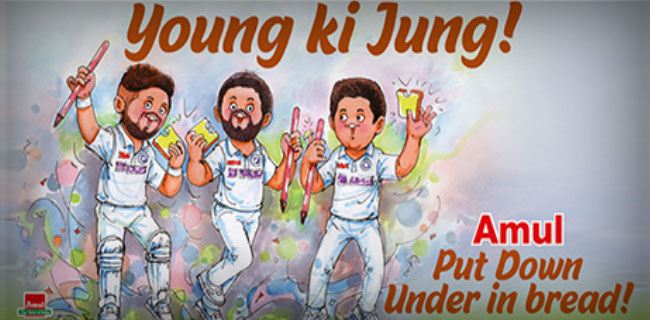
Can India become an economic superpower without some of its homegrown brands going global, whether in the B2C or B2B space?
Probably not.
The Germans reconstructed a shattered war economy and became an economic giant, building global B2B and B2C brands like Siemens, BASF, Mercedes and BMW. The Japanese did with mid-market, high-volume brands like Sony and Toyota and the Koreans with value brands like Samsung and Hyundai.
A brand is a multi-dimensional complex entity.
Bernd Schmitt of Columbia Business School posited a model delineating a brand into fifteen dimensions.
Figure 1: Consumer Psychology Model of Brands
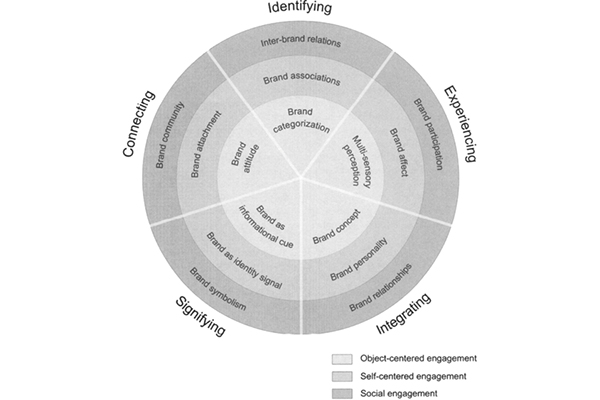
For a brand to succeed in India and establish itself globally, it must build on all 15 dimensions of its markets.
However, one dimension is critical for a brand to become global.
It is ‘Brand symbolism’ under the ‘Signifying’ triad.
Schmitt writes, “Brands must be used to signify not only individual selves; they may also represent a group, a society, or a culture. As cultural symbols, they can stand for nations (McDonald’s), generations (the Gap), and cultural values (Marlboro, Harley-Davidson). As exemplary symbols worthy of admiration and respect, they can assume the role of cultural icons and assume mythic qualities.”
In writing about Brand Symbolism, Schmitt refers to D.B. Holt’s 2004 book, “How brands become icons: The principles of cultural branding”.
In his book, Holt explains how brands become icons by creating “identity myths” that connect with culture and help people make sense of their lives. He argues that iconic brands cannot be built using conventional branding strategies focusing on benefits, brand personalities, and emotional relationships.
Iconic brands do not target specific consumer segments or psychographic types. They do not mimic pop culture but instead lead it. They speak with a rebel’s voice. They don’t try to mirror their customer’s thoughts and emotions. They speak into a cultural conversation in a relevant way and take on meaning beyond their categories.
The global brands of the US, Germany, Japan, and Korea became global icons because they took a slice of their country’s cultural identity and gave it global resonance.
Indian brands that aspire to global success must do the same. They must capture India’s soul and make it relevant to people’s lives worldwide.
India has done it before with Yoga. Yoga is an iconic practice across the world that captures Indian asceticism and gives it relevance to the day-to-day lives of people.
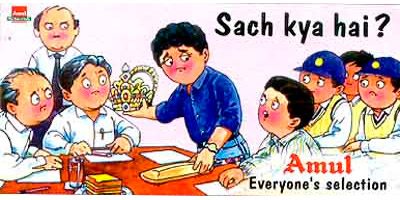
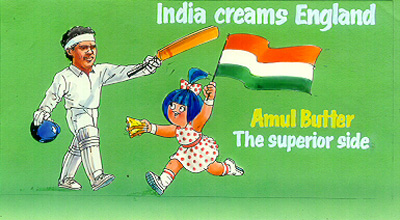
I have worked, in their foundational years, on two Indian brands that have lately begun to enter global markets – Amul and Tanishq.
Both brands have the DNA to become global successes.
Amul, a food brand focused on dairy products, can build on the Indian cultural concept of Satvik. Satvik is a powerful cultural concept that elevates dispassion and purity as the keystones to blissful happiness. This will find global resonance in the world looking to embrace “less is more” to combat environmental degradation and an epidemic of greed. Specifically in the area of food, there is growing disgust with cruelty to livestock to overstuffed, overdosed, and over-mechanised meat farms, leading to a counter-culture movement towards vegetarianism.
Tanishq, as a jewelry brand, can build itself on the Indian cultural concept of ‘Shringar’. Shringar is one of the Navarasa – nine emotions, moods, or feelings that govern life. Shringara, in Sanskrit, means love, romance, decoration, beauty, attractiveness, and an aesthetic sense. Shringar can give rise to all kinds of love, be it romantic love, love between siblings, parental love, holy love, or even love towards a pet.
Tanishq can build itself as the Shringar that creates, and nurtures love in an increasingly stressed and alienated world.
I know that both brands–Amul and Tanishq–are currently in a conventional brand-building stage, focused on the 14 other dimensions of the Schmitt model. However, it might be helpful for them to chart their course to becoming global icons starting today. In that journey, they must identify a cultural strand that underlines their Indian identity while resonating with universal concerns and values.
Other categories offer India the opportunity to build brands with the potential to become global icons. I’m fortunate to be working with one such brand. It operates in the fabric space–a natural fabric unique to India and resonant with the very Indian value of non-violence–Ahimsa–while being equally strong on Shringar. Someday, over the next few years, I hope to share the global success story with this very Indian brand.








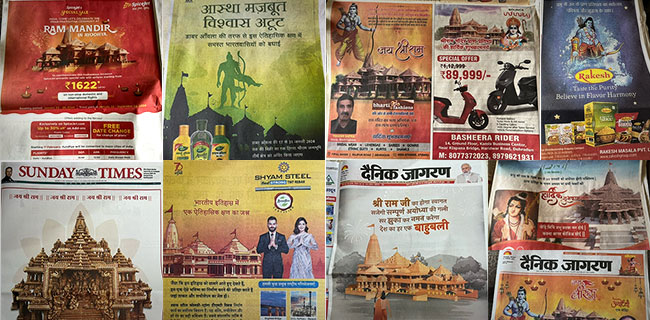
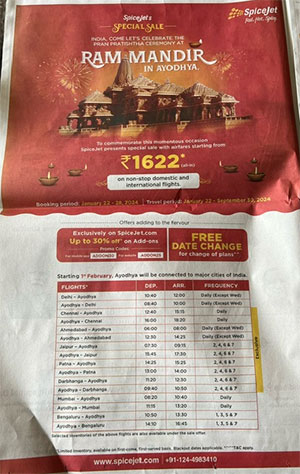
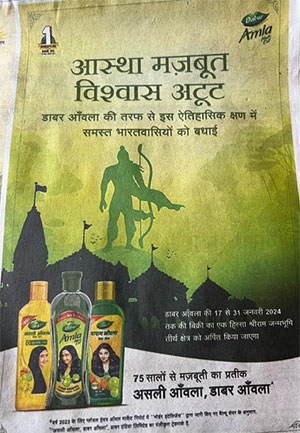
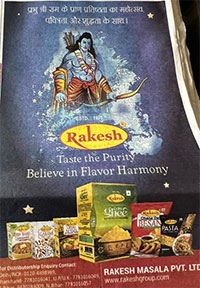
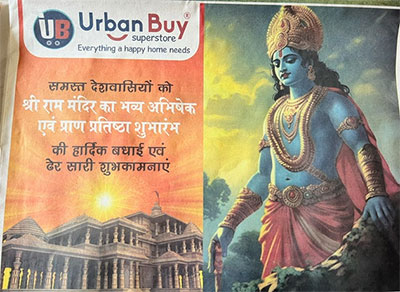
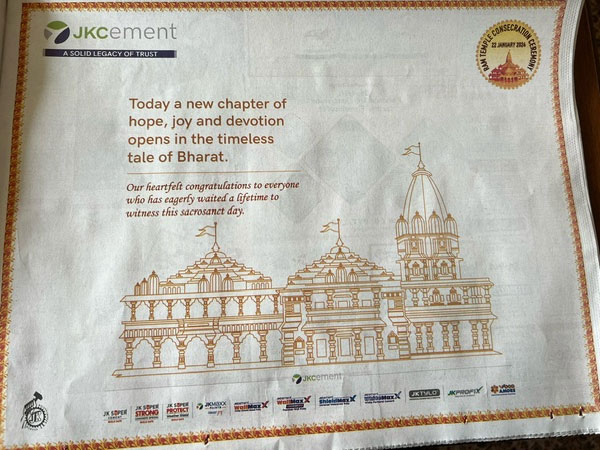
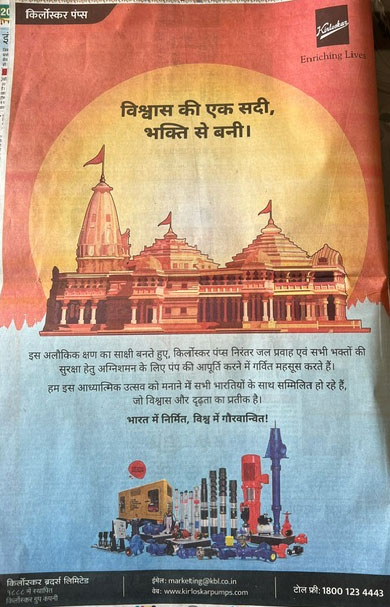
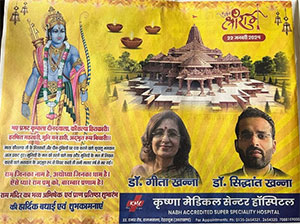
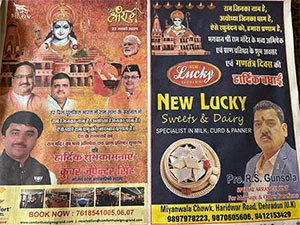
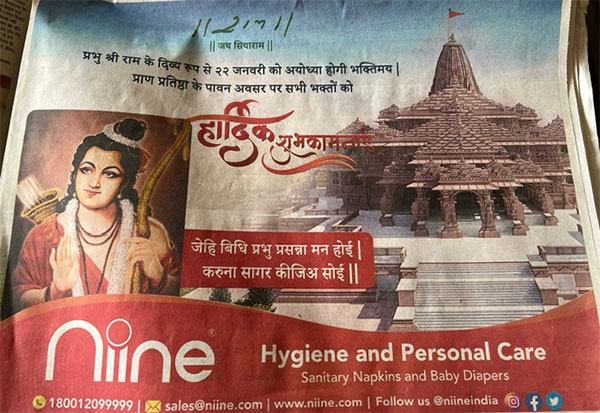
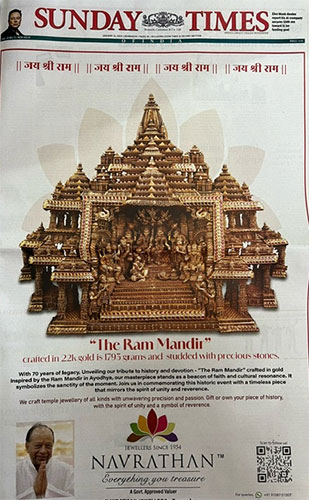
 January 22, 2024, I guess, will become a watershed day in the Indian history. It was a culmination of a well-orchestrated movement led by the state and I think it may become a celebrated case study in marketing too. But my article today is not about the temple consecration or how it became a marketing case, lest I be accused of sacrilege, it is about how brands did or did not latch onto this moment marketing occasion. And as I live in Dehradun, close to the heartland of the temple movement, I shall look at it from this viewpoint.