Blog

  • Anil Thakraney’s Debrief: Good strategy, poor creative

    There’s a new commercial on air for Parker Pens. And it stars brand ambassador Amitabh Bachchan. The creative thought is this: ‘What the world calls a pen’. And it’s a correct one. Because as we all know, pens as a category is on a fast decline on the product life cycle chart. There will come a time when the pen will become a historical product, much like the typewriter. So it makes sense to make the brand synonymous with the product, to own the category, and thus at least be a leader for as long as the product survives. I completely agree with this strategy.


    But the creative fails to leave a mark. Bachchan is seen sitting inside what looks like a hotel lobby. And he’s got the whole range of Parkers spread out on the table. What is he, a pen seller? That’s not explained. Suddenly, a firang arrives and asks if he can borrow a pen. But instead of lending him one, Big B begins educating the gent on how Parker is pronounced in various nations. Exasperated, the man asks for a Parker, which is immediately handed to him.


    Boring creative. After the first exposure, you will reach out for the zap button on the remote control. Because it’s laboured, un-engaging and witless. While I like the idea of getting the brand to be the hero, so that consumers ask for it at retail outlets, sadly the commercial is very dry. And no, Bachchan has no role to play out here… he’s forced in, as he usually is in ads.


    Rating: (On a scale of 1 to 5): 2. For a sound strategy.


    Anil Thakraney’s ad review column DeBrief will appear twice a week – Tuesdays and Thursdays.

  • No slowdown in shopping! Retail sales up 50% with Puja and Dassera

    By PRAMUGDHA MAMGAIN & SARAH JACOB


    Ms Shreya Gambhir, a 20-year-old architecture student in Bangalore, went into the Garuda mall last weekend to buy a watch, but walked out with much more. “While window shopping, I got tempted to buy a handbag worth Rs 1,975 from Accessorize,” she said.


    Shreya was among thousands of shoppers who braved rains, traffic jams and rising prices to flock to the high street and malls across metros and smaller cities, pushing sales of clothes and electronics goods in the first weekend after shradh by up to 50% more than last year.


    The consumer mood has reassured marketers who feared a slowdown in demand this season because of macro-economic concerns of rising prices and interest rates. “Robust sales during Onam and Durga Puja is an indicator of good uptake even in the forthcoming festivities,” Mr J Suresh, MD and CEO of Arvind Lifestyle Brands and Arvind Retail, said.


    The weekend sale was important because it was the first one after shradh – a 15-day period most people in the northern part of the country consider inauspicious for shopping – and preceded the beginning of Durga Puja, a mega festival in West Bengal.


    Consumer brands and retailers traditionally do 25-30% of their annual sales during the festival season, from September to early November. This time they were apprehensive due to signs of a slowdown. Headline inflation has been hovering at 10% despite the central bank’s aggressive monetary tightening through interest rate increases.


    It has pushed loan rates 3.5% in 18 months. Fuel prices have also been rising. Also, sales of cars had fallen for two consecutive months in July and August, after rising 25-30% for two years.


    So, overall, retailers had a lot to worry about, heading into the season. But the jump in sales during Onam comforted them and set the mood for Dusshera, Dhanteras and Diwali. And last weekend’s sales confirmed that inflation won’t impact festivities much. “We are a little surprised,” said Mr Sooraj Bhat, brand head of Allen Solly, a casual wear brand of Madura Fashion & Lifestyle.


    Incentives Galore


    The company had planned for 15-30% same-store growth in the festive season for its different brands, and it has already exceeded it. Allen Solly sales have increased 25-45%, he said.


    Mr Suresh of Arvind Brands, which posted over 50% sales growth during Onam, expects high demand to sustain in the North even after festivities due to winter shopping, while other parts of the country may witness a slowdown if economic environment remains bleak. Mr Kabir Lumba, MD of Lifestyle International, which operates chains Lifestyle, Max and Home Centre, and owns brands such as Splash and Bossini, said festival sales will be strong but the period after could be uncertain.


    Companies and retailers are offering incentives such as discounts, free gifts and interest-free finance schemes to enthuse buyers hurt by rising cost of food, fuel and loans, and they are backing it up with aggressive advertising campaigns.


    “We bought a lot of stuff during the end of season sale. Yet, we have come to see if we may find a good bargain in terms of festive discounts and free gifts,” said Mr Vishal Thakkar, who bought a mobile phone at 10% discount from retailer Vijay Sales at Atrium Mall in Mumbai.


    In Delhi, parking lots at malls such as DLF Promenade and Ambience Mall at Vasant Kunj ran out of space and there were long traffic jams at shopping centres where eating joints such as Mocha, Market Cafe and Smokehouse Deli were packed and retailers reported heavy walk-ins.


    “Of course, we are stung by high prices. But this is the festive season and we don’t mind spending during this period,” said Mr Abhishek Khanna, an IT professional, who was shopping at Delhi’s Khan Market. He wanted to buy clothes and home decor items.


    A sales executive at a Big Bazaar outlet at Rajouri Garden in Delhi says gift items including home furnishings, gifting and electronic items are driving sales at the store.


    One of the Lifestyle stores in Delhi reported up to 40% conversion rate, or percentage of visitors who buy from the shop. Retailers say walkins have increased 10-15% each day after Shradh. The action in Kolkata has peaked in the last two weekends with popular malls such as Forum, City Centre and South City reported up to 20% growth in footfalls and businesses over last year.


    Leading retail stores like Shoppers Stop, Fab India and Westside, and the old shopping areas like New Market and the hi-street stores in Gariahat were packed with shoppers. The average bill size of India’s largest retailer Future Group went up 20%.


    “While fashion always takes the lead during Durga Puja sales, this year a surprise growth driver has been the home segment,” Mr Manish Agarwal, business head (East), Future Group, said. Sales of furniture, curtains, home decor, bed sheets and carpets have grown by more than 50%, he said.


    Durable makers such as LG, Samsung and Godrej grew at a higher pace than last year as consumers splurged on flat panel televisions, digital cameras and hi-end home appliances.


    “We have already exhausted our inventory for 3D televisions, frostfree refrigerator and microwave oven. We expect similar rush for Diwali,” LG Electronics India Regional Head (East) Mr Ranjit Kumar said. Kolkata’s largest durable retailer Great Eastern witnessed 22% sales growth this year and did around 700 consumer finance deals a day in the last one month. While rain tempered footfalls across retail stores in Bangalore for a few hours on Saturday and Sunday evening, most families walked out with at least two shopping bags in hands.


    “We have had a steady flow of customers and expect it to continue with holidays over the next week,” a sales staff of Joyalukkas Jewellery store said.


    (With inputs from Neha Dewan in New Delhi, Writankar Mukherjee in Kolkata & Sagar Malviya in Mumbai)


    Source:The Economic Times

    Copyright © 2011, Bennett, Coleman & Co. Ltd. All Rights Reserved

  • IRS 2011Q2 | State Watch: Dailies

    By Ritu Midha

    A quick look at data for top 10 dailies in a handful of states brings out a few interesting observations. Do write to us at editor@mxmindia.com with your own observations and insights.

    Bihar: All the newspapers show a positive growth vis-a-vis the previous quarter. Even when compared with the same quarter previous year, all the publications show a good growth except I Next. Interestingly English dailies too have grown – and in case of Times of India, it has maintained the same level as the previous year same quarter.

    Jharkhand: When it comes to its neighbour and a part of Bihar till recently it is quite a different story – six out of top 10 dailies show a negative growth – and it is across Hindi & English dailies.

    UP: Just like Bihar, UP too has shown a growth in all the publications as compared to the previous year with the exception of DLA. Amar Ujala compact is growing the fastest with readership increasing to double in comparison to same quarter previous year.

    Uttaranchal: Uttaranchal too shows growth in all the publications but one, when compared to the previous quarter. Interesting thing however is that Amar Ujala compact that shows the fastest growth figures in UP, here shows a drop of 61%, as compared to same quarter last year.

    MP: If one compares data for Q2, 2011 with Q2, 2010, Nava Bharat (MP) and Raj Express are the only two publications that shows a fall. Another interesting factor here is that The Times of India is the only English publication in the top 10, unlike UP and Bihar where there is almost an equal number of Hindi and English Publications.


    Chattisgarh: In case of Chattisgarh, there are three English dailies in the top 10, however all three show a negative growth when compared to the previous quarter. Though, in case of The Times of India, if compared with Q2, 2010, figures show a 27.3% growth.


    Himachal Pradesh: Six out of top 10 dailies show a negative growth when compared with the same quarter in 2010. Amar Ujala, on the surface, seems to have gained at the cost of Punjab Kesai, while in case of The Hindustan Times, it is at the expense of The Times of India. A deeper analysis, perhaps, can throw more light on it.


    Haryana: In case of Haryana, q2 2010 to Q2 2011, three publications show a downturn, but when it comes to Q1 2011 vs Q2, the downturn is seen in seven publications – all the three English papers in the top 10 show a percentage fall when compared to the previous quarter.


    Punjab: In case of Punjab, only two publications of the top 10 have witnessed positive growth when compared to Q2, 2010 – These are Ajit and Dainik Bhaskar. However, if one compares Q2 2011 with Q1, 2011 even The Times of India and The Tribune show positive growth.


    Maharashtra: In Maharashtra’s top 10 dailies, Times of India and its co-publication Mumbai Mirror are the only two English dailies. Market, as expected, is dominated by Marathi dailies. Deshonatti is the only daily that sees a double digit growth when compared to Q1, 2011 – however, that too shows a 17% fall when compared to Q2, 2010.


    Gujarat: Gujarat too has just one English daily in its top 10 – The Times of India, and it shows good growth in both quarters. Other non Gujarati daily in the top 10 shows a growth of 83.9%, when compared to Q2, 2010.

    To be continued…

  • Puja with The Telegraph in Bengal

    By Akash Raha

    Durga Puja, by far the biggest festival in West Bengal, is the event of the year. Festivities touch dizzy heights in Kolkata where more than 2,000 pujas take place in neighbourhoods, not counting pujas in apartment complexes/RWAs, which touch about 500.

    West Bengal’s top English daily The Telegraph is all set to activate three big initiatives during this period so as to enable its readers to make the most of this festive season. It also partners with clients to set up meaningful interaction opportunities with relevant target audiences and help create a special bond through the festive route.

    Speaking about the initiatives Mr Dhruba Mukherjee, Associate Vice President, The Telegraph said, “Durga Puja is the most important festival of Bengal and being Bengal’s favourite English daily, we wanted to do something for the city. Our activities, even though fun, take up a social cause and exemplify our responsibility towards the city.”


    True Spirit Puja

    More than 300 neighbourhood pujas participate in this initiative, the objective of which is to make the Puja experience safe, happy and meaningful. Organizing committees are judged on the basis of their display of civic consciousness, social contribution and safety measures. After a preliminary judging round a panel of celebrities visit the shortlisted pujas to rate them. Based on the ratings the pujas are accorded stars from five stars to one star. Thereafter one puja is given the model puja status.

    Each star rated puja is given a fund to undertake a development project in their locality. This initiative is now in its ninth year and is co-partnered from the beginning by Calcutta Electric Supply Corporation (CESC) of the RP Sanjiv Goenka Group. It is also supported by Kolkata Police, Kolkata Municipal Corporation, West Bengal Fires Services and NGO – The Bengal.  It is extensively promoted editorially in the pages of The Telegraph.

    Hand in Hand

    Here, The Telegraph ties up with 100 SEC A apartment complexes/RWAs, each with a minimum of 100 flats. Overall about 20,000 flats participate in this initiative. During the five days of festivities The Telegraph helps the societies to organize various cultural programmes and fun activities for residents, and also arranges for prizes. Some of the activities organized are antakshari, sit and draw, dhunuchi dance, recipe contest and so on. The Telegraph through this also creates an engagement opportunity for various other interested clients to interact with the target audience through the Hand in Hand pavilion it sets up within societies. This activity is in its seventh year and is the centre of puja celebrations for apartment blocks in Kolkata. The entire proceeding is amplified in a big way using the pages of The Telegraph as well as TV, radio and web. This year the event is being presented by Lewis Berger and associate partners are Bajaj Almond Hair Oil and Reliance 3G.

    Festival of Joy

    This initiative, in its second year, is modelled on the ‘True Spirit Puja’ concept and is executed only for apartment societies/RWAs. The idea is to promote civic, social and safety consciousness among residents of these societies. This in turn ensures that their cause of celebration does not become a cause of concern to the environment around. In its second year this is rapidly gaining ground and has already seen participation from about 50 apartment societies/RWAs this year. A panel of celebrity judges visits the shortlisted apartments and accords ratings. Each rated apartment is given a funding for a development project in their locality. The whole activation is supported editorially in The Telegraph to amplify the just cause it intends to promote. This year the event is being presented by the Eureka Forbes group.

  • Sircar is back as stand-in I&B secretary

    By A Correspondent

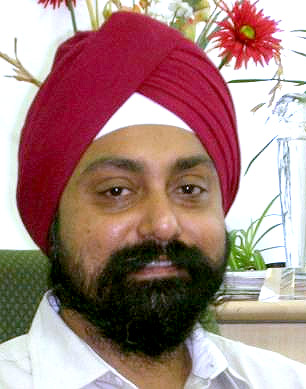
    Mr Jawhar Sircar, Sectretary, Ministry of Culure has been asked to hold additional charge as Secretary, Ministry of Information and Broadcasting. The move was necessitated as Mr Raghu Menon retired as Secretary on September 30. The last time Sircar was asked to do the honours was when Ms Sushma Singh retired as I&B secretary in 2009.

    Mr Sircar’s appointment was announced by way of a circular of the Ministry of Personnel, Public Grievances & Pensions. Here’s what the announcement said: “The competent authority has approved the following additional charge arrangement with effect from 1.10.2011 for a period of three months or until further orders, whichever is earlier”.

    Some info on Mr Sircar, courtesy the Ministry of Culture website: Mr Sircar is a student of Presidency College, Calcutta University and did his Honours in Political Science and obtained two Masters’ Degrees in Sociology and History.


    He has been actively involved with many cultural and academic bodies, like the Asiatic Society, the Victoria Memorial, the Centre for Archaeological Studies and the Kolkata Museum of Modern Art. He has been associated with one of the largest and most successful Book Fairs of the world, that is, the Kolkata Book Fair, since its inception. From the late 1990s, he also took the lead in upgrading the annual Kolkata Film Festival to a remarkable and recognized event of international standards.


    Mr Sircar has been engaged in serious research in social anthropology and was the Director of a field research project that covered 78 sites of ‘popular religion’ in six districts of Western Bengal. The present focus areas of his research are ‘the construction of identities’, the ‘deconstruction of religious phenomena’, folk religion, as also in popular culture and its interface with the semi-classical and classical forms He has published several articles and research papers on history, culture and society. His monograph on “The Construction of the Hindu Identity in Medieval Western Bengal : The Role of Popular Cults”, was well received in India and abroad.


    Photograph: Ministry of Culture, Government of India

  • In your Facebook, in your brand?


    By Ritu Midha


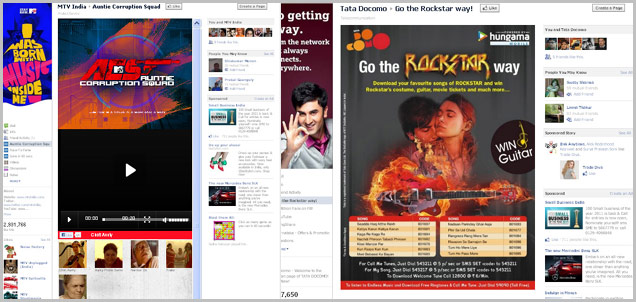
    Though there have been, and are other social networking sites, none match Facebook – whose growth has been phenomenal – in terms of usage and the buzz around it. Brands, keen to be where their target audience is, seek it out and in spite of issues like low internet penetration, power cuts and low literacy levels, social media and more specifically Facebook is seeing exponential growth in India.

    A study by Experian India released in September 2011 indicates that Facebook, YouTube and Orkut are the top three social networking websites in the country.

    As per the study, search engines continue to be number one in terms of visit share in the month of August 2011 with 17.25 percent visit share, while social networking and forums are at number two with 13.99 percent.

    The study also indicates that social networking sites are amongst the top three sources of traffic for these industry categories: Automotive, Community, Computers & Internet, Education, Entertainment, Food & Beverages, Health & Medical, Lifestyle, Music, News & Media, Shopping & Classifieds, Sports and Travel.

    When it comes to specific social media sites Facebook is at number one with a 52.47 percent visits share, while YouTube is a distant second with 20.34 percent share (July 2011). And when one looks at percentage change this August vis-a-vis August 2010, Facebook has seen a whopping 88.46 percent growth from 27.85 percent to 52.49 percent.

    And as per a global Cisco study, within certain countries, including India, updating Facebook was ranked as the highest priority, even more than hanging out with friends. Of all the countries surveyed in the study India ranked highest in the frequency of Facebook interaction, with 92 percent of students and 98 percent of employees checking it daily.


    Facebook, thus, has arrived in India, and if the growth rate is any indication it is not a storm in the frying pan. However, one wonders if Indian brands have really begun to value the impact of social media, or is being on social media just a feel-good factor for them? Says Mr Ashok Lalla, President – Digital, Euro RSCG, “There certainly is a lot of enthusiasm among Indian brands to get onto the social media bandwagon. Unfortunately, most get on thinking that a fan page, or an app or a Twitter handle is all that it takes to crack the social media code. However, we are also seeing some brands take a more mature view of social media, and these also better integrate social marketing with the rest of the marketing and communications mix.”

    Mr Alok Kejriwal, CEO and Co-Founder, Games2win, too agrees that brands are at different stages of evolution as far as social media goes. He remarked, “Some of them use social media well, some of them are learning and some of them are completely ignorant. The brands who get it are those who have young CEOs and managers rather than the ‘Silver Foxes’ who run the companies that run the brands who live on the dark side of the moon. Think Vodafone vs Air India.”

    Talking specifically of Facebook, where most of the consumer action is at the moment, while a few brands are working on specific Facebook strategies, others just want to fit it in. Mr Lalla said, “I’m not sure if brands have reworked their overall communication strategies, but they certainly have recast and extended them to include social media. Facebook clearly is the first and most popular part of most social media plans. That’s not surprising, since it’s got the largest number of social media-active people in India.”

    Interestingly, one notices that brands look at gaining as many ‘likes’ as possible – a ‘like’ on a page can get a fan Rs 1,000 off on a luxury cosmetics brand – while a few others believe that the ultimate is to make the customers win a contest, and give away an expensive handset. These mostly work as tactics for the moment. As soon as the contests and discounts are over – so is the people’s interest in that specific page.

    What, then, would be an ideal Facebook strategy for a brand? Kejriwal explains, “Listening and not marketing. Brands and their decision-makers need to listen to the whispers on social media – their ears should be on the railway tracks picking up tremors and the train before it arrives in their face. Facebook is a reactive and conversational media for brands rather than a pro-active and defensive media.”

    It effectively means that ‘likes’ are not a good enough benchmark for a brand page on Facebook. Mr Kejriwal declared, “No way! Likes are silly. It’s like saying that the number of units sold of a sachet is the sign of the success of a brand! Less Is More on Facebook for a brand. The quality of conversation – not the quantity – is important.”

    “The real impact comes when brands look at ‘Life beyond the Like’. And focus on identifying and nurturing the ‘fans’ that have real brand love, and the potential to turn into brand advocates,” added Mr Lalla.

    Social media, and more specifically Facebook, opens doors for two-way communication between the brand and its audiences – and it is that conversation that brings the biggest value to a brand. Mr Lalla elucidates, “Today a brand is no longer about what marketers tell consumers it is, but it is what consumers tell other consumers it is. In this context, it makes immense sense for a brand to be receptive and responsive to its audience. That’s where a two-way communication (conversation) helps.”
    It is largely youth brands looking at a presence of Facebook – an effect of the perception that it is largely young and happening who spend time of Facebook. However as per Mr Lalla, the fastest growing demographic on Facebook worldwide is the over-50s. So, used right, social marketing via Facebook can make a difference for more than just youth brands. Brands, perhaps, are waiting, to witness a few big success stories before taking Facebook more seriously. In times to come it will become even more intrinsic to marketing, and brands will gradually learn to appreciate the influence it can create on their audiences.

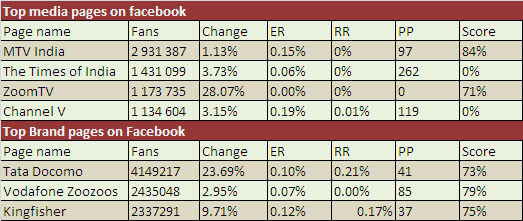
    ER = Engagement Rate, average number of total interactions to the pages posts divided by the number of fans in the last 30 days
    RR = Response Rate, the pages response rate to the user questions posted on the wall in the last 30 days
    PP = Page Posts, the number of the posts by the page in the last 30 days
    Score = The score of the Facebook page, a Socialbakers only metric that we create out of 30 different parameters

    Source:

    http://www.socialbakers.com/facebook-pages/brands/india/
    http://www.socialbakers.com/facebook-pages/media/india/
  • NCT Data Wk 39 ’11

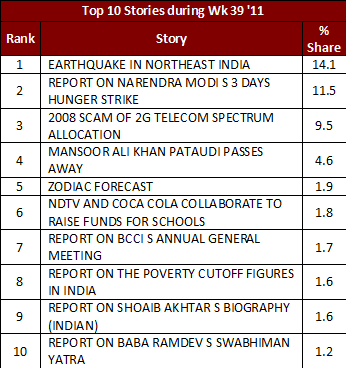
    Source: News Content Track – A service of TAM Media Research Pvt. Ltd

    Channels: Aaj Tak, CNN IBN, Headlines Today, IBN 7, India TV, NDTV 24/7, NDTV India, Star News,

    Times Now & Zee News

    Period: Wk 39 – Sep 18 to Sep 24, 2011

    Note : Analysis is based on the telecast duration

    About TAM Media Research

    TAM is a joint venture between Nielsen Company & Kantar Media Research. Besides measuring TV Viewership, TAM also monitors Advertising Expenditure of Television, Print & Radio through its division AdEx India. Since 2004, it extended its presence in the PR Measurement & Analysis space for Corporate/Marketing Clients by setting up a separate division Eikona PR Measurement.

    In 2007, the joint venture introduced RAM (Radio Audio Measurement) service to track Radio Listenership for the Indian Radio Broadcast Industry. In year 2009, TAM launched a division, called TAM Sports that specializes in monitoring Sports Sponsorship ROI.

    TAM Media Research’s objective is to fuel media insights that will drive the growth of the Indian Media Industry.

  • Premjeet Sodhi’s Nascent Media: Stop over-simplification of media

    While, the core thought of this article about ‘over-simplification’ may apply to the overall domain of marketing, but I am using the setting of media planning to construct the view.

    Lets, first see what is the task or challenge that the media agencies take up in their business.Every advertiser expects the media planning agency to deliver performance for its business metrics. That is to say that – once a media plan is executed the brand manager expects sales to happen.

    Enough has been said about the increasing complexity of the market, the increasingly unpredictable and demanding consumer and the decreasing strength of brands. In such a scenario, the factors that lead to sales success are many. The classical models of marketing have now been replaced by far more dynamic models and media is only one of the many factors that influence sales. Hence, this is not a simple or easy expectation at all.
    Even a little bit of analytics will reveal that media has only got limited leverage to drive sales and this leverage varies for different categories and brands. However, there are other interim metrics leading to sales, such as brand recall, brand perception, brand enquiry, brand interactions, etc for which media can be held accountable for. There are so many marketing models and methods that help understand what a brand needs to deliver in media. None of these methods are simple.Looking at ‘media’ in isolation and expecting it to deliver sales is a naive simplification. 

    Media Planning is an intricate science. It deals with engaging extremely incredulous and volatile consumers to convince them of the merits of one of the score of brands that are available to them and possibly get them to move closer to buying the brand. In short, it deals with the wants and desires of people which can never be a simple subject to address.

    However, somewhere along the way in the past agencies have made advertises believe that this complex task can be broken up into two simple steps – (i) design the message and (ii) deliver the message to the desired consumer segment.

    Here, I will not comment on designing the message since I have already touched upon that in my earlier post titled “Creative is killing Creativity”. Lets look at the inherent simplification that has been cultivated in delivering the message.

    The first simplification was to strip each medium of its “qualitative” values and believe that each vehicle in a medium and across mediums can be represented by the measure of only “quantity”. 

    This made it very easy to measure media and trade media. One was only bothered about the count or reach as we call it. Research agencies made a killing setting up mammoth research projects measuring this lowest common denominator across media. Yes, there was a qualitative aspect but that was left to interpretation and application by the media planners. Now, we have the media planing community largely addicted and servile to these quantitative research databases totally oblivious to the qualitative value of the media they recommend.

    The second simplification was to believe that consumer minds can be affected just by managing the volume of this media measure. 

    The GRP was conceived – which is another simplification of the arithmetic that goes into making a media schedule and this GRP became the volume measure of  voice of the brand. Due to its simplicity, clients took to GRPs easily and it soon became a strong trading currency for media. Today, everything that is done is to create, deliver, manage, buy, sell – this GRP. This GRP comes in various reach and frequency packs and is available across media. This GRP has become the magic wand with which the client and the agency attempt to deliver market shares.

    The simplification is also evident in the remuneration structure that is prevalent in the industry. Everything that is done in communication is measured in terms of the traded value of media bought and the agencies are paid as a percentage of that. Since, actually estimating the real value contributed by media is difficult – so a percentage of spends keeps it simple.

    I guess, the whole media eco-system looks at the issues too simplistically and that is why “value-creation” is reducing day by day and leading to commoditization of media, media schedules, media talent and of media agencies. The advertisers will continue to simplify, but if, the media and advertising domain wants to enhance its value they will have to do away with this over-simplification. After all, Value is in the details.

  • IRS Q2 2011 – South

    From Stratagem Media

    Market :AP
    Publications IRS 2011 Q2 IRS 2011 Q1 % growth in IRS 11 Q2 over 11 Q1 IRS 2010 Q2 % growth in IRS 11 Q2 over 10 Q2
    Est. Individuals (000s) 67717 67414 0.4 66503 1.8
     Eenadu 5950 5908 0.7 6087 -2.3
     Sakshi 5056 4988 1.4 4638 9.0
     Andhra Jyothi 2110 2004 5.3 2368 -10.9
     Deccan Chronicle 742 735 1.0 786 -5.6
     Vartha 344 362 -5.0 894 -61.5
     The Hindu 296 297 -0.3 325 -8.9
     Andhra Bhoomi 253 265 -4.5 244 3.7
     The Times Of India 126 112 12.5 138 -8.7
     Andhra Prabha 105 121 -13.2 116 -9.5
    Siasat 70 81 -13.6 89 -21.3
    Market :Kar
    Publications IRS 2011 Q2 IRS 2011 Q1 % growth in IRS 11 Q2 over 11 Q1 IRS 2010 Q2 % growth in IRS 11 Q2 over 10 Q2
    Est. Individuals (000s) 48412 48163 0.5 47420 2.1
    Vijay Karnataka 3438 3470 -0.9 3268 5.2
    Prajavani 3369 3403 -1.0 2565 31.3
    Kannada Prabha 1354 1334 1.5 862 57.1
    Samyukta Karnataka 1176 1306 -10.0 984 19.5
    Udayavani 985 893 10.3 794 24.1
     The Times Of India 575 535 7.5 445 29.2
     Deccan Herald 414 423 -2.1 314 31.8
    Sanjavani 215 207 3.9 211 1.9
     Bangalore Mirror 175 160 9.4 70 150.0
    Tarun Bharat (Belgaum, Maharashtra & Goa) 145 160 -9.4 227 -36.1
    Market :TN
    Publications IRS 2011 Q2 IRS 2011 Q1 % growth in IRS 11 Q2 over 11 Q1 IRS 2010 Q2 % growth in IRS 11 Q2 over 10 Q2
    Est. Individuals (000s) 58816 58621 0.3 58119 1.2
     Daily Thanthi 7097 6986 1.6 7263 -2.3
     Dinakaran 5038 4995 0.9 4991 0.9
     Dinamalar 2653 2548 4.1 2859 -7.2
     The Hindu 1055 1065 -0.9 1131 -6.7
     Dinamani 513 476 7.8 512 0.2
    Malai Malar 417 411 1.5 556 -25.0
     Deccan Chronicle 240 196 22.4 250 -4.0
     The Times Of India 222 208 6.7 221 0.5
     The New Indian Express 135 132 2.3 108 25.0
     Tamizh Murasu 116 114 1.8 140 -17.1
    Market :Ker
    Publications IRS 2011 Q2 IRS 2011 Q1 % growth in IRS 11 Q2 over 11 Q1 IRS 2010 Q2 % growth in IRS 11 Q2 over 10 Q2
    Est. Individuals (000s) 28477 28435 0.1 79673 -64.3
     Malayala Manorama (Daily) 9869 9837 0.3 9759 1.1
     Mathrubhumi 6669 6772 -1.5 6545 1.9
     Deshabhimani 2105 2180 -3.4 2276 -7.5
     Madhyamam 954 882 8.2 697 36.9
     Mangalam (Daily) 562 500 12.4 516 8.9
     Kerala Kaumudi 532 570 -6.7 837 -36.4
     The Hindu 310 324 -4.3 962 -67.8
     The New Indian Express 218 215 1.4 295 -26.1
     Deepika 190 189 0.5 180 5.6
     Kerala Kaumudi Flash 163 170 -4.1 206 -20.9


    Information courtesy:

  • IRS Q2 2011 – East

    From Stratagem Media

    Market :WB

    Publications

    IRS 2011 Q2

    IRS 2011 Q1

    % growth in IRS 11 Q2 over 11 Q1

    IRS 2010 Q2

    % growth in IRS 11 Q2 over 10 Q2

    Est. Individuals (000s)

    71839

    71478

    0.5

    70400

    2.0

    Ananda Bazar Patrika

    5992

    6048

    -0.9

    6466

    -7.3

    Bartaman

    2963

    2926

    1.3

    2811

    5.4

    The Telegraph

    1039

    1035

    0.4

    1027

    1.2

    Sangbad Pratidin

    958

    1004

    -4.6

    1103

    -13.1

    Ganashakti

    790

    761

    3.8

    960

    -17.7

    Aajkaal

    628

    651

    -3.5

    785

    -20.0

    The Times Of India

    600

    630

    -4.8

    642

    -6.5

    Uttar Banga Sambad

    516

    512

    0.8

    495

    4.2

    Sanmarg

    480

    502

    -4.4

    505

    -5.0

    Sambad (Ben)

    185

    221

    -16.3

    292

    -36.6

    Market :Assam

    Publications

    IRS 2011 Q2

    IRS 2011 Q1

    % growth in IRS 11 Q2 over 11 Q1

    IRS 2010 Q2

    % growth in IRS 11 Q2 over 10 Q2

    Est. Individuals (000s)

    22626

    22511

    0.5

    22169

    2.1

     Asomiya Pratidin

    1120

    1152

    -2.8

    1177

    -4.8

     Asomiya Khabar

    324

    347

    -6.6

    395

    -18.0

     Assam Tribune

    265

    252

    5.2

    241

    10.0

    Dainik Agradoot

    216

    210

    2.9

    289

    -25.3

     Dainik Janambhumi

    169

    199

    -15.1

    181

    -6.6

     Amar Asom

    153

    192

    -20.3

    218

    -29.8

    Dainik Jugasankha

    150

    171

    -12.3

    #VALUE!

     Dainik Assam

    75

    89

    -15.7

    133

    -43.6

     Ajir Asom

    69

    78

    -11.5

    #VALUE!

     The Telegraph

    49

    65

    -24.6

    89

    -44.9

    Market :Orissa

    Publications

    IRS 2011 Q2

    IRS 2011 Q1

    % growth in IRS 11 Q2 over 11 Q1

    IRS 2010 Q2

    % growth in IRS 11 Q2 over 10 Q2

    Est. Individuals (000s)

    32302

    32153

    0.5

    31698

    1.9

    Sambad (Ori)

    1504

    1581

    -4.9

    1606

    -6.4

    Dharitri

    1455

    1442

    0.9

    1322

    10.1

    Samaj

    1378

    1396

    -1.3

    1497

    -7.9

    The Samaya

    185

    215

    -14.0

    341

    -45.7

     The Times Of India

    161

    174

    -7.5

    191

    -15.7

     The New Indian Express

    87

    101

    -13.9

    124

    -29.8

    Dainik Jagran

    31

    37

    -16.2

    41

    -24.4

    Nava Bharat (Mah/Chh)

    30

    22

    36.4

    20

    50.0

     The Hindu

    21

    23

    -8.7

    34

    -38.2

     The Telegraph

    19

    15

    26.7

    16

    18.8


    Information courtesy:

  • IRS Q2 2011 Maharashtra & Gujarat

    From Stratagem Media

    Market :MH

    Publications

    IRS 2011 Q2

    IRS 2011 Q1

    % growth in IRS 11 Q2 over 11 Q1

    IRS 2010 Q2

    % growth in IRS 11 Q2 over 10 Q2

    Est. Individuals (000s)

    91548

    91137

    0.5

    89580

    2.2

     Lokmat

    7426

    7305

    1.7

    7396

    0.4

     Daily Sakal

    4399

    4511

    -2.5

    4107

    7.1

     Pudhari

    2511

    2589

    -3.0

    2514

    -0.1

     The Times Of India

    2012

    2050

    -1.9

    1918

    4.9

     Punya Nagari

    1716

    1810

    -5.2

    2182

    -21.4

     Maharashtra Times

    1140

    1148

    -0.7

    1150

    -0.9

     Loksatta

    975

    984

    -0.9

    1082

    -9.9

     Deshonatti

    835

    744

    12.2

    1006

    -17.0

    Gujarat Samachar

    776

    828

    -6.3

    711

    9.1

     Mumbai Mirror

    758

    780

    -2.8

    786

    -3.6

    Market :Gujarat

    Publications

    IRS 2011 Q2

    IRS 2011 Q1

    % growth in IRS 11 Q2 over 11 Q1

    IRS 2010 Q2

    % growth in IRS 11 Q2 over 10 Q2

    Est. Individuals (000s)

    46903

    46622

    2.4

    Gujarat Samachar

    4444

    4449

    -0.1

    4506

    -1.4

    Divya Bhaskar

    3536

    3534

    0.1

    3366

    5.1

    Sandesh

    3329

    3232

    3.0

    3127

    6.5

     The Times Of India

    335

    327

    2.4

    232

    44.4

    Saurashtra Samachar

    230

    231

    -0.4

    334

    -31.1

    Gujarat Mitra & Darpan

    176

    170

    3.5

    186

    -5.4

    Kutch Mitra

    114

    121

    -5.8

    101

    12.9

    Jai Hind

    85

    Rajasthan Patrika

    57

    71

    -19.7

    31

    83.9

    Phulchhab Daily

    54


    Information courtesy:


  • IRS Q2 2011 Hindi Belt & North

    From Stratagem Media
    Market : Bihar

    Publications

    IRS 2011 Q2

    IRS 2011 Q1

    % growth in IRS 11 Q2 over 11 Q1

    IRS 2010 Q2

    % growth in IRS 11 Q2 over 10 Q2

    Est. Individuals (000s)

    68624

    68196

    0.6

    68228

    0.6

    Hindustan

    4842

    4729

    2.4

    4356

    11.2

    Dainik Jagran

    2727

    2568

    6.2

    2658

    2.6

    Prabhat Khabar

    426

    336

    26.8

    231

    84.4

    AJ

    286

    269

    6.3

    240

    19.2

     The Times Of India

    162

    151

    7.3

    162

    0.0

    Rashtriya Sahara

    119

    98

    21.4

    119

    0.0

    I Next

    92

    91

    1.1

    134

    -31.3

     Hindustan Times

    88

    84

    4.8

    85

    3.5

     The Hindu

    30

    23

    30.4

    15

    100.0

     The Economic Times

    19

    16

    18.8

    6

    216.7

    Market :Jharkhand

    Publications

    IRS 2011 Q2

    IRS 2011 Q1

    % growth in IRS 11 Q2 over 11 Q1

    IRS 2010 Q2

    % growth in IRS 11 Q2 over 10 Q2

    Est. Individuals (000s)

    22736

    22606

    0.6

    22219

    2.3

    Hindustan

    1777

    1848

    -3.8

    1469

    21.0

    Prabhat Khabar

    1362

    1371

    -0.7

    1001

    36.1

    Dainik Jagran

    984

    915

    7.5

    800

    23.0

    I Next

    84

    80

    5.0

    #VALUE!

     The Telegraph

    81

    72

    12.5

    75

    8.0

    AJ

    79

    110

    -28.2

    85

    -7.1

     The Times Of India

    72

    71

    1.4

    62

    16.1

     Hindustan Times

    54

    57

    -5.3

    68

    -20.6

     Ananda Bazar Patrika

    41

    42

    -2.4

    26

    57.7

     The Economic Times

    17

    19

    -10.5

    21

    -19.0

    Market : MP

    Publications

    IRS 2011 Q2

    IRS 2011 Q1

    % growth in IRS 11 Q2 over 11 Q1

    IRS 2010 Q2

    % growth in IRS 11 Q2 over 10 Q2

    Est. Individuals (000s)

    52058

    51748

    0.6

    50825

    2.4

    Dainik Bhaskar

    3806

    3730

    2.0

    3201

    18.9

    Nai Dunia  + Nav Duniya

    1575

    1615

    -2.5

    1125

    40.0

    Patrika

    1251

    1113

    12.4

    725

    72.6

    Raj Express

    492

    520

    -5.4

    612

    -19.6

    Dainik Jagran

    396

    344

    15.1

    339

    16.8

    Dainik Agniban

    323

    290

    11.4

    252

    28.2

    Hari Bhoomi

    259

    296

    -12.5

    211

    22.7

    Nava Bharat (MP)

    152

    177

    -14.1

    348

    -56.3

    Dainik Prabhat kiran

    77

    77

    0.0

    73

    5.5

     The Times Of India

    72

    71

    1.4

    70

    2.9

    Market : Chhattisgarh

    Publications

    IRS 2011 Q2

    IRS 2011 Q1

    % growth in IRS 11 Q2 over 11 Q1

    IRS 2010 Q2

    % growth in IRS 11 Q2 over 10 Q2

    Est. Individuals (000s)

    17514

    17431

    0.5

    17182

    1.9

    Dainik Bhaskar

    992

    966

    2.7

    1021

    -2.8

    Hari Bhoomi

    920

    893

    3.0

    851

    8.1

    Nava Bharat (Mah/Chh)

    748

    792

    -5.6

    776

    -3.6

    Nai Dunia

    365

    361

    1.1

    355

    2.8

    Dainik Jagran

    51

    39

    30.8

    38

    34.2

     The Times Of India

    28

    29

    -3.4

    22

    27.3

     The Economic Times

    9

    11

    -18.2

    13

    -30.8

     The Hindu

    4

    5

    -20.0

    5

    -20.0

    Ananda Bazar Patrika

    2

    2

    0.0

    #VALUE!

    Market :UP

    Publications

    IRS 2011 Q2

    IRS 2011 Q1

    % growth in IRS 11 Q2 over 11 Q1

    IRS 2010 Q2

    % growth in IRS 11 Q2 over 10 Q2

    Est. Individuals (000s)

    137441

    137014

    0.3

    134964

    1.8

    Dainik Jagran

    9007

    8815

    2.2

    8847

    1.8

    Amar Ujala

    7055

    6946

    1.6

    6525

    8.1

    Hindustan

    3806

    3676

    3.5

    2919

    30.4

    Amar Ujala Compact

    1005

    901

    11.5

    451

    122.8

    AJ

    768

    746

    2.9

    637

    20.6

    Rashtriya Sahara

    692

    635

    9.0

    524

    32.1

     The Times Of India

    552

    542

    1.8

    490

    12.7

    I Next

    506

    475

    6.5

    613

    -17.5

    DLA

    317

    347

    -8.6

    439

    -27.8

     Hindustan Times

    298

    286

    4.2

    202

    47.5

    Market :Uttaranchal

    Publications

    IRS 2011 Q2

    IRS 2011 Q1

    % growth in IRS 11 Q2 over 11 Q1

    IRS 2010 Q2

    % growth in IRS 11 Q2 over 10 Q2

    Est. Individuals (000s)

    7391

    7352

    0.5

    7235

    2.2

    Amar Ujala

    888

    842

    5.5

    831

    6.9

    Dainik Jagran

    619

    578

    7.1

    606

    2.1

    Hindustan

    313

    289

    8.3

    193

    62.2

     The Times Of India

    85

    79

    7.6

    81

    4.9

     Hindustan Times

    51

    39

    30.8

    31

    64.5

    Rashtriya Sahara

    51

    36

    41.7

    45

    13.3

    I Next

    18

    17

    5.9

    20

    -10.0

    Amar Ujala Compact

    12

    19

    -36.8

    31

    -61.3

    Punjab Kesari

    10

    9

    11.1

    24

    -58.3

     The Economic Times

    7

    6

    16.7

    6

    16.7

    Market :HP

    Publications

    IRS 2011 Q2

    IRS 2011 Q1

    % growth in IRS 11 Q2 over 11 Q1

    IRS 2010 Q2

    % growth in IRS 11 Q2 over 10 Q2

    Est. Individuals (000s)

    5579

    5567

    0.2

    5497

    1.5

    Amar Ujala

    459

    434

    5.8

    371

    23.7

    Punjab Kesari

    345

    365

    -5.5

    406

    -15.0

    Divya Himachal

    163

    185

    -11.9

    167

    -2.4

    Dainik Bhaskar

    52

    59

    -11.9

    61

    -14.8

     The Tribune

    40

    47

    -14.9

    46

    -13.0

    Dainik Jagran

    18

    21

    -14.3

    42

    -57.1

     Hindustan Times

    16

    13

    23.1

    10

    60.0

     The Times Of India

    8

    10

    -20.0

    11

    -27.3

     The Economic Times

    3

    4

    -25.0

    2

    50.0

    Market :Rajasthan

    Publications

    IRS 2011 Q2

    IRS 2011 Q1

    % growth in IRS 11 Q2 over 11 Q1

    IRS 2010 Q2

    % growth in IRS 11 Q2 over 10 Q2

    Est. Individuals (000s)

    48468

    48302

    0.3

    47499

    2.0

    Rajasthan Patrika

    6811

    6871

    -0.9

    6805

    0.1

    Dainik Bhaskar

    6425

    6312

    1.8

    6121

    5.0

    Dainik Navjyoti

    554

    495

    11.9

    396

    39.9

    Punjab Kesari

    220

    192

    14.6

    168

    31.0

     The Times Of India

    208

    226

    -8.0

    194

    7.2

    News Today

    150

    140

    7.1

    182

    -17.6

    Daily News

    144

    171

    -15.8

    184

    -21.7

    Rashtradoot

    104

    112

    -7.1

    77

    35.1

     Hindustan Times

    64

    51

    25.5

    39

    64.1

     DNA

    32

    37

    -13.5

    31

    3.2

    Market : Chandigarh

    Publications

    IRS 2011 Q2

    IRS 2011 Q1

    % growth in IRS 11 Q2 over 11 Q1

    IRS 2010 Q2

    % growth in IRS 11 Q2 over 10 Q2

    Est. Individuals (000s)

    877

    874

    0.3

    855

    2.6

    Dainik Bhaskar

    163

    170

    -4.1

    180

    -9.4

     The Tribune

    101

    95

    6.3

    94

    7.4

     Hindustan Times

    93

    88

    5.7

    78

    19.2

    Amar Ujala

    93

    82

    13.4

    85

    9.4

     The Times Of India

    26

    21

    23.8

    22

    18.2

    Punjab Kesari

    23

    24

    -4.2

    24

    -4.2

    Dainik Jagran

    20

    20

    0.0

    28

    -28.6

     The Indian Express

    18

    12

    50.0

    16

    12.5

     Punjabi Tribune

    11

    9

    22.2

    9

    22.2

    Ajit

    6

    7

    -14.3

    4

    50.0

    Market :Haryana

    Publications

    IRS 2011 Q2

    IRS 2011 Q1

    % growth in IRS 11 Q2 over 11 Q1

    IRS 2010 Q2

    % growth in IRS 11 Q2 over 10 Q2

    Est. Individuals (000s)

    19944

    19849

    0.5

    19459

    2.5

    Dainik Bhaskar

    1312

    1333

    -1.6

    1404

    -6.6

    Punjab Kesari

    984

    989

    -0.5

    958

    2.7

    Dainik Jagran

    950

    928

    2.4

    922

    3.0

    Hari Bhoomi

    255

    224

    13.8

    251

    1.6

     Hindustan Times

    204

    212

    -3.8

    170

    20.0

     The Times Of India

    180

    191

    -5.8

    186

    -3.2

    Amar Ujala

    168

    193

    -13.0

    232

    -27.6

     The Tribune

    118

    132

    -10.6

    103

    14.6

    Aaj Samaj

    103

    109

    -5.5

    40

    157.5

    Dainik Tribune

    93

    91

    2.2

    100

    -7.0

    Market : Punjab

    Publications

    IRS 2011 Q2

    IRS 2011 Q1

    % growth in IRS 11 Q2 over 11 Q1

    IRS 2010 Q2

    % growth in IRS 11 Q2 over 10 Q2

    Est. Individuals (000s)

    22681

    22595

    0.4

    22255

    1.9

     Ajit

    1158

    1123

    3.1

    1125

    2.9

     Jag Bani

    973

    1027

    -5.3

    1018

    -4.4

    Punjab Kesari

    959

    1005

    -4.6

    1100

    -12.8

    Dainik Bhaskar

    825

    862

    -4.3

    773

    6.7

    Dainik Jagran

    729

    764

    -4.6

    891

    -18.2

     The Tribune

    291

    280

    3.9

    328

    -11.3

     Punjabi Tribune

    117

    160

    -26.9

    284

    -58.8

     Hindustan Times

    111

    115

    -3.5

    137

    -19.0

    Amar Ujala

    68

    73

    -6.8

    156

    -56.4

    The Times Of India

    36

    28

    28.6

    47

    -23.4

    Information courtesy: