 By Indrani Sen
Last week while travelling from Mumbai to Kolkata by Mumbai-Howrah Dooranta Express, I read on my smartphone the ET Brand Equity report on “India’s digital media & entertainment sector is set to transform in 2018“ with a lot of interest and curiosity. (https://brandequity.economictimes.indiatimes.com/news/media/indias-digital-media-and-entertainment-sector-to-see-a-transformative-year-in-2018/62360682). My appreciation of the viewpoint that the said transformation is riding on the high speed data connectivity now available in India did not last long as my 4G network dropped to 3G and then to 2G and then in no time to ‘no network’.
Travelling from Mumbai to Howrah, one has to pass through Maharashtra, Madhya Pradesh, Odisha, Bihar, Jharkhand and West Bengal in the 28-hour journey. My 4G network played hide and seek with me throughout the journey, showing up when the train was nearing a major town and disappearing gradually after the train crossed that station! I would like to mention in this connection that I had a totally different experience regarding internet as well as network availability while travelling abroad by train and by road.
By now, it is quite clear that the government’s plan for providing free internet access in public places will take many more years to get functional due to various financial and technical constraints. Ouradvertising and marketing industry acknowledges that internet usage and digital marketing in India will be riding on the rapid growth of mobile penetration with youth spearheading the adoption of digital media.To ensure uninterrupted network availability, it is essential to bring Tier II and III towns under the coverage of the telecom network as they play a major role in the distribution structure of various non-durables and durables and act as the gateway to rural marketing. More than 3000 towns belong to Tier II and III and almost 31% of our total population reside in those towns. Unless our telecom service providers can reach out to these towns with high speed data connectivity, the transformation of our digital media and entertainment sector will remain metro centric and will create a digital divide between large cities on one side and small towns and villages on the other side.
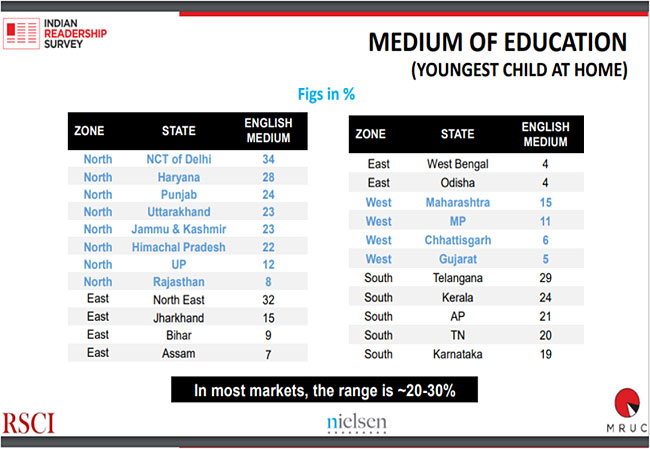
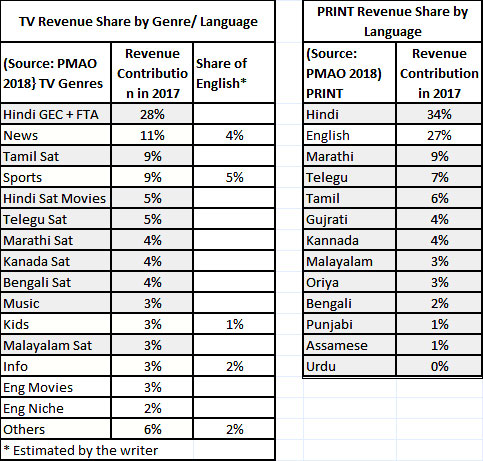
The above article quoted Gaurav Gandhi, COO of Viacom18 as saying: “We have more than doubled our monthly active user base to more than 25 million users in the past six months, with the top 40 cities contributing close to 70% of the viewership…..Also, more than 25% of digital media consumption came from regional language audiencesâ€. It is quite evident from the Viacom18 experience that the current digital media audience base is concentrated in the large cities. The growing importance of digital content in regional media also cannot be ignored.
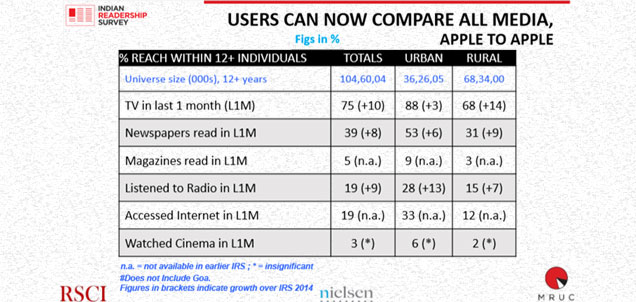
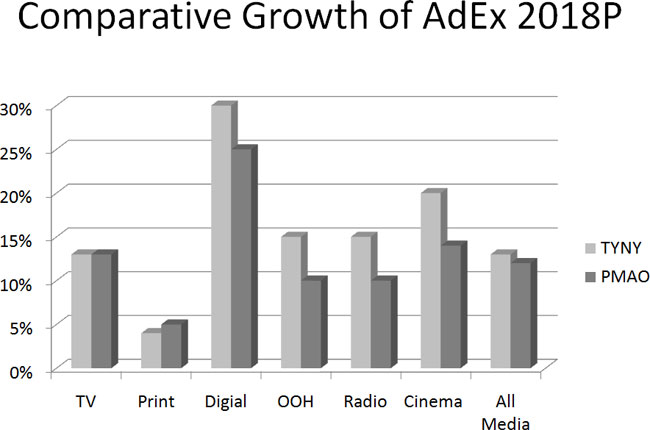
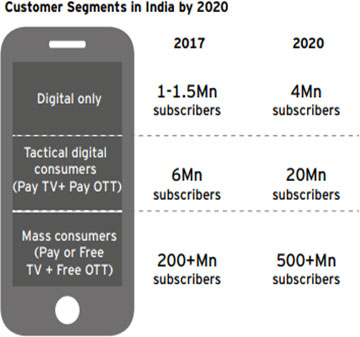
Reliance Jio has played a major role in accelerating the spread of high speed data connectivity in India. Jio connectivity was available in nearly 18,000 cities and 200,000 villages by September 2016. Recent search on the internet did not yield any update on that information. As per earlier EY estimates quoted in ET Brand Equity smartphone penetration is expected to be up to 59 per cent by 2020 from 31 per cent in 2015 and digital ad spend is slated to be Rs 185 billion by 2020, (https://brandequity.economictimes.indiatimes.com/news/digital/infographic-indian-digital-sector-to-cross-rs-20000-crore-mark-by-2020/56518988) constituting a larger pie (approximately a quarter) of the overall media spends.EY also predicted the rural internet user base would surpass the urban user base by 2020 with regional content as a key area of focus.
With only two years to go before we hit 2020, it is doubtful if the number of rural internet users will surpass the number of urban internet users by 2020, but at the same time it may be possible if the high speed data connectivity is made available in the Tier II and Tier III towns. Rural connectivity will automatically improve as the surrounding rural areas between different small towns will get the spillover coverage. So, the need of the hour is to spread the high speed data connectivity as quickly as possible across India for turning our digital dreams to reality.