Category: MEDIA

  • Social Media Week Mumbai: A Recap


    By Fatema Rajkotwala


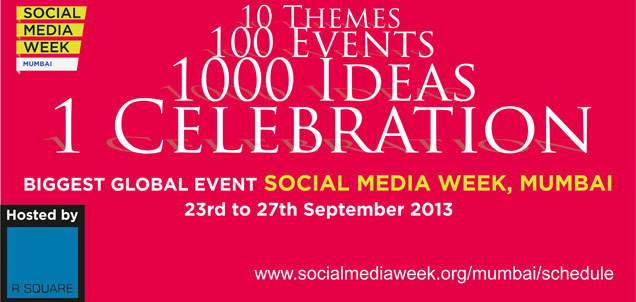
    It was India’s first attempt at what has been a rage internationally. Social Media Week Mumbai happened in the metrop from September 23 to 27 at five different venues from South to North West parts of the city.


    Many of the movers and shakers of the digital world converged at India’s first ever dedicated week for social media – Social Media Week’13 or #SMWMumbai. Brought to India by New York’s strategy firm, Crowdcentric, SMW is in its fifth year and has been instrumental in bringing together marketers and advertisers together in over 20 cities globally. For those who could not make it to the #SMW’13, let us take you through the week’s highlights and takeaways with this Executive Summary (Disclosure: MxMIndia was Trade Media Partner of Social Media Week Mumbai).


    Key Learnings and Insights

    If one were to sum up the pearls of wisdom gathered from the many conversations, discussions, debates and chats at #SMW, these are our picks:


    - Engage, Engage, Engage

    - Collaborate and create to translate into consumption and sharing

    - Cross-platform integration is essential

    - Internet penetration and more specifically, social media users in India represent a small subset of the diverse Indian population

    - Choose your social media tools with caution, but your analysts with more caution

    - The social media community and audience is yet to evolve in India

    - Your collective audience will always be smarter

    - There are no rules or rights and wrongs in social media yet

    - Mobile is the next big platform

    - Focus on the trend, not the data point

    - Social media is not cheap - to be truly digital and social, brand need to think 365 days, not 360 degrees

    - Marketing is no longer about creating awareness but what you can do with and for consumers.


    Organised by Bengaluru-based marketing services firm R Square Consulting, the week’s agenda saw events held at five locations, over a wide range of themes that spoke on ways to integrate social media in business strategies, how it impacts media and publishing as we know it, politics, entrepreneurship, lifestyle and culture, education and learning and health and wellness. The platform also presented unique opportunities to learn, interact, network and party as it was kept open to the general public.


    Day 1- Monday, 23 September

    SMW unofficially began on Sunday, 22 September with Mega Pink, a run with Milind Soman for women’s fitness.


    Monday September 23, had a range of interesting sessions lined up at Bluefrog, Lower Parel to kickstart conversations.  An explosive debate organized by IAA with industrious participants such as Jawhar Sircar, CEO, Prasar Bharti, Suhel Seth, Dr Subramanian Swamy, senior BJP leader and Kiruba Shankar, digital entrepreneur on “Social media does not contribute to the socio economic growth of the country”, entertained and gave audiences food for thought.


    The day also saw Kalyan Varma, well-known wildlife photographer taking about social media for entrepreneurs; a session by Ben Shiem, Director – Social Media Week, Crowdcentric and Alex Oberberg, Global Head of Markets Engagement, Social Media and Digital, Nokia. Panel discussions on “Social Media: Global platforms and local cultures? Perspectives from different regions” and “Women’s health and fitness: Is social media helping the cause?”,  saw interesting perspective from Unni Radhakrishnan, Head of Digital, South Asia Maxus Global, Max Hegerman – Managing Director, Edelman Digital India; actor, Gul Panag; Devika Bhojwani, social activist and cancer survivor and Dr Sudeep Gupta, professor of Medical Oncology, Tata Memorial Hospital.


    The evening concluded with an interesting discussion on how social media has impacted the Indian music scene, followed by live performances by Ayush Shrestha and the band, Coshish at Bluefrog, Lower Parel.


    Day 2 – Tuesday, 24 September

    The second day of SMW witnessed a range of sessions on how social media impacts various spheres such as journalism, education, politics, personal branding and data insights on advertising investment on Facebook. The venues for Day 2 and Day 3 were Bluefrog and The Barking Deer, Lower Parel.


    A panel of publishing gurus discussed the role of social media in journalism today. Siddharth Bhatia, senior journalist and author; C P Surendran, editor-in-chief, DNA and Sachin Kalbag, executive editor, Mid-Day shared their valuable experience and insights with the audience and with Pradyuman Maheshwari, editor-in-chief, MxMIndia who moderated the session.


    The second enlightening session of the day was Social Squared’s panel discussion on “The Role of Social Media in Politics” with Priti Gandhi, Head Mumbai BJP Communication cell; Mayank Gandhi, Head Mumbai Aam Aadmi Party; Dilip Chalil, Secretary – Indian National Congress; Priyanka Chaturvedi, national spokesperson for the All India Congress Committee; and Gul Panag, model, actor and Twitter buff.


    Other informative events of the day were panel discussions on pertinent topics such as “Traditional Social Media – Done! What next? – Influencer Relations!” by MindShift Interactive; “Hardwiring SoLoMo to Business and not just to Marketing” hosted by AD2C and a presentation by Alexandre Corso, Head of Asian Business Unit, KRDS on “Inside Facebook Insights and Mapping it to GRP”. Mr Corso shared innovations within Facebook that will be game changers and optimistic statistics to help marketers sell and yield better returns for their client investment monies.


    The evening switched to the theme of music with an event on “Music Makes Mumbai Go Round” hosted by Drizzlin Media. Audiences were then treated to a live performance by band, Empty Café.


    Day 3 – Wednesday, 25 September

    Taking a closer look at how social media conversations are dominated by entertainment and cricket, MxMIndia called upon Hemant Kenkre, former cricketer, commentator and PR consultant; Deepa Gahlot, senior journalist, award winning film critic and Head of Theatre and Films Division, NCPA; and Krishna Vilasini, Genesis Marxstellar to share their insights.


    Another point of scrutiny was the negative practices prevalent in social media, and how crowdsourced journalism can be used effectively for content creation. Discussions also percolated around youth and how social media has affected and benefited women entrepreneurs in India. Some of the speakers of the day were Gauri Vij, Editor, Time Out Mumbai; Ekalavya Bhattacharya, Head, Digital, MTV India; Ashwath Ganesan, National Strategy Director, Social @ Ogilvy; Iyer Premkumar, Head, Online Marketing, Gozoop; Saugata Bagchi, Vice President, Tribal Worldwide; Naman Sharma, founder and CEO, U’th Time Magazine; Malini Agarwal, founder and blogger-in-chief, MissMalini Publishing; Pooja Dhingra, founder, Le 15 Patisserie and Priyanka Khanna, fashion features Editor, Vogue India.


    Y B Chauhan Centre hosted an interesting set of events including a workshop on digital media by DMTI; “Social by Design” by KRDS and “Mobile governance” by IMI mobile. At evening, there was a live performance by Neeraja Arya and Nitesh More on djembe.


    Media agency, GroupM’s office, Goregaon was the third venue of the day where the agency held crowd-pulling sessions such as “Brands in the Youth X Social equation: Expectation & Serendipity”; “Search <3 Social” and “MasterSpeak: Socialization of Branded Content”. Music artist, Winit Tikoo and Sriram Sampat performed live to end the evening.


    Day 4 – Thursday, 26 September

    As SMW was coming to a close, you could choose your pick of events from an array of sessions for the day.


    At Bluefrog, FoxyMoron held a session on aspiring digital marketing entrepreneurs. Numbers and more were discussed by Mindshift Interactive in “Social Media Analytics – Going Beyond Numbers”.


    Other sessions included “Mobile Photography goes Social in The City” by AVID Learning; “Learning Experiments with Social Media” hosted by Jardine Lloyd Thompson India and “Integration & Importance of Search Marketing in Social World” by Web Marketing Academy at The Barking Deer. The final session was hosted by Indian Bikers Week on “Challenges of Riding in India. How social media can help propagate?”


    Sessions at GroupM began with a live music performance by Pratyul Joshi. Next was Madhouse’s session titled, “Next stop: Mobile”, followed by sessions on managing customer expectations better by IMI Mobile and interpretation of data and actionable insights by GroupM. The most scintillating session for the day however was the panel discussion on the topic, “Cinema in the age of the internet”. Part of the conversation were Rohan Sippy, Bollywood Film Director and Producer; Guneet Monga CEO, Anurag Kashyap Films Pvt. Ltd and Pragya Tiwari, Editor-in-Chief, The Big Indian Picture.


    Day 5 – Friday, 27 September

    The final day of SMW’13 was organized by GroupM at Westin Hotel, Goregaon. After the opening address by Rohit Varma, Co-Founder, R SQUARE Consulting (CO) and Toby Daniels, Founder & CEO, Crowdcentric, the day covered talking points such as the changing face of advertising agencies in the dynamic social media scenario, brand building, media analytics, technology innovations, the consumer angle to social media, experiential marketing and much more.


    Through the day, influencers from their fields discussed and debated various topics at hand. Some of the speakers were Karthik Natrajan, National Director – Social Media Insights, GroupM; Viral Oza, Director Marketing, Nokia India; Ayeshea Perera Executive News Producer, Firstpost.com; Anika Gupta Product Manager – Citizen Journalist Digital CNN-IBN; Ramaa Sharma Digital Editor BBC; Lakshmanan Narayan CEO & Co-Founder Unmetric; Krish Ashok, Head – Web 2.0 Innovation labs Tata Consultancy Services and Anant Rangaswami, Editor, Storyboard.


    The entertainment for the evening was a shot of soothing live music by band, Filter Coffee.


    Day 6 – Saturday, 28 September

    As part of the Indian Bike Week, bike enthusiasts gathered for the “Chai & Pakoda Bike Ride” at Fountain Hotel, Western Express Highway No. 8 at 7am for an 82 kms bike ride to Hotel Ahura, NH 8.


    Through the week, NCPA hosted open exhibitions for photography, lifestyle and culture lovers. “Call of the wild”, “Click Rights”, “Mumbai on Canvas” and Phototalk by Kalyan Varma themed on Mumbai, wildlife photography and art were held at the Piramal art gallery, NCPA.


    For those eager to learn, a master class workshop on Mobile Photography by Nokia, a creative workshop by DMTI, a Creative Writing workshop by Yellow Seed Content Solutions and art workshops by Amol Pawar, Kavitha Kale, Neena Singh, Devyani Parikh and Rahul Dangat were also enthusiastically received.


    To celebrate – was another important aspect of SMW. The opening and closing bashes, coupled with Miss Malini’s Bombay Street Style Party hosted at Olive Bar and Kitchen and The Barking Deer Meet pulled crowds from all walks of life.


    Among the various partners of the Social Media Week (other than MxMIndia) are: BBC, SAP, IMIMobile, Germinait, MindShift Interactive, Unmetric, GroupM, chlorophyll, Genesis Burson-Marsteller, Crossworks, Avid Learning, Sportskeeda, Yellow Seed Content Solutions, Social Samosa, Page Traffic buzz, Social Times, Time Out magazine, Cartel Advertising, Miss Malini, authorSTREAM, and The Indian Networker.
     

  • India TV honours bravehearts with Salaam India Awards

    By A Correspondent


    India TV has instituted a bravery award in the memory of last year’s Delhi gangrape victim. This was a part of its effort to honour the bravehearts of the country with the first edition of the “Officer’s Choice Salaam India Awards” held last weekend. Other categories for Awards presented were Bravery, Gallantry & Special Awards etc.


    The 13 winners included Shareef Ibrahim Kutty for risking his life to save many innocent lives, Late Barun Biswas (posthumous) for his crusades against anti-social elements and eventually putting up his life for the cause he lived for, Captain Bikramjeet Singh for his exemplary display of valour during the recent Uttarakhand crises. Lakshmi for her decisive fight against the menace of acid attacks was one of the three winners of the Awards named after the gangrape victim.


    In his address, India TV chairman and Editor-in-Chief Rajat Sharma congratulated the winners and dedicated the awards as a salute to bravehearts of the nation who through their selfless and altruistic acts have kept the trust running into humanity. He also said that such deeds inculcate a spirit of courage and humanity among fellow citizens.


    The winners were decided on the basis of a stringent process that included call for entries, shortlisting by a high-power editorial board and final winners’ selection by a Grand Jury headed by noted jurist Ram Jethmalani. The jury included Mr Sharma, Kiran Bedi, Retired Army Chief, Gen. V.K. Singh and Retired Chief Election Commissioner Dr S Y Querashi.


    Amongst the powerful battery of dignitaries present included personalities like L.K. Advani, Rajnath Singh, Murli Manohar Joshi, Ravi Shankar Prasad, Smriti Irani, Meenakshi Lekhi, Gulam Nabi Azad, Harish Rawat, Vijay Bahuguna, Shakeel Ahmed, Farooq Abdullah, Gen. VK Singh, KC Tyagi of JDU, Maninderjit Singh Bitta, Sudhindra Bhadoria, BSP and Gulshan Grover etc.


    Senior BJP Leader, L.K. Advani said, “I am glad that Rajatji initiated Salaam India Awards to honour the extraordinary courage displayed by ordinary citizens. As proven by the exceptional individuals here, bravery should not only be a characteristic to the defence personnel. For the cause of the great nation, that India is, individuals from every walk of life need to embody bravery and courage. This initiative by India TV is will act like a catalyst.”


    Union Health Minister, Gulam Nabi Azad, observed, “Unlike other awards, Salaam India Awards have the genuine potential to inspire individuals to step forward and replicate such exemplary acts of bravery. A great benchmark initiative by India TV.”


    Ritu Dhawan, MD and CEO, India TV stressed upon the need of such initiatives as humble but necessary steps towards a safer and cordial India.


  • Gandhi Jayanti Holiday

    There will be no edition of MxMIndia tomorrow, October 2, as it’s a Gandhi Jayanti holiday.


    The offices of MxMIndia will also stay closed on account of Gandhi Jayanti.


    We can, however, be reached in case there’s anything urgent. Editorial: Editor@mxmindia.com. Sales:

    Sales@mxmindia.com


    We’ll be back with our updates, newsletter and viewsletter on Thursday, October 3.


  • He came, He Conquered


    By Fatema Rajkotwala


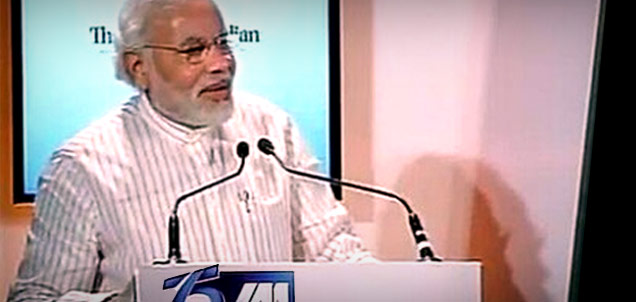
    Outside there were traffic jams as he made his way to Bandra Kurla Complex and then across the tracks to Taj Lands End. Inside the Ballroom of the hotel, the audience didn’t mind waiting. Media professionals of all levels gave him a standing ovation twice over.


    In many ways, it was an interesting choice to get Narendra Modi as Chief Guest. The Gujarat Chief Minister and the Bharatiya Janata Party’s Prime Ministerial candidate’s campaign for the elections is known on the importance he has laid on messaging and employing technology to reach out to people.


    Beginning by acknowledging the fact that as Indians we haven’t done enough to showcase our strengths to the world. He spoke on how we still lack confidence in ourselves as a global brand, a result of years of being subject to submission and foreign rule but even though India has taken the ‘brand route’, some indigenous products have acquired a symbolic value and become door-openers in the global market.


    Mr Modi encouraged Indian marketers to take tips from Mahatma Gandhi’s communication, write a book on it and present it as a case study as a sureshot way for India’s branding and make it an irresistible destination for the world to turn to. He suggested that marketers ought to move away from “impressive marketing” and instead strive for “inspiring marketing” to survive and flourish.


    Industry veterans and captains MxMIndia spoke with were suitably impressed.


    Said Brahm Vasudev, Chairman, Hawkins Cookers: “I thought Mr Modi’s content and delivery were excellent. I think his insights on marketing were top notch and I was very pleased to hear his thoughts.”


    Bobby Sista, who is now founder-trustee of Population First, “The entire day was worth my time. All the speakers were good in their own way and one gathered new insights from each other. From a marketing point of view, Mr Modi’s speech showed that he had no doubt in his mind as to what is Brand India and he spelt it out as we would do for any product or service by listing out values and attributes. We have so many strengths and home truths that he highlighted – from our spirituality to mythology to traditions to our today’s achievements in terms of products and services. And we have not marketed ourselves. He is a brilliant orator and as a marketing and advertising person, I wish we had him as the head of our fraternity. The interest in him is heightened due to the expectation that he will win the elections and judging by the way he is being treated, it does seem to be a possibility.”


    Sam Balsara

    Said Sam Balsara, Chairman and Managing Director, Madison World, “Mr Modi struck me as an outstanding communicator and not just an orator, to use his own words. I was truly impressed by what seemed like an impromptu speech on a topic that is arguably, not his subject and yet he spoke eloquently on it with well thought through ideas and concepts. Therefore, I feel that if he could come up with such ideas on what is not his subject, I’m sure he has some very good ideas when it comes to the economy, to uplifting our poor, education, employment and more. So, I think we owe it to ourselves to give him a chance.”


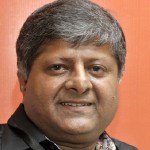
    Shashi Sinha

    Shashi Sinha, CEO, IPG Mediabrands echoed this view. “Mr Modi’s thoughts and suggestions on Brand India were excellent and it is evident that he is a great orator.”


    Said Suman Srivastava, marketing consultant and former adman: “As Mr Modi said, we tend to impress or inspire. This may be one of the many speeches he has given today and to think that we tire out after a few presentations… I am left inspired.”


    Suman Srivastava

    Mr Modi listed out a range of examples where there is a clear need gap between the global market and our products such as Indian architecture, music and dance, film industry, organic foods, herbal and holistic health care and more. He further highlighted how our rich culture and traditional values could help solve world problems such as global warming because of our beliefs such as respecting of nature and our resources, which were earlier considered orthodox and medieval. “Not everyone has to be sold the Taj Mahal but we have failed to look beyond it. Soft powers rule nations, more than economic or military strength. We have what the world is waiting for but we lack faith in our own product. If we meet global requirements with our legacy, our identity will spread. We have to fill Brand India in our minds; to speak, breathe and live it in order to turn it into a reality.”


    The IAA India chapter made Mr Modi an honorary member.


    The speakers before Mr Modi

    What makes a brand a brand? Are Indian brands still suffering from an apparent lack of confidence in the global market? Are we not recognizing and respecting our “Indianness” and using it to leverage our brand identity? How should marketers brand their corporate responsibility in a way that it builds and leverages their brand and the Indian society as a whole? These are some of the areas on which other conversations permeated at IAA’s Global Marketing Summit.


    To mark the platinum jubilee of the Indian chapter of the IAA (International Advertising Association), marketing stalwarts came together for the Global Marketing Summit on Monday (September 30) at the Taj Lands End, Mumbai.


    In attendance were global names such as Wally Olins, Chairman & Co-founder, Saffron Brand Consultants, UK; Will Platt-Higgins, Director, Global Account Partnerships, Facebook, USA; Arunachalam Muruganantham, CEO, Jayaashree Industries; Ashley Benigno, Director, Creative Expression, Global Brand Strategy & Marketing Creation – Nokia, Finland; Tyler Benson, General Manager – Marketing and Operations, Microsoft, SMSG, India; and Sanjeeb Chaudhuri, Regional Head for South Asia and Global Head of Marketing, Standard Chartered Bank. The gurus shared their insights on brandbuilding, the art of marketing in a competitive environment and the sustainable strategies to be deployed in the future in the Indian context. The marketing knowhow sessions were followed by a dinner session and speech by Hon’ble Chief Minister, Gujarat, Shri Narendra Modi.


    Pradeep Guha

    The agenda and vision for the daylong summit was introduced by Srinivasan Swamy, President IAA India and VP Development, Asia Pacific; Pradeep Guha, VP and Area Director, Asia Pacific, IAA; and Anurag Batra, Chairman and Editor-in-Chief, exchange4media group.


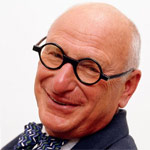
    Wally Olins, Saffron Brand Consultants, UK left the audience nodding in agreement with his eye opening presentation on ‘What A Brand Really Is’. Mr Olins firmly propagated brands to clearly define what they stand for and pronounced “authenticity” as the new zeitgeist for marketing. “A brand is not a logo, a tagline or a slogan. It is what you stand for visually. It is demonstrating what the company does visually. Emotional factors profoundly affect the way we think about brands. If there is no empathy and warmth with the brand then you cannot choose. What does the product stand for? Why should I buy it?”


    Wally Olins

    In his talk titled, ‘Encountering a fast changing virtual world and a real slowdown, how does a bank stay competitive?’ Sanjeeb Chaudhuri, Standard Chartered Bank shared handy marketing strategies needed in the banking sector. Looking at the challenges for the software industry, Tyler Bryson, General Manager – Marketing & Operations, Microsoft SMSG India spoke on his presentation, “Reimagining marketing in a digital world”. This was followed by a panel discussion on the ‘Future of Sports and Movie Marketing’.


    Sharing Nokia’s experiences and learning from their latest brand offering, Ashley Benigno, Nokia, Finland presented his talk themed on “Connecting to an Emergent Global Youth – Lessons from Nokia Asha’. Sharing their research and statistics on the Indian youth demographic, trends in internet usage worldwide and emerging behaviours, Mr Benigno highlighted how recent successful crowdsourced campaigns by Nokia in Asian countries such as the ‘Querty Me’ campaign and their experience and learning from them. “Participation, appreciation and awareness” and “resonance and relevance” are two key takeaways for the company.


    Another session that was unanimously applauded and enjoyed by the audience was by Arunachalam Muruganantham, CEO, Jayaashree Industries on his out-of-the-box presentation on his journey as a rural innovator, themed, ‘Marketing and beyond’. Mr Muruganantham’s story is an awe-inspiring one that begun by a simple problem definition within his own home – lack of access to affordable sanitary napkins by women in India. There on, he designed, tested and invented a low budget napkin-making machine that he then converted into a sustainable business model that today, helps offer livelihood, hygiene, dignity and empowerment to underprivileged women all over the world.


    Through his presentation, he dropped nuggets of pure marketing advice and wisdom to an expert audience after pointing out that he had received no formal education. “Be original; don’t copy. As a rule of marketing, don’t fear your future. Marketing is not done on a war footing; it should be a sportive and passionate approach. Be proud of your product. Your product, organization or business model should be the solution to a problem – that is, build your organization on measurable social impact.”


    Will Platt-Higgins from Facebook spoke about how marketers and advertisers can turn to Facebook, things to keep in mind while creating content and design, practical suggestions for brands in his presentation on ‘Building Brands on Facebook’. “Rather than building a brand community, brands need to enter a user’s community. There is a need to design for the Newsfeed but good creative is just good creative. Shared passions are a great way to connect with consumers. One per cent of brand apps get more than 2000 users, so if you are thinking about investing in apps, it is incredibly difficult.” Despite talks on Facebook fatigue, Mr Platt-Higgins argued “Effectiveness on Facebook for advertisers and marketers lies on the basis of the increasing scale of people using it, which in turn increases the time spent, at the new prime time, which is – all the time.” Talking about the evolved narrative on Facebook from fan base count to a greater understanding of ROI, these were the core learning, “Branded content, impressions, reach and placement matter on the Newsfeed”.


    Photographs of event awaited from IAA India Chapter


    Narendra Modi Photograph: www.NarendraModi.in


  • ISA to host Global CEO conf with Unilever big boss Paul Polman

    By A Conference


    There are conferences and conferences, but this one could well be the mother of them all. The Indian Society of Advertisers, the apex body of advertisers, is hosting the first ever global CEO conference on ‘Navigating a VUCA World’ on October 30, 2013 at The Leela in Mumbai. The goal of the conference, as per a communiqué, is to sharply dissect the tough times we are facing in the current economic situation, and to find out how organizational processes and practices need to be recast to deliver to this new VUCA (Volatile, Uncertain, Complex and Ambiguous) world.


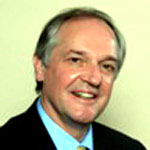
    Paul Polman

    Paul Polman, Chief Executive Officer of Unilever, will be the keynote speaker at this conference. Other key speakers at the event will include R Gopalakrishnan, Director, Tata Sons; Manu Anand, President – India & South Asia, Cadbury India; Marten Pieters, CEO, Vodafone India; and Ravi Kant, Vice Chairman and Former Managing Director, Tata Motors.


    Said Hemant Bakshi, Chairman, ISA, and Executive Director, Home & Personal Care, Hindustan Unilever, on the intent of the conference: “We truly live in the VUCA world, where things have become more volatile and uncertain. That’s one issue ISA needs to deal with and help companies understand the principles they need to follow in a changing uncertain world.”


    The ISA is organizing the conference in in partnership with exchange4media.


  • Apple, Google topple Coca-Cola out of top slots in Interbrand’s Best Global Brands report

    By A Correspondent


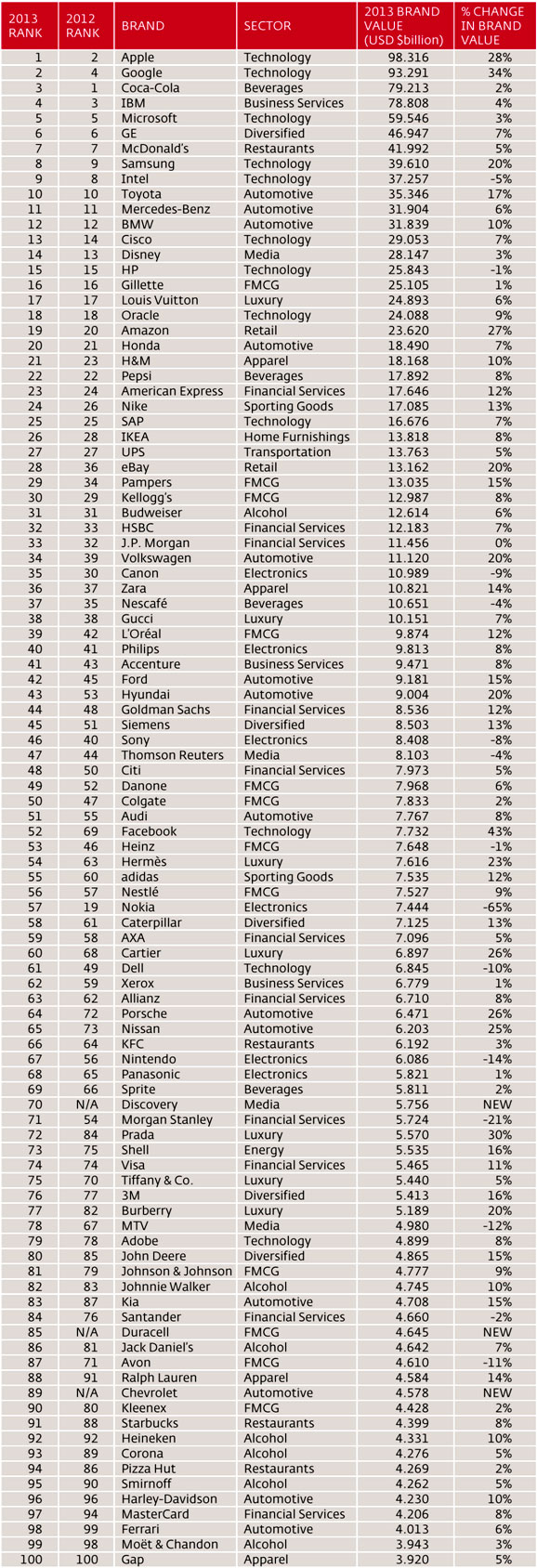
    For the first time in the history of Interbrand’s Best Global Brands report, there is a new #1 brand: Apple. Leading brand consultancy Interbrand publishes Best Global Brands on an annual basis, identifying and examining the Top100 most valuable global brands.


    With Apple claiming the top position this year, Google jumps to #2 and Coca-Cola, the brand that held the #1 position for 13 consecutive years, moves to #3.This year, the total value of all 100 Best Global Brands is USD $1.5 trillion — an 8.4 percent record increase over the total value of the 100 Best Global Brands in 2012.


    Apple hasappeared on Interbrand’s Best Global Brands ranking since 2000, when the ranking debuted. In 2000, Apple ranked #36 and had a brand value of USD $6.6 billion. Today, Apple’s brand value is USD $98.3 billion- almost 15 times the amount of its brand value in 2000.


    “Every so often, a company changes our lives-not just with its products, but with its ethos. This is why, following Coca-Cola’s 13-year run at the top of Best Global Brands, Apple now ranks #1,” said Jez Frampton, Interbrand’s Global Chief Executive Officer. “Tim Cook has assembled a solid leadership team and has kept Steve Jobs’vision intact – a vision that has allowed Apple to deliver on its promise of innovation time and time again.”


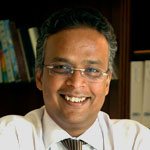
    Ashish Mishra

    Adds Ashish Mishra, Managing Director, Interbrand India – “Yes, for the first time in the BGB’s 14-year history, Coca-Cola is no longer #1. This year, Apple claims the top spot – and Google captures the #2 position.This to our minds is the single biggest story of the new times, of a changed world. Of who really leads the brand – the marketer or the consumer, or both? And how anticipation, co creation, conversation, innovation, investment in people &big data, strategic CSR and new leadership is the new way”.


    When determining the Top100 most valuable global brands, Interbrand examines three key aspects that contribute to a brand’s value:

    :: The financial performance of the branded products or service
    :: The role the brand plays in influencing consumer choice
    :: The strength the brand has to command a premium price, or secure earnings for the company

    Interbrand’s 2013 Best Global Brands (Top 100)


  • Turner consolidates creative services, partners Reliance MediaWorks

    By A Correspondent


    In a move that consolidates its in-market operations, Turner International India has announced the establishment of Creative Services in India for its entertainment networks including Cartoon Network, Pogo and WB. Turner has commissioned leading film and entertainment services company Reliance MediaWorks Ltd (RMW) to provide the full gamut of post-production services.


    With in-market end-to-end capabilities that will be a combination of in-house creative and outsourced production resources, this initiative will enable Turner to be even more poised and nimble-footed in responding to market requirements, notes a communique.


    Siddharth Jain

    Said Siddharth Jain, Managing Director, South Asia, Turner International India: “Turner has been consistently ahead of the curve with a proven track record of successful localization of our brands. We are confident this new move will give us further competitive advantages in this dynamic and constantly-evolving consumer and business landscape, especially as we seek to build on Turner’s strategic shift to further empower local markets.” He adds, “We are happy to work alongside Reliance MediaWorks and we look forward to continue the delivery of quality content on our leading platforms.”


    Commenting on the occasion Venkatesh Roddam- CEO, Reliance MediaWorks said: “We are pleased to be able to offer a one-stop production facility by combining the latest in television studio technology with the most experienced personnel to create winning solutions for Turner.”


  • Frontline goes beyond Bollywood in issue on 100 years of cinema

    By A Correspondent


    Frontline, the fortnightly news magazine from The Hindu publishers Kasturi & Sons Ltd has launched an issue that celebrates 100 years of Indian cinema. This issue of the magazine features interviews with eminent personalities such as Amitabh Bachchan, Gulzar and Mammooty along with articles on censorship, the evolution of film music, the fan club phenomenon and the portrayal of women in films.


    Well, this is not the first time a publication has looked at the issue. But what makes this stand out as the articles look beyond Bollywood and throws a spotlight on movie-making in the South and the North East.   The issue is is priced at Rs 50 and hit the stands yesterday (Oct 2)


  • Big spenders advertisers prefer start-ups for digital


    By Kala Vijayraghavan & Lijee Philip


    In September 2012, when Mahindra & Mahindra was preparing to launch its compact SUV Quanto, it overlooked its mainstream advertising agencies Interface and Lodestar, and went to Hungama, a boutique agency, for a digital ad campaign screened in malls. Hungama developed a technology where a consumer’s electronic car key started a Quanto ad on a computer screen, which went on to simulate a feel of the vehicle in typical weekend settings. The idea was to create a digital experience of the SUV and help the brand break out of the clutter in a competitive segment.


    “The response time for social media activities should be next to nothing,” says PN Shah, CEO, automotive, Mahindra & Mahindra, explaining why he preferred a specialised digital agency over tried-and-tested partners.


    “We need tailormade, online, onsite and on-time solutions that help us react and respond quickly.” Like M&M, top consumer companies, including HUL, Godrej Consumer, Ford and Honda, are now cold-shouldering their traditional ad agencies such as JWT, Dentsu, Mindshare, Interface, Lowe Lintas and Mudra to tap social media marketing agencies such as WATConsult, BCWebWise, Bloggers’ Mind, Blogworks, Digit9.0 and other such startups for their digital requirements.


    “Traditional agencies are not thinking digital adequately,” says Hemant Bakshi, executive director, home and personal care business, HUL. “They are creating digital as separate divisions. Digital has to be at the heart of the communication and not peripheral to it.”


    Counters Suman Srivastava, ex-CEO, Euro RSCG and founder of Marketing Unplugged, a marketing consulting company: “It is fashionable to blame agencies or say they tend to think in silos. But the fact is the traditional marketers themselves do not understand the medium.”


    HUL has worked with BCWebWise quite a bit ever since Chaaya Baradhwaaj, its founder and CEO, launched HUL’s Sunsilk Gang of Girls, an online social networking website built around its leading beauty shampoo brand in 2006.


    Youngsters, who embody the credo of the internet age of being ‘digital natives’, are now guiding companies in digital, which is emerging as a disruptive force in consumer marketing. “Our roots are in digital. We come with no baggage of other media,” says BCWebWise’s Ms Baradhwaaj. “The dynamics of the technology-driven medium, the interactivity it offers, and the fact that consumer pull by far supersedes brand push can be inherently understood if you have been eating, breathing, and living digital in your advertising/communication life.” Adds Sunil Kataria, chief marketing officer of Godrej Consumer Products: “Twenty-something youngsters are able to understand digital better as a disruptive force in consumer marketing. We are tapping such specialised agencies and startups.”


    Mainstream advertising agencies counter this, saying there’s no great work happening. “These are college kids charging a low fee from these companies to earn extra money,” says Partha Sinha, director Asia, Publicis, a large advertising agency.


    “None of our digital ads have even been shortlisted at Cannes.” According to Mr Sinha, companies have created a perception barrier, and themselves do not have the systems and skills to understand digital.


    “They are only doing basic maintenance work on social media,” he says. “The fact is, companies are not desperate on digital. They are still hung up on outdoor and television. The day companies get serious about social media internally is when they will find similar change in their advertising agencies.”


    HUL is integrating social media and mobile into the marketing of its brands at the planning stage itself. These were premium brands that have a high online audience such as Tresemme, Sunsilk, Lakme, Closeup and Surf. In the next two years, it expects to treble ad spends in online and digital, taking it to 10% of its overall ad spends.


    Similarly, Godrej Consumer opted to tap an integrated design company, Creativeland Asia, for its digital campaigns to relaunch its Cinthol brand (MakesMeAlive) and launch its air purifier brand, Aer (colouryourfriendsapp). “Social media cannot be just an appendage to your traditional medium,” says Mr Kataria. “We are a new breed of organisation that thinks from the society aspect and then fashions our campaigns, and not vice versa,” says Sajan Raj Kurup, founder and CEO, Creativeland Asia.


    Sourav Jain, a social media marketing specialist, feels traditional advertisers have a lot of catching up to do. “They do not understand the technicality of the process in social media,” he says. “Social media is not only effective, but is also relatively inexpensive. Here, one gets a chance to interact, and build relationship and reputation for their brands.” Admitting that big agencies took to digital with a lag, Arun Iyer, creative director at Lowe Lintas, says they are up to the task today. Like Mr Sinha of Publicis, even he sees it as a perception problem at the end of the companies.


    “Even when we make our presentation in the digital space, clients do take a look at it, but then chose a smaller specialist,” says Iyer. In the current context, smaller players are packing more punch. “They are far more specialised and are able to build expertise faster,” says Rajesh Lalwani, founder and principal of Blogworks, a Delhi-based social media agency. Its team of 28-30 people has worked for Harley Davidson and Ford Fiesta AT model.


    Mr Lalwani says that, for most auto companies, social media accounts for 10-20% of their marketing spends. “Bigger agencies seem indifferent to social media at this point of time since it is too small to interest them,” adds Jnaneswar Sen, senior vice-president (marketing and sales), Honda Cars India.


    Despite working with Soho Square (part of Ogilvy), Dentsu and Grey Worldwide, when it came to leveraging social media to launch Amaze, Honda selected Blazar, a small boutique advertiser. “They are managed largely by a younger team,” says Sen. “They clearly know what the young generation wants.” Adds Rajiv Dingra, CEO of Mumbaibased social media agency Wat Consult, which ran the social media campaign for the Mahindra two-wheeler Centuro and Ford: “Car buying is a high involvement purchase and social media helps to keep the buzz alive.” Dhingra feels this does not come naturally to large agencies. “They are unable to specialise and build depth. We were able to quickly foresee what the consumer wanted. ” Understanding feedback/data, and modifying plans quickly, is a challenge best handled by smaller players, according to Carlton D’silva, chief creative officer of Hungama Digital. “Most likely, larger ad agencies will acquire boutique agencies rather than developing capabilities from scratch.”


    Source:The Economic Times

    Copyright © 2013, Bennett, Coleman & Co. Ltd. All Rights Reserved

    Licensed to republish


  • Vijay Mukhi: Why can’t we use tech to increasing voting percentages?

    By Vijay Mukhi


    This is the time of the year where TV channel after TV channel, newspaper after newspaper, celebrity after celebrity would ask you to go out there and vote. And guess as it happens all the time, a large population of Indians simply does not vote. And who is to blame for this, not the people who do not vote, but all of us for not using technology to make it easier for us to vote.


    Why can I not vote in the 2014 general elections either sitting on my computer at home or in the office and vote or voting from anywhere in the world using my mobile, not necessarily my smartphone. We allow Indians to use the phone for online banking, to buy stuff, but would not allow an Indian to use his or her phone for casting a vote. But wait, I am as always running too fast, let me rewind a little.


    Most of you would not know of a Mr Chand Goel, IAS who was Additional Chief Secretary, State Election Commission (SEC) , till he retired some months ago. A year before the last BMC elections took place, he created a committee under the SEC to look into the feasibility  of allowing us to vote for the BMC elections using a computer or a mobile phone. I was a member of this committee. We met a zillion times and were also about to award a pilot project when things went awry. What I am placing before you is my journey in the use of technology in the political process. For the uninitiated, the SEC is a state body that conducts all elections other than the Lok Sabha and the Assembly elections which are conducted by the Centre.


    Let’s start at the end and not the beginning. We all complain about people not voting, but not asking ourselves why do we make it so difficult for them to vote. I have not missed voting at an election to date but I have not enjoyed the process. The first problem is checking whether I am yet a voter, then finding out where the venue for polling is, the venue is a moving target at Parel at least. Then finding the actual polling booth is very easy, that booth that has the smallest line is where I vote because the rich and famous in my area do not come out and vote. The largest queue is where the poor reside, it’s a very stark contrast at Parel. Its great castigating the rich and famous for not voting, deriding them on TV, the fact is that they do not vote and if we need to give them one less reason for not voting, they will vote.


    Let me start by making it very clear that I am not saying  anywhere that we only have people voting by phone or computer, we allow anyone to vote either by a phone/computer or by the old way using a EVM, which by the way is state-of-the-art technology. Once you chose one method, you would have to stand on your head to use the other method. This means we have two voting lists, one for the EVM or physical vote, one using technology, the safer cyber way.


    My gameplan at the SEC committee was as follows. The computer/laptop was dead and the mobile phone rules. If we had to allow only one device to be used to cast a vote, my vote would go to the phone. I have yet to see an Indian who does not carry a phone at least in a city, in villages the rules would change but we are fooling ourselves if we believe that rural India does not use technology. We are also fortunate that Android and oOS take up a bulk of the phone market, the other two yet in the fray are Windows and Blackberry. Thus to cover nearly 99% of the phones, the Election Commissioner has to create just four Apps. We have Apps that do everything the human mind has not thought off and it would cost under Rs 10 lakh to create such an App. For using a laptop or a computer you can use a website instead of an App or download programs and install them on your computer.


    I, as a person who would want to vote using a technology solution, would simply have to go once to a voting centre and get myself removed from the physical voters list and get myself electronically registered. If we had a technology savvy state, this process could have been undertaken at the same time I applied for an Aadhaar card. My biggest problem with the Aadhaar card is that it does not use technology, I would want it to use a chip, it instead uses a piece of paper and hence it really needs to be renamed to an Aadhaar paper than a card. The state already has my eye scan and my fingerprints, you need no more biometrics. At the voting centre all that they do is take my fingerprints and eye scan and Computerji will identify me as Vijay Mukhi, remove my name from the physical voters’ list and add my name to the electronic voters’ list along with my current constituency. All this should take less than a second if the voters list was computerised. I forget to mention that before I went to the centre, I had already downloaded the App on my mobile and now to activate it, I simply use my Aadhaar card number or another number the system gives me or my biometrics. This is simply a question of detail. For using a laptop, I would visit a website, download a program for my OS, the rest would be the same.


    Come voting day, when I activate my App, it simply goes to the master server owned by the EC, finds out my constituency and then displays the candidates, I use touch to select the candidate and my vote is cast. No finding voting booths, no standing in short or long queues, no summer heat or winter cold, no finding time to vote, etc, etc. Now if I refuse to cast my vote, the state can put me behind bars for life and throw away the key. There would be teething troubles like me losing my phone, the App would not start, if it does start, no network connectivity etc. Lots of such problems would arise, all of them solvable. The physical voting list would be smaller in size and hence boothcapturing would also come down as a large percentage of the population would not use the present form of voting.


    I spoke to a large number of people from all walks of life. The political class had lots of issues. The main one was that a large mass of people who did not vote would now vote. The uncertainty there was who would they vote for. Because of this not a single political party came out and supported what we were planning to do. The second issue was of secrecy of your vote. In the present system, no one knows or can ever know who you voted for. In the new system, a political party can insist that unless you vote for me in front of my eyes, I will not pay you for your vote. If I want to sell my vote, no law can stop me. By using technology, you can only vote once. The political class should be happy with this as voters cannot commit their vote to more than one political party. The biggest unknown for politicians was that some political party would hijack the entire process by using a virus and hence win the elections. My only answer was that if this was possible, then the banking system would have already crumbled. Why use a virus to win a vote in a country, I would use technology to rob the entire banking system. This way I would not have to govern nations, I could buy them all.


    Another area that needs reforms is the creation of election rolls. I keep seeing ads asking me to check physically whether I am on the rolls or not. It is only recently that I could check the voters rolls online. Once I am on the rolls, why should my name ever be removed. The day I die, my family registers my death and automatically my name gets removed. If I move from one place to another, I should fill up an online form, get authenticated and my name moves from one roll to another. Every political party I spoke to was worried that as the election rolls have not been updated the right way, election malpractice is very common. We can use the Aadhaar card as starting point for cleaning up the voting lists.  After all maintaining a database of a billion people is a very easy job to do in the world of big data.


    We all need to vote otherwise democracy does not survive. At the same time we need to make sure that we must use technology to make it easier to get people to vote. There was a huge hue and cry when we shifted to the EVM from paper ballots, there will be a high hue and cry when we take the next step and allow people to vote from the device they choose. Take the case of the old and infirm, how do we get them to vote. We are also being very elitist because I can take a week off to vote, the daily wage earner cannot take time off to vote, he/she needs technology more than the rich. If we do not make voting easier, then people will not vote and society would lose. We trust technology with our lives – robotic surgery, to drive our cars, our money, everything important that we do. Then why do we not use technology to help us cast our vote. It great seeing our idols, coming out and asking us to vote, time has proved that we turn a deaf ear to what they say to us.


    Ideally, the Election Commission of India should be everywhere asking people to remove their names from the physical voters list. After all we are a country that runs technology for the advanced world. Knowing our EC, and I am not being a cynic and I am not yet a senior citizen, but it is highly improbable that I would ever cast my vote using my mobile phone.


    Instead of banning exit polls, opinion polls, etc, our EC must use more technology and not less technology in our entire election process.


  • Zee appoints Mihir Modi as Chief Finance & Strategy Officer, elevates Hitesh Vakil as CEO, Service Excellence

    By A Correspondent


    Hitesh Vakil
    Mihir Modi

    Zee Entertainment Enterprises Ltd (ZEEL) has announced the appointment of Mihir Modi as Chief Finance and Strategy Officer in place of Hitesh Vakil who is now elevated as CEO-Service Excellence.


    Hitesh Vakil, CFO with ZEEL for the last 19 years, has been an integral part of the company’s journey of over two decades. Recognizing his valuable contribution, the company has elevated him as the CEO, Service Excellence, making him responsible of setting up a state-of-the-art Shared Service Centre which will offer shared services across the Group.


    Mr Modi’s appointment is with effect from October 10, 2013 and he will report to Punit Goenka, MD and CEO, ZEEL.


  • TRAI releases consultation paper on issue/extension of DTH licence

    By A Correspondent


    Following, the Ministry of Information and Broadcasting’s reference to the Telecom Regulatory Authority of India (TRAI) seeking recommendations on certain terms and conditions for extension of DTH licence on expiry of the 10 years licence period, the regulator has issued a consultation paper. The key issues discussed in this consultation paper pertain to the entry fee, bank guarantee and period of licence.


    As part of the consultative process, the consultation paper has been uploaded on the TRAI website, seeking comments/ views of the stakeholders. Stakeholders have been requested to offer their views/comments latest by October 15, 2013. The comments may be sent, preferably in electronic form to: Wasi Ahmad, Advisor (B&CS), Telecom Regulatory Authority of India, Mahanagar Doorsanchar Bhawan, Jawahar Lal Nehru Marg, New Delhi 110002; on the e-mail address advbcs@trai.gov.in/ traicable@yahoo.co.in. Comments received will be posted on the website of TRAI. Full text of the consultation paper is available on TRAI’s website: www.trai.gov.in.