 By Shailesh Kapoor
The OTT content market is buzzing with excitement. Every time we think the traffic of new shows will ease up, there is more, and then more, that comes our way. The last month has been particularly fertile, with a series of launches across all major and minor platforms. And there’s one amongst them that stands tall: Delhi Crime.
Netflix’s Delhi Crime, based on the police investigation following the ‘Nirbhaya’ gangrape case, has been created and directed by Richie Mehta, a Canadian of Indian origin. The production and technical crew are dominated by foreigners, and hence, the show cannot be called entirely homegrown. But it’s based in India, on an Indian story, and has an eminent Indian cast, and the primary language is Hindi. And it’s truly Indian in its spirit, tonality and texture.
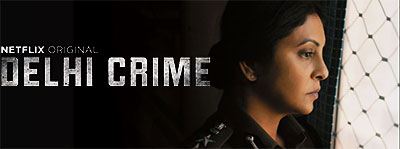 Delhi Crime rivets you with the police perspective of the much-discussed gangrape case from 2012. We saw various accounts unfold in the news media when the incident happened. A large part of the focus, and rightly so, was on the victim’s story. The girl became the ‘face’ of a women’s safety campaign that followed, creating social awareness, and eventually leading to amendments in rape laws.
What we have not been exposed to thus far is the police’s point-of-view. TV show Crime Patrol touched upon this, covering the case in a two-part special that broke all rating records for the show in 2013. Delhi Crime dwells into this fascinating world, through the eyes of its protagonist DCP Vartika Chaturvedi, played to perfection by the much-underrated Shefali Shah. What unfolds is a thrilling quest to nab the victims in a real-time pressure cooker scenario, with the media and the political class breathing down the police’s neck.
Like Meghna Gulzar’s Talvar (2015), where the narrative sided with the parents, Delhi Crime too decides to take a firm position. Its point-of-view is pro-police in no uncertain terms. After watching Delhi Crime, I revisited some of the news material on the case on YouTube. An interview with the victim’s male friend, where Zee News celebrated him as a hero of the nation, particularly stood out as being in sharp contrast to the narrative in Delhi Crime, which paints him as an opportunist, trying to garner media attention through the case. It’s this taking-a-stand approach that makes Delhi Crime even more interesting, and prevents it from being a sterile account at any point of time at all.
While there is a lot to appreciate about the show, two aspects stood out in particular for me. The first is about the non-filming of the actual incident itself. While every detail of the case is carefully covered in the investigation, and the audience always has an insightful, insider’s view to what happened, the actual incident is never shown, not even suggested. Surely, this would have a conscious decision. And quite a brave one too.
The second aspect is about the use of humour in the show. Mehta and her writing team infuses the show with characteristic Delhi humour, using situations and lines to evoke a smile, a chuckle, and sometimes even a laugh, in a show that Netflix classifies as “gritty” and “dark”. Amazingly, at no instance does this come across as insensitive. The humour blends into the purposefully grim narrative, and even adds to it, providing deliciously incisive commentary of the workings of Government officials at large in Delhi.
In all the hype around OTT shows over the last year or two, Delhi Crime will stand out as a genuine achievement. The under-marketed show may take several weeks and months to find its true reach. But it’s arguably the best online show to have come of India till date.

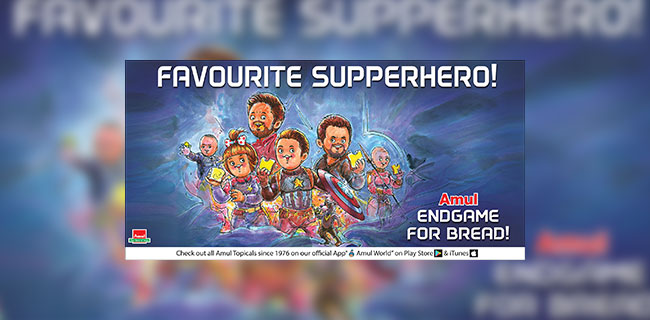
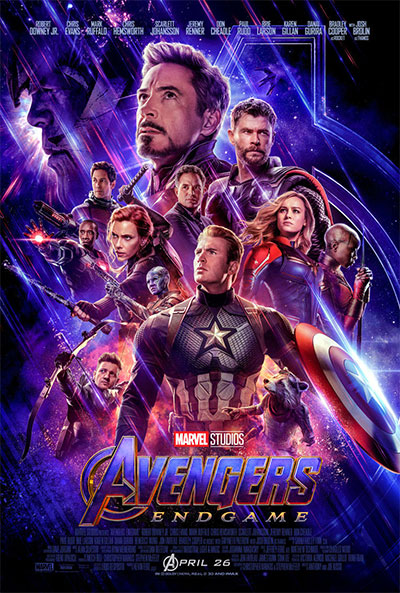 Avengers: Endgame is on course to do 375-400 Cr business in India, which will beat the lifetime box office record held by Avengers: Infinity War by about 150 Cr. Normally, such records are broken after a gap of a few years, because ticket rates go up and new multiplexes open up, giving films a wider number to achieve on the same demand. But that’s not the case in the Avengers example. The market scenario is largely similar to last year, barring a reduction in GST on movie tickets. A steep 150-Cr growth in just 12 months clearly highlights the growing equity and stature of brand Marvel in India.
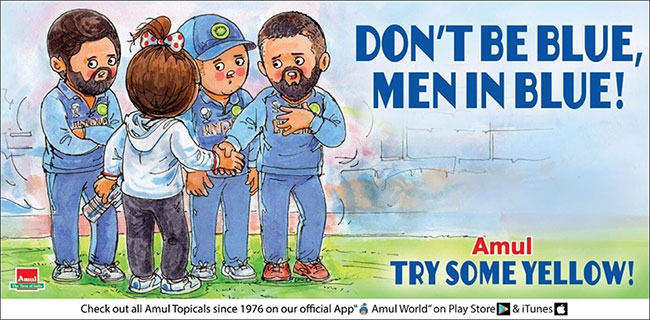
 It’s three weeks since the ICC Cricket World Cup started in England. 22 days and 26 matches later, the excitement is still waiting to build up. A multitude of factors have ensured that this probably the least exciting Cricket World Cup in a long time, from a cricketing perspective.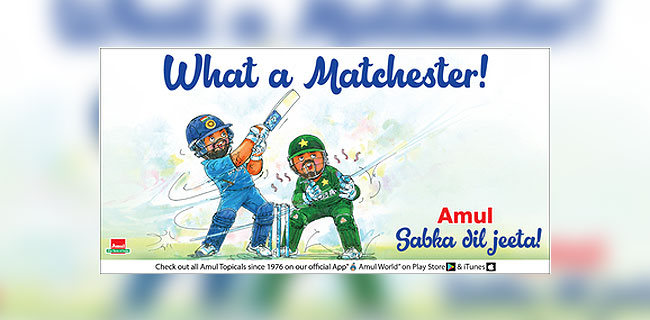
 Rajshri’s 1994 film was a remake of their very own Nadiya Ke Paar (1982), which in turn was an interpretation of Keshav Prasad Mishra’s Hindi novel Kohbar Ki Shart, though the novel has a wider story than the two films. Remaking Nadiya Ke Paar in the 90s would need some courage. The idea of the original film is grounded in Indian culture and family values, which were not in vogue in the cinema of the early 90s, though Sooraj Barjatya, the director of HAHK, himself had brought Indian values to the fore in his debut film Maine Pyar Kiya (1989).

 By Shailesh Kapoor