Category: SHAILESH KAPOOR

  • Chandrayaan 2: Pop Patriotism Is Here


    By Shailesh Kapoor


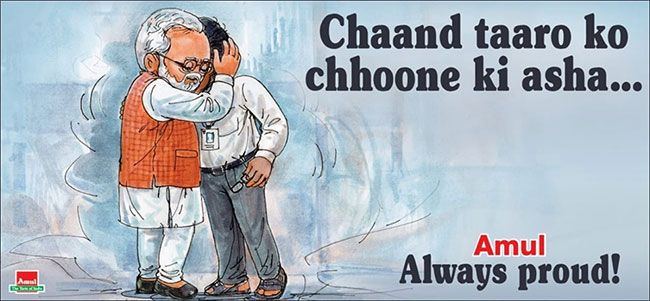
    Late night last Friday, the nation was hooked to watching the Chandrayaan 2 landing on the South pole of the moon. In the wee hours of Saturday morning, when it became evident that the lander Vikram has deviated from its trajectory and gone incommunicado, the nation gasped together. The next day, the now-famous image of the Prime Minister consoling the ISO chief Kailasavadivoo Sivan was the subject of many front pages, social media posts and memes.


    Outside sport and war, there has been no event in recent memory that has managed to generate a collective interest from across the country to this extent. Live telecast from ISRO across news channels and GECs took the mission to the masses, fueling discussions in real time that night, rather than the next morning. This, perhaps, was the most important difference in this case, vis-à-vis several other space and nuclear missions India has undertaken in the past. ‘Seeing is believing’, it is said. And the live images from ISRO, including the presence of the Prime Minister there, made the entire mission come across as a lot more ‘real’ and palpable than it would have been otherwise.


    The events of Friday and Saturday were intriguing, to say the least. The disappointment was soon overtaken by a sense of pride at having attempted the mission the first place. There was widespread support, cutting across the political and ideology spectrum, and in general, there seemed to be a sense that India has achieved something significant, despite the lander missing its course in the final phase. There were the jokes too, all in good taste.


    Does a country of so many people care about its space programme? How does it affect their lives in any way? Last weekend, most Indians were not thinking on those lines. What we saw can be termed as ‘pop patriotism’, whereby a nation comes together through an event that becomes a popular symbol of its strength, and through poster boys (the ISRO chief and the Prime Minister in this case) who are helming the event.


    In the day and age of social media, this could be the new normal. Patriotism and national pride may be easier to evoke through audio-visual stimulus, such as the live telecast and the follow-up conversations here, than through well-researched essays on history, science or humanities. It is almost certain that a vast proportion of those who watched the telecast live Friday night wouldn’t know anything about Chandrayaan (except the obvious reference to the moon in its name) before the day. It is highly doubtful that they would know much after the day either. But when there’s a collective, social energy at work, knowledge can, and perhaps should, take a backseat.


    There has been aggressive nationalism on display, especially in the electronic media, in the recent years via the surgical strikes and the air strikes that followed the Uri and the Pulwama attacks respectively. Finally, with Chandrayaan 2, the media found a non-Pakistan topic to celebrate the pride of our nation.


    Pop patriotism may sound like a bad word, but it’s in, nevertheless. And it will be the new kind of patriotism that the old school has to get used to.


  • The Big OTT Growth Story: Chapter 2


    This is the second in a series of columns by Shailesh Kapoor on the OTT Growth Story in India. Click here for Chapter 1.


    By Shailesh Kapoor


    It’s raining OTT show launches. Over the last few weeks, about two-three major and another five-six minor OTT shows have been launching every week. At this rate, the number of OTT shows that launch in 2019 will be higher than the Hindi GEC shows launched over a five-year period (2015-19). And you may not be wrong in believing that this is just the start, and things can only get more exciting from here.

    While the launch rate has accelerated significantly in 2019, it has been accompanied by a parallel improvement in the quality of content too. Till last year, among the many OTT shows that launched, only a couple would pass muster on quality. Most of the shows that won audience appreciation were from the TVF stable. ‘Quantity over quality’ seemed to be the OTT mantra.

    While that mantra continues to hold true for the second line of OTT players in 2019, there has been a significant jump in the quality of the top shows in 2019. If we look at the Ormax Advocacy Score (a measure out of 100 on how well-appreciated a show was among the audience who watched it), 2019 has some strong candidates in the reckoning.

    November 2018’s launch Mirzapur (Amazon Prime Video) continued to get audience appreciation early this year. Then came the deliciously compelling Delhi Crime (Netflix), which continues to grow its audience base till date, six months since it launched in March.

    The big success of the year, however, is a somewhat low-profile show Kota Factory (TVF). Presented in Black & White, this funny and insightful series on the student life in the education hub Kota has received widespread acclaim from young audiences, become the third-most liked Indian OTT show till date on the Ormax Advocacy scale, after Sacred Games (Season 1) and TVF Pitchers.

    Another potential top-end show dropped last night: Amazon Prime Video’s The Family Man. The unusually-textured spy thriller cum family drama stands apart from the dark and gritty world that shows like Sacred Games and Mirzapur espouse.

    However, all good things come with a word of caution. Almost 80% of OTT shows that have launched still have an Advocacy Score below 50, symptomatic of active audience dislike, even rejection. Many of these have been actively promoted by the respective platforms, indicating that the platform sensed good potential in them. So, even though the top-end has become stronger, the success rate may still be a mere 15-20%, or even lesser. Quantity may still be prevailing over quality after all.

    The Top 10 Hindi films of 2019 based on audience advocacy (word-of-mouth) average at a staggering Advocacy Score of 73. The equivalent number for the OTT category in 2019 is only 60, which is only a notch higher than the Hindi GEC category average of the year. And the Hindi GEC category has not exactly been in the pink of its health in recent times.

    A long tail of flop shows will continue to be churned out in a category where everyone wants a share of the pie. 2019 has been good so far in providing a strong top layer of quality content. This layer now needs to expand from three to four shows to 10-15 shows a year. And 2020 may just be the year to achieve that.


  • Shailesh Kapoor: Not Releasing At A Theatre Near You

    By Shailesh Kapoor


    Even as the online shows category, or “web-series” as they are popularly called in India, continues to gain momentum with the launch of big ticket launches The Family Man (Amazon Prime Video) and Bard Of Blood (Netflix) in September, there’s another significant online trend emerging in the background: That of releasing mainline Hindi films direct-to-OTT, than releasing them theatrically first.

    On November 1, Dharma Productions’ Drive will be available on Netflix. The film was conceived and shot for a theatrical release, and has some face value attached to it too, with the cast being headlined by Sushant Singh Rajput and Jacqueline Fernandez. But the theatrical release has been delayed by more than a year, and the makers have now chosen to skip that route altogether.

    Earlier this week, Fox Star Studios decided to release their film Lootcase, a comic caper, online directly, canceling its theatrical release after launching the trailer with a specific theatrical release date. The decision makes a lot of sound business sense. Lootcase has a good trailer, but evidently lacks the face value to get people to buy a ticket for a theatre seat. It would take more money to market the film for a theatrical release, than what its likely box office recovery could be.

    Even as smaller films find a life online, the bigger ones continue to set the box-office ablaze. Hrithik Roshan and Tiger Shroff’s War opened to record-breaking numbers on October 2. Earlier this year, we saw Avengers: Endgame record set new benchmarks for Hollywood theatrical business in India.

    So, while a certain type of content becomes less lucrative theatrically, and is beginning to rely on the OTT world, the big ticket motion picture continues to thrive. And then, there is the middle-of-the-line cinema too, like Chhichhore and Dream Girl. These films may not be big ticket, but have enough entertainment value to attract a sizeable section of the young audience, ensuring lucrative theatrical returns.

    But increasingly, we will see films on the fringes of this middle-of-the-line category tipping over to the direct-to-OTT category. The chasm between big ticket and the rest will only grow wider, as theatrical ticket prices will continue to go up, data costs continue to fall, and the OTT audience base continue to increase with each passing year.

    There are many films in 2019 alone, which had known faces attached to them, but were theatrical disasters, not getting an initial audience sizeable enough to build on. The more noteworthy of these are Why Cheat India (Emraan Hashmi), Sonchiriya (Sushant Singh Rajput, Manoj Bajpai and Bhumi Pednekar), Photograph (Nawazuddin Siddiqui), India’s Most Wanted (Arjun Kapoor), Arjun Patiala (Diljit Dosanjh and Kriti Sanon), Khandaani Shafakhana (Sonakshi Sinha), The Zoya Factor (Sonam Kapoor) and Prassthanam (Sanjay Dutt).

    The lure of a theatrical release, however, is still an important motivation for many writers, directors and actors. In the Indian film industry, a direct-to-OTT release is still seen as a compromise option, than as a legitimate business decision. This mindset would mean that such films, which should ideally be released online directly, will continue to have a loss-making theatrical release before they go online and hope to recover some costs from there.

    But with every passing year, better sense would prevail. Because the writing on the wall is inevitable. If you don’t have  the minimum threshold level of face value and packaging, the theatre is going to be increasingly out of reach.


  • Sawaal 120 Crore Ka


    By Shailesh Kapoor


    Last weekend, Union minister Ravi Shankar Prasad gave a press statement, where he cited the combined first-day collections of War, Sye Raa Narsimha Reddy and Joker (Rs. 120 cr) to “prove” that there is no slowdown in the Indian economy. This comment, which can form a case study in a Logic 101 class on how not to construct an argument, has been the subject of many jokes and memes on social media over the last week.


    For most people in traditional businesses, the slowdown this year is a harsh reality. If we speak specifically of the media sector, most TV channels and print publications have started reporting declining sales this year, forcing them to rationalise expenses, while they wait and hope for a better 2020-21. The digital and online businesses have managed to hold on somewhat better, with the growth in data consumption countering the slowdown in some measure.


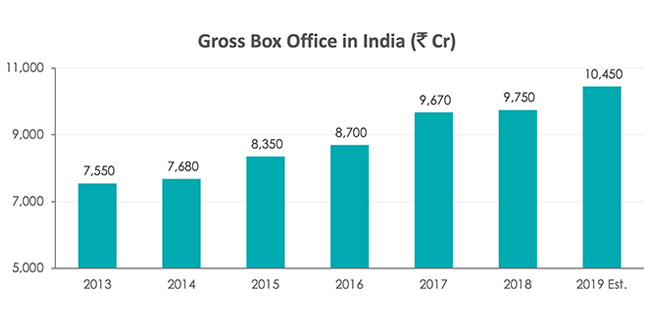
    I’m not an economist, and any further comment on the slowdown is out of syllabus for me. But the specific 120 Cr comment is definitely in my territory. The chart above and below captures the movement of the total box-office in India from 2013 to 2019. These are box-office collections across all Indian languages put together. Gross (pre-tax) numbers have been considered, as tax burden on film tickets has changed because of the arrival of GST, and then the change in the GST slab earlier this year. The numbers for 2019 are estimates for the entire year, based on the collections so far.


    A first look at the chart itself should tell us that there hasn’t been much of a steady growth in the box-office business in India over the last few years. The CAGR over the period 2013-2019 stands at a mere 5.6%, and even the best growth years have struggled to go much beyond 10% growth. Importantly, some of this growth is seller-led, coming only because of the continuous growth in ticket prices. Footfalls have remained largely stagnant, and even fallen in specific years.


    The other story in the chart is about how small the number Rs 10,450 cr is in itself. If you are aware of even the ballpark in which television revenues operate, you would know that the box-office collections from across the entire country can’t match up to the revenues of some of the big TV networks in India. Not that television is a very big industry to begin with.


    Hence, to even quote box-office as any indication of the health of the economy is fallacious and contentious. But if entertainment can provide fodder for more entertainment, however unintentionally, who’s complaining?


  • #MeToo India: A Year Later…


    By Shailesh Kapoor


    It’s been a little over one year since the #MeToo movement erupted in India. Tanushree Dutta’s accusations against co-star Nana Patekar triggered off a chain reaction, whereby several women, including many in the media and entertainment business, came out with their accounts, some anonymous, accusing co-workers of sexual harassment.


    Fourteen months is a long-enough time period to look back and wonder: Did the #MeToo movement really change things for the good? The answer is not very encouraging. The #MeToo movement in India has fizzled out spectacularly, with no major signs of any fundamental shifts in the thought process. Yes, it provoked many organisations into putting more robust sexual harassment policies in place, and may have sensitised many working men about how they should treat women co-workers. But a lot of these ‘changes’ were perhaps borne out of fear – the fear of being caught on the wrong foot, the fear of losing one’s career, or the fear of bad PR for a corporate.


    The real test of the movement’s success or failure can be judged through the current career status of those accused in it. If we focus specifically on the entertainment business, the accused in the corporate sector lost their job, and many of them have since been marginalised. But if you look at actors and directors, the picture is a more mixed one. Alok Nath had a film release earlier this year and director Vikas Bahl’s Super 30 released with him getting the director’s credit (the very well-made film went on to do good business too). Sajid Khan, one of the most prolific offenders, has not managed to restart his career, and that’s something even those indifferent to the #MeToo movement will be happy about, given the quality of his last few films.


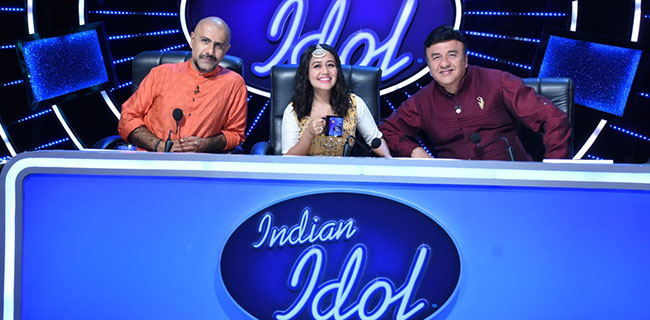
    But the biggest and the most darning evidence that the movement is all but history is the re-establishment of Anu Malik as a judge on Indian Idol. The music composer was removed midway in the last season when accusations against him surfaced, to be replaced by Javed Ali. But in this season, he has been a part of the show right from the start, as if nothing really happened last year. Interestingly, he shares a platform there with Vishal Dadlani, a strong voice on social media on a wide range of social topics, including gender equality.


    That Sony would actually go with Malik this season amazed me no ends. He was eminently dispensable. The show does not rely on any one judge, and Malik, in any case, has a jaded imagery by now. It’s not like he’s the Amitabh Bachchan on whose shoulders a big show like KBC firmly rests. Keeping Malik away from Indian Idol would have simply been good optics. But Sony, I think, have chosen to take a legal position than a socio-cultural and ethical one, and reinstated Malik. There has been a social media backlash, but it’s not of a proportion that cannot be managed.


    It’s unfair to call out Malik and Sony, because the decision is symptomatic of the larger concern on how #MeToo was more of a fad than a real change. And hence, we can expect more men accused in the movement last year to slowly get ‘rehabilitated’ over the coming months.


    Do we need #MeToo Season 2 to take forward the unfinished job in changing mindsets? Perhaps yes.


  • The Big OTT Growth Story: Chapter 3


    This is the third in a series of columns on the OTT Growth Story in India.

    Links to previous chapters: Chapter 1, Chapter 2

    By Shailesh Kapoor

    76.5 Million. That’s the all-important number to look at from The Ormax OTT Audience Report: 2019. The recently-concluded research, designed to size and profile the OTT audience market in India, took up the task of first measuring the number of ‘regular’ OTT audience that exist in the country currently.

    The definition of ‘regular’ can be subjective. Based on our category experience and market feedback, we defined it as: Audience who watch online videos for at least two hours every week, and use at least one OTT platform/ app, apart from YouTube and social media, to watch videos.

    The study covered 15+ audiences, and hence, does not include kids. It emerged that 76.5 Million, or 7.65 Crore, is the size of this market in India currently. The next track in 2020 will establish the growth rate. The question is: How small or big is this number?

    Comparing to TV universe can make the number look very small at this early stage of the OTT category. But a more obvious comparison can be made to the theatrical universe. The Bollywood regular theatre-goers universe stands at 33.3 Million, or 3.33 Crore. Add the unduplicated components of regional universes, especially the bigger ones in Tamil and Telugu, and the overall regular theatre-goers universe in India touches the 6 Crore mark.

    Let that sink in. The regular OTT audience universe in India is already bigger than the regular theatre-goers universe in India. And the former is growing in top gear, while the latter has flattened out for almost a decade now. This gap will only get wider.

    Only 15% of the regular OTT universe belongs to the top 6 metros in India. There’s a healthy longtail, created because of falling data costs and the penetration of Jio into small towns and villages in the last 2-3 years. But there’s enough scope for growth across markets. Mumbai and Delhi, the top 2 cities, have about 3.0 Million regular OTT audience each, which is nowhere close to saturation, given the huge adult population of these big metros. The equivalent theatre universe size in these metros is 3.2 Million (Mumbai) and 2.8 Million (Delhi). Hence, the two biggest cities have similar OTT and theatrical universe sizes. It’s beyond the metros, where theatre penetration, content relevance and ticket pricing remain key issues, that theatre-going habit loses out to OTT, a scenario that would have seemed quite unlikely till three years ago.

    The recent trend of films going directly to OTT (read here) is another sign of how OTT has emerged as a robust option for entertainment, and the price factor, which would have earlier been a big discussion point (“Indians are not used to paying for ‘television’ content”) is slowly becoming a lesser factor, with most OTT platforms coming up with rationalized pricing packages for the Indian market.

    As an aside, Amazon Prime Video’s The Family Man has emerged as the big show of the year, scoring an Advocacy Rating of 80, just a point below Sacred Games S1, to become the second most-liked India OTT show ever. A few more such winners and the OTT universe will continue to flourish.

    125 Million by 2020?


  • The Most-Defining Hindi TV Shows of the Decade


    By Shailesh Kapoor


    This is the first in a series of six decade-ender lists in this column. Read the prologue here.


    It’s been a decade where regional GECs have thrived, even as the Hindi GEC category has struggled to fight stagnation, especially in the second half. But this list is based on Hindi language TV shows only, and hence, does not cover regional shows. The list also does not cover shows that launched in the previous decade (2009 or earlier) and found their peak recognition in the previous decade itself, i.e., several Colors’ shows like Balika Vadhu, Naa Aana Iss Des Laado and Uttaran, as well as other top shows like Pavitra Rishta and Saath Nibhana Saathiya.

    Honorable mentions must be made for three shows that just missed making it to this list of 10: Star Plus’ Yeh Hai Mohabbatein and Mahabharat, and Life OK’s Devon Ke Dev Mahadev.


    10. Kumkum Bhagya (Zee TV)

    The Balaji love story launched in 2014, and has been a top-rated show since then, though its consumer perceptions peaked in the 2015-17 period and have thereon been mixed. The show is arguably one of the best renditions of the tried-and-tested Balaji love story template of star-crossed lovers who have little in common except their undying love for each other. Kumkum Bhagya has managed to keep Zee TV in the running for a top position in the category through the last five years, and also given the channel a quasi spin-off in the very successful Kundali Bhagya (2017).


    9. Bigg Boss (Colors)

    Bigg Boss has managed to last through the decade, battling the odd weak season among quite a few strong one. Salman Khan took over as the host of the show at the start of this decade, in Season 4, and the parallel rise in his stardom over this period has benefited Bigg Boss too. The show has now become the standard reference for all task-based reality shows, including many on Colors’ network channel MTV. While Bigg Boss’ ratings may be modest at times, the social media buzz and online consumption (Voot) it garners speaks about its cult status today.


    8. Bade Achhe Lagte Hain (Sony)

    Balaji’s 2011 launch single-handedly turned around Sony’s fiction fortunes. From being a channel that was known and watched only for crime and reality content, Sony suddenly had a 3+ rating show in its kitty, literally in a matter of weeks. This is how good and effective Bade Achhe Lagte Hain was. The Ram Kapoor-Sakshi Tanwar casting lent unmistakable punch to the show, reminding us how good acting can be a gamechanger in itself. The show’s peak following was short-lived, to less than two years. But in that short time, it was arguably the most special thing on Indian television.


    7. Naagin (Colors)

    If you are counting Balaji shows in this list, this is the third, and the last one too. Naagin’s huge success in a weekend slot surprised many. Weekends were traditionally known for non-fiction content, and a supernatural drama wouldn’t get too many bets as a top-show contender. But Naagin became that, not just for the weekends but across the entire week. The show’s fourth season launches this December. The second and third seasons have not been able to build on the first season’s magic, but the franchise has even firepower to keep it going. There’s enough and more to write about this show, and this 2016 article written in this column may be a relevant read for those interested in more.


    6. Crime Patrol (Sony) & Savdhaan India (Life OK/ Star Bharat)

    The crime reconstruction genre has thrived through these ten years, and it would have been unfair to pick the show that pioneered it over the one that has taken the baton ahead, or vice versa. Hence, Crime Patrol, which had an amazing run in the 2012-14 period, and Savdhaan India, which gave its channel a lifeline in the most-troubled times, share this spot. The two shows actually have very different presentation styles, but between them together, they have created a genre that carries such immense viewer appeal that even fatigue with the overdose of such content has not managed to dampen it beyond a point.


    5. Diya Aur Baati Hum (Star Plus)

    Shashi-Sumeet Productions’ show on a woman’s journey to become a cop, with her husband by her side all along, ruled the ratings charts and the audience’s hearts alike for almost four years in the first half the decade. Diya Aur Baati Hum is a rare show that actually led to visible social change, triggering off interest among young girls to join the police force, and enabling their parents’ acceptance of this idea. Sandhya’s journey has been a source of inspiration for many women in small-town India in particular. Even as the Hindi GEC category continues to be attacked for its negative and regressive portrayal of today’s India, this show continues to remind us of the progressive social change television has the power of bringing about.


    4. Yeh Rishta Kya Kehlata Hai (Star Plus)

    Rajan Shahi’s show launched in early 2009, and was an instant hit for its resonating portrayal of the life of an Indian woman through the various positive emotions and challenges she has to face, especially in a post-marriage scenario. Almost 11 years later, the show continues to thrive, staying true to its core idea of being a positive and uplifting portrayal of the great Indian family culture. The lead Akshara has been now replaced by her daughter Naira, but unlike many other fiction shows that lose the plot over time, Yeh Rishta… shows how a long-running show is still possible in today’s age if you have a strong idea at the heart of it.


    3. Kaun Banega Crorepati (Sony)

    Sony brought back the iconic show in 2010, after a three-year gap since the previous season on Star Plus. I often wonder if KBC would have ever come back on air if Sony did not need a disruptive gamble to revive its dwindling GEC fortunes in 2010! But on air it was, and for eight seasons over the decade, all but one of which have been hugely successful. Every season brings with it something new, and yet, the idea of the family sitting together and watching KBC has remained intact. As has the show’s impeccable host, who exemplifies excellence in television hosting.


    2. Taarak Mehta Ka Ooltah Chashmah (Sab)

    The Asit Modi-produced show started off as a light family entertainer in 2008, and was initially dismissed as a “regional” success, given the heavy skew in its ratings from the Gujarat market. But over the decade, the show has managed to break this geographical barrier inch by inch, through its wholesome, family-inclusive and clean comedy. The show’s lead character Jethalal is also the most popular Hindi GEC character of the decade (Ormax Characters India Loves). Many comedy shows over the decade have attempted to recreate Taarak Mehta…’s success. But nothing has come even close. And that tells us how special this one has been.


    1. Comedy Night With Kapil (Colors) & The Kapil Sharma Show (Sony)

    If there was a title of the Person of the Year for the media & entertainment industry for this decade, Kapil Sharma would get my vote for it. By virtue of being a top comedian on Sony’s Comedy Circus, Sharma got his opportunity to get a show of his own, and that’s when his came into his own. Starry tantrums, co-star issues, channel issues and many other such controversies have come in the way, but Sharma has managed to stay afloat, and is back with renewed energy over the last year or so. May he have another decade, and more, of ruling the small screen. Because when it comes to comedy for the masses, he’s running a solo race.


  • Shailesh Kapoor: The Most Iconic Hindi Films of the Decade

    This is the second in a series of six decade-ender lists in this column. Read the prologue here and the first list on most-defining Hindi TV shows of the decade here


    By Shailesh Kapoor


    Despite stagnating footfalls and the emerging threat from Hollywood and regional cinema, there was enough action to keep the Hindi films category going through this decade. Here’s a list of the top 10 most iconic films of the decade, chosen basis the impact they had on shaping industry trends, apart from the appreciation they received from the audience.


    10. Dangal (2016)

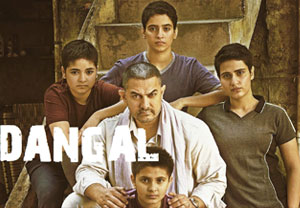
    The top-grossing Hindi film of all-time (not counting the dubbed Bahubali 2) took forward the sports biopic fascination of the industry to a new level, with Aamir Khan helming a film in this genre. The film provided an exciting combination of many ingredients that work commercially and critically – a real life story, great casting and performances, humour, social messaging and warm emotions. It may have lacked the ultimate finesse of Lagaan, but being based on real-life characters, Dangal had an unmistakable authenticity that resonated across the country.
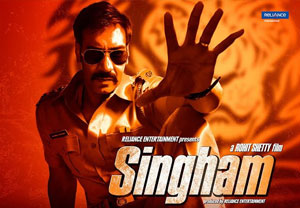
     

    9. Singham (2011)

    The first film of the much-touted Rohit Shetty cop universe came at a time when anti-corruption citizen movement in the country was at its peak, in the midst of various scams and scandals. Singham was followed by the much-inferior Singham Returns, and then by the highly-entertaining Simmba. All the films in this cop universe quasi-franchise promote vigilante justice in some form or the other, which can be problematic at some level. But in terms of entertainment value, Singham and Simmba both had the right balance of larger-than-life elements (especially the punchlines) and a certain believability that the story is indeed rooted in today’s real world.
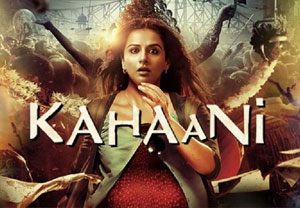
     

    8. Kahaani (2012)

    Kahaani is iconic for several reasons. Coming within three months of the much-hyped The Dirty Picture, it provided a definitive tag to Vidya Balan as one of the finest female actors of her generation. Kahaani was also one of the first films in the so-called ‘female-centric’ films genre, and its success paved way to many more such films over the last seven years. It was also one of the first Hindi films with Nawazuddin Siddiqui in a major role. The film also gave us the iconic Bob Biswas, who now has a film of this own under production.
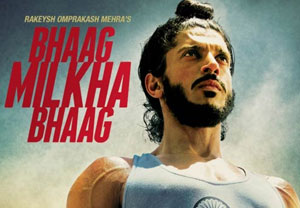
     

    7. Bhaag Milkha Bhaag (2013)

    The original sports biopic that opened the floodgates for umpteen others had an unlikely director-actor combination for the genre, and that probably worked as its surprise element. Farhan Akhtar may not have got the Punjabi accent pat, but his work on his physique and look deservedly got much appreciation, and the film, which spanned a few decades in time, worked equally as a human drama as a sports film.
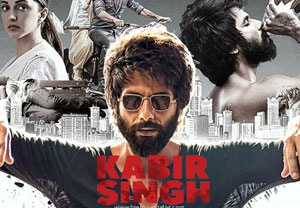


    6. Kabir Singh (2019)

    This year’s big hit Kabir Singh was a near-replica of its original film Arjun Reddy. It was also the most-controversial and spoken-about film in a long time, fueling debates on misogyny in cinema. But the film worked for the audience across the broad spectrum, and remains the highest-collecting film of the year in multiplexes, ahead of the year’s top-grosser War. While the music played a key role in its success, the resonance of today’s youth with Kabir’s character is a study in itself, on how Indian youth looks at life today. And that’s a topic that deserves a full write-up of its own.
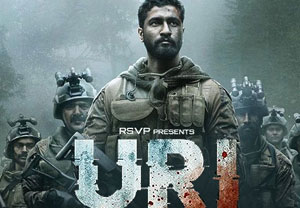
     

    5. Uri: The Surgical Strike (2019)

    Political films have been taboo topic in Hindi cinema for the longest time, but the last 2-3 years have seen more acceptance on this front. Uri was a full-throttle action drama, featuring a fictionalized account of the surgical strikes that followed the Uri attacks. The idea of the film itself is a masterstroke, and the execution was more than praiseworthy, especially in the sound department, which lifted the last hour of the film to a new level altogether. The film went on to be a much bigger hit than anyone would have anticipated, given its modest cast. And that shows the power of right-wing cinema in today’s India, when made with technical prowess, of course.
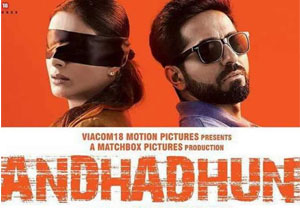
     

    4. AndhaDhun (2018)

    Ayushmann Khurrana is the big story to emerge out of the last two years, with back-to-back successes in AndhaDhun, Badhaai Ho, Article 15, Dream Girl and Bala. AndhaDhun, with its comedic treatment of the thriller genre, was perhaps the best-reviewed film of the decade. Director Sriram Raghavan has made taut thrillers before. But with AndhDhun, he outdid himself, peppering the film with fascinating sequences, especially that captivating scene in the first half at Tabu’s house, where Khurrana discovers there’s been a murder in the house. AndhaDhun will take some beating in class, and may hold the tag for the most iconic modern-day thriller in Hindi cinema for a long time.
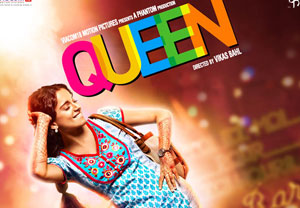
     

    3. Queen (2013)

    If Kahaani started started the trend of films being headlined by female actors, Queen took it to the next level. It also brought forth the acting genius of Kangana Ranaut, which was later reiterated in Tanu Weds Manu Returns, where she plays a double role. Queen was empowering, uplifting, funny, emotional and authentic in equal measure, becoming that rare urban film that only gets better with each viewing.
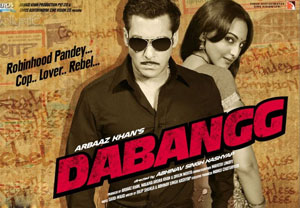


    2. Dabangg (2010)

    I write this on the day of the release of Dabangg 3, more than seven years after the first film in the franchise. Dabangg, coming after Wanted, gave Salman Khan the star status he continued to enjoy through the decade. It also led to the resurgence of the masala action genre, which thrived for a few years, before facing audience fatigue due to a sense of sameness that grew with every such film. Dabangg may not be even amongst the top 25 finest films of the decade (at least 2-3 Salman Khan films would be ahead of it on that list), but in terms of its impact, it became the foundation of a sub-industry in itself.
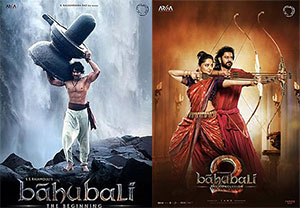
     

    1. Bahubali (2015) & Bahubali 2 (2017)

    There’s not much new to say about Bahubali. It remains the most-watched, most-discussed and most-adored Indian film work of the decade by an embarrassingly-wide margin. A dubbed film, without any major Bollywood stars, beating the big-ticket Hindi films to the top of the box-office was an eye-opener for many. It told us that big-screen experience and imagination hold more value in minds of the audience that one would have ever thought, an idea that was further authenticated with the huge success of the last two Avengers films in India. Bahubali’s success may have changed Hindi film industry’s thinking forever, and for the better.

  • The Most Successful OTT Brands of the Decade


    This is the third in a series of six decade-ender lists in this column by Shailesh Kapoor. The previous lists:

    The most-defining Hindi TV shows of the decade

    The most-defining Hindi films of the decade


    By Shailesh Kapoor


    The OTT category in India saw a major boost in the latter half of the decade, especially 2017 onwards. From a handful of originals and OTT platforms that you could count in single digits, the category took off with the arrival of Netflix and Amazon Prime Video in India. In 2019, more than 100 original OTT shows launched in Hindi language alone. Add regional content, sports, movies, animation etc. to it, and you know that the end of the decade belonged to OTT.

    Ranking “successful” brands in an emerging category can be tricky. This list is based on impact created in the Indian market, both from a content and a marketing perspective. Social media brands have not been considered, and special mentions are due to regional players like Hoichoi, and niche players like FilmCompanion and Ullu, for managing to find a strong need gap and catering to it.


    5. ALT Balaji

    Balaji’s entry into OTT category in 2017 made it one of the earlier entrants. It took ALT Balaji some time to get going, and it can be argued that the launch of the more premium services like Netflix actually helped ALT Balaji position itself as “mass” and more mainstream, especially for the non-metro markets in India. The platform has relied on quantity, launching shows every other week, and Gandii Baat, which explores the erotic genre from the small-town/ rural lens, is arguably its most successful show till date. When compared to other platforms that didn’t make it to this Top 5 list, like Zee5, Voot and Sony LIV, ALT Balaji’s run is impressive, particularly because it did not have much GEC catch-up content to provide an early cushion.


    4. Netflix

    It’s difficult to split Amazon Prime Video and Netflix on rank. Netflix is clearly the more niche of the two, operating as a standalone content service at a much higher price-point than Amazon. When Netflix launched, its price-point was seen as prohibitive by many. It took some time for Netflix to customise, and the launch of the Rs 199 mobile-only service in 2019 was a sign that they are willing to adapt to the unique rules that the Indian market can demand from global players. Netflix’s content strategy has been to focus on less but high-quality content, though some of their 2019 India shows, such as Sacred Games 2 and Bard Of Blood, fall short of that high standard. The platform’s imagery, however, remains strongly associated with high-quality international content, and that’s a sub-genre in which it’s a clear leader.


    3. Amazon Prime Video

    Amazon Prime Video’s launch in India was in line with its global strategy to create content to fuel the retail business through content engagement. Compared to its competitor Netflix, Amazon’s OTT strategy in India relies on higher number of big-ticket launches and more aggressive film acquisitions. Through Mirzapur last year and The Family Man this year, the platform has managed to create top-end Indian content, which puts it in a very credible space as we enter a new decade.


    2. TVF

    TVF (The Viral Fever) is the only content creator in this list of OTT platforms. Being the early innovators (remember Permanent Roommates and Pitchers), TVF had its OTT moments much before the big players came. Some argued that TVF would fizzle out as big budgets come into play, but the platform continues to be amazingly consistent with its quality, and this year’s Kota Factory is the latest testimony to that. Having addressed a definitive segment of the urban Indian youth, especially men, TVF is in a rock-solid position to be the most-sought-after content creator in the new decade.


    1. Hotstar

    Hotstar came before everyone else, in early 2015. And with each passing year, the Star-owned platform has managed to stay ahead of the OTT evolution curve, especially in the area of marketing. Taking IPL digital rights, even before Star had the broadcasting rights, was a clear indication that Star meant business with Hotstar, and this year has seen a lot more action to support that line of thought, with the launch of the VIP service and Hotstar Originals. In the new decade, Hotstar will have to do a bit more to more away from its image of being primarily a catch-up TV and digital sports platform. But that work has already started, it seems.


  • The Most Successful TV Channels of the Decade


    This is the fourth in a series of six decade-ender lists in this column. The previous lists:

    The most-defining Hindi TV shows of the decade

    The most-defining Hindi films of the decade

    The most successful OTT brands of the decade


    By Shailesh Kapoor


    The decade of 2010-19 was easily the most uneventful decade in the history of Indian television so far. Each of the previous three decades was dotted with events that unmistakably shaped television in India. The 80s was the golden age of television content, as Doordarshan started to provide primetime programming and engaged with some of the best writing, directing and acting talent in the country for the same. The 90s saw the emergence of satellite television, which widened the options available to the audience multi-fold. The 2000s saw the daily soap movement, led by Star Plus, and then, the rise of the alternative force in Colors, which brought a unique, real and rustic touch to mass entertainment. Each of these decades had a big highlight at the start. The Asian Games in the 80s saw the arrival of the colour TV. The Gulf War telecast in the 90s, albeit niche, introduced us to the fascinating power of satellite television. And Kaun Banega Crorepati ushered in a new era in 2000.

    In contrast, the last decade (2010-19) can only be remembered for what happened ‘off-screen’. The ratings controversies, leading to the birth of BARC India, in the midst of digitisation, headlined the first half of the decade. And TRAI’s New Tariff Order was the big talking point as the decade ended.

    Low content innovation and a general sense of inertia became even more apparent as digital and social media grew on the side, becoming a dominant force by the time the decade ended. Yet, some TV channels stood out, challenging the status quo and making a mark for themselves. Here’s my list of the top 5 most successful TV channels in India over the last 10 years, based on how they navigated through this tricky decade, making a mark for themselves, and their parent networks.


    5. Sony SAB

    SAB’s flagship show Taarak Mehta Ka Ooltah Chashmah (TMKOC) launched in 2008, and kept going strong through this decade. For large chunks of time over the last 10 years, SAB struggled to have a second hit show. But there were strong periods in between, when the channel managed to add fire power to TMKOC to emerge as a strong contender in the Hindi GEC category. 2019 was one such year, and the channel has been on the heels of Star Plus, Colors and Sony for the top spot, and often taken it too. SAB’s success is even more remarkable if you consider than it operates at significantly lower programming costs compared to other top Hindi GECs. TMKOC itself has gone from strength to strength, and SAB’s packaging and family-inclusive positioning are arguably the brightest and the sharpest respectively, in the genre.


    4. Nick

    In a category that’s essentially commoditised, and one flagship show is all you need to dominate the ratings charts, Nick managed to rule the roost for a large share of the decade, and often by a wide margin too. While its competition found it difficult to extend their portfolio beyond one show (e.g. Chhota Bheem on Pogo and Doraemon on Disney), Nick kept the animation mill running, launching several properties through the decade, with varying levels of success. While its 2012 launch Motu Patlu remains its biggest success story till date, the channel managed to sustain a strong second line, and showed nimble-footedness in experimenting with content shifts between the two sister channels Nick and Sonic.


    3. Star Plus

    The decade started with Colors emerging as a disruptive force in the Hindi GEC category, throwing Star Plus and Zee TV off their comfort zone with a new programming outlook. After a year or two of trying to figure out what had hit them, Star Plus found its feet back. Its ‘Rishta Wohi Soch Nayi’ campaign in 2010-11 is easily the most effective brand campaign any mass Hindi TV channel in India has ever launched. Unlike the umpteen ‘brand refreshes’ that GECs indulge in, this one was actually backed by content, ushering in a new line of shows like Diya Aur Baati Hum and Pratigya, which put strong women protagonists on the forefront, in relatable, small-town settings. In the second half of the decade, the Hindi GEC category went through a tough phase, losing ratings to regional, news and movie genres. Star Plus innovated here too, launching the ‘Rishta Wohi Baat Nayi’ campaign, signaling its focus on differentiated content that breaks the monotony of sameness. On the side, experiments like Satyamev Jayate continued, even as the channel managed to steer through many highs and lows over 10 long years.


    2. Zee Tamil

    For the first half of this decade, the Tamil GEC category was a one-horse race. Sun TV led its closest competitor Star Vijay by an embarrassingly-wide margin. The ratio of their viewership was often higher than 10:1. Zee Tamil was in a wooden spoon battle for the second spot with Star Vijay, with no hopes of catching up with the big force at the top. But somewhere in mid-2006, the channel started finding an alternative content space. It took a couple of years, but Zee Tamil became a strong contender, overtaking Sun TV in some prime-time slots, and bringing down the 10:1 ratio to 2:1, even less at times. Importantly, it altered the viewing behaviour of the category, as it made the audience realise there are options beyond Sun TV to consider. Even Star Vijay has gained because of this behaviour change. While Sun TV still ranks no. 1, it has lost about 20-25% of its viewership through the decade, even as Zee Tamil has grown by a whopping 500%+.


    1. Star Sports

    There’s so much to say about Star Sports’ dominance of the sports scene over the last 10 years that it may need a separate article some time. One can talk about the thought leadership shown in backing Kabaddi (and later soccer), or the front-footed approach towards IPL rights, or the digital strategy for sports with Hotstar, or the championing of Hindi commentary in the early part of the decade to the launch of regional channels in the latter. The long list of Star Sports’ innovations in the sports category provides a silver lining to a dull television decade. Star Sports’ much-underplayed tagline says ‘Believe’. It’s probably more a reflection of how Star looks at the future of sports and sports programming in India, than what they want Star Sports viewers to feel about the channel!


    Shailesh Kapoor is founder and CEO, Ormax Media. He writes on MxMIndia every Friday. His views here are personal


  • A Fortnight of News, A Decade of Everything


    By Shailesh Kapoor


    A lot has happened on the news front over the last two weeks. We first witnessed a political battle in Maharashtra that would put the biggest political thrillers in Hollywood to shame. It was a twist-a-minute saga, and you never quite knew if you have seen the end of it. In fact, we may not know that even now.


    Then, over the last week, the Hyderabad rape case has grabbed the headlines, and the story continues to develop, with the news of the four accused being shot dead in an encounter coming in even as I write this. There was also the historic Pink Ball test, which ended with another emphatic India win in under three days.


    On the entertainment front, another successful season of KBC came to a close, with a skillfully-crafted finale week. Even if you do not watch the show, you will do well to check out the finale episode featuring Sudha Murthy. It was inspiring and entertaining in equal measure.


    We are also nearing the end of the year, and also the end of the decade of 2010-2019. There’s been an unprecedented interest among journalists, especially those in the media & entertainment sector, to do decade lists and trend stories. I don’t remember any such interest ten years ago when the 2000-2009 decade ended. This interest may have been piqued by online channel Film Companion’s list of the best films and the best performances of the decade.


    The more one thinks of it, the idea of analyzing a decade is intriguing and challenging in equal measure. How do you ensure that recency does not bias your opinion? However sharp your memory may be, 2010 is way more distant than 2018-19. Much as I’m averse to lists, because they eventually becoming subjective opinion, a ten-year period is an irresistible temptation to take a shot at them.


    There’s another reason why I’m keen on them. For Ormax Media, which started in 2008, this is a decade for which we have comprehensive data over the entire ten-year period, which takes care of objectivity in good measure. Hence, from next week, over the next six weeks, this column will cover the following six lists for the 2010-2019 decade, not necessarily in this order. I’d stay away from box office and ratings-based lists, as that is easy to access in the public domain.


    1. The most defining TV shows of the decade

    2. The most successful TV channels of the decade

    3. The most iconic Hindi films of the decade

    4. The most successful digital brands of the decade

    5. The most important emerging trends of the decade

    6. The most significant trends expected from the new decade


    Let the lists begin!


  • The Most Important Emerging Trends of the Decade


    This is the fifth in a series of six decade-ender lists in this column by Shailesh Kapoor.


    The previous lists:

    The most-defining Hindi TV shows of the decade

    The most-defining Hindi films of the decade

    The most successful OTT brands of the decade

    The most successful TV channels of the decade


    By Shailesh Kapoor


    The decade that went by was unmistakably eventful for the media & entertainment industry. But isn’t that true for every decade, and for most industries? Ten years is a long time, especially given the pace at which technology is evolving, and there are bound to be fundamental shifts in how a category is perceived, consumed and transacted.

    Here are the five most significant trends that emerged in the last decade in the media & entertainment business, in no particular order. While a lot happened on the back-end, such as the launch of BARC India or the introduction of NTO, the trends here have been identified from a consumer perspective, leaving out the B2B shifts the decade may have seen.


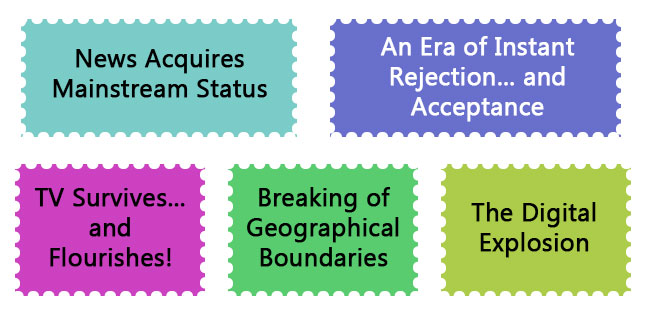
    The Digital Explosion

    Perhaps the most significant shift the decade saw was the rise of the digital media, first in the form of social media and YouTube, and then via the OTT category in the second half of the decade. The presence of unlimited and ever-growing content options online (including television catch-up) had various levels of impact on consumer behaviour and taste. The exposure to genres and languages increased, leading to wider acceptance of different forms of content, including that from the West, at a mainstream level. The digital growth also put increasing pressure on other media, such as TV and films, to up their game, lest they should lose audience to a new-age media option. Eventually, digital has managed to co-exist with other media. TV viewing time has not gone down, and box office has not degrown, over this decade. But digital content has opened up a new realm of possibilities for content creators and consumers alike, the true potential of which may be realised only in the coming decade.


    Breaking of Geographical Boundaries

    While television continued to be culture and language-driven, we saw the breaking of geographical boundaries in films and digital content in this decade. The prime example, of course, is the Bahubali franchise. Who would have predicted at the start of the decade that the biggest ‘Hindi film’ of the decade will be a Telugu film dubbed in Hindi, without any Bollywood actors in it! Hollywood continued to get stronger too, with certain years showing unreal levels of growth in the Indian market, in the range of 25-40%. Marvel Cinematic Universe is probably the strongest entertainment brand in India today, and that itself is a testimony to how geographies matter less today than ever before. All international and regional content did not cut through, but Indian audience latched on to culture-neutral content, especially in the action and adventure genres, from around the world.


    TV Survives… and Flourishes!

    Fallacious, unresearched and over-simplistic arguments around cord cutting and the imminent death of television have gone on for too long now. The truth is: Television is here to stay, at least in India. And that’s not just because India is a mass country with so many small towns and villages that it will take a few years for digital content to truly penetrate. Television’s ‘survival’ story in India is one about culture and values, than about content. Television is the only form of media consumption that’s done almost entirely at a family level in India. Fearful of their children slowly disassociating themselves from all things traditional and cultural, parents have turned to religion and television to keep the family bonding and identity alive. In fact, the arrival of digital content, which is essentially consumed solo, has further amplified the power of television as a collective medium for the entire family. Which is why even the most affluent Indian households have decided not to have a second TV in their house, and at 4-5% only, India’s multi-TV penetration is negligible.


    News Acquires Mainstream Status

    From being as a males-only, North India-skewed genre, news acquired a more mainstream and ‘mass’ status this decade. While comparing viewership over decades is problematic because of the constant changes in the ratings universe, the growth of news ratings at the time of marquee events has been consistent and very noticeable. Women audience have warmed up to watching primetime news to some extent, and hence, in many families, news has emerged as a legit option for 9pm or 10pm family viewing. A large part of this change can be attributed to the change in the political regime in the country in 2014, and the political and ideological polarisation that has followed. The rise of digital news, too, has fueled an overall acceptance of news content across media. And for all the flak they face, news channels have made news more accessible, even if it is via making it ‘entertaining’.


    An Era of Instant Rejection… and Acceptance

    Social media had come in towards the end of the last decade. But its true power was felt this decade. Rejection or acceptance of a new piece of content, such as a film or a series on the internet or television, would earlier be an organic process, lasting upto weeks. Today, it can be a matter of hours before the word spreads around. There is no place to hide for mediocre content, especially as consumers are spoilt for choices, and have ready access to opinions and reviews all the time. Films like Thugs Of Hindostan and Kalank sank within a day of their release. This digital-fueled trend puts increasing pressure on content creators and distributors to raise the bar, or be left behind. The shelf life of content itself has reduced significantly, and even the best content has a window of a few weeks to get its audience. ‘Now’ is everything! And that’s not necessarily a good thing, but that’s a topic for another day.