Category: SANJEEV KOTNALA

  • Sanjeev Kotnala: Breaking the IIMA heritage legacy- Brick By Brick

    By Sanjeev Kotnala


    Sanjeev KotnalaI am surprised and intrigued. In an unhurried ease and calm, the IIM Ahmedabad (IIMA) Governing Council blatantly takes unilateral decisions on demolishing the Architectural and cultural heritage of Ahmedabad and the leading management institutes of India. They remain unopposed under the guise of being autonomous. I am surprised it is not a subject of national debate why the Government of Gujarat and the Government of India, the Architecture Society of India, the alumni and the faculty and the intelligentsia -the protectors of societal heritage remain silent on this murderous intent of the institute known for its management education. Changing the logo is one thing (though I do not prescribe to the restored modified logo), but playing around with the heritage structure demolition is entirely different.


    It seemed, in 2020, the IIMA authorities decided to replace most of the original historic fabric of IIMA and to risk irreversible alterations, including the demolition of several structures and construction of new multi-storey blocks that would adversely impact the unique hierarchical spatial order, visual harmony and innovation construction for which the IIMA campus is valued and known the world over. And now propose to rebuild public-facing dorms 16-18, the Louis Khan Plaza and the faculty and the classrooms of the old campus with the same old exterior façade to create a seismically safe structure, and non-major renovation of the internal space to improve its functionality to suit the needs of the user!. But breakdown dorms 1-14 for what is being called a growth-led design and efficient space utilisation.


    The ex-Director of the institute Errol D’Souza, in fact, tried to hide behind the changes and questioned the heritage association. He says: “Over time, it has become difficult to identify the structure with the original creativity that was manifested in the building associated with the architect ( Louis Khan ) and his associates. A definitive blinkered view.”


    Now, this can be seen as an ineffective blabbering of alumni who lived in and loved the inspiring architecture that pushed you to do a bit more. A minor stakeholder who is paranoid of change of status, a block into the lofty expansion plan of IIMA. Who does not understand that things must evolve with time? The aspirations of the new students at the campus desire and deserve better facilities. That the Louis Khan ideological integration of the student and faculty residential complex with the seat of education, the classrooms, faculty rooms, the library and the magnificent plaza, the nerve centre of activities, and the spaces created for interaction, community creation, and teamwork including the famed academic meetings and discussion in non-academic spaces is no longer holds good when the students and the education process are more digitalised.


    The Institute does not realise the importance of affinity and community building among the batches and through the unique dorm culture. They fail to recognise that these are the defacto identity of the alumni. And the biggest strength of the institute comes from lifelong alumni support and network despite no central functional alumni association. Then how the alumni can question this judgement?


    This myopic view considers the so-called legacy heritage structure association and reflection only with IIMA because it was created for it and is part of it. It fails to see a more significant association and integral impact, which cries for it to be recognised as the city, the state, and the national heritage. A space where the government must intervene.


    The IIMA heritage architecture that the Governing Council has decided to demolish is a reference taught in major architecture courses in India and abroad. This makes the whole architectural society and stakeholders an extended impact group. What the alumni and the architectural bodies ask for is simple, a more conservation-sensitive approach to development, legal heritage protection for the IIMA campus, and maintenance of historically significant buildings.


    The institute fails to recognise and support the competent professionals it has helped ingrain the best of management practices. Many of them, being civil engineers or closely associated with the builder’s community, could help them with proper analysis, problem analysis, alternate solutions and picking a solution that is the best for all the stakeholders. Is that not what the institute has been teaching all this while?


    In fact, this issue before the institute or heritage structure vs space for growth is ripe for a nationwide case study analysis across platforms. That is really a fantasy. Not something one can expect from an institute that teaches transparency in management decisions but refuses to make public the reports on structural viability and restoration.


    The institute management has repeatedly raised a few concerns with the old campus and the need to reconstruct instead of restoration- which according to them, is not viable. Concerns like – providing a safe environment for the users (Faculty and students), meeting the current living and learning standards ( AC, attached baths, new working realities), and shortage of land for future expansion seem genuine in isolation. Added to this is the question of use value, taking into account perceptions of obsolescence and risk to life and property, the economics of conservation, restoration vs Longevity of restored properties vs the new design and construction.


    The only problem that needs to be resolved is whether it can keep the heritage architectural design and ethos intact. And the answer most likely will be YES. It can be unless the people in power have already made up their minds for a new contemporary concretisation of the institute.


    There are more questions than answers, but the feeling and intent are the same, at least with stakeholders other than the Governing Council and the automounts IIMA. We all want to protect the heritage and the legacy of the IIMA architecture incorporating the new aspiration and desires of the students and the faculty, including the so-called facilities like Air Conditioners!


    So, it was interesting to attend the International Webinar, ‘Future for the Modern Past – Heritage-led development for IIM Ahmedabad’. It addressed three major sessions. ‘Working Towards a Value-Based Approach -Assessing the Cultural Significance of IIMA’, ‘Managing Louis Khan’s Legacy’ and ‘Promoting, Protecting, Conserving 20 C Heritage’.


    The session by Kiran Joshi-Architect, Academic, Author, Heritage Advocate; India on Day 1 was the most eyeopening and focussed one for me. It questions if the heritage is exclusively assigned to the campus built under Louis Khan or if it should include the entire old campus where other architects like Annat Raje and Doshi have expanded, keeping the architectural fabric of IIMA intact.


    It was Amit Srivastava, Director, Centre of Asian and Middle Eastern Architecture (CAMEA) based at the University of Adelaide, Australia, who focussed on the impact of IIMA architecture in the city and trade. His original research on the IIMA architectural project explored the challenge of material encounters, authorship, and historiography in architecture. He pointed out the association and important role played by NID (National School of Design) Ahmedabad representatives and the impact of state division into Gujarat and Maharashtra. Thus raising a question of who is the rightful owner of the legacy and why it is a heritage of impact that must be protected and, in this case, restored.


    To quote Amit Srivastava and again point out the broader association, he quotes Ned Kaufmann and Paul Rappoport (2013). Then he implies that IIMA and its narrative are linked to Ahmedabad’s building culture. And it makes ample sense.


    ‘Intangible heritage is both physical and associational. Paying attention to the narratives expressed through people’s customs, stories, and memories can give invaluable insights into the psychological bonds that people form with these places and that, with time, comes to define their heritage value.’ Ned Kaufmann and Paul Rappoport (2013)


    Net-Net

    I believe the heritage architectural structure of the old campus IIMA cannot be considered the sole property of the autonomous IIMA. It has a broader perspective and impact. And this is a subject that the city, State Government, and Central Government must consider. It has cultural as well as educational importance and hence a wider stakeholder. It requires a conservation-sensitive approach and a solution that is in the stakeholders’ best interest. And the best includes keeping the heritage feel, ethos and design structure intact.

    You will find solutions if there is love and passion for the structure. It is hard to think that no one can develop better brick that looks the same, the concrete that is better suited and reimagines the interior space. If the people from IIMA attended the webinar on day -II, they would have realised and seen the case studies of restoring Doon School, Dehradun, School Of Architecture, Ahmedabad, Sanatorium “Zonnestraal” and The Christo Obrero conservation plan. Help may be available from the National School of Design and School of Architecture, the alumni and the architects interested in restoring such a prestigious heritage structure. Net Net- these restoration project reinforce the belief that proper heritage architecture restoration and renovation is possible with a focussed conservation sensitive approach. However, things could be different if the people in power have already decided to demolish and reconstruct rather than restore and renovate.

    ………………………………………………………………………………


    The webinar was organised by ICOMOS- India’s National Scientific Committee of 20th Century Heritage ( NSC-20) in collaboration with ICOMOS- India’s Emerging professionals working Group ( EPWG) & West Zone, ICOMOS India. Along with Institutional partner USM’s Kamla Raheja Vidhyanidhi Institute for Architecture & Environmental Studies ( KRVIA), Mumbai. As Alumni representation in this primarily architectural webinar was provided by Meenakshi Nath ( My batchmate from 1987 IIMA) and Rashmi Bansal (1993 batch IIMA), who both have been at the forefront of the alumni, push for the restoration of heritage architecture instead of concretisation in the name of future needs for growth.


    I have primarily taken my notes from the first technical session. Interested parties and stakeholders ( a shout-out to IIMA management) can watch the  Day 1 and 2 proceedings here.  


    People interested may read the ex-directors’ 33-page note titled Conception, Creation & Corporeality A Tract on the Louis Kahn Designed Buildings at IIM Ahmedabad. Where the ex-director painfully prepares the case for no restoration and new construction to the extent of implying that there is no original heritage structure at the old campus.


    Sanjeev Kotnala is a senior business strategist and educator. He writes on MxMIndia every Wednesdays. His views here are personal.
     

  • How Scarecrow is winning it for Reliance Jewels


    Sanjeev KotnalaBy Sanjeev Kotnala


    Reliance Jewels- Scarecrow M&C Saatchi – consistency in communication 

    The brand building says that once a brand finds its unique appeal and develops a unique or easily associated and recognisable communication style, it should be consistent. And, if possible, frequently surprise the audience with a different interpretation of the same, evolving with the consumers’ needs and changing ecosystem. Ariel – Share the Load is a case in point. The brand concept has evolved with time, retaining the basic parameters and testing the coordinated repeatedly. It has been consistent, and the thought is strongly associated with the brand. Ariel’s latest communication remains rooted in the thought and has moved from being asked to share the load to an expression of new coordinates of self-realisation. Make My Trip, Frooti, and Dream11 are some other brands consistent with their communication approach and language. Another brand that has been hugely consistent with its approach and communication style has been Reliance Jewels, and Scarecrow M&C Saatchi has been creating some unique communication language for them.


    Reliance Jewel Akshaya Tritiya

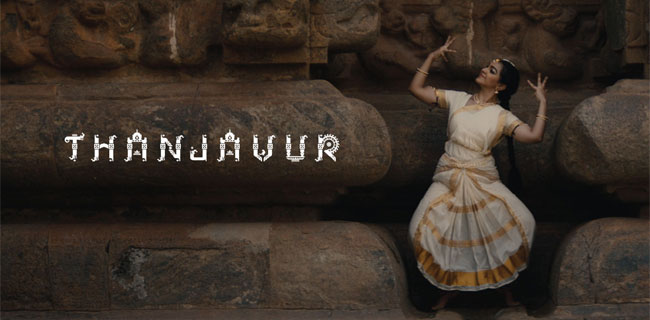
    In the recent Akshaya Tritiya communication, the brand captured the more than 1000 years old history of Thanjavur’s art & architecture. Thanjavur – a mystical Kingdom and the cultural capital of spellbinding art and Dravidian architecture. Watch the Tamil version here.

    This is not the first time the jewel brand ( Reliance ) and the agency has based the collection and the communication on Indian traditions, culture, dance forms and heritage.

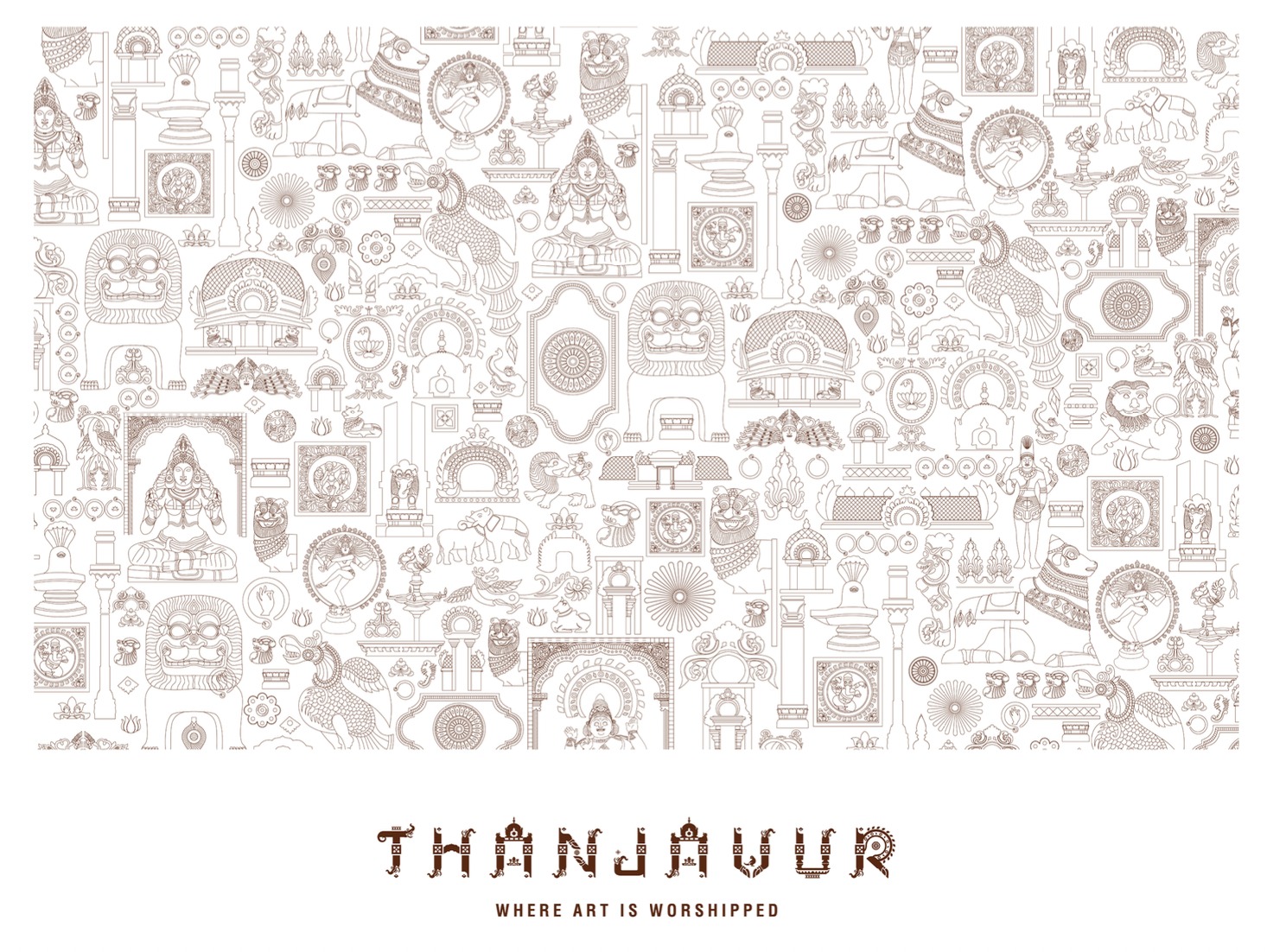
    A note from the agency updates that the inspiration behind Thanjavur is its intricately carved stones of the temples, the excellent craftsmanship of Poompuhar ships, the artistic traditions of Bommai Dolls, and the vibrant interiors of Thanjavur Darbar Hall. The reliance Jewels Akshaya Tritiya Thanjavur collection reflects and pays tribute to nuances of this craftsmanship from the artisans of Thanjavur. The film is a result of a deep study of the history and conversations with experts in different fields.

    Music in the film is an essential element and captures the flavours of Thanjavur. The song is written in Gambheera Nattai raga and pays tribute to the ancient temples. The Hindi version of the song is written by Manish Bhatt. The film is long at 207 seconds, capturing the musical journey of two young girls; a dance choreographer and her friend. However, Manish Bhatt, Founder Director Scarecrow M&C Saatchi, believes that capturing the 1000 years of history in this short duration is an achievement. The Thanjavur typeface was also created to complement the collection and the traditional craft.

    The brand- Reliance Jewel’s thematic jewellery collections are an ode to the country’s diverse culture and are appreciated by customers. This is, in a way, season 7.0 of such a thematic collection.


    Reliance Thematic Collection Communication.

    Every year Scarecrow M&C Saatchi with the client, creates a 2 to 5-minute long music-song song-led film based on the culture/art/ history that has inspired the Jewellery Collection.

    Here are some of the films/

    UTKALA – collection inspired by Odisha’s Ancient Art Heritage.

    KAASYAM – collection inspired by Beauty & Divinity of Banaras

    RANNKAAR collection Inspired by Rann of Kutch. And here is the behind the scene for the campaign.

    MAHALAYA collection inspired by the Tribal, Ancient & Royal Heritage of Maharashtra.


    Net Net.

    Indian culture, heritage, design, and craft have so much to inspire creativity in jewellery design. I am biased toward such an approach to thematic collection and communication. By being consistent with the thematic collections and communication style, the brand is creating a niche for itself.


  • Sanjeev Kotnala: Create your memory of positive episodes

    Sanjeev KotnalaBy Sanjeev Kotnala


    Well, it makes absolute sense. Simple. Why would one create a memory bank of negative episodes and experiences from life? And then pause to reflect. The truth remains that we tend to remember the negatives more than the positives until something triggers us to alter our thinking and re-align our thoughts.

    My moment happened this week. I was in for a consultation with the doctor. Past few days, my autoimmune problem had flared up. With it came something new. Tremors so bad that it was tough to use the laptop or even hold a newspaper to read. A situation that would have anyway subsided with time. But, with age and the family getting worried, I found myself in the clinic explaining the hot and cold rushes and the tremors.

    The doctor asked me to hold my hands straight ahead, and I immediately saw the tremors.

    The doctor asked about any family history of Alchemiser’s, and the answer was negative.

    Any family history of Parkinson’s Disease: the answer was again negative.

    Then he asked if I could share what I had for dinner yesterday.

    I drew a blank.

    Dementia? For that, you have time.

    And he got busy writing the routine prescription, assigning the cause to my autoimmune issue.

    But it had me thinking, and as I have known the doctor for some time and we are more like friends, we ended up discussing a few things.

    And here is where the thought culminated.

    Train your mind to look at the positives in every situation.

    Train your mind to remember the positive, helpful and happy incidents in your life. Willingly forgiving others is an important part of the process, as is seeking forgiveness from others.

    Now when your mind is trained to look at the positives, has more recollection and an archive full of nice happy memories- when the need comes to access memories- chances are that you will reach a happy memory.

    You could better it by sometimes clicking these moments and capturing the moments and associated emotions in detail in writing.

    Albums do a great job of it.

    Think about it. If your library is full of happy moments, when you withdraw and access a memory, it will be a happy one.

    Not that I expect people to go through any of the above three diseases. But how excellent could it be to have happy memories when all your senses are working.

    Net-Net

    So start rechecking your library of life incidents. Close out the unhappy, negative memories by closing the chapters and forgiving wherever needed. Time for all of us to build our positive memories and images and hope we don’t need a doctor to tell us.

    Trust this will do two things. One, it will be a very positive change in attitude and approach to life. And two, you will come nearer to accepting the dualities of life.


  • IPL16 ads: They don’t make ’em like it anymore


    By Sanjeev Kotnala


    Sanjeev KotnalaI am a loyal IPL follower, and I watch the match telecast every evening. The quality of telecast and the options for the viewer have increased exponentially. However, that cannot be said for the ads telecast on IPL. Watching them makes me overtly nostalgic. In earlier IPL seasons, the brand and agency people invested much more effort into crafting and developing the advertisements. It is much more about media muscle and frequency than the craft today. Somewhere high frequency seems to be a substitute for creative content.

    IPL 2008, the first edition, had everyone excited. It was expected to become the Super Bowl equivalent for advertising in India. Today, IPL is one of the richest sports leagues, with two months-plus of excitement and engagement, delivering eyeballs and loyal enthusiasts on digital and TV. IPL advertising almost defines the advertising spending trend for the nation. It should be common sense that the brands wanting to exploit the IPL matches across the season need multiple creatives to avoid overexposure and audience apathy. Unfortunately, the advertisements hardly reflect the thinking. The advertisement content and creative lack high engagement. It makes me think- They don’t make them like it anymore.


    IPL- everything is not lost.

    A few brands stand out in the scores of brands trying to effectively use the IPL platform across TV, OTT and Digital.


    RuPAY

    RuPay, with its UPI plus credit card communication, is an excellent example of focused communication. All three advertisements are interesting and engaging. The ‘Silver Helping Hand’, ‘Catch Expert- Chaos in Museum’, and the ‘Slippery Spy- mole’ are fun to watch and communicate the message.

    Unlike the Tata Tiago example of reasons to go for an E-SUV, which may not be the best and most effective way for the brand. Do people still need reasons to buy an electric vehicle!


    DREAM11

    DREAM11 has been consistent through the IPL seasons and has always worked on ‘All will play’. This season is no different. The brand continues the good work. The Bollywood and cricketers’ interactions as opponents in the game are engaging and funny. ‘Lal Singh’, ‘You don’t go for awards’, ‘Dialogue Delivery’, ‘Viral’, ‘All is well’, ‘Duplicate‘, ‘Lagaan’, ‘Riaaz’ and ‘Retake‘ are a few of the ads. Hope to see more situations in the rest of the matches.


    MYCIRCLE11

    MyCircle11 has also done well with its ‘Second prize 1 crore- toh pehla prize kya hoga‘ communication, continuing the Giant theme and format. However, the situations and the excitement are missing as the idea becomes a prisoner of the format. And for some reason, the 2023 videos are unavailable, and even the site showed Jeeto 1 crore everyday campaign in 2021.


    AMAZON

    The ‘Aaj Amazon se kya Khareeda’ series is another set of communication that makes the point while engaging the audience. It slowly builds on categories- the order size and common everyday items.


    IPL ADS- ALL-TIME FAVOURITES

    All of us will have different advertisements telecast with IPL seasons as favourites. Here are the ads that stand out. If I have missed some really good ones- do let me know.


    VODAFONE ZOOZOO

    The Vodafone ZOOZOO would rank as an all-time favourite of all IPL ads. The way the ads were conceived, executed, released, and the build-up was well planned and executed. In fact, they were produced and timed with the IPL season.


    AMAZON CHONKPUR KE CHEETAHS

    My other favourite of mine has been Chonkpur ke Cheetah by Amazon. Even today, in the Amazon ads, telecast on IPL16, the brand is extending the same- similar concepts like A-to-Z, Aapni Dukan, and a platform for everything, including your everyday items. Chonkpur was another instance and example of IPL-specific communication. The slow unveiling of the journey of Chonkpur ke Cheetah was well planned and executed, keeping the excitement high.


    CRED – NOT EVERYONE GETS IT.

    When the ‘Cred – Not everyone gets it’ series started, it had a mixed reaction. But, the way the series progressed and the brand kept unleashing fresh creative starring another popular celebrity, it grew on you as an audience. A well-thought-through and executed campaign.


    SWIGGY, NO ORDER IS SMALL.

    Swiggy and Zomato both exploited the audience’s interest in watching the telecast. They have offered various schemes to make people order during the matches. However, what stands out are Swiggy ads of ‘No order is small’ and ‘What is the score’. It also introduced the actor who became known as Swiggy Uncle and was featured in many more TV films.


    ADD-ON

    Not IPL Ad- but the Kid-adult format by FLIPKART was an engaging experiment killed by overexposure and format constraints.  Another series that was engaging and interesting was Voltas Murthy.

    Similarly, Make My Trip’s consistent use of celebrity Alia, and Ranveer Singh continues to be superbly executed with its own fun quotient while delivering the message. However, that cannot be said for Ranbir Kapoor – Asian Paint ads which lack engagement- proving that consistent use of celebrity is not the solution and the content remains the king.


    NET-NET

    Want to associate with IPL and exploit the platform? Then the brand must understand that the ads are the real breaks and the interruption in the audience’s interest. And the season is long, and the media cost is too high to associate. The brand message should be simplified and relayed to the audience through multiple creatives to keep the engagement levels up and excitement with the brand. Do invest in creative development and execution even at the cost of losing out on frequency of exposure. An excellent /Good creative exposed less number of times is a far better proposition than a mediocre/average creative exposed many, many times.

    Just for the suggestion watch this ever favourite ad of mine. Ericsson One Black coffee ad.


  • Surrogate Advertising: You can’t do a damn about it!


    By Sanjeev Kotnala


    Sanjeev KotnalaIt will not be wrong to say that Surrogate advertising is as old as advertising. Surrogate advertising is the practice of indirectly promoting a particular product, brand, or service by advertising another product or brand of similar behaviour or name. Often used for restricted and banned categories like alcohol, tobacco or prescription drugs. It is a common strategy used by companies to promote these restricted products.

    Past attempts have not been able to affect surrogate advertising. Why expect a magic wand act from ASCI? I know my friends and me in advertising and marketing have strong views about it, and few have even voiced their opinion publicly. It has been a classic case of a gap between expectations raised through guidelines with a strong stance against it and the actual experience. It has been a let-down by the celebrities and their advisors, who were expected to have enough understanding of the subject.


    The Surrogate Advertising Ecosystem

    The ecosystem of surrogate advertising has five prime suspects. The manufacturer and marketer of the product – the beneficiary. The advertising/ marketing/ creative agency that crafts and develops communication. The research agencies help find the insight and trigger point the surrogate product could use. Government bodies are expected to monitor surrogate advertising. The industry (advertising) self-regulation body like ASCI and, ultimately, the user, consumer and customer complete the stakeholders.


    Manufacturer/ Marketers  and Surrogate Advertising

    It is futile to expect the manufacturer and marketer to act honestly and transparently and not indulge in surrogate advertising, as that is the business that earns revenue.

    After all, brand managers and the marketing department are tasked to create and maintain the brand image of the surrogate product that aligns and reminds of the desired brand attributes and the associations with the main product. They ensure the surrogate advertising campaign positively contributes to the overall brand equity and does not dilute or damage the brand’s reputation. They actively monitor consumer feedback and sentiments and take necessary actions to address any issues or concerns. Brand managers are responsible for protecting and enhancing the brand equity of the surrogate and the main product.


    Advertising Agencies and Surrogate Advertising

    On the other hand, it will be tough to accept that the advertising/ creative/ media/ research agencies are unaware that they are working on a surrogate brand. They are in the thick and thin of it. They work from understanding the product and surrogate business objective, developing a creative strategy that effectively promotes the surrogate product while indirectly strongly associating and reminding the audience of the restricted product. Making it engaging and compelling. They craft messages and images that convey the desired brand image associated with the prime product while staying within legal and ethical boundaries, avoiding violations. They identify the most suitable media channels for the surrogate media plan, which addresses the primary product audience. And they analyse the outcome to fine-tune the next round of creative and media work.

    They could not be doing this blindly.

    The agencies can always claim that the product they work on is a legitimate revenue-earning brand well accepted and available in the market. And the discussion is over.

    In the current market situation expecting a decision based on Morality and the Ethicality of their decision is invalid.


    Research Agencies and Surrogate Advertising

    The surrogate product’s decision to communicate around it is primarily a result of market research and consumer insights. Research helps track market trends, competitor activities, and consumer behaviour to stay ahead. Additionally, surrogate advertising monitors the impact and association of surrogates on the leading brand.


    Self-Regulation

    Self-regulation is expected to be critical in stopping or at least minimising surrogate advertising. It asks for voluntary compliance and adherence to ethical guidelines and industry standards by advertising agencies, brands, and other stakeholders without external regulatory intervention. In India, ASCI is the agency that fulfils this role.

    Self-regulatory bodies and industry associations establish a code of conduct addressing surrogate advertising. In India, though we have rules for advertising banned/restricted product categories- the surrogate is governed by guidelines. The self-regulatory body has a simple, user-friendly complaint registration and resolution setup. They investigate complaints, verify violations, and guide the brands to take corrective action.

    The self-monitoring and whistleblowing/ reporting the violation is a regular practice but to no impact. It will have no impact till a self-regulatory body can impose fines, stop repeat offender advertising, blacklist and stop associated celebrities from associating with any new product and be able to influence/ guide / direct the media to not run the offending surrogate advertising. Alas, they can do nothing.

    Surrogate advertising exists as the guidelines are toothless. And the advertising agencies and brands are not committed to following these responsible advertising practices. The training programmes and awareness campaigns or sharing best practices to educate industry professionals about the ethical and legal implications of surrogate advertising does nothing.

    Self-regulation is no solution till external regulatory bodies step in with stricter regulations and enforcement mechanisms.


    The Public Knows Everything

    This is the X-factor. The banned, restricted product categories draw two kinds of reactions. One is the user who loves it; the other hates it and wants surrogate advertising to stop. A vigilant consumer base that actively notices and highlights surrogate advertising is no solution.

    Maybe public awareness development is possible where the main and the surrogate product is boycotted. When you read the statement, you know how foolish it is to think of it. However, it seems to be one of the possibilities.

    Let us be honest. None of us will stop pouring a Johnny Walker or Chivas because there is surrogate advertising. Or stop watching IPL because Gavaskar and others participate in surrogate advertising. We have not stopped watching movies and shows of SRK, Ajay Devgan and Akshay Kumar because they acted as brand ambassadors for a surrogate product.


    Net-Net

    To effectively stop surrogate advertising, a combination of measures involving regulatory actions, industry initiatives, and consumer awareness are necessary. A self-regulating body can’t do much.

    Collaboration among all the stakeholders, like the government, regulators, industry associations, advertising agencies, and consumer advocacy groups, is vital to foster a collective effort to combat surrogate advertising. Theoretically, stakeholders can work together to develop and implement effective strategies, share best practices, and coordinate enforcement actions. (LOL)

    One needs stronger government rules to explicitly address surrogate advertising practices, defining surrogate advertising in context to current practices and establishing strong monetary and other comprehensive and enforceable. Penalties for non-compliance. The Regulatory bodies must have resources and authority to monitor and investigate and take swift action enforcing fines, warnings, suspension of licenses, or other punitive measures.


    Add-on

    Here’s a suggestion that may be tough to implement but is a simple one. It can go a long way in curbing surrogate advertising. Ban using the same name and design elements by any product/ brand/ service that is used by a banned/ restricted category. So. there would have been no Kingfisher Airlines, Kamla Pasand Zeliachi, Kesar Elaichi masala, soda, bottled water, glassware, CDs, cups. Or the Keep Walking campaign which anyone can say is selling, not walking, but Johnny talking.


    Sanjeev Kotnala is a senior business strategist and educator. He writes on MxMIndia on Wednesdays. His views here are personal.

     

  • Sanjeev Kotnala: Momentary Brand Affinity – The Demise of Consumer Loyalty

    By Sanjeev Kotnala


    Sanjeev KotnalaMarkets and consumers continue to evolve and present new probortunties to marketers. One of the significant shifts has been the death of brand loyalty. The consumer no longer staunchly supports a particular brand but instead chooses and experiments with different brands for the same occasions or moments. Traditional brand loyalty is all but extinct.


    The Changing Landscape

    Brand loyalty results from the trust, product quality, and positive experiences meeting or exceeding expectations resulting in consumers identifying with a particular brand and consistently choosing/preferring it over other brands. However, in today’s hyper-connected and fast-paced world with democratised information access and the rise of social media, consumers have an unprecedented array of options and are more knowledgeable and discerning.


    Occasion-Based Brand Selection

    Consumers are now comfortable selecting brands that align with specific occasions or moments. The brands must cater to their fleeting trends, moods, needs, desires and expectations. They may even choose and prefer a different brand for the same occasion.


    Personalisation fuels Association

    The emergence of advanced data analytics and targeted marketing strategies has fuelled occasion-based brand selection. Companies use consumer data to create personalised marketing campaigns that resonate with individual preferences and occasions by crafting tailored messages, enticing the consumer to choose products or services.


    The Influence of Social Media and Influencers

    Social media platforms and influencers significantly shape consumers’ choices based on occasions and moments. The influencers often endorse specific brands, lending their credibility and expertise to sway consumer decisions. By aligning themselves with influencers who resonate with their target audience, brands capture consumers’ attention during critical moments and events.


    Redefining Brand Loyalty

    No doubt Brand Loyalty is on the decline. However, consumers still value certain attributes in their interactions with brands. Even in a world driven by occasion-based brand selection, Trust, authenticity, and a consistent brand experience remain vital considerations. When the brand delivers on these, it encourages repeat purchases and word-of-mouth recommendations in a more fluid and situational context.


    Challenges and Opportunities

    Lack of brand loyalty is a barrier to expanding a captive consumer base. The competition is fierce, and there is a constant need for innovation and newer experiences that resonates with consumers across different occasions and moments. There is a need to stay ahead of emerging trends and consumer preferences. Brands must be the go-to choice during specific events and capitalise on opportunities.


    Net-Net

    The era of consumer loyalty has been replaced by momentary brand affinity. Consumers now select brands based on specific occasions or moments driven by personalisation, social media influence, and a desire for tailored consumer experiences.

    While the idea of unwavering brand loyalty may be fading, brands that understand and leverage this shift can still thrive in the age of occasion-based brand selection by delivering authentic and memorable experiences. Brands can still create meaningful connections and preferences among consumers, ensuring success in this landscape of constantly changing consumer preferences, choices and moment-based affinity.


  • Sanjeev Kotnala: Sex as Sport: Missing  a vital step in Human Evolution

    By Sanjeev Kotnala


    Sanjeev KotnalaMr Verma, my dear friend and mentor, termed recognition of ‘Sex as Sport’ as the last step in the chain of Human emotional and intelligence evolution. He said we have all got it wrong. We have been blind to the cues the Animal Kingdom has been giving. We missed the cues from the evolution of sexual language – chase, climax, sustenance, demand, mutual, pleasure, performance and others.


    Maybe sex was never meant to be only about creating a legacy and momentarily pleasure with or without a partner. Sex is the world’s most underrated sport.


    SWEEDEN DECLARES SEX AS A SPORT.

    The News18.com article said Sweden has declared sex as a sport, and the first-ever sex competition is scheduled to take place early next week- went viral in all old boys WhatsApp groups. And today, on June 8th, the anticipated European Sex Championship would have taken place under the able guidance of the Swedish Sex Federation. Many may consider the anticipated sex-sports rounds tough – but that is what sports performance, endurance and excellence are all about. And the possibilities exist for demonstration in foreplay, oral sex, penetration, and knowledge of the erogenous zones. The private affair will be scored by judges and the public both!


    SEX AS SPORT- FALSE REPORT

    Then there is a dampener of sorts. A frstpost.com report states that the idea came from the owner of the Swedish Sex Federation, which wanted sex to be classified as a sport. They applied to enrol the association as a member of the country’s National Sports Confederation in January. But the same was rejected.

    So not sure if it is happening. It should not be a surprise as when it comes to sex- faking it is real!

    Maybe humankind has lost an important step in evolution. Perhaps we have all got excited too soon.


    SEX TOY INDUSTRY MISSED AN OPPORTUNITY.

    Suppose it does happen and gets the right momentum. In that case, it will be good news to the sex toys marketers and brands like sophisticated and luxury brands like LELO and JimmyjaneFleshlight and Tenga- specialists in male menstruators, We-Vibe– expert in couple vibrators, Womanizer– the clitoral stimulator with air pressure technology, SatisfyerLovehoneyTenga and not to forget our own Indian brand LoveDepot. These toys include a vast range of high-quality vibrators, massagers, intimate accessories like lingerie, and other adult products. After all, we all are the same- we all have lust and seek peak sexual pleasure.

    The problem is simple. Most are in awe of these products and do not have the necessary exposure or experience. Each of the sex toys comes with unique offerings and specialities. One must invest time to research and choose from trusted brands made from body-safe materials and meet safety standards. This is one area that the brands face a problem. However, digital space could be an answer to the problem as e-commerce has been for ordering and delivery.

    Acknowledging and identifying the athletic nature of sex and accepting it as a sport should spark a revolution in the world of pleasure-enhancing gadgets. Expect new technology-based astonishing variety of pleasure-inducing gadgets catering to every taste and desire. Sex as Sports will help remove the taboo and help individuals embrace the notion of training and conditioning their bodies for peak performance. Sex toys will be the ones coming to their aid and benefit.


    SEX AS A SPORT, A POSSIBLE UPTAKE LOST.

    Maybe, the Sex Championship could push the boundaries. New definitions may be accepted, and perhaps it will no longer be confined to dimly lit adult stores or hush-hush conversations, just like the acceptance of gambling. The sale of sex toys should experience an explosive surge and enter the mainstream market.

    This is a historic moment. Sex toy and adult gadgets manufacturers are expected to catch the wave and introduce new cutting-edge technology with ingenious features catering cater to the competitive spirit of sexual athletes. It will not wring to expect the sex toys industry to push the boundaries of innovation, leaving customers spoiled for choice.

    Last I heard, the ‘I’ brand was to unveil a plethora of measurement parameters tracked on its watch but stopped short on the Monday broadcast. Maybe worried about the suits that few smart sex toy manufacturers had to settle for data collection. This small hurdle would soon be overcome as the main players are already discussing self-regulation.

    Time to invest in their stock that may help the stock market climax to dizzying heights as sex toys and other adult gadgets help individuals and couples to experiment, learn, and unleash their inner athlete- hopefully helping in better life together or alone.


    SEX AS OLYMPIC SPORTS BEFORE CRICKET.

    One can see different reactions to the Sex as Sport statement. However, it is a no-brainer, and Vermajee believes we could have sex as a regular Olympics sport before cricket.

    It requires physical exertion and is better than boring marathons or sweaty basketball games. It can help you keep fit and save on gym memberships. We’re talking cardio, acrobatics, strength and endurance training and flexibility. You name it. Sex has got it covered.

    Sex is a sport that embraces creativity and improvisation. , and requires mental agility. It’s like a dance, with synchronised moves, receptive rhythm, exploring new positions like avant-garde choreographers. A sport that is an art form in its own right.

    It is the ultimate test of endurance and, at the same time, requires intense mental focus and strategy. The ability to read your partner’s body language, anticipate evolving desires, and make split-second decisions. The best one could be rewarded with an earth-shattering climax much before the metal after the fabulous teamwork of synchronised thrusts and moans.


    NET-NET

    Sex may finally get the rightful place and be recognised as ‘The Ultimate Sport’. As Vermajee would say, holding his glass of whisky and dreaming of days gone by, it’s time to do away with the outdated perception of sex as a mere pleasure enhancer or legacy of human desire. Let’s acknowledge the athleticism, physicality, creativity, and mental fortitude it demands. The newfound recognition of sex as a sport will liberate consumers and empower them to openly explore and purchase these pleasure-enhancing marvels without guilt. Don’t be surprised if these are the new gift items.


    Disclaimer: The views expressed are meant to be sarcastic and humorous with a touch of marketing reality. ChatGPT and Vermajee helped in curating this article. Remember, when it comes to sex, consent, communication, and safety in all intimate interactions are essential. No Means No.


  • Keeping it simple works for Jaago Re & Tiger Anthem


    By Sanjeev Kotnala


    Sanjeev Kotnala

    Most of us have an issue with opportunistic Cause Marketing and pseudo-Purpose-led brand campaigns. And many of us share Prathap Suthan’s sarcasm when he writes about the advertising industry’s hypersensitivity to hopeless global causes in the month of June – primarily for awards, easily identifiable with the timing, efforts, scale and design. However, some of us still hang on to the hope that there are a few brands which keep it simple, while working on an identified cause consistently and diligently. They are in it for  an extended period , where they explore it from different angles. Tata Tea- ‘Jaago Re‘ and Ariel- ‘Share the load’ are two examples of cause/purpose-led marketing campaigns with an excellent brand fit. Additionally, they have longevity that has been explored by the brand.


    What makes JAAGO RE work.

    Good cause marketing must have an almost direct brand/service relationship. In the case of Tea- strongly associated as an early morning beverage – Jaago Re- Wake Up is such a simple and strong statement- an excellent brand fit. The audience can completely relate to it- even though Jaago Re, in this case, is more than the Physical act of waking up.

    Tata Tea has worked on Jaago Re for over 15 years and has taken it to new heights with fresh communication. There is a huge investment of time and effort after crafting the idea.

    It addresses issues relevant to the public. Things they want to act upon but don’t seem to have the initiative or solution. Issues like Corruption, Woman Empowerment, Gender inequality, Voting, Bribery and now climate change- or protecting the climate for the next generation.

    The brand approach is to simplify these complex issues and provide a trigger – a thought to the audience. In a way, ask the audience to wake up and take the initiative. Take those identified small initiatives at the individual level that have the power to collectively impact the system. Because every such issue needs an individual-level action which would collectively converge into ground-level movement, the change would happen.

    The ‘Jaago Re’ campaign has been fully focussed. There is always a scenario build-up (reminder of the situation) and a call for action. The suggested initiatives (solutions) are relatable, and the solutions seem to be practical and practicable. There is always an element that shouts there is no need to wait for things to happen.


    Tata Tea Pushes New Climate Change Initiatives.

    Alarm Bajne Se Pehle Jaago Re’ pushed for proactive behaviour. ‘Power of 49′ reminded women of their voting power and how they could make a difference in the general election. The weakest link in the campaign was Soch Badlo‘, which seemed more preachy but asked the audience to see things from a different perspective. ‘Khilana Bandh Pilana Shuru’ suggested fighting corruption with a strong direct call for action.

    These campaigns had a solid link to Tata tea, and the Umbrella Brand ‘TATA’, with its image and trust, further strengthened the idea. The campaigns were not mere visual fantasies but had strong digital and ground-level support. Thus, the campaign remained impactful and relevant for the masses.


    Tata Tea Jaago Re Climate Change Imitative.

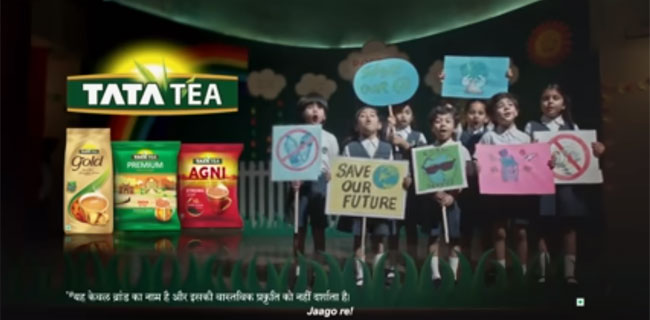
    The latest Tata Tea ‘Jaago Re Climate Change’ campaign brilliantly uses well-known nursery rhymes at a school function. The nursery rhymes are tweaked for the message. It strikes a chord with the audience. They all remember these rhymes and recognise the change. The message that the next generation will have to pay the price of the current generation’s actions and inaction is starkly delivered with impact and simplicity.

    One can safely presume that the Tata. Tea campaigns will not be able to create a mass movement or make many people act. However, you can not ignore the efforts and relentless pursuit of simplistic solutions. In this case, the communications and the creative device of Nursery Rhymes work to create impactful awareness.

    The Jaago Re site, in addition to asking people to pledge action (Pledges now reaching 50K!), shares ways people can be part of the solution. These are simple solutions like saving energy at home, planting trees, sustainable green commuting, reducing waste, using eco-friendly products and recycling.

    Tata Tea addressed the climate change issue earlier, asking the current generation to act. In that case, the instigator was a child. However, the Nursery rhyme is far more impactful.

    No doubt, Jaago Re is an impactful, relevant and successful campaign. The only grudge that one has is the annual re-evaluation and shifting of the targeted issue. But, then, it is what the brand needs to do.


    KEEPING IT SIMPLE – TIGER ANTHEM BY TOI

    Another cause marketing! Hopefully a sustained effort.

    The Tiger Anthem ‘Meet my Mom‘ by The Times of India  has crossed 100 Mn views in a fortnight across platforms and going strong. It is part of the ‘Saving Our Stripes’ campaign on the 50th year of Project Tiger, supported across print and digital mediums. TOI- the media giant had used every possible way and media under its banner to highlight and build interest in the subject before the Anthem was released. These included contests, User-generated content, interviews, articles, podcast and exciting use of cartoons.

    TOI has hit an emotional chord with the audience by using the powerful bond of a mother and her child. As it is future-looking, the anthem has very peepy and simple lyrics that should interest the young audience- expected to take the initiative further. It not only shows that the animals must co-exist, but it also shows the young mind that the relationship between a mother and her child is independent of the species. The cub is as innocent and unaware of the dangers, and the true threat to them is us, the humans.


    Complicate At Your Own Risk.

    Zomato’s recent Kachra TVC is a case in point, where the brand picked up a cause and blotched it up due to insensitivities. There is a lot the brands must consider in today’s world while approaching a cause with a social divide. Here is an excellent article, ‘Brands Navigating The Social class divide- lessons in Sensitivity from past campaigns’ by Hamsini Shivakumar and Prabhjot Singh Gambir. There is always a possibility to filter the communication through SMEAR INDEX, checking for possible backlash. However, know that the intent does not count, and irrespective of your best efforts, some part of the audience will always be objections to the creative. Then, the brand should be able to take a stand.


    Net-Net

    Keeping it simple works in most communication. And for cause led/purpose-led marketing, one needs to be clear about the objective and the association and be willing to invest time and effort sustainably. There is no point in fooling the audience- ‘Yeh Public Hai Saab Kuch Jaanti Hai, Saab Kuch Samjhati Hai’ (the public knows and understands everything). And when so many brands have been trying to leverage half-baked June ideas, the public knows how to differentiate and tell. Cause marketing needs time and repeated strikes. It requires a ‘Sau Sunnarki Not Eek Lohar Ki’ ( needs multiple strikes, nudges like a goldsmith and not a hard hit like a blacksmith).

    So, there is nothing wrong with cause/purpose marketing if you can do justice to it.


  • And Tanishq does it again…


    By Sanjeev Kotnala


    Sanjeev KotnalaTanishq does it again. And the brand is appreciated for remaining true to its tradition of seeking change and making progressive statements, despite the last time getting trolled for trying to tinker with tradition and rituals.

    Frankly, what is there to appreciate. It is one of the safest advertisements on change. Earlier, Tanishq touched on more sensitive issues and took down the ads, and by now, the brand has realised that intent does not count in a troll-controlled ad.


    SIMPLE SAFE TANISHQ AD 

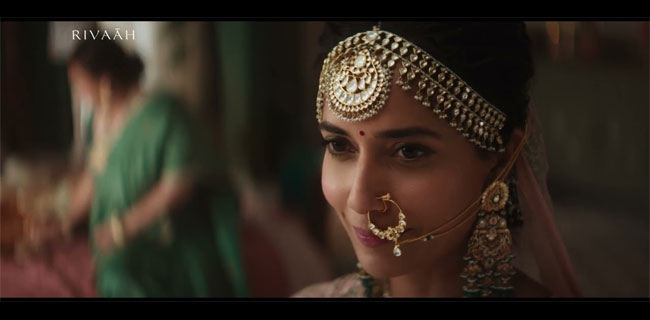
    The recent Tanishq Rivaah ad is simple. The bride tells her mom she will come home first to have her favourite Bhindi and then go to her in-law’s home in the same town. In the South Indian language edition of the Tanishq Rivaah advertisement, the bride’s favourite dish is changed to a regional favourite for that relatability.

    This change of dish with absolutely bas lip sync is seen and appreciated as an effort to regionalise, and it makes me laugh.


    CONSISTENCY MAKING ITS MARK

    Commentators on social media find the Rivaah ad brilliant. The brand continues to operate in the wedding space and plays it safe – really safe this time.

    Audiences by now expect Tanishq to pick uncomfortable societal truths and make a progressive point! Yes, the society that the brand finds comment-worthy is only Hindu.


    SOCIETAL TRUTH ONLY IN HINDU MARRIAGES AND RELIGION?

    The ad could have used any religion. Parsi, Muslim, Sikh or Christian as the base and would have made equal sense.

    Maybe in the case of Christian marriage, the ornamental display of Tanishq Rivaah’s designs would have been a problem. Parsi marriage may not have made sense for their limited population. Sikh weddings would have given equal opportunity for jewellery display. But a Muslim marriage with bridal jewellery would have been the most apt. However, that would have been playing with fire.

    Naturally, Tanishq Rivaah, like other brands, found uncomfortable societal truths in the easiest and largest segment- Hindu. These repeated instances make a Hindu like me question if the Hindu religion is a deep mine of regressive rituals, traditions, norms, experiences and expectations.


    NOTHING WRONG WITH RIVAAH AD.

    Interestingly, there is nothing wrong with the Tanishq Rivaah advertisement this time. Three is nothing to troll about.

    Tanishq Rivaah makes it simple. It says: ‘The wedding day is the day of celebrating choices, from choosing the partner to selecting how life should be. When you think of all the choices made so far, you feel a sense of pride and also gratitude. Gratitude to your mom for always understanding and supporting those choices. As this bride makes another choice, she knows her mother will embrace it joyfully’.

    The bride tells her mother she will come home first and have her favourite dish.

    It is a statement of choice with enough ambiguity about what the bride wants and where she will go when she comes to town. She is depicted as an independent, ambitious working woman, making the attitude and the decision understandable and digestible to the masses. It also makes the trolls hold their social media post.

    Though many Hindus, in the name of tradition and norms, would want to see the bride first come to her husband’s home and then one of the evenings or someday go to her mother’s place for the love of Bhindi, they would not find many issues with the advertisement.


    Net-Net

    I have nothing against change or empowerment or equality, or inclusiveness. These are all progressive thoughts that must be promoted and discussed.

    My grouse is against brands repeatedly targeting Hindu religious traditions, rituals or norms to make the point.

    It seems brands know and understands the risk of tinkering and pointing out anything with other religions’ traditions, rituals and norms. However, the brands take liberty and do not have the same sensitivity while reflecting on the Hindu religion.

    The advertising industry and the brands do not appreciate the advantage of a secular nation. The culturally divergent country without the ‘One country, One law’ approach provides a vast canvas of rituals, traditions, norms and expectations across multiple religions and regions. However, the Hindu religion is the one that is always commented upon, be it festivals or marriage or inheritance or woman empowerment.

    I am still waiting for some courageous brand to take on the minority religion and reflect on some not-so-progressive traditions and practices. There must be some.


    Sanjeev Kotnala is a senior business and marketing strategist and educator. He writes on MxMIndia on Wednesdays. His views here are personal.

     

  • Sanjeev Kotnala: What makes people risk adventure?

    By Sanjeev Kotnala


    Sanjeev KotnalaThe recent submersible visit to the Titanic wreckage was an adventure that went wrong. It is safe to presume that such exploration with high-paying passengers engaging in a risky adventure would have been carefully planned and adhered to every safety guideline. Everyone was aware of the risks involved, yet took the journey knowing the possibilities. Initially, the potential for enjoyment and successful completion would have been far higher than the possible misadventure. Otherwise, why would they get into the act? And that raises the question of why people undertake such adventures. Or was it just a case of ‘the vanity of the bored and extremely wealthy’ looking for stimulation that no one else can, as suggested by a person in my alumni group?


    The Adventurer

    The Real Adventurer in life is willing to sacrifice the ultimate, the loss of identity, name, position, and power in pursuit of the objective. These adventures may be nameless travel, get into discussions without revealing their identity or travel with the masses when they can easily afford the better options.

    The High-Risk Adventurer. They are people who climb Mount Everest, get down deep in the ocean to explore, go river rafting, explore the dense Amazon forest exploration or deep dive from the skies. The Red-bull stuntman like Felix Baumgartner, who jumped from space or Dario Costa flying a plane through a tunnel, the Formula-1 drivers, or the Fred Fugen and Vince Reffet wingsuit divers who dared to dive to enter a plane. It is part of their life.

    The Tourist Adventurer who are not that trained in adventure but participate for the fun and excrement, people doing a tandem skydives, Bunge jumps, and river water rafting. As and when they have opportunities, they tend to ensure the experience, even if it is holding a Python or sitting next to a sedated tiger.

    The Fantasy Day Dreamer Adventurer. The person thinks and visualises more instead of doing it. Those who watch ads like Mountain Dew and feel charged by consuming the product. The people who made ‘Angry Young Man’ a booming phenomenon. Who sees things on screen and mentally becomes part of the reel-life drama? The ones who play adventure games rather than patriciate in adventure. And this is the insight many brands use.


    Social Media Adventurer

    Social media adventurers are not a new breed of adventurers, but they have a new tool- social media to explore and exploit. Their main and only reason for any adventure is for others to know what they have done and achieved, be it travel, eating new food, staying at places, sports, or thrill events. Their tribe may be the largest of all adventurers and is increasing daily.

    No denying the fact that the converse is also true. People who have travelled extensively- have done what would be adventure sports and events but don’t regularly share that on social media. To them doing it and the accomplishment is the biggest joy. They are not guided or influenced by what others think. Hence, they never try to influence the experience, net impression, or perceptions by sharing their act.


    Pick Your Adventure.

    Adventures come in different types, and people engage in them depending on their interests, preferences, thrill quotient, safety concerns, available funds and time, including the training or briefing required. Be it an outdoor adventure like hiking, camping, rock climbing, mountaineering, kayaking, canoeing, rafting, skiing, snowboarding, and biking. Extreme Sports involve a high level of risk and require specialised skills, like skydiving, bungee jumping, base jumping, paragliding, wingsuit flying, cave diving, and free solo climbing. Exploration and Expeditions venturing into uncharted territories or embarking on challenging journeys. These include exploring remote wilderness, diving into the ocean’s depths, or scaling unclimbed peaks. Cultural Adventures immerse in different cultures, traditions, and lifestyles. Endurance Challenges are long-duration physical challenges testing an individual’s mental and physical stamina, like ultramarathons, long-distance cycling, multi-day trekking expeditions, and triathlons.


    Why Push Beyond Comfort and Take on Adventure?

    Everyone has an overt and covert reason for trying or not trying the adventure. People seek the intense adrenaline rush, the challenge of conquering nature’s obstacles, pushing one’s limits, overcoming fear, thirst for discovery, the pursuit of knowledge, and the desire to test one’s abilities in unfamiliar environments, providing a sense of enrichment, personal growth, and a deeper understanding of diverse perspectives, build resilience, and achieve personal goals.

    The feeling of accomplishment can be addictive and give a sense of aliveness and vitality. It pushes people beyond their comfort zone, allowing them opportunities for personal growth by taking on challenges and overcoming obstacles. It does help people develop resilience, self-confidence, and a stronger sense of identity.

    For many, it is a way to escape routine and monotony, offering a chance to experience something new and exciting. For some, these risky adventures are part of achievement and Self-Discovery, a sense of accomplishment and fulfilment.

    Additionally, adventure experiences can help individuals to understand their strengths, weaknesses, and inner resilience.

    It is not always the idea of ‘Living on the edge’ that guide and motivates people to participate or undertake an adventure. For some, the sheer possibilities are enough.

    George Mallory said three decades before Edmund Hillary and Tenzing Norgay climbed the Everest. When asked in 1924, on his third attempt to climb Everest- why do you try climbing it? He answered with a simple truth – “Because it is there”. And that is a decently good reason for many adventurers to do what they do- including taking a big roller coaster ride.


    Net-Net

    Everyone has a different appetite for adventure and passion. However, adventure seekers should undertake the activity only after being clear about the possibilities, things that can go wrong, and their physical condition.

    I stood at the MACAU tower to Bunge jump and decided against it. However, I have religiously Skydived at Pattaya for 6-7 years, jumped into level 3 river rafting, tried snookering, and fantasised about scuba diving and Formula car driving. But the biggest adventure has been singing in a college competition while creating the lyrics as I went along.

    Don’t myopically define adventure. It has a wide spectrum, and the definition differs for every individual, as does the motivation and the reason to indulge in it. Whatever it may be, one is sure that it adds to the person’s experience and personality. What is life if not an adventure in the true sense?


  • Sanjeev Kotnala: UCC ‘Causvertsing’ for Cannes24 

    By Sanjeev Kotnala


    Sanjeev KotnalaMr Verma, my mentor and brand consultant, sighed. He remembered the golden days when it was all about brand and revenue, preferences and creating preferences. The awards were the by-product of the marketing process.


    His friend Mr Arya, CMO of one of the companies start-up (after some eight years of business), returned empty-handed from Cannes. None of his three entries made the cut despite being curated by the experts at ‘FILLURCANESCFORM’ at a hefty fee. The presentation agency early adapter of AI had a good track record, but then there was no guarantee.


    India brought home 25 metals across 15 campaigns in 2023. There was a heavy skew towards purpose-led advertising. It is different that the tally was 50 per cent less than in 2022.


    The CMO, Arya, a veteran in the industry, knew people only remember the last campaign. The earlier wins did not matter. He had none to show for this year. No cause for a party and no need to revise his profile on LinkedIn or post those pictures on Instagram.


    His product category did not lend itself to any public-oriented purpose-led campaigns. But that has never been a problem. He knew he would find a dependable defendable link later.


    He was no longer interested in simplistic done-to-death malaria eradication, vaccinations, mensural hygiene, sustainability, climate change or woman empowerment. Disciplined, responsible gaming did make sense now that the country was full of gaming and betting sites under the game of skill. However, no point in picking something that obvious. For impact and award, it had to be something more esoteric, something no brand has tried before, something to shock the jury. For the purpose-led campaign and award entry preparation, 10 per cent of the annual budget was budgeted, excluding the cost of his trip to Cannes.


    He knew brands must go beyond functional and emotional benefits to build a belief system and ecosystem. Experts say it requires putting purpose at the heart of the business model, not just in campaigns. But damn the experts, they knew nothing. They are not practical.


    The brand campaign was in place and will take care of the revenue generation. The link between the brand and the ‘Causevertising’ will be created, however tenuous. The possible overlap between the cause and the brand’s reason for existence was a bonus. It was the reason for his existence, his ego and his future.


    The reality – rarely award-winning work works for the brand. Not saying it does not work. Only most award-winning work is different from the brand-building work. When you can make them meet or overlap, it is almost Nirvana. However, the agency and the client are divided and confused or totally clear about the purpose and return on the individual piece of creative. Be it B2I, B2B, B2C. Maybe that is the problem.


    Arya has been in jury panels and knew how much time was available and devoted to entries. Despite facilitators and coordinators, no one knew how the brands were doing in the market. All was secondary information or the information shared by the brand. The international jury can never know the reality or differentiate between brand and award work- both are supported by impeccable data and pre-post research. The data, impressions, results and the power-point with high-quality videos made sense. Arya knew precisely the person from ‘LETSBURNT’ to do the job. He was in awe of this person who could talk about creativity and expressions while discussing ‘Causevertising’. Who could make anyone believe poverty will be eradicated with a well-designed digital campaign.


    Maybe one could shock the jury with a non-digital purpose-led campaign! He loved the Happydent and the Eriksson One black coffee ad. And indeed he loved the ‘The Unfiltered History Tour’ as well as the ‘SRK-MY-AD’ too. They won.


    Someone had to remind the industry of the need for branding and brand development.

    He knew his options between Diversity, Equity and Inclusion.

    The Uniform Civil Code (UCC) push by the government was a perfect case. It would make sense. It was a large, sustainable fight for diversity through inclusiveness, political and yet hints at undifferentiated equity. There was a tadka of religion and region. A pinch of minority-majority angle. And a national-level issue. You don’t get bigger than that.


    However, there was a problem. The government may not risk it other than with two of the known industry stalwarts. But it can’t stop a law book publisher from running a winning ‘causevertising’ campaign on UCC.


    Arya had already approved the brief. It was out in the market after the famous ‘ITOLDUSO’ award consultant helped close it in the last meeting. He was a fast, proactive worker, a prosumer for awards and rewards.


    The ink on the Cannes award list and the associated euphoria was yet to die, and here was he planning and thinking of the next year. He already had received feelers from the targeted agencies to pitch, to get a toe in the door. The Japanese, the Indian, the film city roadwali, the Parel flyover ke passwali agency and the BKC Bandrawaali – everyone was interested.


    The next few weeks will go into selecting the agency and pinpointing the final purpose to give his life a purpose. It was not about the industry seeing an opportunity to create positive change and impact in society – but it was about creating change and positivity in his life. Small things like this keep happening in the big cities and industries.


    No one has forgotten that a clear promise to the customers gives campaigns a creative edge’. They should remember that a curated buzz around a ‘causevertising’ gives campaigns an award edge’. And a Jug-Mug-Bucket though popular and problem solving will never cut ice with the international jury.


  • The OG Social Network


    By Sanjeev Kotnala


    Sanjeev KotnalaOn World Social media Day, Brooke Bond Red Label  tea film toasted tea as the Original Social Network of the country. The advertisement went viral over current social media platforms. The timing was just right.

    Naturally, films like this had varied reactions. The public quickly recognised the insight and smiled at the contextual placing of the social media terms with relevant visuals of people consuming tea. The people associated with advertising, marketing and communication had polarised reactions. Some liked and appreciated it, and many questioned the strategy behind it, the purpose it aimed to solve and what it can achieve for the brand.


    The Red Label Original Social Network Of India.

    The film is a kaleidoscopic collage of slice-of-life situations where tea is the conversation facilitator. The Brooke Bond Red label film is well-made, and the voice-over is excellent. It is only a smart contextual justification of the social media terms with making and sharing of tea.

    Now, the brand presenting ‘Tea as India’s Favourite Social Network’ seems an obvious statement and not an insight. But any brand could have explored it. The truth is, no one did it before Red Label. Some regions in the country may debate and suggest coffee or hard drinks as the favourite social network or platform, but that is a story yet to be explored.

    Red Label film does bring a smile. Everyone loves the film! That’s where the problem starts.


    Red Label Film Lacks Strong Branding.

    The branding is not a strong point of the film. In most cases, the audience misses the brand. Few associated it with Tata Tea which keeps doing fresh creatives on relevant subjects like Climate change. However, the brand tonality is different. A lot many associated it with Wagh-Bakri for the film tonality; watch Rishto Ki Garmahat.

    It is unacceptable for any brand unless this is a one-off attempt with low media weights and cost of creative. Maybe it is the ‘Brooke Bond Red Label’ push in category development. However, the film does nothing. It was more like the better-made AV that agencies used to present in Annual Review Board in the 1990s.


    Different Take Over ‘Red Label’- The Original Social Network Of India

    A few of the advertising veterans did believe that the Red Label, the Original Social Network Platform of the country, is a brilliant piece of communication. The brand Red label has been all about Desh ka pyala in their communication, like Hospital, Dooriyo Mai aapnapan,  Hindu-Muslim bridge, and Swad Apnepan ka are full of warmth and bringing people together. The social network film is a contemporary representation of the same. It still works under the larger umbrella of ‘Swad Aapnepanka’.

    The brand uses contemporary situations and relevance in life while holding on to the old charm. The earlier advertisement Surprise Visit is one such example after all “kuch gharon ki chai mein apnepan ka swad hota hai.”


    Generation Gap In Reactions.

    The newer generation sees nothing much in the film. Exploring and exploiting the emotions linked with drinking tea and layering it with social network terminology. That’s it and they find nothing great in it. Yes, it brings a smile; that is all the brand gets from this interaction.

    The older generation gets a superiority complex of not missing much and enjoying their non-tech social networking over cups of tea.

    Communication can hardly make tea contemporary and increase consumption! However, the new generation objects to advertising, emotionalising every bit of brand interaction. Someone said it best; why should it always be about ‘bleed the heart, bring out the tears’? Why can’t it be more playful and happy?


    Net-Net

    It is an excellent AV, something one could be proud of presenting at the annual review boards, press meets and maybe at the tea drinker club. It merely stops at raising a toast to tea on World Social Media Day- attempting to contemporise and present tea as the original social network platform. Nothing more, nothing less. The audience expects more from Red Label and the agency.

    Thank god the brand is not preachy and has moved from its past folly of Kumbh – where elders can get lost- intentionally or unintentionally.