Author: mxmadmin

  • TCS stays India’s most valuable brand


    By Our Staff


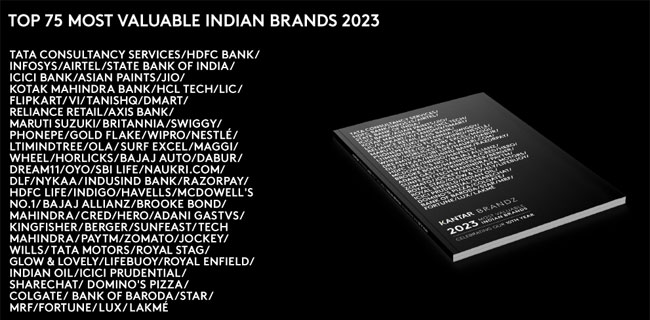
    Tata Consultancy Services (TCS) has retained its #1 position in the 10th edition of Kantar BrandZ Top 75 Most Valuable Indian Brands Report for the second consecutive year, with a brand value of US$43 billion. HDFC Bank, Infosys and Airtel also hold on to their top four positions, while State Bank of India rises one place to enter the Top 5.


    India’s Top 75 brands have a combined brand value of $379 billion, a decline of 4% from 2022 – a modest decrease given the ongoing economic volatility across most of the world. This is testament to Indian brands’ resilience, stability and consistency. The decline has been driven by brands in the Business Technology and Services Platforms category, which have a major presence in international markets, and therefore have been impacted by global pressures, recession threats and geopolitical instability.


    The Automotive category produced the Top 75’s two fastest risers: TVS (No.51; $1.90bn) and Mahindra (No.47; $2.01bn) and achieved the second highest category growth at 19%. India’s automotive brands have quickly responded to changing consumer needs, notably the shift in preference from hatchbacks to SUVs, and the demand for electric vehicles.


    TVS gained 59% in value and leapt 24 places thanks to a number of successful product launches and a 10-year partnership with BMW that gives it leverage in markets such as Europe, the US and Canada. Mahindra, which grew its value by 48%, has made itself incredibly meaningful in Indian consumers’ eyes, and has also significantly boosted its salience.


    The ranking’s 16 Financial Services brands contribute the biggest chunk of its total value. They grew 6%, thanks to the boom in digital banking, led by Axis Bank (No.17; +28%) and ICICI Bank (No.6; +18%).


    Telecom providers also performed strongly, resulting in a 17% rise in total brand value. Airtel (No.4; +29%) took full advantage of the end of the price wars to focus on what makes it special and relevant to Indian consumers’ lives. This included offering differentiated digital services, such as the Xstream entertainment app and Wynk music app. Airtel has also successfully leveraged the rapidly increasing demand among businesses for data and connectivity related solutions, and digital products that enable the delivery of an enhanced omni-channel customer experience.


    There are four newcomers to the 2023 Indian brand ranking, plus two re-entrants. PhonePe – the highest entry at No.21 – has quickly become India’s leading digital payment app by investing heavily in the strength of its infrastructure, building connections with partner banks, and developing a huge network of merchant acceptance points. Also making their debut are fintech brand Cred (No.48; $2.0bn), photo and video sharing app ShareChat (No.67; $1.33bn) and entertainment platform Star (No.71; $1.30bn).


    2023 is the 10th ranking of India’s most valuable brands, during which time the Top 50 have increased almost fivefold in value, from $69.6bn in 2014 to $339.9bn in 2023. The last decade is a story of strength and resilience: 33 of the brands in the current Top 75 were also in the 2014 ranking. The companies behind India’s most valuable brands have consistently outperformed the key market indices – the SENSEX and the NIFTY50 – with share price growth over 10 years of 99.6% compared with 83.2% and 81.7% respectively.


    Kantar BrandZ Top 10 Most Valuable Indian Brands 2023

    Rank 2023 Brand  Category Brand Value 2023 (US$M)
    1 Tata Consultancy Services Business Technology and Services Platforms 42,969
    2 HDFC Bank Financial Services 33,612
    3 Infosys Business Technology and Services Platforms 24,170
    4 Airtel Telecom Providers 22,517
    5 State Bank of India Financial Services 14,483
    6 ICICI Bank Financial Services 12,976
    7 Asian Paints Paints 12,839
    8 Jio Telecom Providers 11,773
    9 Kotak Mahindra Bank Financial Services 10,332
    10 HCL Tech Business Technology and Services Platforms 9,361


    Said Deepender Rana, Executive Managing Director- South Asia, Insights Division, Kantar: “It has been India’s decade. Our GDP has almost doubled with an 82% growth, while the world GDP has grown at 30%. This delta is even more when it comes to the most valuable Indian brands, which have almost quintupled in value (4.9 times), compared to the most valuable global brands, which have grown by 2.4 times. So Indian brands are significant value creators for our economy. We expect this trend to accelerate in the next decade as Indian brands don’t just thrive in India, but also explore growth overseas in their quest to become true multinational giants. Our IT services brands have already done that, with TCS and Infosys already featuring in the Top 100 Most Valuable Global Brand list. The strongest Indian brands have forged powerful connections by consistently adding value to people’s lives, and consumers see them as different to their rivals in ways that really matter. Brands must keep investing in building equity to create future demand, even as they capture existing demand which requires a better balance between short- and long-term strategy.”


    Added Soumya Mohanty, Managing Director & Chief Client Officer- South Asia, Insights Division, Kantar: “There is great diversity within the India Top 75: they are a combination of established names and dynamic young brands, both global and local in footprint. What they have in common is their ability to be essentially Indian. Through a deep and detailed understanding of consumers in the market, and adopting the local culture and ethos, even huge international brands are seen and cherished as ‘homegrown’. The trust and loyalty this engenders has helped Indian brands to suffer less and recover more quickly from the storms that have buffeted them over the past 10 years.”


    Other key highlights from the Kantar BrandZ Most Valuable Indian Brands report include:

    :: Sustainability credentials have a major influence on consumer decision-making – almost 9% of Indian brands’ Demand Power – a Kantar BrandZ measure of the ability to drive predisposition to buy – comes from perceptions around sustainability. However, only 8% of brands in India are seen as leaders in this area, compared to 11% globally, indicating an opportunity for those that can do more.

    :: Differentiation is key to commanding Pricing Power – the ability to justify price charged. Brands that have grown in both Demand Power and Pricing Power over the last year did so by being Meaningfully Different. There are different routes to being perceived as differentiated: a brand could be seen as distinct, to be a specialist, or to have purpose.

    :: The strength of the domestic economy has acted like a shield – Overseas contribution for the Top 30 Indian brands accounts for 31% of brand value, compared with 47% for Japan, 59% for the UK, and 85% for France. This has protected the ranking from the worst effects of international volatility.


    The Kantar BrandZ Most Valuable Indian Brands ranking, report and extensive analysis are available now at www.kantar.com/campaigns/brandz/india 
     

  • A trip through an Urban Bharat landscape


    With apologies to none at all


    By Vikas Mehta


    Vikas MehtaI have always preferred bus trips wherever possible as it leads to some interesting observations of semi-urban and rural India: Bharat and Urban Bharat. And these observations lead to some very interesting insights. So, last week I got a chance to do a bus trip from Delhi to Dehradun, all in broad daylight. The unfortunate part was that the trip was non-stop, except for a five-minute relief break, so I could not take as many photos I wanted to and could not speak to local people. And as most of the photos were from a moving bus, they were all not as good as one expected. Most of what I am writing are observations and not insights, if you understand the difference between the two.
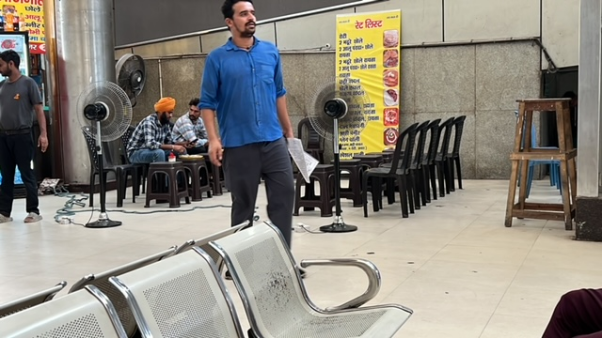
     

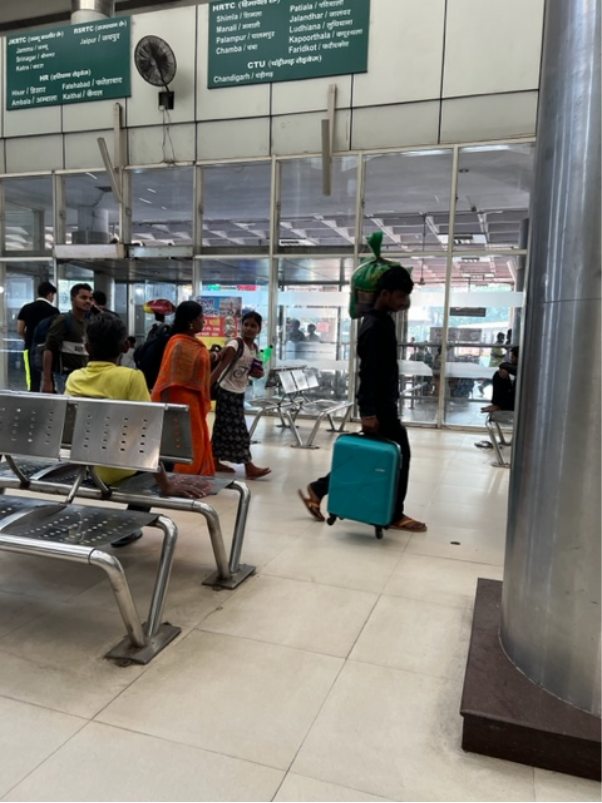
    My experience actually started at the Delhi ISBT (Inter-State Bus Terminal). This place, in lot of ways resembles a mini-Bharat and Urban Bharat. And the first thing I noticed was Jugaad. There are lot of shops selling snacks and also some staple Indian dishes like Puri-Alu or Rajma-Chawal, inside the passenger terminal. But this time I saw that a few of them had taken over empty spaces, put up two-three big fans, placed some chairs and stools in front of them so that the passengers could be lured into this cooler oasis and empty their wallets. I am sure the set-up was illegal as it was temporary, but it had the feel of a dhaba with some waiters trying to get customers inside.


    And then there were the booksellers. Selling pirated books. In two-three languages. Hindi, English and Punjabi. They could understand with your dress and luggage if you were an English or vernacular bookreader. I was approached by two sellers. Both had sorted out English books before they approached me.


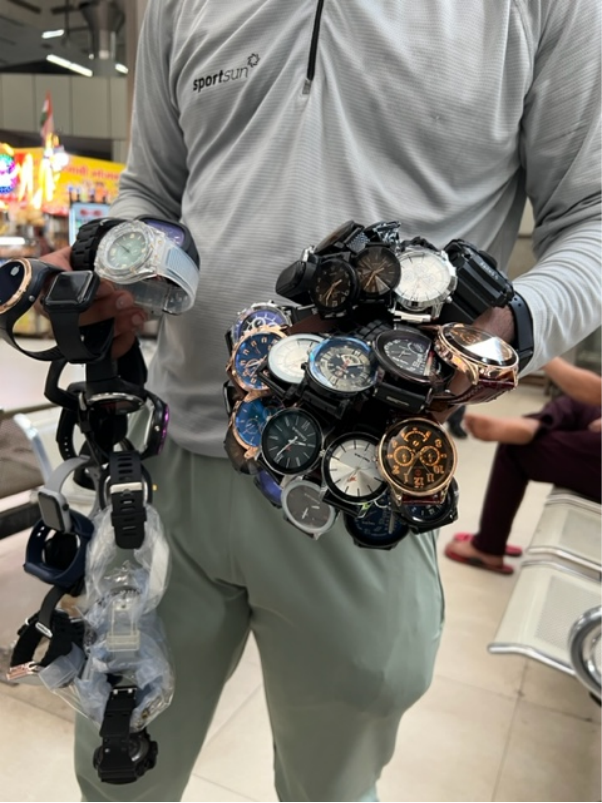
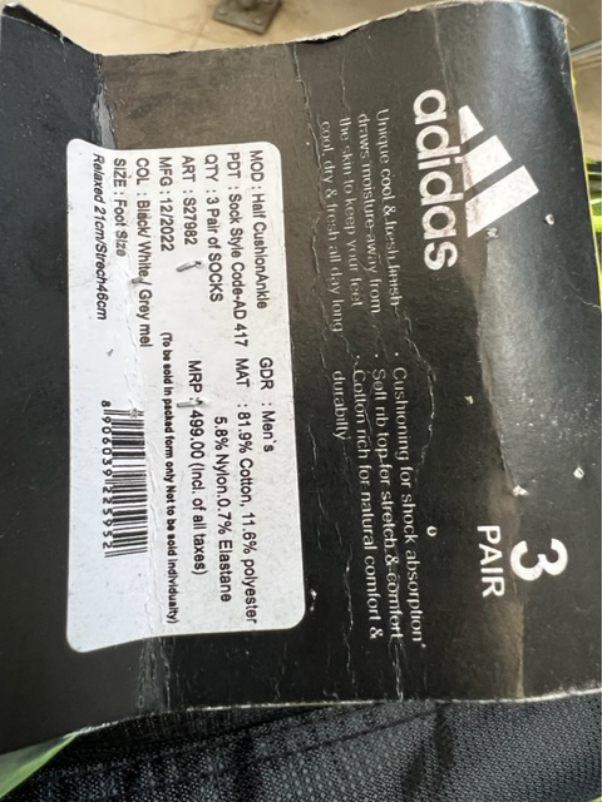
    There were socks-sellers and watch-sellers too. Again, all fake stuff but with the real label. The price printed for Adidas pack of three was Rs 499 but these were being offered for Rs 250. I bought one pack, without any haggling and the vendor therefore opened up a bit to me.


    According to him, these were bought for Rs 150 from some wholesalers at the Delhi borders. The vendors pay protection money of Rs 200 per day to some people at ISBT. Sellers like him manage to sell about 10-12 sets each day. There is haggling and per set anything between Rs 75-100 is profit. The travel cost and lugging of the same means about Rs 150-200 per day. So, at the end of the day. They are left with an earning of Rs 1000-1500. I asked him about his education. The guy was a BCom and so were the others, he said. They spend about 12 hours on their feet selling socks or fake watches. Or fake sunglasses. They come from villages in Haryana and UP and lack of jobs force them to come to Delhi and take up this job.


    I asked him what he hated most about his job. Lack of respect, he said. People are rude, haggle endlessly even if they have no intention of buying and are too smug in their own way. He then muttered “Maybe because they have a job, can afford to travel by AC buses, eat aloo-puri and drink Coke whereas I can’t afford to do the same.” “I do make decent money,” he added, “about 25-30k a month but it’s a back-breaking job and lack of respect hurts.” Plus, there’s the dealing with the protection gang, authorities raids when they seize all the goods, all that adds to the burden. He also confirmed that the stalls putting up eating areas was all controlled by the protection mafia in cahoots with the authorities. See photos below


    I used the socks. The quality as well as the branding on the socks sucks.


    ISBT also offers a kaleidoscope of clothes, both Indian and western, a smattering of various languages and a variety of luggage. Not just in terms of merchandise but also attire and accessories that passengers use. Lot of fake clothes, shoes etc being worn and a lot of mix of old and new, modern and traditional, utility and jugaad. This picture below really says it better than words. A traveller with a VIP strolley in one hand and a polythene gunny bag with god knows what on his shoulder.


    The first thing that hit me about an hour into the trip was the development that has happened on the route. I have been doing this route since my childhood. The route has changed with many bypasses and freeways that have come up. But the development along the route ensures that nothing remotely rural can be seen from the bus. Sure, one does get to see sugarcane fields, some fruit orchards, but these are all vanishing. As connectivity improves, land prices go up, the farmers realise that they are well off selling their land at good rates and starting some business. And the best business to start along highways is restaurants, dhabas and resorts. And therein lies a tale.

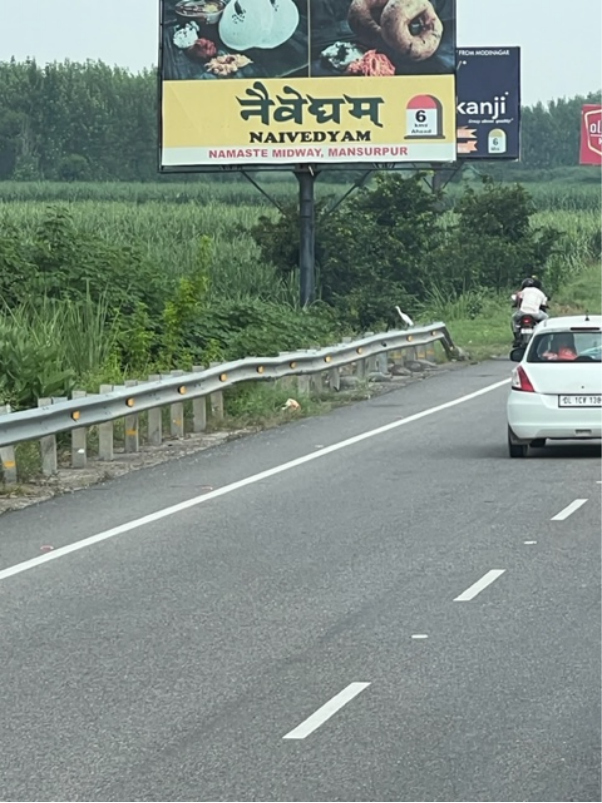
    Hardly a kilometre passes when you don’t see a dhaba. Eating spots of various cuisines, novelty items and amenities exist. And there are some interesting lessons in their branding and communication.


    Since this is the highway to Doon, Haridwar and then onward to Char Dhams of Kedarnath, Badrinath, Gangotri and Yamunotri, most of the dhabas are vegetarian. And to cue vegetarianism, they give all types of religious names to the dhabas. From the mundane, Krishna or Hanuman or Shiva or Dwarka to the more innovative ones like Mahalaya or Natkhat or Mahakaal or Rudraksh. Then there are the ones which cue masculinity. Pehelwan or Sardar or Nambardar. These serve non-vegetarian too. Some cue the cuisine with speciality cuisines like Marwari or Jain catching the eye.


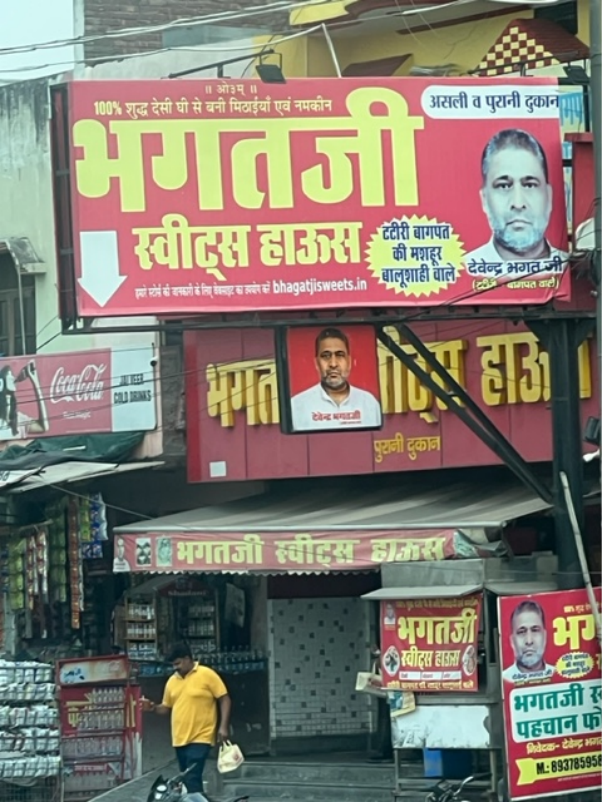
    Besides the name, the differentiation is happening in the offerings too. Jain Shikanji is famous for its Shikanji, a cool Indian drink that one looks forward to in summers. Today, it is a full-fledged restaurant offering all types of cuisine but still calls itself Jain Shikanji. Of late many other Jain shikanji wannabes have arrived on the scene. So this guy has put his photo on the restaurant, hoardings, any piece of communication, saying look out for the photo to recognise the true Jain Shikanji!


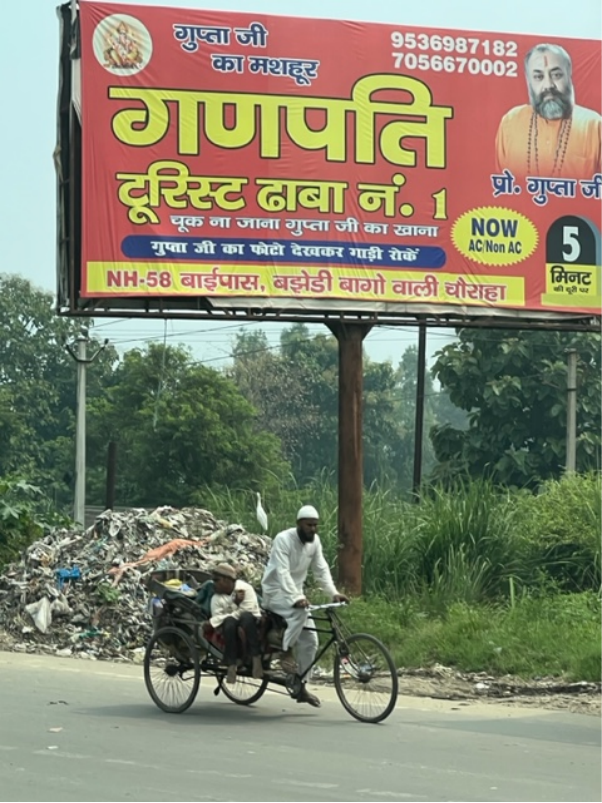
    And that’s a communication trick that many restaurant owners are following. I have seen restaurant-owners proudly declare that they eat in the restaurant and it has added to the credibility of the place. I have seen CEOs and owner of companies appearing in ads like the famous MDH owner or even Lee Iacocca of Chrysler, but here it’s just the photo of the owner being used to cue that this is the famous “fill in brand name”. Hoardings for Shiva Dhaba, Ganpati Dhaba, Jain Shikanji and even Bhagatji sweets dotted the highway.


    The other interesting thing about these desi entrepreneurs was that they had opened more than one outlet. Maybe it was franchised but I saw at least two-three of the above-mentioned brands in different locations.


    Another interesting aspect of the communication is that almost all of them showed a milestone. It was not about how far it was but about how long it will take to reach them. And mostly these hoardings would appear from 25-30 minutes away.


    Interestingly, some outlets which have by themselves become famous elsewhere have also opened on this route. Like Murthal parathas which have become famous in Haryana on the Sonepat highway are being aped by a local dhaba.


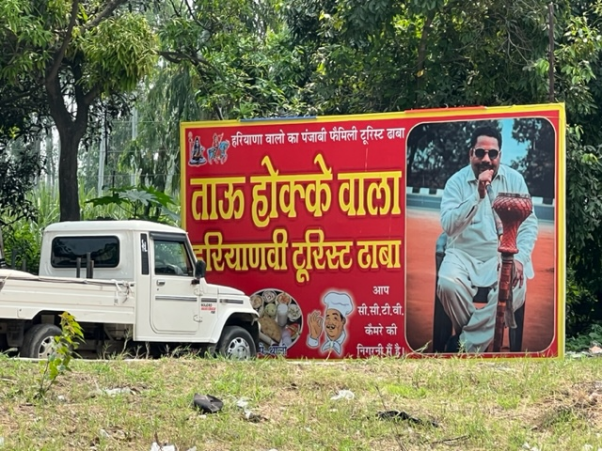
    But my favourite name and communication is in the picture below. It also shows the owner but his name and association is unique.


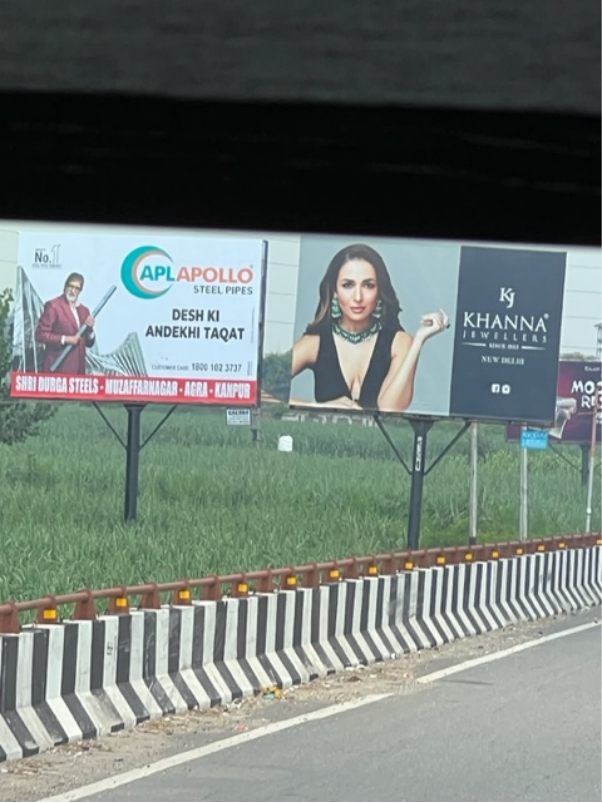
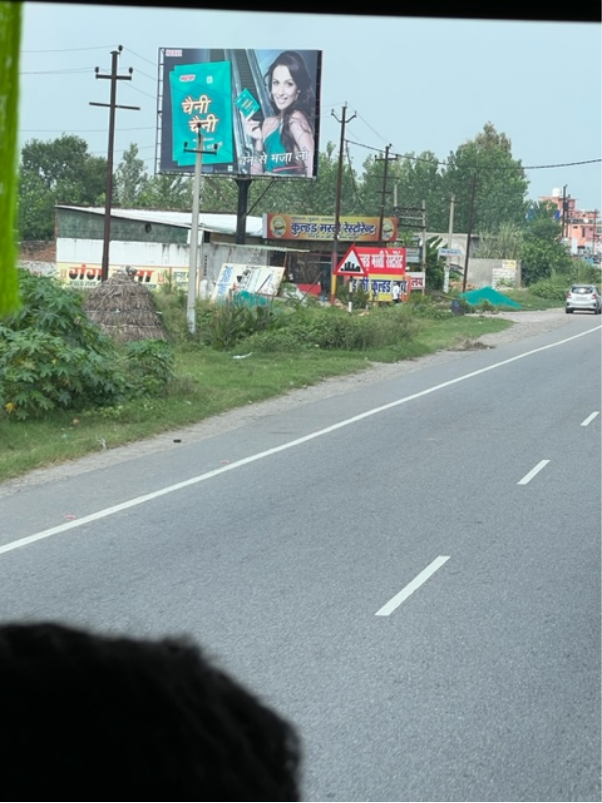
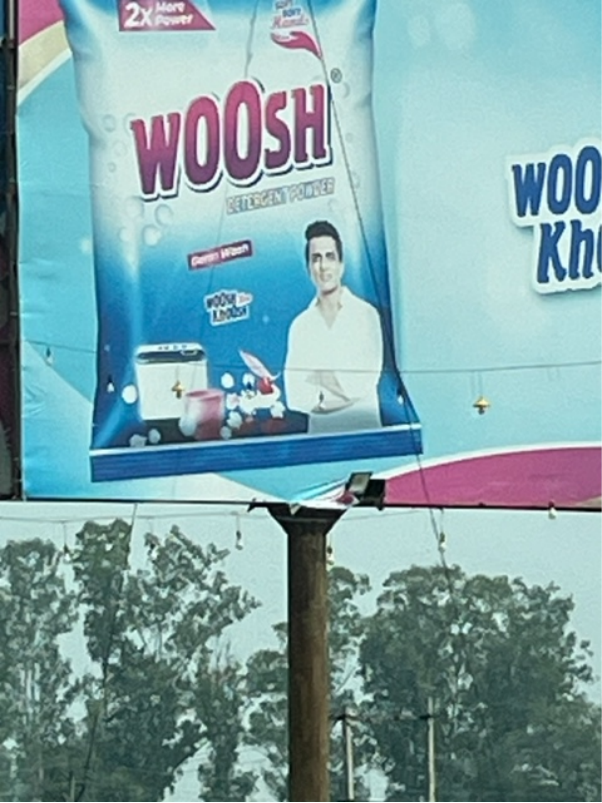
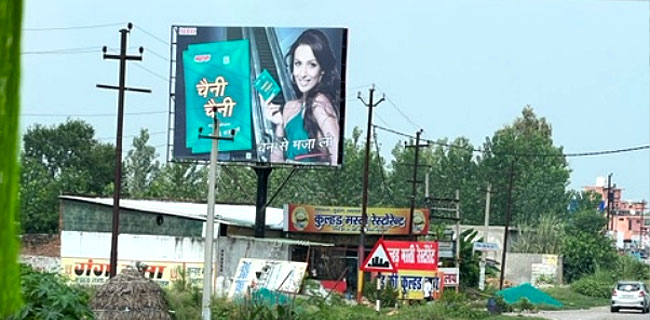
    During the trip it was quite fascinating to see the use of celebrities. I hardly saw any cricketer being used and not many top Bollywood personalities were on display too. Sure Akshay, Shah Rukh, Amitabh, featured in national brands like Apollo Pipes or Vimal Elaichi or Dollar vests. But it was celebrities like Sonu Sood in a detergent hoarding or Pankaj Tripathi promoting Lux undergarments or even Malaika Arora in Chaini Chaini Pan Masala who stole the show. Most of them were endorsing more than one brand. And not just national brand but also local brands like Swoosh detergent or Khanna Jewellers. Ajay Devgun was also very prominent as brand ambassador for many brands. I guess it was the raw earthy appeal of the male celebrities that was a major pull. Not the sophistication or urbanness of other endorsers. And of course, not to underestimate the raw appeal of Malaika Arora.


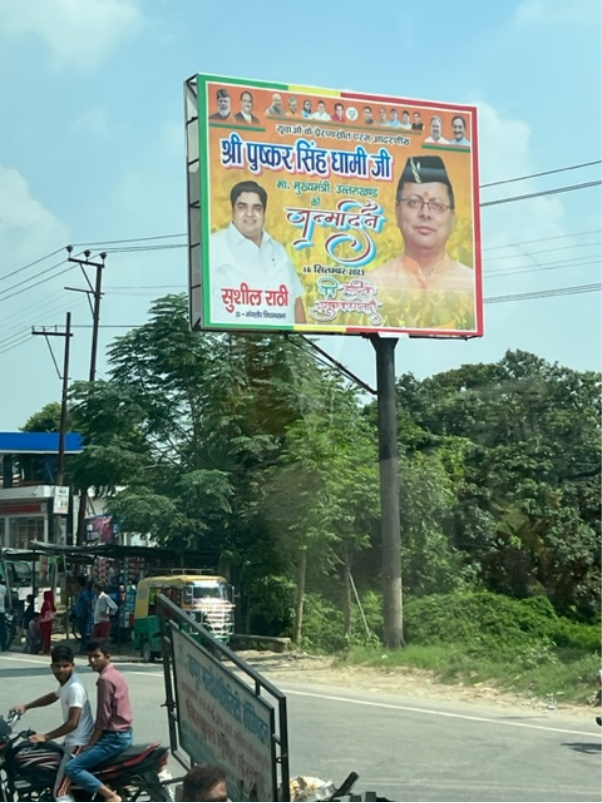
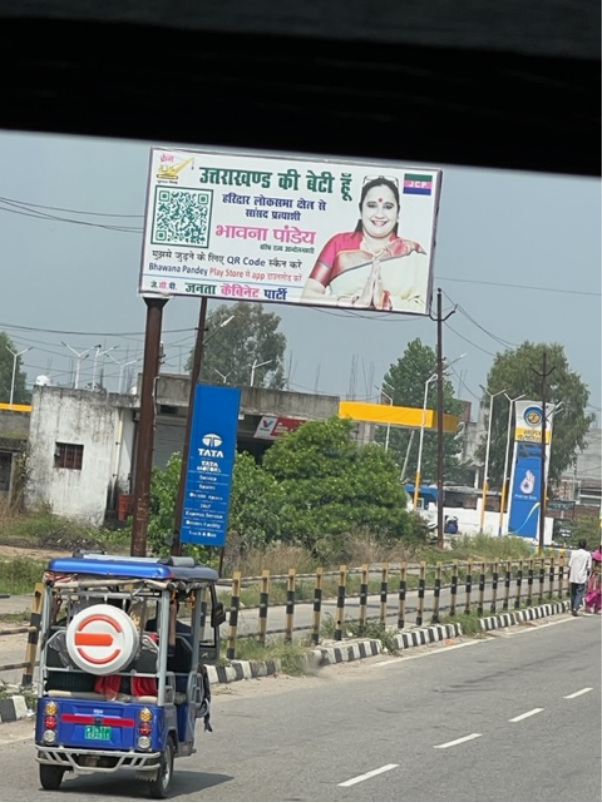
    While the celebrities enjoyed the limelight, politicians were not too far. Candidates were already lining up to highlight their candidature for the next elections. And smalltime politicians wishing the CM or the PM on birthday was not to be missed.


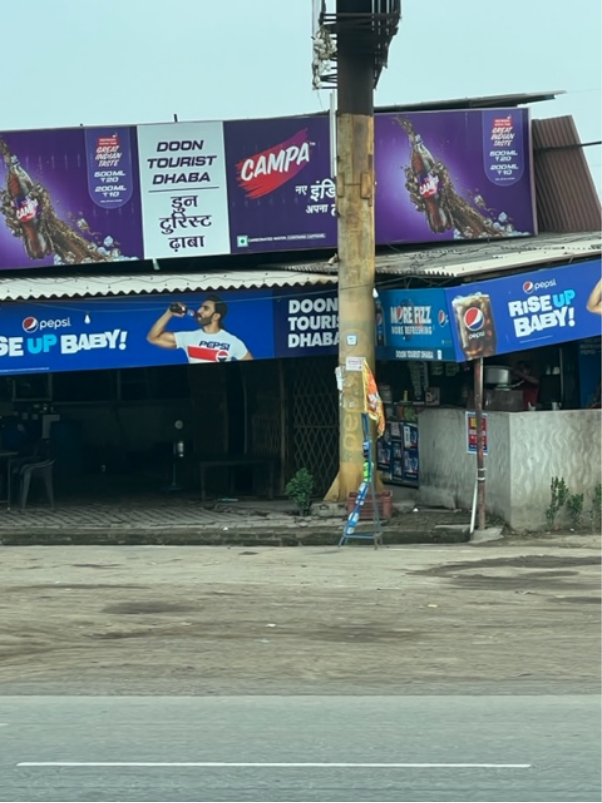
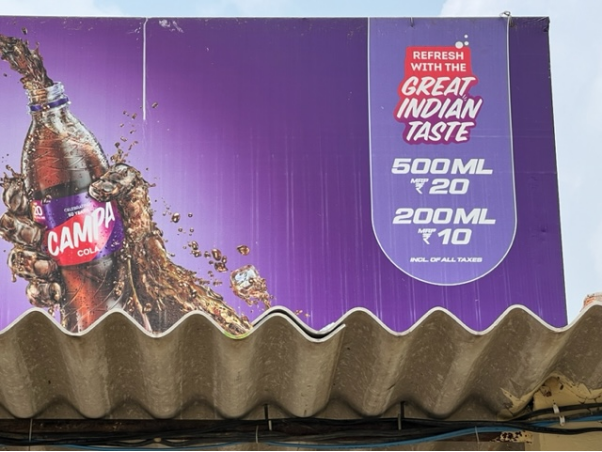
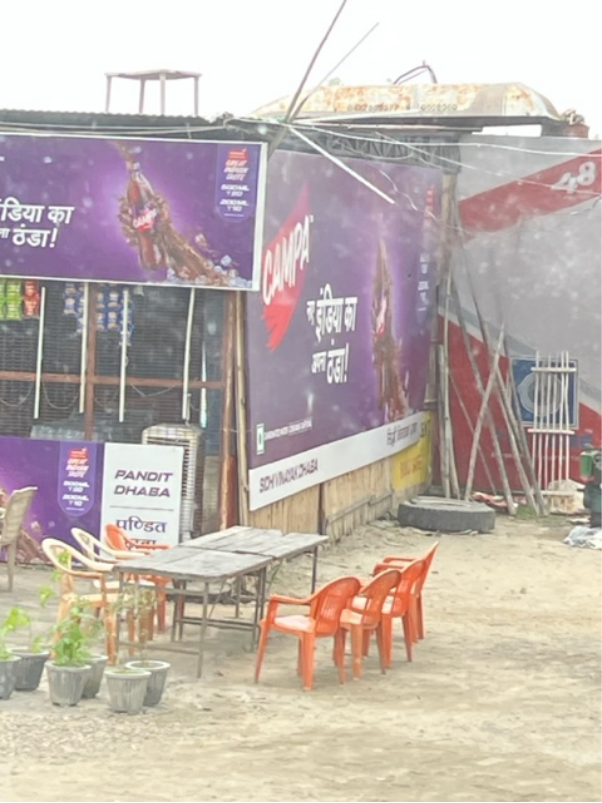
    I am sure most of you readers who are residing in metros have heard about the acquisition and the launch of Campa by Reliance Retail. But have you seen the product or its communication? The one brand that was ubiquitous in its presence throughout, be it wall paintings or restaurant signage or just plain hoardings, Campa had outsmarted both Pepsi and Coke. It had cleverly overshadowed Pepsi in some places and seemed to be the default soft drink through the route. It has an interesting line, Naye India ka apna Thanda. Clearly it is capitalising on the nationalistic mood and the Amrit Kaal fervour. And it does not fall shy of communicating its cheaper, sorry, competitive pricing too. At the five-minute stop, I asked the dhaba guy about Campa. He claims it sells very well because of its price and though it still has distribution and therefore availability issues it is giving Coke and Pepsi a run for their money. While Coke and Pepsi with big endorsements and advertising budgets seem to be going strong, it looks like Reliance Retail is building a solid foundation at the ground level.


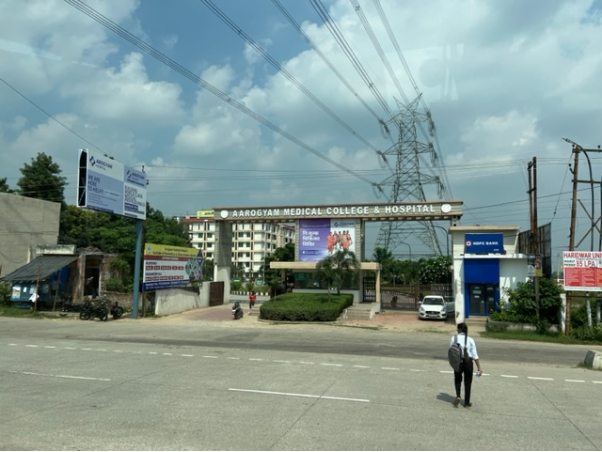
    Talking about nationalism, the impact of ayurveda was visible in outdoor communication and branding of various categories. An allopathy hospital was called Arogyam. Wall paintings associated with Gupt Rog (cue sexual illness) which have been omnipresent all along Indian highways for a long time now have an ayurvedic slant. Even some vegetarian restaurants had ayurvedic-sounding name. Near Haridwar there was a housing society calling itself Amrit Arogyam. The marketing and communication bug has not escaped Urban Bharat or even Bharat.


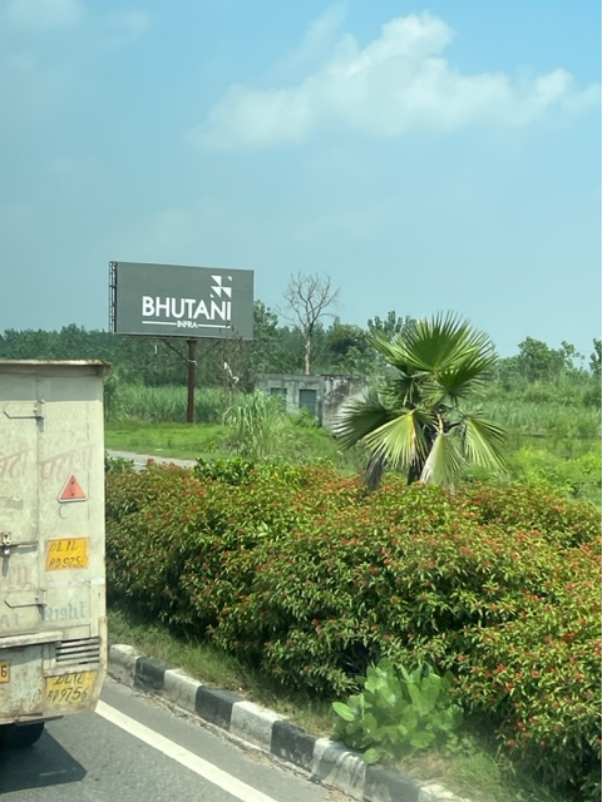
    Almost everywhere it was the local brands which stood out in their presence and communication. Be it Tehri TMT Bars or Tirupati Pipes, or even Bhutani Infra, these brands were present right throughout UP and Uttarakhand part of the route.


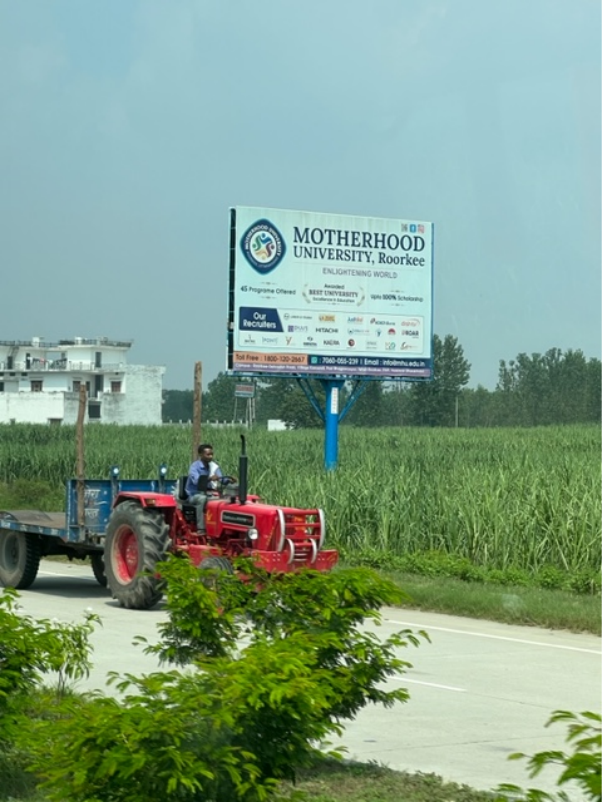
    As far as local brands are concerned, the education sector was dominant right through the route. I lost count of UG, engineering and management institutes that I saw on the way. Almost all were private deemed-to-be universities or colleges. And there was no shortage of private schools too. Motherhood University or Om Group of Institutions, here also branding was critical. It mostly had English names cueing a western approach or some had acronyms which sounded very western.


    But it was the school names that took the cake. Almost all had English names. Some even French-sounding and some outlandish. I mean a school called Good News School or called Laureate School. How many teachers or students would pronounce that correctly. In a country, where the dealer of Renault calls it Renolt and not Reno (right pronounciation), my mind boggles on what Laureate school would be called.


    As you can see, my four-and-a-half hour trip passed in a jiffy. There were some more observations like the presence of a many hoardings advertising a helicopter service to see the Himalayas, cashing in on the Char Dham route. Or wall paintings by Finolex Pipes wishing all Char Dham yatris a safe trip.

    But the one insight I got from all these observations is the importance of branding that is catching on even in Urban Bharat or Bharat. Culturally, we take our names seriously. It’s not just an art but also a science on how we name our children. The same seriousness is now going in the naming of various products and services. Who could have thought of a vegetarian restaurant called Natkhat (Naughty as in Lord Krishna ) or a school called St Kabeer. Do you call it Saint Kabeer or Sant Kabeer? Go figure.


    Vikas Mehta is a senior advertising professional and now a branding and business strategist and educator. After having worked in various geographies, he is now based in Dehradun. His views here are personal.


  • Ranjona Banerji: Draconian action on Newsclick

    By Ranjona Banerji


    Ranjona BanerjiThe latest attack by the Mighty Establishment is against the news site, Newsclick.in. The news site has long been a thorn in the side of a dispensation which tolerates no dissent.
    Early on Tuesday morning, the Delhi Police raided the homes of several journalists associated with Newsclick.in. They seized phones, laptops and other devices. The intent, ostensibly, is to investigate the allegations made in a New York Times expose in August this year that Newsclick received funding from American tycoon, Neville Roy Singham. The article accused Singham of using his money to spread “Chinese propaganda”.

    https://scroll.in/latest/1056959/delhi-police-raids-homes-of-journalists-in-probe-into-funding-of-newsclick-reports

    The Delhi Police however have booked journalists, satirists, columnists and associates of Newsclick under the UAPA, which is an act connected to terrorist activities. This is one more clear assault on any sections of the media which dare to question the Modi government, the BJP and the RSS. Or indeed, speak up for a free and fair democracy in India.

    https://thewire.in/media/delhi-police-conducts-early-morning-raids-at-houses-of-journalists-satirists

    Singham has not been booked by any US agency. But the Indian government has used an investigation by a newspaper that it normally hates to accuse journalists of being terrorists. This is a ploy which it has used time and again. And we have no state agencies left, not even the judiciary, which stops a tyrannical fascist mindset from controlling and containing our fundamental rights.

    Newsclick is presented as a “traitor” by supporters of the BJP government at the Centre. “Traitor” in what way is not exactly clear. Chinese investment in India is not banned. In fact, it is encouraged.

    This article is from July 2023:

    https://www.livemint.com/economy/open-to-chinese-investment-despite-clashes-says-rajeev-chandrasekhar-bjp-govt-narendra-modilacgalwantiktok-11690360457868.html

    China has invested in large Indian companies like the Adani Group and the Jindal Group. Various Chinese brands like Oppo and Vivo flourish. And this is direct investment from China. But there is no suggestion of treason here.

    https://www.investindia.gov.in/country/china

    But an Indian news site which gets an investment from an American businessman who supports China and operates freely in the US, is accused by India of being a traitor? The mind boggles.

    Nor has any evidence been provided that Newsclick pushes any Chinese propaganda.

    What it does consistently do is report on those parts of Indian life which the Modi-dependent media does not want to venture into: suffering, protests, job losses, failures of government schemes and so on. Or rather, that essential part of journalism which was the expected norm until the BJP won power at the Centre in 2014.

    There was amongst the general public and in sections of the Modi-defending media glee at the New York Times report about Singham and Newsclick. The same NYT however is excoriated when it criticizes India and the Modi government is anyway. Quite simply, this is how a free media operates. It works to show truth to power, to uncover any oddities and expose what it thinks is questionable.

    So too with Singham and Newsclick. The question for India however is: what sort of democracy are we? How does an investigation into the Chinese leanings of an American businessman lead to application of an Act meant for terrorists on Indian journalists?

    The answer of course is that we have long ceased being a functioning democracy. And the more the members of the public and our captive media cheer these sorts of fascist actions, the closer we get to the end of democracy of any sort.


    Ranjona Banerji is a senior journalist and commentator. She writes on MxMIndia on Tuesdays and Fridays. Her views here are personal.


  • Sunil Kataria is Chairman, Indian Society of Advertisers (ISA)

    By Our Staff


    The newly elected Executive Council of the Indian Society of Advertisers (ISA) last week and elected Sunil Kataria, Chief Executive Officer, Lifestyle Business at Raymond Ltd, as Chairman. Kataria has led the Society over the past seven years.


    On his re-election as the Chairman of the ISA, Kataria said: “In our journey towards creating greater value proposition for the ISA in the industry, the focus will be to make this unique body even stronger in the future to provide value added support to our members for the new normal and beyond. With the digital advertising having ascended to prime position in India and growing even further, our endeavour this year would be take forward our efforts in the area of digital measurement along with other industry stakeholders A big priority for us would be working with industry organisations in the coming months, on the roll out of Media Charter that would comprise Model Media Agency Contract, Zero tolerance to ad fraud, Brand Safety, Viewability, Common minimum standard for advertisers in the first party data space & Cross screen Measurement.”


    Other members of the Executive Council are:

    Narendra Ambwani, Director, Agro Tech Foods Limited

    Bharat V. Patel, Advisor to BIC Cello (India) Private Limited

    Paulomi Dhawan, Independent Director, Whistling Woods International

    Anuj Poddar, Managing Director & Chief Executive Officer, Bajaj Electricals Limited

    Angshu Mallick, Managing Director & CEO, Adani Wilmar Limited

    Subhadip Dutta Choudhury, Chairman of the Board of Directors & Chief Executive Officer, Hawkins Cookers Limited

    Srinandan Sundaram, Executive Director, Food & Refreshment, Management Committee Member for Hindustan Unilever Limited

    Ramakrishnan Ramamurthi, Advisor J. K. Enterprises

    Shashank Srivastava, Senior Executive Director (Marketing & Sales), Maruti Suzuki India Limited

    Chandru Kalro, Managing Director, TTK Prestige Limited

    Tarun G. Arora, Chief Executive Officer & Whole Time Director, Zydus Wellness Limited

    Ashwin Moorthy, Chief Marketing Officer, Godrej consumer products Ltd.

    Gaurav Tayal, SBU Chief Executive – Matches & Agarbatti Business, ITC Ltd

    Somasree Bose Awasthi, Chief Marketing Officer, Marico Ltd

    Gunjit Jain, Executive Vice President – Marketing, Colgate-Palmolive (India) Limited

    Adrian Terron, VP – Corporate Brand & Marketing Strategy, TATA Sons Pvt Ltd.

    Ranjani Krishnaswamy, General Manager Tanishq Marketing, Titan Company Ltd.


  • Berger Paints launches TVC for its waterproofing products

    By Our Staff


    Berger Paints has launched a TVC to introduce its range of waterproofing products – Dampstop. The campaign features Akshay Kumar and Gulshan Grover. With Dampstop, Berger Paints introduces a complete product range in the waterproofing segment.


    Said Abhijit Roy, Managing Director & CEO, Berger Paints India Limited: “We strongly believe that the waterproofing market has a lot of potential in India and the demand for waterproofing products are increasing sharply day by day.  Earlier painters used to shy away from performing the tedious task of waterproofing as the process was very complicated. However, with the introduction of our product range, Berger DAMPSTOP, we intend to make the entire process simpler and hassle-free. The nano-silicon technology enables the product to waterproof the wall without having to break it open. As we launch this range of innovative waterproofing products, we aim to make consumers aware of the benefits of the same through multiple avenues including TVCs and digital media to highlight the importance of waterproofing and how easy the process has become, in current times.”


  • Pidilite unveils digital campaign

    By Our Staff


    Pidilite Industries, manufacturer of adhesives and sealants, construction chemicals, and craftsmen products, has unveiled its new digital campaign (DVC) for Fevicol “Glue Drops” – a drop adhesive that promises to redefine the way you decorate and adhere things.


    Said Kashyap Gala, Senior Vice President of the Arts & Crafts Division at Pidilite Industries Ltd: “At Pidilite, we are always looking ahead, and Fevicol Glue Drops is a testament to our forward-thinking approach. This groundbreaking adhesive product is poised to redefine the category. While the campaign begins with decoration space as one of its uses, the versatility of this adhesive caters to countless temporary sticking needs. The campaign will go live across multiple digital touchpoints and will be complemented by a strong influencer component as we showcase the many use cases of this truly disruptive innovation.”


    Commenting on the campaign, Piyush Pandey, Chairman of Global Creative & Executive Chairman, Ogilvy, India, added: “Fevicol, the mother of all adhesives, keeps looking for need gaps to fulfill them with innovative products. This time, it’s Fevicol Glue Drops that do the job better than ordinary tape without leaving any marks. The ad captures the use of Fevicol Glue Drops in a day-to-day situation in a fun way, providing an easy demonstration with interest value for the family.”


  • India Today Conclave Mumbai is back

    By Our Staff


    The India Today Conclave Mumbai is back. It will be held on October 4 and 5.


    Designed on the lines of the flagship India Today Conclave held nationally, the conclave in Mumbai will act, notes a communique, as a catalyst for cutting edge ideas, futuristic visualizations, elaborate policy making debates.


    Said Kalli Purie, Managing Director, India Today Group: “The India Today Conclave has always brought unprecedented access to the world’s best professionals, philosophers, entertainment critics, artists, lawmakers and brightest minds from the industry debating topics that capture the nation’s attention. The Mumbai edition, as always, is sure to bring about stimulating conversations that will resonate long after the event.”


  • Kareena to promote MyTrident furnishing brand

    By Our Staff


    MyTrident, the flagship home furnishing brand of Trident Group, has released a festive campaign with its brand ambassador Kareena Kapoor Khan. The festive campaign revolves around the theme of “My Love for Home,” and includes a range of new festive collection.


    Said Neha Gupta, Chairman, MyTrident: ‘The idea behind the campaign was to push our creative boundaries and bring out choice and value. With Kareena Kapoor Khan on board we aim to inspire seamless fusion of luxury with high performance.’


  • NDTV and Dettol unveil 10th season of public health campaign

    By Our Staff


    NDTV, in partnership with Dettol, is back with the 10th season of ‘Banega Swasth India’, public health campaign. This milestone period marks a decade of unwavering commitment to promote health, wellness, and unity across India.


    In its 10th year, the campaign focuses on One World Hygiene for Global Health and Well-being with the power of 10– Dus Ka Dum, and highlights the strengths, learnings, experiences and achievements of the Banega Swasth India campaign. The primary aim of One World Hygiene is a reminder to show empathy and solidarity with those who may not have access to essential hygiene resources. It’s a call to action to bridge the gap between the privileged and the underserved, ensuring everyone can lead a healthy life. The 10th season will also look forward to Dus Kadam – the emerging challenges that the campaign aims to address.


    Said Sanjay Pugalia, CEO & Editor in Chief, AMG Media Network, Director, NDTV Limited: “With this triumphant season 10 of Dettol Banega Swasth India we like to express our gratitude and educate the people that One World Hygiene is not just a concept; it’s a commitment to a healthier, safer, and more compassionate world. Let’s come together, transcending boundaries, and make it a reality. Our future depends on it.”


    Added Kris Licht, Chief Executive Officer, Reckitt: “We are enormously proud of Banega Swasth India and we are grateful to our partners for joining us in our pursuit of a cleaner, healthier world. As we celebrate this important milestone recognising our 10 years of partnership, we must continue to innovate and find new ways to elevate Banega Swasth India, including ensuring we leave no one behind.”


  • Parle Agro launches outdoor media blitz for Frooti

    By Our Staff


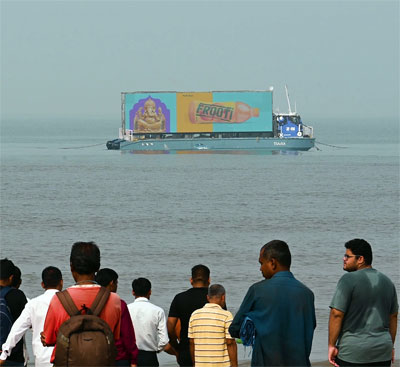
    Parle Agro has launched an outdoor media blitz for Frooti mango drink for the festive months. Parle Agro created content for Digital Out-of-Home (DOOH) to break through the clutter and aptly timed it to coincide with the ongoing festive fervour.

     

    Speaking about their OOH campaign, Nadia Chauhan, Joint Managing Director & CMO, Parle Agro said: “This year, our creative approach revolutionizes storytelling. We’re transforming outdoor advertising into a narrative art form that captivates and immerses our audiences. We’re pushing the boundaries for Frooti during the festive season by doing things that have never been done before. With this disruptive Out-of-Home campaign we aim to capture the spirit of celebration and share it with the people of India.”


    Speaking about the campaign, Dipankar Sanyal, CEO – Platinum and MRP added:  “Parle Agro outdoor campaigns take over the streets of India. The campaigns embody what Parle Agro eschews as a brand –innovative, forward looking, stylish, aggressive, experimental yet connected with every stratum of the consumer base. We manage to bring vigor and newness to each campaign with an ideal choice of media, locations, touchpoints. All this is married to data and Madison proprietary tools to reach consumers and deliver effectiveness. Being associated with Parle Agro and part of the journey is a matter of pride and honour for Platinum Communication.”


  • Marico CEO Saugata Gupta is new ASCI Chairman

    By Our Staff


    Saugata Gupta
    Saugata Gupta

    Saugata Gupta, Managing Director and Chief Executive Officer of Marico Limited, will be the new Chairman of the ASCI Board of Governors. This was announced following the board meeting that followed the 37th annual general meeting last week. Gupta’s association with ASCI spans several years; two years on the Board of Governors and four years as a special invitee on the Board of Governors.


    Partha Sinha, President, Response, Bennett Coleman & Company Limited, was elected Vice Chairman, and Sudhanshu Vats, Deputy Managing Director, Pidilite Industries Ltd., was appointed Honorary Treasurer.


    In his role as ASCI’s new Chairman, Gupta said: “Leading ASCI at this juncture is a privilege. We are in the midst of an extraordinary opportunity to reimagine what responsible advertising means and how consumers need protection in the digital age. ASCI is at the very forefront of this effort as it collaboratively shapes the industry. With the advent of the ASCI Academy, we are active architects shaping a more responsible future. Our mission is to instil the principles of self-regulation into the very heart of the creative process. I eagerly look to take further the ambition we have drawn for ourselves. With the support of my board colleagues and ASCI’s exceptional team, we are all set to raise the standards of responsible advertising.”


    Recalling his tenure at ASCI, the outgoing Chairman, NS Rajan said, “Leading ASCI over the past year has been an immensely fulfilling journey. I am proud that, as a collective team, we have strengthened our abilities to be ready for the future. The launch of the ASCI Academy is a significant event that I am sure will yield positive results.


  • WPP & Shopify join hands

    By Our Staff


    WPP has partnered with Shopify to bring the full value of the platform to enterprise clients. This partnership brings the companies together to jointly develop products with shared insights.


    As part of the partnership, Shopify will collaborate with WPP on product development in order to build targeted solutions across sectors including consumer packaged goods, health and wellness, and fashion.


    Said Mark Read, CEO of WPP: “The commerce sector has seen an incredible explosion in growth over the last few years, which is why Shopify is a natural fit for our clients given their enterprise credibility and speed at which they innovate. As WPP continues to scale and strengthen our commerce offerings and expertise, I’m confident that this partnership will lead to more growth opportunities for the brands we work with.”


    Added Harley Finkelstein, President of Shopify: “For two decades, we have been perfecting Shopify to enable leading enterprise brands to reach their consumers directly and accelerate their business globally. We’re excited to unlock even more opportunities for global commerce innovation and help more brands future-proof their businesses by partnering with WPP and their world-class clients.”