Author: mxmadmin

  • Ogilvy promotes BSA LB cycles with campaign

    By Our Staff


    BSA LB cycles is set to launch their latest range of girls’ cycles during the ongoing festive season. The campaign is created by Ogilvy India (South).


    Speaking about the campaign, Vimal Varijakshan, Senior Brand Manager, BSA, said: “As a brand our mission has always been to enable young girls to be the most fearless version of themselves. With our new range of vibrant contemporary cycles, we wanted to bring a new offering into the market that was as dynamic and energetic as the girls who ride them. With the launch of this campaign, we hope to empower the young girls of today and tomorrow and open a world of possibilities and this campaign is our ode to their drive and courage.”


    Throwing light on the creative journey, George Kovoor, Group Creative Director and Digital Lead, Ogilvy South, added: “Today, young girls are defining their own journeys – they choose their path on their own and pursue them without fear. This film gives a voice to those girls and their ambitions. I hope that this film inspires more and more girls to pursue their passions, to head out, explore and discover their own roads.”


  • MX Player announces interactive platform

    By Our Staff


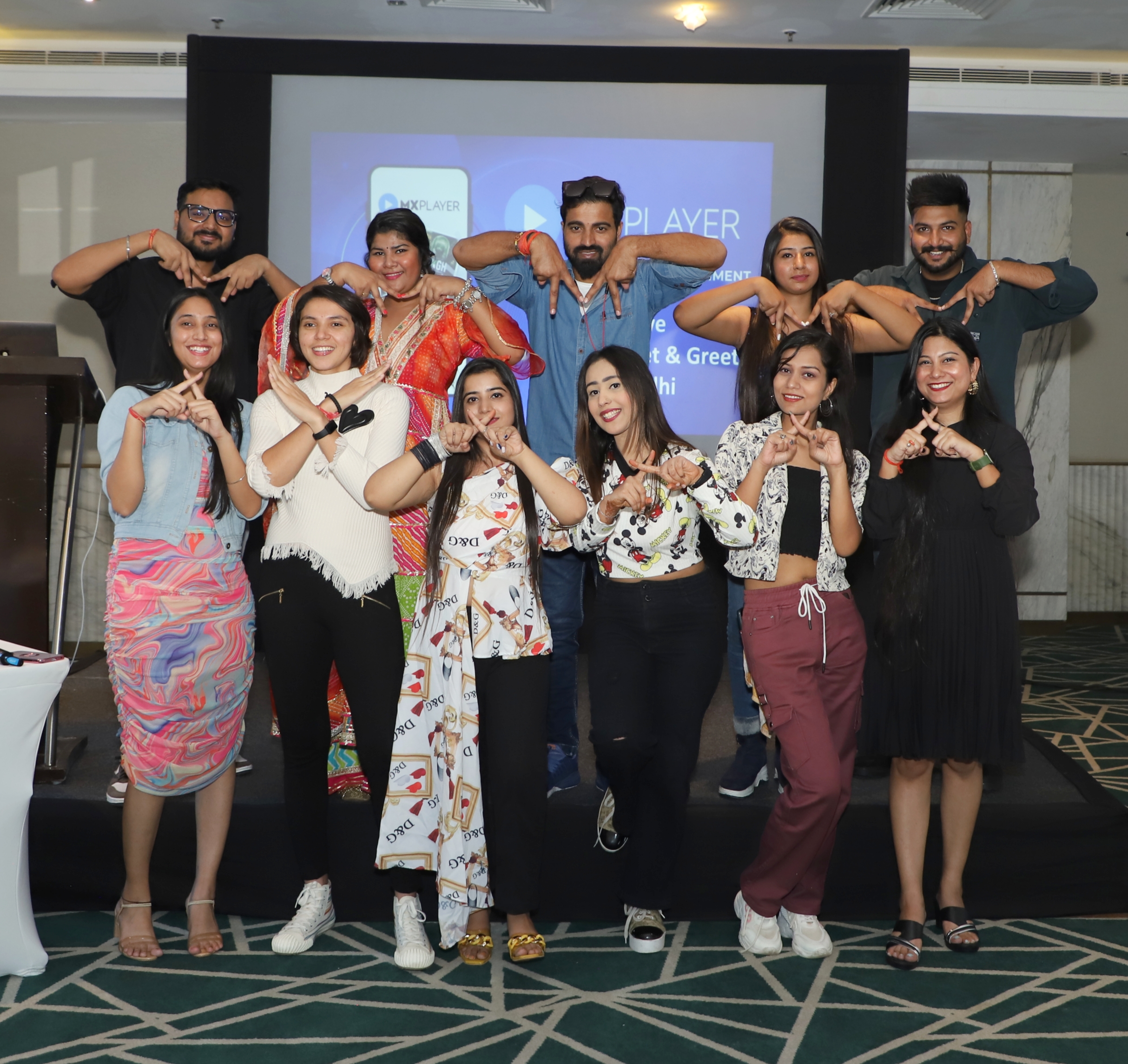
    MX Media & Entertainment announces the launch of MX Live, an interactive streaming platform on Android for content creators.
     

    Speaking on hosting its first in-person event, Nikhil Gandhi – COO, MX Media said: “MX Live was launched with an aim to harness the power of live entertainment as well as to empower the rapidly growing creator community and provide them with a platform to showcase their skills. Since our launch in the last couple of months, we have witnessed tremendous adoption from our creator community as well as from our user base. With our first in-person initiative, we are hopeful of creating a platform that will mutually benefit our stakeholders while also strengthening our overall proposition in becoming the one-stop shop for all things entertainment.”


  • TOI launches video with Brut India

    By Our Staff


    The Times of India has launched a video with Sivakumar Sundaram, Chairman Executive Committee of BCCL in collaboration with Brut India, a digital video publisher,  that takes the viewer through a tour of TOI’s Mumbai office, its newsrooms, and the editorial meetings and then gives a glance into the printing press of the Times Group.


    Informs a communique: “The video continues with Sivakumar surprising and delighting readers by getting onto a bicycle and distributing TOI to their houses. He then sits down to discuss some of the challenges and future of TOI and how TOI is trying to address the need of its readers in this era of fake news. He talks about the credibility and authenticity of the news as well as the power of the printed word in the age of fake news. He also emphasised how TOI delivers curated news that can be consumed in 30 minutes every morning rather than scrolling through a deluge of digital news and information that may or may not be accurate.”


    Said Sivakumar Sundaram, Chairman Executive Committee, BCCL: “It is understanding the whole magic in this– the back story of how so many people at clockwork precision come together every single day to make your morning paper come alive and prepare you for the day ahead. Because print is the final word on the most authentic and credible news.”


  • Colors unveils brand film for Diwali

    By Our Staff


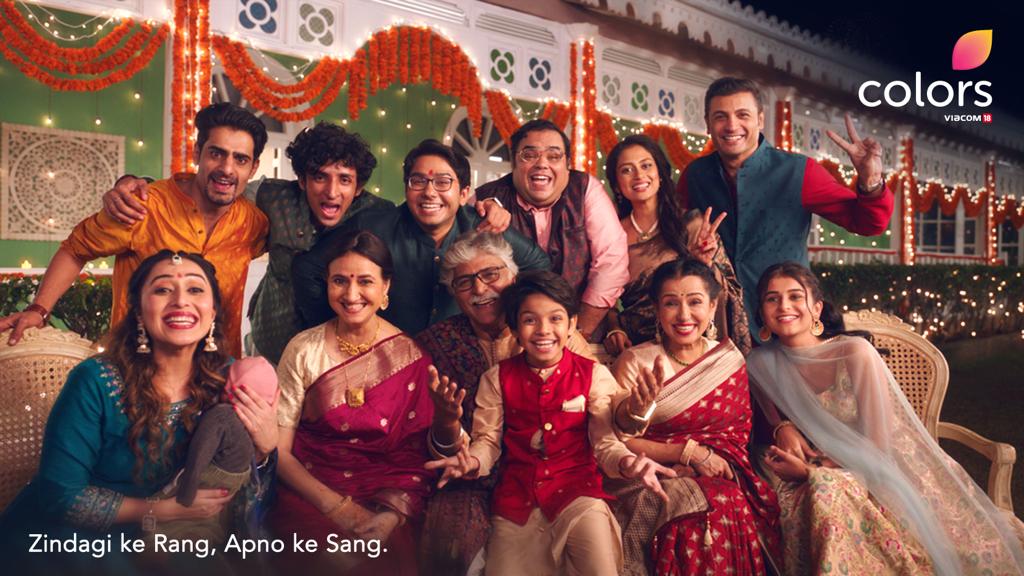
    Leading GEC Colors has released a brand film that underlines the message of togetherness – ‘Zindagi Ke Rang, Apno Ke Sang!’

     

    Conceptualised by Leo Burnett, the brand film captures members of a joint family bringing in the celebrations in separate houses and sharing them on a group chat window.


    Said Sapangeet Rajwant, Head, Marketing and Digital, Hindi Mass Entertainment, Viacom18: “We, at Colors, believe in bringing families together and in all our endeavours we strongly support our country’s cultural ethos. We’re a nation that loves to celebrate the smallest joys and the biggest festivals together with our near and dear ones. Carrying this tradition forward, our latest brand film urges viewers to break the norm of celebrating festivals over the phone. It drops a heartfelt reminder to everyone to enjoy this Diwali by getting together with family and friends.”


  • Brands like Dhara & Sabhyata show how to do it the right way


    By Sanjeev Kotnala


    Sanjeev KotnalaFestive times are the times to celebrate. Time to understand and appreciate the positivity of rituals and practices. Time for inclusive togetherness and not the time to point figures.
    There are enough issues, problems, and opportunities relevant to the brand category and promises that can be exploited. There is no need for brands to look at religious rituals and practices to question. This year we have seen fewer brands opting to question religious rituals and practices. It seems brands have understood that it does not make strategic sense to risk business for some fancy agenda of change.

    Some brands understand the subtle need and nuances to strengthen their positive connect with their audiences. They have a purpose, maybe even a real purpose. They remain sensitive to their ecosystem and do it the right way. Here are some examples.


    CADBURY

    Cadbury has used festival time and Diwali, in particular, to add freshness and smiles to people. The efforts are enormous, and the impact is measurable. They address real problems and provide real-time solutions within festival mood and ethos. There is a genuineness in creating inclusiveness in business and a consistency in approach through the years. The purpose here seems genuine. This year’s effort- Jinki Dukan Nahin Hoti– for people with no fixed place to set the shop is brilliant.


    DHARA.

    Dhara’s new ad in the series Khane Pe Kehna’ celebrates the festival. Dhara does not ask the audience to change; it asks them to return to the original ritual and practice of sharing and distributing handcrafted, homemade sweets. The family gets together and shares responsibility. In the process, the tradition and the art of making sweets get transferred through the generation.

    Maybe the older generation will remember it more. The current generation is happy sharing and delivering e-commerce goodies. The line ‘Tyohaar Ke Rivaj mai Zara Sa Badlav lana Hai. Apno Ko Ane Haath Se Khilana Hai’ is apt and well-presented in the ad. In fact, the way the daughter places the suggestion is full of grace and respect.


    SABHYATA DIWALI 

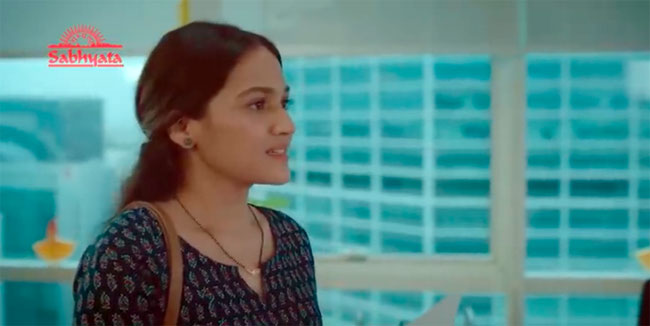
    Sabhyata’s Diwali ad is a simple story. It demonstrates an understanding of the new-age women’s aspirations and issues. And there is a different hiring ritual – that’s it. The leisurely build-up aligns with how it wants to steal your attention. Sabhyata, the ethnic wear brand, as something to wear to the interview connects. Though there are a few questions, is the message to hide the pregnancy the right message? Is that empowering, or is that re-instating the fear?

    I believe sometimes we should stop being too critical and stop debating every frame from a logical point of view. The communication must be seen in its totality. The only issue is that the advertisement may only work with people aware of the brand. The product does not really stand out and speaks to the potential future consumers- which it could have done to expand its base.

    Sabhyata has challenged the expected stereotype and practices in past. Here is another ad from the brand where mother-in-law and daughter-in-law team together to trap the husband into making tea.


    DABUR RED TOOTHPASTE

    Indian dental care market has seen everything. The concept of ingredients that help dental care has come a complete circle. People understand the Indian brand’s formulation and benefit outweighed the MNC-created products. The MNCs, which once denied and rejected Indian understanding of dental products, now outshout each other in telling the consumer they have it all, from Salt to charcoal.

    Dabur Lal Dant Manjan is one such product. The contemporised format Dabur Red Toothpaste promises the same results and uses modern-day science’s power to extract the best of Ayurveda.


    So, you have Amitabh Bachchan presenting the logical part of communication. And there is a song and dance version made on the 80th birthday. It uses the famed AB song- Ek Rahe Bir … They bring in three ‘gora’ and their dental issues while AB continues enjoying the fruits of strong teeth. It works. The song, ‘Eer Bir Phatte’ remade for Dabur Red Paste, nicely presents the story and the product benefit- maintaining problem-free healthy oral care.


    HP WORLD STORE.

    HP World Stores’ #ThodiSiJagahBanaLo (make a little space) calls for supporting the local Indian artisans to showcase their art and scale it up. It is a simple story but powerfully presented. The brand has taken the thought to the street with HP WORLD STORE across some cities bringing alive the idea in real life.


    REAL ‘ME’ DIWALI

    Primed with tradition and the meaning of the festival is the Real ‘ME’ Diwali advertisement. An overload of emotions and a story that may resonate with the new generation is a meaningful brand expression.


    And then there is BharatMatrimony  I discussed in the last blog, and Tasva– the Naya Nazariya– which was nothing new.


    NET NET

    The above are rich examples of change. They do not question religious practices but operate within the gamut of collective togetherness and the spirit of festivities celebrating the possibilities. The brands are sensitive to the business ecosystem, and the communication is powerful and relevant to the category.

    There are enough issues, problems, and opportunities relevant to the brand category and promises to be exploited impactfully. There is no need for brands to look at religious rituals and practices to question, and maybe the brands will understand it.


  • Das ka Dum with Dr Bhaskar Das | So should we doing a ‘tunak tunak’ dance now that British Indian Rishi Sunak has occupied the hot seat at No 10?

    Bhaskar DasThe newspaper headlines echo the sentiment. Everyone’s happy that a Brit of Indian origin, and a practising Hindu, is now Prime Minister of the United Kingdom. So we asked Dr Bhaskar Das a question on this for the October 26 edition of Das ka Dum. Read on…


    If you wish to access the archives, please go to the Das Ka Dum tab on the website’s top navigation bar.


    Q. So should we doing a ‘tunak tunak’ dance now that a British Indian Rishi Sunak has occupied the hot seat at No 10?


    A. I think we need to get out of brandishing clannish affinity and be a professional to deliver an outcome that is important not just for UK but for the world. For too long, we have spent time on local issues without realising that we are all connected in some way or the other and whether it’s climate, energy crisis, supply chain challenges, food crisis, populism, rising inflation and growth challenges et al, all of these are affecting the fabric of global society, specially the underprivileged ones. Time is ticking and some short-term (if not medium-term) tough measures have to be taken rather than adopting a populist stance. Fiscal and monetary policies have to be balanced to have a pragmatic approach for solving issues facing humanity and leadership, across the world, need to think and act with compassion. Easier said than done, as in a multipolar world, unipolar aggrandisement is aspired for. Hence an asymmetrical approach is inevitable.


    So Tunak Tunak is ok for optics but not now, as humanity is on the throes of a series of unprecedented challenges—economic, social, cultural, environmental and ethical..


  • AMFI campaign with Sachin & Dhoni

    By Our  Staff


    The Association of Mutual Funds in India (AMFI) launched the next leg of its mutual fund investor education campaign featuring cricketers Sachin Tendulkar and MS Dhoni.


    Said AMFI Chairman Mr. A. Balasubramanian: “India is a country of savers. However, not many invest in capital markets. We want people to realise that investing at least some portion of their savings in mutual funds, will help them achieve their long-term financial goals. By investing in capital markets through the mutual funds route, investors will be able to capitalise on India’s growth story.”


    Added NS Venkatesh, Chief Executive, AMFI: “If you want to achieve long term financial goals like your child’s future or your own retirement, Mutual Funds ke maidaan mein utarna padega” is what the two cricketing legends convey to the fence-sitters. SIP in mutual funds is the ideal route for retail investors to participate in the India growth story and create wealth over the long term”


    https://www.facebook.com/MSDhoni/videos/5990539517646740/?extid=CL-UNK-UNK-UNK-AN_GK0T-GK1C


  • Equitas videos series on Small Biz Women Entrepreneurs

    By Our Staff


    This Diwali, Equitas Small Finance Bank has unveiled a video tribute to women narrating their tale of hard work, grit and courage.


    Notes a communique: “This edition of “Circle of Life” Series features transformative stories of women who have brought about a positive change within themselves and empowers the budding entrepreneurs to believe in themselves. Equitas SFB is enabling and empowering women-led businesses through their offerings and aims to improve their lives in an economically beneficial manner. The bank has played a pivotal role in transforming the lives of many in this community by supporting them through their many microfinance offerings.”


  • V-Guard electronics launches digital film

    By Our Staff


    V-Guard Industries, the consumer electronics company, has released a digital film for Diwali. The film, conceptualised by Ralph&Das, illustrates how the hearts of the loved ones could be lit up during celebrations.


    Commenting on the ad film, Nandagopal Nair, Brand and Communication Head, V-Guard Industries said: “The festival of lights is a time when the family looks forward to coming together, bonding together and revelling in the festivities. This film celebrates the selfless, unconditional love that we have for our near and dear ones.”


    Added Anil Ralph Thomas, Chief Creative Officer, Ralph&Das: “If the isolation during the pandemic has reminded us of anything, it is the virtue of affirmation. That it is truly the ones we love and those who love us unselfishly are the ones we need to hold dear and near. This is what this film attempts to showcase”


  • Sony rebrands channel portfolio

    By Our Staff


    Sony Pictures Networks India (SPNI) has rebranded all its network channels to be more aligned with Sony’s global ethos.


    According to N P Singh, MD & CEO, SPNI: “The power of the Sony brand and its values have driven our work ethics so far, and today, it reflects in our channel-brand architecture as well. The work that we started three years ago has now reached fruition. We are creating a powerful unified entertainment conglomerate with a broader appeal by refocusing our existing channel portfolio in its latest look and feel.”


  • Das ka Dum with Dr Bhaskar Das | If you were a marketer, would you look at signing on Virat Kohli given his decidedly best possible performance the other day at the India-Pak match?

    Bhaskar DasIt was an innings that you witness only once in a blue moon. And it was played against arch rival Pakistan. We asked Dr Bhaskar Das a question on what the performance would mean for Virat Kohli’s brand endorsement quotient for the October 27 edition of Das ka Dum. Read on…


    If you wish to access the archives, please go to the Das Ka Dum tab on the website’s top navigation bar.


    Q. If you were a marketer, would you look at signing on Virat Kohli given his decidedly best possible performance the other day at the India-Pak match?


    A. We need to first step back a little and pause to think if Virat Kohli played a scintillating innings for more brands to sign him for endorsement. I doubt. He is anyway endorsing 28-30 brands already. It’s not about another landmark innings. It’s about Virat who appeared as a normal human being and not just a run machine or brand endorser. His post-match interview showed his humane side and it’s not easy to admit one’s frailties in public and how he came out of it. That’s the biggest outcome, to my mind, of the Indo-Pakistan match. Virat has a few more years to contribute to the craftsmanship/ artistry of the game. Let him enjoy that and then only Indian cricket would be enriched and he would become an epitome of how legends leave their trail to make future cricketers inspired.


  • Operand and Operant Resources and the Emergence of Service-Dominant Logic (SDL) Marketing


    By Ashoke Agarrwal


    Ashoke AgarrwalTraditionally, marketing as a discipline inherited a model of exchange from economics – the exchange of goods that is an exchange of tangible resources, embedded values and transactions. The core value marketing brought to the business table facilitated this transfer, as encapsulated in Philip Kotler’s 4P model.


    Businesses and marketers thought of service as an adjunct to physical goods as a residual that enhanced the value of the goods.


    As economies and societies developed, services like health care, education and public transport became competitive categories. And marketers needed to evolve marketing and sales strategies for products that were pure services, with tangible goods playing a secondary role.


    There are crucial differences in the exchange between selling physical goods and offering “pure” services. First, the sale of physical goods was a one-time make-and-sell operation. On the other hand, providing a service like health care and education requires a sense-and-respond process overlayed on a make-and-sell one.


    In the last few decades of the 20th century, marketing considered services like health care and education as a niche within the overall 4P model.


    However, as the computer, internet and mobile age matured and services of various kinds bloomed, marketing evolved a new approach.


    This approach went to the core of societies’ economic life regarding economic resources.


    Operand resources as resources on which an operation or act is performed to produce an effect. Operant resources are employed to act on operand resources (or other operant resources). For example, societies’ operand resources are land, animal, plant, mineral, and other natural resources.


    In the last decade of the 20th century and the first decade of the 21st century, marketing’s dominant logic shifted from exchanging goods to what is now known as Service-Dominant Logic (SDL). SDL applies to the marketing of all products, including goods and services.


    This shift is primarily in the outlook towards operand and operant resources:

    :: While traditionally, the primary unit of exchange is operand resources, in the SDL world, the exchange is to acquire the benefit of specialised competencies (knowledge and skills) or services, that is, operant resources.

    :: Even when the exchange involves operand resources, the marketing focus in the SLD paradigm is treating these operand resources as transmitters of operant resources (embedded technologies)

    :: In the SDL world, marketers view customers as operant resources as users in the value-creation process. In the SDL world, customers aren’t just value consumers but also value-creators. SDL marketing is a process of doing things with the customer.

    :: In traditional marketing, world value is determined by the producer. In the SDL world, value is determined and perceived by the consumer in terms of “value-in-use.” Firms can only make value propositions.

    :: Traditional marketing acts upon the customer as an operand resource. In SDL marketing, the customer is an operant resource in actively participating in relational exchange and co-production.

    :: Traditionally wealth is obtained from surplus tangible resources and goods. Wealth consists of owning, controlling, and producing operand resources. In SDL, wealth is acquired through applying and exchanging specialized knowledge and skills. It represents the right to the future use of operant resources.


    A realisation of the SDL world, even in traditional categories consisting chiefly of physical goods, is through the Brand-As-A-Service (BaaS) model. I wrote about this in my MxM India column dated March 17, 2022, titled “Like Saas, Is Baas the Future”.


    The SDL world also calls for a re-orientation of consumer research and CRM. Traditionally much attention in consumer research is paid to segmentation and further market penetration. In essence, an approach that treats the consumer as an operand resource that is acted upon by marketing. Instead, SDL calls for a research orientation that synergizes with CRM to facilitate the customer to be a co-creator.


    The coming of 5G and IoT will lead to a further explosion of Big Data. However, the traditional marketing paradigm would further distance the customer as an operand resource that is mined and exploited. In an SDL world, however, IoT-sourced Big Data combined with always-on digital communication can bring the customer closer as a co-creator of value.


    The other great advantage of the SDL perspective is that it is a world of abundant operant resources instead of the traditional Malthusian world of limited and depleting operand resources.


    For a detailed overview of the SDL approach, I suggest you read the white paper “Evolving to a New Dominant Logic for Marketing” by Stephen L. Cargo and Robert F. Lusch in the Journal of Marketing, Vol 58 (Jan 2004) 1-17.