Author: mxmadmin

  • Peter Mukerjea: Murdochgate update

    By Peter Mukerjea


    As I write this, it’s Sunday 1st April. It’s April Fool’s day and I thought it was an appropriate day to remind myself that one should not take life in media too seriously at all even though each one of us secretly believes that we matter. If that is so, you live in a fool’s paradise as that’s simply not true. It’s almost a case of ‘Mirror Mirror on the wall – who’s the…. of them all? ‘And that doesn’t just apply to Snow White.


    Do you believe that James looks himself in the mirror when he wakes up and asks himself that question?


    I doubt that somehow. For if he did he would know that he is now toast. Certainly toast when it comes to running his dad’s empire, towards which he was sailing comfortably just over a year ago.


    It’s been a while now, almost a year actually, since I suggested that James should step down. I guess he hasn’t yet done so from all his positions but almost 50 percent of them. But it’s not over yet. And it took him longer than I thought it would, but he did. At least from numerous boards in the UK that enjoyed his presence and executive prowess. The decision with regard to the ‘fit and proper’ test is yet to be taken by the regulator in the UK and in due course we’ll find out what their verdict is. The news which broke last week about the hacking of pay-TV codes will not bode well in their decision-making process even though James probably had nothing to do with it even though he was on the board of the company that claims that the allegations are ‘baseless accusations’. Oddly enough, the very same words used by the company last year when the phone hacking story broke. Since then much water has flowed under the bridge (of sighs) and as we now know, those accusations were never really baseless.


    From what I hear, shareholders in the company are gathering ammunition and momentum to get James off the other boards too but Rupert seems to be paying them huge dividends to keep them from pushing him to pull the plug on James. How long will that continue? Another six months or a year perhaps? But James cannot be in the consideration set for the top job at the corporation. And I think that’s the right decision anyway. He’s simply not there yet. And Chase – he is by far a more charismatic, knowledgeable and seasoned executive and what he knows on the tip of his little finger is more than the man in the sharp suit with a strange accent and super polite manners that make you feel a touch weird. So why is he still there? Perhaps, because, where else will he go?


    In India, where the presence of the Murdochs used to be regarded with the aplomb normally granted to that of a state visit, they now keep their head down and have their executives come to them rather than the ‘let’s visit the troops’ approach because reputations have eroded and some of the earlier public interest litigations may rear their heads once again.


    The fact that there’s trouble in the UK across several fronts is now a well logged fact and getting James to the US may do some damage control but can’t stop the avalanche completely. There’s potential trouble in the US, with the possibility of there being an investigation into the companies’ overseas corrupt practices. There’s a possibility of an investigation in Australia. In China there was trouble a few years ago and the company contracted quite heavily when the companies’ offices were raided and executives were shipped out. So far they’ve been safe in India. So, an earlier suggestion of mine in this column that James should consider setting up base in India now must make more sense to him although his presence in India would be regarded as a predatory move, of course, which will raise the shackles of all competitors. But that’s not a bad thing for the corporation and indeed for the man himself to use this an opportunity to reinvent himself.


    What finally happens will be known to all of us as time goes by but the there is a lighter side to all this. There’s the case of the horse that Cameron borrowed from Rebekkah (seeing as they have a home next to each other in the British countryside) and her hubby’s (who is Cameron’s school chum) laptop, that was found (and is still in the custody by the British police), in a bin in their garage that was ‘accidentally’ put there ! And then there’s the story of the German lingerie company that ran a series of ads in a campaign (last July) where they used James and his dad to full effect. They’re called Blush and if you were to Google – how to make Rupert Blush – you can see the ads for yourself.


    Wonder how far we are from a similar ad campaign like this in India. Piyush, Prasoon, Balki et al, are you listening?


    Sitting on the fence and watching these media moguls do a self-destructing act is motivating for those who don’t take life too seriously and recognize that being born with a silver spoon is as much a curse as a blessing. This entire episode to me is reminiscent of the late Robert Maxwell who was the owner of the Mirror Group of newspapers in the UK and who had a rather sad end. There were plenty of stories about Robert Maxwell but the one where he met two of his bankers on the rooftop of his building on Fleet Street and plied them with oodles of champagne is particularly noteworthy. After several glasses of champagne one of the bankers asked if he could go down to the loo for a pee but Robert Maxwell said that the best way was to pee from the edge of the building down on the street. Both Robert Maxwell and the banker then stood at the edge of the building and peed. When the banker asked “Will no one notice down there?” he was told by Maxwell “No – no one notices anything.”


    I’m sure there are a few more revelations yet to come and we’ve not seen or heard the end of this saga, but maybe by next year’s Fool’s day we’ll have had enough and will be truly sick of the goings-on, unless the new ones are so juicy and closer to home that they make us all sit up and ask for more. By the way – there’s a movie doing the rounds presently called The Hunger Games and it’s all about reality television and the extent to which broadcast companies will go to get ratings, and how it can be manipulated. If you haven’t seen it – you should. Particularly if you’re in the business of buying ratings or selling them. Never mind the content, it’s all about the ratings. More on that next week.

     

  • Peter Mukerjea: Rupert & Son

    By Peter Mukerjea


    So, it’s finally happened that James, or JRM as he is known within the company, has stepped down. I’d said that he should (see Firstpost.com article) and for whatever it’s worth, I’m glad that he has.


    Enough has been written and no doubt more will be written about the rights and wrongs of the people involved in the entire phone hacking case and we will never know who will finally go to jail for the crimes that are alleged to have been committed.


    But that would be looking back and surely it’s much more fun looking forward and trying to gauge what’s about to happen next. If Rupert is true to his word, JRM will now be spending more time on international operations and on the TV business at large . Now that leads me to suggest that he should for Newscorp’s sake spend at least 75% of his time in India looking at new business opportunities that exist in the country. STAR experienced it’s highest ever growth in it’s business under JRM’s watch when he was the CEO in Asia. That’s not a coincidence, I can assure you. Conversely, STAR experienced it’s lowest growth when JRM left the Asia region and handed it over to pixies in Hong Kong who had no clue about India. For example, the lady who was given the baton by JRM had never visited India ever in her life. Strange decision, it has to be said.


    JRM, on the other hand, was a respected executive and was seen as a path-breaking scion of his father. And the fact that not everyone loved him was simply par for the course and to be expected. He was effective in reshaping STAR’s fortunes and turning a loss making company into a profitable one.


    Incidentally I continue to believe that none of the new channels that popped up in 2007/8 would have happened if Rupert had not taken his eye off Asia but he moved JRM to London to run SKY and with that opened up the gates for newcomers. Some channels failed to make the grade – 9X & Imagine for example, and others did well – Colors & 9XM for instance, but none of these should ever have been allowed to get started given the complete dominance that STAR had on the market. And all the people that went to run these channels, including myself , were almost all from STAR.


    Since then STAR has held up well, although after a wobbly start. Credit for which should be given wholly to JRM for giving autonomy to the current leadership in managing their business and most importantly cutting them loose from the Hong Kong intermediary, which was rightly cut to size.


    JRM’s big opportunity is now to push ahead with developing a range of new TV and other media products for the India market and enable it to grow speedily to create a very clear leadership position with plenty of blue sky space between the No1 and the rest. And only he can make that happen by physically being there and making the big decisions which would otherwise be lost in power point presentations between numerous layers of management.


    This would in turn spur ZEE and Sony and MTV and the rest to do the same and compete with each other and with the pace that STAR would have set for them. This will then collectively turbo-charge and accelerate the industry as a whole and taking full advantage of the economic growth that the country is experiencing. The next 10 years for the media business in India will be huge and despite the slowdown in the global economy the pace of growth will be better than almost anywhere else in the world.


    JRM once said “let’s make the best use of a crisis” or words to that effect and I think this is a crisis that has presented itself for just that opportunity. He has moved to New York from London but may be he should have a home in Mumbai too and really shake up the market. There’s tons to do with a very exciting future for a 40-year-old – like JRM, which regular or even above average executives will simply not be able to take full advantage of. They can at best take limited risk, if at all – but JRM can and he should.


    Will he or won’t he? Or will he slip in and out of the country quietly, once very few months and leave the big opportunity to the pixies once again? If he ends up doing that he will have missed a great opportunity to grow the business and also to get himself back up and be recognised as being one of the best TV executives in the world. After all, he is the son of Rupert.


    Although it started as a fortnightly column, Peter Mukerjea’s Media Mullings will now appear regularly on MxMIndia, but with no definite frequency.


  • Peter Mukerjea. Why no Indian papers in the lounge?


    ‘Read your comment to Anil Thakraney’s blog’, a friend smsed me a few weeks ago. I said I hadn’t, only to discover that the ‘PM’ on the messageboard was none other than Peter Mukerjea. One of the brightest stars in the media, Peter may have had a setback with 9X and INX Media, but there is no denying that the former Star India CEO has been one of the finest minds and much admired captains of Indian broadcasting. He may be in distant England, but he’s still clued in to what’s happening back home.

    I wrote to ‘PM’, thanking him for dropping by and invited him to write for us. He agreed… so here we are.

    MxMIndia is proud to present Media Mullings, a new fortnightly column by Peter Mukerjea.

    As you’ll figure as you read along, he’s also a brilliant writer.

    – Pradyuman Maheshwari


    Media Mullings: No desi papers in this lounge!


    By Peter Mukerjea


    I’m sitting in the Emirates lounge at Heathrow airport about to board a flight to Dubai en route to Mumbai. The flight’s delayed a wee bit as a passenger has suddenly changed his/ her mind about making the journey and so the bags need to be offloaded!

     

    This delay isn’t unusual in itself but but I’m now weighing up my options of how I would spend the next 30-40 minutes having already arrived early and had a glass of wine with a snack, checked my emails etc.


    Thankfully there are no TVs in the lounge and I suddenly realise that this is such a pleasant change from the airport lounges in India. So, TV is not an option. I could be on my mobile talking to friends and family but I’ve done that too. As it’s nearing the end of the day, I’ve read my favourite newspaper but then i catch the sight of the newspaper rack and wander across to see what other papers there are and which one I might fancy.


    The array of newspapers is fascinating as one would expect in a high quality airport lounge – starting with The Times, The Guardian, Daily Mail, Financial Times, Wall Street Journal, International Herald Tribune amongst others from France – Le Monde, der Speigel from Germany, Italy and even Hong Kong. Of course, being the Emirates Lounge you would expect to see papers from the Middle East in Arabic and also in English such as Gulf News and Khaleej Times.


    As I’m en route to India, I’m quite eager to read an Indian paper, even if it’s may be a day old, but given that the news changes so little on a day-to-day basis , I knew I wouldn’t miss much if I got hold of yesterday’s paper either. But, no such luck. There wasn’t a single Indian paper in sight – not today’s and not even yesterday’s!


    I thought there must be a run on the Indian papers and that they must have all gone. So, I asked the lovely lady at the desk but she claimed ignorance and said that she didn’t think that they carried any Indian newspapers. She politely pointed me to the business centre and suggested that I check on the net.


    Now that surprises me. We’re the world’s largest democracy and we have some fairly decent, vaguely readable newspapers being published but they weren’t part of the offering in an English lounge of the Emirates airline. How astounding I thought.


    But I figured that the newspaper executives in India or their distribution agents couldn’t care less about ensuring the presence of Indian newspapers in such a place. After all, it couldn’t be too much of an effort to get these to all the lounges in at least the primary destinations around the world. After all, Spanish, Mandarin , English and Hindi are being touted as being ‘the’ four most widely spoken languages in the world today and yet we don’t have at least a presence of our national language papers in this lounge.


    Or that they are so far ahead of the game that they believe that it isn’t worth putting newspapers in lounges and those who are interested will find what they need to know on the internet. How true and how clever and so ahead of the curve.


    But the airline ought to reflect their clients’ needs and consider keeping Indian papers for so many of us who travel on their airline.


    And on the subject of Indian TV channels, particularly the news channels, I was pleasantly surprised recently to find that NDTV 24×7 had suddenly appeared on my TV screen at home in England, even though I don’t recall subscribing to it. I’m not complaining. And it’s not like Virgin or Sky give anything for free. When I found out that this news channel was available within my existing service, I was delighted and rushed to watch with much enthusiasm rather like a dog rushing to fetch a ball that he’s just been thrown.


    The excitement, equally rapidly, changed to annoyance when I actually started watching the channel. And I used to love watching NDTV once upon a time. And then after watching for a while I figured what was wrong with it. There were far too many commercial breaks. But what was even more annoying was that there were no commercials.


    In India we sometimes forgive the news channels for the poor quality of the news, thanks to the fact that the commercials occasionally make you chuckle or they provide some light entertainment and relief from the often horrid news that sits in between the commercial breaks. But then the penny dropped – it must be OFCOM – the name of the body that governs broadcasters and has been set up to make sure that they are staying within rules of decency and broadcast regulation in the UK.


    Thankfully they also govern – on commercial time usage, and heavily penalise any broadcaster who overruns the permissible secondage as stipulated by OFCOM. In India no one bothers and it’s a free-for-all, despite there being regulation to that effect.


    Consequently the broadcasters in India stuff the commercial breaks with as many seconds of commercial time as they can sell, put logo after logo on the tickers and call it branding or ‘added value’.


    And given that the same news channel feed is delivered to the UK, they are governed by OFCOM which means that these commercial breaks with super excessive secondage will not be allowed to go on air.


    NDTV, it seems, is having to fill the gaps in their commercial time on the UK service with stacks of inhouse and channel promos. The promos are never as sexy or funny as the TV commercials and filling the channel with boring promos makes the channel’s news service look seriously out of sync with any other home-grown news channel available in the UK. They really ought to do something about this and tighten up the volume of commercial time being stuffed into the breaks in India. Sadly though, this applies to almost all the channels in the country who find it hard to raise the prices of their commercial time and in order to increase revenue, they simply expand the duration of the commercial breaks knowing that no one’s watching. But then, when the channel is transported overseas , it becomes a messy channel indeed and no wonder it does not get too much local advertising in the UK , for the UK , from the UK. Surely there’s a smarter way to do this.


    At least they cannot say ‘I wasn’t aware of it ‘. No prizes for guessing who said this when and in what context.


  • Trusts of Baba Ramdev, Art of Living etc emerge as large consumer product makers?

    By Writankar Mukherjee & Sarah Jacob


    Spiritual gurus and ashrams are widening their reach among the populace not just through their teachings but through products as well.


    If Osho slippers are a craze among fashionable youngsters, Baba Ramdev’s Patanjali line of personal care and packaged food products and Art of Living’s body lotions and ayurvedic energizers too are finding takers beyond their followers.


    “These products have the potential to challenge some of the top FMCG brands in the market,” Sanjiv Goenka, chairman of hypermarket chain Spencer’s Retail, says.


    Industry observers say spiritual trusts such as Sri Sri Ravi Shankar’s Art of Living, Baba Ramdev’s Patanjali Ayurved, Aurobindo Ashram, Pujya Bapuji’s Sant Shri Asharamji Ashram, Coimbatore-based Isha Foundation and the organisation that runs Swaminarayan Akshardham are all on the cusp of emerging large consumer product makers.


    Some of them plan to widen distribution of their products-so far largely sold at their ashrams-through kirana stores, supermarkets and online retailing. Some are entering into back-end integration for commodity sourcing and are building distinct brands.


    Spencer’s plans to sell such products at its outlets-there are more than 200 of them-and is open to offer larger shelf space than even some mainstream brands.


    “These organisations have huge brand pull and Ayurveda products always do well. It is a potent pull factor,” says Mr Goenka.


    Advertising veteran R Balki thinks it would take a while before these products compete with the established brands, but says they can create a niche for themselves. “These products have a great base or personality-they tend to connote health, nature and purity,” says Mr Balki, chairman of advertising agency Lowe Lintas & Partners.


    PROFITS FOR CHARITY

    Baba Ramdev started retailing his Patanjali line of FMCG products via through kiranas and modern retail in April. Acharya Balkrishnan, promoter of Patanjali Ayurved Products and a close aide of Ramdev, said this would allow the firm more than quadruple its sales to 2,000 crore this fiscal from 455 crore in 2011-12. If achieved, this would make Patanjali larger than Fair & Handsome and Boroplus-maker Emami and at nipping distance of Colgate-Palmolive. Patanjali Ayurved says it achieved a net profit of 100 crore last fiscal.


    Being not-for-profit organizations, spiritual trusts plough back all their profits to sustain their organisations and charitable work.  If Patanjali has decided that none of the board members will earn from the company’s profits, others too say profits from sales will be used to support their activities.


    “Through the sale of the products, Art of Living funds its various service initiatives like the 185 free schools which it runs in the Naxal and the tribal belts of India,” says Umesh Pradhan, trustee at Sri Sri Ayurveda Trust, the FMCG arm of Art of Living. The trust makes creams, shampoos, body care lotion, scrubs, cleansing milk, soaps, ayurvedic energisers and juices.


    Isha Foundation, which has recently ventured into the FMCG space, says the foray is to support its various activities. Pondicherry-based Aurobindo Ashram, which forayed into FMCG products as vocational development for its inmates, now retails incense sticks, soaps, candles, perfumes and furniture through Khadi Bhandar and even in overseas.


    HOME, AWAY & ONLINE

    Consumer goods companies take years to build a distribution channel and consumer base while devoting large investments into branding. Big ashrams already have a loyal consumer base among their devotees running into millions.


    “Our devotees are our primary consumers,” says Mr Pradhan of Art of Living, which claims it has more than 300 million followers across the world. It sells its products through ‘Divine Shops’ set up at locations where it organises its programmes, as well as through the world’s largest online retailer Amazon.


    Ahmedabad’s Sant Shri Asharamji Ashram sells its products through outlets at ashrams, mobile vans and at devotees’ homes.


    Bochasanwasi Shri Akshar Purushottam Swaminarayan Sanstha (BAPS), the socio-spiritual Hindu organisation that runs Swaminarayan temples and Akshardham in New Delhi and Gandhinagar, retails at 800 temples across India, US and UK. Its chyawanprash, honey, oil, tea, shampoo and dental care products, sold under BAPS Amrut brand, are also retailed online.


    Baba Ramdev, meanwhile, has big-ticket plans for rural India. His Patanjali Ayurved plans to launch swadeshi seva kendras with self-help groups by August.


    “We hope to open around one lakh swadeshi kendras, especially in villages with less than 3,000 people so that they become self-sufficient and empowered,” says Mr Balkrishnan of Patanjali Ayurved.


    BETTING ON HEALTH, CULTURE

    So what ties spirituality with consumer goods? “Once you come into the spiritual path, you understand how it is connected with the body and mind. You tend to become conscious of chemicals being used on your body and prefer more organic food,” says CR Sudarshan, a volunteer at Art of Living’s ayurvedic clinic and its retail chain Divine Shop in Bangalore.


    Sant Shri Asharam ji Ashram’s brochures say its products extend the benefits of “the pristine rishi culture to the masses at lowest cost possible”. Patanjali Ayurved is pitching its products as “swadeshi,” claiming they are at least 30% cheaper than national brands.


    Inputs from Sagar Malviya in Mumbai


    Source:The Economic Times

    Copyright © 2012, Bennett, Coleman & Co. Ltd. All Rights Reserved


  • Aaj Tak Care Awards to be announced tomorrow

    From the MxM Infodesk


    Leading Hindi news channel Aaj Tak will host the Aaj Tak Care Awards on June 6 at Hotel Taj Palace, New Delhi. Finance Minister Pranab Mukherjee will be chief guest at the awards which will honour leading companies in the corporate sector who have contributed towards inclusive and sustainable development keeping in mind the society as the focal point


    Aaj Tak Care Awards will be given in five different categories: Education, Empowerment, Environment, Health & Livelihood. IMRB and FICCI partnered the event.


    Commenting on the awards Joy Chakraborthy, CEO, TV Today Network said, “It is a matter of great pride for all of us to honour the real champions of corporate India who have positively impacted the society. We looked at companies who have gone beyond their corporate objectives of growth & profitability and have put a society centered approach at the centre of everything they do.”


  • Nivea Fresh Active: Totally off-putting

    By Anil Thakraney


    I want to congratulate the Nivea brand manager for finally smashing that done-to-death route of men’s deo advertising: There are no hot babes in hot pursuit of our Nivea dudes. What we see in the new commercial are only men. So far so good.


    But from hereon, things go horribly wrong. There are many ads in India (and am sure the whole world) which bore and irritate us. But there will always be a few that piss us off so much, it leads to a rise in blood pressure with a burning desire to demolish the television set. Sadly, Nivea has managed to achieve that.


    In the commercial, a group of men yawn very loudly, offensively and repeatedly. And then they use Nivea Fresh Active and starting aaahing, as if suddenly refreshed. This classic before/after trick may just have worked for a tea brand. For a deo brand, the idea sucks. And as for the execution, it never occurred to the ad’s self indulgent creators that listening to men yawn crudely is NOT entertaining or funny in the least. In fact, it’s extremely annoying.


    Disastrous advertising. Guaranteed to get you agitated. I keep the remote control on the ready the moment I hear the first bloody yawn.


    Rating: (On a scale of 1 to 5): 0.5 Rubbish deo ad. But half a mark for not using swooning babes.


  • Jobs Not OK Please!


    By Johnson Napier


    If you’re among those contemplating switching jobs given growth constraints at your current place of work or just the sheer temptation to move on to a job more thrilling, you better think twice. Going by the reactions drawn from the Indian media and entertainment marketplace and from consultancy firms dealing with manpower issues, companies are in no mood to go on a recruitment drive, unless of course, there is a dire need for the same.


    With 2012 starting off on a sluggish note and with the crisis making a fresh comeback, the growth forecast for the media and entertainment sector is being questioned unabatedly by all and sundry: will media will touch the 12% ballpark growth figure that was estimated for year 2012. This in turn will dictate whether there are enough opportunities for brands and clients to go talent hunting or whether they’ll have to make-do with internal makeshift arrangements to handle extra responsibilities.


    But the prevailing sentiments definitely don’t appear inspiring on the jobs front, be it for clients looking to source great talent at the senior level or for those wanting to explore opportunities beyond their current realm. Explaining the current sentiment in the marketplace, Abha Kapoor, Executive Director, K&J Search Consultants that specialises in placement services for media executives reckons that after 2008-09, the M&E sector has become a lot more conservative in terms of both headcount and pricing. She observed, “The trend being observed currently is that mid-level people are being involved to do high-level jobs. There is also lack of funds coming in from P/E, venture capitalist firms into the sector. For example, our firm K&J is used to working for three start-ups simultaneously including mid- to CEO level. We’ve always had a television start-up, a radio start-up, an internet start-up but that’s because the money was coming into the sector. Right now that is not the case.”


    According to Ms Kapoor, this trend has led to a shift in paradigm. “First there was lot of chasing that was done for talent, and salaries too were high, but right now there is lot of talent that is available but the headcount is not that high,” she reasons. According to her, there are no new jobs being created and there are also not enough replacement requirements.


    Agreeing with Ms Kapoor’s observations is Pankaj Raj, Managing Partner, Search Value, a firm specialising in placement services for senior media execs. “Earlier, people were not willing to accommodate new talent due to financial constraints but right now they are saying, do not go overboard with the hiring; do so only if extremely critical or make-do with internal replacements only,” he said. “So the current trends suggest internal movements as the in-thing and also, salaries are not being hiked to the levels that it was done earlier.”


    Reasoning the recurrence of the slump, Sarabjit Sachar, Founder and CEO of Aspirations said, “My reading is that it is a consolidation phase; it’s not going to go away easily. If you assess the media in the recent past, there were several takeovers that took effect like that of Nai Dunia being taken over by Jagran Group etc. This led to many senior people looking out for options at other places. Many organisations felt that they could either absorb them or give them roles as per the necessity. But what happens in a takeover is that the roles are not that enriching. Secondly, there is a lot of realignment that is taking place where the whole organisation’s business is being realigned into certain other businesses or products. Here the trend is that they want to retain the same resource and not hire anybody from outside. Thirdly, it is also about consolidation where most units are facing shutdown due to larger plans by parent groups. So while the falling value of rupee, hike in petrol prices etc have played some role more than that it is solely about consolidation.”


    According to Mr Sachar, it is due to consolidation that there is a shortage of senior positions in organisations. “Due to this, senior executives will find themselves in two situations, one is where the role is not enriching and therefore they would want to leave, or they would not be left with a choice and therefore would leave the organisation.” According to the response that his firm has been eliciting, there has been a big drop in senior positions within organisations. “There are a lot of candidates at the top level who are not able to shift jobs due to lack of decent availability. I think the figure is somewhat in the range of 30-40 per cent. Even amongst the media companies, what they would’ve hired at the top level is down by 25-30 per cent this year.”


    Industry in caution mode

    On the strains being felt across domains, Mr Raj opined: “Sector-wise if analysed, radio isn’t hiring anyone right now, print is on a business-as-usual kind of hiring while television is almost zero. That said, digital is the best performing of the lot and is seeing hiring taking place in full swing. Overall the mood is of caution and being sensible.”


    Providing an insight on the trend being felt in the broadcast space, Yannick Colaco, COO, Nimbus said, “From what I understand, the MIB has recently issued licences for new channels and more channels means more jobs. Also, with the digitization drive in full swing that should act as a boost for the industry as it will increase monetization abilities of all broadcasters. All these factors will lead the industry to its next phase of explosive growth. Today, everything is a function of demand. If you have more number of channels coming up it will only have a more positive impact on the overall growth of the industry.”


    Throwing light on the trend at his organisation, Colaco said, “There are specific functions in the company for which we are hiring people. For example, World Series Hockey that was taken up by us was a new project and we went ahead and hired a whole bunch of people for the job. So as business grows, we will obviously need more talent. The thing is that when you have explosive double digit growth one year and when you move to single-digit growth in the next, it is considered to be a bad thing. So even if the growth is not what was expected from the medium, it is still a good single digit growth and that is what should be considered by the industry.”


    The status at the Discovery Network is also not gloomy. Said Discovery Network, Rahul Johri, Senior Vice President and General Manager (South Asia): “Discovery continues to expand its business in India. We have a robust portfolio of eight distinct brands satisfying curiosity of millions in India. We recently announced our foray in the kids genre with the launch of Discovery Kids that offers entertainment embedded with learning. Discovery is committed to the Indian market and will continue to invest here.”


    Jaisurya Das, COO, Sakal Media Group expressed concern with the current situation as he said that the print sector was indeed experiencing rough weather. This had to do with the rise in oil prices, fall in value of the rupee and global uncertainty. But that didn’t have to do anything with his organisation which has been recruiting people as and when the need arises. But things are not that rosy for the sector, going by what Alok Sanwal, Project Head & Editor, iNext had to say. He said: “From what I have heard it is not an extremely upbeat mood where recruitment is concerned. As far as new recruitment drives are concerned, they would be faced with a challenge but then again I haven’t come across organisations that’re on retrenchment mode or anything like that. So the jobs scenario too is on a cautious and alert note, so to speak.”


    The tide is not as bad for media agencies, it seems. Lara Balsara, Managing Director, Madison Media said that they were recruiting people for replacements and new positions because they had won some new businesses. Similarly, Sujay Ghosh, Senior Vice President, DDBMudra South said, “We are still recruiting as per our plan, because we don’t see any major dip in our revenues. Also, our involvements with clients have gone up significantly, so we can’t afford not to hire. But I have heard that in some industries, hiring freeze has started.”


    A similar sentiment was felt by radio players like Red FM who prefer to see an upside to the whole issue. B Surender, Senior Vice President and National Sales Head, Red FM seemed confident as he said: “The job scenario is still very good within the radio industry and it is not facing any extreme situation. In fact, radio tends to retain quite a lot of talent and it is handling the current situation quite well compared to other mediums and thus is better prepared to handle the slowdown than any other medium.” Echoing his thoughts, Prashant Panday, CEO, Radio Mirchi said: “At Mirchi, we continue to attract the best in the industry. We recruit our senior management cadre from FMCG, telecom, durables, auto and allied industries. We have no problems in hiring excellent quality talent…”


    So while caution is the name of the game, recruitment will be an exercise that the industry will engage only if essential. Those seeking an exponential growth in salaries and designations in the shortest possible timeframe may have to hold on to their wishes, unless, of course they bring exceptional value to a company. For the others, it is about waiting for the right moment to take the leap.


    With inputs by Robin Thomas


  • Gimmicky, unappetizing green times

    Ranjona Banerji

    By Ranjona Banerji


    What is the general feeling on the pista-green shade adopted by Bennett Coleman newspapers for World Environment Day, June 5? To me, not only did it look unappetising (not that I have anything against pistachios, quite the contrary) but it also seemed gimmicky. The giant Fiama de Wills ad which ran horizontally from top to bottom and half the page on TOI did not help either.


    The effort has to be commended – Sunita Narain of Down to Earth as guest editor and a whole slew of stories on the environment. However, the kind of stories chosen were “same old, same old” and that, even for an interested party like me, it was a bit yawn-inducing. Wagging fingers about environmental degradation and human iniquity is now passé. The movement has progressed since then and practical applications and answers would have perhaps been a better track to follow. An opportunity lost, unfortunately.


    Most other newspapers just paid basic lip service to the day, so plaudits for Bennett Coleman there.


    **


    Sachin Tendulkar taking his Rajya Sabha oath should have been a fairly simple matter, with a requisite press presence suitable for a star. But this propensity for national hysteria can get a bit boring. Yes, we have already discussed in great detail the whys, wherefores, whens, hows, what-ifs and wisdom of this move. So apart from breathless coverage we also had some laboured debate on NDTV about Tendulkar and the Rajya Sabha.


    When there are no major issues at hand then TV’s desire for “scintillating” discussion (can’t find the sarcasm emoticon) falls a little flat. Even Arnab Goswami’s going round and round the mulberry bush over India against Corruption and Baba Ramdev’s on-off love affair was uninteresting since there were very few answers that India actually demanded from either of them.


    **


    Watching a press conference with Union finance minister Pranab Mukherjee after the Congress Working Committee meeting on Monday was fascinating. If he were not so busy being the main trouble-shooter, the Congress could have used him as their chief TV debater. His breadth of knowledge is so large and understanding so acute, he sort of stops people in their tracks. I suspect that journalists are a little frightened of asking him the frivolous questions they usually do of others. Imagine what Mukherjee would do to Nirmala Seetharaman or Ravi Shankar Prasad in a TV debate?


    **


    Since the French Open is into its second week at Roland Garros, it is a pleasure to see so much coverage on so many sports pages. I take the Hindustan Times and the Hindu off the hook here – they have always given fair play to tennis. But even the Times of India which barely manages a nod to other tennis tournaments has clearly decided that a Grand Slam is worthy of its venerable attention. So too the Indian Express, which gives a little nod to sports and focuses on cricket, has been covering events in Paris.


    However the cynic in me says that since some European football tournament is due to start this week, tennis may soon be back in the briefs sections.


  • The Anchor: Manish Porwal on 6 celebrities who marketers have ignored till now

    Is there life beyond Sachin and Dhoni and Shah Rukh and Abhishek? Yes, says Manish Porwal, recommending six faces that could be tapped.


    Gautam Gambhir: One of the most consistent youngsters in the Indian team, Gautam was accused of being puny, under-confident, reserved and almost a misfit for any proud brand. In spite of his reasonably good looks and much better cricketing records, he was, at best, fitted into one-in-many celeb kind of brands. I remember how difficult it was to get work for him, off the field. Today, the king of Kolkata, he is a knight both off and on field. I hear his price is going to double and that still is a fraction of Dhoni’s. Grab him, India Inc!


    Kamal Haassan: I guess he waited so long to marry a brand that the brands no longer see him as an eligible groom. Initially wary of brand endorsements, Kamal, is now not also being approached. Next only to Rajni Sir, he has the power to change governments, not just brand choice. He lost an opportunity to stand for a brand so far. Or shall we say, brands lost the opportunity to make Kamal stand for them?


    Rajeev Khandelwal: Aamir Khan of television and Aamir of films, his acting prowess and his success also couldn’t get him to endorse many brands yet. A part of it was his choice, as he wanted to be discreet and away from media but for his core work. Rajeev is almost anti-social [not on social networking sites]. A sure loss for FMCG brands wanting to woo the quintessential housewife.


    Rakhi Sawant: Are you raising an eyebrow? That’s fine. The queen of entertainment and TRPs was too controversial to be used by the safe world of advertising. Understandable that most brands would not want to touch her with a barge pole, as an endorser. But hey, advertising folks, I thought you were smarter and cuter than that. What about an anti-hero in a low involvement and impulse buy brand wanting quick recall? Rakhi still gets attention, good or bad!


    Abhay Deol: Too niche for the mass brands and too mass for the niche brands, Abhay didn’t get slotted well for brand endorsements. A potential, good-to-grab, keep-and-see-grow, Abhay is hitherto unexplored by the big daddies of advertising and endorsements. Holds more promise than sirji, for sure.


    Chetan Bhagat: The person who rules the social networks and college canteens of young and Tier 2 India, doesn’t feature in a single TV commercial. He touches the hearts and computer screens of more than a million youth. He knows his worth but do brands? A gross mismatch of expectations keep him away from the ad world


    Manish Porwal is Managing Director at Alchemist Talent Solutions


  • Vodafone, Pepsi & Kingfisher most recalled brands in IPL 5: Ormax

    From the MxM Infodesk


    The top recalled brands during IPL 5 are Vodafone, Pepsi, Kingfisher, Volkswagen and Hero, according to the findings released by Ormax Media’s Cricket Advertising Recall & Effectiveness research – Day After Cricket (DAC),


    The last week of IPL 5 however saw Pepsi lead the recall charts, touching a score of 44% on Unaided Recall, the highest achieved by any brand this season.


    Volkswagen and Kingfisher were the only brands which feature among the Top 10 brands in terms of both Unaided Recall and Ad Likeability.


    The Top 3 most liked ads were: Gems – Raho Umarless, Sprite – Raasta Clear Hai and Mazaa – Har Mausam Aam. Interestingly, none of these three campaigns featured a celebrity.


    The most recalled innovation sponsorship asscoation recalled was Karbonn Kamaal Catch. DLF Maximum Sixes and Vodafone Star Of The Match are a distant no. 2 & 3.


    IPL 5 Top 10 Brands Recalled

    Rank

    Brand

    1

    Vodafone

    2

    Pepsi

    3

    Kingfisher

    4

    Volkswagen

    5

    Hero

    6

    Coca-Cola

    7

    DLF

    8

    Idea

    9

    Nokia

    10

    Tata Docomo


    IPL 5 Top 10 Most Liked Campaigns

    Rank

    Brand

    1

    Gems

    2

    Sprite

    3

    Mazaa

    4

    Volkswagen

    5

    Cadbury’s Dairy Milk

    6

    Yatra.com

    7

    Kingfisher

    8

    Mountain Dew

    9

    Lays

    10

    Slice


    Day After Cricket is a consumer based day-after recall study, conducted among IPL viewers across six cities: Mumbai, Delhi, Bangalore, Hyderabad, Chennai and Kolkata. The TG for the study was Males 15-40 years and Females 15-34 years old.


  • English cricket board hits slowdown for a six by selling cricket rights to ESPN Star

    By A Correspondent

    ESPN Star Sports (ESS) has inked a new seven-year contract with the England and Wales Cricket Board (ECB) for exclusive multi-platform rights to broadcast its domestic and home international matches across Asia, the Middle East and North Africa. Although there are no official figures available, British media reports suggest the deal is worth over Rs 850 crore.

     

    The deal, which runs from 2013 to 2019, incorporates exclusive rights for television, online, mobile and radio, covering major cricket markets of India, Pakistan, Sri Lanka and Bangladesh among others across Asia; the broadcast arrangement also includes territories in North Africa. ESS has been ECB’s current broadcast partner in the region, having held the contract for the past five years.


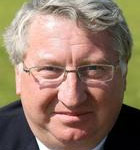
    David Collier

    ECB Chief Executive David Collier’s statement indicated how the deal would help the game and the Board: “In a challenging economic climate with all sports facing tough competition for funding streams, it will also provide an important source of additional revenue for funding the development of our game at all levels,” he said.


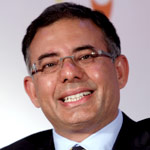
    Said Manu Sawhney, Managing Director, ESPN Star Sports (ESS): “We are delighted to further extend our partnership with ECB with whom we have shared a very strong relationship over the past two decades.”


    Manu Sawhney

    “This new agreement demonstrates the enormous appetite for cricket worldwide and the global pulling power of a successful England team and a vibrant County game,” Colliers added. Note: in January this year, the ECB had renewed a broadcasting agreement with Sky Sports for four-year cycle of 2014-17 and with BBC Sport for radio rights to broadcast live commentary on international cricket from 2014 to 2019. The ECB’s agreement with Sky Sports also includes an option to extend for a further two years, which would encompass tours by India in 2018 and Australia in 2019. In a separate arrangement, Channel 5 has been signed on to show highlights until at least 2017. The ECB-Sky Sports renewal  is reported to have been inked at around Rs 2200 crore.


    With this partnership, ESS continues to be the leading cricket broadcaster with the most comprehensive calendar of premier cricket events covering all formats of the game, including exclusive global telecast rights from the International Cricket Council events, the Champions League Twenty20, as well as major international and domestic events from the Cricket Australia. Adding to this impressive line-up of cricket content is BCCI cricket, which will be showcased in partnership with ESS.


    ESPN Star Sports will feature a packed cricket calendar over the next 13 months, showcasing a wide and varied mix of cricket action of over 400 match days starting with the ongoing West Indies’ tour of England  to all the way to ICC Champions Trophy in England in June 2013. In addition to the exciting line-up of international cricket, cricket broadcast will cover over 200 days of vibrant domestic cricket action from India, Australia and England featuring some of the top domestic leagues.


    As a part of the agreement with ECB, ESS will broadcast more than 300 days of live International cricket action, including 47 Test Matches, 63 One Day Internationals and 15 Twenty20 games. Major test playing nations will be competing in England, including New Zealand, Australia, Sri Lanka, Pakistan, West Indies and South Africa. Key highlights of this new agreement include India’s next two tours to England in 2014 and 2018 as well as three iconic Ashes series in 2013, 2015 and 2019.


    In addition, ESS will broadcast 60 days of ECB’s domestic cricket every year, including the Friends Life t20 competition, the CB40 tournament, the LV County Championship, as well as England Lions, England Under 19s and England Women’s cricket. Specifically for the Indian subcontinent, the exciting cricket action will be available during primetime making it an interesting proposition for fans and advertisers alike, a communiqué added.


    Meanwhile, although there have been media reports on the ESPN and Star India joint venture ending, there is no official confirmation or denial of the development.


  • Mindshare elevates Ashutosh Srivastava, G’Man and Greet, unveils new ‘global to local’ structure

    From the MxM Infodesk


    Ashutosh Srivastava

    Mindshare Asia Pacific has revealed a new global to local structure with a new leadership team. Ashutosh Srivastava, currently CEO Asia Pacific, Mindshare, has been appointed Chairman and CEO for global emerging markets, and is also Mindshare’s new global leader for products/services and talent development.


    Mr Srivastava will continue to be based in Singapore, and will focus on emerging markets such as Russia, in addition to APAC. He will also work closely with global and regional leaders in London and Asia to drive new products and services – and with the agency’s talent development community, work to strengthen the agency’s talent pool and leadership globally. Mr Srivastava will continue to oversee the Greater China offices directly.


    R Gowthaman

    Commenting on Mr Srivastava’s appointment, Nick Emery, CEO, Mindshare Worldwide said: “I’m delighted that Ashutosh is taking on the global role to drive Mindshare’s development.  Ashu is the epitome of a new world leader and our product, people and growth markets are in safe hands.”


    Mr Srivastava’s promotion is accompanied by a change in the structure of Mindshare in the region, re-organising it around three clusters.


    Mr R Gowthaman, currently Chief Client Officer, will take on the role of CEO for South and South East Asia, based in Singapore. Mr Gowthaman, popularly known as G’Man in the industry, has been with the agency since it started in India in 2002.


    James Greet, currently CEO, Australia, will add Japan, Korea and New Zealand to his responsibilities, and also be the APAC regional leader for talent. Prior to joining Mindshare in 2010 he founded and ran talent recruitment firm The Ladder. Mr Greet will continue to be based at Sydney in his new role.


    James Greet

    Commenting on the new structure Mr Emery said: “In Ashu, James and G’man there is no better leadership trio and I am privileged to work with them.”


    Mr Srivastava said: “James has in a very short time turned our Australia office into a powerhouse of great work and talent. G’Man has crafted our success in India, which is a world class office – and in the past few months built up our product for regional clients. Along with China, they have been the driving force behind the momentum we have across Asia Pacific. They are both outstanding leaders, and I look forward to working with them in their new roles.”


    The new structure of Mindshare in Asia Pacific brings it into line with Mindshare’s operations in Europe, which is also organised around a cluster approach, and provides a global to local approach for the agency around the four core areas of trading, emerging markets, new products/services and talent development.