By Sanjeev Kotnala
 At the end of May 2021, women’s tennis star Naomi Osaka withdrew from the French Open to preserve her mental health. As if taking a cue, many athletes in recent times have been vocal on the subject. Fortunately, now it is receiving the desired focus. We, at least for the celebrity and sports personalities, are now agreeing, ‘It is OK to be not OK.’ And celebrating their courage to be open about it.
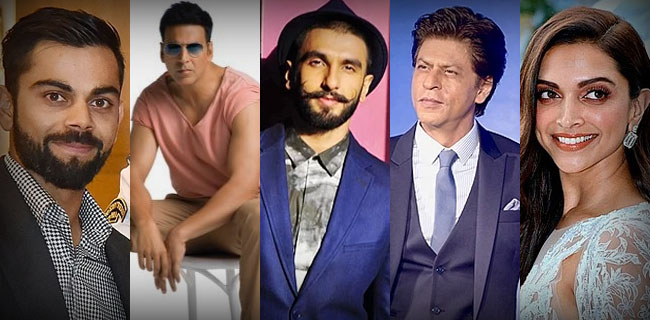
In the Indian context, we have read about the mental health issues of Deepika Padukone, Virat Kohli, Abhinav Bindra, Tiger Shroff, Amitabh Bachchan, Sanjay Dutt, Shah Rukh Khan and many others. Many may say that it is easier for them to be open about mental health than an average person.
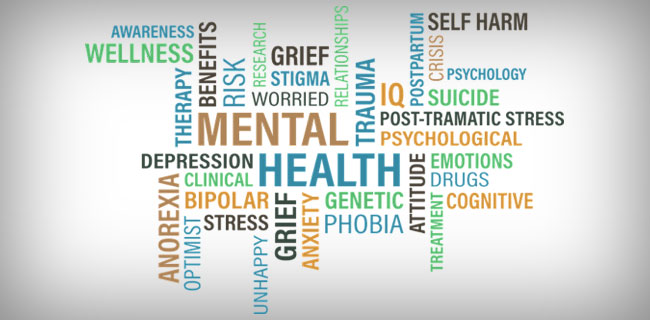
Mental illness, also called mental health disorders, refers to a wide range of mental health conditions – disorders that can affect your mood, thinking and behaviour in personal and professional life. Mental illness includes depression, anxiety disorders, schizophrenia, eating disorders and addictive behaviours.
Reports suggest elite athletes experience mental ill-health at a rate comparable to the general population in anxiety, depression, post-traumatic stress and sleep disorders. We now acknowledge these superhumans – high-performance humans are also vulnerable to mental health issues.
Which makes me look inwards in the Marketing Advertising community. Just like #MeToo opened up flood gates. People shared their experiences.
Are we going to see people from Marketing and advertising now coming out with their experiences and issues? Personally, I doubt.
The industry has all the environment that could lead to mental health issues. It is high performance led. There is subjectivity. There is a swinging of fortunes in approval, appreciation, rejection and dejection. There are creative blocks that make people question their abilities. Then some push confidently even when they are way behind their benchmarks. Loss of business, shifting fortunes, impossibility to predict and control outcomes. The growth. The layoffs. The repeating iterations. The questions about capabilities, abilities and capacity of someone understanding the problem. Long working hours, no control on timelines and expected to be working beyond office hours add to the problem.
Like me, many of you must have seen cases of people that we never rightly labelled as mental health issues. Because no one wanted to accept such a problem. Theek ho jayega. You will overcome it. Let’s drink to it. ‘Come on. Burn out. Recharge. Are some of the stock solutions offered by colleagues.
I am not a doctor but, like every advertising marketing professional, an observer of life. And that makes me sure that sooner or later, we will be able to question behaviour and have a place for the proper counselling. Maybe the HR and the stakeholders in the industry could initiate a debate on it and think of possible policies to address it.
Campaign did a research survey on the subject. Which told us 71% feel that their organisations haven’t taken any concrete steps towards actively reducing workplace stress. Employees claim they haven’t been receiving considerate timelines and are even unable to sign off for the day post 6 or 7 PM. Additionally, they are dealing with the pressures of coming to the office and are expected to be available over weekends. Exchange4media did a story that told us that as an industry, we are opening up to it. Times Network-initiated #ActNow to spread awareness, normalise conversations around the issue and sensitise people to be responsive to the mental health needs of others. The business insider did a story on World Mental Health Day: How to address the challenges of overworking in an ad agency. Not enough. And we know the reality.
I may have spoken about the Marketing and Advertising Industry as I am a part of it. But I will not be surprised that it is an omnipresent problem. Police, sales, Manufacturing, Bureaucracy, and students are included in the list.
We need an ecosystem that does not treat it as a taboo subject. Time we are a lot more open and inclusive in our reaction and acceptance of the possibilities. Remember, It is OK, Not to be OK.

 All year, India’s sports sections across all media focus on personalities and on cricket. Yes, we have learnt a bit about other sports, including international events in which India has no game like Premier League football and so on. We cover tennis is small measure. Exactly what’s happening in India at the lower levels –district, states – is too expensive and time-consuming for most newsrooms to bother with.
 Virat Kohli continues his association with Audi India. Virat has been associated as a friend of Audi India since 2015 but has been driving an Audi since 2012 when he first bought his car.
 Amaze, the inverter and inverter battery brand, has extended its endorsement deal with Virat Kohli for another three years. Kohli has been associated with the company since its inception in 2018 and has been the face of Amaze. As part of the deal, Virat Kohli will feature in all print and electronic media advertisements for the brand.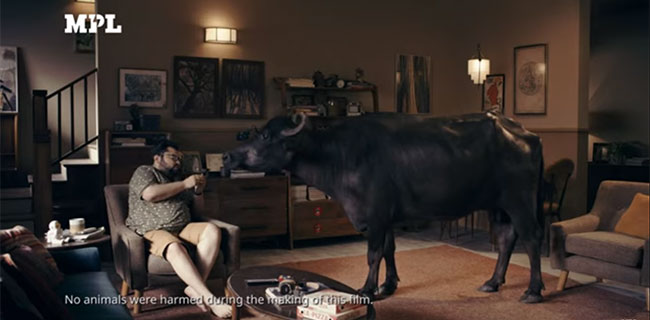
 Trust my Gen Z single sample to ask me a pointed question during the IPL. How do the Indian cricketers get to shoot ads? Aren’t they in some bubble and get transferred from one bubble to another? We hear them moaning about the mental agony of the bubble, but every few months, they do manage to somehow augment their incomes with new ad campaigns. Bubbles notwithstanding.