
Tag: Sanjeev Kotnala

  • IPL16 ads: They don’t make ’em like it anymore


    By Sanjeev Kotnala


    Sanjeev KotnalaI am a loyal IPL follower, and I watch the match telecast every evening. The quality of telecast and the options for the viewer have increased exponentially. However, that cannot be said for the ads telecast on IPL. Watching them makes me overtly nostalgic. In earlier IPL seasons, the brand and agency people invested much more effort into crafting and developing the advertisements. It is much more about media muscle and frequency than the craft today. Somewhere high frequency seems to be a substitute for creative content.

    IPL 2008, the first edition, had everyone excited. It was expected to become the Super Bowl equivalent for advertising in India. Today, IPL is one of the richest sports leagues, with two months-plus of excitement and engagement, delivering eyeballs and loyal enthusiasts on digital and TV. IPL advertising almost defines the advertising spending trend for the nation. It should be common sense that the brands wanting to exploit the IPL matches across the season need multiple creatives to avoid overexposure and audience apathy. Unfortunately, the advertisements hardly reflect the thinking. The advertisement content and creative lack high engagement. It makes me think- They don’t make them like it anymore.


    IPL- everything is not lost.

    A few brands stand out in the scores of brands trying to effectively use the IPL platform across TV, OTT and Digital.


    RuPAY

    RuPay, with its UPI plus credit card communication, is an excellent example of focused communication. All three advertisements are interesting and engaging. The ‘Silver Helping Hand’, ‘Catch Expert- Chaos in Museum’, and the ‘Slippery Spy- mole’ are fun to watch and communicate the message.

    Unlike the Tata Tiago example of reasons to go for an E-SUV, which may not be the best and most effective way for the brand. Do people still need reasons to buy an electric vehicle!


    DREAM11

    DREAM11 has been consistent through the IPL seasons and has always worked on ‘All will play’. This season is no different. The brand continues the good work. The Bollywood and cricketers’ interactions as opponents in the game are engaging and funny. ‘Lal Singh’, ‘You don’t go for awards’, ‘Dialogue Delivery’, ‘Viral’, ‘All is well’, ‘Duplicate‘, ‘Lagaan’, ‘Riaaz’ and ‘Retake‘ are a few of the ads. Hope to see more situations in the rest of the matches.


    MYCIRCLE11

    MyCircle11 has also done well with its ‘Second prize 1 crore- toh pehla prize kya hoga‘ communication, continuing the Giant theme and format. However, the situations and the excitement are missing as the idea becomes a prisoner of the format. And for some reason, the 2023 videos are unavailable, and even the site showed Jeeto 1 crore everyday campaign in 2021.


    AMAZON

    The ‘Aaj Amazon se kya Khareeda’ series is another set of communication that makes the point while engaging the audience. It slowly builds on categories- the order size and common everyday items.


    IPL ADS- ALL-TIME FAVOURITES

    All of us will have different advertisements telecast with IPL seasons as favourites. Here are the ads that stand out. If I have missed some really good ones- do let me know.


    VODAFONE ZOOZOO

    The Vodafone ZOOZOO would rank as an all-time favourite of all IPL ads. The way the ads were conceived, executed, released, and the build-up was well planned and executed. In fact, they were produced and timed with the IPL season.


    AMAZON CHONKPUR KE CHEETAHS

    My other favourite of mine has been Chonkpur ke Cheetah by Amazon. Even today, in the Amazon ads, telecast on IPL16, the brand is extending the same- similar concepts like A-to-Z, Aapni Dukan, and a platform for everything, including your everyday items. Chonkpur was another instance and example of IPL-specific communication. The slow unveiling of the journey of Chonkpur ke Cheetah was well planned and executed, keeping the excitement high.


    CRED – NOT EVERYONE GETS IT.

    When the ‘Cred – Not everyone gets it’ series started, it had a mixed reaction. But, the way the series progressed and the brand kept unleashing fresh creative starring another popular celebrity, it grew on you as an audience. A well-thought-through and executed campaign.


    SWIGGY, NO ORDER IS SMALL.

    Swiggy and Zomato both exploited the audience’s interest in watching the telecast. They have offered various schemes to make people order during the matches. However, what stands out are Swiggy ads of ‘No order is small’ and ‘What is the score’. It also introduced the actor who became known as Swiggy Uncle and was featured in many more TV films.


    ADD-ON

    Not IPL Ad- but the Kid-adult format by FLIPKART was an engaging experiment killed by overexposure and format constraints.  Another series that was engaging and interesting was Voltas Murthy.

    Similarly, Make My Trip’s consistent use of celebrity Alia, and Ranveer Singh continues to be superbly executed with its own fun quotient while delivering the message. However, that cannot be said for Ranbir Kapoor – Asian Paint ads which lack engagement- proving that consistent use of celebrity is not the solution and the content remains the king.


    NET-NET

    Want to associate with IPL and exploit the platform? Then the brand must understand that the ads are the real breaks and the interruption in the audience’s interest. And the season is long, and the media cost is too high to associate. The brand message should be simplified and relayed to the audience through multiple creatives to keep the engagement levels up and excitement with the brand. Do invest in creative development and execution even at the cost of losing out on frequency of exposure. An excellent /Good creative exposed less number of times is a far better proposition than a mediocre/average creative exposed many, many times.

    Just for the suggestion watch this ever favourite ad of mine. Ericsson One Black coffee ad.
     

  • Sanjeev Kotnala: Create your memory of positive episodes

    Sanjeev KotnalaBy Sanjeev Kotnala


    Well, it makes absolute sense. Simple. Why would one create a memory bank of negative episodes and experiences from life? And then pause to reflect. The truth remains that we tend to remember the negatives more than the positives until something triggers us to alter our thinking and re-align our thoughts.

    My moment happened this week. I was in for a consultation with the doctor. Past few days, my autoimmune problem had flared up. With it came something new. Tremors so bad that it was tough to use the laptop or even hold a newspaper to read. A situation that would have anyway subsided with time. But, with age and the family getting worried, I found myself in the clinic explaining the hot and cold rushes and the tremors.

    The doctor asked me to hold my hands straight ahead, and I immediately saw the tremors.

    The doctor asked about any family history of Alchemiser’s, and the answer was negative.

    Any family history of Parkinson’s Disease: the answer was again negative.

    Then he asked if I could share what I had for dinner yesterday.

    I drew a blank.

    Dementia? For that, you have time.

    And he got busy writing the routine prescription, assigning the cause to my autoimmune issue.

    But it had me thinking, and as I have known the doctor for some time and we are more like friends, we ended up discussing a few things.

    And here is where the thought culminated.

    Train your mind to look at the positives in every situation.

    Train your mind to remember the positive, helpful and happy incidents in your life. Willingly forgiving others is an important part of the process, as is seeking forgiveness from others.

    Now when your mind is trained to look at the positives, has more recollection and an archive full of nice happy memories- when the need comes to access memories- chances are that you will reach a happy memory.

    You could better it by sometimes clicking these moments and capturing the moments and associated emotions in detail in writing.

    Albums do a great job of it.

    Think about it. If your library is full of happy moments, when you withdraw and access a memory, it will be a happy one.

    Not that I expect people to go through any of the above three diseases. But how excellent could it be to have happy memories when all your senses are working.

    Net-Net

    So start rechecking your library of life incidents. Close out the unhappy, negative memories by closing the chapters and forgiving wherever needed. Time for all of us to build our positive memories and images and hope we don’t need a doctor to tell us.

    Trust this will do two things. One, it will be a very positive change in attitude and approach to life. And two, you will come nearer to accepting the dualities of life.


  • How Scarecrow is winning it for Reliance Jewels


    Sanjeev KotnalaBy Sanjeev Kotnala


    Reliance Jewels- Scarecrow M&C Saatchi – consistency in communication 

    The brand building says that once a brand finds its unique appeal and develops a unique or easily associated and recognisable communication style, it should be consistent. And, if possible, frequently surprise the audience with a different interpretation of the same, evolving with the consumers’ needs and changing ecosystem. Ariel – Share the Load is a case in point. The brand concept has evolved with time, retaining the basic parameters and testing the coordinated repeatedly. It has been consistent, and the thought is strongly associated with the brand. Ariel’s latest communication remains rooted in the thought and has moved from being asked to share the load to an expression of new coordinates of self-realisation. Make My Trip, Frooti, and Dream11 are some other brands consistent with their communication approach and language. Another brand that has been hugely consistent with its approach and communication style has been Reliance Jewels, and Scarecrow M&C Saatchi has been creating some unique communication language for them.


    Reliance Jewel Akshaya Tritiya

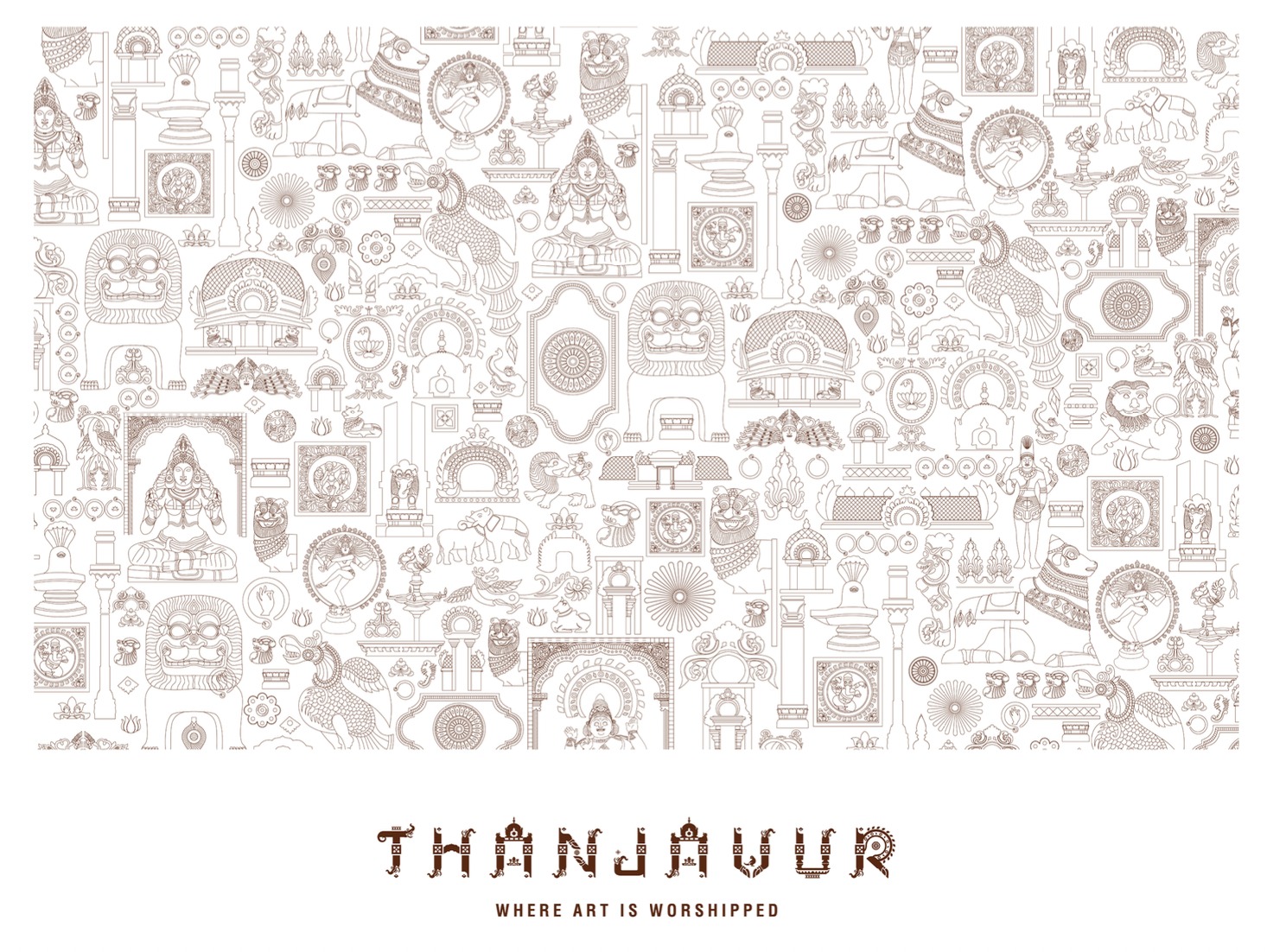
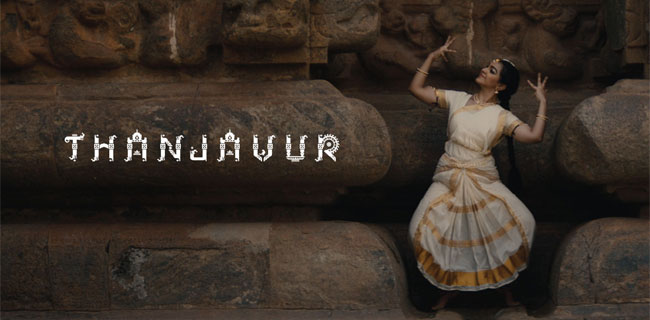
    In the recent Akshaya Tritiya communication, the brand captured the more than 1000 years old history of Thanjavur’s art & architecture. Thanjavur – a mystical Kingdom and the cultural capital of spellbinding art and Dravidian architecture. Watch the Tamil version here.

    This is not the first time the jewel brand ( Reliance ) and the agency has based the collection and the communication on Indian traditions, culture, dance forms and heritage.

    A note from the agency updates that the inspiration behind Thanjavur is its intricately carved stones of the temples, the excellent craftsmanship of Poompuhar ships, the artistic traditions of Bommai Dolls, and the vibrant interiors of Thanjavur Darbar Hall. The reliance Jewels Akshaya Tritiya Thanjavur collection reflects and pays tribute to nuances of this craftsmanship from the artisans of Thanjavur. The film is a result of a deep study of the history and conversations with experts in different fields.

    Music in the film is an essential element and captures the flavours of Thanjavur. The song is written in Gambheera Nattai raga and pays tribute to the ancient temples. The Hindi version of the song is written by Manish Bhatt. The film is long at 207 seconds, capturing the musical journey of two young girls; a dance choreographer and her friend. However, Manish Bhatt, Founder Director Scarecrow M&C Saatchi, believes that capturing the 1000 years of history in this short duration is an achievement. The Thanjavur typeface was also created to complement the collection and the traditional craft.

    The brand- Reliance Jewel’s thematic jewellery collections are an ode to the country’s diverse culture and are appreciated by customers. This is, in a way, season 7.0 of such a thematic collection.


    Reliance Thematic Collection Communication.

    Every year Scarecrow M&C Saatchi with the client, creates a 2 to 5-minute long music-song song-led film based on the culture/art/ history that has inspired the Jewellery Collection.

    Here are some of the films/

    UTKALA – collection inspired by Odisha’s Ancient Art Heritage.

    KAASYAM – collection inspired by Beauty & Divinity of Banaras

    RANNKAAR collection Inspired by Rann of Kutch. And here is the behind the scene for the campaign.

    MAHALAYA collection inspired by the Tribal, Ancient & Royal Heritage of Maharashtra.


    Net Net.

    Indian culture, heritage, design, and craft have so much to inspire creativity in jewellery design. I am biased toward such an approach to thematic collection and communication. By being consistent with the thematic collections and communication style, the brand is creating a niche for itself.


  • Sanjeev Kotnala: Breaking the IIMA heritage legacy- Brick By Brick

    By Sanjeev Kotnala


    Sanjeev KotnalaI am surprised and intrigued. In an unhurried ease and calm, the IIM Ahmedabad (IIMA) Governing Council blatantly takes unilateral decisions on demolishing the Architectural and cultural heritage of Ahmedabad and the leading management institutes of India. They remain unopposed under the guise of being autonomous. I am surprised it is not a subject of national debate why the Government of Gujarat and the Government of India, the Architecture Society of India, the alumni and the faculty and the intelligentsia -the protectors of societal heritage remain silent on this murderous intent of the institute known for its management education. Changing the logo is one thing (though I do not prescribe to the restored modified logo), but playing around with the heritage structure demolition is entirely different.


    It seemed, in 2020, the IIMA authorities decided to replace most of the original historic fabric of IIMA and to risk irreversible alterations, including the demolition of several structures and construction of new multi-storey blocks that would adversely impact the unique hierarchical spatial order, visual harmony and innovation construction for which the IIMA campus is valued and known the world over. And now propose to rebuild public-facing dorms 16-18, the Louis Khan Plaza and the faculty and the classrooms of the old campus with the same old exterior façade to create a seismically safe structure, and non-major renovation of the internal space to improve its functionality to suit the needs of the user!. But breakdown dorms 1-14 for what is being called a growth-led design and efficient space utilisation.


     

    The ex-Director of the institute Errol D’Souza, in fact, tried to hide behind the changes and questioned the heritage association. He says: “Over time, it has become difficult to identify the structure with the original creativity that was manifested in the building associated with the architect ( Louis Khan ) and his associates. A definitive blinkered view.”


    Now, this can be seen as an ineffective blabbering of alumni who lived in and loved the inspiring architecture that pushed you to do a bit more. A minor stakeholder who is paranoid of change of status, a block into the lofty expansion plan of IIMA. Who does not understand that things must evolve with time? The aspirations of the new students at the campus desire and deserve better facilities. That the Louis Khan ideological integration of the student and faculty residential complex with the seat of education, the classrooms, faculty rooms, the library and the magnificent plaza, the nerve centre of activities, and the spaces created for interaction, community creation, and teamwork including the famed academic meetings and discussion in non-academic spaces is no longer holds good when the students and the education process are more digitalised.


    The Institute does not realise the importance of affinity and community building among the batches and through the unique dorm culture. They fail to recognise that these are the defacto identity of the alumni. And the biggest strength of the institute comes from lifelong alumni support and network despite no central functional alumni association. Then how the alumni can question this judgement?


    This myopic view considers the so-called legacy heritage structure association and reflection only with IIMA because it was created for it and is part of it. It fails to see a more significant association and integral impact, which cries for it to be recognised as the city, the state, and the national heritage. A space where the government must intervene.


    The IIMA heritage architecture that the Governing Council has decided to demolish is a reference taught in major architecture courses in India and abroad. This makes the whole architectural society and stakeholders an extended impact group. What the alumni and the architectural bodies ask for is simple, a more conservation-sensitive approach to development, legal heritage protection for the IIMA campus, and maintenance of historically significant buildings.


    The institute fails to recognise and support the competent professionals it has helped ingrain the best of management practices. Many of them, being civil engineers or closely associated with the builder’s community, could help them with proper analysis, problem analysis, alternate solutions and picking a solution that is the best for all the stakeholders. Is that not what the institute has been teaching all this while?


    In fact, this issue before the institute or heritage structure vs space for growth is ripe for a nationwide case study analysis across platforms. That is really a fantasy. Not something one can expect from an institute that teaches transparency in management decisions but refuses to make public the reports on structural viability and restoration.


    The institute management has repeatedly raised a few concerns with the old campus and the need to reconstruct instead of restoration- which according to them, is not viable. Concerns like – providing a safe environment for the users (Faculty and students), meeting the current living and learning standards ( AC, attached baths, new working realities), and shortage of land for future expansion seem genuine in isolation. Added to this is the question of use value, taking into account perceptions of obsolescence and risk to life and property, the economics of conservation, restoration vs Longevity of restored properties vs the new design and construction.


    The only problem that needs to be resolved is whether it can keep the heritage architectural design and ethos intact. And the answer most likely will be YES. It can be unless the people in power have already made up their minds for a new contemporary concretisation of the institute.


    There are more questions than answers, but the feeling and intent are the same, at least with stakeholders other than the Governing Council and the automounts IIMA. We all want to protect the heritage and the legacy of the IIMA architecture incorporating the new aspiration and desires of the students and the faculty, including the so-called facilities like Air Conditioners!


    So, it was interesting to attend the International Webinar, ‘Future for the Modern Past – Heritage-led development for IIM Ahmedabad’. It addressed three major sessions. ‘Working Towards a Value-Based Approach -Assessing the Cultural Significance of IIMA’, ‘Managing Louis Khan’s Legacy’ and ‘Promoting, Protecting, Conserving 20 C Heritage’.


    The session by Kiran Joshi-Architect, Academic, Author, Heritage Advocate; India on Day 1 was the most eyeopening and focussed one for me. It questions if the heritage is exclusively assigned to the campus built under Louis Khan or if it should include the entire old campus where other architects like Annat Raje and Doshi have expanded, keeping the architectural fabric of IIMA intact.


    It was Amit Srivastava, Director, Centre of Asian and Middle Eastern Architecture (CAMEA) based at the University of Adelaide, Australia, who focussed on the impact of IIMA architecture in the city and trade. His original research on the IIMA architectural project explored the challenge of material encounters, authorship, and historiography in architecture. He pointed out the association and important role played by NID (National School of Design) Ahmedabad representatives and the impact of state division into Gujarat and Maharashtra. Thus raising a question of who is the rightful owner of the legacy and why it is a heritage of impact that must be protected and, in this case, restored.


    To quote Amit Srivastava and again point out the broader association, he quotes Ned Kaufmann and Paul Rappoport (2013). Then he implies that IIMA and its narrative are linked to Ahmedabad’s building culture. And it makes ample sense.


    ‘Intangible heritage is both physical and associational. Paying attention to the narratives expressed through people’s customs, stories, and memories can give invaluable insights into the psychological bonds that people form with these places and that, with time, comes to define their heritage value.’ Ned Kaufmann and Paul Rappoport (2013)


    Net-Net

    I believe the heritage architectural structure of the old campus IIMA cannot be considered the sole property of the autonomous IIMA. It has a broader perspective and impact. And this is a subject that the city, State Government, and Central Government must consider. It has cultural as well as educational importance and hence a wider stakeholder. It requires a conservation-sensitive approach and a solution that is in the stakeholders’ best interest. And the best includes keeping the heritage feel, ethos and design structure intact.

    You will find solutions if there is love and passion for the structure. It is hard to think that no one can develop better brick that looks the same, the concrete that is better suited and reimagines the interior space. If the people from IIMA attended the webinar on day -II, they would have realised and seen the case studies of restoring Doon School, Dehradun, School Of Architecture, Ahmedabad, Sanatorium “Zonnestraal” and The Christo Obrero conservation plan. Help may be available from the National School of Design and School of Architecture, the alumni and the architects interested in restoring such a prestigious heritage structure. Net Net- these restoration project reinforce the belief that proper heritage architecture restoration and renovation is possible with a focussed conservation sensitive approach. However, things could be different if the people in power have already decided to demolish and reconstruct rather than restore and renovate.

    ………………………………………………………………………………


    The webinar was organised by ICOMOS- India’s National Scientific Committee of 20th Century Heritage ( NSC-20) in collaboration with ICOMOS- India’s Emerging professionals working Group ( EPWG) & West Zone, ICOMOS India. Along with Institutional partner USM’s Kamla Raheja Vidhyanidhi Institute for Architecture & Environmental Studies ( KRVIA), Mumbai. As Alumni representation in this primarily architectural webinar was provided by Meenakshi Nath ( My batchmate from 1987 IIMA) and Rashmi Bansal (1993 batch IIMA), who both have been at the forefront of the alumni, push for the restoration of heritage architecture instead of concretisation in the name of future needs for growth.


    I have primarily taken my notes from the first technical session. Interested parties and stakeholders ( a shout-out to IIMA management) can watch the  Day 1 and 2 proceedings here.  


    People interested may read the ex-directors’ 33-page note titled Conception, Creation & Corporeality A Tract on the Louis Kahn Designed Buildings at IIM Ahmedabad. Where the ex-director painfully prepares the case for no restoration and new construction to the extent of implying that there is no original heritage structure at the old campus.


    Sanjeev Kotnala is a senior business strategist and educator. He writes on MxMIndia every Wednesdays. His views here are personal.


  • Time to legalise betting


    By Sanjeev Kotnala


    Sanjeev KotnalaYou watch the IPL matches and will see many online fantasy sports game portals advertising inclusive playing, prize money or a game for everyone’s choice with possible economic risk and addiction rider. It is clearly legalised sports under the guise of a ‘Game of Skill’. But betting and gambling online or offline is not legalised in the country.


    It’s a scam. A make-believe world of betting, and there is nothing predictable.


    No skillsets can help you make judicious investments in such bets.


    It is hard to believe that when fantasy sports and betting involve an element of chance or luck, one is legally allowed and the other criminalised.


    I agree with the Times of India article, which questions the difference in the skillset required to pick a team and bet on its performance versus picking and betting on a player’s performance or an event outcome. And that makes fantasy sports gambling.


    Just because in fantasy sports, one selects a team of players and competes against other gambling/ betting participants based on past real-life performance does not make it a game of skill.


    Your chances of success or failure do not change drastically.


    Fantasy sports are as addictive and are as risky as any other form of betting.


    How are poker and Teen Patti played offline different from playing online?


    If offline is gambling, then online is also gambling.


    It does not matter if you drink at home or at a pub when you drink and drive.


    Fantasy sports will want you to believe that it requires research, strategy, knowledge of the sport, playing conditions and past data analysis and that it is not simply a matter of luck. And they know how foolish it sounds.


    Talk to an average fantasy sports participant and check his or her considerations in team selection. It is as good as picking the winning number in a series of Roulette tables.


    And we are allowing fantasy sports to operate without regulations.


    We are asking online gaming, including fantasy sports, to self-regulate!!


    As the quantum increases and the bets scale up, fantasy sports could lead to corrupt practices, including match-fixing. As the players and the companies get incentivised to manipulate the outcomes.


    Yes, fantasy sports are a popular and growing industry, entertaining and engaging.


    Fantasy Sports and online gaming have economic risk and additional possibilities like the single-digit lottery. And if one looks at the potential benefits and risks, including social and cultural context, it does not make sense.


    One could argue that if regulated and adequately taxed, legalising betting/ gambling will generate revenue. It would create jobs. Legalisation would leave to consumer protection and decrease the scale and control the degree of illicit activities.


    It would do everything expected from legalised fantasy sports.


    Ultimately, one can argue that an adult should have the right to decide to gamble online and offline if it is adequately regulated and legalised with age verification, self-exclusion, and gambling addiction prevention.


    However,  betting/ gambling has a potentially harmful side. Should its advertising be banned? Like that of smoking and drinking. It is another subject of discussion once we agree to close or open our eyes to the sham of the ‘Game of Skill’.


    Conversely, it should be a matter of personal choice and freedom. However, as in a democracy, it is for the central and state governments and courts to determine the best course of action in the interests of the public, keeping possible addiction, social problems, and moral issues in focus.


    We do know that every such decision is not guaranteed success. It is nothing but open-eyed conscious gambling into the future expectations and experiences under the disguise of a ‘Game of Skill’. Not always right, not always in the best interest.


  • What makes Adfest Pattaya a must-visit


    By Sanjeev Kotnala


    Sanjeev KotnalaOther than the last edition, I have attended every edition GoaFest and yet I favour Adfest Pattaya. It is the first festival of the year and Asia’s most celebrated regional creative festival. One of the eight regional creative festivals in the WARC 100 Creative ranking that reflects the fast-changing face of the creative, marketing and production industry.


    The 2023 edition of Adfest with the theme “Rise” was held between March 23 and 25, 2023 at the regular venue, the Pattaya Exhibition Hall (Peach), at the Royal Cliff Hotels Group, Pattaya. And if one is to see the Winner Showcase, one would realise the extent of technology usage and integration in advertising and communication in every form and format.


    WINNER SHOWCASE

    Post the festival, AdFest Pattaya has the winner showcase on its site. Where all the winners’ entries AV, film and board, are easily accessible with complete details. A few of the creatives are not showcased because the client has barred them due to some copyright issues.

    I have thoroughly enjoyed my Wednesday watching the winner showcase. I would recommend everyone interested in the field to see the brilliant work showcased there. Some of the brilliant work where technology and accessibility played a major role- reflecting the change and trend included Tiger Beer, Unbranded Menu of McDonalds, Consent – partnering to showcase lack of consent, Closeup- city of love, Crazy Bundy Mixes, Shizuoka Model City, Toyota Voice Watch, Adidas – Ravi limited edition and the print special- the Annhaar Newspaper election edition that never got printed. Watch all these and more at the winner showcase.


    JURY INSIGHT SESSIONS

    One of the things that makes it endearing is the 45-minute breakout stage sessions of Jury Insight. Where delegates can listen first-hand to in-depth and freeform discussions with some Lotus Awards juries across panels and learn the secrets of what makes some works great.


    ADFEST PATTAYA CONNECT

    AdFest Connect APP is another tool that encourages and facilitates networking and interaction. It shows every delegate’s name, position, company, city, and country unless they have chosen not to be part of the AdFest Connect. It does not divulge the email addresses but facilitates the initial email sending unless opted out by the delegate. It is just a connecting tool and does not guarantee a response.


    WORKSHOP AND INDUSTRY SESSIONS

    There are industry-specific learning sessions needing pre-registration and with limited seats. This is no different from other festival programs. Still, they seem more relevant and industry-inclusive, like the World Producers Summit – a forum for production company owners and stakeholders to gather and discuss specific issues encountered as the industry evolves and globalises. This forum is a unique opportunity to gain valuable insights and learn possible solutions to current and emerging business challenges. Sessions like ‘Creativity for Mobile-first-era, ‘Step into AR and Reels’ and ‘CG Metahumans And The Infinite New Frontier Of Communication.’


    DIVERSIFIED JURY PANELS.

    The eight jury panels mostly follow the 8 Jury and 1 Jury president format. Interestingly, the panels are highly diversified in terms of agency and geographical representation and do not show any gender skew. There were 57 Jury members representing 18 cities at AdFest Pattaya 2023.


    ADFEST PATTAYA EVOLVING WITH TIME.

    The AdFest Pattaya has been evolving with time. There are, in total, 20 awards categories other than special awards. This time round, ‘The Commerce Lotus’, formerly the eCommerce Lotus, expands to include offline commerce in addition to eCommerce to celebrate creative and innovative solutions that enhance the consumer experience at source and drive business sales. The Digital amd Social Lotus, formerly Digital Lotus, introduces various new sub-categories to reflect the fast-changing landscape of the digital world and social media. And PR Agency of the Year was added to the Special Awards line-up like Network, Independent Agency, Digital Agency, Media Agency, Production Company and Advertiser of the Year. In addition, the scoring criteria were updated.


    YOUNG LOTUS.

    On the lines of Cannes Young Loins, AdFest Pattaya also has a young Lotus workshop before the festival, and 2 participants selected through local regional representation represent each region. AAA India partners AdFest Pattaya to choose the Young Lotus representative from India.


    ARCHIVES AND ENTRIES.

    All delegates have access to the AdFest Pattaya Archives, the winner showcase and the selected programme showcase. A brilliant resource that allows delegates to search and learn. And as a practice, AdFest Pattaya has a well-organised display of entries.


    DELEGATE FEES ARE A BIT OF AN ISSUE FOR INDIAN DELEGATES.

    The delegate Fee of Thai Bhaht 35K (83.5K INR) for the full, Thai Bhaht 22.5K (54K INR) for Young and Thai Bhaht 17.5K (42 K INR) for Students is a bit steep as there is an additional cost of travel and stay that could be approximately INR 60K including return airfare.


    NET-NET.

    Adfest Pattaya, the regional Creativity festival, is a recommended adfest. Though a bit costly, it is still manageable for young, under-30s, with early planning. India had 30 winners at AdFest Pattaya 2023, but not many delegates.


  • These are a few of my favourite creatives…


    By Sanjeev Kotnala


    Sanjeev KotnalaVermajee, my mentor, asked if I had seen some good work in advertising and communication recently and why they didn’t make it to my blog and article. I realised that the audience might be feeling the same way, despite my appreciating the work I liked. It was time for me to list some creative hits of recent times. No, this is not a universal sample, as many good works could have escaped my attention, but I liked and enjoyed these few. And for a change, I killed my urge to title it: Good, Bad and Ugly.

    Apart from my TV viewing, newspaper reading and regular digital interaction, my exposure to creative work is thanks to @Beastoftraal on Twitter, Gokul Krishnamurthy column ‘Work that speaks’, Economic Times updates and Campaign. If I missed some work that should have been a part of this- do let me know.


    Hyatt: We put the ‘you’ in your wedding.

    How one wishes that things could be so smooth in a marriage. HYATT promises (or over promises) that special smooth destination wedding because they care for the details and go out of their way to make that special day memorable for you. Hyatt puts the ‘You’ in the wedding!

    It is different that the party would be more comfortable with a large team of wedding planners at such weddings than the hotel staff. The trust factor with hotels in events is still not high, which may be the reason for the communication.

    The instances framed in the communication are relatable and interestingly done. One hopes the brand lives up to the promise because the day is special for the stakeholders, and a bad experience would kill it. The campaign did remind me of the ‘I TAKE CAHRGE’, a successful internal campaign developed by Lintas for Oberoi hotels in the early nineties.


    Falling in Love: Home Centre

    I was misled entirely when I watched the Home Centre ad for the first time. Then I watched it, again and again to appreciate how the whole story. How the mind was purposefully diverted, and I enjoyed the little diversions.

    I find the ad again long; however, it holds the interest, and maybe the subject demands that the story is told ever so gently. Watch it and see how it traps you. The communication may take time to be appreciated, but such work impact remains longer.


    Make My Trip: Hotel Refund

    I like Make My Trip’s ads more than their product and services.

    Now, that is courageous of the brand. In the last few years, one has seen so many complaints about hotel and travel bookings with MMT that one has personally shifted loyalties. Maybe the brand must have realised the issue and appreciated the traveller’s desire for this freedom resulting in this communication. Hopefully, MMT is ready with better service. The cancellation charges on hotels and airlines are really frustrating for any traveller. This is not the first time MMT is talking in this language. One remembers their  MMT pe book kiya and Zero cancellation charge communication.

    This ad series reiterates the advantage of consistently using the same brand ambassador – Alia and Ranveer. Both perform admirably in different situations and characters. And then I do love multiple creative campaigns with synergy.


    The Times of India: Ad Flipbook

    It is not a new idea, but it is well executed. A similar idea was executed in early 2012 by the Dainik Bhaskar Group. The format of the physical book restricted the reach.

    The Times of India digital flip book avatar demonstrates to the clients and agencies the possibilities in innovative shapes and sizes with Times of India.

    The underlying thought ‘because one size does not fit all’ is so true that brands are blind to it. However, a digital version gives a higher reach, but the real feel is missed. Hope the teams have a whole set of sample prints to share with the agencies and clients.

    To succeed, rate and offer renationalisation is needed, which the masters in space marketing- Times of India does the best.


    Ashok Leyland: 75 years

    “Koi Manzil Door Nahin” is the new campaign part of the 75th-year celebration of Ashok Leyland. It continues with the life impact stories- the transformation the commercial vehicle promises in the customers’ lives. It is reassuring under ‘Koi Manzil Door Nahin’, which means no dream or destination is too far. The brand promises to be with the customers in this journey. Hopefully, this ad is a minor part of a more extensive detailed programme.


    Tanishq: Dream

    I love it for the simplicity and the twist at the end of this UGADI new year ad. And the question that I raised at the end is very pertinent. I am also happy that Tansihq, for a change, did not find some fault and suggested changes in Hindu rituals and traditions. It is nice to see the brand and take the route of reflecting on the positives.

    Tanishq had a lovely ad on women’s day titled superwoman; it presented the other side of her being a human too. Not something new or surprising, but the presentation is quite nice. Though I still find it to be too long.


    Skore: Can’t miss to change the game

    The SKORE  ad I first saw with WPL telecast, is so simple and so apt with the proposition of Change the game. Just watch it. The brand Skore has been doing some good work. Interesting is also the work of Love-Depot by TTK the manufacturer and marketer of Skore Nothing.


    Net-net

    Some good creative work is happening in the industry, but one rarely finds something superlative or excellent. I have in past written about the campaign,  Samsonite- Tested like samsonite  and Cadbury- Kisi Aur Ki Khushi.  Another addition to list is Dhan– for nothing but sheer clear TG definition and focus.

    It is good to see a decrease in brands taking potshots at Hindu traditions and rituals. This time, one found only the Holi ad by Bharat Matrimony as offtrack and completely exceeding the brand arena. Yes, a small section of rowdies gives the festival a bad name- but then the same message could be shared in a different tonality rather than colouring the whole Hindu society and festival in it.


  • Sanjeev Kotnala: Idea Generations UnLtd

    By Sanjeev Kotnala


    Sanjeev KotnalaAfter a long time, I met my friend and mentor, Mr Vermajee. I updated him on the recently successful IdeaHarvest workshop I conducted for a brand. I told him how it surprises me that most business managers have a very myopic understanding of creativity and do not consider themselves creative, though they, on a day-to-day basis, react to probortunity (Problem or opportunity). They don’t think creating and picking the best solutions is being creative. I ask them if they have ever lied or made an excuse. And when they say YES, the question about being creative or not is buried.

    Vermajee pointed out that the processes I use are universally known. Would a ChatGPT not give all possible solutions. So, why should someone ask me to run the workshop?

    My answer is simple. I bring business experience and an understanding of the situation. But what makes the workshop successful is the ability to orchestrate the participants into addressing the probortunity collectively without barriers. The ability to rightly gauge the pulse and decide how to arrange the processes, which nerve to press to ensure we remain playfully focussed. Being an outsider allows me more freedom in interplay during IdeaHARVEST and InNoWaite Workshops. My experience shows that ChatGPT can only relate and bring already available output without being creative or evaluative.

    My workshops are more of a reality show with some gaming for extra spice. It helps create the desired level of passion and enhance energy levels, which helps the workshop’s success. And that is what I get paid for; the solutions are always provided and recommended collectively by the participants.


    MY FAVOURITE PROCESSES.

    So, on Vermajee’s advice, I am sharing some of my favourite processes used in the workshop. This is not a complete list. And the order I would arrange them is decided on the spot during the workshop, depending on how the audience reacts.


    IDEA VOMIT – Getting The Obvious Solutions Out Of The Way.

    We all react to a probortunity based on our experience and knowledge. Most likely, we have a few obvious solutions ready. Idea vomit asks the audience to list all such ideas so that they can think of new and different ideas once they are out of the way.


    AIM FOR QUANTITY- Quality will follow. 

    This is somewhat tough to work with. To get the best solution, you must have lots and lots of solutions to choose from. So, to do so, one must keep generating ideas without evaluating them or thinking of practicality. Unfortunately, we humans evaluate first. And, yes, I have had many funny and honest out-of-box and sometimes impractical solutions proposed by the participants. But that is part of the game.

    We keep the race on for the 100th and 150th ideas. Knowing we will use business filters later to select the final solution.


    DIVERSITY OF PARTICIPANTS – Leads to Diversity of ideas. 

    It is a myth that salespeople have sales solutions, and HR has HR solutions. They may have a better understanding of their department and problem. However, working with diverse people with different mindsets and expertise, it is easier to open up and think of multiple not-so-obvious solutions. Usually, the team facing the problem is so engaged that they are blind to opportunities and solutions that are not part of some SOPs. Working with the cross-functional team first and later re-configuring the teams helps refocus and develop more solutions. In the second stage, there is usually an unstated competitiveness – ego and challenge to create the best solution. Hence, participation must be appropriately managed and harnessed for the best results. I prefer not to have the top-level team as participants or even observers. Somehow, they bring unwanted filters with their presence hindering free open thinking and voicing ideas.


    HATS AND SHOES – think and act.  

    I have used Six Action Hats and Six Action Shoes by Edward De Bono to fund them very effectively in the ideation and discussion process. It gives everyone a chance to experience the importance and utility of each shoe and hat.


    CONNECTING THE UNCONNECTED – Forced Solutions And Linkages.

    It is a role play, and the participants are asked to think and give ideas while playing the role of someone well-known. My favourites are Ratan Tata, Mukesh Ambani, Sardar Patel, Mahatma Gandhi, Amit Shah, Bill gates, Kejriwal, Elon Musk, Anand Mahindra, Modi, Rahul Gandhi, and SRK. And I add or subtract to the list based on the competitive brands and the probortunity being addressed.

    I am a fan of such success transfer. No new musical notes are discovered, new music is a different arrangement of notes and instruments. The desire to be original should not suffocate creativity. It does not matter if someone has used a similar idea; if it is relevant ad impactful, it must be tabled and discussed. Maybe we would know how to tweak it for better impact. So, we look at known problems and solutions and try learning from them to create solutions to the probortunity.

    Also, use google image search. We pre-decide the number of images and then ask the participants to use that visual as a clue to a possible solution or idea.

    Sometimes I ask participants to go out and shoot five random pictures. And then ask them to think of a possible solution to the probortunity basis on the interpretation of the images. It is tough as people tend to pre-evaluate what they are shooting, which is against the process.


    BE THE BOSS – Dictate the solution.  

    At some stage, I ask the participants to act like the firm’s CEO. They are free to take the call and decide on the solution or create a team to work on it. One is surprised how this public make-belief role-play places responsibility into people’s minds and how they approach a situation. There is a lot to learn when young participants play the CEO role.


    PASS THE MIKE – everyone counts.

    Like every other workshop, you find the bell curve operating. There are some extroverts and openly vocal people; some are shy and introvert and evaluate everything before suggesting. So pass the mike is a simple exercise where a representative mike- a pen-duster or something similar is passed from participant to participant forcing them to contribute. Done early in the workshop gives you an indication of how to rejig the teams.


    GOING BEYOND THE SOLUTION – implementation plan.  

    This is what differentiates a successful ideation workshop from just another workshop. After attempting and most likely succeeding in generating ideas, I push the participants to select the ones they find most relevant and have the potential to succeed. They are even required to create an immediate timeline, possible team and resource requirement grid after using IdeaSwarming to further fine-tune the idea. Here the experience and knowledge come handy and multifunctional evaluation helps in a buy-in.


    KEEP IT FUN – Act like a Child.

    Too much thinking leads to burnout. So keeping the atmosphere light and selectively pushing and relaxing people is something one learns with experience.

    I try to ensure that people sleep the day before the workshop peacefully. I request that no one travel early to the venue, and we should not rush with the morning tea and breakfast. Starting the day half an hour late is okay.

    A child’s mind is the most relaxed and innocent, and they can think like crazy. And in my workshops, though, it becomes tough- keeping the child alive in the participants is one of the main focuses.


    TIME PRESSURE – it works.  

    In addition to internal competition and the need for relaxed minds, time pressure works. It places value on the time allotted for the solution generation, and one can experiment with multiple processes. Remember, one is looking at solutions, lots of solutions and not the best solution.


    NET-NET

    Try these processes with your team or individually.

    However, if a significant challenge has been unresolved for a long time, or you want to learn and practice innovative thinking, get into a workshop mode. Always take the help of an outside facilitator and your diverse cross-sectional team across age, experience and gender for better control and output.

    IdeaHarvest focuses on generating Ideas, and InNoWait means what it says- why should you wait to innovate. Innovate now and here.


  • Sanjeev Kotnala: Some don’ts for use of multiple creatives

    By Sanjeev Kotnala


    Sanjeev KotnalaIn my earlier article, I wrote about using Multiple Creatives to enhance the impact and reach of the message. Many readers asked me- what should be avoided while creating multiple creatives and if there are some don’ts. Here is my answer based on my limited understanding as a consumer of such creative and long-time advertising experience as a marketer. Surprisingly, these do not restrict it to television or digital but operate on radio and print too and even outdoors.


    GOOD EXAMPLES OF THE USE OF MULTIPLE CREATIVES

    Some of the best examples of multiple creatives are Amazon Chonkpur ke Cheetahs, Tata Sky- 10 rupee ka chota recharge, CRED- celebrity series, Coke- Thanda Matlab Coca-cola. Make my trip- Ranveer- Alia series ( different situation- different message- same characters) and recent Samsonite- Tested like samsonite campaign- maybe the next one could be a boxer using it as a punching bag.

    They all have one thing in common- the message is single and straightforward though the brand uses different stations are used to deliver – amplify it. However, many times may be most of the times the greed of using multiple messaging weaved into the same storyline leads to ineffectiveness and early bor3dom, whereas one of the main reasons for multiple creatives is to keep the engagement to keep peaking with the release of the next creative.

    The creative usually is a judicious mix of Saam (The logic),  Daam (the price), Dand (a feeling of what one is missing by not using or having it) and Bhed (the differentiator or the doubt). It has multiple peak points and a single message. When Greed- Loobh or trying to add too many logical advantages to create a higher degree of  Bhed, the multiple creatives start losing their desired effect as boredom seeps in. The audience gets quickly bored as the space becomes predictable, and the involvement and engagement drop.


    The GREED of saying it all – HDFC LIFE – DHULA BHAAG GAYA

    The initial part DHULA BHAG GAYA is interesting as the story opener. The teaser was off course very interesting announcing the 22nd feb release.


    The start episode 1 was brilliant, making you curious about what happens next. But then, other than the reference to Delhi waali Buajee and the decorator refund, it meanders through forced situations that are forced for the brand-referenced logic and benefit to be tagged along. The end episode fizzles out as the audience have already tuned off. It is the greed of trying to put all the advantages in the creative series. Instead, the brand needed to force-prioritise a maximum of 2-3 propositions/advantages and maybe think of a campaign line as the brand line- Sar Uttah kar Jiyo is abrupt and not in sync with the story.


    The CENTRAL CHARACTER – Failure of choice- PAISA BAZAR

    When in multiple creative, a single character repeatedly appears as the story revolves around the main character Mr Excuse. It naturally starts representing the brand and becomes the protagonist- the brand’s voice. The situations used in the ads are good and very slice of life, but the person declining the loan is the same – hence almost becomes the brand voice. Whereas the brand wants to say simplified, readily available loan. The artist has delivered the expressions quite brilliantly in every situation; however, one proposes that It would have been better for the brand to invest a bit more into the artist and use a different one for each situation.


    NETNETMULTIPLE CREATIVE IS NOT ADVISABLE EVERY TIME.

    One must check out and try seeing the multiple creatives in totality, think carefully of the release strategy, sequencing and which one will be the frequency dominator. And maybe scientifically check the interest waxing and waning of the interest and the peak points of engagement before getting on the shoot or deciding the final set. In the absence of such a strict quality check- it will always be recommended to restrict the number of creatives and the number of messages being attempted.


  • Sanjeev Kotnala: Time you considered writing the Living Will

    By Sanjeev Kotnala


    Sanjeev Kotnala

    Last week, the local newspaper carried the news about a professor who had notarised his LIVING WILL. And when I spoke with friends and relatives, I realised that many do not know of the Living Will. To all will is a legal document that details the person’s wishes on the distribution of the property and the care of any minor children. In the absence of a Living Will, the dependants and other claimants may end up fighting a legal battle or spending additional time, money, and emotional energy to settle the property and assess after the person’s death.

    As the name suggests, a living will is different, and its content applies when the person is alive. Simply speaking, a Living Will is a written document specifying what actions should be taken if the person cannot make their own medical decisions in the future.

    A living will become more important and critical in India after Supreme Court legalising Passive Euthanasia in India in 2018. Before this supreme court judgement, there was a process of signing a ‘LEAVING WITHOUT MEDICAL ADVICE’ (LAMA), which transferred the full responsibility for discontinuing his life support therapies from the doctor to the patient. And it was very narrow in its scope and operation.


    EUTHANASIA AND I.

    Now, I am a vocal supporter of Euthanasia and the dignity of life and death in the last days of life. I firmly believe that people with incurable, degenerative, disabling, or debilitating conditions should be allowed to die in dignity. Additionally, the caregiver has a considerable burden regarding financial, emotional, time, physical, mental, and social avenues. In such cases, the cost of palliative care and treatment burdens the close group caring for the patient. Truly, these funds and energies could be better utilised. And most patients in a persistent vegetative state or else in chronic illness do not want to burden their family members.

    I am planning to have my living will. More than the burden and better funds utilisation, the reason is different for me. I only fear being completely dependent upon medical support systems and caretakers for even minor things. And in the Indian legal system, one can refuse a life support system, but once it is in place, the law does not allow taking them off. And the process to do it is a long torturous legal battle.


    INDIAN LEGAL SYSTEM – LIMITED RIGHT TO DIE.

    Now, Indian courts give the choice in the hands of the individual. These choices, if properly written and documented, override the choices and decisions that the government, medical professionals, religious bodies, relatives, and friends make.

    The legal bodies now recognise Passive Euthanasia. For it to be applicable, two irreversible conditions must be met. (I) The person is brain-dead, so the ventilator can be switched off. (II) Those in a Persistent Vegetative State (PVS) for whom the feed can be tapered out and pain-managing palliatives be added.

    One must note that Indian courts do not support Active euthanasia, including the administration of lethal compounds for the purpose of ending life. It is still illegal in India.

    In the absence of a living will, the situation gets complicated. Then either the parents or the spouse or other close relatives, or in the absence of any of them, a person or a body of persons acting as a next friend must take the decisions. Doctors can also take the decision. However, the decision should be taken in the patient’s best interest.

    And suppose a decision is taken by near relatives, doctors or next friend to withdraw life support. In that case, the decision requires the presence of two witnesses and countersigned by a first-class judicial magistrate and should also be approved by a medical board set up by the hospital. An arduous, long-drawn process that a living will help avoid.


    PASSIVE EUTHANASIA – THE FIRST RIGHT STEP.

    Legalised or not, Passive euthanasia still happens in many hospitals. Poor patients and their family members and, at times, well-to-do families refuse or withdraw treatment because of the considerable cost or the physical and mental burden involved in keeping the patient alive. It is feared that if Euthanasia is legalised in India, the health sector will easily and with no guilt serve death sentences to many disabled and elderly citizens of India for minor monetary considerations. And hence currently Indian legal system only entertains and legalises passive euthanasia.


    PASSIVE VS VOLUNTARY EUTHANASIA.

    Passive Euthanasia and Voluntary Euthanasia are two different things. In India, Voluntary Euthanasia, including refusal of food and fluids (VRFF), also called voluntarily stopping eating and drinking, or VSED or Patient Refusal of Nutrition and Hydration (PRNH), is not allowed.

    And also is different from Assisted suicide, in which an individual, who may otherwise be incapable, is provided with the means (drugs or equipment) to commit suicide. This Assisted suicide is illegal in India.


    WHY SHOULD ONE MAKE, A LIVING WILL?

    Simply said, it helps you to be in control of how one is treated in the last days of life in case one is terminally ill or in a vegetative state.

    Living Will guides the doctors and health care personnel, provides clarity and closure to loved ones, prevents conflict or disagreements among family members, and limits the emotional burden on the closest people at the time of death.


    LIVING WILL NOT ONLY FOR THE AGED.

    It is a myth that Living will is for older people. Unexpected end-of-life situations can happen at any age. Hence, if the person is interested in defining directions and choices in such a state, then irrespective of age, one should prepare a Living will and get it notarised in addition to communicating to his near and dear ones.


    MAKING A LIVING WILL OPERATIVE.

    Living Wills have a limited scope. As per the Indian legal system, it is only operative when one is in a coma or vegetative state or has been diagnosed with a terminal illness. It is non-operative in every other situation, but some control is better than no control.

    A living will be of no use if it is untraceable or no one knows about it. Remember, you cannot explain or tell others where to find the Living Will when incapacitated.

    Once you make a living will communicate about it to close relatives and friends. It will help avoid unnecessary suffering and relieve caregivers of decision-making burdens during moments of crisis or grief. It will also reduce confusion or disagreement about the choices you want people to make on your behalf. Hence, please tell family members and friends about your living will and, if possible, ensure they have a copy.


    THE LEGALITY OF LIVING WILL.

    The first requirement of a living will is that it is written and states the individual’s preferences. It is a legal document meant to be clear and concise to avoid confusion about what the patient wants. Additionally, the document should be signed and dated by the person making it, and two witnesses must sign it. Most importantly, it should clarify that the instructions specified in the living will over-rides any other instructions mentioned in any earlier documents.

    A living will need not be registered or notified, but in the absence of it, there can be a dispute in interpretation and claim of it being genuine or not. Hence, if you are serious about a living will, better to get it registered and notarised.


    WHAT WILL A LIVING INCLUDE?

    A living will gives instructions about what the person would want to be done if they were unable to make decisions. It specifies the people who can make decisions on behalf of the patient if they cannot speak for themselves. It covers the type of medical treatment the person would like and the direction on who or which set of people to be consulted about the person’s care.

    This document dictates whether an individual wants to be on life support, the type of artificial feeding and hydration acceptable, and whether they want any extraordinary or experimental treatments.

    It may cover if the person wants to be on life support or not, even if there is no hope for recovery. Doctors and hospitals that should be contacted for emergencies and may cover the funeral wishes.

    It may sound contrary that Living will name a person or set of people to make the final calls- whereas Living will is for the choices made by the person. As every possible scenario cannot be anticipated and covered in the living will, it is best to nominate and designate a person(s) to take calls on your behalf. You can trust them to make decisions that adhere to your guidelines, wishes and values. People who you can trust to be your advocate if there are disagreements about the process, care and decisions.


    THINK BEFORE MAKING A LIVING WILL.

    A living will is a legal document. It only becomes operative when you cannot guide or help interpret your wishes. Hence you must give enough thought to it before writing it down.

    Think about your values. Evaluate and consider how important it is for you to be independent and self-sufficient. Think and be clear about the circumstances that might make you feel like your life is not worth living. Answer if you would want treatment to extend your life in any situation? All situations? Would you want treatment only if a cure is possible?

    Some of the conditions that you can easily cover and should cover in your living will are the use of Cardiopulmonary resuscitation (CPR), use of Mechanical ventilation and Tube feeding, use of Dialysis, administering Antibiotics or antiviral medications when you are near the end of life or terminally ill, being put under Comfort care (palliative care), how to manage the pain. Your choice of Organ and tissue donations. You can even cover the possibility of donating your body for scientific study.

    In the absence of a living will, you can only provide do not resuscitate (DNR) and do not intubate (DNI) orders to your doctor when you are in complete control of your senses and competent enough to make such a decision. However, in the absence of a living, these could be disputed. You need to establish and provide DNR or DNI orders every time you are admitted to a new hospital or healthcare facility.


    NET-NET.

    A living will is an important document that every adult should consider making, communicating to friends and relatives and notarising it. It will greatly help close relatives, friends, and caretakers when a situation arises to follow your wishes and directions. You can use the help of legal offices to make a living will, though the living will need not be written on stamp paper or notarised.

    ………………


    ADDON: In case you are interested in Living Will, chances are you may be interested to know about AATM SHRADH– Doing own Shradh while alive. An interesting ritual less understood.


  • The More The Merrier


    By Sanjeev Kotnala


    Sanjeev KotnalaI believe in using multiple creatives to reiterate the message. It not only keeps the interest alive but also strongly makes the point. Multiple creatives are more effective when there is continuity, they are linked with a character or strong slogan, take the story forward or are humour based.


    In my last week’s article, I suggested using multiple creatives by banks and payment platforms to collectively address the issue of safe digital payments – an industry problem.


    Many brands have used multiple creatives to their advantage. A few examples are Rajasthan Tourism – MusicsthanJanesthan and other series, Coca-Cola- Thanda Matlab Coca Cola, Amazon- Chonkpur ke cheetah, Aapni Dukhaan, Dinshaw’s- Wakao series, Voltas AC- Murthy series, Cred – celebrity series, Policy Bazar – 1 cr ka life insurance, AajTak-  the black and white series- Sabse Tez, Tata Sky – Chota recharge.


    In recent times, with the attention span of the audience dropping fast and the brands focussing on digital media more and more, the need for such linked multiple creatives (the shorter the better) reiterating the same message gets enhanced. As they depict different scenarios, the chances of them hitting home with relevant audience sub-segments are much higher. One finds humour-based multiple creatives to work better. As they are more engaging and involving.


    Amazon – Aaj kya Khareeda? #aajkyakhareeda

    Amazon uses Multiple Creatives in the campaign Toh Aaj Kya Khareeda. There are different product categories and relationships under play.

    Brother-sister– where the sister buys a deo for the brother and asks him to stop using her personal care product. Grandfather and Grandson– where the grandfather has purchased just batteries at Amazon. The neighbour – where the housewife shares the everyday items she ordered and even states the everyday things expected in the next delivery. Husband-wife – where the wife playfully suggests that she had ordered stuff for her husband.

    The creative strongly drives home the message: Whatever you need, from personal care to stationery, groceries to utensils, you get everything on Amazon! Roz ka samaan Amazon par. And there is a subliminal message that people use Amazon for the most minor things. Moreover, people are buying something daily that simultaneously speaks of trust and ease.

    I wish the brand went a bit quirkier and even showed things people don’t think they will get and buy on Amazon or things that amazon has now made easier to buy.


    CADBURY- KISI AUR KI KHUSHI

    As a brand, Cadbury has used Multiple Creatives to powerfully deliver a message and establish the brand’s Goodness, sharing, caring, and love elements. It even stands for saying Thank you – and now in participating in someone else’s happiness. The brand has multiple creatives exploring various situations. The newspaper Hawker and his client in house 302 test riding his new cycle. The employee gets an increment, and everyone celebrates. The lady opening a new parlour and the madam of the parlour where she used to work comes in as her first client to mark the occasion. And the one that I liked the most- the liftman video getting 10,000 views making him a social media star– and so the residents of the building comes to congratulate him. And the brand has also taken it to ground activation- celebrating the house help birthdays. The creatives are simple, dubbed into regional languages, and work equally well.


    TATA CAPITAL – QUICK PERSONAL HOME/BUSINESS AND LOANS AGAINST SECURITIES

    Tata, across brands, seems to acknowledge that you need to press a different nerve to tap different segments. To create relevance and impact, the segment must have a slice-of-life situation to relate to. And with the added touch of humour, the message could be delivered efficiently. Be it Tata Sky or Tata Tea, or Tata Capital, the format of a relatable problem is resolved efficiently and with a smile. In the case of Tata capital – QUICK LOAN is the message, and the promise of quickness is delivered digitally in situations with a smile. Be it for marriagehomepersonaleducation or business loan against securities.


    PIRAMAL FINANCE. HUM KAGAZ SE JYADA NEYAT DEKTEY HAI.

    An unbelievable promise in the loan market, but it had to be communicated well. Here are the two decent attempts- but I think they need to explore more and show different scenarios- strata- a business that can benefit from it. Including the family members and the actual situations is a nice touch for the Lohaar and the Home Loan ads. Though in this case, the ads are not that short but are short enough to keep the interest alive and engaged.


    NET-NET

    In the era of a short attention span, a series of Multiple creatives (the shorter, the better) reiterating the message can be more effective. It allows one to address different nuances of the same issue, thus making it more relevant to a broader audience. Try it out.

    It does not in any way suggest that a single communication exposed with the desired frequency will not work. As the choice will always be determined by the message and the category. I always suggest investing more in the creative process, even at the cost of compromising a bit of media weight. And in the current media scenario and audience interaction with media, I think multiple short creatives can deliver better results.

    …………….……………………………….

  • Should Banks & Payment Platforms collectively address safe transactions?


    By Sanjeev Kotnala


    Sanjeev KotnalaEvery day there is a story of a digital payment scam. One fails to understand how even literate and well-aware people are conned. The fault is not with banks and digital payment platforms, which constantly try to educate consumers on the does and don’ts of digital- online payments.


    One marvels at the agility and innovative schemes the scammers run to trap the gullible public. The fraudsters are fast learners, innovative and agile in redefining their work processes. The scammers have a new technique, a new trap and a new story every day to trap their victims. They know that ten can be potentially trapped for every cautious person they encounter.


    On the other hand, the basic precautions while making a digital-online payment have not changed much. But, it seems that people learn only when they or people near and dear to them are targeted and scammed.


    The banks keep on talking about wanting to create a secure financial network. Still, the onus should be on the users: who needs to be alert while using the platforms to make digital payment and purchases.


    Collective Corroborative Effort Is Needed

    Maybe, there is a need for collective, collaborative, synchronised efforts from all banks and payment gateways. Maybe, the different messaging strategy used by the banks and payment gateway is confusing. These messages need high frequency and cross media utilisation across Radio, Print, TV, Digital and even outdoor. And print and TV can work wonderfully well for the communication.

    Do you agree that a collective simple communication drives like Pulse Polio, where every bank and payment gateway contributes, will lead to better communication effectiveness or should they individually address the problem.


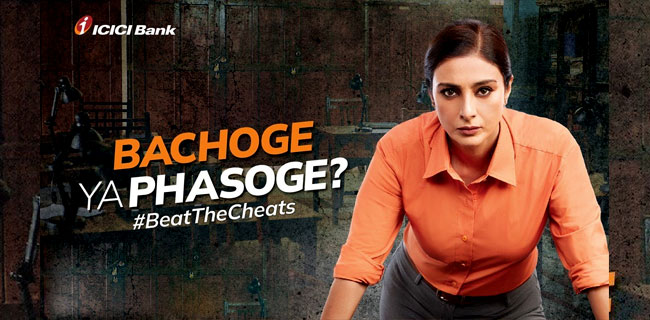
    ICICI BANK #BeatTheCheats

    ICICI Bank and ICICI Foundation have been doing some good work communicating these simple rules. They have treated the scammers as an organised set-up with training and showing how they trap the victim. Think the communication works.

    UPI PIN is only needed for making the payment, not for receiving payment. Never share your UPI PIN with anyone.


    Never scan unknown QR Codes. QR Code is scanned for making payment and not for receiving payment or refund. Beware of fraud lottery scams and messages that tell you – you have won and send you a link for payment. Remember, if it’s too good to be true, it probably is! Never trust calls/SMS claiming you won a lottery. Never click on unknown links. Never share your PIN/OTP with anyone. Let’s #Beatthecheats.


    RBI Bank And Digital Safety

    RBI has been at the forefront of customer digital safety education and communication. It has used various media options and created simple communication series. And its shorts are directly shareable across social media platforms. Like every other bank, it has films pushing digital safety and not sharing banking financial information. And they has used day-to-day situations like a badminton court and a restaurant to further make the point. It even has a Rap Song to propagate the message. The bank has heavily invested on Digital interaction on the subject and used print to communicate the message.


    OTHER BANKS

    HDFC Smartbuy even shares tips on how to get the best out of online shopping and safe Digital Payment. They have a series of ads showing possible Scam schemes like Holiday and how the victim is trapped.


    Axis Bank  plays the same or similar points in their communication on Phone pe Chori. RBL bank also shows the scamming process, including the KYC update scam, and how an alert customer can be safe.


    THE SCAM STORIES.

    There are many stories that scammers weave to trap their victims. For example- pre-payment advance for buying an item on sale by the victim, including a deal on platforms like OLX. Lottery win information and need for the pre=conditional registration fee. Hacking into customers’ WhatsApp or Facebook accounts and sending messages to the contacts, asking for money. Using Facebook hack of open account visuals and then using them as sextortion. Massage parlour booking sextortion case. Selling consumer durables or properties at a very attractive price. Multiple bookings at Airbnb or Homestays or even low-cost, out-of-the-world priced holidays and many more.


    HELPLINE 1930

    As per the Ministry of Home Affairs (MHA), more than 1,40,000 UPI fraudulent activities were reported on the National Cybercrime Reporting Portal (NCRP) during Q1 and Q2 2022. RBI says that UPI transactions increased by 1200% in the fiscal year ending September 2022. This massive increase has also made UPI fraud account for a reasonably high number of cyber frauds in the country.


    There is a definitive need to educate the public on Cyber Crime Helpline – 1930 and the site www.cybercrime.gov.in. They must be told – what to do when they fall for the scam. What information is needed to pursue the case, and what they should do.


    NET-NET

    There is much more that banks and digital payment platforms need to do regarding customer awareness and safety tips for financial transactions. And the onus for safety should also be on the customers. One has to be aware of and follow the safety tips that banks and payment platforms regularly share. Maybe, they should contribute funds, and a collective communication drive should be strategised and implemented for better effectiveness and efficiency.


    ~ ~


    How To Ensure Safe Digital Payment Transaction. ( Source SBI and ICICI Bank)

    • ATM/Debit/Credit Card is the key to your bank. Do not hand over your card to anyone else for use.

    • Never write the PIN anywhere.

    • Never share your financial information when requested over the phone or by e-mail.

    • Do not seek help from strangers in ATM/ Branch; instead, approach any bank official.

    • While withdrawing cash from an ATM or entering it during any transaction, like shops and airport lounges- make sure nobody is standing behind you. Always cover the keypad with your fingers.

    • No bank will use e-mail or call you to ask for your PIN, password or other confidential account information.

    • Do not give your phone to strangers to send SMS or make calls. If they are in an emergency, send the SMS yourself or dial the number yourself.

    • Try using unique and complex passwords and change passwords frequently. Strong passwords/ Biometric permission should be enabled on your phones/laptops/tablets.

    • Try using biometric authentication wherever feasible.

    • Do not download any unknown app suggested by strangers.

    • Try keeping your Mobile PIN and UPI PIN different and random.

    • Do not respond to any unknown UPI requests. Report suspicious requests

    • Never disclose, store or write down your user ID, passwords or PIN

    • Disable the ‘Auto Save’ or ‘Remember’ function in your device to avoid storing the user ID and passwords.

    • Always remember that a PIN is needed only for transferring amounts, not for receiving.

    • Instantly disable UPI service on your account if any transaction has happened without you doing it.

    • On the internet- Always look for “https” in the address bar of the bank’s website.

    • Avoid performing online banking transactions in public places using open Wi-Fi networks. Always log out and close the browser when you finish your work.

    • Do not share your personal/financial information on any social media platform.

    • Manage your debit card transactions through Online Banking.

    • Set a limit for card transactions at e-commerce platforms, POS and ATM both for domestic and international transactions

    • Always download apps through official stores. Monitor permission is given for critical apps on mobile and keep track of unnecessary and unused apps