
 In a revealing experiment, American teacher Mary Garza asked her pupils to leave their phones on loud while they were in class. An unusual request, yes, but she wanted to show them something.
Every time a phone notification went off, the pupil would then have to put a mark under the correct category for what the notification was for. The result was eye-opening.
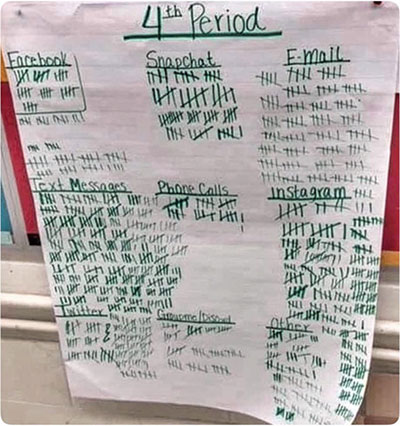 In the space of one class that is roughly an hour long, her students received a combined total of over 1,000 notifications from Facebook, Snapchat, Twitter, text, email, calls and other social media platforms. That’s a notification coming in every 2.5 seconds.
So every 2.5 seconds one person in class was being distracted by their phone, which obviously has a huge impact on their attention levels – and education.
A few months ago, I sat in a presentation to a marketing director in Jakarta. Her boss, the country manager, popped his head in and informed us that he had to finish appraisals that evening. Now, they had fixed the meeting time and date. The marketing head had their laptop open throughout our presentation; we realised that they were doing their appraisal on WhatsApp while sitting in the meeting. Were they paying attention? Absolutely not.
I have known CEOs who bring three screens to meetings, boasting they’re multi-tasking. Globally, managers especially struggle to maintain focus, with 683 hours lost to distraction annually. In fact, managers lost more than 100 additional hours of productive time compared to other roles, which averaged 553 hours lost each year – driven in large part by unproductive meetings and administrative tasks. Put another way: lost focus costs companies $37,000 per manager, compared to $21,000 for other roles.
So, while marketing gurus harp on how we’re in the Attention Economy, I’d like to posit that what tech, marketing and entertainment are building is the Distraction Economy.
Infinite scrolling and dopamine
Today, the fastest growing sector of the culture economy is distraction. You can call it scrolling or swiping or wasting time or whatever you want. It’s neither art nor entertainment, just ceaseless activity.
The key is that each stimulus only lasts a few seconds, and must be repeated.
It has already become a huge business, and will soon be larger than arts and entertainment combined. Everything is getting turned into TikTok, an aptly named platform for a business based on stimuli that must be repeated after only a few ticks of the clock.
TikTok has made a fortune by filling our screens with fast-paced scrolling video. And now Facebook—once a place to connect with family and friends—imitates it. As does Instagram, YouTube, and everybody else trying to get rich on social media. So long, Granny, hello Reels.
The advent of infinite scrolling has marked a significant shift in how we consume content. When you watch a video on YouTube, the next video loads immediately. Netflix starts the next episode of your favourite show right away. Browsing Reddit reveals an endless stream of social media content.
This is more than just the hot trend of 2024. It’s worrying because it could last forever—because it’s based on body chemistry, not fashion or aesthetics.
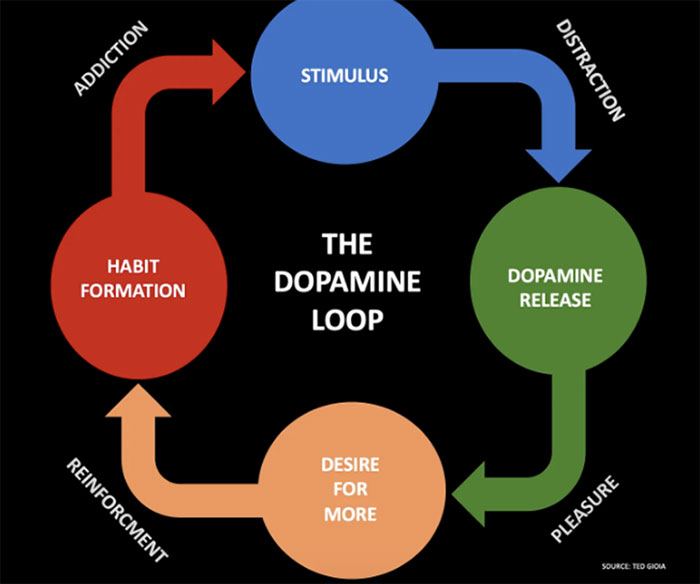
Our brain rewards these brief bursts of distraction. The neurochemical dopamine is released, and this makes us feel good. So we want to repeat the stimulus.
It’s human nature to seek predictability and pattern. In their absence, we search for them. So, we pull to refresh. Rewards aren’t guaranteed, and most of the time, we don’t discover anything remarkable. In the same way as we gamble, we continue to refresh in hope of a quick rush of dopamine.
This is a familiar model for addiction.
Although we have endless founts of fun at our fingertips, the data shows that we’re less and less happy, says Dr Anna Lembke, Stanford University professor and a world-leading expert on addiction.
We’re forever “interrupting ourselves”, as Lembke puts it, for a quick digital hit, meaning we rarely concentrate on taxing tasks for long or get into a creative flow.
Only now it is getting applied to culture and the creative world – and billions of people. We are unwitting volunteers in the largest social engineering experiment in human history.
Addicted to drama
Even ‘distraction’ is just a stepping stone toward the real goal nowadays – which is addiction.
Instead of movies, social media users get served up an endless sequence of 15-second videos. Instead of symphonies, listeners hear bite-sized melodies, usually accompanied by one of these tiny videos, just enough for a dopamine hit, and no more.
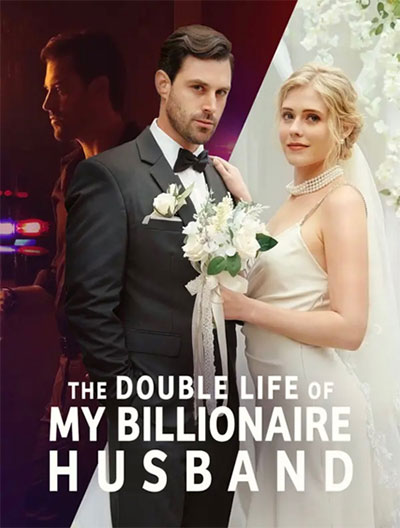 This is the reason why two-minute episodes of “The Double Life of My Billionaire Husband” have been showing up on your content/ social media feeds lately.
After exploding as a content format in China, micro-dramas are the latest content trend racking up views everywhere, showing in our feeds as we scroll. Delivered in two-minute episodes that have mostly been adapted from Chinese web novels, the market is already estimated at USD 5 billion.
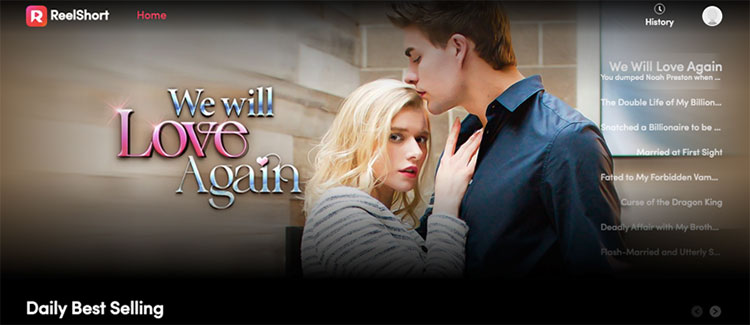
Thanks to TikTok, younger audiences gravitate towards bursts of content that adapt to their preferences in real-time. To feed this impatience, apps like ReelShort are creating minute-long, mini-dramas that are part TikTok video, part soap opera.
ReelShort, owned by California-based Crazy Maple Studio and backed by Beijing-based digital content company COL Group, launched in 2022. And its format, which is already popular in parts of Asia, is taking off worldwide. In 2023, 7m+ people downloaded ReelShort in the US, while worldwide downloads surpassed 24m. It’s hardly alone: a slew of other apps – Sereal+, ShortTV, DramaBox, and FlexTV – are all vying for our short attention spans using the same recipe.
These short dramas prioritise quick, oversimplified stories of love, wealth, betrayal, and revenge, sometimes featuring mythical creatures like vampires and werewolves. Stories of marrying into a rich family attract men, while stories with a powerful female protagonist in control of her life appeal to women.
One of the highest-grossing shows on FlexTV is called Mr. Williams! Madame Is Dying. It’s a corny romance story about a love triangle, ultra-rich families, cancer, rebirth, and redemption, and it was adapted from a Chinese web novel that has nearly 1,300 chapters. The original story has been turned into a Chinese short drama, but FlexTV decided to shoot another version in Los Angeles for an international audience.
The revenue model for these hits (pun intended) is not unlike that of a drug dealer’s.
Unlike most streaming services, which require subscriptions, Chinese platforms for streaming and web novels use a business model of paying by the episode or chapter.
Essentially, the first 10 or so episodes are always available for free, but once users are hooked, they need to pay a certain amount to watch each episode. It resembles the micro-transaction mechanism in mobile games, which Chinese companies, like the developer of the global hit Genshin Impact, also perfected. Users can quickly rack up thousands in payments by buying small items in-game here and there.
FlexTV has a similar tactic. Viewers can pay $5 for 500 in-app coins, which in return unlock about seven episodes. A whole series therefore can cost around $50, but there are also small tasks users can do in the app to earn free rewards, like watching ads, posting about the app on social media, and doing daily check-ins.
This is the new culture. And its most striking feature is the absence of culture or even mindless entertainment, as both get replaced by compulsive, repetitive activity.
Are we going to see 2-minute micro-dramas from brands soon?
—————
Kunal Sinha is a senior strategy and foresights executive based in Jakarta, Indonesia. He is the author of several books including The Future of India’s Rural Markets and Raw – Pervasive Creativity in Asia. He writes for MxMIndia every other Monday. His views here are personal.
Reference:
https://impact.economist.com/new-globalisation/in-search-of-lost-focus-2023/