By Ranjona Banerji
The great gaps in Indian journalism have been exposed by the coverage of one year of the Narendra Modi government at the Centre. And also, the great divide within.
The media, print, television and digital (if only we could add radio to this list), have embarked on a first anniversary analysis of the government’s performance. This includes report cards, which former prime minister Manmohan Singh used to do with his Cabinet.
However, who do you find to both praise and critique the government’s performance and appear to be objective? Commentators and analysts have been very sharply divided between pro-Modi and anti-Modi since the nation kicked into election mode in 2014. The supporters are usually either BJP members or open admirers. The anti-brigade are the usual suspects and somewhat larger in number because they include academics and activists.
The only recourse therefore to “balanced†coverage is to ask members of the BJP itself and BJP-appointed members of organisations or pro-BJP corporate to assess the government’s performance. Obviously there is no balance there at all but perhaps there is no option.
So that’s as far as columnists and analysts go. What about bog-standard newspaper coverage? Here we see, more or less, straight outright hero worship. The Times of India’s Mumbai edition gives the Modi government over 77 per cent on May 26, the anniversary of the swearing-in or anointment as TV anchors preferred to gush. Oddly a survey for May 16, the first anniversary of the election results, in the same newspaper, showed many Indians, especially those living in Mumbai, not quite so happy with the government’s performance. Perhaps something dramatic happened in the last 10 days that the rest of us are unaware of?
The Economic Times outdid its sibling paper with its 20 or more days of coverage and analysis of the first year. The paper on May 26 led with the headline “Lage Raho Narendrabhaiâ€, a salute to the successful Lage Raho Munnabhai movies about the life and times of a lovable petty gangster. Not sure if the editors saw the irony there or had not seen the movies… Judging by the gush and mush, I would reckon they thought they were just being super-clever.
The Hindustan Times, Hindu, Telegraph, Indian Express and so on follow the model but with comparatively less hero worship… but am not sure that that’s saying a lot… TV is so idiotically breathlessly ra-ra that analysis is sometimes not possible. The websites have managed to be better sources of opinion than newspapers but is that because they depend not as much on advertising revenue?
**
Rather than speaking to so many “expertsâ€, how would it have worked if newspaper reporters or maybe editors themselves, actually ventured out to the streets to speak to the general public. After all, they are the ones who vote and who wanted “achche din†after four years of stagnation. Had these people understood that the promises made were dismissed as “jumla†or that the promised good days were not supposed to arrive for the next 60 years?
It might have been interesting to know how editors would spin the word on the street. Surveys are so much easier and so what if they’re not always right? You can always increase the margin of error to plus-minus 15 per cent, no?
The foreign media, perhaps most interested in India because of Modi, has been more balanced in their assessment. This is actually a scathing indictment of the Indian media as a whole because it means that too many managements and editors put business interests ahead of truth… Hmm, what’s new, eh?
**
Meanwhile, some Hindi newspapers reported that chairs were broken by crowds angry with Modi’s one-year celebration speech in Mathura on Sunday. Did any English newspaper or TV channel report this?
Ranjona Banerji is a senior journalist and commentator. She is also Consulting Editor, MxMIndia. The views expressed here are her own. She can be reached via Twitter at @ranjona
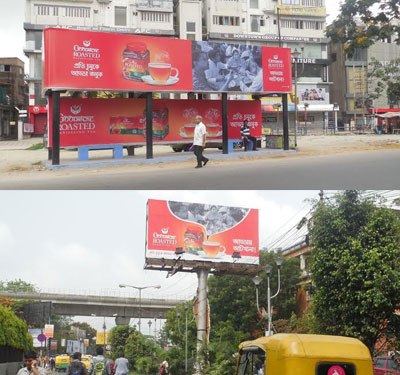 In a bid to give boost to the soulful adda-culture better, Goodricke has taken to the Outdoor-route for the first time to promote their highest selling Brand – Roasted – amongst masses as the most sought after Darjeeling Tea brand in the country.
 New figures unveiled recently show the BBC has a weekly global audience of 308 million people. This represents the combined measured reach of international BBC content – both news and entertainment – for the year 2014/15 and is the first time this figure has ever been measured in this way.
 By Jaisurya Das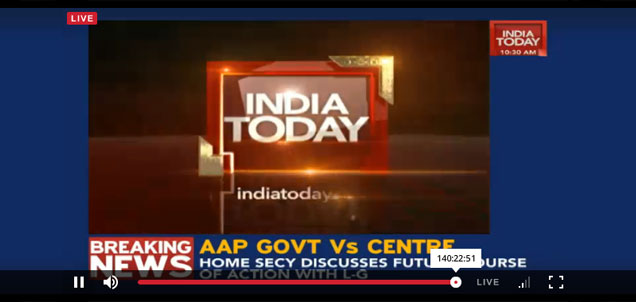
 Over the last few months, ever since Karan Thapar and Rajdeep Sardesai have come on board, Headlines Today has seen a steady rise in popularity (though I am sure your marketing team will say that rise started even before they came on board). So why change the name?
 After eight years of innovating and transforming the shopping landscape in India, Flipkart has now undergone a brand identity refresh. Starting with a new logo, the brand has now been refreshed across all the elements that have made it endearing to millions across India.