Author: mxmadmin

  • @FF12: Day 3: Industry expects thoughts to lead to pertinent actions

    By A Correspondent


    The last day of FICCI Frames 2012 was an eventful day — insightful sessions, a lot of networking, sharing of ideas, deals being cracked — and amongst all of this, the highlight was the session on Women in Media and Entertainment.


    The day started off with a keynote presentation by Ashok Chawla, Chairman, Competition Commission of India (CCI). He said that the media and entertainment (M&E) industry was one of the fastest growing sectors inIndiawith an expected CAGR of 14-15 per cent. He then proceeded to outline the role of the CCI and its importance: “CCI is an overall market regulator whose objective is to ensure that market forces operate with transparency and fair play. It has been put in place to identify the boundaries of behaviour of the industry.


    Mr Chawla opined that self-regulation was of prime importance to avoid infringement of law or market practices and cautioned industry players that consumers should be given primary importance.


    Taking on the Digital threat

    The next session was on “Sustaining Long-term Newspaper Loyalty” by two biggies — N Ram, former Editor-in-Chief, The Hindu and Girish Agarwal, Director, Dainik Bhaskar Group, who shared their views on the future prospects of the newspaper industry.


    Mr N Ram started off his speech by stating that there was ‘anxiety and gloom’ over the fact that journalism was seeing a meltdown in the mature markets. He outlined two media world phenomenon next, where the less developed countries are witnessing increase in circulation of newspapers unlike the mature market. But he added a word of caution when he said that TV, even in the developing world, is going through a crisis which it has so far covered by showing entertainment as part of news. Inspite of this, Mr Ram was optimistic that the medium term prospects for the media industry are looking good.


    As is been spoken widely about, the key factor for the decline in the newspaper is the increasing popularity of the digital media. Mr Ram called this the Digital Age Paradox and added that in recent times the newspapers have seen an increase in the readership of their online editions but have witnessed a “double squeeze” on their revenue, as they have had to subsidise digital journalism, which in turn is cannibalising their circulation.


    On how to sustain loyal readers, he tipped, “Stick to the basic principles of journalism – they can build a relationship with the readers, which it can rent out to the advertisers. And most important – “newspapering” should not be reduced to consumer marketing of news.”


    Mr Girish Agarwal took the stage next. Contrary to Mr Ram’s belief, he said that Indian newspapers are growing in their circulation and readership. He spoke about the need to engage the ‘consumer’ by asking “How relevant are we (newspapers) to the reader?”


    He opined that a newspaper cannot rest on its past glory but should move ahead by acknowledging and understanding what the consumer wants and giving him what they think he needs. On how to keep pace with changing times, Mr Agarwal said that newspapers should have global vision and hyper local content.


    After the speeches the floor was opened to the audience who questioned Mr Ram and Mr Agarwal about threat perception of the culture of medianet and media houses being bought over by MNCs. Mr Ram denounced paid news as a rogue practice which has been rubbished by the Press Council. Mr Agarwal said that ethically media should report anything that may be perceived as defaming by the parent company but the ground reality is not always so rosy.


    Women to the fore

    A big highlight of Day 3 was a session titled   ‘Women in Media & Entertainment circa 2012: Leading from the front’.

    The panel members of this session were Vidya Balan, Actor; Anurradha Prasad, Managing Director, BAG Films; Jeni Tosi, CEO, Film Victoria; Ekta Kapoor, Creative Director, Balaji Telefilms; Barkha Dutt, Group Managing Editor, NDTV; and Usha Uthup, Singer. The session was moderated by Rajeev Masand, Entertainment Editor, CNN-IBN.


    This session discussed the journey of each of the above eminent women personalities and the challenges they faced during their journey. As the moderator, Rajeev Masand put it: “Traditional media, for long, was dominated by men, but not any longer. It’s become outdated.”


    All the eminent women personalities claimed that despite all their challenges they had an incredible journey and the results have been fruitful.  Ms Tosi observed that there would always be obstacles in a woman’s journey but, at the same she also admitted that at times a little bit of luck and timing also plays a part in one’s success nevertheless, she must also be hard working and committed to succeed.

    According to Ms Dutt, the real heroes are the women who came before them i.e. those who made a mark and their presence felt in the male dominated industry.


    One of the topics discussed at the session was whether ambition for men meant one thing and another for women, and how society reacts to ambitious women. Ms Ekta Kapoor agreed that ambition for men is a virtue, but for women it is seen as something negative. “I never took being a woman as a disadvantage. Today I am successful not in spite of being a woman but, because I am a woman,” she added.


    Ms Prasad said: “Today women have become mature, and so have their families. Women have to juggle multiple roles. Had I thought that since I am a woman, I cannot take on a task, then I would not have been successful. If you are happy with what you are doing, you will be successful in life.”


    Ms Uthup was of the view that what has really changed is the audience. “The field of Arts has been a level playing field for women. You really don’t have gender bias. I believe if we want change to take place, the people need to be awakened. Men and women must work together, but then there are things that women can do and men can’t and there are things men can and women can’t do.”


    Ms Balan said: “The Indian actress today has been humanized; she is getting to play a part in the story. I have never seen my gender as a disadvantage, all I knew was I had to be strong to move ahead in life. There is a wide variety of roles for women today and the fact that there is no model code for women any more is liberating.”


    While all these eminent women had plenty of inspiring stories to share, each of them have had to overcome their own tough challenges, change the societal mindset about women being weak and docile, to climb their way to the top.


    The road is set for 2013


    In a session which ran parallel to the one on Women in M&E, a panel of regional TV experts got together to discuss growth avenues. Moderated by Nachiket Pantvaidya, Executive Vice-President, Star Pravah and with speakers like K Madhavan, Managing Director, Asianet and Sharada Sunder, EVP – Regional Channels, Zee, the session concluded that “Regional was the new National.” One issue which was discussed in the session was how to attract talent and also how does regional broadcast channels attract youth, the single largest segment inIndia.


    A session on GEC regulation discussed dos and don’ts as far as content is concerned, what is permissible and what not. It included Justice AP Shah, Prof Jonathan Askin, Ashok Nambissan of Sony Entertainment Television and Naresh Chahal of IBF.


    The general feedback from delegates was that Frames 2012 had pertinent topics discussed. One hopes that industry put the many ideas and resolutions discussed to action.
     

  • PlanetRadiocity launches new genre on Web Radio

    By A Correspondent


    PlanetRadiocity.com has formally launched its new web radio genre, IndiPop Radio, which plays back-to-back IndiPop hits 24×7. The newly launched web radio station will feature popular IndiPop music from all over the world, the segment will also feature popular music of artistes like Lucky Ali, Mohit Chauhan, Kailasa, Strings, Junoon, Apache Indian, Sukhbir and so on.


    The launch of the IndiPop stream (a new genre on PlanetRadiocity Web Radio) is said to be an effort to expand the offerings of PlanetRadiocity Web Radio. Web Radio which offers 24 hours of streaming internet radio was launched in March 2010 by PlanetRadiocity.com.


    Indian rapper Baba Sehgal also launched his new single and video ‘Praji Kunjam Kunjam Control’ exclusively on PlanetRadiocity Web Radio. Listeners will have to visit IndiPop Radio on PlanetRadiocity.com’s Web Radio to listen to the song.
     

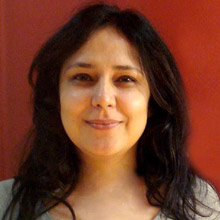
    A little more than three years since its launch, PlanetRadiocity.com, the music portal from Radio City, is set to undergo a revamp. Its Web Radio, after ‘Live Radio’ and ‘IndiPop’ will very soon launch more genres such as Devotional and Independent music to name a few. In conversation with MxMIndia, Ms Rachna Kanwar, Head – Digital Media and New Business, Radio City the brain behind PlanetRadiocity.com spoke about the future trends of online radio, mobile plans for PlanetRadiocity, on the revamp plans and much more.


    Q: Can you throw some light on the new web radio station – IndiPop? 

    Last year we started ‘Web Radio’, which is a separate entity and not the same as the terrestrial radio. Web Radio has been created keeping in mind our TG which is the internet audience and now we have launched IndiPop Radio which was formally launched on Tuesday, March 20, 2012. We believe there is a huge space that is yet to be filled by the non-film music. Today most people are focusing only on Bollywood music, which of course is very popular and we too play and endorse it.


    However there are also other genres or type of music which are very popular and have a lot of audience and hence needs to be played. In fact most of the popular Bollywood singers have emerged from this genre (IndiPop) whether they are Kailash Kher, Mohit Chauhan, Shaan etc. So if Bollywood is dipping into this creative pool then why not create space for the IndiPop genre itself. This year in fact is in a way seen as a comeback of the IndiPop genre because a whole lot of artists of this genre are announcing their albums whether it Lucky Ali, Indus Creed or Baba Sehgal himself.


    Q: Now, once an artist launches his/her album, take for example the Baba Sehgal album… How does PlanetRadiocity promote it or take it forward?

    What we plan to do is take a 360 degree marketing approach by promoting it through our terrestrial radio station, online we will be using the social media, search engine marketing, mailers, promos etc. and then create events around it.


    Q: On Web Radio, (launched in 2010) you have Live Radio and now IndiPop Radio. How has the response been for web radio? What are new genres that you would explore soon?

    Very soon we will be launching devotional music and independent music which is very different from Indipop and many more. Our TG is completely the internet audience i.e. anybody and everybody who is interested in listening to music but, our web radio are consumed heavily in offices and by college students. Apart from them, we have a whole lot of audience listening from home as well and a large chunk of them are the NRI’s. We have received huge response from audience on our Web Radio. We have about 1.6 million listeners from across the world including UK, US and Pakistan etc.


    Q: Is there a market for web radio in India? What is the audience profile that visit PlanetRadiocity’s web radio? Do Radio City listeners also visit the website?

    Frankly, people have just begun to understand digital music in India, people are becoming quite aware of music online and therefore you have more websites targeting music lovers online. So there is a market for web radio in India and we have been quite successful with web radio.


    Radio listenership to a certain extent has been moving to the digital platform and while we do realize that radio has its loyal listeners, there are listeners particularly the younger ones who are moving to digital. We already have headway in engaging this audience, we have a full-fledged digital team and music website.


    Q: The business model for web radio (and PlanetRadiocity) is ad sales led, isn’t it? Is there any other revenue source?

    Web Radio is also dependent on banner advertising and ad sales etc. The advantage being that within the stream also one can sell air time and which is a huge advantage for us because our sales team know how to sell air time.


    Q: It’s been nearly 3.5 years since the launch of PlanetRadiocity.com. You have the web radio now and more genres to come. Any plans to revamp the website or give a new look to the web radio section?

    Yes, very soon we will be revamping the website. We would also be including new features in it which should happen in about a month time or so.


    Q: How are you leveraging mobile? Any mobile specific plans? Will mobile internet users also be able to listen to PlanetRadiocity web users?

    We are in the process of creating mobile apps for the website. Once these apps are created we will also have mobile internet users also visiting our website.


    Q: How has 2012 welcomed PlanetRadiocity? What can we expect from you this year and say a few years from now?

    The year 2012 looks extremely positive and encouraging because we will be launching a new look, we would be launching a lot of music streams, new web radio genres etc. which will attract new audience. As far as our growth target is concerned we have been able to meet them.


  • @FF12: Day 2: Seamless blending with traditional mediums – a big want!

    By A Correspondent


    After an invigorating day where suggestions and formulas surrounding digital came flying thick and fast, it was time for the mediums of television, advertising, radio, films etc to do some soul-searching and look for solutions to tackle the imminent challenges that digital is bound to bring. The day began with a keynote address by Hernan Lopez, CEO, Fox International, who began by praising the dominance that India had cast on several countries around the world. But he regretted the fact that despite ideas and innovations gaining prominence, one area that sadly lacked innovative ideas and content was television. According to Mr Lopez, the reason for India’s lack of show was due to the fact that Indian talent “operates under price control which equals creative shackles”.


    Mr Lopez continued saying that the Indian television industry is almost totally dependent on advertising revenues – almost $2.6 billion per year – which, coupled with the fact that there is an overabundance of channels and less number of affiliates, meant that broadcasters are in a bind. The way forward according to Mr Lopez was if the price control was done away with. He said that this would make it possible to pay the talent in the industry what it deserves and then it can operate without any constraints to produce the best possible content. Mr Lopez lauded the move to digitisation which would reduce the carriage fees being paid and increase the revenues for the industry.


    In a session moderated by Neeraj Roy of Hungama, Sanket Akerkar, MD of Microsoft India talked about “The converged future – Multiple platforms, technologies & transforming applications for media and entertainment”. The theme of his keynote address was significance and emergence of digitisation. Citing the example of ‘Occupy Wall Street’, Mr. Akerkar said that the consumer lifestyles today are controlling the way conversations happen. The industry has to takes its cues from what the consumers want. According to him, even ads will now be consumed as per the consumers’ choice and the advertisers can’t dictate the place and time for the consumption. Now the people are going to become the content creator and content consumer. The main challenge for the industry is now to seamlessly blend and enable technology to become user-friendly, he said.


    Mr Roy added by saying that technological progress has enabled applications that recognise the customer preferences, be it the Internet or the phone. All the speakers were in agreement that once the digitisation bill comes into effect, the choice of content available to the user will be limitless. As Mr Akerkar said, “the challenge will be to separate content, be it mainstream or user generated into what is relevant and what is not.”


    In another session titled “Innovations in the advertising industry in the digital world”, the panellists focused on why the much sought after medium of digital was rather ignored by advertisers who preferred to seek refuge elsewhere. The panellists comprised Rajan Anandan of Google India, Olivier Fleurot of MSL, Frederic Josue of Havas Media, Vikram Sakhuja of Group M, Kapil Agarwal of UFO Moviez and Varun Gupta of KPMG India. The session was moderated by Rajiv Makhni, Managing Editor, Technology, NDTV.


    Mr Anandan began by stating that India is still an emerging market where web advertising is concerned and it still constitutes just 3 per cent of the overall advertising spends in India – estimated to be around Rs 33,000 crore. The biggest driver of growth in advertising on the web would be through the rise in the number of users of smartphones, which is estimated to touch 100 million users in 4-5 years time. Smartphones alone could boost the growth of web advertising to about 8-10 per cent, he said.


    Mr Josue of Havas was of the view that it would be content that will drive the growth of the medium in the years to come. But the medium will face its share of issues which include multi-tasking across various platforms as an attempt will be have to be made to offer content seamlessly across various mediums, he said. Mr Fleurot began by stating how the marketing and communications industry was witnessing a profound disruption due to the invasion of technology and social media. This, he said, has led to an increased level of competition in the marketplace. The challenge, according to Mr Fleurot, is that clients today are not yet organised for the 21st century as they still prefer to work in silos. But in the case of online, the model of working in silos will disappear as all the other mediums work as a single unit on the internet. Going forward, the two key factors that will determine the growth of this medium, he said, include the speed with which marketers communicate with their users through the digital medium and the transparency with which they operate on the medium.


    Vikram Sakhuja was at his jingoistic best as he began by questioning what the term innovation in advertising actually stood for. “Innovation is a term that is broader than creativity. It is a new way of doing something better,” he said. He outlined the current scenario by stating that technology today is an overestimated medium in the short term but is underestimated for the long term. The problem according to him is that the medium has been underestimated for a long time now and that it was about time the medium leapfrogged ahead of the others – go from the current 3 to 15 percent in the shortest possible timeframe.


    In the session titled “Building sustainable models for niche content” honchos from the broadcast industry such as Paritosh Joshi of Star CJ (session moderator), Smeeta Chakrabarti of NDTV Lifestyle, Monica Tata of Turner International India, Ajay Chacko of A+E Networks I TV 18 JV, Atul Pande of Zee – Sports and Rasika Tyagi of Star India discussed on revenue models to sustain TV content catering to niche audiences and its long-term sustainability. Atul Pande stressed on the need to charge premium to audiences who really are on the lookout for speciality content. Smeeta Chakrabarti said that as a speciality channel one cannot talk about TRPs, rather it is the brand connect that needs to be spoken about as far as ad sales was concerned. Rasika Tyagi on the other hand remarked that the whole idea of measuring a speciality interest channel should be relooked at. “It’s not about how many people are watching you; it’s more about what kind of people are watching you.” She also said that the audiences of niche channels are of such quality that they do not mind paying, and that broadcast companies should look to tap into that opportunity.


    On whether the industry requires a different approach as far as measurement for these channels was concerned, Paritosh Joshi said, “The big challenge with respect to measurement is that we need to find a way to measure both quantity as well as quality. The quality aspect is very critical for a speciality channel.” Monica Tata added, “We need to have a different measurement system to evaluate special interest channels.”


    In the post-lunch session titled “Radio: Innovations in content”, industry veterans discussed at length the innovations that radio was witnessing with regards to content and the enormous innovation opportunities that FM Phase III would allow. The session was moderated by Apurva Purohit, CEO of Radio City and the panellists included Rabe Iyer of Big FM, Abhijit Avasthi of O&M, Bhavna Somaaya, Columnist and Writer and Charles Falzon of Ryerson University.


    Ms Purohit kick-started the session stating that radio currently is in a schizophrenic stage wherein on one hand the medium is witnessing immense growth, it has a huge reach in the country and the FM listenership has also further increased with higher number of mobile phones, while on the other hand the overall ad pie of the medium is at a dismal 4 per cent. She pointed out that in the next two years the industry anticipates another phase of growth which will bring news, sports commentary, multiple frequencies, besides further expansion into towns and cities.


    Speaking about the strengths of radio as a medium to advertise, Mr Avasthi first admitted that out of all the media, it is the toughest to write radio spots. He explained, “The strength of radio I believe is one can conjure up a world in the minds of the listeners. What you hear on radio today is mainly restricted to Bollywood music. There are so many kinds of music still to be explored and so many types of content that can be experimented, and I believe the industry requires some amount of courage to break this format.”


    According to Mr Iyer, although 80 per cent of content on radio is music and 20 per cent on the packaging of music, there has been some innovation in the medium and with the launch of phase III it will bring with it immense opportunities especially on the innovation and differentiation front.


    Key takeaways:

    – Need for television to do away with price control

    – Niche channels to broaden content choice for consumers

    – Post digitisation, consumers will dictate place and time of content consumption

    – Need for significant hike in digital adspends by clients

    – Phase III to steer growth of radio significantly


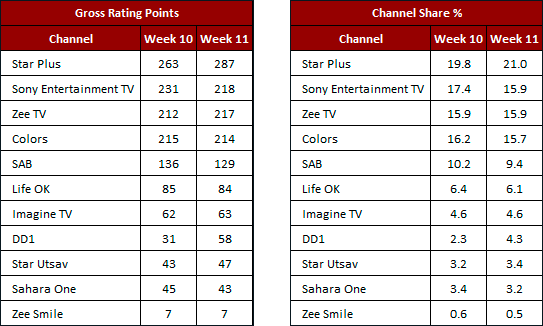
  • TAM Data (GRPs Channel shares of HGECs)- Wk 11 ’12


    Source: TAM Peoplemeter System
    TG: CS 4+ yrs
    Market: HSM
    Period: Wk 10: Mar 4 to Mar 10, 2012
    Period: Wk 11: Mar 11 to Mar 17, 2012


    About TAM Media Research


    TAM is a joint venture between Nielsen Company & Kantar Media Research. Besides measuring TV Viewership, TAM also monitors Advertising Expenditure of Television, Print & Radio through its division AdEx India. Since 2004, it extended its presence in the PR Measurement & Analysis space for Corporate/Marketing Clients by setting up a separate division Eikona PR Measurement.


    In 2007, the joint venture introduced RAM (Radio Audio Measurement) service to track Radio Listenership for the Indian Radio Broadcast Industry. In year 2009, TAM launched a division, called TAM Sports that specializes in monitoring Sports Sponsorship ROI.


    TAM Media Research’s objective is to fuel media insights that will drive the growth of the Indian Media Industry.

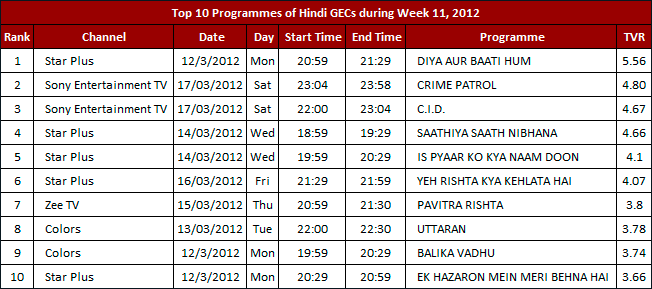
  • TAM data Top 10 programmes on HGEC – Wk 11 ’12


    Source: TAM Peoplemeter System
    TG: CS 4+ yrs
    Market: Hindi Speaking Market
    Period: Wk 11: Mar 11 to 17, 2012


    About TAM Media Research


    TAM is a joint venture between Nielsen Company & Kantar Media Research. Besides measuring TV Viewership, TAM also monitors Advertising Expenditure of Television, Print & Radio through its division AdEx India. Since 2004, it extended its presence in the PR Measurement & Analysis space for Corporate/Marketing Clients by setting up a separate division Eikona PR Measurement.


    In 2007, the joint venture introduced RAM (Radio Audio Measurement) service to track Radio Listenership for the Indian Radio Broadcast Industry. In year 2009, TAM launched a division, called TAM Sports that specializes in monitoring Sports Sponsorship ROI.


    TAM Media Research’s objective is to fuel media insights that will drive the growth of the Indian Media Industry.

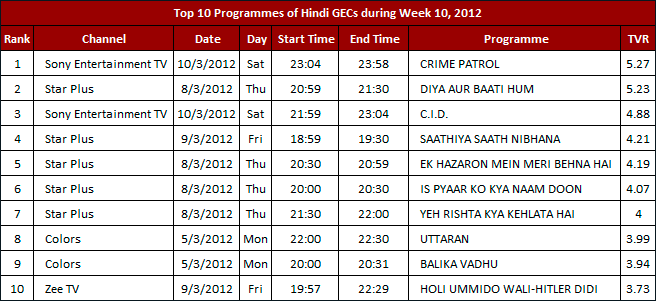
  • TAM data Top 10 programmes on HGEC – Wk 10 ’12


    Source: TAM Peoplemeter System
    TG: CS 4+ yrs
    Market: Hindi Speaking Market
    Period: Wk 10: Mar 4 to 10, 2012


    About TAM Media Research


    TAM is a joint venture between Nielsen Company & Kantar Media Research. Besides measuring TV Viewership, TAM also monitors Advertising Expenditure of Television, Print & Radio through its division AdEx India. Since 2004, it extended its presence in the PR Measurement & Analysis space for Corporate/Marketing Clients by setting up a separate division Eikona PR Measurement.


    In 2007, the joint venture introduced RAM (Radio Audio Measurement) service to track Radio Listenership for the Indian Radio Broadcast Industry. In year 2009, TAM launched a division, called TAM Sports that specializes in monitoring Sports Sponsorship ROI.


    TAM Media Research’s objective is to fuel media insights that will drive the growth of the Indian Media Industry.


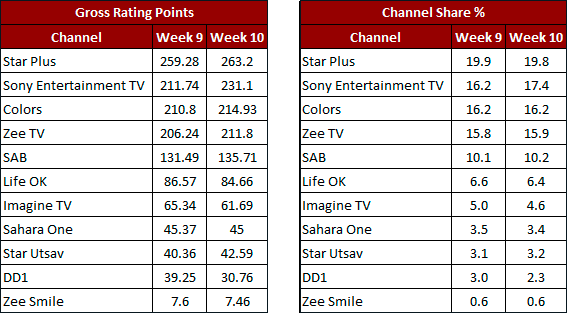
  • TAM Data (GRPs Channel shares of HGECs)- Wk 10 ’12


    Source: TAM Peoplemeter System
    TG: CS 4+ yrs
    Market: HSM
    Period: Wk 9: Feb 26 to Mar 3, 2012
    Period: Wk 10: Mar 4 to Mar 10, 2012


    About TAM Media Research


    TAM is a joint venture between Nielsen Company & Kantar Media Research. Besides measuring TV Viewership, TAM also monitors Advertising Expenditure of Television, Print & Radio through its division AdEx India. Since 2004, it extended its presence in the PR Measurement & Analysis space for Corporate/Marketing Clients by setting up a separate division Eikona PR Measurement.


    In 2007, the joint venture introduced RAM (Radio Audio Measurement) service to track Radio Listenership for the Indian Radio Broadcast Industry. In year 2009, TAM launched a division, called TAM Sports that specializes in monitoring Sports Sponsorship ROI.


    TAM Media Research’s objective is to fuel media insights that will drive the growth of the Indian Media Industry.

  • Santoor goes golden for silver anniversary

    [youtube width=”400″ height=”200″]http://www.youtube.com/watch?v=FFcl8OCEd0c[/youtube]

    By A Correspondent


    Soap brand Santoor has decided to celebrate its 25th anniversary by documenting the journey of women who have changed with the world, achieving new heights and making a difference.


    Santoor started its journey as a sandal & turmeric soap focused on the ingredient benefits. Draftfcb Ulka crafted a benefit-led positioning of a ‘skin that lies about your age’. It was based on a universal insight that looking younger than their age is a big high for women. The creative idea of a mother being mistaken for someone younger has remained consistent for the last two decades. The creative execution however, has kept pace with the changing times and the portrayal of the Santoor protagonist has consistently been refreshed and modernized. The success of the brand – as India’s third largest soap today, is a testimony to the power of the idea.


    On the eve of its 25th Anniversary, Santoor has created a new identity for the brand with a new logo and a new pack. It was an opportunity to modernize the brand, make every Santoor user feel proud about the brand and appeal to a wider audience. It was also an opportunity to do something different, while adhering to the brand’s core values of offering younger looking skin. So, to unveil this new identity and create some sense of excitement about the new Santoor, Draftfcb Ulka, Bangalore has created an ad showcasing beautiful women of today, from different walks of life, a photographer, a choreographer, an executive, a musician and many more, all coming together to unveil the new ‘sunehra’ Santoor.  Shot in a picturesque natural surroundings, the films captures the essential nature of the brand promise, goodness of natural ingredients, that come together to offer great skin, that makes you look years younger.


    According to Chax, National Creative Director, Draftfcb Ulka, “The film not just celebrates the evolution of women but also celebrates beauty…as anenduring beauty”. According to Siddhi Desai, Copy Supervisor, Draftfcb Ulka, Bangalore, “The new Santoor film is a toast to all the women of today. It is something Santoor hasn’t seen before; it is something the beauty category has never seen before.”


    The music and a theme song has specially been composed by Anand for the film. There is a memorable two-line refrain that is bound to resonate with the consumers for a long time.


    Directed by Vishal Manglorkar of Milestone Films and shot by cinematographer Sejal Shah, this blockbuster, with its scale, lilting music and beauty is bound to make the brand appealing to an even wider audience and take the brand to a higher level of success.


    Credits:

    Agency: Draftfcb Ulka

    National Creative Director:K.S. Chakravarthy

    Creative Directors: Dharmesh Shah, Siddhi Desai

    Client Servicing: Deepak Kohli, Syed Imran, ArathiAravind and Celia Vincent

    Films Co-ordinators: AlpaJobalia, Stanley Christian

    Production house: Milestone Films

    Producer: Fareed Khan

    Director: Vishal Manglorkar

    Cinematographer: Sejal Shah

    Music Director: Anand


  • Brand race as Ormax study reveals Day After Cricket recall

    By A Correspondent


    According to Ormax Media’s Cricket Advertising Recall & Effectiveness research – Day After Cricket (DAC), the top recalled brands during IPL 4 were Vodafone, Pepsi, Coca-Cola, & Hero Honda.


    Ormax Media released topline findings of Day After Cricket for IPL 4, while announcing the launch of the research for IPL 5. The table below lists the top brands recalled by the viewers in the day-after recall research conducted during the fourth edition of the IPL.


    Top 10 Brands Recalled (IPL 4)
    Rank Brand
    1 Vodafone
    2 Pepsi
    3 Coca Cola
    4 Hero Honda
    5 Airtel
    6 Tata Docomo
    7 Kingfisher
    8 Idea
    9 Volkswagen
    10 Nokia


    The top 10 most liked campaigns or promotions in IPL 4 are listed in the table below.


    Top 10 Most Liked Campaigns (IPL 4)
    Rank Brand
    1 Vodafone
    2 Cadbury Dairy Milk
    3 Coca Cola
    4 Tata Docomo
    5 Volkswagen
    6 Thums Up
    7 Glucon D
    8 Hyundai
    9 Hero Honda
    10 Kingfisher


    Top 5 innovations with the highest brand recall for the sponsor were Karbonn Kamaal Katch, Maxx Mobile Strategic Time Out and Kingfisher Third Umpire Decision, Kingfisher Fair Play Award and DLF Maximum respectively Day After Cricket for IPL 5 will be conducted in two phases. The first phase involves daily day-after tracking of Ad Recall, Ad Likeability & Innovation Sponsor Recall. The second phase is the post-event association effectiveness measurement phase, customized for a brand.


  • India lifts 27 metals at AdFest 2012

    By A Correspondent


    At the recently concluded AdFest 2012 in Pattaya, India has finished with the total metal tally of 27 which includes 2 Gold, 12 Silver, 13 Bronze. DDB Mudra won total 9 metals and leads the pack followed by Leo Burnett with 6 metals and McCann WorldGroup with 5.


    In the Film Lotus Category, Creativeland Asia won Silver for film tilted Maa, Hippo Round-Round. Ogilvy & Mather also won Silver in films for Bajaj Pulsar. In Campaign for Best of Retail, Bangalore-based Happy won for Flipkart for No Kidding. No Worries.


    In the Press Lotus category, DDB Mudra Group won Silver. It won a Bronze for its work for Passat. In the press category for electronics, Grey Worldwide bagged a Bronze while McCann WorldGroup won 4 Silver for Onida. Leo Burnett too got a Silver.


    In the Outdoor Category, DRAFTFCB+ ULKA got a Bronze for its Falling Hoarding Mumbai Traffic Police work. McCann WorldGroup got a Gold for its work for Blind Car Hard Rock Café India. DDB Mudra won a Bronze for Cleanoscope Rotract. There were three more Bronze and a Silver in the Outdoors for DDB Mudra for its work titled Jumbled Conspiracy.


    In the Direct Lotus, DDB Mudra bagged Silver for Lass Natural Cosmetics while Grey Worldwide too got silver for Pantene. In the Direct Ambient O&M got a Bronze for its work titled Chanting Lighter for Cancer Patients Aid Association. Leo Burnett bagged a Bronze for Ink Pad Literacy program for Door Step School.


    In the Design Lotus, Leo Burnett got a Gold for Gandhifont. It also won 3 Bronze in the category for Bajaj Exhaust Fans. DDB Mudra pocketed a Bronze too.

    India drew a blank in Radio Lotus and Cyber Lotus, Promo Lotus, Film Craft Lotus, New Director Lotus, 360 Lotus, Innova Lotus and Lotus Roots.

    In The Special Awards 2012, Advertiser of the Year went to Google Inc and Advertising Agency of The Year went to Dentsu Inc, Tokyo. Network Agency of the year went to DDB.


    Agency Category Gold/Silver/Bronze Tally
    McCann WorldGroup Press 4 Silver 5
    McCann WorldGroup Outdoor 1 Gold
    DDB Mudra Press 1 Silver, 1 Bronze 9
    DDB Mudra Outdoor 1 Silver, 4 Bronze
    DDB Mudra Design 1 Bronze
    DDB Mudra Direct 1 Silver
    O&M Direct 1 Bronze 2
    O&M Film 1 Silver
    Leo Burnett Press 1 Silver, 6
    Leo Burnett Direct 1 Bronze
    Leo Burnett Design 1 Gold, 3 Bronze
    CreativeLand Asia Film 1 Silver 1
    Happy Film 1 Silver 1
    Grey Worldwide Press 1 Bronze 2
    Grey Worldwide Direct 1 Silver
    Draft FCB+ULKA Outdoor 1 Bronze 1
    Total Metal Tally 27
  • The plan is to keep rolling out & expanding our analytics expertise: Sue Moseley


    It’s been a few weeks since IPG Mediabrands made its formal entry into one of the most promising markets – India, but it is clear on the traits that would drive clients to engage in solutions of the future. Led largely by data and analytics, the company expects market dynamics to hit a high note once it finds favour with clients across a broad range of sectors. Sue Moseley, Worldwide Director, Research & Futures, Mediabrands IQ Creation on her maiden Indian trip reiterated the company’s global promise of making data an integral part of a client’s growth strategy, especially in a media environment that’s been evolving over the years.


    In conversation with Johnson Napier of MxM India, Ms Moseley outlines the many advantages that an analytics division provides to foster growth plans of clients, on how clients have been queuing up to secure research & analytics services of the company, on how social media would alter advertising options for clients, and the company’s global plans to expand operations in emerging markets. Excerpts:


    Q: You’ve just about taken off in India while you have been around in the other markets for a few years now. Could you elaborate on how Mediabrands has progressed as a sought-after media solutions provider, especially in the realm of research, data and analytics?

    Mediabrands is all about our media assets, with the main agencies being Lodestar UM and Lintas Media Group (Initiative) and around that we have a lot of different companies that bring different expertise to the table. So it is a group of expert and specialist companies engaging in media services. The big advantage that we have found is that by bringing collaboration within the group is that one, there is no duplication taking place and therefore you are able to reinvest in research and development for the good of the company. That’s been very effective with our media agencies where we have come across situations where they both are looking at similar offerings such as research panels and stuff like that – there is no point in both of them doing it separately. Also, Mediabrands has organized its companies into one-to-one marketing, one-to-some marketing and one-to-many marketing companies. So they have companies to effectively deliver on that front. My role in that is handling Mediabrands IQ which is about data, tools and analytics. So it is about making sure that all of the media companies around the world have access to the very best. So it is a combination of delivering global tools and helping the local markets as well. Also, it enables us to learn what the local markets have to tell us, build that into our global tools and then using those global tools to work with global industry tools.


    What the global teams can bring is the experience from other markets such as where we have being doing a lot of analytics where digital and social media is very well established. So we have made the mistakes of learning everywhere else so that we can apply the best practice here. The best example that can be quoted here is our team that we have at Mediabrands with shopper marketing expertise. With the limited interaction I have managed to have with the team here in India, modern retail will see an overhaul with the coming in big retail giants like Tesco, Wal-Mart, etc. And so we have created research tools which looks at the consumer (shopper) and work back the other way round. So we have been sharing the techniques which can be adopted very easily in this market so that they can have a leading edge over everybody else in terms of shopper marketing.


    Q: Do clients of today understand the criticality and importance that an analytics and research division serves towards achieving an imperious objective?

    The demand from our clients running analytics is growing exponentially. The minute they see the power of what we can do they just want to have more and more. So typically, we find that when we start with the client to do a market mix modelling project, which is really to understand what is driving sales and all the different aspects like what is the impact on pricing, promotion, distribution etc and by deconstructing that you can build a better solution going forward. And the intent of this is to help clients save 10-15 per cent of their marketing budget which is the same levels of sales because now you have this science and fact-based behind your planning. We are finding this particularly useful in fast developing markets where you want experimentation and you want to learn about new things but you do not want to damage any new and existing trends. So by doing market mix modelling you can have a 10 per cent budget that you can deploy into testing and understanding newer media, social and techniques which then can be measured and can be used to spiral continuous improvement for our clients.


    Q: How can research and analytics be applied uniformly across the mediums of television, print, radio, etc? What is unique about the way Mediabrands goes about offering solutions to each of these mediums?

    The market mix model we use will tell you the contribution of every single medium – it will tell you how different mediums like television, radio, outdoor, etc are performing. I think where we are different to other companies is that we do that analysis and are able to activate it because the team that built our Econometrics software also built our Planning software. So the planners here that are looking at future activity have software that helps them select channels and optimize effectiveness. Traditionally that would mean just looking at reach and frequency which is the best we’ve got but if we have done one of our big analytics project we automatically load that data into software. So rather than say what is the forecast of this plan in terms of reach and frequency they can then say what is this plan delivering in terms of sales. So we are now shifting from talking about reach to business outcomes in terms of our activities across all possible channels.


    Q: Has it got to do with the recent worldwide shift carried out internally at Mediabrands that saw you progress towards a pay-per-performance model?

    What is happening at Mediabrands is that we are moving towards pay-for-performance compensation model. The reason we feel confident in doing that is because we can take all of this data and analytics and have a good understanding of what is possible, what we can achieve and most importantly, how to achieve that outcome. Our CEO Matt Seiler is passionate about this model and he has the right to feel so – the minute your company is focused very much on your clients profitability it makes the whole culture change that’s much more focussed on that business and that is going to have a much more positive impact on the clients.


    Q: Could you share a few examples of clients who have been exposed and are content with your service offerings?

    We do a lot of modelling work for Chrysler, Hyundai etc in the automotive sector; we do a lot of work for J&J in the FMCG sector; we do analytics for Tesco etc. So we do analytics across a very broad range of sectors. I think the power of putting clever mathematicians in these hubs that we have set up around the world is that they actually like to be challenged. You give them a challenge and they’ll provide a mathematical outcome at the earliest.


    Q: Could you quantify the global growth in client numbers witnessed by Mediabrands over the years?

    The growth has been phenomenal. We started in North America and then we rolled out to Europe and now we are rolling out around the world. From year one where we had 20 clients that number today is in excess of 150 clients. The speed at which this takes root is quite scary. I think this is because it appeals very much to the CEOs and CFOs across companies and is helping them cut marketing budgets during recession because now they have evidence and hard facts around the contribution that communications is making to their sales.


    We have about 150-odd clients now and we expect by the end of the year that figure should go up by at least another 100. And this will come from all our key markets across the globe.


    Q: As you move across borders and from the West to the East, what are the key trends that one gets to observe that are changing the market dynamics where the domain of research and analytics is concerned?

    A market like US is certainly ahead in terms of digital and social media analytics. The big trend that I foresee is in the social media space. I think consumer research has been such a life-blood for our business and I think there is going to be a big switch from consumer research to really deeply mining the social media space.


    Q: There has been a rise in the number of clients who are opening up to the concept of real-time data. How do you view this trend as an analytics expert?

    Real-time requires analysis; what we are doing is trying to get a balance between getting data fast and some of the fast data streams we get are actually from social. So if we can understand and use social to track effectiveness — like say for the automotive industry, website visits and things like the use of car configurator on the site is a very good indicator of subsequent sales. So we can use that data to make much faster decisions because we understand their relationship with sales. But across your total marketing mix, unique things take time to take roots -it isn’t real real-time. I think real-time really means that time span needs to collapse and also it has a big impact in the way the clients work when they set their annual budgets – they now need to rethink maybe to have a more flexible and minimum budget and then do a 20-25 per cent more flexible budget. You cannot make a difference if you have your budget already set at the start of the year. So it’s going to mean big organisational changes within clients and the way they currently work around real-time.


    Q: What are the challenges that real-time technology throws up to research agencies like Mediabrands IQ?

    The biggest challenge we face right now is making sense of the data. It’s now about ‘x’ bytes of data and making sure that we get access to it. Also the computing technology world is progressing rapidly and we now have managers and heads talk about how we are in the clouds with our data storage. It’s a space race to be the first and we are investing very heavily in making sure that we have got the right tools to understand social media to really understand the consumer’s pathway. At the moment there is a risk within the digital space in the sense that the last click you did was search or the last thing you did before you went click and bought something…so all the effectiveness is attributed to the last thing that happened before you made your purchase but it could actually be the other thing including the video that you saw, the blog that you read or the conversation that you were a part of… So we are investing real heavily to do some real analysis to say which of these component parts of the digital stream are adding value etc. So it’s constantly finding new techniques to unravel the data so that we get the real answers. So that’s the real challenge at the moment but it is fun.


    Q: It is said that the future belongs to Asia and Asia is not just about India and China. Where do you see the next big global stories arising from the APAC market?

    Our planning tools are in all of our markets. So we have North America, which is US and Canada then we have the G-14 markets and then we have the World Markets. The G-14 markets are like-minded in their approach so as to bring together the management under one regional manager because as I said, they are like-minded, progressive, most moving forward and that’s where the demands from those markets are different from the world markets. So the G14 markets comprise of Australia, Brazil, China, France, Germany, India, Ireland, Italy, Japan, Mexico, Netherlands, Russia, Spain and UK and World Markets include all other markets from Europe, Middle East and Africa; Latin America; and Asia-Pacific.


    It was only in the middle of last year that we became a G-14 market and I think it’s a challenge in some of our markets – like our Thailand market is extremely progressive and I can imagine because of that and the work that they are doing therefore makes sense potentially for them to make way into the G-14 umbrella and further expand that number.


    Q: As you move forward, and given the economic gloom prevailing around, what is the roadmap you have drawn up to achieve commendable growth for your division?

    The roadmap is certainly about rolling out and expanding our analytics expertise – we are recruiting heavily to build up talent. So rolling out more into shopper marketing and sports analytics would be our core agenda. Also we have set up consumer panels which are now in 51 markets covering 41 million consumers worldwide – we are building on tools so that we are able to extract data and bring it in context to that of the rest of the global market. Also, the other big thing is that we are doing more mining into social media and looking at the sentiment which I think it is really dabbling around the edges because sentiment isn’t the right thing to look at; it is much better to understand strands of conversation, what those topics mean and that is where we are really building our tools around.


  • 5th Mint Luxury Conf to explore future of lux industry

    By A Correspondent


    The 5th edition of Mint Luxury Conference will take place in Mumbai on March 23 and 24. The theme for the conference is “Luxury inIndia: At the Tipping Point”


    Over the last few years,India’s luxury industry has witnessed significant transformation. The ever-growing Indian market has drawn a lot of attention from across the globe in recent years.Indiahas been a production outsourcing destination for a long time, but now due to a steadily growing economy and globalized businesses environment,Indiahas rapidly transformed into a large market for luxury goods.


    In view of the growing importance of the country in the global luxury industry, Mint, from the house of HT Media, has initiated a conference to bring together stakeholders to a common platform.


    The Mint Luxury Conference is the largest event of its kind in this sector. Industry experts, designers, marketers and owners of prestigious international luxury brands will come together for multiple sessions spread across 2 days of the conference.


    This year marks the fifth anniversary of the Mint Luxury Conference. Among the speakers this year are legendary designers Diane von Furstenberg and Christian Louboutin; Indian design star Manish Malhotra; expert in luxury retail, Michael Ward – MD Harrods; Michael Perschke, Head of Audi India and Anoop Prakash, MD of Harley-Davidson India. The sessions range from the intricacies of design and creativity to the minutiae of the luxury market inIndia. A much anticipated session is the very topical “The Impact of 100% FDI on Luxury” which will see Ajay Dua, former Secretary, DIPP, Ministry of Commerce and Industry, Peter Beckingham, Deputy British High Commissioner to India, and Armando Branchini, Executive Director, Fondazione Altagamma, butting heads on the issue of FDI.