Tag: Tata Salt

  • Tata Salt campaign cheers Indian contingent to Rio

    By A Correspondent


    Tata Salt recently launched a significant campaign, “Namak ke Waastey” that aims at catalyzing conversations and generate mass support for the Indian Olympians. While sport has been a binding force that transcends the social and economic barriers to unify the citizens of the country, we as Indians have been sparing in terms of showing our love and support towards only a few sports. Often coming from humble backgrounds, our Olympians tirelessly work towards their goal of winning a medal for the country, with minimal support due to their sheer passion for sports and love towards the country.


    Tata Salt has tied up with India Olympics Association (IOA) as a sponsor of Indian Olympics contingent and is dedicated in generating awareness about less sensational sports and win mass support for the players representing the nation at Rio this year. While the campaign brings forth their stories of hard work, determination, hope and most of all, the pride of representing India at the Olympics, the objective is to spark the change from indifference to mass support amongst a nation of 1.2 billion people.


    “Namak ke Waastey” is a step forward in Tata Salt’s journey of augmenting consumer trust over the years, through innovative brand building and distinctive campaigns. The campaign supports Shiva Thapa, the youngest Indian boxer to qualify for the 2012 Olympics at the age of 19; Babita Kumari, the young wrestler who won gold at the 2014 Commonwealth Games; Inderjeet Singh, the shot putter who brought India gold at the Asian Athletics Championships in 2015; and Avtar Singh, the judoka who bagged gold 2016 South Asian Games in their efforts to represent India at a global level. The campaign went live earlier this month with a series of videos, expressing the athletes’ undying spirit and passion to win. The videos have been crafted in a manner which instills a sense of empathy, pride and drives the nation to unite and support these athletes.


    Expressing his pleasure on supporting the inspiring heroes, Sagar Boke, Head- Marketing, Tata Chemicals Ltd. (Consumer Products Business) stated, “Over the last three decades, Tata Salt has gained the stature of ‘Desh ka Namak’. Taking this philosophy forward, the brand would play role of a catalyst to fuel the conversations around the topics that are important to the nation. Our campaign on Olympics is an effort in that direction. The brand Tata Salt intends to generate support for Olympians by virtue of its connect, stature and reach across the nation and gather millions to cheer for Indian Olympics Contingent representing India at Rio. The stories of people like Shiva Thapa, Babita Kumari, Avtar Singh and Inderjeet Singh are very inspiring. It is very important to acknowledge and highlight the efforts of these people. I am touched and inspired by these stories. We also intend to generate conversations around the individual sports, hardwork that goes into making of an Olympian and lastly, how can citizens contribute to bring more cheers to the country.”


    The brand signed up with lesser known faces for the campaign with the intention of providing them well deserved recognition and appreciation. “Namak ke Waastey” is a marketing campaign that employs digital and social media, radio, TV, and activation to get its message across to the masses. Through its wide distribution base, Tata Salt Limited edition Olympics packs will reach out to over 7cr households across the nation with a call to action, where consumers can give a missed call and record their wishes to support the Indian Olympic contingent. Tata Salt will also be releasing a series of digital behind the scenes infographics and pictorials on social media platforms to amplify the message of support and nationalism. Focusing on rigorous workouts, diet plans and hectic schedules, the posts showcase their drive to achieve the dream of coming home, to cheering crowds, as champions who have been able to raise the Indian flag on foreign grounds and have been able to withhold the honour of the country and themselves. These athletes are a true epitome of the values of integrity and loyalty that Tata Salt stands for. This will be followed by a stream of content like Olympic facts, discussion on Olympics by eminent personalities etc.


    Speaking on the campaign, Vikram Menon, President & Country Head, Ogilvy One India stated, “A massive number of Indians do not support, or even know about the Olympians who represent India on the global platform. We all know our popular sport persons’ names and their backgrounds, but how many of us really know our Olympians names, their sports, backgrounds, their challenges and difficulties? These Olympians have made immense sacrifices and qualified to represent our country, as 1 person from over a billion people who are good at a rarely heard of sport. The ideation for this campaign started with the need to support the journey of these Olympians and cheer them for representing India. We are extremely pleased to partner with Tata Salt and created the series of digital videos which aims at giving our viewers a reality check on the story of these athletes and to encourage people to support their journey to the Olympics.”


    Tata Salt is also the title sponsor for the marathon, “The Great India Run: Jeet Har Kadam Par”, which is symbolic of sportsmanship and the mass support for Indian Olympians at Rio. The aim of these interactive initiatives is to garner maximum encouragement from the country, spread awareness about budding sportsmen and encourage interest in sports other than cricket.
     

  • How Redesign can work for legacy brands!


    By Ashwini Deshpande


    Most often, we give less-than-due credit to iconic Indian brands. And there are quite a few, in every category of the FMCG sector. Tata Salt, Thums up, Parle G, Santoor, Good Knight, Britannia Marie Gold, Bisleri, Saffola, Real – the list goes on and on.
     

    These brands have a large market share. In most cases, they have remained in a leadership position despite the entry of competing international brands and changing consumer preferences. These brands can, therefore, be called ‘legacy brands’. They have managed to have loyal consumers for a sustained period; they are a part of their users’ lives, and they are irreplaceable for those who opt for them.


    Some Rebranding Challeng

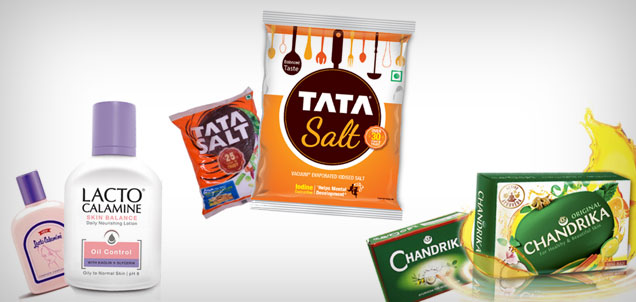
    1. While Lacto Calamine had established credence with the woman who equated beauty with simplicity, it was time to ladder up to a larger and aspirational space; It was time to connect with a ‘self-assured’ woman who makes informed decisions. The brand needed alignment with the new positioning, without losing its core of simplicity. The challenge for Elephant was to create packaging that carried forward the simplicity from the past, but also looked believable as an advanced skincare solutions expert with a growing portfolio.


    2. Chandrika has been a trusted Ayurvedic soap for generations in India. The brand needed to reach out to a younger audience, while staying true to Ayurveda as its core story. Here, the challenge was multi-fold. Ayurveda was not associated with a contemporary lifestyle. And, as a concept, has been dogged by several misconceptions, one of them being slower efficacy. ‘Active Ayurveda’ as a proposition, resolved some of these issues. Ingredients like neem, lemon oil, patchouli oil etc were showcased to help demystify Ayurveda. Colours were changed to a fresher, more natural palette.


    3. Tata Salt, an undisputed leader and pioneer in the category, was ready for change as the brand needed to align with the progressive homemaker. We set out to solve two major challenges. One was to take up the position of being a ‘friendly’ expert, and another was to shake off the ‘me-too’ players who had completely emulated all the codes of Tata Salt packaging over years. First, the typography of the word ‘salt’ was humanised to add a layer of warmth to the trusted Tata logo. To reiterate confidence of the leader, images of food, people and such were removed from the earlier packaging, and a fresh outlook of a modern lifestyle was depicted through visuals of a modern kitchen setting. The colour palette was made more vibrant, but in alignment with its earlier portfolio. Graphics and mnemonics were designed to communicate relevant benefits in a clean and contemporary manner. This has clearly been very well accepted, as is evident from the market success as well as rankings of a recent survey of Most Trusted Brands, where Tata Salt has gone from No 16 to No 2.


    Legacy brands tend to set the standards in the marketplace. They are the very benchmarks for quality because of their emotive communication, for the rich history they continue to build on and, more importantly, for the way they keep up with emerging consumer expectations. Well before “we broke the internet” became a thing, a chant among marketers, these brands invoked conversations and active consumer voices. Their stories become folklore in the world of advertising and marketing.


    What is rarely discussed, however, is the way these legacy brands transform their visual identity to align with young, progressive Indians and their high-lifestyle aspirations today. So how do they manage this alignment? How often do they change, and to what extent or degree?


    Packaging is the first moment of truth for any FMCG brand, and the transformation or alignment basically starts with visual identity and packaging change. It is a huge responsibility when legacy brands like Good Knight or Wagh Bakri tea ask us to redesign their brands’ packaging experience, so that they stay relevant to their existing and intended audience. In such cases, the migration needs to be evolutionary, perceptible and must conform to their leadership status. And then there are the legacy brands like Chandrika or Lacto Calamine, that need to transform themselves, either to get back in the reckoning or reach a completely new audience altogether, without alienating their loyalists.


    Packaging is the most crucial link of closing the loop between maintaining legacy and getting a new conversion going. However short, packaging lives its moment of glory. Great packaging design makes that moment meaningful and relevant to the consumer. It is very exciting to know that you might be reaching a billion hands if you do it right. Or you may just get discarded if the evolution is not based on relevant insights. The approach to packaging design is, therefore, always viewed through several lenses: That of users, of shoppers, of non-buyers, of trends, of technology and so on. Most importantly, discovering and defining what kind of dialogue the brand needs to have at that point in its existence, becomes the pivotal clause. A client once told me we must believe that every square millimeter on the pack can do the job of a billboard. How true!


    Whether you decide to add a message, icon, colour or image on every available surface, or you decide to leave breathing space, you land up communicating something one way or another. So one has to be extremely careful about adding or removing elements. Because what matters is the story you are telling.


    Great design aims to delight the user ahead of expectations. If we use a simple tool of three questions that need to be answered by packaging design — Who am I? What do I do? And how do I do it? — we are mostly home in terms of communication. We notice elements of packaging in the following order: Colour, shape, Illustration/ picture/ texture, and words. These really are the semiotic principles for designing any visual expression. We use these for adding sensorial layers to the basic communication.


    While on the one hand, the quest is to get more legacy brands to stay relevant, on the other it is to help more start-up brands like Paper Boat establish a legacy. Indeed, it gives you an amazing rush when you see carefully-crafted packaging find its rightful place – in the shopper’s basket!


    Ashwini Deshpande is an author and co-founder/Director of Elephant, a leading multidisciplinary design consultancy with offices in India and Singapore. A part of this article first appeared in dna of brands dated


  • Tata Salt ‘Desh Ka Salaam, Sarhad Ke Naam’ campaign bags multiple accolades

    By A Correspondent


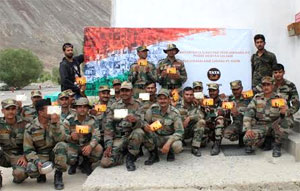
    Tata Salt, a pioneer in the Indian branded salt market, rang in the 69th Independence Day of the country by paying a heartfelt tribute to the Indian Army through a record-breaking campaign called ‘Desh Ka Salaam, Sarhad Ke Naam’.  Dedicated to the jawans at Siachen who unfalteringly perform their duties under harsh conditions, the campaign carries forth the brand’s philosophy and celebrates the Real Heroes who selflessly serve the Nation and its people.


     

    Tata Salt’s ‘Desh ka Salaam, Sarhad ke Naam’ initiative was a 360 degree integrated campaign which invited nationwide participation through radio, social media and out of home activities. The campaign paved a two-way communication highway by successfully using social media to capture the gratitude of the civilians for the jawans, as well as the emotions of the jawans at the border. The campaign created two Guinness World Records for the loudest crowd-sourced ‘Jai Hind’ at 122.2 decibel level, under the category ‘Loudest Indoor Shout’ as well as the ‘Longest line of postcards’ with a chain of 6400 hand written messages and postcards from the nation to the Indian Armed Forces. Further, the crowd sourced National Anthem sung by over 76310 people for the soldiers was also conferred by the Limca Book of Records for being the first such initiative of its kind.


    The campaign used social media to encourage consumers to post Salute Selfies, and engage with consumers on the selfless service of our jawans. Tata Salt partnered with 92.7 Big FM to collect messages from listeners through a week long radio campaign called the Big Paigaam which panned across 40 cities. The first ever live radio station was set up at Siachen border to enable live feeds of the Independence Day celebrations to be sent across to the nation. This also enabled the soldiers’ families to send their well wishes to the sons of the nation who, otherwise survive in an area with zero connectivity to the world.


    With over 5.3 lakh consumer participation through social media alone, the campaign received an incredible response with an outpour of messages for the soldiers. The ‘Desh ka Salaam Selfie’ contest received 825 selfie posts on Facebook, along with posts from celebrities like Sanjeev Kapoor. The campaign’s Facebook fan base grew to 11,290 in just 9 days of its commencement, garnering a total of 234,714 interactions through likes, comments and shares. The campaign gained 3,224,607 impressions on Facebook alone, and 326,000 impressions on Twitter. Through outdoor activities across high footfall areas, the campaign reached out to 76,310 people through cinema halls, and 1500 students through schools and colleges. A special AV created on the campaign went viral over social media, gaining 158,300 views within two days over Facebook and YouTube.


    To convey the nation’s heartfelt gratitude to the jawans, Tata Salt created a montage of all the messages received through selfies, handwritten messages, videos and social media posts, and played it for the soldiers at the Siachen border. Again, facilitating two-way communication, Tata Salt captured the soldiers’ ecstatic reactions and appreciation on seeing the video and posted it on the Facebook page, thus making it a remarkable celebration not only for the soldiers but also the consumers.


    Talking about the success of the campaign, Richa Arora, COO – Consumer Product Business, Tata Chemicals, said, “Tata Salt has evolved from being a packet of salt to being known as ‘Desh Ka Namak’. The ‘Desh Ka Salaam’ Independence Day campaign is dedicated to the soldiers who selflessly safeguard the nation. Through this campaign what we simply did was connect millions of people to the soldiers located at the highest peak – Siachen. The response was over whelming not just for us but also for the Real Heroes.”


    For over a decade now, Tata Salt has lived up to the image of being the ‘Desh ka Namak’ and has unflinching faith in the people of India who manifest the values of honesty, integrity and loyalty to the nation in their everyday behavior. Staying true to the values of the brand, it was yet another successful initiative for ‘Desh ka Namak’.


  • Mary Kom endorses campaign for Tata Salt

    By a correspondent


    Five-time World Boxing Champion and Olympic winner MC Mary Kom will be seen endorsing a campaign for Tata Salt. The campaign carries the brand philosophy of ‘Desh ka Namak’ forward and celebrates contemporary icons that are going beyond their own success and giving back to the country in their own areas of work.


    The ad campaign tells the story of the inspirational icon, Mary Kom – an Indian pugilist who hails from a poor, tribal family from Manipur. Mary Kom’s journey is a humble and powerful human story that the TVC captures. She rose against several hardships to achieve success for herself and the nation in the international arena. Her vision of success however didn’t stop at medals and accolades; it encompassed her community and the nation.  She nurtures the dream to create many more Mary Koms who will put India on the world sports map.


    Speaking on the new campaign, Ashvini Hiran, COO – Consumer Business, Tata Chemicals said, “Tata Salt is honored to be an integral part of 80 million households and it is the brand’s persistent effort to sustain this faith by providing a product of the highest quality. ‘Maine Desh Ka Namak Khaya Hai’ is reflection of the brand’s unflinching faith in the people of the country who are living the values of loyalty and are engaged in the holistic development of the nation.”


    Speaking of the brand’s new campaign, Shalaka Kamat, Head Marketing – Consumer Product Business, Tata Chemicals said, “Tata Salt has evolved from being a packet of salt to being known as ‘Desh Ka Namak’. The new campaign celebrates people who compose the moral fabric of the country. There is none better than MC Mary Kom to illustrate the brand values. She exemplifies the commitment of every Indian towards the country. Her journey of becoming a global icon and working towards creating future icons is truly inspirational. ‘Maine Desh Ka Namak Khaya Hai’ aims to give people a platform to bring forth stories of other inspiring individuals doing their bit for the betterment of the community and the nation. With this initiative, ‘Desh ka Namak’ means to connect people through the core values of the brand making it a collective movement.”


    K S Chakravarthy

    KS Chakravarthy, National Creative Director of FCB Ulka said, “The new campaign ‘Maine Desh Ka Namak Khaya Hai’ will reinforce the brand’s core belief, “Every Indian believes that he/she is making a difference to the country. We wanted to carry the legacy of this iconic brand forward with the new campaign to illustrate the brand credo, ‘Maine Desh Ka Namak Hai’ we zeroed upon the story of MC Mary Kom. Hers is a story of courage and loyalty to the community that has the potential to inspire many. She literally lives the Tata Salt brand values.”


  • Scamadgate-2 | Anil Thakraney: Penalize the scamsters

    By Anil Thakraney


    There has been a rather muted reaction to Leo Burnett’s Tata Salt scam radio adverts. In contrast with all the sound and fury over the JWT Ford Figo ads. Surely Burnett’s ‘crime’ isn’t any lesser. I can only think of one reason: The ad junta is tiring of news on scams, a few senior industry folks I spoke with only shrugged with helplessness and resignation: ‘So what’s new, man?’


    Enough has been discussed on the subject of scam ads (including by myself), so there’s nothing more to add. However, I am now convinced all this talk has been pointless, that scams will always rule in the desi ad world. Not just because these ads land people new jobs and increments (and are therefore created), but because India is a country of scamsters. There’s a ghotala happening in all walks of life, so why must the ad frat be any different, they haven’t arrived from Pluto. I guess the time has come to accept that they will happen again and again. And therefore, the debate must shift from ‘How to cure this disease’ to ‘How to control it’.


    The social media buzz suggests creating a separate category for scam ads, thus legalizing them. This idea is as old as the hills, I recall proposing it fifteen years ago in the ad mag I was editing at the time. This will never work because once they are called ‘Unreleased Work’, such ads will not land people any real recognition, and therefore no new jobs. Agency heads will treat it as ‘jerk-off’ stuff, and dismiss it. So then what to do?


    I think the solution lies in financial punishment. For the next year, the GoaFest organizers should announce that scam ads entered slyly as official work will invite a hefty fine for the ad agency. Let’s say, a penalty of Rs 25 lakhs per scam ad. The world’s second oldest profession isn’t generally respected by the masses. And that can be corrected a bit by passing on the amount collected as fines to charity organizations. The ad world gets a positive name, and the threat of monetary loss will deter many potential scamsters.


    The GoaFest team must give this suggestion a serious thought if they want their trophies to get some respectability. They need to play the role of cops, and not just festival organizers. Because frankly, I can’t think of any other way out of this rotten mess. Time for debates and angry tweets/FB updates is over. It’s time for hard action.


    ***


    PS: On a recent visit to Delhi, I noticed that this product finds pride of place in the medical store shop windows. Not surprising, given the rising rate of crimes against women in India’s capital city. At this rate, ‘Pepper Spray’ will replace India Gate as Delhi’s glowing symbol.


  • AdStrat | Tata Salt: Mothers for Mother India

    Kapil Mishra, Executive Creative Director, Leo Burnett


    Name of the campaign/ad: Tata Salt – Mothers for Mother India


    The brief:

    The brief was very clear – to communicate the ‘Desh ka namak’ philosophy of Tata Salt.

    ‘Desh ka namak’ symbolizes the value of honesty, and the brief sought to take this forward in a very current context.


    Research insights:

    Tata Salt is built on the core value that is embedded in salt… ‘Honesty’. And it is this value that the brand is espousing at a time when the nation seems to be facing an honesty deficit. So, we examined the task at a dual level. First, a look at what honesty meant in today’s context.

    Second, we looked at all the possible influences/ factors that determined the value of honesty in a person’s life.


    The thought process behind the creative:

    In a time where the relevance of honesty seems to be getting questioned – we felt it was time to once again seed honesty as a value. ‘Desh ka namak’ symbolizes the value of honesty…and children learn the first lessons of honesty from their mothers. Thus, we looked at salt as that symbol of honesty which mothers feed their children.

    The very simple and powerful idea being – that if every mother were to decide that she would teach her child the virtue of being honest, nothing could stop the entire nation from being honest!


    Media vehicles chosen: Televison, POS, on-ground.


    What according to you is the differentiating factor about the ad:

    It’s a very simple, yet powerful tribute to the singular, most powerful force responsible for inculcating the values of honesty – the mother.

    Secondly, it does not try to preach. That, according to us, was an obvious trap for a virtue like honesty. By staying away from it, we felt that the campaign will be well received and resonate better with our consumers.