By Shailesh Kapoor
 The linear television business in India has been struggling to find its next big idea. The streaming originals marketplace in India is operating more cautiously too, with economic and industry considerations, both global and local, slowing it down. Amid this relatively low-action period, a new format is making its presence felt: Daily unscripted content.
While Bigg Boss and Kaun Banega Crorepati have been around for years as dailies, non-fiction has largely been seen as a weekend content type. GECs rightly expect daily soaps to build loyal weekday audiences. In any case, most non-fiction shows in India are in the broad genre of talent competitions, and they tend to be upto five to 10 times more expensive that fiction shows, making them unviable as a staple proposition.
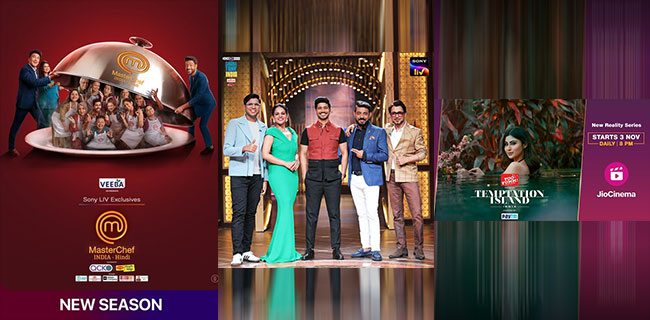
But the advent of streaming may have changed things a bit. Sony LIV recently launched MasterChef India only for OTT. The show has been around on GECs for years, across two networks, but has never quite found the success it would have hoped to. No surprise, then, that Sony has given up on its ambitions for the show related to mass television.
Shark Tank India is a more recent, and a more obvious, example of a streaming-friendly show failing to deliver on linear TV, despite the network backing it with up aggressive marketing. The third season will follow the MasterChef India template, with daily episode drops on Sony LIV.
JioCinema (earlier Voot) has done two seasons of Bigg Boss OTT. MX Player did its own homegrown variant, produced by Balaji Telefilms, titled Lock Upp, in 2022. Tonight, the first-ever season of Temptation Island India, starts on JioCinema. All these shows are in the daily format.
The weekday-weekend distinction related to fiction and non-fiction seems to have blurred in recent times. It could be a result of many factors: Less compelling fiction content on TV, change in audience habits in the OTT era (such as low appointment viewership), episodic content being more preferred to continuity-driven stories, etc.
While the reasons are a subject of further analysis, daily non-fiction is finding its takers, both at the platform side and the audience side. The new season of Bigg Boss has opened very well from TV standards. The show has original content in the form of interstitials and spin-offs on OTT, which are carefully designed for better monetisation. In what’s increasingly an AVOD-SVOD hybrid environment for original content (compared to 2020-22), monetisation via advertisers has made non-fiction a more relevant option on streaming.
The Indian non-fiction market needed this boost in its thinking. There has been a sense of sameness to the shows over the last five years, with the same formats being rehashed. But formats that were safe bets till before the pandemic have struggled to deliver numbers in recent times, and viewer fatigue is evidently one of the primary reasons.
Daily non-fiction may help GECs and OTT platforms, especially those with a strong AVOD service, find a new business model. It may be just the right time too, given that the web-series (fiction) content on SVOD is beginning to look just a tad jaded. The audience will surely not be complaining if they get a legitimately-different option on the menu.
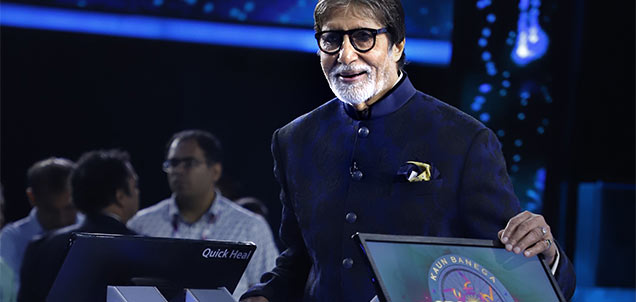
 The 13th season of Kaun Banega Crorepati is to start on August 23 on Sony Entertainment Television. Produced by StudioNext, and hosted by Amitabh Bachchan.
 Colors Tamil will air a Tamil all-women Kaun Banega Crorepati titled ‘Kodeeswari’ . To be hosted by Tamil film and TV actor and producer Radikaa Sarathkumar, ‘Kodeeswari’ will premiere on December 23r at 8 pm on Colors Tamil and Voot.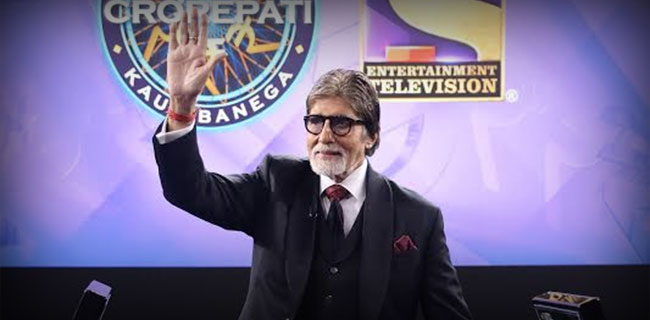
 It’s that time of the year again. India’s most iconic television show Kaun Banega Crorepati (KBC) is back again, this time with its 11th season. The first four episodes have set the tone for a 13-week entertaining and engaging ride. The story has been no different, after all, over the last few seasons.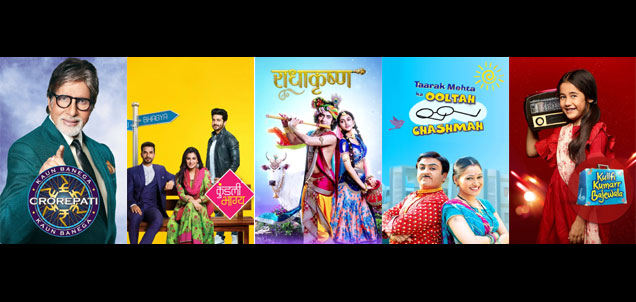
 Even if only in relative terms, 2018 has been a better year for Hindi GECs than the last 2-3 years. The category, on a share decline since 2015-16, did not see a further downward trend, and there was some recovery too by the end of the year.