Tag: Google India

  • Google ‘Pledge to Vote’ film with India’s first voter

    By A Correspondent


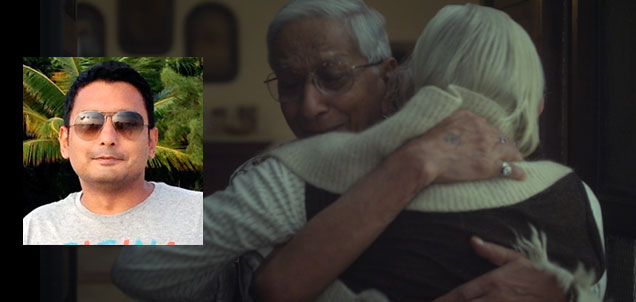
    Independent India’s first general elections may have happened in early 1952, but an exception was made for Kinnaur in Himachal Pradesh as snowfall was expected. Hence the polls were held in October 1951 and there lies the story of Shyam Saran Negi, India’s very first voter, and a 97-year-old retired schoolteacher. This is the theme of the new Google commercial in the crafted by leading ad agency Ogilvy.


    Since 1951, Negi has voted in every single election, including each of the 15 Lok Sabha polls held thus far. The years haven’t diminished his belief in democracy and the power of elections. He also continues to be an inspiration to his family, friends and community in Kalpa.


    The film was shot in Mr Negi’s hometown, Kalpa, over several days in early March. The team worked closely with the village folk and Negi.


    Says Sandeep Menon – Director, Marketing, Google India: “Perhaps more than any other election in the past, these elections are about capturing the imagination of millions of both first-time as well as experienced voters. This video has been developed to inspire Indian voters to vote this election. The story of Mr Negi is a testimony of Indian voters’ belief in the power of democracy.”


    Abhijit Avasthi

    The film – part of the #Pledgetovote series – hopes to inspire both – seasoned, as well as first-time voters, said an Ogilvy India spokesperson. Added Abhijit Avasthi, National Creative Director at Ogilvy: “While all of us have cribs about the state of affairs in the country and a cynicism about the government, we forget that the only weapon of change we have in our hands is our vote. Like so many others, Google too wants to motivate people, especially youngsters to exercise their right to vote. But rather than being preachy, it wants to do it the inspirational and emotional way. And who better to inspire us than Mr Negi.” Leading internet services conglomerate Google has been attempting to integrate with the country through ad films that strike a chord. Its film on showing an Indian and Pakistani reuniting for the first time after Partition, has received rave reviews.


  • Ogilvy’s most envied: The Google Ad


    A quick chat with Sukesh Nayak, Group Creative Director and the writer of the Google ad, that has been receiving rave reviews since it launched last month. Sukesh and team were awarded the ‘Most Envied’ Envie award held on Monday, Dec 16 in Mumbai.


    So would you rate winning the ‘Most Envied’ award as the ultimate accolade?

    Yes, I personally admire the work of various members of the jury. And the fact that they chose this for the award is a great recognition.


    And how has the ad done for your client?

    Oh fantastic. It is really unfortunate they couldn’t make it for the Envies. The head of marketing was supposed to come down. From the conversations we’ve had with them, it’s been amazing.


    We saw Piyush in tears…

    Oh, he has been crying since he has seen the offline version.  He is my mentor. I wanted to get into advertising  ever since I saw his Fevicol ad when I was in college. I gave up banking for this. I am so happy today, It has been one of the best decisions I have made in my life.


    Tell us about how the ad came about

    Well, I wrote the film. And of course along with the entire team which was on stage. We had around five scripts we were pitching for this project, and this was one of them. As an agency, Keenu (Abhijit Avasthi) and I felt that this is the film that we would recommend if the client asks us ‘Which one do you recommend’. Luckily for us, that question never come because even they as a team came back saying this is film we want to do.


    Once the basic script was there then everybody I think I would credit every single person in the team. You know there are small little nuances if you have seen the film. Things like search… .So the basic script is there now everybody has got into it, I have got help from the planning people, I’ve got help from the account management people.


    But the film I wrote was only 85 per cent of what you see. The rest was added by the director, Piyush himself, Keenu… a great team effort.


    We saw Amitabh Bachchan having a long chat with you on stage?

    Oh, he was asking whether I have any personal memories or any family history of Partition.. how could you write something like this.


    And so what did you say?

    I was telling him about how a friend’s friend from my school in Dehradun who was in Delhi and how his grandfather came to India overnight, with nothing in hand. Today, he is a big industrialist in Delhi.


    The ad is a rage in Pakistan too…

    Yes, I heard that. You know we knew we had a good film, but we honestly had no idea that this is what it would become. It is very overwhelming for me personally because as you know in our business it’s all about…what are you going to do next.


    So what are you going to do next?

    I am screwed. It’s a great feeling. It feels awesome. But to beat this is going to be tough.


    Any thoughts of getting into big bad world of Bollywood?

    Honestly, haven’t thought about it. I think the best part of my job is being able to tell a story… whatever be the medium. That is something I really enjoy. I haven’t really thought about anything beyond this, because I am loving it so much. I am at my desk at work at 9am. I am the first guy in office because I just love to go there and work. That way, I get two hours of a clear window to work…then I do admin work the whole day.


    Hmmm.

    Like I told you, I was not meant to do this, I was doing something else in my life. I got into this by complete fluke. And I am really thankful to people who gave me break. I It’s the best job I can ever have. Like Mr Bachchan said: you enjoy it, you just get better at it.


    More reports on Ogilvy’s Envies tomorrow


  • Internet influences hair, skincare and beauty buys: Study

    By A Correspondent


    Google India has released its report on a study titled ‘Women & Web’ to understand internet usage pattern and its influence on purchase decisions of women internet users in India. The study was compiled by looking at search query data for top women-oriented search categories in India and independent online research done by TNS Australia, which reached out to over 1,000 women with access to the internet in India.


    Out of the total 150 million internet users in the country, around 60 million women in India are now online and use the internet to manage their day to day life. With easy access to internet at homes, cyber cafes, offices and growing adoption of smart phones, internet is being used by women for a variety of things. The study revealed that women who are online are relatively more affluent and younger. 3 in 4 women in SEC AB are now online and 75 percent are in the 15-34 age group, with over 24 million women accessing the internet daily.


    In terms of top searched categories by women on Google in India, apparel & accessories was the biggest search category followed by food & drink, baby care, hair care & skincare. The study revealed that – Skincare, hair care, food & drink were the fastest growing search categories, with queries coming from mobile phones growing rapidly and accounting for almost 25 percent of total query volumes in these categories.


    The study also revealed data on the growing influence of digital medium on women’s purchase decisions for these categories. Data from the online research conducted by TNS Australia, highlighted that among women who had access to internet, over 50 percent said that internet research influenced their decision before finalizing a product. In terms of most researched category and influence on final purchase decisions – internet influence was the highest for skin care (72%), baby care (69%) and hair care (65%) products.


    Rajan Anandan, VP & Managing Director, Google India said, “With this report, it is clear that the internet is empowering Indian women with easy access to information and helping them to make more informed decisions in their day-to-day life. The top generic searches and most searched brands reflect that women are heavily engaged on the internet and are using it to do online research before deciding on their final purchase for categories like skin, hair and baby care products.”


    In terms of online activity, email, search and social networking were the biggest drivers for women. Downloading music, looking for educational content, job search, watching videos and consuming news were the other top activities. The report also indicated adoption of ecommerce by women in India, with 1 in 4 shoppers buying baby products online. Women also emerged as strong brand advocates – with 80 percent saying that they recommend their purchases to other women and 25 percent stating that they share it online.


    Video on the web also emerged as one the key drivers of internet usage among women in India, with women accounting for 40 percent of the total monthly YouTube user base in India. Apart from music videos, TV shows and film content, beauty & fashion videos were popular among women on YouTube. Education, health and fitness, home care & cooking were also rated among the top 10 video content categories of choice on YouTube.


    The study was compiled by Google India, by combining Google search query data in India for apparel & accessories, food & drinks, baby care, hair care & skincare product categories along with TNS Australia research conducted online of over 1000 women in the age group of 18 to 65 and industry reports. The search query data was compiled for the period of one year starting from April 2012 to March 2013. Other data sources include TGI & IRS.


    Apparels & Accessories – International

    Apparels & Accessories – Indian

    Foods & Beverages

    Baby Care

    Hair Care

    SkinCare & Cosmetics

    Zara Fastrack Coca Cola Firstcry Loreal Oriflame
    Ray Ban Tanishq Amul Babyoye Livon Lakme
    Victoria’s Secret Fab India Cadbury Babycenter Tresemme Maybelline
    Louis Vuitton Van Heusen Pepsi Hushbabies Sunsilk Loreal
    Swarovski Chennai Silks Maggi Johnsons Baby Pantene Avon


  • Industry welcomes DAVP plans to embrace digital with cautious optimism

    By A Correspondent


    Directorate of Advertising and Visual Publicity (DAVP), the multi-media advertising agency of the Government of India, in its Annual Report 2011-2012 stated that out of the total value of advertisements released by DAVP, 15 per cent goes to small newspapers, 35 per cent to medium newspapers and 50 per cent goes to big category of newspapers. DAVP also has an audio visual wing which undertakes various advertising or publicity campaigns through various other multimedia vehicles like the television, radio, out of home and now even the internet and mobile.


    In what could be a shot in the arm for the digital industry, DAVP has been conducting pilot projects on websites and through SMSes. According to DAVP’s Annual Report 2011- 2012, 33 of India’s top websites were empanelled for releasing advertisements. In addition to this, more than 110 advertisements via SMSes were also sent.
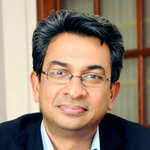
     

    Rajan Anandan

    According to Mr Rajan Anandan, VP and Managing Director, Google India: “This is a welcome development for the entire digital advertising industry. With over 120 million Internet users in the country, digital is already the third largest advertising medium in terms of revenue in the country. It’s too early to talk about the impact, but it’s definitely a step in the right direction as the overall marketing/advertising approach is making a shift to being more accountable and measurable.”


    In fact on July 26, The Sectoral Innovation Council by the Ministry of Information and Broadcasting submitted a list of recommendations to the Minister of Information and Broadcasting, Ms Ambika Soni. One of these recommendations stated: ‘New Media should be utilised for media campaigns by the government’. In addition to this, it also recommended that ‘E-mode transactions should be a priority for the functions of DAVP, RNI, CBFC and licensing activities of the Government for ensuring transparency’.


    Arpan Chatterjee

    Mr Arpan Chatterjee, online media professional and consultant with webdunia.com noted: “This is a logical extension by DAVP to focus on digital media, which is generating a critical mass in the country. It is to be noted that DAVP started digitization of its own system of issuing release order and payments to media companies over a year back and the fact that it is now looking at digital media more seriously was only a matter of time. DAVP’s move to enter the digital media will only add to the importance of the digital medium, but how it uses the medium is something one has to wait and watch. DAVP ads can also help create certain guidelines for internet advertising in India, which currently is self-regulated.”


    Even before these recommendations were made by the Sectoral Council, the IAMAI (Internet & Mobile Association of India) is said to have lobbied hard to bring a shift in the government’s approach towards digital media. The IAMAI is also said to have played a key role in getting the mobile SMS aggregators empanelled.

     

    Dr Subho Ray

    Dr Subho Ray, President – Internet & Mobile Association of India (IAMAI) explained: “Today with 100 million internet users and growing every day, digital is the most cost effective way to reach out to youth and, through them, their parents. The engagement with internet and mobile of the youth is very deep and the relevance of the message too gets transmitted on this medium. Young urban voters aged between 18 and 35 are a major constituency today for all political parties. And the internet, whether through mobile or PC, has surfaced as the best medium to reach this group.”


    DAVP recently revamped its website with an aim to make it user-friendly, it has also adopted digitization by issuing release orders and payments to media companies online. In fact the Ministry of Tourism is said to have been one of the early adapters and a large advertiser online. While these developments also show the government’s willingness to use digital, nevertheless what remains to be seen is how effectively the medium is used by the government in the long run.


    Mr Gyan Gupta, CEO, Dainik Bhaskar Digital Division pointed out that although these are good recommendations and a welcome step, it all depends on how much DAVP is willing to spend on digital. Just like any other medium, digital too needs a sizable ad spend: “DAVP has started this process last year and the trial is still on. Although this is a fantastic move, the question really boils down to how much is the government willing to spend on digital? What will be the ad spend from DAVP on digital? Digital today has become the third largest medium with increasing reach – it has become a medium which cannot be ignored. But, if the government is not willing to spend a sizeable amount or if each publisher does not get a decent money or ad revenue then it is not worth it, it will be irrelevant.”


    Mr Gupta too had a set of recommendations for the DAVP, which is said to have had a consensus among the other local language publishers: “First, they have to look at the categorization of the website very clearly and second, DAVP must also ensure that enough volume of advertisement is pumped into digital.”


    Now that more and more people are gaining access to the internet and spending more time online, not just in urban but also in rural India, perhaps the government has realized that it is a medium it can no longer ignore. With the 2014 general elections fast approaching, the government is expected to increase its advertising spends in order to showcase its achievements and with the Council’s recommendations to use digital, the government could well use digital extensively to reach out to the youth.


    Mr Upen Rai, Director, Times Internet Ltd, observed: “By bringing digital publishers into the DAVP fold, the signals are very clear from I&B ministry that it is digital all the way. With e-filing of taxes and other e-govt frays including Passport Kendras, it was a matter of time! Next stop would ideally be its relevance to general elections, yes this time around social, and digital will play a large part… Watch out for this space…”


    The 2009 Lok Sabha elections or general elections saw political parties advertising online and the next general elections could well see political parties further increasing their spends online.
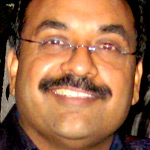
     

    BG Mahesh

    Mr BG Mahesh, Founder and MD, Oneindia.in said: “Considering the contribution of Government ads in Print and TV channels, if the similar importance is given to the digital medium, it will be a very good sign for the Digital industry. It will not only fuel the higher growth rate for the digital industry, but will also provide the government a better connect with youth of country who spend a lot of time on Internet. Furthermore, if DAVP also extend the digital spends to mobile internet, the reach would be much broader as today phones with internet connections, or smart phone, start from as low as Rs5,000 and their dependence on electricity is very less as compare to desktop/laptops.”


    So, how would the youth of today react to government advertisements? Will it have any positive impact on them? Ms Chhaya Balachandran Aiyer, CEO and MD, BCWebWise said: “Awareness will increase, and we can pave the way for a betterIndia. We will see more open forums, debates and discussions. There are perils of uncensored content, at the same time, and this is something India needs today.”

     

    Chhaya Balachandran Aiyer

    So, while the industry has welcomed the Sectoral Innovation Council’s recommendation that the Government must utilise the new age media for its media campaigns, there is a cautious optimism among industry players as far as ad spends in the medium is concerned.


    Mr Anurag Gupta, MD, DGM India stated: “Government spending should be seen in the same light as spending by any brand. A marketer spends his monies where the users are, and if users are online then the best way to reach them is by advertising online! Any online media consumer whether it is youth or the older people will react to online advertising by the Government in pretty much the same manner as they would seeing the same ad in print or on TV.”

     

    Anurag Gupta

    Nonetheless if the government approves of these recommendations and does increase its digital ad spends, it would be a major boost for the entire digital industry particularly for increasing the digital advertising revenue. Currently, DAVP ad spends seem majorly skewed towards print and, to an extent, even television. However as the government increasingly uses the new age medium, what kind of implications digital advertising may have on DAVP ad spends only remains to be seen.

     

  • Google, HT Media, Vodafone bag ‘Best Companies to Work for’ accolade

    By A Correspondent


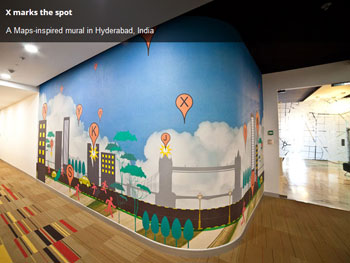
    A Google Maps-inspire Mural in the Hyderabad office. Photograph courtesy: Google.com

    It may not be the best of times to release a report like ‘The Best Companies to Work for’, given the low morale on the economy front and crunch in job opportunities prevailing in the marketplace. But there are companies that prefer to stand aloof from the depressing lot and would like to be counted as being amongst the best places to work for.


    The Economic Times in partnership withGreat PlaceTo Work have released ‘India’s Best Companies to Work for 2012′. The study throws up a diverse line-up of companies as favourites to work for.  Emerging the number one employer is Google India followed by Intel and NTPC at third. Further, five out of the top 10 companies are multinationals, pointing at the role played by global HR practices in stimulating employee satisfaction across workplaces in India.


    The study has been divided into the Top 50 and Top 25 best workplaces. When analysed further, only two out of the Top 25 Best Workplaces are companies which are new to the list of Best Workplaces, the rest having featured in the list in previous years. However, similar consistency is not seen in the Top 50 list in which there are 14 companies which have never featured in the list in India before.


    As for the standings, Gurgaon-based Makemytrip occupies the fourth spot, a drop from last year’s third rank. Amongst the media companies, HT Media Ltd is the only player to figure in the Top 25 list and is ranked 16th.


    Reacting to the win, Rajiv Verma, CEO, HT Media Limited, said: “This recognition is a testament to the strength and integrity of HT Media’s corporate culture. A few years ago, when we crafted a set of long-term goals for our company, we embraced the vision of being an ’employer of choice’. The recognition that we received from the study is a compelling sign that we have been moving in the right direction.”


    Other nominees include Cactus Communications that has been placed at number 20, Cleartrip Travel that is placed at 29th spot, Music Broadcast (operates radio channel Radio City) at number 41, Viacom18 placed at number 48 and Vodafone at number 49.


    In the category of Best in Class, Outdoor Advertising Professionals India Pvt. Ltd. achieves the top spot under Advertising & Marketing; Vodafone India Ltd. is number 2 under Telecommunications; Godrej Consumer Products Ltd., Procter & Gamble, Mars International India Pvt Ltd. and Mother Dairy Fruit & Vegetable Pvt. Ltd. are selected under FMCG; and Google India under IT.


    Some prominent companies that came up trumps across 22 sectors include: Vodafone India in Best Company in Large Organisations (more than 10,000 employees); Makemytrip, Cactus Communications & Cleartrip Travel Services under Professional Services, and HT Media Ltd and Viacom18 Media under Media.


    The study

    TheGreat Placeto Work® framework is based on over 27 years of research of the best workplaces across the globe from employees’ point of view. Some key trends spotted include: overall employee perception of their workplace culture has not changed significantly from 2011 – this is true for all companies, the Top 50, and Top 25 best workplaces in the Study. Thus, while individual companies may have done well or poorly in building trust with their employees, the workplace culture in India Inc., as perceived by their people, remains the same.


    Positive perceptions about their workplace culture continues to be high for senior management category compared to supervisory staff, with 7 per cent less supervisory staff giving positive feedback about their workplace culture. The study further reveals that 75 per cent of employees are below 35 years of age. While they are the majority in most organisations, their views about the workplace culture are significantly less positive than employees over 45 years in age. Only 20 per cent of employees, on an average, have worked in the same organisation for more than five years. There is a slow but gradual improvement in employee perception as one stays longer in an organisation, the study notes.


    As in the previous years, the Top 50 best workplaces are concentrated in Mumbai, NCR and Bangalore, but also have representation from Chennai, Pune, Hyderabad and Ahmedabad. 35 of the Top 50 have more than 1,000 employees, with 14 out of 50 having more than 5,000 employees. Only 7 of the Top 50 Best Workplaces saw employee increases of more than 30 per cent in the previous year, and 6 actually reduced their workforce.


    Also, the percentage of women continued to be low with only 5 of the Top 50 employing more than 40 per cent women employees. Women constitute less than 10 per cent of employees in seven of the top 50. Only three of the Top 50 have more than 30 per cent of their senior management as women. While 15 out of Top 50 best workplaces have employee attrition of over 20 per cent, however, in all major industries, attrition for the Top 50, on an average, is less by one-third to two-third of the industry average.


  • The Best of Print Ads – 2011


    By A Correspondent


    You may have seen only a few of them and probably even forgotten the underlying message that the campaigns had to tell. But now you could make a dash to have a hard copy of MOSAIC, a compilation of the Best in Print (campaigns) to have hit India n shores in 2011. The compilation has been put together by 23 creative agencies who have submitted their best pieces of work for the category in 2011. Conceptualised by Sanjeev Kotnala and team from the Dainik Bhaskar Group, the initiative has been made special through the “insights” and “personal favourite” sections that have been provided by Media agency bosses. These include Lynn de Souza of Lintas Media Group, Mallikarjun CR, CEO, Starcom MediaVest Group, PM Balakrishna, Chief Operating Ofiicer, Allied Media and Punitha Arumugam, Director – Agency Business, Google India.


    Lynn de Souza, Chairman and CEO, Lintas Media Group, Chairman, Aaren Initiative and Director, Karishma Initiative

    “An excellent idea to recreate interest and remind all about the power and impact of the print medium. My only reservation is that there were too many submissions of ‘pretty pictures-pithy headlines’ work that may or may not have been published and did not appear to fully grasp how the medium must be used effectively.”


    TOP 5 Choices:


    Click on the picture for larger view

    1) DNA – ISKCON (Scarecrow India)

    Reasons for choosing: The intelligent use of the cigarette-turned-food visual immediately targets the smoker and invites him/her to contribute in a very simple way to a cause that benefits both beneficiary and the giver – something not easy to achieve. I like the simple, clean look of the ad and the directness of the headline and copy.


    Click on the picture for larger view

    2) Flying machine “What an Ass” (Lowe)

    Reasons for choosing: This is my idea of perfect ad! One that has used all the elements of the print medium – headline, visual, copy to present a bold, modern attitude through a perfectly harmonised contribution of all three. It’s an unmissable ad whether you are a guy or a gal.


    Click on the picture for larger view

    3) Parker – Ramnath Goenka Excellence in Journalism Awards (Lowe)

    Reasons for choosing: A stark headline supported by the simple bottle of ink that says it all. An attention grabbing reminder of the power of the pen to influence the world. Perfect synergy for the subject – Journalism awards and the ‘always memorable’ image of a gold Parker fountain pen.


    Click on the picture for larger view

    4) The Times of India – A day in the Life of India (Taproot India)

    Reasons for choosing: Fantastic art direction – great visual appeal that hooks you into reading the whole ad. The contemporary feel, using India n kitsch, with attention to detail, is riveting. (Check out the dog lifting his leg to pee on the bed of nails!) Bright, colourful, crowded yet not messy. I could read it again and again!


    Click on the picture for larger view

    5) Vaseline ‘Dear Mr. Vaughan’ (BBH India)

    Reasons for choosing: The kind of ad that every Creative Director who woke up to it that morning would have said: “I wish I had written this”. There are some things you can do impactfully in a topical yet ‘permanent’ medium like print that you can’t do anywhere else, and this ad fits the bill. Nose-thumbingly outstanding!


    Mallikarjun CR, CEO, Starcom MediaVest Group

    “This is a fantastic initiative. As media agency professionals, our lenses to view the world are different. However, what comes across is that great creative work is universal. Really enjoyed it.”


    TOP 5 Choices:


    Click on the picture for larger view

    1) Audi – World Cup (Creativeland Asia)

    Reasons for choosing: Great connect with the Champion’s Trophy ’85 win. Most of the target audience that can buy an Audi will connect immediately with that moment. For a lot of us India ns, that was the first moment of connect with Audi.


    Click on the picture for larger view

    2) DNA ISKCON Food Relief Foundation (Scarecrow)

    Reasons for choosing: A nice calculus linking smoking to food relief. Very innovative, eye catching visuals.


    Click on the picture for larger view

    3) Indigo Campaign (Weiden+Kennedy)

    Reasons for choosing: Stark, consistent visuals. The colours, space everything reflects the qualities of the airlines. Nice word play that grabs your attention and makes you read the copy. The reference to price is as value and not cheap.


    Click on the picture for larger view

    4) Nissan Micra (TBWA\ India)

    Reasons for choosing: Simple stark visuals. Driving home the relevance of a small car without talking price, affordability etc. Great, understated use of a celebrity.


    Click on the picture for larger view

    Reasons for choosing: Great expedient use of Michael Vaughan’s comment. Superb cut through and great visuals.


    PM Balakrishna, Chief Operating Ofiicer, Allied Media

    “I think this is a wonderful initiative and exposes the fantastic creativity. It is a very different platform as it is more an appreciation of great work rather than a competition as I believe each creative is great on its own.”


    TOP 5 Choices:


    Click on the picture for larger view

    1) Bajaj Fans (Leo Burnett)

    Reasons for choosing: The best part of this creative is the way it has integrated everyday common issues and weaved them into the core communication of the product. The creative is also very well crafted visually using the very cause of the product making it very effective.


    Click on the picture for larger view

    2) Birla Cellulose (Salt Brand Solutions)

    Reasons for choosing: The sheer aesthetic treatment to the communication draws you and I like the beautiful and colourful way the creative has used nature and the human body (woman). It brings out the environmental friendly nature of the product in a very soft and appealing manner.


    Click on the picture for larger view

    3)Fuji(Grey)

    Reasons for choosing: Colour and background are intrinsic material for any great creative and nothing better than drawing inspiration from Mother Nature and wildlife. The beautiful use of the animals brings the message home effectively and creatively and connects with any photographer or photo enthusiast.


    Click on the picture for larger view

    4)NipponPaints (JWT)

    Reasons for choosing: They say a great picture is worth a thousand words and the effect is breathtaking when it is beautifully woven into the message making the communication very compelling and effective. In this case the product USP, a central factor in the category has been brought home very beautifully for correct impact.


    Click on the picture for larger view

    5) Zee 24 Taas (Draftfcb Ulka)

    Reasons for choosing: Ganpati Bappa has a significant connect with the India n diaspora and especially with Maharashtrians who revere the elephant God. I like the way the creative has beautifully engaged the viewers in an innovative and personal manner and makes it unique and different.


    Punitha Arumugam, Director – Agency Business, Google India


    “This initiative continues the long tradition of Dainik Bhaskar – breaking boundaries and setting new trends in the industry.”


    TOP 5 Choices:


    Click on the picture for larger view

    1) DNA Mumbai Marathon (Scarecrow)

    Reasons for choosing: The power of long copy. It brings back memories of the old era, which was marked by a great headline and the power of long copy. It inspires and bonds with its audience.


    Click on the picture for larger view

    2) Murphy Richards epilators (Contract)

    Reasons for choosing: The power of a picture. The visual intrigues, makes you pause, demonstrates the benefit and brings a smile – all this without a single word.


    Click on the picture for larger view

    3) MTR Spicy Pickle (Ogilvy)

    Reasons for choosing: The power of insight. A true South India n like me will see this ad and can only say “How true!” Equating spicy with ‘tears’, the way the ad captures the cultural nuances – awesome!


    Click on the picture for larger view

    4) Parker – Ramnath Goenka Excellence in Journalism Awards (Lowe)

    Reasons for choosing: The power of words. While most entries used the power of the picture, this ad stands out because it uses print for what it does best – leverage the power of words and intriguing headlines.


    Click on the picture for larger view

    5) Saffola Healthy Heart (McCann)

    Reasons for choosing: The power of an innovation. A great collaboration between the creative agency, the brand team, the media agency and the publication to convey the brand message interestingly and inclusively so as to trigger an action from the reader.

    Best of Print in Dainik Bhaskar Group’s MOSAIC
     

    Some may see India’s performance of bagging just four Press Lions at Cannes out of the 30 that were shortlisted as a drab effort, but then there are some who would like to think of it as being otherwise. After all, Press Lions as a category managed to get India its largest tally of four metals versus any other category at the awards – a valiant effort considering that India finished 2012 with just 14 metals in its kitty.


    While the category may have received its fair share of fame at the pinnacle of creative awards, many would agree that Indian adland has failed to laud the finesse that stems out from Print creatives over the years. While such is not the case in some large international markets where creative works across categories gets noticed and rewarded that gesture seems to be missing when it comes to India. Luckily for the creative frat in India, an opportunity to showcase their best works – besides the awards shows – were given a fillip by the Dainik Bhaskar Group that released the first of its kind creative compilation of the finest works produced in Print in the form of MOSAIC 2011.


    Elaborating on the initiative, Sanjeev Kotnala, VP & National Head, Dainik Bhaskar Group said, “This has been a first year for MOSAIC, which is a rich collection of 150 creative units part of 77 campaigns that have been submitted by 23 agencies.” The creative showcase has been made special through some individual comments and insights that have been posted by creative leaders of individual agencies.


    Elaborating on the thought process behind the compilation, Mr Kotnala said: “As a group, we believe that the Indian creative across mediums and media is of international standards, in its thinking, relevance and in its execution. Unfortunately there has been no single reference point for the same. MOSAIC bridges this gap and we would want it to be referred by the creative, clients, media and trade.”


    As for the method that was adopted in getting the agencies to submit their campaigns, Mr Kotnala said that it began with Dainik Bhaskar requesting the creative heads at the agency to send their best Print work. “They know better than us – as by placing it in MOSAIC affirms it to be their best work. Though we did have constraints on the number of campaigns we could place in Mosaic from a single agency. This has all been a by-invitation. On the other side, there were few agencies that sent lesser number of creative units as they felt others were not up to the standard to feature in such a compilation. So it was created and evaluated by the creative teams themselves.”


    On how print has evolved over the years as a medium, Mr Kotnala said: “Today print ads are working on all fronts of communication. They are not just for the purpose of awareness building or as a source of providing tactical information; they engage and involve the readers and are very result-oriented in their approach. We always held that the idea is more important than the medium. And it will automatically find its right medium for better efficiencies and effectively delivery of the message.”


    In fact, the compilation has been made special with the involvement of four media agency heads who’ve provided their assessment of the campaigns. They include Lynn De Souza, Chairman and CEO, Lintas Media Group, Chairman, Aaaren Inititative and Director, Karshma Initiative; Mallikarjun CR, CEO, Starcom Mediavest Group; PM Balkrishna, Chief Operating Officer, Allied Media and Punitha Arumugam, Director- Agency Business, Google India.


    With the first edition already finding appreciation within the industry, the Dainik Bhaskar group have their task cut out for the next year too. On his plans for a sequel, Mr Kotnala said, “We would want to see more regional and language work in the collection – and they still should meet the standards set. We would and could try getting clients and media owners also picking their favourites and definitely may wish to incorporate a section on media innovations. Though we have taken the task and brought out the book, in our mind it is an industry level initiative and we would want to keep it that way.”


    Mosaic 2011 can be accessed and downloaded at http://i10.dainikbhaskar.com /dainikbhaskar2010/books/ Final_Book.PDF