Blog

  • Mediaah! Morparia moves from Mid-Day to Mirror, Weekend tweets, The Monday Psssst!

    By Pradyuman Maheshwari


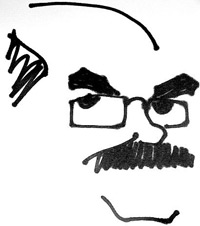
    Big Switch! Morparia takes his toon from Mid-Day to Mumbai Mirror

    In Mumbai’s media circles, this is a piece of news that’s going to generate much sound and angst. Hemant Morparia, one of India’s foremost editorial cartoonists, has moved from Mid-Day to Mumbai Mirror. There was a time when he could have been called a part-time cartoonist, but since around a decade, he appears to be doing two full-time jobs. The first as a radiologist and sonologist at the Breach Candy Hospital and the second as an editorial cartoonist. Now with Mumbai Mirror, Time Out and a few other publications.


    Sound and angst because Mumbai Mirror isn’t an afternoon paper like Mid-Day, but they are kind-of in the same space. So the switch will hurt Mid-Day much. And angst, because it’s sad to see Mid-Day lose Morparia just around the time when it was getting its act together.


    In a sense, the Mirror switch is a kind-of homecoming. He started out in the Times building in the late 1980s with The Evening News of India and then the Illustrated Weekly before doing daily toons for Bombay Times for nine years. And then in 2003, he shifted to Mid-Day. Another nine years later, he’s moved to Mumbai Mirror.


    I posed a few questions to Morparia on the move.


    1. So, why the switch from Mid-Day to Mumbai Mirror?

    > Some change of scene is always good, specially after nine years. It gives you a new audience and new space and new feedback. It helps to re-evaulate your own style and content. I was perfectly happy with Mid-Day, very pleasant people to work with and no problems with them at all. Happy memories with them. Sachin Kalbag is a friend and am saddened to leave.


    2. One of my peeves with Mid-Day was that your toon was all over the paper. How much is a fixed slot necessary for a pocket cartoon? Like Laxman had in ToI for years?

    > Ya, a fixed slot is a great attraction for a daily cartoonist, I would say a must. See, a daily cartoon is, or could become, a habit. If all over the place, it does not easily do so.


    3. Will we continue to see your toons in Time-Out and elsewhere?

    > Yes, I have only given the daily cartoon slot to the Mirror.


    4. So what’s more fun at this stage of your career: doing sonos and xrays, or tooning?

    > Well as I respond to you, I’m at the hospital, having just made a rare diagnosis on an emergency basis at 9pm on a Sunday. I did a sonography on a lady in pain, who just lost her father, two days ago. The diagnosis will be the key to whether she needs surgery or not. With this diagnosis, a surgery has been averted. That does give one satisfaction, undoubtedly. But it’s of a different type from the creative satisfaction that a making a cartoon gives. Creative satisfaction satisfies me first. And that is fun. Medicine and radiology are not fun, but are skills that can be learnt and honed. Being in two professions as different as these give one a sense of balance, proportion and some real-life perspective.


    5. Do you find the role of the cartoonist diminishing in the newspaper? There are more illustrations than cartoons offering commentary?

    > I think the reverse is true. Since we famously have a young population and young people enjoy humour, laughs, irreverence, visual stimulation and rebellion, then how can cartoons have a poor future? See how standup comedy has taken off in the country.


    6. How would you see cartooning shaping itself in the time of tablets and smartphones?

    > I don’t know. Probably an avenue for many cartoonists who don’t have the space provided by big publishers to access audiences directly and worldwide.


    Hmmm. Good to see Morparia welcoming newbies (and possible competition) to the business. Given the nine-year itch, guess the next change will be in 2021. 🙂


    Tweets of the weekend

    Until we find a permanent home for this and given that tweets from people across our business are perhaps the best way to keep tabs on what’s happening, here’s a sample of some gems that I picked over the weekend:


    Mahesh Murthy (@maheshmurthy): The most amazing discovery at @TimesNow #Foodie Awards? Arnab standing silently on the sidelines 🙂


    Satbir Singh (@thesatbir): In Goa, time passes so slowly you can almost hear it go hic hoc, hic hoc.


    Shishir Joshi (@joshishishir): What do you do whn a boss asks young reporter to pose as visiting actors fan since the office is falling short of crazy lovers of the star?


    Prabhu Chawla (@PrabhuChawla): Norway, gujrat porn gate, Coalgate makes it clear: Media just hypes a story and forgets a story behind such stories?


    Lynn de Souza (@lynndesouza): If you want something said, ask a man. If you want something done, ask a woman. From Lokmat Women Summit at Pune this morning.


    Anant Rangaswami (@AnantRangaswami): Just to make you feel better on a Saturday morning. Petrol now costs 1.40 GB Pounds/litre in London….


    The Monday Psssst!

    Is there more freedom to journalists in newspapers or on news television? Well, the likelihood of stories getting killed before they are carried is huger in the papers given the lead time.


    Recently, a commentator in a much-read daily found that his/her column was not carried because it was negative on a key political leader. It may have been for the first time in many years, but the fact that a column was dropped from the commentator who is a reasonably sound name in the media was shocking. And by a newspaper which prides on its ethical way of doing things.


    So why am I not taking names? Well, I’m sworn to secrecy. The column in question has appeared elsewhere, and all will soon be forgotten.


  • A Golden year for Femina Tamil

    By Archita Wagle


    The 1st anniversary special issue of Femina Tamil was unveiled by actress Amy Jackson, cover girl for the issue, and Tarun Rai, CEO, WWM, at a party held at Taj Coromandel, Chennai. Leading city jeweller GRT Jewellers partnered with Femina Tamil for this event, providing select pieces of jewellery from their newest collection for the anniversary issue.


    Femina Tamil was launched in April 2011, taking off from the parent brand with content customised to suit the modern, progressive Tamil reader.


    The anniversary issue is a special 200-page issue with the focus on Tamil Nadu. It includes a tete-a-tete with 10 most gorgeous women of South India, the fun side of Chennai explored in 24 hours, and scoops on the biggest scandals to hit Tamil Nadu in recent years.


    Additionally, there is a gold pendant that is the special cover mount for the issue. There is also a contest where readers can win jewellery vouchers, sarees, holidays and other gifts.


    The marketing campaign for the anniversary issue spans radio, print, Facebook and on-ground visibility through display, POS and inserts.


    Tarun Rai, CEO, Worldwide Media said, “We are very happy at the response that Femina Tamil has got, both from readers as well as advertisers. It has only been twelve months and Femina Tamil has already established itself as the magazine-of-choice of the discerning and progressive Tamil woman.”


    Commenting on the 1st Anniversary Issue, Tanya Chaitanya, Editor of Femina & Femina Tamil said, “It has been a year of remarkable grit, inspiring stories and women power. It has been a year of Femina Tamil. A huge thank-you to all our readers who have helped us gain an insight into their lives and who have given us a thumbs up. Here’s to a great first anniversary and many more to come.”


    ‘The perfect magazine for the modern, progressive woman’

    On the occasion of the first anniversary, MxMIndia talked to Tarun Rai, CEO, Worldwide Media, about Femina Tamil, the magazine industry, and whether there will be more Feminas in South India.


    Q: With 2011 witnessing a decline in the readership figures of dailies, monthlies and fortnightlies, how comfortable were you launching a new magazine in such a scenario?

    We launched Femina Tamil last April. For us, this was an entry into a new market where we tapped a whole new set of readers. The Tamil market is a large one, with multiple magazines being present in the Top 10 list of most popular magazines in the country.

    We have targeted the 20-29year old SEC A Tamil-speaking woman who is modern, progressive and forward thinking. Based on previous IRS figures, there was no Tamil magazine that was popular with this segment and it provided us with a perfect opportunity to enter the market.

    The increase in sales figures month-on-month has been promising and we are very happy to have been accepted by the readers.


    Q: What was the different approach you took… positioning and branding?

    Femina Tamil was positioned in line with the popular English magazines that are available in the market. The monthly magazine is a 140+ page glossy with production values and quality same as that of the parent brand Femina (English). The content is a mix of stories written specifically for the Tamil reader and popular features from the parent magazine.

    The magazine was targeted towards the progressive, modern, Tamil-speaking woman in the age group of 20-29 years from SEC A.

    All communication and branding was customised to speak to this woman – showcasing different aspects of her life and how Femina is the perfect magazine to suit her needs as she tackles different roles in her life. The campaign embodied the tagline of the magazine “for all the women you are”.


    Q:What was the revenue model you adopted? How has it helped?

    As in the case of all print media, this magazine also relies heavily on ad sales. The advertisers are a mix of local and national clients who have used this vehicle to reach out to their TG in this market. Additionally, we have relied on magazine sales through new channels like format bookstores like Landmark and Crossword. We have also worked aggressively to get subscriptions for the magazine. Tamil magazine market is primarily a sales driven market. We have rolled out several attractive schemes to bring in subscriptions both from ground activations as well as online channels through our subscription website www.timesmags.com and promotions on Facebook.

    Femina Tamil is also available on Magzter, the popular online magazine portal where it is receiving a good response from the readers in terms of downloads and online subscriptions.


    Q:There have been a lot of specials in the magazine. Was it a deliberate move? Has it helped?

    Femina Tamil has had a special theme in all its issues – this has ranged from Akshay Tritiya special in May to Ddiwali, Pongal and Valentine’s Day specials. We have also had ‘shopping’ and ‘bridal’ special issues. The aim has been to give readers something interesting to look forward to in every issue.

    Being a new entrant in the market competing against multiple old and established magazines, we have used our fresh and novel edit content to attract readers.

    The special articles, along with other edit initiatives have helped us gain a dedicated reader base in the market in a very short space.


    Some key changes we have introduced:

    The cover girl is always a woman who is a celebrity in Tamil Nadu. In the past, we have featured Trisha, Asin, Shriya Saran, Shruti Hassan and Kajal Aggarwal and Deepika Pallikal on our covers.

    The cover story is always an original story, covering topics that are relevant to t he reader.

    We have introduced a special column called ‘I want’, where our readers meet experts and learn a new skill like make up or baking – anything that they want!


    Q: Do you have the readership figures for Femina Tamil for the past year?

    We have not participated in IRS in the launch year. However, we have seen a steady growth in our numbers both from Trade sales as well as Subscriptions from the launch issue onwards. This is a positive indicator that the magazine has been well accepted by the readers. We plan to become even more visible and active in the market in the coming months to capitalise on the buzz created by our recent marketing activities and consolidate our position in the hearts and minds of readers.


    Our print run is 85,000 copies across South – 80 percent circulation is in TN, rest in main cities (Bangalore, Hyderabad and Cochin). While we have no IRS/NRS figs, however even if we take two readers per issue, we have 1,70,000 readers.


    Q: What plans for the future? Are you planning to launch in other South Indian markets too?

    South India is a vast market and is extremely exciting in terms of the scope it provides us to reach out to new readers. Yes, we are looking to launch in other South markets too.


  • [Noosemaker] It doesn’t add up for poor Monty

    By Ranjona Banerji


    I suppose, if you add it up, you have to feel sorry for Montek Singh Ahluwalia, the deputy chairman of the Planning Commission of India. Of course, it is important to remember that I cannot add and neither, it seems, can Ahluwalia. He can however subtract. That is, if you have so many poor people and you want to reduce their numbers, you just reduce the numbers that make them poor. This is an effective tool but sadly no one in this country, except business journalists (the same ones who see any schemes for the poor as burdens on the exchequer), agree with Ahluwalia. Most people find subtraction a heinous and reprehensible method especially since people seem to be multiplying.


    About here is where I run out of mathematical analogies. Because everything sounds like those school maths problems now – if a train is running at 100 km an hour and Peter has six apples, how many oranges does John deserve? For all I know, Ahluwalia also subscribes to my version of mathematics.


    Anyway, where were we? Ah, yes, how many poor people in India? A few months ago, Ahluwalia and the Planning Commsion (subtraction department) told us that if you could live on Rs 32 a day in a city and Rs 28 in a village, then you were above the poverty line. Faced with universal outrage – where many tried to live on that amount and couldn’t last more than 10 minutes – Ahluwalia huffed and hawed in his very good accent and told us that his figures have nothing to do with whether these magician-like poor people were eligible for benefits or not. The Planning Commission, it seemed, just needed these figures to help them in some way or the other.


    So now we know in which way: to reduce the number of poor people in India. This time, in its final report, the Planning Commission lowered the number of poor people by lowering the numbers. Instead of Rs 32 in a city, now you are poor if you manage on Rs 28. In villages, the figure is down to Rs 22. This has led to a dramatic reduction in poor people.


    Sadly for Ahluwalia, no one bought it this time either – except business journalists. The prime minister just quietly dumped the Planning Commission’s number and decided that someone else would start counting. Hopefully, it will be someone who can add, subtract, multiply and divide. Even fractions might help – the way business journalists and the rest of the tribe appear at times.


  • Holding up the managerial sky


    They have proved themselves in business and are shining stars who’ve gone on to redefine the word ‘impossible’. While we bring you India’s Power Women Marketers, we admit this is not an exhaustive list. We’ve also not included those who have climbed the ladder and now lead larger teams.


    INDEX
    Success mantras from media captains
    All work and some play
    Riding the creative crest
    Holding up the managerial sky
    Celebrating the difference
    Managing Middle India’s Golden Lady
    Wooing vibrant India’s Wonder Woman
    Rural women – how strong is their ‘spending say’?
    Is the serial woman tellying it like it is?


  • Awards have no relevance to advtertising: Balki


    By Anil Thakraney


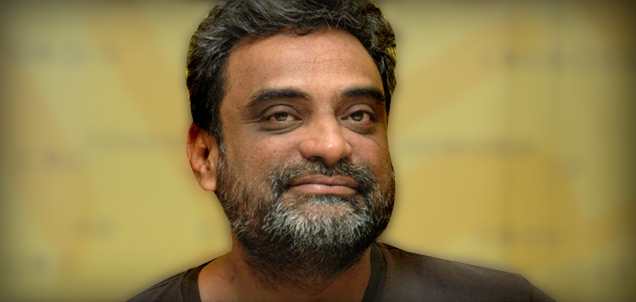
    It’s always fun meeting the big boss of Lowe Lintas. Since we have worked together before and since Balki is always forthright and politically incorrect, one is assured of an exciting but meaningful exchange. Here is he, speaking his mind on various issues. Movies, advertising, the challenges facing the industry, the kind of people he’d like to hire, and yes, about his continuing allergy to advertising awards.


    You have to respect the man for the wonderful work he’s been doing on both, the small and the large screen. And more so for being that rare individual in the ad world who has the balls to stand up for something he believes in.


    Still around in advertising? Shouldn’t you be busy making big films with Big B?

    I am making a movie a day, it’s the same thing. An idea is an idea whether it’s three hours or thirty seconds. The day I stop tripping on getting the high when one gets an idea, that’s the day I will stop. In fact, I haven’t done a film in the last two years, I have been caught up with Lowe Lintas. I do have an idea for a film which I will work on towards the end of this year.


    And it will back to Bachchan, I suppose.

    Not back to, WITH Bachchan. I haven’t gone away from him.


    What’s with the Bachchan fetish?

    When you work with the ultimate guy it becomes difficult to work with somebody else. He’s phenomenal. Such hunger and greed for performing at the age of 70… it’s truly inspirational. I can keep on making films with him for the rest of my life.


    Are you a fan of Abhishek Bachchan too? His career isn’t going anywhere.

    Actually I found his performance in ‘Paa’ the best. It was the most difficult role. I think his problem is more the choice of films rather than the quality of his acting. He’s got his niche, he’s very good at certain things. He’s also a good friend.


    So that’s why you keep using him in the IDEA commercials, often when he’s not even needed.

    He’s a better friend of IDEA than he’s of mine. I didn’t choose him, IDEA chose Abhishek.


    What are the learnings from movies you’ve taken to advertising?

    The biggest thing that happens when you come back from cinema to advertising is that you are even more impatient. Because cinema takes so much time to execute, you want to make the ads even faster. That’s the reason I like making ads. You make them fast and you move on. There’s an idea a day, and that’s an addiction which is difficult to escape.


    Your wife’s directing ‘English Vinglish’. Are you the producer? And what’s it about?

    Rakesh Jhunjhunwala has co-produced it with me, along with another investor. It’s about the insecurities of a middle class woman who doesn’t know English in today’s context. It’s about how she overcomes the fear of English. It’s a very relevant issue to a lot of people in this country. In India, it’s money, fame and (knowledge of) English which determine the class and quality of a person.


    Let’s cut to Lowe. Are you still as hands-on as ever?

    I am. There’s so much of work, yaar. Today, Arun (Iyer) and Amer (Jaleel) have taken on a hell of a lot, they handle 50 percent of the business. My travel has come down but my ideation hasn’t. So yes, I am still involved in major things, I know what’s happening. This is not a profession where internal structures and motivations of the agency can dictate solutions for a client. The client comes to an agency for a solution and we have to get it, by hook or by crook. Gone are the days when creative directors would sit on a revolving chair and give motivational advice to people on how to crack things.


    Piyush Pandey said to me the reason he isn’t making movies is because he’s not bored of advertising.

    It’s about the number of things you can do, it has nothing to do with being bored of advertising. So maybe some people are capable of doing a lot more and some people are not.


    Significant changes you’ve observed in the ad world in recent times.

    It’s the same, in so far as it’s still a problem/solution business. What I find is that the clients today are hungrier for more interesting solutions. I find that clients don’t want to waste an idea. And because of the complexities of the marketing issues, the problem articulation is no longer simple. You can no longer say this is small, this is big or that is cheap. It’s about understanding the complexities and simplifying them. And I find that fewer and fewer people are able to do this. Therefore far more is expected of a creative person today than it ever was. The creative person is now seen as the solutions provider. Planning is now playing a big role in the articulation of the problem. Planners are now working more for the clients than for the agency. This shift is something I don’t quite agree with, but it’s happening. This situation requires more discipline, rigour and understanding from a creative person than ever before.


    And I guess this impacts your hiring policies.

    It impacts that hugely. The three Cannes Gold winners don’t make sense any more. Today a lot of senior creative people have to grow within the current system. So you hire junior people who are clever and intelligent and then groom them into the system of understanding problems. It’s very dangerous hiring very senior people from the outside. We went through a phase in advertising where we said we are losing our respect as an industry. That’s changed. Today the clients respect the advertising agency for providing solutions.


    Both, Prasoon Joshi and Piyush Pandey told me that the industry is losing talent. There seems to be too much pressure from clients, they no longer pamper creative people. And opportunities have opened up for agency personnel in other industries.

    I don’t agree with this. I actually think there’s never been a better time to be in advertising. You are no longer respected for your whacky ideas, being a maverick won’t get you any special respect. The problem isn’t that the industry is losing talent, the problem is it’s not attracting talent. It’s damn difficult to find talent to address today’s problems. In fact, today there are a lot of people in marketing who want to join advertising. Where we are not attracting the right talent is at the junior level. We as an industry haven’t been able to articulate what is the kind of people we want.


    As an old-world creative director, do you find yourself struggling with the new media?

    No. Clients want you do virals in the new media, but it’s still film. The video will never die, though the medium for broadcasting it may have changed. The production methodologies may also have changed. But the idea is the key to it all.


    You are not even on Twitter and Facebook. How will you ever understand the digital world?

    The reason I am not on it is that I don’t want the world to know what the fuck I am doing. That’s a personal choice, it has nothing to do with the new media. In fact, today if I am on Facebook, I am a fuddy duddy cock.


    The problem, Balki, is that all you uncles are obsessed with the TV commercial.

    I approach a problem very simply. There is a solution, and there is an idea. And if the solution demands a certain kind of medium, you use that. Nobody knew how to make films before or how to make a digital programme. So it’s all about expression. And you go into that particular medium and do it. I didn’t know how to shoot a film earlier, so I went to the experts to do it for me. I don’t watch television at all, but that doesn’t mean I am fuddy duddy on television.


    Small shops are springing up. People like Aggie are doing very well. Does that worry you?

    It’s always been happening. What do you think Mohammed Khan and Ravi Gupta did? If Ogilvy and JWT don’t worry me, then why should they? They are all competition. In fact, the more the merrier, it means more people are doing better ads, and that’s fantastic for the ad industry.


    Why are so many creative directors branching out on their own?

    In some cases they believe their talent is far superior to what a large agency can harness. The other reason is there are only so many people who can grow to a point in an agency. So it could be the frustration of not being able to grow beyond a point. They have to start their own thing to be what they want to be. The third thing of course is money. Some people want to be richer than what they are.


    Words of wisdom for young creative people.

    I think if you like sport, you should come to advertising. There is a hurdle to be crossed every day, there is a goal to be scored, there is a wicket to be taken, there are problems that come your way. It is like a game. The moment you start taking it too seriously, it’s very difficult to function in this business. A lot of things don’t make sense out here.


    Shashi Sinha tells me he’s cleaned up the GoaFest judging process. All the scams have been dealt with. But you still won’t take part.

    I believe the advertising industry needs credible awards. But how do you judge advertising? You say, ‘Haha, this is so funny! Oh, what a technique in this one!’ And based on that you award some ads. And two months later the agency loses the business. So obviously it doesn’t work. What the fuck are we doing in advertising? We are supposed to solve a problem interestingly. You are supposed to state the problem and the judges are supposed to ask if that ad could have solved that problem. I judged at Cannes once, and I refused to judge after that. I’ll give you an example of what happens: Those Coke print ads, where someone is sleeping under the shadow of Coca Cola bottles, has been hailed as the greatest piece of creativity. And then you have those great TVCs of Coke with Aamir Khan, which the nation loved, but which they (the Cannes jury) didn’t understand! This kind of judging has no relevance to what the purpose of advertising is. Basically the award show is a game and you play it. So it’s not about cleaning it up, I don’t value what you award.


    And you also have a problem with your peers doing the judging.

    Some of them I respect and some I don’t.


    So what sort of jury will satisfy you?

    Having some respected marketers on the jury would help. And some very good advertising people. Right now they ask anybody who’s free to come and judge, and that’s not the way to do it. You can’t choose people just because you want representation from various agencies. Thing is, before I give you a piece of work to be evaluated, before I give you the right to say if I am good or bad, I need to be assured you are a person who’s capable of telling me that. We need to first judge the judges.


    What disappoints you about the ad world?

    What pains me is the amount we try to market the barometers which decide who’s good and who’s bad in the Indian industry. The Gunn report, the Asian awards, etc, they tom-tom the barometers rather than the advertising itself. And all this has absolutely no relevance to what we do here. It’s time we found a barometer or an evaluation process that tells India which is a good agency. A method through which clients can credibly choose agencies beyond just the surveys and the awards. And this lack of a proper barometer has led to personality driven agencies. This propels a lot of false media management. PR for advertising people happens because of this.


    Why don’t YOU work on that barometer?

    Piyush Pandey and I have had many whiskies discussing this, but we only walk away promising that we should drink some more, and that’s about it. (Laughs.)


    Click here to view all Goafest 2012 stories

     

  • No fluffy business for the wool market

    By Tuhina Anand


    The Woolmark Company and AWI operate worldwide with offices in over 18 countries, with the headquarters in Sydney, Australia. Woolmark is the iconic fibre brand symbolising the best wool in the world. Created in 1964, by Italian graphic designer Francesco Saroglia, the Woolmark logo perfectly represents the softness, elegance and modernity of wool. Today it is still amongst the ten most recognized and appreciated brands in the world. Used on over 2 billion products since its launch, Amir Sheikh, Country Manager India, The Woolmark Company gives MxMIndia an insight into the company’s plan in India.


    Q: How does Woolmark view the current industry for woollens in India both the current status and opportunity?

    India is a big market for woollens with huge growth potential in the domestic market. It is the second largest Australian Merino wool importer after China, though a distant. As per the recent survey and forecast report, the consumption of wool in India is going to grow with shift in market dynamics.


    Recently wool prices have seen increase due to growth in global demand and weakening rupee, making wool import in India expensive. And due to pressure on price points, retailers have gone for blends to sustain the market. The current economic scenario though does not look good with mix corporate results of the last quarter but retailers are optimistic on woolens.


    Fine wool products are becoming a luxury, and brands see this natural fiber as an important tool to attract consumers in premium and luxury segment. Wool being a natural fiber will always be in vogue and there is always a demand for this natural fiber. With growing awareness among consumers for eco-friendly products and being conscious of environment they prefer to have clothes made of natural fibre and wool is among one of the premium natural fiber to cater to their demands.


    We see India as a market of opportunity for premium natural fiber like Merino wool as it is one of the emerging and growing market with swift changes in retail formats and consumers’ mindset who have increased disposable income and wants to adopt international fashion trends. All these factors will help us to build a strong demand for premium quality wool products in India and it is important for us to educate the value chain and bring innovative product ideas to Indian market to meet this growing demand.


    Q: Some of the leading names have the Woolmark approval already in India, what is the task ahead?

    As Indian fashion and apparel industry transforms through modern retail catering to educated consumers it becomes important for brands and retailers to win the consumers’ confidence not only on their brands but also on the quality of product they are selling. This is where we add value with Woolmark certification and licensing program in which garments carrying Woolmark ticket and label assures that it has passed through stringent quality testing and meet consumers requirement which builds confidence. Over the years we have build this quality assurance program globally and many brands and retailers have confidence on the Woolmark brand which will grow as we expands our horizon from traditional to modern retail in India. As you see there has been an increased consumption in woollen products like knitwear, scarves, suits, etc in Indian market and good brands offering quality and natural products, we see a huge demand in Indian domestic market Woolmark certified products. This becomes important for us to reach to brand and retailers who may not be aware of this program or would like to associate with us in future.


    Q: How do you intend to educate customers on the benefits of buying a Woolmark product?

    This is important to us as we educate the value chain about Woolmark certification it is equally important for us to reach to consumers and inform them about Woolmark certified product. This awareness we are doing through various mediums and the best way is through association with retailer by in-store promotions, retail staff training, etc. We have recently done consumer awareness campaign ‘Wool Celebration’ in association with brands and retailers through various media to educate Indian consumers in targeted Indian market. Digital marketing is also one of the focused approach to educate consumers in effective manner. We will continue to educate consumers about wool and Woolmark in future.


    Q: What are few steps you are taking to popularize the concept among the trade to adopt Woolmark status?

    This includes educating the entire value chain about Woolmark through participation in various trade fairs and making them aware about Woolmark. Usually manufacturers are licensed for Woolmarkwith whom we work closely and offer innovative product ideas on wool which in turn can be created and offered to their prospective customers – brands and retailers. At the same time we are offering our services to brand and retailers to expand their knowledge on wool with wider global trends fitting to local demand. Through this knowledge sharing we intend to educate the end of the trade – brands / retailers who are keen to offer values to their consumers with Woolmark certified products. To our valued trade partners we offer sourcing solutions with our global network, new product ideas in different product categories, technical guidance and trend forecasting through our famous business development tool ‘The Wool Lab’. We are increasing our trade activities to reach to wider section of trade as the market demands.


  • [PR] Crisis makes the adrenalin flow: Prema Sagar

    Video and Text By Shruti Pushkarna


    She launched her firm, Genesis in November 1992 with just one client and one colleague, and today it has grown into one of India’s most trusted communications firms in the country. In 2005, Genesis merged with Burson-Marsteller, the gold standard in public relations, to become Genesis Burson-Marsteller. Prema Sagar, Principal and Founder of Genesis Burson-Marsteller spoke to MxM India about the growth of Genesis, issues that the industry faces today and where India stands in the international PR domain today. She also feels that all PR is now actually ‘digital PR’ and integrated communication is the way forward.


    Prior to setting up Genesis PR, Prema was the Editor-Publisher of Genesis – The City Guide, a travel magazine, and co-founder of Genesis Printers. An alumna of the Frank Jefkins Institute, UK, Prema has played a leadership role in the industry as the Founding President of the Public Relations Consultants Association of India, Council Member for India of the International Public Relations Association and member of the global Board of Management of the International Communication Consultancies Organization.


    Part 1:
    [youtube width=”400″ height=”200″]http://www.youtube.com/watch?v=yIhL1PNatp0[/youtube]
    Part 2:
    [youtube width=”400″ height=”200″]http://www.youtube.com/watch?v=wy7bzvz87LI[/youtube]

    Q: Tell us a little bit about the growth story of Genesis, especially post the BM partnership.

    Genesis started in November 1992 and many years later there was an inquiry from Burson Marsteller about partnering with them. I always admired Burson Marsteller and particularly Harold Burson, so when they called us we got into an affiliation. And it was for several years that we were affiliated with them and then finally came the big question about whether they could acquire a percentage of Genesis. I was very clear about one thing, that if we have to do a sellout of the company, it had to be either 100 percent or 0. I don’t like joint ventures because there is confusion about who runs the company and who makes the decisions, and so that happened seven years ago when they took the acquisition route with Genesis. Since the last two years we are 100 percent Burson Marsteller.


    Q: Did you ever think that Genesis could lose its identity given BM’s larger than life presence?

    Not so far.


    Q: Genesis started 2012 on a high note; what are the key focus areas set for the year going forward?

    Going forward is really about specialization which is something I started a year ago. Deep specialization, whether it’s corporate responsibility, whether it’s consumer marketing, whether it’s telecom and technology, whether it’s corporate and financial, and the new area is going to be healthcare. The fact is that people want expertise, general advice doesn’t work across different businesses. And instead of having one leader in this organization, in these last two years we have created 20. The idea is to create 40 in this year. So it is about creating far more leaders who have not only the expertise and depth but they have the leadership skills and you give them the space to grow.


    Q: Given the growing clout of digital media, how does Genesis plan to integrate digital media into its campaigns? Do you think integrated communications is the way forward?

    Everybody around the world is struggling with it. It’s very clear that you cannot do PR without digital, so it is really ‘Digital PR’. So when you look at any campaign, for example in the West, 50 percent is digital part and 50 percent is the traditional media. If we look at it here in India, everyday it’s growing. It started with consumer technology where it was a definitive requirement in the campaign plan. So it’s just rolled into the PR campaign just like how from print, television became popular and now digital is popular. I think there is a lot of focus required in digital in India. There are not enough experts, there are a lot of people running all over the place but if you want to see the impact of what digital is doing, there is a journey to be made.


    Q: How critical do you think it is to have a strong central body to represent and voice the needs of the PR industry as a whole?

    I set up Public Relations Consultants Association in India (PRCAI). I think there is a leadership need where we need to get people from Asia Pacific, not necessarily from the globe but have far more interaction of what’s happening in different markets. A lot more needs to happen on a thought leadership status, that is a long journey that needs to be done. I think a lot of it is very tactical right now and I think the body needs to take it to the next level.


    Q: What’s your view on international agencies entering the Indian market increasingly?

    They are already here, they are all here, in whatever form or fashion and a lot of them are even very small. One of the international competitors who asked me that what my advice to them was when I was at the World Economic Forum last year, I said to them take one, build it brick by brick. Don’t try and do everything in one go and hire people and run after clients, you have to show value, it’s a service and that is still my advice.


    Q: Where do you think the Indian PR industry stands today in the international arena?

    It’s very interesting that yesterday we met a very big multinational company, and they rung me up this morning and said that we are confused because everyone who has presented, has presented fabulous stuff and we didn’t know that the PR industry in India was so advanced. I was worried in one way thinking that I was way ahead but on the other hand, I was very proud that somebody had to say that about India.


    Q: How big a challenge is attracting talent into the business?

    Talent is moving too fast particularly in the middle level. I think a lot of people come here to learn and when they reach the middle level, a lot of the corporates pick up the middle level people and without further training, they are corporate communications heads. It doesn’t matter because at the end of the day it is happening to every industry in India and it’s the same story internationally. So we have our own GBM School and we keep training and looking at developing future leaders. I don’t think we should worry, I think we should invest in people, in team bonding, in leadership skills, those areas definitely need us to make that investment in them.


    Q: What are the other challenges that face the industry today?

    I think it’s all going well, I won’t worry too much. We just need to stick to ‘ethical’ influencing because influencing is part of life. We all influence each other in one way or the other and I think doing it the ethical route is what we need to stick to. We are at the threshold of announcing Public Affairs Forum of India. I think this association should make that difference now in India for the future about ethical influencing. So those are the challenges, and I think that’s always the challenge in any service business, to stay the course in terms of ethical influencing.


    Q: BM is primarily known for its crisis management and political lobbying. How critical do you think is crisis PR? Also, what are your views on lobbying?

    We love the issues in crisis because it takes us away from the day to day campaign planning and execution, issues in crisis makes the adrenal flow. And we really do feel that we made a difference and that’s the challenge, whether we helped in a positive way or not. On lobbying, it’s a part of life. As CEOs say it’s not just a lobbyist, the CEO is also lobbying. Within politics there is lobbying, within the corporate world there is lobbying. Everybody is lobbying for something or the other and I think we need to confront that. It’s a part of life, it’s nothing sleazy, it’s just a word from the dictionary, it’s interpretation of how you are doing lobbying.


    Q: There are some who believe that the PR industry itself needs a bit of PR, given all the bad publicity it’s received: Niira Radia, the Times of India management saying Medianet is a result of PR folks bribing journalists etc.?

    These things happen in the service industry particularly. On Niira, who knows what was right or wrong, how much is the truth, what is not the truth, all of those things are going to never be known. But having said that it is good that all of this is coming out because I think India is in that gold rush stage and the fact that journalists are bringing these things out in the open, is really a good thing. If it didn’t happen, we would have gone the wrong way, and civil society is putting the pressure and it will change, change for the better.


    Q: Is measurement a good thing to talk about, but difficult to implement?

    Not at all, because if you meet Aseem Sood of Impact who does the measurement and research analysis, there is a way in which it can be measured. And that too a third party has to do the measurement, you can’t measure yourself. There are agreed parameters with the client, and we have something called the Service Quality Index which is put out to the clients. What they have to do is, to assess the team for the results that they deliver. And this measurement and analysis provides absolute results, so you can see whether you have achieved what you set out to achieve. You have to set a measurable goal, only then can you evaluate whether you met that goal or you didn’t meet that goal.


    Q: What’s your view on PR awards? Did Genesis participate in them?

    We try and participate, we have not been very active on that front but going forward, we are definitely going to participate more. I think it’s a good thing to have. I need to just see on what basis do the juries evaluate, is it just a discussion or the parameters are very stringent. It would be good to tie up with some of the international awards, and to learn from what they are doing and how they are doing it. I was on the jury of PRWeek Awards and I know the stringency with which they select the winners. I do believe that even they are not perfect but we certainly have a journey to make and we should develop much more stringent parameters.


  • Anil Thakraney: How can things improve at ad awards?

    By Anil Thakraney


    In my interview with Balki for MxMIndia, we discussed in detail his reluctance to take part in the industry award competitions. And he seems to make valid points. Broadly speaking, there are two big problems: One, the award competitions are designed to honour the ‘smart alecky’ stuff rather than the effective stuff. And two, the suspicious quality of the judges.


    I personally think both these issues can be dealt with if the organizers have the will to make things better, and more importantly, are ready to set their egos aside. These improvements will only make the awards a bit more worthy than they currently are.


    Let’s first examine the parameters for judging. Every entry must clearly spell out what the marketing problem was and how the campaign/advert helped solve it. This should be backed by credible facts and figures, and must carry comments/feedback from the concerned brand manager. Half the score must be reserved for this. As in, did the ad manage to meet the desired marketing objectives? The rest 50% of the marks must be awarded on how interestingly the message was communicated. This is where judges can be allowed to be subjective, and must reward only those ads which they believe achieved creative excellence. Though time consuming and tedious, this approach makes sense to me since advertising isn’t pure art, unlike poetry or painting. It’s commercial art. There is no use of pretty imagery if the brand went down the tube.


    Two, the judges. No current creative director must be allowed on the jury. This will eliminate the slimy agenda of some, who seize the opportunity to negate the chances of a rival’s ad winning. (By the way, this keeps happening all the time.) The jury must only consist of ace marketing directors who are reputed to have built brands or turned some around in their careers. And retired agency creative directors who are admired for the sparkling work they did during their days in advertising. The doyens who most industry professionals revere. Alyque Padamsee and Mohammed Khan come to mind immediately.


    [youtube width=”400″ height=”200″]http://www.youtube.com/watch?v=7VJJOfSVViw[/youtube]

    In short, I think things can be changed if people WANT them to be changed. Balki has made important points. Hope the industry leaders are paying some attention.


    ***


    PS: Must watch. Not just for those ad industry leaders who are past their sell-by dates, but all oldies in any sphere of work. People who continue to hang around, unsure of when to move on. (In fact, I think one Sachin Tendulkar must watch it too.) It’s based on the farewell speech made by Leo Burnett in 1967 upon his retirement.


  • Celebrating the difference

    By Shalini Rawla


    Standing in a queue, waiting for your turn can be quite an enervating experience. But not if you keep yourself occupied with a weird kind of game – guess the gender of the baby who is staring back at you while the unsuspecting mother ahead of you holds the baby in her arms, haplessly waiting for her turn. Notice if the baby engages with you and makes eye contact. Is your smile returned? Or does the baby have your face last on the priority list – everything else that you carry – your mobile phone, spectacle frame, jewelry, bag etc. hold the baby’s attention more than your face? Chances are the former is a baby girl and the latter a boy.


    Dr Louann Brizendine, MD, author of the brilliant book The Female Brain explains how we are hard wired to behave differently as two genders right from the time when a foetus turns eight weeks in the womb. We are different as men and women. And shall remain so. A fact we must celebrate. And as marketers thoroughly understand. But have we been able to display that depth of understanding in our marketing strategies? While marketers routinely differentiate between men and women as target audience, brand strategies don’t often make this distinction. Does that mean a woman’s floor in a retail store should be all pink and men’s all blue? No. That is typecasting. Trouble is that most brand managers do not know the difference between typecasting and original casting. Who do you consider as more gender neutral – Hamleys who consciously removed “sexist” signs dividing its toys into boys and girls departments after being accused of gender stereotyping or Harley-Davidson who has been marketing to women for many years in several of the iconic motorcycle brand’s digital initiatives and promotional events?


    As a responsible marketer, we all know we must steer clear of all gender stereotypes. But today responsible marketing is mere posturing as a lot of what most marketers do is done in a vacuum. They do not know how to go beyond the gender demographics and celebrate the differences. To them male and female segments are like two boxes and each can be unboxed with the same strategy. They would rather be seen as politically correct than leverage those differences for a better engagement with their customers. Knowing the differences mean you know intimate details about your customers. Marketing to them differently does not mean you are being sexist. A bolder step for Hamleys would have been to continue with the two departments but tailor make the same remote controlled car for a girl child and that for a boy child.


    In a study titled, “Men Buy, Women Shop,” researchers at Wharton’s Jay H. Baker Retail Initiative and the Verde Group, a Toronto consulting firm state that women think of shopping in an inter-personal, human fashion and men treat it as more instrumental. It’s a job to get done. In their book Why Men Don’t Listen and Women Can’t Read Maps, Barbara and Allan Pease explain why women are different from men in much the same way as Brizendine does, going back to how our brains are wired and how hormones dictate our behaviors.


    All this is good information to arm yourself with. But how can one apply these learnings in the context of our culture, our society and mores? The answer is in keen observation, intent questioning and a dogged determination to convert the information into intelligence.


    High involvement and reasonably unisex categories like apparel, fashion and personal care in a retail and shopping context bring out sharper gender differences. We all know that women while dressing up choose the top wear first and then the bottom wear. Men on the other hand usually choose the bottom wear first. There is a Freudian dimension of celebrating one’s sexuality hidden in what you choose to dress up first with. Hence a woman is likely to choose a top wear as her most fashionable outfit and men are most likely to consider their bottom wear as more fashionable. Top wear for men is ‘cool and comfortable’ which has a different and lower fashion quotient from the ‘sexy and snug’ bottom wear. The reverse is true for women. Armed with this knowledge a marketer can position his brands accordingly. And it is not just about communicating to them differently. It is about how you display the stuff for them as well.


    Women have never been able to figure out why men have so many blue coloured shirts. But men consider each of their blue hues a different colour! Voila! There lies the answer to the age-old conundrum a fashion retail head asks constantly – should it be a colour block display or should it be theme based display? Well just go ahead and display differently for the two genders. The nuances and differences continue further. Ask both genders to buy an outfit for a date they are going for. The woman knows clearly which stores to go to but is confused on what to buy. The man on the other hand knows exactly what he wants and sets out to get that from where he thinks it will be available. Men dress up to go on a date (the occasion) and their dressing is not likely to change on the basis of whom they are meeting. Women dress up for the date (the individual) and their choice of outfits may be different for different dates. Imagine the possibilities in merchandise, display and service that a fashion brand can offer.From a market research standpoint, the academic community has done most of the work on psychographic and behavioristic segmentation – leading to a point where we have ready-made, validated, agreed and fully published papers. Gender is one of the easier customer attributes to address in a strategic fashion. Truly sophisticated marketers could get into attempting to differentiate services by gender. True engagement is all about celebrating the difference.


    -The author is Managing Consultant at The Key Consumer Diagnostics.


    INDEX
    Success mantras from media captains
    All work and some play
    Riding the creative crest
    Holding up the managerial sky
    Celebrating the difference
    Managing Middle India’s Golden Lady
    Wooing vibrant India’s Wonder Woman
    Rural women – how strong is their ‘spending say’?
    Is the serial woman tellying it like it is?


  • Freaking News: Much ado about Time’s Modi cover?

    By Ranjona Banerji


    Finally got my hands on the Time magazine featuring Gujarat chief minister Narendra Modi and all that springs to mind in Shakespeare. Much ado about nothing in fact. For all that Modi is on the cover, the text is a double spread. It appears to have been started when Modi was on his “Sadhbhavana mission” and contains some interaction between the writer, Jyoti Thottam, Time’s New Delhi correspondent, and him.


    What do we learn from it? That Modi is not remorseful about the 2002 riots, that he grew up as a pracharak, that industry in Gujarat is booming and that Muslims may not be better off in this state but they are certainly not worse off. Nothing that we did not already know. The hypothesis that Modi could be the next prime minister of India is tenuous at best – the article displays a very superficial interpretation of Indian politics and how it functions. The comparisons with Rahul Gandhi are specious and Modi did not campaign for the BJP in UP, we do not know how he would have affected the vote. The larger picture in which this profile is based is that the UPA is finished. Perhaps someone convinced Thottam that the BJP could win the next general election with Modi’s help?


    Why Time decided to run this story is what is interesting but since Time has done away with that little publisher’s note in the first few pages and no one seems to have asked them, we have no idea. Instead we have to wonder why Hindustan Times decided that the Time story was front-page worthy and why channels like NDTV thought the issue needed a debate.


    In any analysis, Time is will within its rights to do what it wants on its pages. Incidentally, Danish super-chef Rene Redzepi gets a four page spread in the same issue. Also, we are talking about the Asia edition of the newsmagazine, not the international or American editions. (Though according to comedian supreme Jon Stewart, the American edition of Time is most likely to have a cover story on whether pets like to wear matching clothes with their owners.) There is no significance to the timing – except that after the article appeared, the BJP lost a significant Lok Sabha by-election to the Congress in Gujarat.

    Enough said about nothing, I think.


    **


    The hysteria on TV over the allegations that two BJP MLAs were seen watching porn in the assembly by a senior journalist was vastly annoying and much less amusing than the jokes on twitter: “One Gujarat MLA to another: came cho?” (Thanks to Peter Griffin of Forbes).


    As usual TV lost the plot – the issue is about the appropriateness of watching porn in the legislature. Instead we went into screams and shouts about banning or legitimising pornography. Rahul Kanwal on Headlines Today though was quite sharp about stopping Shaina NC and Yatin Oza of the BJP making the debate about Narendra Modi!


    **


    Congratulations to CNN-IBN for being the most watched channel (it says) for the election results and the budget. They were certainly less annoying for most of the day on both days.


    **


    This bit is personal. When I complained a few months ago that Indian newspapers (particularly the Times of India) were not giving enough due to tennis star Roger Federer’s remarkable recovery after he won the yearender in London 2011, a young person commented (sounded young to me anyway) that Federer’s achievements were unremarkable or words to that effect. Now suddenly, according to the media, Indian and international, he’s the hottest thing on the tennis firmament and he’s everywhere.


    That’s vindication on two counts!!


  • TRAI-ing time for TV with ad curbs


    By Rishi Vora


    The Indian television scene as we know it is set for a sea change, and not in a good way for everyone. While viewers may heave a sigh of relief, advertisers and agencies are already counting the declining shekels as the authorities’ latest move is likely to cause a major setback to the Rs 21,000 crore television industry.


    Keeping in mind consumer grievances about too many ads, too little content, the Telecom Regulatory Authority of India (TRAI) has proposed to limit ad duration on pay television channels and also a few other suggestions on sporting events and news coverage.


    The story of Indian TV’s growth is also the story of increased advertising – which is good for brands, broadcasters and media agencies. The consumer, however, tends to feel inundated with advertisements especially at prime time and during the most popular shows.


    Not that there are no existing norms, but with the recent proposal, TRAI has stepped up the pressure for a better viewer experience.


    The Proposal

    • No free-to-air channel shall carry advertisements that exceed 12 minutes. For pay channels, the limit shall be six minutes. Furthermore, the prescribed limits shall be enforced on a clock-hour basis as against being averaged for 24 hours.

    Also it is proposed that the 12-minutes of advertisement are not to be aired in more than four sessions in one hour which means continuous ad-free broadcast for at least 12 minutes.

    • No more than three ad breaks during a movie, with a minimum 30 minutes between ad breaks will be permitted.
    • During live sporting events, advertisements can only be carried during interruptions in the sporting action. TRAI has also put up a proposal to ban on part-screen & drop-down advertising, which means only full-screen ads are permitted.
    • TRAI has proposed that audio level of the advertisement should not be higher than the audio level of the programme.
    • News and current affairs channels shall not run more than two scrolls at the bottom of the screen carrying non-commercial content. These scrolls should not occupy over 10 per cent of the screen space.


    The general sense among key stakeholders of the industry is that it’s a drastic move to slice ad duration to such an extent – almost half of the current norm – for pay channels. It’s going to be tough for the pay channels as anyway they lose out on substantial monies on account of leakages in the subscription model. Added to this are other worries such as increase in ad rates, inventory issues which may crop up, impact on quality content etc.

    MxM India finds out what key stakeholders have to say.


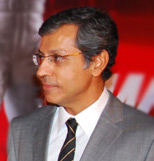
    Mr Sunil Lulla, CEO, Times Global Broadcasting Co. Pvt Ltd said, “The industry standard today is 10 minutes plus 2. Most of us are around that on an average hour basis but given the pressure and high cost of this business, very often the industry has had to go beyond the earlier stipulation and I think this should be left to the forces of the industry to regulate, like we’ve done for content.”


    He further added, “Regulation must be industry-created and cannot be ministry or government-thrusted. We believe that self-regulation has worked for content; we believe that self-regulation will work for advertising and many other aspects, and that’s the best way to develop this industry.”


    According to Mr Ajay Kakar, Chief Marketing Officer – Financial Services, Aditya Birla Group, these guidelines, though framed keeping viewer experience in mind, are more likely to impact the industry negatively as they may lead to increase in ad rates. He explains that the lower ad revenue would put pressure on broadcasters to reduce costs, which will subsequently impact the quality of content. Mr Kakar feels that these guidelines if accepted by the industry could lead to a paradigm shift for broadcasters and advertisers.


    Mr Ashish Pherwani, Senior Manager, Media and Entertainment – Ernst & Young has a similar view. He says that 70-80 per cent of a pay TV channel’s revenue comes from advertising and if the current regime of 12 minutes per hour is to become six minutes per hour, rates are ‘unlikely’ to double to make up for the revenue dip, so cost of content will go down and therefore shows like Bigg Boss and KBC won’t be viable.


    “The TRAI note stresses that digitisation will get more subscription revenues for broadcasters but that’s not going to happen soon. It’s going to take some years! Given that most GECs and sports channels’ inventory is 100 per cent and sold out currently, ad rates will go through the roof if inventory is halved. Advertisers will reduce TV spends and go to other media or less expensive TV channels. Hence, overall a negative impact on the TV industry.”


    Mr Jehil Thakkar, Partner and head of Media and Entertainment, KPMG noted that the guidelines have been in existence, but it is the market that determines the volume. He further added that it is in the broadcasters’ interests that they keep a limit on advertising, noting that they are well aware of the perils of excessive advertising as consumers tend to move between channels to avoid long commercial breaks.


    Mr T Gangadhar, Managing Director – MEC India is all for a good viewer experience. “I’m not a big fan of regulations, but there needs to be a way to protect the consumer’s interest,” he maintains. “Pay channels are making money through subscription. But yes, that is not much, as a lot of that is lost in leakages that are so prevalent in the broadcast industry.”


    He further added, “Typically, in many countries, subscription and ad sales go hand in hand – so what they’re trying to achieve is that if you’re a pay channel, quite clearly you have a revenue model in subscription and therefore while you are entitled to advertising revenue as well, it can’t come at the expense of spoiling the viewer experience especially when the viewer is paying for that particular channel.”


    Mr Neelkamal Sharma, COO – Buying Madison Group advised, “I woul suggest that it should be done in two stages, maybe from 12 minutes to 10 and then to 8 minutes. The move to have a limit is good and is in the overall long-term interest of the TV industry, since it will reduce viewer irritation. But a decision like this should be taken in consultation with industry bodies like IBF, ISA and AAAI.”


    It will be interesting to see if these guidelines are passed as the industry clearly is not on the same page as the TRAI. Broadcasters and advertisers are expected to send their suggestions to the TRAI before March 27.


    Watch this space for updates, views and more analysis.


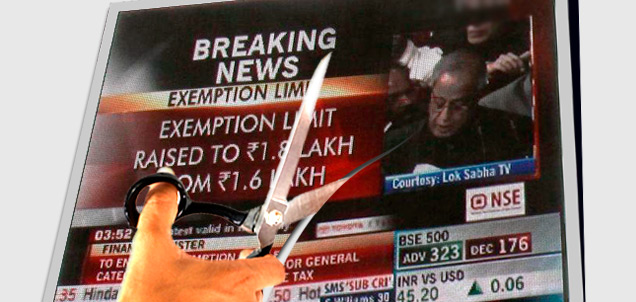
    Imaging: Rafiq, File photograph of Budget on a television set: Fotocorp

  • Pradeep Guha is Chairman of AFAA

    By A Correspondent


    The General Body of the Asian Federation of Advertising Associations (AFAA) has unanimously elected Pradeep Guha, representing the Advertising Council of India, as the Chairman of its newly mandated Executive Committee for a period of four years.


    Talking to MxM India on the agenda for AFAA, Mr Guha said, “We will have a steering committee meeting in Bali in May this year where we will take a decision on the way ahead. However, I do feel that there is a need for some joint action across Asia on issues concerning the changing media environment particularly with regard to self regulation and advertising.”


    He continued, “There is a real need for an umbrella body like AFAA which represents the interests of marketers, agencies and the media to play a more proactive role in the Asian subcontinent.”


    Raymond So who represents Taipei Association of Advertising Agencies was elected Deputy Chairman. The new four-person committee consists of Bharat Avalani, Anthony Kang (representing Association of Accredited Advertising Agents, Singapore), Soon Dong Lee (representing Korea Federation of Advertising Associations) and Ramesh Narayan (representing the Advertising Council of India ).


    Founded in 1978, AFAA has representations in 15 Asian nations including Japan, Korea, Taipei, Thailand, Vietnam, Malaysia, Singapore, Philippines, Indonesia, Bangladesh, India, Sri Lanka, Nepal, Pakistan and UAE. Its primary objectives are to unify all Asian associations involved in the various aspects of advertising and upgrade the standards, ethics, and practices of advertising and to bring about a meaningful contribution from advertising activities to both regional and national socio-economic development. Under its aegis, AdAsia, Adfest and the Asia Pacific Media Forum is held.