 Malaysia boasts one of the world’s highest literacy rates. However, a 2016 report found that among Malaysians who read regularly, just 3 percent picked up a book.
Those that are reading are not reading enough – with less than three hours a week spent on, a far cry from reading habits among citizens in India who allocate over 10 hours a week, reading while Thais and Chinese nationals spend between eight to nine hours a week.
That is beginning to change.
There is a newfound enthusiasm, thanks to a community of booklovers making relatable content on BookTok, the huge book club that has sprung up on social media and content platform TikTok.
By making entertaining videos centred on the books they read, BookTokers have created an inventive way of discussing, reviewing, and recommending books that have revolutionised the literary and publishing communities.
In Malaysia, #BookTok Malaysia has raked in 173.4 million followers as of May this year, showing that the reading culture in Malaysia is still alive. #BookTok Malaysia is not merely focussed on bookselling alone, as it also leverages the social platform to review books in the market with a casual and enjoyable approach.
Now Kuala Lumpur and other towns are experiencing a resurgence of bricks-and-mortar bookshops. Independent sellers are betting that the pandemic-era pickup in reading will sustain and translate into in-store sales. They are finding ways to boost physical retail, from befriending customers and stocking niche paperbacks to opening cafes and curating the shelves of boutique hotels.
Revenue in the books market, estimated at USD122.20m in 2024, is expected to grow to USD 128 mn by 2029.
“There has been a substantial increase in the number of people attending the Kuala Lumpur International Book Fair (KLIBF), which attracted 1.3 million visitors in 2022 and grew to 1.6 million last year,” says Malaysian Booksellers Association president Thong Yuet Sheng.
The stores are designed to lure customers in. Each has a different, eclectic design: one is housed in an old cinema complex; another has an ice-cream bar; and many are in malls, a popular weekend destination guaranteed to bring foot traffic.
A couple of weeks ago, Sandeep Joseph, founder and CEO of the agency I work with, took me along to the sprawling Tsutaya Books in Bukit Jalil.
With soft lighting, cozy reading areas, and a distinctly Japanese ambience, Tsutaya has all the ingredients to become the hotspot in Kuala Lumpur, with 31,000sq feet (2,880sq m) of space comprising the bookstore, with more than 264,000 books, a wide range of stationery, art and gifts (local and Japanese brand selection) on display, and a café. The books are well organised by topic, with each boasting a pretty exhaustive collection.
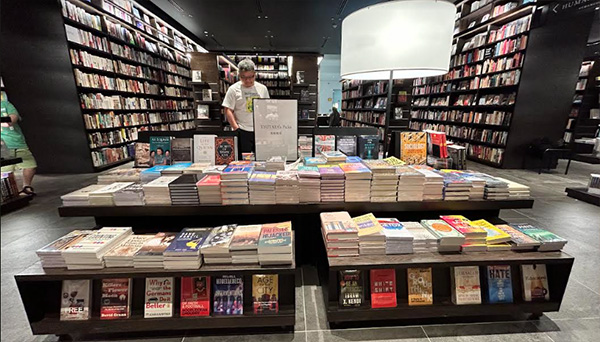
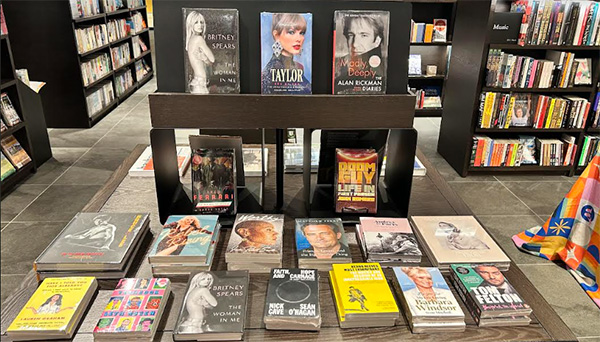
The store is futuristic and modern. Mirrors make the visitor feel as if they are surrounded on all sides by books. The colours used for the interior decoration is wooden with warm accents which makes it look refreshing and aesthetic. With its large space, there are many interest zones where customers can feel comfortable browsing around. The photography section features lomo cameras and vintage B&W prints. Collections of whimsical posters and stationery by local artist collectives populate display islands – every month, the bookstore hosts a new artist, whose creations you can touch, feel and savour, not just scroll through.
There are also areas for relaxing such as the lounge area or reading area which give off a therapeutic ambiance (with a fantastic view in front of the fountain and solo space). Jazz background music allows you to escape from reality for a while.
Tsutaya Books’ service quality determines the impression made on customers. It goes one step beyond simple customer service by helping customers find the book that is on their mind, or has been recommended by an influencer they follow. Each concierge has extensive knowledge about his or her subject area, and he or she holds in-depth conversations with customers to recommend products based on their interest.
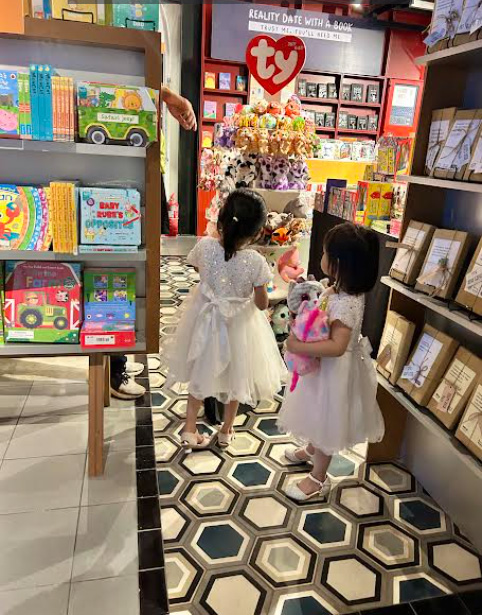
BookXcess has gone from eight shops before the pandemic to 19 in July 2022. Their store in Ipoh is housed in an old building, spread over two floors and overlooks a garden. I saw little girls in pink getting excited with fluffy bags and picture books, while older shoppers posed in the anime section. I picked up a new copy of William Bernstein’s ‘Masters of the Word’ for less than Rs. 400.
It’s not just chains that are bouncing back.
Independent seller Monsoon Books opened in 2021 in Petaling Jaya and caters to Malaysia’s Chinese-speaking population. Around two-thirds of its books are in Chinese. The selection is diverse and tends toward the highbrow. Readers can purchase a treatise on Beethoven’s piano sonatas or the latest issue of Malaysian indie magazine Process.
“People come to our shop and say, ‘Wow, I never expected to see these kinds of books in a Malaysian bookshop,’” says store manager Gan Han Lin.
The former schoolteacher left his job to run Monsoon. He hired a local designer to build shelves and a clean, cozy interior. Visitors can relax and read inside or buy a drink at the cafe downstairs to enjoy on the plant-filled balcony and have their “me time”.
Ng Kok Heong, a retired timber salesman who invested in Monsoon as a passion project says, “We want to establish a little bit of a niche market. If you go into the big chain bookshops you’ll see that most of the shelf is all books about wealth management and how to make money. We don’t want to sell those books. It’s not about simply making money; it’s about enriching your own thinking, your life and your mind through knowledge.”
As an engineering student in Melbourne, Nazir Harith Fadzilah amassed a huge collection of books and wanted to bring his favourites back to Malaysia. In 2006, he opened independent bookshop Tintabudi in Kuala Lumpur and began selling from his personal library, alongside publishers he discovered at book festivals.
Nazir has expanded Tintabudi’s business model, publishing a local author’s poetry collection and collaborating with the Kloe Hotel to curate their “room to read,” one of five culture-themed suites on offer at the venue. Some Kloe guests have become Tintabudi patrons.
Started by accountant Rachel Ang as Malaysia’s largest online second-hand bookstore, Books n Bobs now has a lovely brick-and-mortar bookstore at GMBB, a shopping centre in Bukit Bintang, Kuala Lumpur. The mission of the shop, according to Ang, is to help avid readers find old books that they can’t find elsewhere, such as those that are out of print or certain special editions.
She began purchasing titles that were in demand, no longer only focussing on only those she had a preference for.
Readers are not only able to purchase books from them, but can also sell or donate pre-loved books right at the store in GMBB. Books n Bobs carries about 27,000 titles online and 2,000 titles in the GMBB shop, covering the genres of mystery, romance and science fiction.
Part of their profits go to RUMAH K.I.D.S, a children’s shelter for abandoned and abused kids.
What was the last time you spent a weekend hanging out at a bookstore?
Kunal Sinha is Chief Knowledge Officer at Ampersand Advisory, based in Kuala Lumpur, Malaysia. He is the author of several books including The Future of India’s Rural Markets and Raw – Pervasive Creativity in Asia. He writes for MxMIndia every other Monday. His views here are personal.