By Ranjona Banerji
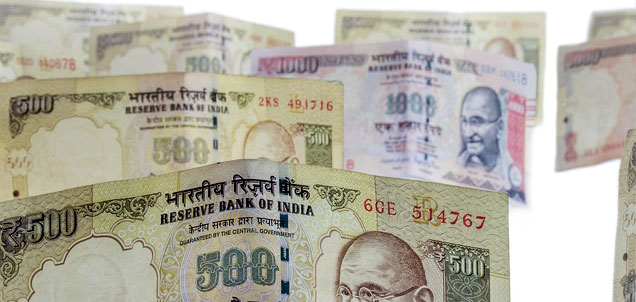
 The first “anniversary†of the sudden shock move by Prime Minister Modi that demonetised 86 per cent of Indian currency is either being “celebrated†or “mourned†across India. But first, let’s have a look at a test case of headlines on November 7, a day before the “anniversaryâ€.
The front page of the Indian Express tells us that “Tax compliance is better, more funds for banksâ€. An opinion piece by a member of the RBI Board informs us that there is no real problem with job loss and offers, like all such opinionaters who believe that readers are simpletons, five reasons why demonetisation was a good thing.
Then you reach the business pages. And you learn that although auto sales “reboundâ€, the story is not so happy for credit growth, small and medium enterprises and realty which face “lingering painâ€. Also, that after the initial rise, digital transactions have slowed down and people now have more currency than before demonetisation.
Therefore, there is a clear conflict between government-fed stories and ground realities, whether via government figures and data or from personal experiences across India.
On November 8, The Indian Express tells us that according to numbers just in, 1.5 million jobs were lost between January and April, 2017. Also, that less cash may not mean less black money and then there’s academic and columnist PratapBhanuMehta searing indictment of the “revolution that wasn’tâ€, calling demonetisation “technocratic authoritarianismâ€.
http://indianexpress.com/article/opinion/columns/demonetisation-pm-modi-notes-ban-one-year-of-demonetisation-4927169/
The same newspaper also carries a column by economist SurjitBhalla, who feels that demonetisation was an unqualified success. However, keep in mind that Bhalla is part of the government’s newly formed Economic Advisory Council, after its experimentation with NitiAayog did not work according to plan or improve upon the Planning Commission.
The Times of India informs its readers that a year on “cash is still kingâ€, that various digital payment schemes have been slow to catch on, that debit card usage has fallen. Data from the Reserve Bank of India has been used in these articles. It also carries where Union minister Ravi Shankar Prasad says “only those not skilled enough lost jobsâ€, which gives a fair clue into the callousness of demonetisation’s cheerleaders.
The Hindustan Times strikes a more pro-government note by focusing on hawala transactions which are apparently “limping along†and how phone calls have replaced physical movement of cash. There is also more prominence to the self-congratulatory pats on the back by the Prime Minister and Union Finance Minister than in other newspapers.
The Hindu headlines both the government’s cheerleading efforts and former prime minister Manmohan Singh’s evisceration of demonetisation. There is also a strong focus on the various segments of society that demonetisation affected badly.
The Telegraph, Calcutta also had a strong focus on human interest stories – people and businesses badly affected by demonetisation.
The Scroll looks back at the stories it has done about demonetisation but also points out that no data is complete without looking at the human angle and the pain, misery and “tremendous hardship†that the “note ban†caused.
The Wire went with an extract from an upcoming book, “Note-Bandi: Demonetisation and India’s Elusive Chase for Black Moneyâ€, edited and introduced by R Ramakumar, on how the government’s claims on demonetisation were “decisively falseâ€.
https://thewire.in/195081/demonetisation-modi-government-claims-false/
As the day unfolds, we shall undoubtedly see more, between the chest-beating of the government and the pushback from the Opposition. TV on Monday night concentrated on the lethal pollution that hangs over the national capital and on the frank and forthright Kamal Haasan, as the actor forays into politics.
**
On social media, demonetisation has been a trending topic with a hashtag battle between the BJP’s IT cell and its “#DeMoWins†and the rest with its “#DeMoDisasterâ€. Allegations of Twitter India favouring the BJP IT cell have also been made after #DeMoDisaster vanished from trending lists in spite of being tweeted several times.
On the whole though Twitter has been extremely lively on the subject. James Wilson, the engineer from Kerala, who became a celebrity after he demolished government claims on demonetisation with his well-researched blogs, has this article on him in Scroll:
https://scroll.in/article/825561/how-a-civil-engineer-in-kerala-became-the-expert-voice-on-demonetisation
There is back and forth banter, exposure of government claims and scathing indictment of the callousness of politicians who support demonetisation. The stories of suffering and death are highlighted and several people are marking November 8 as a day of mourning for those who died in ATM queues, in hospitals and elsewhere after people lost access to their own money.
**
A year on, how did the media fare? When the announcement was made by the Prime Minister at 8 pm on November 8, 2016, many news channels were all excited that black money would be eradicated and corruption would end. Newspapers and websites were more cautious. But once the lines at ATM queues became longer, TV could not ignore the hardship. Most news channels concentrated on urban suffering while newspapers and websites delved further into India and the killing cost on livelihoods in rural and semi-urban areas. Entire industries were wiped out, farmers were badly affected and the lack of digitisation in most of India caused greater hardship.
The cheerleading had largely stopped except for the UP elections when the fact that the BJP did so well meant to some people that the public was happy with demonetisation. However, coupled with GST problems, RBI figures and other data, the Indian economy is not in a state of revival and most of the media has not been able to ignore that.
Yet, being cynical, I expect more government flunkeys to tell us once again that the deaths of poor people don’t matter and I also expect some of our brave news anchors to allow them to get away with it.