
Aaramshop, a venture that makes shopping for essentials in FMCG and CPG (Consumer Packaged Goods) easy with just a click of the mouse, may be just about seven months old but has been making steady progress. As the name suggests, it is about shopping aaram se, the difference being that it has brought the local kiranas/ banias/ mom-n-pop store on its platform thus making possible for consumers to purchase their daily needs online and what better than it is delivered by your trusted neighbourhood shop that you have been visiting all this while. Aaramshop.com has partnered with1400 independent retailers across the country and plans to grow this number significantly by the end of the year.
A concept that has not been tried before especially in the e-commerce where its largely dominated by players catering to travel, gifts and apparels and even when there are few who have ventured into selling grocery, fruits and vegetables, the AaramShop model is different as it is bringing into its fold the existing local shops into its domain. Vijay Singh, CEO & Managing Director, AaramShop, talks to MxMIndia’s Tuhina Anand in an exclusive interview and explains the concept behind his venture and the dynamics behind the ever-changing face of e-commerce in India.
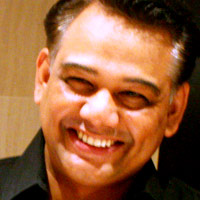 In the last few months that you have been running AaramShop, what has been some of the key learnings?
It is always fantastic to see raw thoughts and ideas turning into reality – and that’s what being happening at AaramShop over the last 7 months. We launched the site in mid-June last year and it was the one of its kind of venture, anywhere in the world, so we did not really have clear benchmarks to follow.
So far, almost all our thoughts and ideas have been reinforced and we are very positive about the future of what we have created. Every member of the brand marketing & retailing eco-system has embraced the idea of AaramShop with enthusiasm.
How do you see the venture going further?
Today, we are the commerce partner to over 1,400 independent retailers across the country and we will grow this number multi-fold by the end of the year to ensure that every household in the top 10 cities can order their preferred FMCG brands via their trusted independent neighbourhood retailer (AaramShops as we call them) and get it at their doorstep in a matter of a few hours. We intend to scale to approx 20,000 AaramShops.
We are starting to see brands integrating the advantages of the AaramShop platform within their digital marketing assets. This will extend the integration to all marketing initiatives by brands, including print ads, social media, campaign sites, and so on, as it will enable to them to ensure a critical last mile connect.
In a move to make the online shopping experience exciting, AaramShop has introduced its unique product listing option that envelops the shopper in a complete brand experience. The innovation would enable marketers across FMCG / CPG categories to take advantage of the proliferation of online videos and all other digital content and consumers’ increasing engagement with that content.
You have said that AaramShop is just a platform and your revenue model is not dependent on it. Can you elaborate on the revenue model?
We don’t believe that the typical e-commerce models would work for the FMCG/CPG brands, predominantly on account of absence of deep discounting by brands and the fact that FMCG brands are extremely well distributed across the country and widely available across 12 million plus stores across the country.
At AaramShop, we believe there is no need for more shops (on-ground or online) – the opportunity, however, is in making the existing shops available on the web so that the consumers can do their shopping with added ease, without needing to trudge down to the market.
AaramShop, therefore, has been created as a hybrid retail platform for sales and marketing of FMCG/CPG brands to busy urban consumers. The platform offers the consumers the convenience of selecting from thousands of FMCG brands and then leverages the strengths of neighbourhood retailers to ensure last mile fulfillment of the orders.
AaramShop is a free-to-use platform, not just for the consumers, but also for the retailers and, therefore, it does not disrupt the financial arrangements that the brands have already put in place.
We have created a number of premium opt-in services for brands to use to connect in a more meaningful manner with consumers. These premium services are predominantly built around analytics-driven marketing, advertising options online and offline, AaramShop centric opportunities, and so on. Our revenue model is centred on premium services and brands have started to use some of these services.
Buying grocery online, what are some of the logistics nightmare that you have faced in the last few months?
Since the last mile of our model is completely managed by independent retailer partners who undertake the warehousing and the fulfillment of orders within their stores’ normal footprint – we do not face any logistics related nightmares. This is the core strength of the retailers within their geographical footprint.
How open have the local kiranas been of joining this platform?
The ‘kirana’ (independent retailers) are extremely keen to join the platform. They see it as an opportunity to become more relevant to the modern consumers. AaramShop, as a free to use platform, is open not only to ‘kiranawalas’ but also to neighbourhood “pharmacies” as they tend to stock and sell a lot of personal & beauty products.
The independent retailers realize that they are unable to ensure a great “shopper experience” within their small stores and hence tend to lose out on larger orders. However, when they merge the online convenience of AaramShop with its access to thousands of brands with the local distribution and delivery capabilities that they already have, they realize that the combo could be a possible winner.
The digital readiness of a lot of these retailers is still low, but I believe these are quite easily addressable with some technology innovations – and that is when the number of partner retailers would shoot up.
You have been venturing into new and innovative arenas. So what is it that an entrepreneur should keep in mind when going alone especially looking at long term sustainability solutions?
I don’t believe there is any fun in trending a path that is well-walked.
The environment around us has changed completely in the last five years and consumer behaviour has transformed, however we tend to keep throwing the same set of solutions for the marketing challenges that the brands face. It is important to reboot.
My religion is still marketing; it is the rituals that have changed. This change is dictated by what I see as incredible changes that are happening all around us and, to stay relevant, one needs to change.
We have created a solution which integrates Local + Social +Mobiletrends of the days and it enables the interlinking of the Zero Moment of Truth of brands with their First Moment of Truth.
So long as we can continue to provide an important connect for the brands, consumers and retailers and creating value across the eco-system, we believe that our premium services would be much sort after.
How have you been promoting AaramShop?
We have not aggressively started to promote AaramShop yet, as the focus is still on building the channel and ensuring we get the technology right. However, in the past and also going forward, our promotion strategies are based on:
- Extensive use of social media – for example we were the first grocery store on Facebook.
- Micro-geographic marketing, using the excellent footprint of AaramShops.
- High quality CRM – grocery buying is a done 20 times a year by an average household, and we want to reach out in a meaningful manner and based on past purchase behaviour to ensure repeat usage.
What are two key goals for your venture this year?
While we have already released our mobile apps for all platforms, our focus would stay on making AaramShop more easy to use on mobile devices. We believe that mobile is the future and we will release a number of apps that will address different needs of different users in the year ahead.
The other big focus area is going to be the BrandEngagementCenter. The BEC (www.brandengagementcenter.com) enables brand owners and their agencies to seamlessly manage and monitor their brand/products performance on the AaramShop platform. It is also our ad & analytical centre and we would like to ensure more users to start trying their hands on it.
Having said that, I think the list of priorities is very long and we will be fighting on a number of fronts.
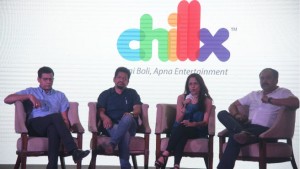 The Anil D Ambani-led Reliance Entertainment announced a new venture in a digital media content and distribution company called ‘FunOnGo Media & Entertainment LLP’. Founded by Vijay Singh and Ujjwal Narayan, the company launched, its first called ‘Chillx’.