By Shailesh Kapoor
 It’s been a month since original episodes of Hindi GEC shows started airing again. The genre that survived primarily on mythology during the lockdown is now moving back to its old staple fare.
The results of the first four weeks have not been very encouraging. Given that there are Covid-related restrictions still in place in large parts of India, and the overall TV viewing time is higher than pre-Covid, the Hindi GEC category (pay channels) has lost about 10% of its pre-Covid viewership levels despite the return of original episodes. Drop in the ratings of the top shows is particularly striking. Except Taarak Mehta Ka Ooltah Chashmah (TMKOC), which opened at pre-Covid levels upon its return, most other top shows have struggled, with some being less than 60% of their pre-Covid numbers. Long-running shows like Kundali Bhagya, Kumkum Bhagya and Yeh Rishta Kya Kehlata Hai have not got a section of their audience back, who were probably continuing only because of habit. Star Plus’ recent launch Anupamaa has emerged as the joint category leader in Urban HSM, along with TMKOC.
The signs were ominous. During the lockdown, Ormax Media’s data suggested that only 42% of regular Hindi GEC audience are missing their favourite shows “a lot”. The category will soon face severe headwinds with IPL in the next quarter, and will have to look upto reality shows like KBC and Bigg Boss to uplift it from the precarious position it finds itself in.
Having said that, the early success of Anupamaa is a positive development. It shows that the category discontent is not so high that a well-crafted new show that’s relevant and authentic will not find an audience. But we need more Anupamaas, and some of the upcoming launches look promising too. But the category urgently needs to shed its flab. Channels’ obsession with long-running family dramas that have long outlived their purpose is still a major villain in the 2020 Hindi GEC story.
The other element of curiosity was to see how fiction shows integrate (or ignore) Covid in their plots. It’s been a mixed bag so far. While some shows have stayed completely clear of it, others have used token references, and a few have integrated Covid into the running plot, though not always in a way that’s sensible. To give an example (and there are a few), earlier this week, a plot point in Star Plus’ Yeh Hai Chaahatein involved the female antagonists plotting to get the protagonist out of the housing society by proving that she’s high-risk for a Covid infection. The society’s management committee comes to the protagonist’s house to insist she’s taken to a hospital or a quarantine centre. In this highly charged Covid discussion with half a dozen people, not one is wearing a face mask, making a potentially topical scene come across as fake, if not bizarre. It is this half-hearted attempt at depicting reality that creates emotional disconnect with many Hindi GEC shows.
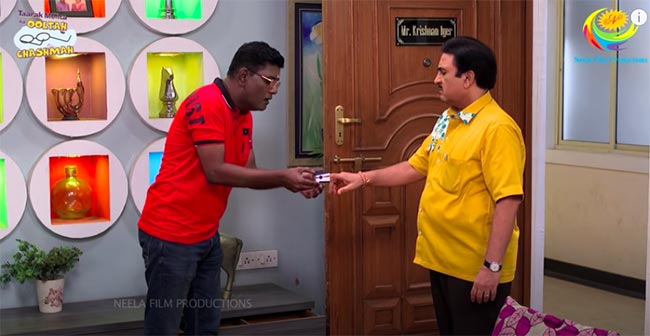
In sharp contrast, TMKOC has integrated Covid masterfully. For a show rooted in topicality and social reality, not recognising the Covid reality would have been a definite compromise. But it’s easier said than done. If they would have based the entire show in a Covid world, there would be limitations, related to society gatherings, functions, festivals, shop scenes, etc.
What the makers have achieved is a fine balance, through a tried and tested device: Protagonist Jethalal’s dreams. In the three weeks on air so far, he has had two dreams (cumulative play-out of about five episodes) which tell a free-from-Covid story, while the rest of the episodes consciously recognise Covid and create genuine entertainment around it. This is how it should be done!
With all its problems and a few silver linings, the Hindi GEC category is at a crucial phase. Something tells me the next six months may shape its future decisively.
