By Srinivas Yelandur
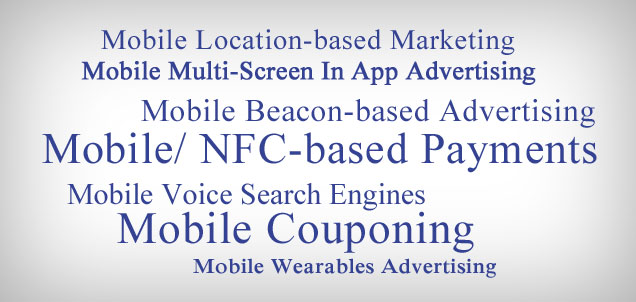
 Mobile Video Experience through VR/Augmented Reality – Affordable, low-cost Virtual Reality (VR) gear will take the entire mobile video experience to a new level.  Content and apps for the augmented or VR environment will lead to a focussed approach for content and app ecosystems.  Advertisers will become more innovative and experimental with VR mobile video advertising. Here are seven trends that are likely to happen:
1. Mobile Location-based Marketing – Location-based advertising has always remained a small segment in the overall budget of mobile advertising. It is a complex and challenging task to geo-fence the consumer in all his interactions, using the mobile as it is important to gather the right data or intelligence. New mobile marketing technology will make it more accurate in delivering services and targeting the customer.
2, Mobile Multi-Screen In App Advertising – Video experience is changing the way content is being consumed. As consumers have moved from small screens to large screens, they are adopting multi-screens to drive the right content consumption experience, both in streaming content as well as gaming content. Advertisers now have the opportunity to target a single consumer on multiple screens with the right contextual content.
3. Mobile Beacon-based Advertising – Advertisers will now change gears from targeting location-based strategies to advertising based on proximity signals — indicators of when users are closer to a beacon or a sensor – as they are more accurate than GPS. This, however, will not replace location-based marketing for mobile advertisers but will only add complementary force to help divert towards sensor-based data, yet.
4. Mobile/ NFC-based Payments – This new form of device-based payments will continue to play an important role as a bridge between offline and online, which has largely gone under-appreciated, particularly when it comes to retail.  Marketers will now be keen to increasingly leverage mobile in advertising and promotions and provide incentives via digital content.
5. Mobile Voice Search Engines – Search engines have gone mainstream but with mobile devices getting more sophisticated in voice technology, mobile vendors have invested heavily in technologies like Siri and Google Now. Amazon is using Echo to gather huge volumes of voice data for analysis and marketing more effectively in targeted environments creating a personal advertising strategy.
6. Mobile Couponing – Mobile couponing will start taking off again. Forty-four per cent of consumers are interested in receiving coupons and deals on their mobile devices – all the more so if they were timely and relevant. Increased use of location targeting and greater dependence on automation platforms will enable brands to do just that.
7. Mobile Wearables Advertising – Wearable computing is driving a new way of life and advertisers are gathering better insights into ‘self-data’ about individuals. Apps with wearable devices will provide the edge for targeted strategies in various device ecosystems – watches, health bands and activity trackers. Wearables, by their very nature, are more intimate and provide deeper data about consumers which are an advertiser’s delight.
Srinivas Yelandur is Director – Advisory Services, EY India. This article first appeared in dna of brands on March 21, 2016