Tag: Shripad Kulkarni

  • Shripad Kulkarni launches WHXprts, for advice on women’s health

    By Our Staff


    Shripad Kulkarni

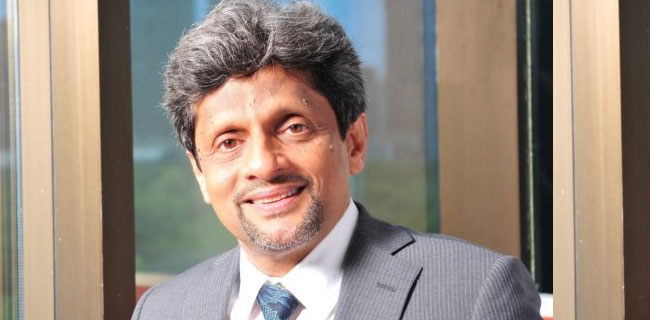
    Veteran advertising agency professional Shripad Kulkarni has announced the launch of WHXprts (short for Women Health Experts).

    It has been launched with an intention to provide more impetus to the cause of preventive health of women, notes a communique, adding: apart from English, the platform will also be available in Hindi, Marathi, Bengali, Tamil, Malayalam, Telugu and Kannada.

    Speaking on the launch of Whxprts.com, Kulkarni said: “We must focus more and more on Purpose Driven Brands and initiatives. Women’s Health experts.com or WH experts.com is a purpose driven initiative, to improve preventive healthcare among women of India. We will trigger questions and encourage women to be inquisitive about their health. We will ensure all the questions are answered in a simple manner by doctors and in seven Indian languages. The platform will be powered by intuitive search by topics, AI-assisted chatbots with byte-sized, comprehensive, information on all topics, moderated and validated by a panel of doctors..”

    The 360-degree platform will, in due course, have doctors, patients and brands interact in a meta format E – Knowledge Expo too. It will have the doctors go live, expert videos, Interactive Knowledge Centre, games, and relevant shopping possibilities as well. The launch will begin with the motherhood and pregnancy special. A public service campaign will promote visiting the Doctor in the preconception stage itself to reduce potential risks. Plans are also on the anvil to stage two online knowledge expositions on pregnancy and fertility.


  • Magazine readers discerning & influential: NICS 21

    By Our Staff


    Magazine readers in India are far more aware, well off and brand conscious than any other media, including digital. This is revealed by the New Indian Consumer Survey 2021 published by Kantar, the leading data global analytics and brand consulting company. The analysis is of special significance as the fieldwork was carried post the pandemic impact, during August to October 2021.


    The findings are part of a campaign to be released by Dastaan Hub, the brand solutions studio of the Association of Indian Magazines.


    The NICS 2021 is a special edition study in place of TGI and covers a battery of 200 attitudinal statements. Affinity Scores are attitudinal endorsement scores for certain cohorts indexed to All India Urban universe. The special study, based on 25 select statements from this concludes that magazine readers are also the most likely to be influencers and innovators than any other medium, including digital, based on the Affinity Scores.


    Among the statements where magazines show the highest affinity are: ‘People come to me for advice before buying new things’, ‘Shopping online makes my life easier and I do some form of sport or exercise at least once a week.’


    B Srinivasan
    B Srinivasan

    Speaking on the new survey finding, B Srinivasan, President of the Association of India Magazines said: “The survey confirms what we have been always asserting, that magazines by the very nature, attract a very premium readership and one that places great trust in this medium. It is therefore not surprising that the engagement levels of magazines are far higher than that of other media entities”. He further added, “Our readers are more discerning than that of various other media domains. NICS 2021 is a stellar offering from Kantar and effectively studies all-important attitudinal trends.”


    Shripad Kulkarni
    Shripad Kulkarni

    Added Shripad Kulkarni, veteran media agency professional and Advisor, Dastaan Hub studio:  “Attitude statements are a treasure of insights that can be used for sharp targeting. We have seen over various TGI survey rounds that magazine readers are clearly more upmarket and brand conscious influencers.”


  • Magazine publishers join hands for content marketing solutions

    By Our Staff


    The Association of Indian Magazines (AIM) has announced the launch of a content marketing studio, which will draw in the collective strengths of more than 125 magazine titles, their websites and digital media assets, to offer to marketers content marketing solutions that can reach over 150 million people. Called Dastaan Hub, the exercise seeks to expand content marketing opportunities for brand marketers.


    The studio has been put together by AIM member publishers, recognising the increasing need at marketers end to move from vanilla display advertising towards developing engaging content solutions for narrating compelling brand stories.


    Commenting on Dastaan Hub, AIM president B Srinivasan said: “Magazines by their very essence are a deeply immersive medium, and are trusted for the depth in their editorial content. Moreover, magazines cater to highly engaged communities, and each magazine publishing team has deep insights into their readers’ emotional psyches and consumer interests. This is where they have inherent strength for partnering with brands for creating compelling brand stories.”


    Some of the leading participating publishers in Dastaan Hub are India Today, Ananda Vikatan, Delhi Press, Outlook, Malayala Manorama magazines, Network 18 magazines, ABP magazines, Business World, and Diamond Publications.


    The studio is being led by industry veteran Shripad Kulkarni, who along with a team of experienced professionals, will offer full content marketing solution in appropriate multiple formats like video, shorts, podcast, articles, panel discussion, Facebook Live, contests and social media posts.


    Explaining how it will work, Kulkarni said: “Dastaan Hub team will be following a 3-step process. A classical first, studying the category and brand challenges. Second, the creative and strategy team will customise native communication led ideas, based on client brief. And then add an O2O, online to offline media delivery plan. All this will be co-created to capture the essence of the dialogue the brands want to have with their customers”


    Said Yogesh Dashrath, Country Manager, Storytel India on the launch: “Stories are a powerful means to influence and inspire. So I am sure that the Dastaan Hub plan to recreate brand stories in the regional language and cultural context will greatly help brands to connect with their customer”


    Added Pawan Sarda, Group CMO, Future Group: “Each region, each State of India is unique. So, there are so many cultural and contextual nuances one needs to keep in mind. The Dastaan hub initiative, is a good single window opportunity to connect with customers across the length and breadth of India”


    Speaking on the launch, AIM General Secretary Anant Nath said: “It is no secret that there has been an erosion of interest in magazines by marketers, and that we have been facing some serious problems in maintaining our distribution. Therefore, as a first step, we collaborated to tackle this fundamental problem. A joint distribution agency network has been put together by AIM, so that publishers can take advantage of collective bargaining and increase their footprint across geographies. Secondly, massive efforts have been put to improve the subscription ecosystem, which includes working with Indian Post to improve delivery, as well as joint subscription marketing efforts. As a result, the subscription numbers across publishers have increased during pandemic, to compensate for loss in newsstand”.


    Here’s what some leading magazine publishers have said. Manoj Sharma of India Today: “Dastaan Hub is a logical extension of our distribution efforts as we are confident that we can deliver highly engaged audiences to our advertisers. At the same time, we will be careful to ensure that this branded content will follow global ethical guidelines of content marketing, as reader trust is of utmost importance to us”.


    Indranil Roy of Outlook: “We are confident that with our collaborative working across distribution, subscription marketing, and now Dastaan Hub, our magazines will strengthen their deeply engaging relationship with readers as well as brand partners.”


  • MxM Live with Shripad Kulkarni


    By A Correspondent


    We interviewed veteran media specialist Shripad Kulkarni post his analysis of festive advertising on television in 2020 (which appeared on MxMIndia on Tuesday, December 8).


    Watch his interview with MxMIndia founder and editor-in-chief Pradyuman Maheshwari to get upclose with study on the market, the emergence of the digital dominators and the two masterbrands who took the plunge to turn out on top.


    Read the full report here: https://www.shripadkulkarni.com/report.html


    Watch. Enjoy. Like


  • Bounceback in TV Ad Rev… but 19.3% drop


    By Shripad Kulkarni


    Why and how TV was decoded

    Coming on the back of the India adspends degrowth in 2019 second half, the pandemic dealt a big blow to advertising. Undoubtedly, print bore the brunt of the C-19 impact, followed by Radio. Digital has had a field day, in terms of media consumption and e-commerce.

    Digital Spends too have got a good boost, but it will take some time to translate the digital consumption into a commensurate huge spike in paid media. On the other hand, at about 37% of Total Spends, Television is pretty much the mainstay. The massive rise in News Viewership saw a commensurate thrust on the News Genre from Advertisers.  In Aug-Oct, IPL led a bounceback to get the advertising on a much better wicket. Live Telecast of IPL, in many ways has helped in the kickstart of advertising during festive. So, decoding TV-led bounceback helps us understand many facets of Indian advertising. While we will look at the spends trend based on prevailing rates during the various pandemic phases, ad volumes help in a detailed understanding of the strategies deployed.

    However, care has to be taken to do a like-to-like comparison. So, IPL of 2019 to be compared with IPL 2020 (though it was in festive). And general entertainment/news separately for same period.


    Look out for an interview with the author and veteran mediaperson on Thursday, December 10.


    I have looked at Average Monthly Commercial Airtime by Key Channel Genres. We looked at the top-rated channels in each genre as a group, which contribute to 75-85% genre revenue. So, Genres detailed are: Top 4 Hin GEC1 channels, next 4 Hin GEC2, 6 Hin Mov, 6 Hin News, 4 E News, 12 Reg News, 5 Eng Mov,  and 15 Regional Channels of South, Marathi and Bengali. The Balance are grouped as Long Tail. 10 months of 2020 are compared with the corresponding period of 2018 and 2019.Till October 30, 50 IPL matches were completed, so IPL is compared with 50 matches of 2019

    Summary of the findings

    1. IPL – a grand marketing success


    IPL was a grand success, not just as an event, where BCCI showed exemplary guts and execution, but also of the Disney Star AdSales team. That’s because you have to pre-sell an event like IPL. And, at a 5% additional airtime in live, at a premium over last year is a fantastic performance which kick started the advertising rebound. I estimate IPL to have got a 12% Revenue increase over last year.


    2. The rebound was driven by E-com, BFSI and Healthcare

    IPL as well as News and General entertainment both were driven by these categories.
    It looks like the new economy will have to use offline media for the top of the funnel
    So, BFSI and the New economy brands will continue to be the drivers for next couple of years.


    3. Jan-Oct TV ad revenue shrunk by just 19%, due to the rebound

    As we know, in Apr-Jun 2020, there was a big drop in adspends. Listed companies Zee Entertainment, Sun TV and TV18 reported a whopping 60% average drop in revenue, while TV Today reported a 35% drop (over same period LY). By Jul-Sepm this drop was reduced to about 26% for the GEC Groups while TV Today bounced back to last year’s revenue level. Studying the average rate trends across the Pandemic phases of Apr-May, June-July and Aug-Oct, we estimate that the TV Spends, in fact have dropped by a significant 19% so far – which is a good rebound considering we were staring at a minimum 40% drop in ad revenue!


    4. Long tail of Advertisers has to wag for Advertising to grow

    Just 27 top advertisers contribute to 50% Commercial airtime and just under 500 Advertisers contribute to 90%. We have a long way to go to realise the potential of India. We need a significant no of advertisers from the long tail to move up and graduate to big advertisers. The process has started. Even in this period, over 1200 insignificant advertisers moved to being significant. This was largely, on the back of news and Hindi/regional channels.

    5. Long tail of Channel Genres will shrink

    Today the long tail contributes to a whopping 81% of Airtime and 23% revenue.

    The Revenue of the Long tail, however has dropped by 32%, with English dropping by over 50%


    6. Amul and Dabur have shown the Industry how to make the best of a crisis

    Both Amul and Dabur, our homegrown Master Brands went aggressively promoting many more brands than last two years and growing their commercial airtime by a whopping 125%.


  • #Mirrored! | Shripad Kulkarni: There’s a Tsunami warning of Digital Earthquake in the Media Ocean

    By Shripad Kulkarni


    There’s a Tsunami warning of a Digital Earthquake in the media ocean.


    A few years back, a big earthquake happened, far away into the sea. It was named ‘digital’. Lots of media scientists have been watching and tracking its accelerating movement to the media shores!


    The shallow waters of C19 have shown us the height of the waves, which are headed ashore. So, in many ways it’s a warning signal, for those closely paying heed.


    The first to be hit will be the long tail of media, which is near the shores and on shaky grounds.


    So, what should Long Tail Media do?


    First, a structural audit. Are you on firm grounds with a definitive role in the lives of a significant audience after the tsunami hits the shores? Or are you just an add-on vehicle in the network to battle the daily buying bazaar? If Not…..


    Can you transform and have a role in the lives of a significant audience after the tsunami hits the shores? If not…


    Plan a move out of its way! Now it WILL hit Indian Media shores by festive 2022!


    Shripad Kulkarni is a veteran media professional and educator. He currently advises a host of advertisers and agencies. He can be reached at sk [at] shripadkulkarni.com. His views here are personal


  • TV Audience Measurement: Time to Reboot!


    By Shripad Kulkarni


    Before I get to the theme of this piece, just as a matter of clarification on my views on the crisis: BARC by and large has done justice from all counts. A shot at gaming the system (if indeed there is one) by a media cannot be held against BARC. News and niche genres are indeed not adequately covered by BARC but that’s also a matter of priority, given the budget available.


    I believe as an industry we are now in a good ‘TV ratings scam-led’ crisis. Why let a good crisis go waste? Why not set a path to create a TV measurement system of the future ? As they say: Never waste a good crisis! Else, it is headed for Nullity* as I have already expanded in an earlier article. (link).


    This is a new look at the crisis as an opportunity. Of how we can move on to a path of the future. With this vision, let’s not go for incremental changes but go for an overhaul. We can’t be in the legacy media mindset any more. We must act with a speed befitting the new media landscape. With a learning mindset of the new digital led media ecosysyem. In my view, there are four things we need to do:


    First and foremost, we must address the inadequate representation of the top-end audiences.

    Today NCCS A accounts for about 38% of Mega Metros (5 mn plus pop). Topmost Socio economic classes A1 and A2 are each around 10% of audience in Mega Metros as per IRS. This leads to an underestimate and/ or inadequate audience profiling for the news genre, English and niche long tail genres. Thus channels, programmes aimed at the Top 20% of mega metro audience in terms of buying power can’t be ranked on their viewership. Naturally, luxury or premium lifestyle products have a limited or constrained use of this data. This needs to be addressed, at the very least for Mumbai, Delhi and Bengaluru which will give a good enough idea of All-India viewership trends.


    We need a route map to measure Video viewership instead of Cable TV viewership

    It’s a no-brainer that a significant number of customers are ‘screenagers’. These are not just teenagers but even broader segments moving to Video on Demand via OTT platforms, YouTube, Instagram and other platforms, with mobile as their primary ‘screen’. Zoomers (Age 8-23 years) are the core segment among screenagers and will soon be entering the wider consumer market. We do not have a clear unified picture of their video habits. The challenge is that this is a fresh new evolving ecosystem. It’s nowhere near the current Cable TV ecosystem. So there will not be clear answers. The media stakeholders obviously are different. The user stakeholders are wider than the classical advertising gencies. It will need a big effort to get all stakeholders together, else it will never take off. But without this, we will in any case fail in the long run.


    We need an Experimentation Mindset for Hi Tech Audience Measurement

    There have been many initiatives undertaken by BARC in the space of hi-tech solutions for measurement. We possiby need to have an experimentation mindset and explore the area with small scale experiments instead of going in for the elusive all encompassing solution set. After a transparent review by an Industry panel, we should chalk out a series of experiments we will do. These can range from compilation of all data in the space of Video viewership from various primary and secondary sources by a special committee to OTT data, short experiments in collaboration with DTH Operators on return path data and mobile led new measurement technologies. Nothing new in the areas to be explored. It’s a change to a learning and experimentation mindset, actioning smaller experiments.


    Last but not the least, bring back the Full Transparency and Inclusivity of Yesteryears

    The first issue here is BARC ownership and control. Majority holding by IBF will have its own avoidable influence, but we must move on with times. The first point of inclusivity here is to drag advertisers into the ecosystem. Far too long they are putting the onus on agencies and media. It will mean also monetory investments by advertisers, as fees paid to agencies is not adequate to support this and TV Channels are already putting enough money on the table. If we want a holistic video viewing, without advertisers’ active participation, its not going to happen. We have to get this done under any circumstances.


    Yes, the yesteryears were in a different league of full transparency and inclusivity. Somewhere, we seem to have lost this all important piece of the media measurement puzzle.


    The Research of yesteryears had three principles we can adapt. First, the estimation tree from Census to the estimates relesaed to users was very transparent to all industry segment representatives. The estimation tree today is far more complex and needs a refresh at least every couple of years. Second, there was always a solid cross validation by a special team of users from across Agencies. Today, we have far more data points from distribution reach, DTH operators, OTT ranking data and various Internet and Social Media measurement studies. We need to get a new gen validation process periodically. Thirdly and perhaps more importantly, we need to be far more inclusive towards all media genres. All media, all users, long tail media vehicles also must get a hearing AND a solution of say purposive sampling, booster sample, special panel or a hi tech solution or whatever.


    In sum, there are three things all of us in the marcom industry must focus on. Firstly, we must try and fix all shortcomings of the current measurement system. Second, we must start experimentation in tune with the unfolding media future with a definitive vision. Lastly, and more importantly, we need to get advertisrs into the ecosystem and get back to the ‘old fashioned’ Industry model of full transparency of the print hay days..


    The current TV ratings crises, thus, presents all of us in marcom with an opportunity to choose our future in Video Measurement. Something we need to do fast. With the simple key principles of Agility in the New-Media ecosystem.


    Speed. Learn as you go.

    Or be left behind.


    We can make a choice.

  • The Ratings Tangle: All 3 Standpoints Converge into Nullity


    By Shripad Kulkarni


    The current ‘scam’ on TV Ratings is suddenly primetime news, topic of newspaper editorials and has of course rattled the advertising and marketing industry a little. I want to look at this as a marketing communications industry event. For clarity, I will not be looking into the ethics of news journalism or the stance news channels have taken on India’s political affairs. These are very different discussions.


    So, let’s look at the ‘event’ from three standpoints in the marcom ecosystem viz the research science behind it, the users of this data and the direct stakeholders in the event.


    We will look at the research science behind it and its challenges and their implications. Next we look at the relevance and role in decision-making of this data for users. And thirdly, we will look at the direct stakeholders in play, the TV channels and the external regulatory system. We will logically examine the implications of this event from each standpoint.


    THE RESEARCH SCIENCE STANDPOINT

     At the heart of the science (statistics) of a measurement system like BARC is a statistician’s nightmare. Let me elaborate on this nightmare. There are, as is often said ‘Many Indias’ from the rural land labourers to the Zoomers (born between 1997 and 2012). To cover these audience segments, the consumer classification system (which by the way, already needs a refresh) used by current research defines elaborately 12 segments.


    In reality, this number is now multiplied manifold by the digital-led fragmentation of consumer video habits. It is impossible to be able to afford the sample size required to handle each of these segments adequately. It would take easily 10-15 times the current expenditure on research.  This is the statistician’s nightmare I am referring to. Naturally the scope and coverage of any audience measurement system will need to be restricted.


    The current system, broadly speaking, compromises on the upscale audiences and focuses where Big Advertising Monies reside viz Mass Viewership Categories like General Entertainment Channels and Cricket. Hence even a relatively big viewership category like Hindi News gets a lower representation in sample. English News is quite unrepresented. This just cannot change anytime soon – surely not because of this event.


    By simple deduction, the low sample size genres like News, stand to get massive ‘benefit’ with a slight tweaking of data. And since this is linked to the Revenues directly, every once in a while, it leads to a shot at gaming the system by some players. The current event is alleged to be this gaming of the system.


    A good research system has adequate checks and balances, without which it can’t exist. The current system does have all these and more. So, what will happen to the research science of BARC after a fresh look? It may, at best, need a few more checks and balances. That’s about it. In effect nothing much will change from a Research Science standpoint.


    THE USER STANDPOINT

    Typically, a Media Planner is the key user of TV Viewership data and in close consultation with the Brand Manager, takes decisions on Channel selection. The user is concerned about lower representation in the sample for Genres and Target Groups she/he is interested in for the Brand/s handled. Where the sample size is lower, the user finds other logical data points to estimate the relevance or popularity of Media. One way is statistical ‘normalisation’ (average over a period is the simplest example). Other ways are content analysis, specialised surveys, social media analysis and listening. Most of the users are experienced and use TV on an ongoing basis, and also have adequate past experience to rely on. In the case of Hindi News, such additional logic-based datapoints are used for validation while for significantly lower sample size situations like say English News; they could get a higher weightage.


    The Logical data points are even more important for the user when there is any consistent, significant change in the channel pecking order, like the rise of Republic TV Network in the recent past. And this change in ranking order of channels keeps happening every once in a while. Yes, sometimes due to fieldwork manipulation attempt, as is the allegation in the current case in point.


    If there is some kind of manipulation, which is missed by the checks and balances of BARC, it somehow always shows up in the logical data points. So the experienced users does own adjustment for it. By and large, gains from such a manipulation are temporary and can’t beat both these systems for a long time, is the industry experience.


    The current scam, and the plausible manipulation as a reason behind it, is pretty much what the experienced expert users have seen and handled a few times. Over and above what BARC will do to crosscheck and validate the news genre viewership, the user needs to take a rigorous fresh look at the logical data points. And needn’t do anything more.  So, again there will be no real change in the Users day-to-day life.


    THE DIRECT STAKEHOLDERS

    The media being measured are the biggest stakeholders here. In this case, however, there are also ‘external’ stakeholders due to the positions taken by News media vis a vis prevailing Political affairs. The outside stakeholders, by definition, will be involved for a temporary period. So when the dust settles, we will be left with only internal stakeholders.


    Now let’s look at the channels. As a rule, if Channel A shows better numbers, and Channel B doesn’t, both will take opposing positions, no matter what. Given the checks and balances of the BARC system, at worst, a Channel or two might be guilty of manipulation. Since BARC is an Industry body, there will mostly be a technical committee, which will probe impartially. If there indeed is a malpractice not captured by the existing checks and balances system, a newer better system has to be in place with action against the Media concerned. If despite the corrections, the pecking order remains, nothing changes.


    So, here again we pretty much arrive at the Nullity!


    Full Disclosure: I have been a user of all Media Research since the days of scientific calculators, and also served on various Technical Committees of BARC and MRUC


    *The concept of Nullity:

    I have drawn from linear algebra the concept of Nullity, a vector with all Zero values. I would define Nullity in Marcom as an event, which is a necessity, forced upon the ecosystem by an external stimulus trigger. Such an event seemingly affects various stakeholders in the ecosystem. But, in the end, whichever standpoint you choose, there is no gain or loss for anyone in the ecosystem. In other words it’s a ‘Nullity’.




  • ‘TV festive spends to degrow by 5%’


    The response to the first part of this series where veteran media agency professional Shripad Kulkarni focused on festive spends in print (https://www.mxmindia.com/2018/01/exclusive-to-mxmindia-irs2017-top-5-takeaways-by-shripad-kulkarni/). In the second part, he trains his research lens on spends on television:


    By Shripad Kulkarni


    Shripad Kulkarni

    The Rs 1000 crore-plus additional ICC World Cup adspend seems to have taken the sheen of festive TV growth. The festive kickstart phase (week before Independence Day till Shradh) has registered a decline as compared to the same period last year. Based on weekly the average, compared to 2018, the degrowth in TV advertising this year is 6% on All India NGRPs across all advertisers and 6.5% on duration.


    A study of genre-wise growth clearly showcases classical cost optimisation. Planners seem to have increased the focus on cost-effective genres, cut duration on high cost/GRP genres and maintained GRP delivering Channels at 2-4% over 2018. Thus, second line GECs, Regioinal Movies and Kids Channels get more emphasis, the low cost/GRP genres of long tail of Television Genres, Regional News and English Channels get a shave. GRP delivering-channels of Top GEC, Long Tail Hindi GEC, Regional GECs and Hindi News have been maintained around a 2-4% growth over last year.

    Personal Hygiene and Health, Durables, BFSI and Fashion and Textiles have shrunk drastically, while Services, Telco, Retail and Personal accessories have shown a massive growth.


    So what’s the Outlook for festive 2019 looking like?

    My forecast for the festive 2019 is that with a normal last-minute surge aided by the 6-Week Diwali Week period, TV Spends will recover a little. Assuming no rate increase over last year, I forecast TV festive spends to degrow by 5%.


    Veteran advertising professional Shripad Kulkarni has been leading consulting assignments in the fiels of strategy, content and adsales. Having helmed teams at Carat, Percept Media and Vizeum and also running a media training and consultancy company called M:Ideas which was bought over by Carat Integra, Kulkarni is set to launch AdXforce, an end-to-end software solution for adsales, which facilitates sales process, Call calendar management and CRM.


    Using AdXforce, Kulkarni undertook the unenviable task of forecasting the festive season spends for MxMIndia. This is the second of a three-part series. The first focused on print, and the other two will be on television and other media (outdoor, radio and digital). This report is part of a comprehensive white paper the veteran professional and his team have worked on. For more on that, please refer to ShripadKulkarni.com. The detailed TV white paper will be uploaded on the site by noon on Friday, October 11.

  • ‘Print festive spends to degrow 8% from last year’


    By A Correspondent


    Shripad Kulkarni

    Veteran advertising professional Shripad Kulkarni has been leading consulting assignments in the fiels of strategy, content and adsales. Having helmed teams at Carat, Percept Media and Vizeum and also running a media training and consultancy company called M:Ideas which was bought over by Carat Integra, Kulkarni is set to launch AdXforce, an end-to-end software solution for adsales, which facilitates sales process, Call calendar management and CRM.


    Using AdXforce, Kulkarni undertook the unenviable task of forecasting the festive season spends for MxMIndia. This is the first of a three-part series. The first focuses on print, and the other two will be on television and other media (outdoor, radio and digital). This report is part of a comprehensive white paper the veteran professional and his team have worked on


    Read on…


    So, how did the All India festive 2019 Kick Start till Shraadh period go?


    Again, we must note that the government infusion had not set in by then, and ad Industry had just got out of an additional adspends on TV due to ICC World Cup.


    :: In keeping with the past year trend, Print Innovations grew at a
    healthy 11%

    :: Retail and Personal care grew in Print

    :: Significant drop over 2019 levels in Newspapers SQC by 10%. Shradh was also a washout for print.

    :: Other than Retail, all other volume contributors seem to be holding on to their spends for the Diwali phase.


    :: So what’s the Outlook for festive 2019 looking like?

    :: Going by the first weekend of Diwali Phase, positive sentiment is led by new categories. High contributors are not yet too bullish. Sentiment is crucial here, and it seems to be in place for now. This should continue into the Wedding/Holidays Season. The Diwali phase, aided by an extended 6-weeks buying season, should grow and perform better. I assume there will be no increase in rates for any media.


    So, my forecast for the festive 2019 is that with a normal last-minute surge:

    :: Print spends will be at around 8% below last year’s level


    So what’s the bellweather Onam verdict?


    Firstly, we must note that Onam was shrouded in the current slowdown. Latest positive infusion by the government set in after Onam

    :: The upside:

    :: Onam advertising bounced back from the low levels of 2018 due to the unfortunate floods.

    :: A cautious but optimistic start to the Season with 12% more ads in Print than 2017.

    :: Print dominance is visible – with growth in ads driven by long tail of advertisers and better performance than TV.

    :: Services, Auto and HH products Sectors grew for TV and Services, Auto and also Auto grew for Print.

    :: The downside

    :: Significant drop over 2017 levels in TV 4% in GRPs and 7% on Duration

    :: A 4% drop in SQC– reflecting the market sentiment at that time.

    :: Print Innovations did not kick off in time for Onam season

    :: Retail, Durables, Food & Bev and Personal Care – the volume drivers did not take off this Onam.


    For full report, click on www.shripadkulkarni.com after 4pm today (Oct 4)


  • Exclusive to MxMIndia: IRS2017 Top 5 Takeaways by Shripad Kulkarni

    By Shripad Kulkarni


    The IRS Toplines were released yesterday. While detailed reports and software will throw better light, this is a quick decode:

    TAKE A BOW, RSCI, MRUC & NIELSEN!

    The people behind IRS 2018 must be commended for putting in herculean efforts to get IRS back on track after the last round fiasco.  Conducting the world’s largest such survey has its own challenges. Add to it a back-to-the-wall situation due to various anomalies of the last round, some of it caused by publishers themselves trying to beat the survey, litigations by some others and the challenge multiplies manifold. Various readership studies over the years had evolved and perfected a long drawn validation exercise, which the Techcom got back this time around with industry planners. This, in my view should have given RSCI an MRUC a huge confidence to release the findings. Many changes in methodology, cross-checks, use of technology would have no doubt helped. As always, some publishers gain, others lose. Some media too gain, some lose. Error margin is a reality all need to accept


    A NEW PECKING ORDER OF DAILIES

    Based on monthly readership, all Top 10 dailies are language newspapers. Jagran is #1, followed by Hindustan and Amar Ujala while Bhaskar is at #4 and Thanthi at #5! Hindi, Gujarati Kannada and Marathi newspapers grew 31 to 45%, Oriya by a big 83%. TOI continues to be the leader in English while Thanthi leads among non-Hindi regionals.


    INDUSTRY NEEDS A FRESH SOCIO-ECONOMIC CLASSIFICATION

    Any dramatic rise in penetration of some categories would disrupt the equilibrium of NCCS. A durable ownership based NCCS definition is challenged at the bottom end by a big growth in gas stove, mobile phone ownership and availability of electricity. As a result, suddenly many people have jumped to higher NCCS. So, while 65% of homes don’t have a 2-wheeler, 53% don’t own agri land, NCCS DE accounts for only 40% homes. At the top end of NCCS, despite a growth in AC and car-owning homes, NCCS A1 and A2, still remains stagnant at 2% and 4% resp.  The idea of one unified NCCS across Urban and Rural areas might be bringing in an averaging effect, so may need to be revisited. The challenge in relating this to the much smaller sample size of the TV viewership system is yet another dimension to the NCCS saga.


    READING INTENSITY IS AN ISSUE

    Circulation of newspapers is steadily rising @ of about 5% annually.  Readership (over a month) however, has grown @ 11% pa – 37% growth over last IRS. Rural markets readership has grown at a dramatic 15% annually, leading to a 50% growth over 2014. Yet, average issue readership (read yesterday) has remained stagnant. Newspaper variants covered for the first time too show low figures. This suggests a problem with the intensity of reading – number of issues/week and the time spent.


    MAGAZINES, FM READERSHIP CORRECTED BUT INTERNET STILL UNDERESTIMATED

    As per new IRS methodology for magazines, readership doubles (vis a vis last Round) to a respectable 8 crore base(as per periodicity). Radio too doubles reach to 19%


    The mobile penetration is at a whopping 90% with 9 out of 10 homes having a house member owning a mobile. IRS 2018, puts monthly internet reach at 19 %. A 30 Crore smart phone base, it would mean every other smart phone owner has 2 smart phones! Online newspapers have an abysmal 4% reach as per IRS. May be, we need a separate Internet baseline


    All in all a good comeback on the back of which more needs to be done!


    Shripad Kulkarni is a media agency veteran


  • Dentsu Aegis Network rejigs top deck


    By A Correspondent


    Dentsu Aegis Network has restructured its top deck in media agencies group across Carat and Vizeum. Kartik Iyer has been elevated to President, Media Brands and Amplifi.


    Rajni Menon will be CEO of Carat and Joydeep Raha will be CEO of Carat Context as Himanka Das will take over as CEO, Vizeum. Shripad Kulkarni has announced his decision to move on from the group by end-December to pursue his own interest. The move does not impact Dentsu X headed by Divya Karani so far.


    Ashish Bhasin

    Said Ashish Bhasin, Chairman and CEO South Asia – Dentsu Aegis Network: “To enable a more future ready product for our clients, our media agencies have been reorganised for the rapidly changing market environment under the unified leadership of Kartik Iyer who has been leading our fastest growing media agency, Carat, for over eight years now. He will be responsible for enabling the continued fast track growth of the brands and will provide senior executive council level oversight to the media brands, in addition to his Amplifi responsibilities.”


    Speaking on his appointment and on the next steps for the Media Brands, Iyer said: “I am delighted to have been given this opportunity and look forward to working with the agencies in their growth path over the years. Carat is future proofing to take on the new opportunities that the market dynamics have provided in order to be able to provide world class service to our clients… Rajni is a true blue One DAN exponent. In the past 8 years that Rajni has been with Carat, she has led some of the agency’s most significant developments in capabilities, especially in the area of ICP, CCS, CCS Planner, Multiscreen planning (TV Stack) and Digitizing of Carat, which has enabled the entire group to deliver more consumer focused and business oriented solutions and is best placed to drive it to the next level. Joydeep has been a pillar in the growth path that Carat has seen over the years, particularly in the South markets. With his focus on business growth backed by delivering integrated solutions, he has constantly been adding business for the group. Further, Himanka Das will be taking over as CEO of Vizeum. Himanka has been a part of Dentsu Aegis Network Media leadership for the last 5 years and has a proven ability in managing and growing client relationships both Multinational and Indian,” Iyer added.


    Shripad Kulkarni

    Speaking on Kulkarni’s exit, Bhasin said: “Shripad has contributed significantly to the growth of Vizeum in India.  His focus on business and managing client relationships has enabled Vizeum to grow from strength to strength in the last two years. We wish him all the very best in his future endeavours.”


    Speaking on the future, Iyer added: “The leadership of our media group will continue to focus on delivering Business Outcomes and Digitally Ahead solutions. Over the next few weeks, each of the agencies will be setting up their plans for the coming years and you can expect some very significant initiatives in this area by each agency. Rajni, Joydeep and Himanka, as leaders of their respective media agencies, will continue to innovate the way brands are built.”