Tag: Red Fm

  • Red FM invites agencies to handle creative

    By Shubhangi Mehta


    The radio channel 93.5 Red FM has called for a creative pitch. The pitch is at a very initial stage as of now. The agencies participating in the pitch include names like Lowe Lintas, RK Swamy BBDO, Law &Kenneth and others. Though no confirmation from Red FM could be obtained at the time of filing the report, sources close to the development have confirmed the news to MxMIndia.


    The incumbent agency on the account is Ogilvy & Mather, who have been handling their creative mandates for the past five years. Even the marketing spends could not be ascertained at the time of filing the report.


    Red FM is a property of Sun TV Network, India’s largest television network which has 20 TV channels, 45 FM radio stations, two daily newspapers and four magazines in several Indian languages.


  • RAMcheck: Besides Mumbai, no change in #1s

    By A Correspondent


    TAM Media’s Radio Audience Measurement (RAM) – which covers four key metros, Mumbai, Delhi, Kolkata and Bengaluru – released its latest radio listenership figures for wk 13 to wk 16, 2012 (Last week of March to first three weeks of April, 2012). According to the latest RAM data, for listeners of 12 years of age and above, all places of listening, and according to radio channel shares, RadioCity, Radio Mirchi, Fever FM, Big FM, Red FM, Radio One, Oye! FM continue to be the top FM stations in the big four metros.


    Mumbai:


    Radio Mirchi emerges as the number one FM station in Mumbai with a market share of 15.3 per cent, followed closely byRadioCityat 15.2 per cent. The two FM stations are closely competing for the top spot, but what remains to be seen is which of these two FM stations retains the top spot. AIR FM2 Gold, Fever FM and Big FM make the top five FM stations in Mumbai. The other FM stations in the Mumbai market include Red FM, Radio One, Oye! FM, AIR FM1 Rainbow, Vividh Bharati and Akashavani.


    Delhi:


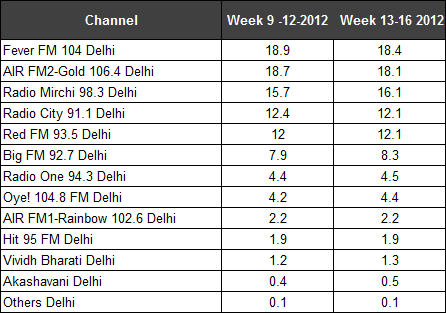
    Fever FM continues to be the most popular FM station in Delhi with a market share of 18.4 per cent, its nearest rival is the AIR FM2 Gold which is comfortably placed at number two with 18.1 per cent market share. Ranked three is Radio Mirchi followed by RadioCity which is ranked four and Red FM as ranked five in theDelhimarket. The rest of the FM stations in Delhi include Big FM, Radio One, Oye! FM, Hit FM, AIR FM1 Rainbow, Akashavani and Vividh Bharati.


    Bengaluru:


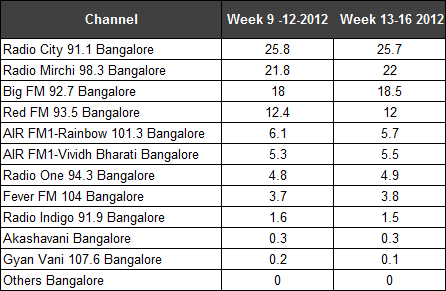
    RadioCity continues to maintain its leadership position in the city. RadioCity, Radio Mirchi and Big FM are the top three most popular FM stations in Bengaluru. RadioCity received a market share of 25.7 per cent whereas Radio Mirchi and Big FM received a market share of 22 per cent and 18.5 per cent respectively. Ranked four is Red FM with 12 per cent and the fifth most popular FM station is AIR FM1 Rainbow with 5.7 per cent. The other FM stations in Bengaluru include AIR FM1 Vividh Bharati, Radio One, Fever FM, Radio Indigo, Akashavani and Gyan Vani.


    Kolkata:


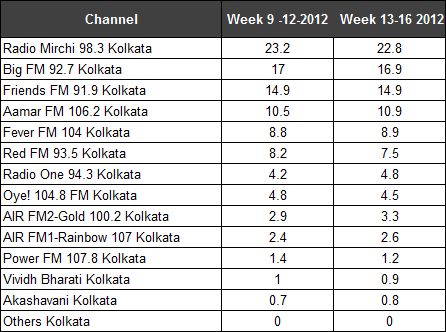
    Radio Mirchi is the clear winner in Kolkata with a market share of 22.8 per cent. The top three FM stations in Kolkata haven’t changed as Radio Mirchi continues to be the number one FM station of the city followed by Big FM with a share of 16.9 per cent and at the number three FM station of Kolkata, Friends FM received a share of 14.9 per cent of the share. Ranked four and five are Aamar FM and Fever FM with a share of 10.9 per cent and 8.9 per cent respectively. The other FM stations in the city are Red FM, Radio One, Oye! FM, Power FM, AIR FM1 Rainbow, AIR FM2 Gold, Vividh Bharati and Akashavani.


  • RAMcheck: No change in #1 stations across RAM markets

    By A Correspondent


    TAM Media’s Radio Audience Measurement (RAM) – which covers four key metros, Mumbai,Delhi, Kolkata and Bengaluru – released its latest radio listenership figures for Wk 8 to Wk11 (Last two weeks of February 2012 and first two weeks of March 2012).


    According to the latest RAM data, for listeners of 12 years of age and above, all places of listening, and according to radio channel shares,RadioCity, Radio Mirchi, Fever FM, Big FM, Red FM, Radio One, Oye! FM were some of the top FM stations in the big four metros.


    WhileRadioCityretained its leadership position in Mumbai and Bengaluru, Fever FM and Radio Mirchi also continued to remain the leading FM stations inDelhiand Kolkata respectively.


    Mumbai:

    RadioCitycontinues to be the most popular FM station in Mumbai, as the FM station has maintained its leadership position in the city. Ranked second is Radio Mirchi followed by AIR FM2 Gold, Fever FM and Big FM which are ranked third, fourth and fifth respectively. These top five FM stations and Red FM, ranked sixth have secured their listenership share in double digits. The other FM stations in the city include Oye! FM, Radio One, AIR FM1 Rainbow, Vividh Bharati and Akashavani Mumbai.


    Delhi:

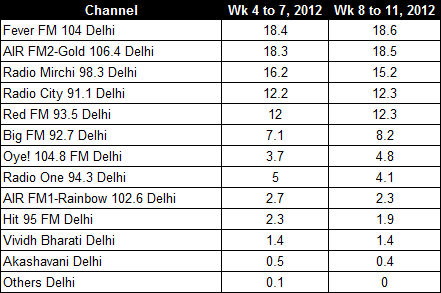
    According to the Wk8 to Wk 11 RAM data, Fever FM has once again retained its leadership position inDelhiwith a listenership share of 18.6 per cent followed by AIR FM2 Gold which garnered a share of 18.5 per cent. Although Fever FM is the number one FM station ofDelhi, the government owned AIR FM2 Gold is a close second. What remains to be seen is whether Fever FM is able to widen the gap between the number one and number two FM station? Or will AIR FM2 Gold claim the leadership title?  Once the undisputed leader ofDelhi, Radio Mirchi is now ranked three with a share of 15.2 per cent followed byRadioCityand Red FM with a share of 12.3 per cent respectively. The top five FM stations have received their station share in double digits. The other cluster of FM stations inDelhiincludes Oye! FM, Radio One, AIR FM1 Rainbow, Hit FM, Vividh Bharati and Akashvani Mumbai.


    Bengaluru:

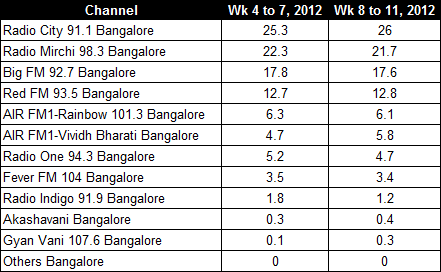
    RadioCitymaintained its leadership position in Bengaluru with a share of 26 per cent, its nearest rival Radio Mirchi, on the other hand, received a share of 21.7 per cent. Ranked three is Big FM with a share of 17.6 per cent followed by Red FM which received a share of 12.8 per cent. While the top four FM radio stations in Bengaluru received a double digit share, AIR FM1 Rainbow which is ranked five received a share of 6.1 per cent. The other clusters of FM station in the city are Fever FM, Radio One, Radio Indigo, Gyan Vani, Akashavani and Vividh Bharati.


    Kolkata:

    The top five FM stations of Kolkata continue to remain the same. Radio Mirchi is unanimously the most popular FM station in Kolkata with a whopping 22.9 per cent of the station share. Its nearest rival is Big FM which received a share of 16.8 per cent followed by Friends FM and Aamar FM which are ranked four and five respectively. Kolkata is the only RAM market which perhaps has not seen a change in the top four rankings in a long time. While Fever FM and Red FM are ranked five and six respectively, other clusters of FM station in Kolkata are Oye! FM, Radio One, Power FM, AIR FM1 Rainbow, AIR FM2 Gold, Vividh Bharati and Akashavani Kolkata.


  • RAMcheck: More surprises for FM players

    By A Correspondent


    TAM Media’s Radio Audience Measurement (RAM) – which covers four key metros, Mumbai,Delhi, Kolkata and Bengaluru – released its latest radio listenership figures for Wk 4 to Wk7 (Last two weeks of January 2012 and first two weeks of February 2012).


    According to the latest RAM data, for listeners of 12 years of age and above, all places of listening, and according to radio channel shares,RadioCity, Radio Mirchi, Fever FM, Big FM, Red FM, Radio One, Oye! FM were some of the top FM stations in the big four metros.


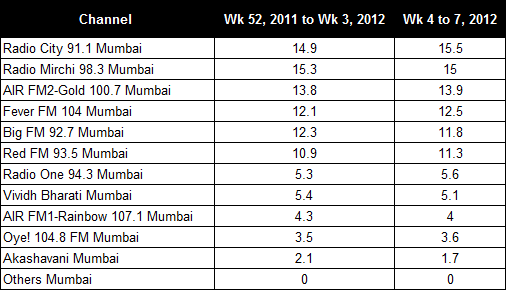
    Mumbai:

    Radio City surged ahead of Radio Mirchi as the most popular FM station in the city with 15.5 per cent channel share from Wk 4 to Wk7, 2012 whereas Radio Mirchi’s channel share stood at 15 per cent. Ranked three is AIR FM2 Gold which more or less remained unchanged in listenership share from wk 4 to 7, 2012 as against Wk 52, 2011 to Wk 3, 2012. As compared to Wk 52, 2011 to Wk 3, 2012, six FM stations witnessed growth in their listenership share in Wk 4 to Wk 7, 2012 namely, Radio City, Fever FM, Red FM, Radio One, Oye! FM and AIR FM2 Gold.


    Source : RAM

    Market: MUMBAI

    Demographic: All People 12+ Filter Demographic: None

    Statistic: Share %

    Daypart: Sun – Sat 12:00 AM – 12:00 AM

    Place of Listening: All


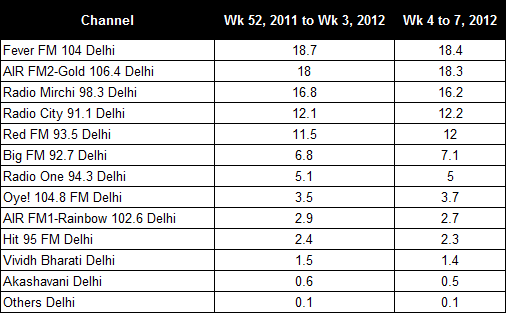
    Delhi:

    Fever FM once again manages to retain its leadership position inDelhi, its nearest rival in Delhi is Radio Mirchi, if the government owned AIR FM2 Gold is excluded. According to figures for Wk4 to Wk 7, 2012, AIR FM2 Gold is close behind Fever FM for the top spot. What remains to be seen is whether or not Fever FM is able to retain its leadership position inDelhi.


    The Wk4 to Wk 7, 2012 RAM numbers reveals that in comparison to Wk 52, 2011 to Wk 3, 2012 only five FM stations witnessed any growth in the Delhi market. The FM stations to have seen growth in their listenership shares are Radio City, Big FM, Red FM, Oye! FM and AIR FM2 Gold.

    The other FM stations in the Delhi market are Radio One, Hit FM, AIR FM1 Rainbow, Vividh Bharathi and Akashavani Delhi.


    Market: DELHI

    Demographic: All People 12+ Filter Demographic: None

    Statistic: Share %

    Daypart: Sun – Sat 12:00 AM – 12:00 AM

    Place of Listening: All


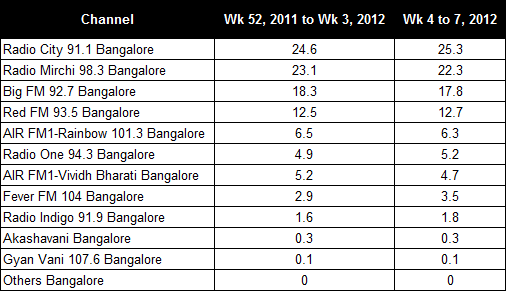
    Bengaluru:

    In Bengaluru too, Radio City continues maintain its numero uno position, the FM station has managed further grow its listenership share in Wk 4 to Wk 7, 2012 as against Wk 52, 2011 to Wk 3, 2012. The second most popular FM station in Bengaluru is Radio Mirchi followed by Big FM and Red FM, ranked third and fourth respectively. Ranked fifth is AIR FM1 Rainbow and Radio One is ranked sixth. The five of the eleven FM stations in the Bengaluru market which witnessed growth in listenership share areRadioCity, Red FM, Radio One, Fever FM and Radio Indigo.


    Market: BENGALURU

    Demographic: All People 12+ Filter Demographic: None

    Statistic: Share %

    Daypart: Sun – Sat 12:00 AM – 12:00 AM

    Place of Listening: All


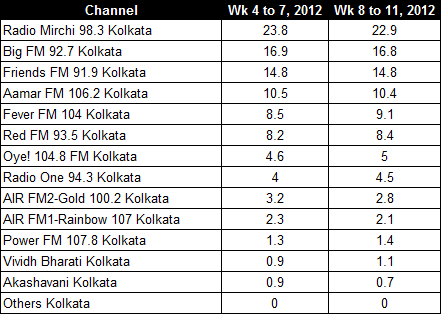
    Kolkata:

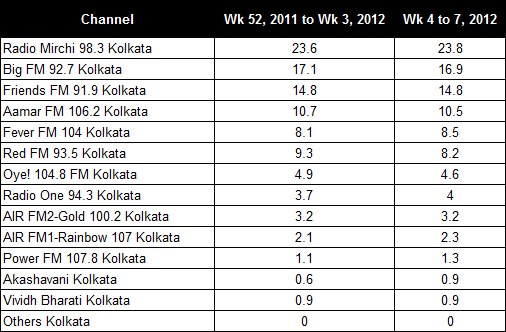
    Radio Mirchi has not only maintained its leadership position in the city, but has also witnessed some growth according to the Wk4 to Wk 7, 2012 RAM data as against Wk 52, 2011 to Wk3, 2012. Kolkata is the only RAM market to have seen no change in atleast the top three rankings. Radio Mirchi, Big FM and Friends FM continue to be the top three FM stations in the city. Ranked four is Aamar FM, followed by Fever FM, Red FM and Oye! FM. Of the thirteen FM stations in Kolkata, six FM stations in the city have witnessed growth in their listenership shares: Radio Mirchi, Fever FM, Radio One, Power FM and AIR FM1 Rainbow. Although Friends FM remained stagnant in its listenership share, nevertheless it is comfortably placed at number three. The other FM stations in the Kolkata market include Radio One, Power FM, AIR FM1 Rainbow, AIR FM2 Gold, Akashavani Kolkata and Vividh Bharati.


    Market: KOLKATA

    Demographic: All People 12+ Filter Demographic: None

    Statistic: Share %

    Daypart: Sun – Sat 12:00 AM – 12:00 AM

    Place of Listening: All


  • RAMcheck: Most popular FM stations heard out of home

    By A Correspondent


    Unlike our regular RAMcheck reports which didn’t differentiate between any places of listening, this time MxMIndia decided to concentrate exclusively on radio channels’ out of home (OOH) listenership. According to RAM (Radio Audience Measurement), the OOH listeners include listenership in cars, at work and other out of home places. TAM Media’s Radio Audience Measurement from week 40-43, 2011 to week 52- 3, 2012 reveals the most popular FM radio station out of home. RAM is currently present in four metros – Mumbai, Delhi, Bengaluru and Kolkata.


    Mumbai:

    According to the RAM data for OOH listenership, the top five FM stations for Mumbaikars are Radio Mirchi, Big FM, Radio City, Fever FM and Red FM, excluding the government-owned AIR FM2 Gold. The radio stations, from week 40- 43, 2011 to week 52 to 3, 2012, have not seen much variation in their channel shares.


    Delhi:

    In Delhi AIR FM2 Gold is the most popular FM station followed by Fever FM, a strong number two in OOH listenership share. While the number one and two slots have a clear position in OOH listenership, there is no clear winner for the number three position. There is a close fight for number three position between Radio Mirchi, Radio City and Red FM. However in Wk 52′ 2011 to Wk 3′ 2012, both Radio Mirchi and Red FM received 12.4 per cent station share whereas Radio City received a station share of 11.1 per cent. The other FM stations in the Delhi market include Big FM, Radio One, Oye!FM, Hit FM, AIR FM1 Rainbow, Vividh Bharati and Akashavani Delhi.


    Bengaluru:

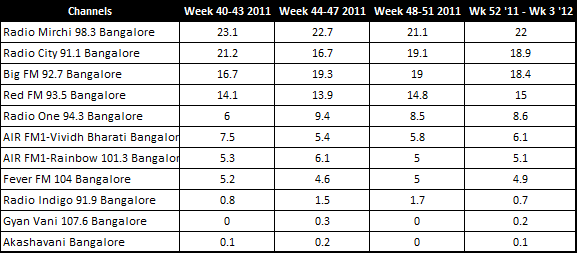
    Radio Mirchi is the number one FM station in Bengaluru followed by Radio City, Big FM, Red FM and Radio One. Between Wk 40- 43, 2011 to Wk 52, 2011-Wk 3, 2012 the radio channel share for Radio Mirchi was at its peak in Wk 40 -43, 2011 with a share of 23.1 per cent. Radio City, the second most popular FM station in OOH listenership, was also at its peak in wk 40 – 43, 2011 with 21.2 per cent share. However in week 52, 2011 – Week 3, 2012 the station share for Radio Mirchi dropped to 22 per cent whereas Radio City’s share was 18.9 per cent. The other clusters of FM stations in Bengaluru are Fever FM, Radio Indigo, AIR FM1, Vividh Bharati, AIR FM1 Rainbow, Gyan Vani and Akashavani Bengaluru.


    Kolkata:

    Kolkata has a clear number one and number two FM stations in Friends FM and Radio Mirchi. Ranked third is Red FM. The gap between the top three FM stations is significant. While Friends FM received a market share of 23.4 per cent in Wk 52, 2011 – Wk 3, 2012, the same week saw Radio Mirchi receive just 18.3 per cent market share and Red FM receive 12.4 per cent share. The other clusters of FM stations in Kolkata are Fever FM, Aamar FM, Air FM2 Gold, Oye! FM, AIR FM1, Rainbow, Radio One, Power FM, Akashavani and Vividh Bharati Kolkata.


  • FM stations celebrate Valentine’s Day

    By A Correspondent


    In case you don’t remember what’s special about today,  just tune into any FM radio station and you will know that love is in the ‘air’. And when television channels, newspapers & magazines and the internet have something to offer this Valentine’s Day, can FM radio be far behind?


    Here are some of radio stations and their big plans for the day:


    • Big FM

    Big FM will be playing love songs or romantic songs throughout the day. Big FM Hyderabad station has been running an on-air contest – Jodi No.1 since the last four days wherein listeners share their love stories with the RJ. On February 14 – Valentine’s Day – actors Siddharth and Rana Daggubati will select the best stories, announce the winners and reward them during the morning show.


    Big FM’s Delhi station will air ‘Big Love Meter’ which will test how well the listeners know their partner. In addition, an RJ will travel across the Delhi city in a ‘Mobile Big Booth’ conducting ‘Love Meter’ tests on married and unmarried couples. Big FM Delhi will also have ‘Club 927’ which aims to engage housewives by conducting a quick ‘Love Meter’ tests on their husbands over the phone.


    Big FM Mumbai station has roped in Rajeev Khandelwal and Mugdha Godse to co-host the morning show with RJ Ankit to promote their movie ‘Will You Marry Me?’


    • Red FM

    For Red FM Delhi it all began with one phone call from the Delhi Traffic Police Head Constable, Ramesh Kumar who wanted to lose weight as his wife constantly complained about him being overweight. This conversation was followed by a nine day activity wherein Red FM Delhi RJs Swati and Peeyuush decided to make head constable Kumar lose some weight and get fit before Valentine’s Day. Red FM Delhi is calling it ‘Ek Moti Si Love Story’.


    The Delhi station also roped in Bollywood celebrities like Kareena Kapoor and John Abraham who gave tips to lose weight. It is also said that people of Delhi also stepped in to help Mr Kumar lose weight by lending him their old treadmill, waking him up in the morning, taking him out to jog and so on. A run was organized at Hindu College where 300 students ran with Ramesh Kumar to boost his morale and support him in his endeavour to lose weight. The event is said to have been attended by Joint CP Traffic Satyendra Garg and Former National Hockey Captain Rajpal Singh. On February 14, Red FM will send Ramesh Kumar and his wife Raj Rani for a date to Le Meridian to reminisce about 27 years of their marriage.


    • Radio Mirchi

    On Valentine’s Day, Radio Mirchi’s late night show, ‘Purani Jeans’ aims to become a love messenger for its listeners. RJ Anmol will read out the love letters that were penned down by listeners for their loved ones. The listeners were given an entire week to send in letters for their loved ones to RJ Anmol.


    • Radio Misty

    Radio Misty will play love songs the entire day, along with live shows, centred around Valentine’s Day. It started with Love Forever week where the music and shows focused on the Valentine theme. The station will air live shows with listeners in-studio sharing their real life stories. Beside this, Radio Misty will have OBteams in different part of Siliguri to have live connect with listeners. The entire week listeners will be given the opportunity to win gifts, including candlelit dinner with their loved ones.


    • Indigo 919

    Radio Indigo 919, Bangalore will launch Heartline 919 on Valentine’s Day. Heartline 919 has been packaged for the young Bangaloreans. Over the last decade Bangalore has burgeoned to a global city with a significant part of the population being under the age of 25 and living away from home. Given the stress factors in corporates today, the need to maintain a work-life balance and to handle relationship and other personal issues, which is usually neglected gain significant importance. Heartline will address issues such as this every Tuesday between 10 pm and 11 pm starting the February 14.


    Heartline 919 has been edited and co-conceptualised by Sophia Purushotaman, a UK national and an Indian resident, and hosted by Dr Shyam Bhat and Teja.


  • FM Radio rocks in South India… and how!

    By Robin Thomas


    The FICCI-Deloitte report on Media and Entertainment in South India says that radio in South India will grow with a CAGR (Compounded Annual Growth Rate) of 20 per cent by 2015. The reach of FM radio is said to be far higher in South India than its counterparts in other parts of the Country. According to Ms Nisha Narayanan, Senior VP Projects and Programming Red FM, South India has 28 per cent share of existing radio channels and it will have 28 per cent representation in FM phase III as well.


    Besides the larger FM stations like Red FM, Big FM, Radio Mirchi and Radio City, there are many local or smaller FM stations as well, such as Radio Hello, Club FM, Best FM, Suryan FM and Radio Mango, to name a few. Unlike the North, FM radio stations in the South play music in multiple languages as prominence is given to the local language. Big FM for instance plays only Kannada music in Bengaluru whereas in Hyderabad it plays Telugu and Hindi music. Club FM, a Kerala-based FM station, plays mainly Malayalam music with a mix of Tamil and Hindi music whereas Red FM in Andhra Pradesh mainly plays Telugu.


    Rabe T Iyer
    Nisha Narayanan

    Rabe T Iyer, Business Head, Big FM, the radio arm of Reliance Broadcast Network was of the opinion that compared to the rest of the country, the reach of radio in south India is much higher. Mr Iyer was also quick to point out that in some key markets like Bengaluru, Chennai and Hyderabad the reach of radio is significant, higher than most news channels, and is on comparable terms with leading GECs.


    “Given the inherent strengths of the region backed by a strong film and music Industry, added to its rich cultural diversity, it is not surprising that radio in South India has relatively higher penetration than other regions. The south of India has done some innovative radio over the years. It continues to be a huge focus area for all players given that it has three big metros which are important from both listenership ratings and revenue perspective,” he added.


    Nisha Narayanan of Red FM said, “South has been an integral part of radio and its growth in India. Radio is more close to people’s lifestyle here than any other part of India. Radio Ceylon had created a strong base for radio even before the advent of FM radio in India. FM radio penetration is the highest in South India, particularly in Tamil Nadu. In the long term, obviously there is tremendous growth and we are in the early stage of that growth.”


    Shaan Menon, Manager Content, Club FM noted, “FM in South India is going to take a huge leap as it is waiting for the next bidding. Even the smaller cities and small townships in Kerala will get a chance to taste the feel and warmth of FM culture. South Indian film music is the strongest music industry in terms of production. Although CD sales are deeply affected due to rapid downloads, FM industry is full of the new genre of music and music directors.”


    Challenges and Opportunities

    Some of the key advertisers in the south are retail, textile, jewellery, real estate, hospitality, FMCG, consumer durables etc. Big FM claims its advertising and content ratio to be 1:4, while Red FM says it plays 45 minutes of music and 15 minutes of ads every hour during off peak season whereas in peak season the inventory time is slightly more. One of the reasons why radio is said to be doing well in the south is because of its strong regional film and music industry. “Given the diversity, there is tremendous potential for localization which radio can capitalize on and deliver. The opportunities to create a unique brand identity in this market are immense,” explained Mr Iyer.


    He further said, “A challenge any product faces in its life cycle is finding the ‘differentiating quality’ after the market matures. The same applies to the radio industry and its many players. With a market that has matured and grown manifold and poised to grow further, novelty and innovation in content will be a key component for success and will decide further growth of the category.”


    Ms Narayanan on the other hand observed that time has come for radio to look for new revenue streams. She was also of the view that radio stations must experiment beyond the traditional programming formats, and that music royalty still remains a challenge. “Content has to evolve a lot as most of the programming strategies are music based. We are still into traditional programming formats and the time has come to take it to the next level. The ability to create new revenue streams is ideally needed at this hour, as the only source of revenue for radio stations has been advertising sales. Music royalty is another area of concern as we pay needle per hour, whereas the international markets follow the revenue sharing model. These are the challenges faced nationally too.”


    The road ahead

    The much awaited FM Phase III policy seeks to extend FM radio services to about 227 new cities. Phase III will cover all cities with a population of one lakh and above, simultaneously there will be a total of 839 new FM radio channels in 294 cities. The local players in particular expect to further expand their radio station into the southern markets. However, one of the possible challenges after FM phase III is launched could be to attract listeners to the medium and then to sustain its listenership.


    Mr Iyer of Big FM observed, “We foresee huge growth in the radio industry in the coming years. There will be more stations leading to more innovation in content and communication. This will result in more revenues and hence more profitability for all players.”


    Ms Narayanan remarked, “South India has 28 per cent share of existing radio channels and it will have 28 per cent representation in phase III as well. Radio will be a national medium and the true mass medium with the number of channels coming in Phase III. In the south 75 to 80 per cent of the licenses are for the ‘D’ and ‘C’ cities which will be a great boost for advertisers as a medium breaking across demography.”


    Mr Menon stated, “The challenge during FM Phase III is to convince the small town public that FM radio is equally or more entertaining than TV. It will be difficult to make them taste the sample, but the current popularity of FM industry in the main towns will definitely help to fight the difficulty of convincing the new public.”


  • Nisha Narayanan holds fort @ Red FM as Rana Barua quits

    By A Correspondent

    Senior vice-president projects and programming Nisha Narayanan is learnt to have assumed charge at Red FM as COO Rana Barua is moving on (as reported by MxMIndia yesterday). Though both Mr Barua and the company spokesperson were unavailable for comment, MxMIndia learns that he has put in his papers and amongst other things is mulling turning an entrepreneur.


    According to sources, it’s business as usual at the leading FM station with Ms Narayanan, an old Red FM (and Sun FM) hand, managing affairs of the company at least temporarily. Mr Barua is reported to be on leave and serving notice.


    Prior to joining Red FM, Mr Barua was EVP – Programming & Marketing at Radio City. Before he moved over to radio, he was VP and Head – Mumbai at Bates. And earlier: Client Services Director at Rediffusion DY&R, Account Director at McCann, Senior Account Exec at Ogilvy & Mather and an Account Exec at JWT.


    with Robin Thomas

  • FM in the North-East – a foggy picture

    By Robin Thomas


    Phase III of FM is likely to bring more radio services to the North-East, a region known for being music-crazy. Currently, Guwahati, Shillong and Gangtok are the only cities in the region to have any FM radio services. While Red FM and Big FM are the only national players present in this region, the local players are Radio Misty, Radio Gupshup, Nine FM and Radio Ooolala.


    The music generally played in these markets is a mix of regional, English and Bollywood songs. One of the major challenges facing the North-East players, particularly the local FM stations, is the high music royalty rates, and that revenue generation is comparatively lower than the metros, making it a little difficult for survival.


    Nisha Narayanan, Senior VP Projects & Programming, Red FM explained, “Radio as a medium is very popular in the North-East as the North-East has a very strong music connect, it has a rich music culture. The drawback however is the lack of government support for radio in this region. Most radio stations in the North-East are local players, there are not many national players because they do not see too many benefits from these markets.”


    Nishant Mittal, CEO Radio Misty said, “We are in Gangtok and Siliguri, and both these markets have been very good for us and for radio because the youth in this region are very inclined to music.”


    Low advertising revenue

    Most of the advertisers in radio are local, particularly from the retail category. National or corporate advertisers in radio are said to be very few in the North-East. The national-local advertising ratio of Radio Misty, for instance, is 40:60.


    According to S Wassim Ahmed, Station Head, Radio GupShup, the spot rate for radio in North-East is even Rs 100 per spot, thus making it tough for the medium in these regions. “Regional advertisers’ response initially was bad. You cannot blame them, they were not educated about the impact of the FM radio. The national advertisers were equally apathetic towards the Guwahati market (North-East market is non existence for all the practical reason). The spot rate is pathetically low. It is invariably below 100/spot. Radio life is toughs in these parts of the country.”


    The challenge

    Some of the challenges for radio in the North-East according to the industry players are huge royalty rates. Revenue generation is comparatively lower than those in other parts of the country, and the challenge to get the right talent because of limited man power.


    According to Mr Ahmed of Radio GupShup increased government support and minimized capital outflow will ease the burden of the FM radio business in the North-East. “For the radio business model to be sustainable in these remote parts, the capital outflow should lessen. Just like government subsidy is available in any other industry in the North-East, radio too should also get those benefits. Government support in terms of DAVP advertisements would be a great boost.”


  • RAMcheck: No changes in top rankings in four metros

    By A Correspondent


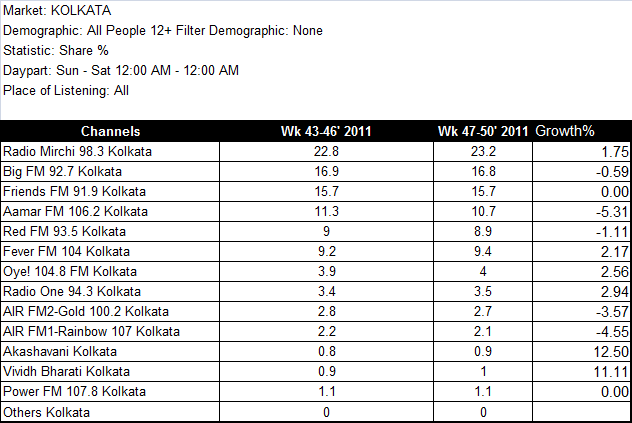
    On Friday, January 6, 2012, Radio Audience Measurement (RAM) – which covers four key metros, Mumbai, Delhi, Kolkata and Bengaluru – released its latest radio listenership figures for Wk 43-46 (last two weeks of October and 1st two weeks of November 2011) Vs Wk 47-50 (Last two weeks of November and 1st week of December 2011).


    According to the latest RAM data, for listeners of 12 years and above, and according to radio channel shares, Radio City, Radio Mirchi, Big FM, Red FM, Fever FM, Radio One, Oye! FM were some of the top FM stations in the big four metros.


    Mumbai:

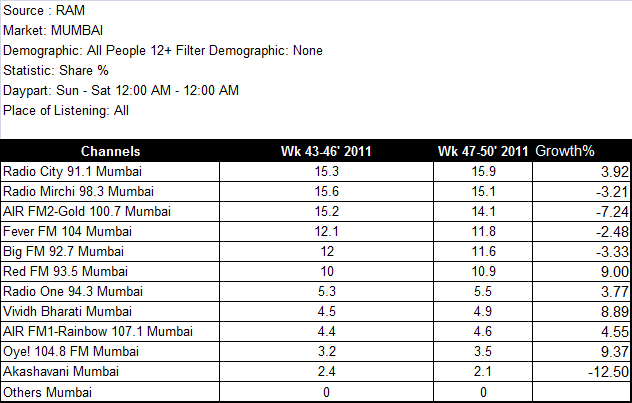
    In Mumbai,Radio City further strengthened its leadership position in Wk 47-50 as against Wk 43-46 with a growth of 3.92 per cent in its channel shares. Radio Mirchi was rated the second most popular FM station in terms of channel shares followed by AIR FM2 Gold, Fever FM, Big FM, Red FM and Radio One. The other clusters of FM stations in the city are Oye! FM, Vividh Bharati, AIR FM1 Rainbow and Akashavani Mumbai.


    Besides Radio City, Red FM, Radio One, Oye! FM, AIR FM1 Rainbow, Vividh Bharati and Akashavani Mumbai are the only radio stations to have shown growth.


    Delhi:

    Most radio stations inDelhiwitnessed growth in the channel shares in Wk 47-50 as against Wk 43-46. AIR FM2 Gold emerged as the number one FM station inDelhi, its channel share however remained stagnant. Fever FM slipped to the number two position in Wk 47-50 after its channel share saw a decline as compared to Wk 43-46. Fever FM and AIR FM1 Rainbow were the only two FM stations inDelhito have seen a decline in channel shares on Wk 47-50 as against Wk 43-46.


    Radio Mirchi was the third most popular FM station followed by Red FM, Radio City, Big FM, Radio One, and Oye! FM. The other clusters of radio stations inDelhiinclude AIR FM1 Rainbow, Hit FM, Vividh Bharati and Akashavani Delhi.


    Bengaluru:

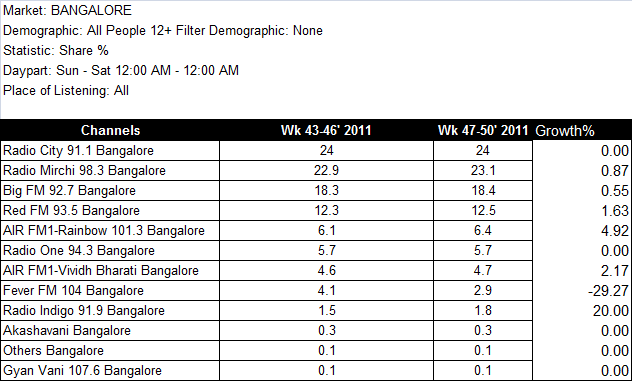
    There was no change in the station rankings in Bengaluru.Radio City continued to lead Bengaluru followed by Radio Mirchi and Big FM. While Radio City showed neither growth nor decline in its channel share, Radio Mirchi and Big FM saw marginal growth. Fever FM, however, was the only FM station that showed decline in its channel shares.


    Kolkata:

    Kolkata too saw no change in its station rankings. Radio Mirchi, Big FM, Friends FM, Aamar FM and Red FM were the top five FM stations in Kolkata in terms of their channel shares. Radio Mirchi, the most popular FM station in Kolkata has further strengthened its leadership position with a growth of 1.75 per cent in channel shares in Wk 47-50 as compared to Wk 43-46.


    While Radio Mirchi’s nearest rival in Kolkata, Big FM came a distant second with a slight decline of 0.59 per cent in terms of its channel share, the third most popular FM station in Kolkata, Friends FM remained stagnant. Besides Radio Mirchi, Fever FM, Oye! FM and Radio One were the only private FM stations in Kolkata to have witnessed growth in channel shares.


  • Very challenging times for radio: Rana Barua


    By Robin Thomas


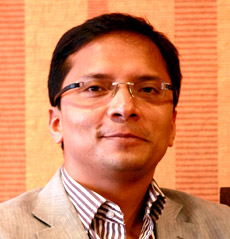
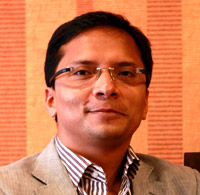
    Rana Barua is a veteran media professional. He is Chief Operating Officer (COO) at Red FM. Prior to joining Red FM, he was the EVP – Programming & Marketing at Radio City. Before he moved over to radio, he was VP and Head – Mumbai at Bates. And earlier:

    Client Services Director at Rediffusion DY&R, Account Director at McCann, Senior Account Exec at Ogilvy & Mather and Account Exec at JWT. He’s been through it all.

    In conversation with MxMIndia.com, Mr Barua speaks about FM phase III, and how radio can emerge stronger from the ongoing slowdown.


    Q: How did your transition from advertising to radio happen?

    Advertising was getting a bit stagnant, the market in media was opening up, television had opened up in a big way at that time, newer media were on the anvil, movie marketing was also opening up, radio was also growing at that point in time (ie about six years ago). I have always been very keen to move into a domain which is more or less a specialized medium. Since radio was also into huge expansion mode with phase II at that time, it made more sense to move into radio rather than any other medium.


    Q: And the advertising experience came in handy…

    Oh yes! I think it comes in extremely handy if you come in from classical advertising or communication which is more specialized. Since I moved as Head, Marketing, it made a lot of sense because I worked with a lot of brands, and had the entire expertise of knowing clients, advertising, communication skills, media and creative agencies. Thus the entire gamut came in handy which helped me settle in easily. So, the transition was good, it was just that the scope was very different.


    Q: Can you throw some light on the overall importance of phase III for FM radio?

    Phase III is extremely, extremely important for radio growth. This is probably going to be very exciting, at the same time a really challenging time for the industry because radio is multidimensional. There is huge expansion, multi frequency will be allowed and news will be available but not in its best form as it will be sourced from All India Radio (AIR). FDI gets raised from 20 percent to 26 percent. I’ve always said it should have been higher because that would have allowed more international players or private investors/ equity holders to look at it in a more serious way. Fourthly, networking will be allowed, which means one will be allowed to run the FM station sitting out of a main hub; as a result the cost may come down. Therefore if you look at it on the whole, these are definitely exciting times and we will probably know how all of us shape up in the next two years. There are going to be many challenges and a great number of opportunities for everybody in the radio medium.


    Q: And this will help increase the ad pie…

    It should! The only contrary point is that you may have new FM players entering, but the ad pie will grow because of different genres coming in, as a result new clients may also come in who would have not necessarily advertised on radio. And since costs will also come down, you will find a lot of innovative programming happening in radio. Nevertheless, these are still early days; the overall scenario looks very positive, but the challenge is, what will be the benchmark for research? There are also other challenges like the music royalty issue, the entire migration process from phase II to phase III, the e-auction as bidding process etc.


    Q: Do you view e-auctions favourably?

    We are pretty okay with e-auction, and from what I have understood from a lot of people, it is a much cleaner exercise.


    Q: Are there any setbacks…?

    Everyone will have some issues which are different from each other. The common factor however is the music royalty issue which is still unresolved. We are still a little unclear about the multiple licensing because if the e-auction bid goes into some preposterous amount it will naturally lead to some kind of setback for the overall industry, so we are hoping that this does not happen. News could have been better if it had been a bit more independent and I am sure we would have invested in the entire medium/department. Nevertheless if you see the overall picture, especially the way radio has been growing over the last three or four years, this gives you an impetus. Today if you look at the global economic scenario you just can’t predict any more but, yes it is a movement forward, with exciting times, greater challenges. Yes, certain things could have been better or more favourable for us, but we will go step by step.


    Q: How is Red FM gearing up for FM phase III?

    We are still weighing the pros and cons. Yes, we will be seriously involved in Phase III. We are clear about being present in most of the markets which will have some kind of ROI but we will weigh the pros and cons, we will see the costs, we will be extremely cautious about the approach because breaking even in radio is not the easiest of forms as it will all depend on the return on investment (ROI), the advertising revenues etc. If you ask me whether we are serious about phase III, then yes we are definitely looking at it in a very serious way.


    Q: Any specific cities that you are looking at?

    No, we are not looking at certain cities, but we are looking at towns… say where we are not available, which are important for advertisers. We are looking at these as one of our strategies, but we are weighing all the pros and cons and only then are we going forward.


    Q: Is there any lesson or takeaway that the radio industry should learn in Phase III from Phase I and II?

    One of the critical learnings for a lot of us in phase I and II is probably going to be that we must not overestimate the potential of the market. We also know that we look at certain benchmark figures and we tend to overestimate and because of that one tends to overbid. This is one of the key learnings one is hoping that everybody puts on the table before one gets into the e-auction process because at the end of the day it’s a fixed pie and from that fixed pie you would probably get a certain amount of revenue for radio. More than phase I, and phase II, one of the learnings for all of us is the uncertainty of the markets as we don’t know what’s coming up in the next three months. Therefore, I think the biggest challenge that lies ahead for all of us is the uncertainty, which has become such a huge thing that everybody is talking about the uncertain future. Hence I think a cautious approach is going to be extremely critical.


    Q: So, is the uncertain future – the global economic slowdown that seems to have come back – is that something to worry about?

    Yes, absolutely. However, more than worry I believe we should be taking complete cognizance of the fact that there is definitely a slowdown. The clients, advertisers, everybody are extremely, extremely careful about the money they are investing in any form of media. Taking things for granted and creating business plans for the next two or three years seems passé now. It’s more like making a business model and reviewing it every month because the numbers keep changing every month, not because of wrong projections of estimation, but because the moment costs go up, inflation goes up, prices go up. The environment has become so dynamic – which it wasn’t even a year ago; every day there is a new story. So, it’s great to plan for the future, but I think one needs to be very cautious about any kind of numbers or projections or predictions made by various studies and research etc, which will however be reviewed very soon.


    Q: How would you sum up 2011 for Red FM?

    We have definitely grown; even this year we have made overall growth in our entire network, at a certain target we had set for ourselves. But as I said, with the environment being so dynamic naturally those numbers are nowhere close to what one would have guesstimated maybe earlier, say last year when things were so much on the rise and one had hoped that coming out of a slump the next two or three years would be on the way up. What we have managed to do very well is that as a network we have grown extremely strong – into a formidable player post the RAM numbers which were released I think a month or two ago, wherein for the first time RAM went into the nine markets which they are hoping to do more frequently. So we are pretty confident that all the efforts of building the brand and all the efforts in programming have really helped. We are confident because we have got people and our talent in place.


    Yes, we are aware that with phase III coming in there would be a lot of movement again, but that’s part of the business. We have got a great team going, who are extremely motivated and work passionately for their brand and numbers therefore are showing very well. As I said the larger markets are not showing growth that it should have ideally shown, but it’s the mini metros and towns which have grown much more dynamically for us.


    Q: And how would you sum up 2011 for the radio industry?

    Overall if you look at the numbers one had predicted for radio, the growth has not been as dramatic as one would have expected because it is understood that there has been an overall slowdown. One of the things we need to look out for is some kind of consolidation which is how we would want the medium to grow.

  • Be cautious in slow market: Rana Barua

    By Robin Thomas


    The government has enhanced the foreign investment limit in FM radio to 26 percent from the earlier 20 percent. E-auction for FM phase III is reported to have received a nod from the Union Cabinet. Multiple frequencies if allowed will bring different genres of FM station in the same city, the overall media spends and advertising revenue in radio will see humongous growth. FM stations will soon be allowed to air news although not independent of the government owned AIR (All India Radio), nonetheless it seems good times are ahead for the Indian radio industry.


    While the FM phase III rollout has moved a little closer to reality, there is always something to learn from past experiences, even for the Indian radio industry. MxMIndia tries to find out one of the critical learning for the radio industry in FM phase III from the earlier phase I and II. In conversation with MxMIndia, Mr Rana Barua, COO Red FM observed, “One of the critical learning that a lot of us had in phase I and II is not to overestimate the potential of the market. The biggest challenge that lies for all of us is knowing that uncertainty has become such a huge thing today, therefore I think a cautious approach is going to be extremely critical.”


    “We should be completely taking cognizance of the fact that there is definitely a slowdown, the clients, advertisers and everybody else is extremely careful about the money they are investing in any form of medium. Taking things for granted and creating business plans for the next two three years seems like a passé now. It is more like making a business model and reviewing it every month” he added.


    Mr Barua also shed some light on how Red FM is gearing up for FM phase III. He spoke about Red FMs cautious approach and its keen interest in participating in FM phase III. “We are still weighing the pros and cons but, yes we will be seriously involved in phase III. We are very clear that we would like to be in most of the markets which will have some kind of ROI but, we will weigh the pros and cons, we will see the costs and we will be extremely cautious about the approach. We are looking at towns where we are not available and which are important for the advertiser. So we are definitely looking at this as one of our strategies” explained Mr Barua.