By Johnson Napier
 When phase 1 of digitization became a reality in India there was a sense of accomplishment that was witnessed amongst most factions within the broadcast industry. Apart from the huge advantages that it presented to the broadcasters and allied interests, it was also seen as an exercise that enabled the consumer to become empowered like never before. But while issues remain about the impending challenges emanating from phase 1 of the rollout exercise and also the non-interest shown by some metros, the industry seems to be waiting with bated breath for phase 2 of the rollout to take shape.
In the session on ‘The second phase of TV digitization’ noted panelists from the sector came together to discuss and mull options of making the exercise a more robust and achievable one. The panellists comprised of N Parameshwaran of TRAI, Sameer Manchanda of DEN, Sunil Lulla of TTN, Man Jit Singh of Multi Screen Media, Raman Kalra of IBM, Tarun Katial of Reliance Broadcast and Anuj Gandhi of Indiacast. The session was moderated by Vivek Couto of Media Partners Asia.
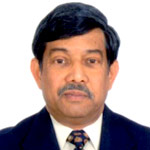
- N Parameswaran
N Parameswaran, Principal Advisor, TRAI began by highlighting the outcomes witnessed by rolling out of P 1 of digitization. “We all know what has happened with P1 of digitization where metros like Mumbai and Delhi have recorded a remarkable conversion rate. We may have questions about the metros of Kolkata not yet achieving their target and Chennai not yet taking off but rather than the negatives we should focus on the positives from this exercise, including the role that the industry players and stakeholders played in making this dream a reality.” According to Mr Parameshwaran, while P2 digitization would be kicked off from March 31, 2013 it would again require the coming together of industry players, trade bodies, MSOs/LCOs and the government itself in making this dream an achievable one.
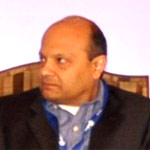
- Sameer Manchanda
Sameer Manchanda, Chairman and MD of DEN began by appreciating the efforts put in by all from the industry and added that “digitization has been the biggest change that has ever happened to our industry. While there are a lot of positives from this exercise, one of the big drawbacks as been lack of accountability. The MSO/LCO operators have to ensure that the KYC forms are filled by the consumers as it is mandatory and binding on them. There is still some time to go before that becomes a reality. Where I see it, P2 of digitization is a transition phase and will start rolling out over the next 60 days.”

- Anuj Gandhi
Without wanting to sound too cynical, Anuj Gandhi, Group CEO, Indiacast said that while digitization has bought about a positive change for the industry there was some serious thinking that is needed. “If P1 of digitization is taking us about 7-8 months to become a reality we can imagine what P2 would be like. The onus lies on the MSO/LCOs to make this rollout a reality but I can assure you that this won’t be possible without the coming together of all from the industry.”

- Man Jit Singh
Man Jit Singh, CEO, Multi Screen Media had a similar feeling to share as he voiced his excitement at the good that was seen from rolling out P1 of digitization. “Due credit should be given to one and all from the industry who made this a possibility and we can hope for a similar outlook from P2 as well. Even the government’s role has been encouraging but there are a few shortcomings that have to be worked upon if further rollout is to become more successful. There are issues that are cropping up at the MSO/LCO level regarding filling of KYC forms, data collection etc. All these have to be addressed immediately.”

- Raman Kalra
Raman Kalra of IBM Global Business Services said, “We have entered an era where it is the end of digital. By that I mean that we are already in the know-how of how digital works and the benefits that the medium presents but the challenge now is how do we take it to the next level. There is need for the industry to come up with strategies to cater to the ever-evolving ecosystem.” Pointing out that the consumer today was faced with an array of choices to access entertainment, he said that consumers won’t mind paying more money to access content but it is essential that we know who our customer is and what are his likes/dislikes.”

- Tarun Katial
Tarun Katial, CEO, Reliance Broadcast said that what DAS has done is enabled channels to have a wider reach and get carried more easily. “Early data has shown how most channels, especially those offering niche offerings, have benefitted in terms of ratings and acceptability from DAS. For new players, as you sharpen your positioning there are high chances of they getting lapped up more easily. The exercise has also opened new avenues for advertisers who will be looking at niche channels with renewed interest. I guess the advertisers will have to shell out more advertising dollars where niche channels are concerned.”

- Sunil Lulla
Sunil Lulla, MD & CEO, TTN highlighted that the current economics do not fund the ecosystem as the industry is going through a transition and there is need for change. According to Lulla, it would do the industry a lot of good if the prices were to be lowered but that is not a logical thing to do. “In fact it is commendable to see how the industry has come together in making phase 1 a reality and the same can be expected from phase 2 too. At the end it is essential that we keep the customer at the centre of all that we do and keep on satisfying him so that he comes back to us for more.”