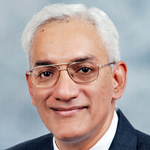
Tag: Prema Sagar

  • Genesis Burson-Marsteller announces launch of GBM Issues & Crisis Group and GBM Client Studio

    By A Correspondent


    Genesis Burson-Marsteller announced that it has carved out two Centres of Expertise – GBM Issues & Crisis Group and GBM Client Studio, with dedicated servicing teams comprising of senior counsellors, former journalists and digital specialists, for addressing client needs pertaining to these specialized areas.


    GBM Issues and Crisis Group offer a complete range of crisis readiness, response and recovery capabilities wherever needed, 24/7/365. The crisis preparedness and training programmes ensure that clients have the structures, tools and resources in place to prevent crises where possible and successfully navigate them, if they are unavoidable.


    GBM Client Studio trains corporate leaders, hones their skills and gives them coaching on specific communications needs. The GBM Client Studio digs into the decades of experience and proprietary knowledge that it has. It brings out concepts and insights to facilitate these training and further tailors them to meet specific needs of a client and trainee.


    Sheena Sharma heads both GBM Issues & Crisis Group and GBM Client Studio. With over 20 years of communication training and public relations experience, she has been instrumental in creating these two Centres of Expertise given her forte in areas such as messaging, media spokespeople training, issues & crises, online public relations, stakeholder engagement and presentation skills.


    Sheena Sharma said, “We understand messaging and the impact it has on stakeholders. In today’s overcrowded new media world the importance of a company’s corporate voice is more vital than ever. Companies need to directly engage with various audiences at a more personal level. The ‘word on the streets’ is the new corporate reputation. So not only must their messages be clear and well crafted, the messenger must be confident and persuasive. Both will be judged by a discerning public. GBM Issues & Crisis equips clients with an even higher level of planning, preparedness and training given the high stakes and GBM Client Studio through hands-on trainings and simulations enables delivery of messages across a gamut of channels – traditional and social.”


    Prema Sagar, Principal & Founder GBM said, “We continue to break new grounds in the Indian integrated communications space. The two expertise centers that we had pioneered have now grown to such a large scale that providing them their own identities has become an imperative. With their own visual language, both GBM Client Studio and Issues and Crisis Group can stake claim to prominence along with GBM Live! Newsroom, GBM Digital Studio, GBM Content & Design Bureau, as well as for our business divisions, Step Up and The Outstanding Speakers Bureau.”


  • Genesis to drive PR for TEDxGateway 2014

    By A Correspondent


    Genesis Burson-Marsteller has been appointed the official communications partner of TEDxGateway, an independently organised TED Conference that will take place at the National Centre Performing Arts (NCPA) in Mumbai on November 2, 2014.


    GBM will position and establish TEDxGateway as a leading TED conference in the country, while supporting the event among national and regional media outlets through a robust media and communications strategy.


    The TEDxGateway 2014 conference will focus on “Ideas Worth Doing” by bringing together more than 25 dynamic speakers from across India as well as around the world. The speaker line-up comprises of eminent explorers, storytellers, photographers, scientific pioneers, roboticist, social activist, artist, visionaries and provocateurs from across the globe. All speakers will present their world-changing innovative ideas during their brief 15-minute talks.


    Participants and speakers at this one-day event include prominent luminaries and industry leaders such as Arsh Shah Dilbagi, a 16 year old Google Science Fair Finalist; Ramesh Raskar who is an Associate Professor and head of the MIT Media Lab’s Camera Culture; Ramanan Laxminarayan, a Drug Resistance Economist; Ram Subramanian, Film Maker, Founder, Handloom Pictures; Graham Hill, Journalist and Founder of TreeHugger.com and LifeEdited; Naresh Narsimhan and Adam Magyar, among many others.


    Prema Sagar

    On partnering with TEDxGateway 2014, Prema Sagar, Principal and Founder, Genesis B-M, said: “We are proud of our association with TEDxGateway, a melting pot of creativity, ideation and most importantly, change. We are always looking to expand our repertoire of experience and TED provides us a unique communications opportunity. The prospect of helping TED lead conversations around a range of subjects and establish itself as a science and technology led social movement, excites us.”


  • Genesis delivers a Step Up

    By a correspondent


    Genesis Burson-Marsteller has announced the launch of a new initiative, Step Up that seeks to cater to the communication needs of two important stakeholders of the entrepreneurial ecosystem; the start-ups and investor networks.


    Designed to provide affordable and relevant service offerings spanning traditional as well as new digital formats, Step Up will help young companies and SMBs take the next leap in their journey to success, by not only narrating their story creatively but also by communicating on what impacts their business.


    Prema Sagar

    Prema Sagar, Principal and Founder, Genesis Burson-Marsteller said, “Step Up is our endeavour to go back to our roots. We know, feel and understand the challenges having been a start-up ourselves. With Step Up, we have already begun to partner with new and upcoming brands in their journey so as to take it to the next big thing. What differentiates Step Up from the rest is our strong understanding of the ecosystem and the changing media scape, the right talent and the ability to provide affordable services.”


    Step Up offers customised services from branding and partnerships to media engagement. The offering to start-ups have been created keeping in mind various challenges faced by early-stage ventures. These offerings aim to develop and device a compelling and effective communication strategy to narrate the story of the ventures in the most innnovative manner.


    Commenting on this new initiative, Atul Sharma, India Lead, Step Up said, “In the last few years, the Indian start-up environment has made a mark on the global entrepreneurial map by producing unique and globally relevant propositions. Being noticed by the right audience can make a great difference to a young company’s journey. This unique initiative by Genesis Burson-Marsteller, Step Up, aims at empowering these innovative start-ups to create a space for themselves in an otherwise cluttered market. We are looking to create the next ‘whatsapp’ story in India!”


  • Genesis BM elevates Deepshika Dharmaraj, hires Kavita Rao

    By A Correspondent


    Deepshikha Dharmaraj

    Leading PR and communications firm Genesis Burson-Marsteller has announced the appointment of Deepshikha Dharmaraj, in a new leadership role, as Chief Marketing and Growth Initiatives Officer and Kavita Rao, joins the firm as Chief Talent Engagement Officer.


    Ms Dharmaraj, who has been with the firm for 19 years, will focus on the agency’s marketing and growth initiatives, and will continue to oversee the Genesis B-M Learning School.


    Kavita Rao

    A former Genesis B-M employee, Ms Rao will lead the talent function. She was until recently Global Head of Communications at HSBC Technology & Services.


    Prema Sagar

    Speaking on these appointments, Prema Sagar, Principal and Founder, Genesis Burson-Marsteller said, “At Genesis Burson-Marsteller, we are committed to investing in exceptional quality talent and by appointing Deepshikha and Kavita in their new roles, we are strengthening our marketing and talent functions.”


    Nikhil Dey

    Meanwhile, announcing other executive movements in the firm, Nikhil Dey, President, Public Relations added: “Sheena Sharma, Chief Client Studio and Corporate Responsibility Officer, will focus and lead all executive communication trainings for our clients and the firm while she continues to be Mentor South.  Kriti Makhija, Chief Financial and Compliance Officer, ensures the financial health, compliance, governance and IT infrastructure of our business.”


  • MxM Mondays: How useful are conferences?


    By Johnson Napier


    It’s that time of the year when honchos and executives across industry domains squeeze out time from their schedules to catch up on trends and events. It’s the season for conferences and all-day seminars, especially for folk from Media. After the Indian Magazine Congress 2013 that was held a fortnight ago, delegates will fill the halls at Hotel Renaissance, Powai for FICCI Frames 2013.


    But while conclaves and industry gatherings do serve a purpose, there have been questions about the quality of discussions and relevance of topics, and whether they have brought about any impact or change. The lack of new ideas at these dos also bothers those who attend the events with the hope of getting something more.


    MxMIndia asked industrywallahs what they think of conferences and whether more needs to be done in terms of relevance and generation of new ideas.


    Anwesh Bose, Senior VP, DDB Mudra Max

    “Well, the ideas are there but the discussions are not well thought of. What happens at most conferences is that things get left at the discussion stage and it doesn’t go any further. There is no effort seen where it comes to implementing solutions. Also, most of the events are sponsor-driven and are not taken seriously. Even something like Goafest is more of a celebration thing than something that is followed at Cannes. So when organisers send out invites they should be serious about whom they are calling and what they intend to achieve by hosting such seminars.”


    Sanjeev Gupta, MD, Global Advertisers

    “The Indian media industry is at a nascent stage in comparison to western countries. We need to continuously improve our methods, approach and strategy. And for that, we need to have common platforms to discuss our challenges and difficulties with industry experts more often. Trade shows, exhibitions of new technology, conferences, workshops all have various topics to discuss including new trends and growth pattern of the industry. We would like to suggest that these conferences should be more interactive, touch new subjects and discuss data from an Indian perspective.


    “The numbers of media conferences in India are still very less, we need to organize more such events in future for the betterment of the industry. We would also like to suggest that we need to organize these shows in Tier II & Tier III cities to understand the needs of rural India.”


    Nisha Narayanan, Senior VP – Projects and Programming, 93.5 Red FM

    “Conferences are good platforms for germination of ideas and are good conversation builders. When industry leaders from media sit at a forum together, conversations that get built give fresher and newer perspective to issues being discussed. However it has a fair chance of being repetitive if the topics are the same and the policy has not changed.


    “For instance since 2006 of phase 2 of FM radio, the radio players have the same issues and regardless of the event, the same issues become rather boring to the audience. Now with phase 3, we hope to engage people with fresh concerns and celebrations.”


    Krishna Prasad, Editor-in-chief, Outlook

    “Trade conferences provide a legitimate forum for networking and schmoozing. But individuals and institutions which organize and take part in them need to jump out of the box of cliches if they have to fulfil their core mandate, which is presumably to inspire and throw new light. In other words, there needs to be more ‘disruption’, rather than everybody nodding their heads sagely between checking their phones and yawning. And there needs to be more intense questioning of the holy cows, rather than blind acceptance of their received and perceived wisdom.”


    Prema Sagar, Principal and Founder, Genesis Burson-Marsteller

    “Conferences in India, trade or otherwise, were deeply boring in the years gone by. In recent times, the subjects are more global in scope with local focus. Every expert, speaker and academician is happy to be part of conferences in India…. there are now better speakers with good content and articulation, there is more learning on new subjects, and networking is always a great takeaway. What needs to improve is better planning and execution of events, follow-up papers on subjects that provide further value to those attendees who value the ongoing engagement.”


    Srinivasan K Swamy, CMD, RK Swamy BBDO

    “Good conferences with a timely and focused theme and a set of good speakers are always relevant. Unfortunately we have too many of these undifferentiated ones. They all have the same topics discussed, the same speakers and more often the same audience! Also in many conferences there is too much selling by the speaker about his company, and that is a put-off for audiences.


    “Some introspection is needed before embarking on the next conference on three dimensions: Is the theme addressing the current and the immediate needs of the intended audience? Can we divide this theme into topics that can be looked at closely, multi-dimensionally? Can we get engaging speakers to address the chosen subjects – not something they can repackage from their earlier presentations?”


  • Genesis B-M: Step ahead @ 20


    By Ananya Saha


    Genesis Burson-Marsteller started operations  in 1992. Led by Prema Sagar, the PR agency is a member of WPP global network. As it completes two decades, we speak to Ms Sagar, Principal and Founder, Genesis Burson-Marsteller, about the past and the future. And of course the present.


    How has the journey been for Genesis B-M in the past 20 years? Please share the milestones that defined this journey.

    The journey of Genesis B-M has even surprised me! It started in a basement with no vision, mission or strategy! It began with a passion, challenge and an opportunity to create something new and different. It started out with one employee, one office boy and one client. Today, we have grown to over 270 employees in six markets across India. Our journey as a firm mirrored the growth of public relations inIndia- growing year after year, working with global clients and expanding our service lines to meet the evolving needs of our clients. There have been many milestones reflecting this growth, including the opening of new offices, and launching new business lines like Public Affairs and Corporate Responsibility. The digital era we are now living in has also changed the way we communicate, both with our clients as well as the media, and will certainly impact our journey in the years ahead.


    Which account wins have been the turning points for the agency?

    All of our client wins are important and celebrated. Our very first client, Park Hotels, set Genesis PR in motion. We are very proud of the fact that Park is still our client after 20 years and we value this relationship tremendously even though there are many larger clients in the roster. Priya Paul, Chairperson, Apeejay Surrendra Park Hotel gave me the first break and I was paid while I learnt the ropes! She is a great professional and I admire her courage in more ways than one. We are proud of a number of clients with whom we have long term relationships, some we have served for over ten years.


    A call one day from Tarun Das, Director General, CII asked if we would be interested to manage the public relations for the Indo-British Partnership Initiative (IBPI) where the two governments, their ministers and corporate CEOs were to meet on the Royal Yacht to sign partnerships and joint ventures – a great boost to the economy. The event was a great success, our entire team of 5 people including me were in Mumbai to execute this great event. As a result of this, Genesis got to be known! I always felt that I should have paid Priya Paul and Tarun Das for our early learnings – but we needed the money desperately so I never mentioned it.


    The turning point of our journey was when we reached 30 retainer clients such as Indian Aluminum Company (INDAL), Ranbaxy, DCM Ltd, SRF, Eicher, India Habitat Centre (IHC), Confederation of Indian Industries (CII), Lakme Fashion Week and so many others in its early years as a result of a great team that delivered outstanding campaigns year on year. I look at the long list of organisations with whom we have worked since 1992 and it is such a diverse mix of industries and services. The nature of the work has been equally diverse – crisis preparedness, thought leadership, product launches, advocacy and much more. We are proud of our roster of clients and we believe that our clients are our endorsements.


    Experiences such as launching the first luxury car in India, the first international liqour company, managing a hostile bid, fire at a manufacturing unit on New Year’s eve, petrol/diesel issue, pesticide issue, environmental issues and many others that taught us a great deal.


    Genesis B-M today has the domain expertise and services that go beyond just public relations – public affairs, advocacy, corporate responsibility, digital and content creation. Each of these developments was a turning point for us and has helped us become leaders in the industry. We work at keeping a fresh perspective, always asking ourselves new questions. How can we build further capabilities? How can we improve based on what we are doing today and what will it bring us in the years ahead? Always thirsty to Change the Game…and you will see more of that in the coming year!


    If you were to re-live the past 20 years, would there be anything that you would like to change/alter in the agency?

    Looking back, there are a number of things that served as learning experiences. Learning is constant and comes from good decisions as well as bad ones.


    Have the challenges that PR industry faces today, changed from what it were 20 years ago?

    Our challenges have evolved with the growth of the industry. More clients today understand the value of strategic communications and public relations in general, than was the case 20 years ago. Certainly there is more competition now than there was then. A competitive environment only improves the quality of work and therefore the bar on the level of quality raises the standard of the industry.


    We are fortunate to have and continue to attract great talent. The quality and experience of the leadership at Genesis B-M is recognised not only by our international colleagues but also our competitors. As a result of this the company has had steady growth. The programmes at the GBM Learning Centre, established almost 12 years ago, has built capabilities and is a big differentiator. Having said that, the branding of a GBMer for the rest of the industry to attract them is our challenge!


    Finding great talent is the biggest challenge facing all service sectors across the globe. How we invest in it – is the solution. We are proud to see many of our talented alumni in top jobs in Asia Pacific and now going West-wards. We can look at the glass as half empty or half full. We look at it as an opportunity to provide the foundation of a strong industry in India.


    The biggest challenge we face are recognition of suitable fees for quality work and experienced communicators who are advisers to the CEO rather than being a function. While it is evolving now it needs to move upwards sooner rather than later in a challenging environment. CEOs today need to invest in Thought Leadership that brings together the elements of social development, policy environment for the larger good of all while building a business.


    After the B-M partnership, how has the agency grown/changed?

    The B-M partnership has delivered great opportunities, not only for client development but also as for talent development. The exposure to global opportunities brings about a whole new world of learning for team members at all levels. We have run successful projects for international clients in recent years, which has opened new doors of opportunity for us. As for our talent, being part of such a respected and successful global network gives them a chance to work with our offices around the world, providing great exposure to best practices and new ideas.


    What will be the next target for Genesis B-M?

    I am proud of the fact that we have always been a step ahead of what the market demands. Our ability to service clients with fully integrated programmes that work across practices and geographies has set us apart from our competitors in the industry. The continued development of practice specialties will always remain a focus for Genesis B-M, today and in the years to come.


    Five years down the line, how do you see the agency growing?

    I think it’s important that our growth continues to reflect the changing needs and growing demands of the industry. For example, we are seeing a shift in target markets, with client’s focusing not only on the key metros likeDelhi, Mumbai andBangalore; but also Tier II and Tier III markets as well, including the rural areas. This presents both an opportunity and a challenge for us. Communicating across India’s diverse landscape poses numerous challenges, but is increasingly essential to any successful communications plan. Having the reach to these outside markets will contribute significantly to our ability to service more clients, and in turn, contribute to our continued growth as well.


  • MxM Monday: Has the role of PR diminished?


    By Ananya Saha

    It’s a trend that’s not going unnoticed. Increasingly, companies prefer to be socially more active than depend on good PR. Journalists prefer to reach out directly to the spokesperson, bypassing the PR altogether. And given that every company, well almost, has a corporate communication department, the PR agency role appears to have  diminished. But has it really? Has the PR role limited itself to preparing documents and slot meetings? Or is it that the PR role has now evolved and moved beyond just that of a ‘postman’, thanks to the way media itself is changing? The issue that we are discussing on MxM Mondays today is:  has the role of PR diminished?

    We spoke to a cross-section of industrypersons for their (in alphabetical order of their last names) and added our own:


    Hemant Kenkre

    Hemant Kenkre, VP, LinOpinion

    PR has evolved tremendously social media. Both the sectors are increasingly cross-pollinating, which has grown beyond the traditional media relationship. The brand uses both the mediums: PR and media, to amplify the message. Media is the biggest tool that PR uses since the messaging has to go out. And hence, PR and media share a symbiotic relationship. PR needs to work with the media, and media need to work with PR to get across to the information they need.


    The most well-known brands rely solely on PR to get their message across. PR played the biggest role if you look at the brands that have been built over time. PR is not only the biggest tool, it is the most critical tool too.

     

    Prema Sagar

    Prema Sagar, Principal and Founder, Genesis Burson-Marsteller

    Society, Government, Corporations, Consultants, Media – all, need and depend on each other. So therefore, in this case too, Media, Corporations and other Stakeholders have to necessarily work together.


    Companies have small teams to manage external communications as a function. They need national reach – including new markets that go beyond metros. The mediascape is complex with different languages, sensitivities and expectations. Therefore the Public Relations industry is thriving.


    Genesis Burson-Marsteller and some other firms are known for developing the Message and the Campaign Plans that they create for the client. This is critical to building the Reputation of a client. The experience of working with several organisations, gives the public relations professionals the width and depth to develop a strategy that has insights and expertise. Public Relations firms today have domain expertise and multiple services that go beyond public relations – public affairs, advocacy, corporate responsibility, financial communication, digital and content creation – while others are a pure play media relations.


    Journalists reach out to us and a great relationship develops while managing communications during issues and crisis for our clients. In fact, most often, one develops a great working relationship between the journalist and ourselves during such a time.


    We have no issues about relevant journalists and CXOs from client organisations engaging directly. For us, the larger role of discussing and developing Thought Leadership platforms with publications, co-creating story ideas and participating in significant events – is the value we bring to clients. Innumerable journalists reach out to us for interviews, story ideas and industry issue-led discussions with clients. This is our role.


    If your question was the reverse – ‘Can PR function without Media?’ – No! Even though online and social media is taking over. So we have to stay focused on providing value to our clients and the media.

     

    Deeptie Sethi

    Deeptie Sethi, Head of Corporate Communications at Ford India

    No. Media cannot function without well informed PR. To build brands more and more companies are relaying increasingly on public relations and the function is critical to contribute and be part of the success of the business. The PR industry has significantly evolved and people who are serious about the business of PR understand the value this can bring to a brand. PR companies are no longer considered a ‘post-office’ service to disseminate company information. They have to be engaged deeply with the brand and its philosophy to define how, when and where to communicate with consumers with the power of relationships, understanding of media platform that are measurable. In today’s evolved environment, PR has a more conclusive role to perform.


    At Ford India, the Communications plans are integrated with the marketing plans to create a holistic approach to deliver a more compelling and consistent story telling. We truly understand the power of one plan and a good example of that is Ford Figo’s exemplary launch in India. Much before the car was launched, our PR strategies kicked in to create brand awareness and essentially single-handedly drove the buzz for close to two years in the pre launch phase and marketing complemented when the product was available for retail – our booking were in tune of 10,000 units in the first month of launch itself.


    When it comes to social media, it’s a platform for engagement and listening – and more importantly to get feedback real time! The conversations are already happening and it’s up to a company if they want to participate in them or not. Both social and PR mediums have their own identities and have a role to play in shaping communication strategies. One has to define what each of them will achieve for the company and tread carefully to keep the distinction.



    Jaideep Shergill

    Jaideep Shergill, CEO, Hanmer MSL

    The media and public relations (PR) enjoy a strange relationship – deeply symbiotic, yet edgy. Depending on which side you stand, you would think that PR is an invaluable source of information and access or that it’s little more than a mouthpiece for brands.


    The digital age is changing the way consumers interact with the media and brands. Round-the-clock news, the internet and social media have created an aware and empowered consumer. This has, in turn, changed the relationship between the media and PR professionals.


    When you analyse the relationship, it’s important to remember that media relations is only a subset, not PR as a whole. Hence, while connecting with the media is important, establishing a solid relationship with the consumer is vital. In so many cases, traditional media do not figure in a PR plan at all.


    PR is about understanding and shaping your stakeholders’ perception of the brand. These stakeholders include consumers, employees, vendors, government and the community, not just the media.


    In the past, a well-thought-out media relations campaign was considered the best way to achieve the PR objective. However, the internet has changed the rules. We can now reach out across borders to spark the connections a brand needs, bypassing traditional media altogether. Now, when we think of media, we include social media influencers, bloggers, YouTube, podcasters, etc.


    All this means that PR is getting less dependent on the media, but it also means that the media doesn’t always need PR to get information or for access to the relevant people for their stories.


    However, it would be a mistake to think that the relationship is dying or is being scaled down. PR firms are managing the information flow from businesses to the outside world, which in turn is being tapped by the media. Also, strong big-picture PR campaigns are often the first level of engagement for the media. Websites, blogs, electronic newsletters, etc, are becoming important media touchpoints, and they’re being managed by PR professionals. All this is vital to the media looking for news, resources and data.


    So, can the media do without PR? In my opinion, no!



    Pradyuman Maheshwari

    Pradyuman Maheshwari, Editor-in-Chief, MxMIndia

    Can PR function without the media? And can the media function without PR? The answer to this question could’ve been in the negative, but for the various things technology has facilitated in the last decade, and especially in the last 18-odd months.


    By PR, my reference is to an organized public relations activity in an organization or outside of it, via a specialized consulting firm. There are several individuals and organizations continuing to reach out to the media without a designated PR manager or agency. Some of these have been doing fantastically well, but my sense is that it’s the scale of operations which eventually decides whether there is a need of a specialized resource, or if it can be managed without one.


    Mind you ,there are enough on people on both sides of the fence who would rather not do with each other. For, the fact is that there is enough disdain for the PR-persons from journalists and vice versa. So while the relationship ought to be that of an ally, it’s often of an adversary. Sad.


    I must confess that there are enough rotten apples out there. Journalists who just don’t take calls or play too hard to get.  And PR honchos and executives who don’t really do their homework well (on the journalist or the client/industry s/he is dealing with) or, like journalists, are just not available when they are needed the most. Adding to these issues are assorted forms of corruption, dishonesty and inefficiency.


    Thankfully, technology has been an equalizer. PR newswires aren’t as ‘hot’ in India as they are elsewhere in the world, but it’s possible to bypass a PR official to get information. And, yes, journalists are not necessarily the only people who are sought after PR professionals. Bloggers, regular tweeters and even regular Facebookers are aggressively sought after by corporates, celebrities and PR agencies.


    In fact, there are many organizations – especially in the technology and lifestyle space – who reach out to bloggers (and now even ‘tweeters’) ahead of traditional media in the PR exercise. So while the process has gotten more complex in the sense there are more people to reach out to in multiple media, the mainstream print, electronic and digital media entities aren’t the only vehicles available for publicity. In fact I have often heard murmurs of discontent amongst some journalists on how the social media and blogs were being given preferential treatment by tech biggies for sneak peeks to products and access to top management.


    However, even though there is simmering between the two sides of the fence, I don’t see either side doing without the other.  Not in the near future in India at least. The human interface of a specialist will not fade away in a hurry.


     

  • Genesis Burson-Marsteller retains Visa

    By A Correspondent


    Genesis Burson-Marsteller, South Asia’s leading integrated communications consultancy, announced it has signed on Visa, global leader in technology payments solutions. Genesis Burson-Marsteller, as part of a one-year retainer, will support Visa in further communicating the benefits of electronic payments, and the company’s latest developments in safe and efficient payment innovations. Further, Genesis Burson-Marsteller will support Visa’s commitment to financial inclusion for all of India.


    “Visa is moving at a fast pace in delivering access, safety and ease to financial transactions for businesses, governments as well as individual consumers around the globe,” stated Prema Sagar, Principal and Founder of Genesis Burson-Marsteller. “As Visa further develops what is already the most advanced payment processing network in the in the world, we are delighted to be working with them to highlight these advancements through strategic and targeted communications.”


    Genesis Burson-Marsteller will lend counsel and tactical support to Visa’s ongoing communications efforts using targeted media outreach in the technology and consumer space, as well as conduct stakeholder education and engagement. The programme will be targeted at showcasing Visa’s leadership in the sector.


  • Charlotte Chunawala named CEO of Cohn & Wolfe India

    By A Correspondent


    Cohn & Wolfe have announced that Charlotte Chunawala has joined as CEO, Cohn & Wolfe India, effective immediately. Ms Chunawala will be responsible for all operations in India, providing strategic client counsel, leading new business efforts and ensuring integration with the agency’s offices across the Asia-Pacific region and around the world. Ms Chunawala will report to Donna Imperato, CEO of Cohn & Wolfe, and be supported by Dolly Tayal and Piyal Banerjee, heading Mumbai and Delhi offices respectively.


    Ms Chunawala’s global experience includes over 15 years of agency and consultant work in the UK, Europe and South Asia where she managed high-profile client programs across key verticals including consumer, corporate and financial communications as well as public affairs.


    With offices in Mumbai and Delhi, Cohn & Wolfe India will be supported by former Unilever India communications head Irfan Khan, who will serve as chairman of the board, and Prema Sagar, the pre-eminent PR thought leader inIndia, who will serve in a mentoring role as the agency continues its expansion.


    The opening of Cohn & Wolfe India is the latest of several endeavours by Cohn & Wolfe to build its presence in Asia, including last year’s acquisitions of impactasia and XPR in Chinaand Southeast Asia, respectively. The agency now has eight offices in the Asia-Pacific region.


    “These are dynamic times for development in Indiaand there is tremendous potential for growth in the region,” said Ms Imperato. “I am very grateful to have a partner in Charlottewho brings a deep understanding of these market dynamics, and whose experience will greatly enhance our ability to serve clients who are looking for communications support in one of the fastest growing economies in the world.”


    “I am excited to be heading Cohn and Wolfe’s entry into the Indian market,” said Ms Chunawala. “With clients constantly demanding better brand understanding and brand definition; who better to work with than Cohn and Wolfe, which is recognized internationally as a leader in brand strategy.”


  • [PR] Crisis makes the adrenalin flow: Prema Sagar

    Video and Text By Shruti Pushkarna


    She launched her firm, Genesis in November 1992 with just one client and one colleague, and today it has grown into one of India’s most trusted communications firms in the country. In 2005, Genesis merged with Burson-Marsteller, the gold standard in public relations, to become Genesis Burson-Marsteller. Prema Sagar, Principal and Founder of Genesis Burson-Marsteller spoke to MxM India about the growth of Genesis, issues that the industry faces today and where India stands in the international PR domain today. She also feels that all PR is now actually ‘digital PR’ and integrated communication is the way forward.


    Prior to setting up Genesis PR, Prema was the Editor-Publisher of Genesis – The City Guide, a travel magazine, and co-founder of Genesis Printers. An alumna of the Frank Jefkins Institute, UK, Prema has played a leadership role in the industry as the Founding President of the Public Relations Consultants Association of India, Council Member for India of the International Public Relations Association and member of the global Board of Management of the International Communication Consultancies Organization.


    Part 1:
    [youtube width=”400″ height=”200″]http://www.youtube.com/watch?v=yIhL1PNatp0[/youtube]
    Part 2:
    [youtube width=”400″ height=”200″]http://www.youtube.com/watch?v=wy7bzvz87LI[/youtube]

    Q: Tell us a little bit about the growth story of Genesis, especially post the BM partnership.

    Genesis started in November 1992 and many years later there was an inquiry from Burson Marsteller about partnering with them. I always admired Burson Marsteller and particularly Harold Burson, so when they called us we got into an affiliation. And it was for several years that we were affiliated with them and then finally came the big question about whether they could acquire a percentage of Genesis. I was very clear about one thing, that if we have to do a sellout of the company, it had to be either 100 percent or 0. I don’t like joint ventures because there is confusion about who runs the company and who makes the decisions, and so that happened seven years ago when they took the acquisition route with Genesis. Since the last two years we are 100 percent Burson Marsteller.


    Q: Did you ever think that Genesis could lose its identity given BM’s larger than life presence?

    Not so far.


    Q: Genesis started 2012 on a high note; what are the key focus areas set for the year going forward?

    Going forward is really about specialization which is something I started a year ago. Deep specialization, whether it’s corporate responsibility, whether it’s consumer marketing, whether it’s telecom and technology, whether it’s corporate and financial, and the new area is going to be healthcare. The fact is that people want expertise, general advice doesn’t work across different businesses. And instead of having one leader in this organization, in these last two years we have created 20. The idea is to create 40 in this year. So it is about creating far more leaders who have not only the expertise and depth but they have the leadership skills and you give them the space to grow.


    Q: Given the growing clout of digital media, how does Genesis plan to integrate digital media into its campaigns? Do you think integrated communications is the way forward?

    Everybody around the world is struggling with it. It’s very clear that you cannot do PR without digital, so it is really ‘Digital PR’. So when you look at any campaign, for example in the West, 50 percent is digital part and 50 percent is the traditional media. If we look at it here in India, everyday it’s growing. It started with consumer technology where it was a definitive requirement in the campaign plan. So it’s just rolled into the PR campaign just like how from print, television became popular and now digital is popular. I think there is a lot of focus required in digital in India. There are not enough experts, there are a lot of people running all over the place but if you want to see the impact of what digital is doing, there is a journey to be made.


    Q: How critical do you think it is to have a strong central body to represent and voice the needs of the PR industry as a whole?

    I set up Public Relations Consultants Association in India (PRCAI). I think there is a leadership need where we need to get people from Asia Pacific, not necessarily from the globe but have far more interaction of what’s happening in different markets. A lot more needs to happen on a thought leadership status, that is a long journey that needs to be done. I think a lot of it is very tactical right now and I think the body needs to take it to the next level.


    Q: What’s your view on international agencies entering the Indian market increasingly?

    They are already here, they are all here, in whatever form or fashion and a lot of them are even very small. One of the international competitors who asked me that what my advice to them was when I was at the World Economic Forum last year, I said to them take one, build it brick by brick. Don’t try and do everything in one go and hire people and run after clients, you have to show value, it’s a service and that is still my advice.


    Q: Where do you think the Indian PR industry stands today in the international arena?

    It’s very interesting that yesterday we met a very big multinational company, and they rung me up this morning and said that we are confused because everyone who has presented, has presented fabulous stuff and we didn’t know that the PR industry in India was so advanced. I was worried in one way thinking that I was way ahead but on the other hand, I was very proud that somebody had to say that about India.


    Q: How big a challenge is attracting talent into the business?

    Talent is moving too fast particularly in the middle level. I think a lot of people come here to learn and when they reach the middle level, a lot of the corporates pick up the middle level people and without further training, they are corporate communications heads. It doesn’t matter because at the end of the day it is happening to every industry in India and it’s the same story internationally. So we have our own GBM School and we keep training and looking at developing future leaders. I don’t think we should worry, I think we should invest in people, in team bonding, in leadership skills, those areas definitely need us to make that investment in them.


    Q: What are the other challenges that face the industry today?

    I think it’s all going well, I won’t worry too much. We just need to stick to ‘ethical’ influencing because influencing is part of life. We all influence each other in one way or the other and I think doing it the ethical route is what we need to stick to. We are at the threshold of announcing Public Affairs Forum of India. I think this association should make that difference now in India for the future about ethical influencing. So those are the challenges, and I think that’s always the challenge in any service business, to stay the course in terms of ethical influencing.


    Q: BM is primarily known for its crisis management and political lobbying. How critical do you think is crisis PR? Also, what are your views on lobbying?

    We love the issues in crisis because it takes us away from the day to day campaign planning and execution, issues in crisis makes the adrenal flow. And we really do feel that we made a difference and that’s the challenge, whether we helped in a positive way or not. On lobbying, it’s a part of life. As CEOs say it’s not just a lobbyist, the CEO is also lobbying. Within politics there is lobbying, within the corporate world there is lobbying. Everybody is lobbying for something or the other and I think we need to confront that. It’s a part of life, it’s nothing sleazy, it’s just a word from the dictionary, it’s interpretation of how you are doing lobbying.


    Q: There are some who believe that the PR industry itself needs a bit of PR, given all the bad publicity it’s received: Niira Radia, the Times of India management saying Medianet is a result of PR folks bribing journalists etc.?

    These things happen in the service industry particularly. On Niira, who knows what was right or wrong, how much is the truth, what is not the truth, all of those things are going to never be known. But having said that it is good that all of this is coming out because I think India is in that gold rush stage and the fact that journalists are bringing these things out in the open, is really a good thing. If it didn’t happen, we would have gone the wrong way, and civil society is putting the pressure and it will change, change for the better.


    Q: Is measurement a good thing to talk about, but difficult to implement?

    Not at all, because if you meet Aseem Sood of Impact who does the measurement and research analysis, there is a way in which it can be measured. And that too a third party has to do the measurement, you can’t measure yourself. There are agreed parameters with the client, and we have something called the Service Quality Index which is put out to the clients. What they have to do is, to assess the team for the results that they deliver. And this measurement and analysis provides absolute results, so you can see whether you have achieved what you set out to achieve. You have to set a measurable goal, only then can you evaluate whether you met that goal or you didn’t meet that goal.


    Q: What’s your view on PR awards? Did Genesis participate in them?

    We try and participate, we have not been very active on that front but going forward, we are definitely going to participate more. I think it’s a good thing to have. I need to just see on what basis do the juries evaluate, is it just a discussion or the parameters are very stringent. It would be good to tie up with some of the international awards, and to learn from what they are doing and how they are doing it. I was on the jury of PRWeek Awards and I know the stringency with which they select the winners. I do believe that even they are not perfect but we certainly have a journey to make and we should develop much more stringent parameters.


  • Prema Sagar to speak at 20th PR World Congress

    By A Correspondent


    Genesis Burson-Marsteller announced on Tuesday that Prema Sagar, Founder and Principal, will be participating in the 20th Public Relations World Congress (PRWC) to be held Grand Hyatt,Dubaion March 13-15.


    Ms Sagar will join a venerated list of speakers including the pioneer of public relations and founding Chairman of Burson-Marsteller, Harold Burson. In a survey conducted by PRWeek, the industry’s foremost periodical, Burson was described as “the century’s most influential PR figure.” Burson, who brings over 65 years of industry leadership, is a singular figure in the world of public relations, having won numerous industry honours, supporting an array of organisations and charities, and serving as a mentor to countless communications professionals.


    “I look forward to participating in this wonderful event that draws on the knowledge and experience of so many respected thought leaders from around the world. It’s an opportunity to share and gain perspective on the latest trends and best practices from the best in the field,” said Ms Sagar.


    Ms Sagar will be joining an expert panel of public relations professionals scheduled to speak on Wednesday, March 14. The theme of the panel is Public Relations in an age of Dialogue: Opportunities and Challenges. Also invited to speak are Lord Tim Bell, Chairman, Chime Communications; Dr. Herbert Heitmann, Executive Vice President, External Communications, Royal Dutch Shell plc; Khalid Al-Maeena, Editor at Large Arab News and former head of Saudi Public Relations Company and Richard Linning, IPRA President 2011.


    Over 500 professionals from over 35 different countries are expected to attend this year’s event. Sunil John, Chairman of the PRWC Organising Committee and Chief Executive Officer of ASDA’A Burson-Marsteller expressed his excitement about the upcoming event. “We are thrilled Prema is able to join what is shaping up to be an incredibly strong lineup. I look forward to welcoming industry colleagues to this part of the world where together we can assess and discuss the myriad challenges our industry is facing, not only here in the Middle East, but around the globe,” he said.


    Genesis Burson-Marsteller isSouth Asia’s leading integrated communications firm specialising in public relations, public affairs and digital marketing services. The firm has seven offices and a domestic affiliate network that reaches over 100 cities across the country. Genesis Burson-Marsteller is known for its evidence-based strategy, strategic counseling, innovative execution and strong focus on measurement of results.


  • What’s a PR agency doing with a marketing head? Quick chat with Genesis CMO Judith Ostronic

    By Johnson Napier


    For many professionals from the PR and communications industry, having a CMO as a regular fixture in the leadership team may well be a distant dream. But that’s a role that has been integral in the functioning of leading PR agency in India, Genesis Burson-Marsteller. That’s one of the many ways the agency plays the game of differentiation. In keeping with its focus, Genesis recently appointed Judith Ostronic as its CMO in India.


    As Chief Marketing Officer, Ms Ostronic will serve as the head of both marketing and new business development for Genesis B-M. In addition to new business, Ms Ostronic will focus on further expanding Genesis B-M’s visibility and leveraging its position as India’s leading integrated communications firm, she tells MxM India in an email interaction.


    The immediate goal for Ms Ostronic would be to work alongside other strategists from the team in realizing a well mapped plan for 2012. It is something that has already got her excited as she looks forward to doing her bit in implementing the 2012 plan and working with her colleagues in ensuring that they are prepared to deliver quality counsel and services to its clients under any and all circumstances.


    Q: Congratulations on being appointed the CMO at Genesis. On a professional note, what would be your key responsibilities at Genesis?

    As Chief Marketing Officer, I serve as the head of both marketing and new business development for Genesis B-M. I’ll be working closely with Prema Sagar, Founder and Principal of Genesis B-M, as well as the practice chairs to incorporate a targeted strategy that ensures we are maximizing every opportunity and converting the best leads into actual business.


    In addition to new business, I’ll focus on further expanding Genesis B-M’s visibility and leveraging our position as India’s leading integrated communications firm. India’s public relations industry is experiencing a surge as more multinational corporations expand their operations here, so the field is more competitive than it was just five or ten years ago. Genesis B-M is an industry leader – with a proven track record – and it’s essential we maintain our visibility and reputation as the communications industry begins to keep pace with India’s overall growth.


    Q: Having a CMO in a PR firm is an unexplored practice as yet, so to speak. What is the differentiation that a CMO can bring within a PR firm?

    The CMO position is not new to Genesis B-M and has been in place for over ten years. Prema Sagar founded Genesis in 1992 and once the firm started to grow, she quickly understood the value of dedicating key personnel to driving new business with a steady eye on marketing and improving brand awareness. With a CMO in place, you have a leadership role dedicated to working across practices and leveraging the necessary media to communicate the value of our services to an increasingly diverse universe of potential clients.


    Q: What are the learnings from Direct Impact that you plan to incorporate at Genesis?

    Direct Impact specializes in targeted communications across multiple industries and geographies. There is no one-size-fits-all approach when developing a communications strategy for a client, and the same will be true for marketing Genesis B-M’s services. We have the resources to meet the unique needs of a diverse range of clients looking to do business here in India, and therefore we must continuously customize our approach to reaching these clients when marketing our own services.


    Q: What is your assessment of the Indian PR and communications market? How does it stack up against the PR model being practised by developed countries, say for example, the US?

    The Indian PR market is still relatively new when you compare it to the US, but there is a high volume of multinational corporations here. While these companies may be new to India, their needs in this market aren’t entirely different from the US or elsewhere. Naturally there are nuances to every market but the needs of the clients, and the challenges we in the industry face in meeting those needs, are universal.


    Q: What is it about the India offer that made you shift base over here?

    India is a fascinating place. Living in the US, I would see daily news reports about India, its people, and of course the economy. India is the world’s second largest population and growing. It’s also a global player commanding international attention and I really wanted to see and experience it first-hand. I am stationed here for two years and will be looking to make the most of every day spent in India.


    Q: As the CMO, what would be your contribution in getting more revenue for the company?

    There is tremendous revenue opportunity and it is growing. I’ll be working closely with my colleagues at Genesis B-M identifying and converting the best of these opportunities. A sound marketing strategy that highlights our position as an industry leader with a solid talent base will lend to our ability of continuing to attract new business.


    Q: Also, will you be possessing authoritative powers to drive change, make investment decisions, media decisions, etc?

    There is a shared responsibility for that. The value I hope to bring to Genesis B-M in the near term is that of someone who is new to this market and can view and assess current operations with a fresh perspective. Genesis B-M provides an environment that fosters new ideas and continued growth which ultimately are the drivers of change.


    Q: How can a CMO help in addressing impending challenges like that of talent, measurement etc in a PR firm?

    As more PR firms enter the market, we are not only competing for clients but also for talent. In my role as CMO I will dedicate much of my focus to building and maintaining our reputation as a respected firm that operates under strict ethical standards. This will be integral to attracting the best clients and make this a place where experienced and qualified communications professionals want to work.


    Q: Do you feel other PR firms need to consider hiring CMOs as a routine exercise?

    Of course I think there is tremendous value in having a CMO here at Genesis B-M. Every firm is structured differently, however, so it’s difficult to say if it should be an industry standard.


    Q: Have you chalked out a marketing plan for Genesis India for 2012?

    Prema and her team have a well mapped plan for 2012 that was already in place when I arrived. Genesis B-M has a strong team of talented strategists who have applied their knowledge and experience in putting this plan together. Key to the success of any plan, however, is having the flexibility to adjust to whatever comes your way. I look forward to doing my part implementing the 2012 plan and working with my colleagues to ensure we are prepared to deliver quality counsel and services to our clients under any and all circumstances.