Tag: Mondelez International

  • Oreo unveils new campaign for Cadbury Dipped offering

    By A Correspondent


    Oreo has announced the launch of Oreo Cadbury Dipped. This is in line with the its vision of ‘Snacking Made Right’, where Mondelēz International promises to offer its consumers the right snack, for the right moment, made the right way.


    Speaking on the launch of Oreo Cadbury Dipped, Sudhanshu Nagpal, Head – Biscuits Category, Mondelez India said: “The launch of Oreo Cadbury Dipped stems from our constant endeavour to expand the brand’s narrative and consumption occasions. As Oreo has always stood for bringing people together, we bring to them a winning combination of the yummy crème filled chocolaty cookie layered with the iconic taste of chocolaty Cadbury. We believe that Oreo Cadbury Dipped will further strengthen our position in the fast emerging chocobakery segment, which is truly a cross pollination of our iconic Chocolate and Biscuit category, delivering a delightful and unique experience for the consumer. After Oreo and Bournvita Biscuits, the launch of Oreo Cadbury Dipped will certainly open up interesting avenues in the snacking domain.”


    The TVC has been created by FCB Interface. Said Joemon Thaliath, CEO, FCB Interface: “We have taken forward the brand’s globally popular ‘Oreo People’ format for this launch. It’s a catchy and fun way to bring alive this crunchy-chocolatey dilemma.” Added Robby Mathew, Chief Creative Officer, FCB Interface: “The product story is strikingly brought to life with appetising visuals and a peppy song.  Surjo Deb, the director, has done a great job keeping alive Oreo’s playfulness.”


  • DDB Mudra & PHD work for Inorbit Mall & HUL’s Lifebuoy shortlisted for Warc Innovation Awards

    By A Correspondent


    Twenty brands from around the world have been shortlisted for the Warc Innovation Awards. And among these are two that are from India. Home-run to home-bound for Inorbit, created by the DDB Mudra Group for Inorbit Malls and Chamki – story of an unborn child for Hindustan Lever’s Lifebuoy with PHD India being the agency.


    The 25-member judging panel, chaired by Dana Anderson, SVP and Chief Marketing Officer of global snacks company Mondelēz International, have shortlisted a diverse selection of campaigns from a wide range of territories including Australia, Egypt, India, Lebanon, Slovenia, Taiwan, Thailand, United Arab Emirates, United Kingdom and USA.


    The brands and organisations shortlisted this year are AbsorbPlate, Axe, Baheya Cancer Hospital, Bodyform, Bou Khalil Supermarché, BT Sport, CNCO, Currys PC World, Dyson, Emirates NBD, HELPMET, Inorbit Malls, Lifebuoy, MasterCard, NHI – Daman, Penguin Random House, Vision Australia, Spar Interspar, Toyota and Whirlpool.


    The aim of the Warc Innovation Awards, now in their fifth year, is to recognise innovative thinking that delivers tangible results. The top entries will be awarded Gold, Silver and Bronze awards. The Grand Prix for the best overall paper will receive $5,000 and five $1,000 Special Awards recognising specific areas of excellence will be awarded at the judges’ discretion for: innovation in a product or service, channel innovation, category innovation, co-created innovation and innovation in a not-profit-campaign.


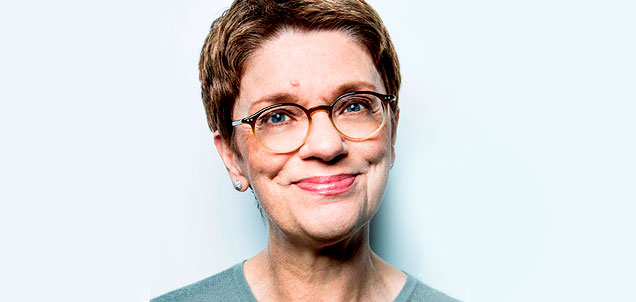
  • Looking at marketing through a new lens: Dana Anderson, CMO, Mondelez


    What do you see as innovation?

    I find innovation fun and challenging and, personally, I enjoy it. When I think about some of my most favourite things that I want to do, they’re all around transitioning into new ways of working. That can be uncomfortable but the pay-off is so rewarding – so often innovation is a part of that. It’s about growth, stretching, excitement and fun. I don’t have bad feelings about change – it’s a necessary part of moving forward and just living. It’s important to brand communication because people need to be engaged and entranced; they want to interact with you differently.

    The pace of change is our marketplace in terms of channels and what people get turned on by requires us to think ahead in a fearless manner about what to do and the digitisation of everything. So not only do we experience mobile and social media but, as marketers, we need to learn how to do it and to do it well. Sometimes that involves turning your own view of the world upside down. In the past year, we’ve spent a lot of time here embracing Ehrenberg Bass and Byron Sharp’s Laws of Growth and that’s undoing everything we learned in school and looking at marketing through a new lens. We changed our strategic tools, media guidelines, how we do comms planning and how we brief agencies. That has created a new thing of its own: our Freedom to Create presentation has been delivered to agencies and town halls everywhere so everyone knows what we are looking for. Change can mean more work but it makes you feel like you’re on the fresh end of things and that can be enlivening for a group.


    Can you share a recent example of innovation within the Mondelez brand portfolio?

    We’re just launching a new chocolate bar that merges Oreo with Milka chocolate. Already, even at this early stage, people are crazy for it. Mashing up those two products and marrying what US consumers refer to as ‘European chocolate’ with Oreo, a brand they have loved forever – things like that are examples of product innovation


    How have you innovated in your relationships with agencies and media owners?

    It’s primary to our conversation and to our annual plans, particularly for new partnerships. When we are goal-setting at the beginning of the year, we have found that if we can see an intersection with what we tell our partners we are doing and what our partners tell us they are trying to accomplish, we are going to enjoy greater success. When we’re aligned we can make more progress. Two years ago, we worked with Facebook on creativity in social media – this was an intersection we shared.

    We also ask our partners what we can help them with and look for mutual benefit. Sometimes it’s great to just tell each other what we’re thinking about. It’s becoming much more critical to the selection of partners because once you begin to work with people who are innovating you look for it in other places. You can certainly feel it if you have a partner who’s not innovating.


    How is Mondelēz innovating in terms of its company structure and culture?

    We are re-engaging with our marketers. It’s a whole new way of working that affects culture and adopting things that we believe in. The work that we’re doing on content monetisation means that we want to be out there and trying new things. We want people to be proud to be here. Wellbeing is a big part of our growth plan: a couple of members in my group put together a presentation about how brands are marketing in the wellbeing space and it was fascinating; they’d identified eight big trends. They delivered that presentation internally to the finance, legal and IT teams because they wanted to know more about it. Those teams might not be marketing these products but they are still kept informed.


    What are the benefits of making non-marketers stakeholders like that?

    They get a view into a world they don’t participate in too closely. For them, it’s an enjoyable immersion – it helps them just as it helps us when they teach us about IT. That helps our world as it informs the decisions that we make and helps us act more holistically.


    Which companies have a good approach to innovation that link to clear business outcomes?

    DDB’s recent offering to McDonald’s. I don’t know the particulars of the offering except that it was custom-built with compensation on a different level. That’s a hats off.

    Also, two campaigns that I have seen recently at awards shows: one is for GoPro that is using word-of-mouth and social media to try to move from extreme sports to everyday usage. The second is U By Kotex launching a pop-up – a whole store about tampons. They had singers, they sold T-shirts with tampons all over them, and you could get your hair done there. People were lining up to go in. One girl said that she wished all public bathrooms were like that. Their purpose was to open a conversation about a product and a topic that isn’t usually treated like a desirable, beautiful thing and they monetised the whole thing. That’s innovative thinking.


    Is it harder to innovate with products like that, in low-interest categories?

    It doesn’t matter because it’s boundary and constraint that causes creativity to flourish. The book A Beautiful Constraint features some of the best creative and ideas that have come out of situations where you would have thought they had nothing going for them.


    What are Mondelez’s criteria for selecting innovation partners?

    I don’t know if there is just one criterion because we work with so many different types of people. When we work with startups, everyone walks away smarter and with an enhanced view of the world: they can’t believe how much information we have and we can’t believe how scrappy they are! Jim Stengel’s new book, Centurions and Startups:

    How They Can Thrive by Learning from Each Other, shows that bigger companies are going to need startups because actually that mixture creates sparks that don’t come any other way. Jim has interviewed a couple of our folks that have participated in some of our work with startups specialising in mobile or retail futures. When working with partners, you certainly look for chemistry and competency but it’s a turn-on for someone to have a fresh approach when you’re in a pitch situation. Most people get to the same level of understanding when it comes to strategies because it’s a process of going through what you’re giving them. But sometimes someone zooms way ahead because they have a way of working or a process of taking apart a problem. When you see that in action it’s pretty enthralling and magnetic.

    We try to create new engagement models rather than waiting to be reactive. You don’t criticise someone else for not stepping up if you don’t do it yourself! We developed a way of working through Fly Fearless. We piloted it and

    now have been working it out for smaller brands and it has meant we have been able to reduce the amount of time [spent working with creative agencies on campaigns] from 52 weeks to 20 weeks. Everyone is around the table at the same time and there are ground rules such as having a strategy before you start. What happens in the session is developed and run by a troika of the creative partner at the agency, a strategic partner on our side or from the agency and brand leaders. Together, they determine what they’re going to do in the session, whether it’s bringing in external stakeholders or whatever to deliver. So [Greek chocolate brand] Lacta is known for being all about love so they invited two guests to their sessions: one was a marriage counsellor and the other directed soap operas.

    All parties enjoy it more and agency partners prefer it because work doesn’t get revised 20 times. You can also bring in people who have engaged with us before, such as Google and Facebook, and we can all work together to financial advantage. That’s a form of innovation that anyone can take on. We’re going into our third year now – we did a year of pilots around the world and now we’re rolling it out and training people and showing them how to do it so they can be self-sufficient


    Can you please share an example of how a Mondelez brand has benefitted from working alongside a startup?

    We worked with [community-based traffic and navigation app] Waze and [Mondelez-owned chewing gum brand] Stride years ago on using geo-targeting to show where you could buy Stride. Unbelievably, we saw an increase in sales! What’s more, the outcome was what they learned: they felt innovative and like fearless marketers. They felt they didn’t necessarily need the rules that they had been taught because they had a whole new level of creative partners to work with.


    Where in the world is a future hotbed of innovation?

    It’s everywhere. We work across developing and emerging markets and I’m forever humbled by what I see. You think that developed markets are going to have more but sometimes the things that you see in awards shows – you’ve already seen this in the Warc Innovation Awards – don’t limit themselves. Brave people are brave people. But there’s a difference between brave people who talk about things happening and brave people who are actually doing it so we get to experience their work.

    At the 2016 Warc Innovation Awards, an app from Vodafone in Turkey designed to curtail domestic violence won the Grand Prix. Do you think innovation and purpose are closer together than they ever have been?

    I really do – more people are interested in purpose. We have a one day session for brands called Storyteller where you work out what your brand’s purpose is so we can then work out strategy. This is part of global marketing. We’ve nicknamed it ‘the luggage tag’ – people can look at it and know exactly what it is, from product to purpose. The visuals really help to clearly communicate to everyone what a product is as well articulating its benefits and values.
     

    At the 2016 Warc Innovation Awards, an app from Vodafone in Turkey designed to curtail domestic violence won the Grand Prix. Do you think innovation and purpose are closer together than they ever have been?

    I really do – more people are interested in purpose. We have a one day session for brands called Storyteller where you work out what your brand’s purpose is so we can then work out strategy. This is part of global marketing. We’ve nicknamed it ‘the luggage tag’ – people can look at it and know exactly what it is, from product to purpose. The visuals really help to clearly communicate to everyone what a product is as well articulating its benefits and values.


  • Cadbury Bournville reintroduced in new avatar; unveils new campaign

    By A Correspondent


    To remind a busy executive or a home maker to take out time for unwinding, Mondelez India has re-introduced Cadbury Bournville. The product is crafted from fine quality cocoa, carefully selected and refined to deliver an elegantly smooth, dark chocolate experience that captivates the senses with lingering cocoa character, that will set the mood right and add that extra flavor and delight to ‘personal unwind time’, at the end of each day.


    “We realize the importance of an individual’s unwind time and we want people to celebrate this end of day routine and reward themselves. By introducing Cadbury Bournville as the perfect unwind partner, we hope to enhance this experience for our consumers. We are confident that the rich & irresistible taste of the Cadbury Bournville will heighten your senses and the lingering after-taste will leave you craving for more wind down moments,” said Prashant Peres, Director – Marketing (Chocolates), Mondelez India.


    Mondelēz International has the strong credential in space of Chocolates; and is the maker of some of the leading Global Dark Chocolate brands in the world, like Cote O’Dor and Green & Black. Dark Chocolate is still a nascent category and Cadbury Bournville believes that the current positioning will help establish the end of the day occasion which will eventually lead into developing the Dark Chocolate category in India.


    With a structured aim at targeting the Cadbury Bournville’s core target audience, this campaign will be supported by a new TVC, extensive sampling, outdoor advertising and interesting digital engagements. The creative agency for this campaign is Ogilvy & Mather; digital & media agency is Pinnacle (Madison).


  • Cadbury Oreo inspires consumers to have more fun

    By A Correspondent


    Staying true to its mission of unleashing imagination and playfulness in consumer’s lives, Cadbury OREO has launched a new television commercial riding on the brands philosophy of ‘Play with OREO’.


    The new TVC captures the camaraderie and innocent mischief that underlines the relationship shared by two sisters. The sisters try to compete with each other while displaying fun and creativity as they play with OREO. The TVC highlights that there is no limit to what your imagination can do when you play with OREO.


    Sharing his thoughts on this new TVC, Chella Pandyan, Associate Director, Biscuits India and Kids Fuel AP, Mondelēz International said, “Fans across the world have always found ways to inspire play with OREO in a number of unique ways by twisting, licking and dunking the cookie. The new ‘Play with OREO’ TVC highlights how the spirit of play enlivens and uplifts everyday moments. It inspires consumers of all ages to enjoy OREO by tapping into their imagination and expressing their fun and playful side. Like with our previous OREO TVCs, we are certain that consumers will connect and love this campaign.”


    Robby Mathew, Chief Creative Officer, Interface Communications said, “Sibling relationships aren’t just about love and care. There’s plenty of one-upmanship and showing off too. So in these spots we chose to celebrate this aspect of the sibling dynamic. And zero in on moments that not only were interesting but also ring true.”


    Added Joe Thaliath, COO, Interface Communications, “Our endeavor is to engage our fans in rejoicing every day, playful moments. And take forward the ‘Play with OREO’ platform. The new OREO TVC campaign succeeds in that endeavor by showcasing endearing stories, where siblings bond as they invent exciting new ways of playing with OREO. We are amplifying this campaign on digital with rich content as well.”


    This new TVC will be launched nationally from August 17th and will be aired across all key channels.


  • ‘Play with Oreo’, urges cookie brand to consumers

    By A Correspondent


    After its much-popular twist, lick and dunk approach, Oreo is on a mission to inspire imagination and playfulness, not only with creative fun with the cookie itself, but in consumer’s everyday lives. The “Play with OREO” campaign shows just how easy and fun it is to be playful.


    The “Play with OREO” campaign is a rallying cry to inspire people to bring a little more play into their everyday lives. The first part of the campaign will be an exciting expression of creativity led by the iconic cookie itself & this will be followed by a broader creative range coming into play. To inspire this element of “playfulness” amongst its fans, Oreo will be running a 360 degree marketing campaign. In addition to an exciting new TVC, “Play with Oreo” will be been on a wide array of media like Outdoor, Radio, & in a major way on Digital and Social media.


    Speaking on the brand philosophy, Chella Pandyan, Senior Manager, Marketing, Biscuit India and Kids Fuel AP, Mondelez International said, “Play has always been an integral part of Oreo’s brand’s philosophy. The new campaign is an exciting expression of that philosophy and encourages our consumers to add a bit more playfulness into their lives. Our communication will showcase ‘Play’ in imaginative and creative ways through its striking pop art style across media, including digital and social media with its simple message- Play with Oreo.”


    He added, “All of us could do with some more play and fun in our hectic, busy lives. Through this campaign we seek to inspire people to do just that in their own little way in their everyday lives.”


    The animated TVC created by the Global agency Draft FCB features customized Indian lyrics and regional singers. The commercial encourages the viewers to let their imaginative side take over for some time and simply have fun.


    Speaking about this new global proposition, Jennifer Hull, Director Global Oreo, GCT Biscuits Brands & Communications shared, “We launched “Play with OREO” to inspire wonder among consumers across the globe through playfulness.   We encouraged play not only with the cookie itself, but in people’s everyday lives, through things like music, art, and self-expression (among others).”


    In India, the TVC will have English, Hindi, Marathi, Tamil, Kannada, Malayalam and Bengali versions. The Hindi scriptwriter is Amitabh Bhattacharya, singer is Anusha Mani and the music director is Rupert Fernandes.


  • Cadbury emphasizes on ‘eat state’ with new 5Star variant

    By a correspondent


    Cadbury India, part of Mondelez International, has unveiled a new TVC to announce the launch of Cadbury 5Star Chomp. A new entrant under the Cadbury 5Star umbrella, Cadbury 5Star Chomp will offer consumers an irresistible combination of chocolate, caramel and nougat of Cadbury 5Star, along with the crunchiness of peanuts.


    Targeted at chocolate-loving enthusiasts across the country, Cadbury 5Star Chomp’s new campaign emphasises on the ‘eat state’ as its core message. The campaign is designed to encourage consumers to enjoy the caramel, chocolate, nougat and peanut bar with inhibited gusto. The TVC seeks to celebrate the manner of consumption of the product and give the consumer a very engrossing eat experience.


    Speaking on the launch of Cadbury 5Star Chomp, Siddhartha Mukherjee, Director – Chocolate Category & Media, Cadbury India, said, “As category leaders we see a market making opportunity with Cadbury 5Star Chomp. The product has been developed keeping in mind the evolving consumer palette. Cadbury 5Star Chomp will introduce consumers to a completely new eat experience. Moreover, this launch is an important milestone in the journey of Cadbury 5Star and is expected to widen the brand’s play in the category. We therefore see the launch of Cadbury 5Star Chomp expanding the repertoire of Cadbury 5Star.”


    Conceptualized by Ogilvy & Mather, the 42 second commercial is a conversation between a human and a ghost to highlight the heavy engrossing eat. The high-voltage launch rolls out across the country, through a combination of commercials across TV, digital and social media platforms to drive awareness and encourage consumers to bite into the goodness of Cadbury 5Star Chomp.


  • Five ways to make Digital work harder


    By Ravi Balakrishnan


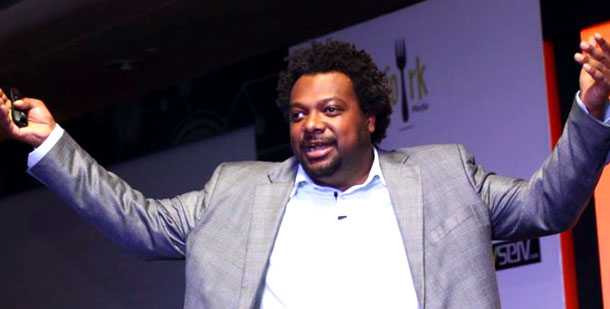
    Like most managers, Bonin Bough, vice president – global media & consumer engagement, Mondelez International has a lot to say about digital. Unlike most managers, he talks about what he’s already done or is doing instead of mere wishful thinking.


    Let No Idea Be Deemed Too Outlandish:

    At South By Southwest (SXSW), people waited two-and-a-half hours for an Oreo. To their credit, these weren’t plain vanilla biscuits. To create an impact at “the Davos of digital”, Bough took along a specialised 3D printer to create customised cookies. It handled 12 flavours, two variants and four patterns; a total of over 10,000 variations. Working with Twitter, Mondelez created an algorithm based on conversation around trending topics which would affect the shape and flavour of the cookie. Bonin Bough, vice president – global media & consumer engagement, Mondelez International, says “Wonderfilled was the name of the campaign and if you saw some of those people, they were thinking ‘How is this possible?’”


    He adds with a hint of pride “We reached out six years into the future and brought it now.” He imagines a not too distant time when Superbowl can be discussed over Twitter and the consumer can buy a cookie that represents the entire media experience. He says, “Real time has become a kitschy phrase about Facebook. That’s cute but it’s not the future. The future is being able to deliver total consumer experiences in real time.”


    Creative Agencies Are Not Necessarily Your Best Partners

    “Creative agencies used to manage 100% of our communications; now they manage 60% or 50%. As that happens, we keep adding agencies which is not sustainable,” admits Bough. Even as he works with agencies to help “rethink their approach”, one of the big problems is how TV centric they have become. Bough recalls, “One of our colleagues says ‘creative agencies jump right into showing me TV and I say it’s too soon! I feel violated.’” And that’s because TV is still where most agencies’ strengths lie. A couple of brand teams at Mondelez enlisted ad agencies to create video games for their brands instead of approaching a professional game developer. Several hundred thousand dollars in development cost later, all they had to show was 65,000 and 23,000 downloads. Bough says, “I wanted to find a brand so I could show them I could do it right and wave it in their face since that’s the sort of colleague I am!”


    He approached popular mobile developer Pik Pok, giving them three rules: a) Don’t desecrate Oreo b) Try to get the ritual of twist, lick, dunk (the game went on to be named Oreo: Twist Lick Dunk) and c) make the game generate revenue. Pik Pok returned with an Oreo themed game with a loose resemblance to Fruit Ninja. It has over four million downloads, is the No 1 app in 12 countries and people have spent over a 1000 years playing it. It’s sold 60,000 virtual Oreos. And most importantly, its cash positive; Kraft makes money off the game, selling ads even if the bulk of this revenue goes to the developer.


    So Find the Right Partners:

    Mondelez runs Mobile Accelerators in several of its markets to bring its brands and startups together. After an arduous whetting process, 9 brands agreed to run pilots with nine startups. The people who worked for the startups became ‘intrepreneurs’: in charge of big innovations and programmes. Bough says, “Those culture transformation programmes are what helps us move at the speed we are driving at.” Two projects from these nine teams are now being incubated by venture capitalists. One of them, Beta Box examines the potential for sampling. Bough explains, “If someone’s renting a dress, why shouldn’t there be a pack of Bel Vita or Dairy Milk in there? We are trying to reinvent sampling by looking at places where there’s inventory.”


    Question Your Biggest Successes

    Oreo gained a lot of press with its tweet around a power outage on Super Bowl. It’s enough to make most managers become almost unbearably smug. Except Bough counts it a bit of a failure. He says, “We didn’t spend any money behind the tweet. Imagine if we had, and if all our media was connected, how many more eyeballs would have seen it.” He believes all media is a lot more powerful than some media. Mobility in particular is important since it’s a channel that works with other media to make things better. Mondelez has moved beyond wondering how much a tweet delivers to the bottom line and is focusing instead on how everything connects. He says, “I don’t care about an individual tweet, but about how it drove my TV. Sometimes we see twice the effect on TV when we run social underneath it. On an average, consumer goods companies spend 70% to 80% on TV; if you can make that work twice as hard, it’s transformational.”


    Get Personal And Sincere With Apologies

    Something as potentially volatile as social media is just a stray tweet away from exploding. Many brand managers who saw their messaging “go viral” probably wish it had died a quiet, obscure death in an unfrequented corner of YouTube. For instance, Hyundai with a car commercial that allegedly promoted suicide. Or Mountain Dew that drew a lot of flak for its ads featuring a violent, maniacal goat. When the horse finally bolts the stable, Bough recommends immediately snapping into damage control mode.


    In an example from a previous job (he would rather not get into the specifics), a campaign began to draw reams of bad publicity on Twitter. Bough wrote personal mails to the people retweeting the ads, completing 60 of these in the first two hours. He says, “There ought to be a willingess to communicate and apologise. There’s a humanisation of brands right now where people are willing to move forward. I wrote to the influencer who started it and we quickly turned it into a positive for the brand since we were apologising publicly and responding individually.”


    Source:The Economic Times

    Copyright © 2014, Bennett, Coleman & Co. Ltd. All Rights Reserved

    Licensed to republish


  • Maa, Meri Maa!


    By Delshad Irani & Amit Bapna


    There was a time a Hallmark card with Happy Mother’s Day scrawled on the front, and yes, “Thank You” on the inside, would have worked for Ma. Now advertisers are making every day Mother’s Day if commercials on the telly are anything to go by.


    Hallmark just won’t cut it anymore. If one really appreciates the woman who spent laborious hours just to give you life,  the only way to show gratitude is this: Hire an award winning director, preferably Alejandro González Iñárritu, and Ludovico Einaudi to provide musical score, for a commercial shot on multiple continents to document candid everyday Mommy moments: Washing the battered jersey, making lunch, driving back and forth from school, swimming, skiing or boxing class.


    But there’s a prize for all the hard work. If washed and chauffeured well enough, the best kid will be rewarded a gold medal at the next Olympic Games. Well, not you and I, of course. (We aren’t all made up of that special Olympian stuff, Ma.)


    The film ‘Best Job’ and its follow up ‘Pick Them Back Up’, part of P&G’s global campaign ‘Thank You, Mom’, are two universally acclaimed commercial films. (See box.) Apart from single-handedly providing a sales-boost to tissue-paper manufacturers the world over, they have also revived the discussion on how advertisers speak to and communicate with women in their role as mothers.


    Communication directed at mums has generally not been as exciting, or insightful as advertising aimed at men. Xavi Bech de Careda, chief strategy officer – TBWA\India attributes it to the concept of a ‘working woman’ who is financially independent being of a relatively recent vintage.


    And so, advertisers turn on the mommy water-works one moment and unleash the tiger mom during the next ad break. According to Katherine Wintsch, founder & CEO, The Mom Complex (a mom-dedicated unit of the US based The Martin Agency), there are five, very common mistakes advertisers make in ads depicting moms: 1) She’s always happy.  Especially when cooking and cleaning. 2) Her children are obedient angels. 3) She loves wearing cardigans and capri pants. 4) Her wardrobe often matches the brand colours of the product she’s promoting. 5) She loves talking to the camera. We can see one or all of these in many mom related ads.


    The supermodel mom, whose perfection is infuriating (say real moms) and the ma who knows-it-all. (We speak, fairly fondly, of Lalitaji’s samajdari still.) Then we have a heart-to-heart with the best-friend-mom whose emotion-detector is 100% accurate (take that, John Larson, inventor of the polygraph.) We even have moms who are the entertainment, but hardly ever the entertained.


    Interestingly, marketers have only recently begun to valorise motherhood. They’ve unleashed a horde of campaigns that celebrate the ma in every woman. But the biggest mistake advertisers make is idealising motherhood. Karthi Marshan, executive VP & head – group marketing, Kotak Mahindra warns in celebrating the woman’s role as mom, we frequently diminish her identity as a person, and risk focusing on the stereotype of dishwasher, cook, laundry lady, support system, et al.


    Not just that, making a mom the “hero” of an ad, is a dangerous proposition. A global study by The Mom Complex across 17 countries, revealed the number one emotion all moms share in common is doubt, more specifically self-doubt.


    Says Manjari Upadhye, VP – marketing, Cocoa Beverages, Mondelez International, “Advertisers more often than not, bring out her worst fears and anxieties. However, they have also started portraying a more real picture of today’s mom and that is a good start.”


    The very idea of parenthood for mothers has changed. It extends beyond just wiping away their child’s snot and fears and obsessing about their height and weight. The growing power of the working mom makes her an even more relevant decision maker in brand choices for the family, and this presents a whole new set of opportunities and challenges.


    Says Mr Marshan, “Agencies and advertisers are still navigating the greenfield cum minefield this evolution presents. We get it wrong as often as we get it right. While phenomenal upsides exist in recognising the vital role a mother plays, risks abound as well.”


    There are, however, rich dividends for agencies and brands which can manage to tap into the unique struggle, humour and emotion that come with motherhood. Millennial mothers, especially, have no trouble admitting they’re human and make mistakes, hence the popularity of the Twitter hashtag #MomFail.


    It’s also becoming more of a team sport. According to a study by McCann’s Truth Central “88% of moms say that when they hear an interesting idea or piece of advice about being a parent they want to share it, and 37% say they want to share it with as many parents as possible.”


    Besides who says moms don’t have a sense of humour? The goal with marketing to moms should be to raise the bar of creativity and “stop playing it so straight. It’s boring,” says Wintsch. In fact, in another study conducted by the agency, moms went out of their way to say how much they love the advertising from Budweiser. All directed at men and none features a mom.


    “The concept of the mother and the father stereotypes is breaking down fast. Just as phones have become smartphones, moms have also become smart moms,” says Joseph George, CEO, Lowe Lintas, the agency behind an ad for jewellery brand Tanishq which features a young mother’s wedding. He says, “It is the time of the youth and the time of moms – these are the two segments that will rule the market.”


    However, as George also points out, in this celebration of mothers the fathers are the ones who are being marginalised now, “Moms are the all-rounders and dads are ending up as either the batsman or the bowler only.” Alright, we’ll say it. “Thank you, Dad.”


    British Airways ‘A Ticket To Visit Mum’

    In the business of making Moms proud and happy was a BA web-film, although not necessarily targeting mothers directly  (Spoiler alert). The airline promises to fly a Mom-made meal to her son who moved to the US when he was 17. They fail to deliver on that promise. But BA gives the son a ticket to visit his mum instead. Says Christopher Fordyce, regional commercial manager – South Asia, British Airways, it isn’t enough to focus on functionality anymore. Brands must connect on an emotional plain. The core message was that BA’s the airline which connects people around the world. And to be able to witness a mother reunited with her son, there’s not a better way to get the emotions flying and tears flowing.


    Bournvita’s ‘Taiyyaari Ki Jeet’

    In 2013, Bournvita released two commercials, Runner and Boxer. According to Mondelez’s Upadhye. the brief to the agency, Ogilvy, and the campaign objective was to bring out the progressive parent in every mother who has left the sidelines and is taking charge of inculcating good habits, in order to prepare the child for all eventualities in life. The Runner TVC featuring an athlete mom training her young son has already crossed a million views on YouTube. The Boxer, on the other hand, features a working-mother providing for and supporting her daughter to excel in a male dominated sport. It has clocked 315,000 views in three weeks.


    P&G’s ‘Thank You, Mom’

    The P&G ‘Thank You, Mom’ campaign, the biggest in the company’s 175-year history, recognises and celebrates the moms behind the athletes. It’s part of P&G’s worldwide sponsorship deal with the International Olympic Committee (IOC). According to a company spokesperson, the insight for their most recent spot ‘Pick Them Back Up’ for the Sochi Winter Olympics came from research P&G did with real moms all over the world. “From talking to moms, we learned a few things all moms share – they want to teach their kids resiliency and determination. To quote one mom from the UK – ‘Teach your child to chase a dream but not to fear failure,’ While we seek to delight as many people as we can, for this campaign, we wanted to take time to specially thank moms as P&G is, largely, in the business of helping moms. So we see our sponsorship of the Olympic Games through a special lens – moms.” Digital drove program engagement and lifts in brand social-media buzz volume; there were nearly 74,000,000 views of digital assets. The first film ‘Best Job’ drove 21,681,704 views across more than 200 countries.


    Google’s ‘Here’s To The Moms’

    Google paid tribute to Mummies everywhere with a film covering all those moments when mom was there for her child, from the first ultrasound to coming out of the closet.


    Fiat’s ‘The Motherhood’

    A genuine rap on motherhood complete with “babes, bitches and hoes,” also known as her kids, her dogs and a hose in the back seat. This video, released for the car maker’s UK market, has well over 4 million views on YouTube. It’s real, hilarious and very graphic. Here’s a sample. “Wear a nursing bra, like a bulletproof vest. Work versus home is a mental combination, with my elbows deep in infant defecation. I’m a school-run-taker, fairy-cake-baker, dealmaker, orgasm-faker, rattle-shaker, cheesegrater, nighttime waker. I’m a placater, peacemaker.”

    Source:The Economic Times

    Copyright © 2014, Bennett, Coleman & Co. Ltd. All Rights Reserved

    Licensed to republish


  • Cadbury India launches Oreo Choco Creme’s new TVC

    By A Correspondent


    Cadbury India, a part of Mondelez International, has announced the launch of a new TVC campaign for Oreo Choco Creme. Showing the playful relationship shared by two brothers, the ad campaign captures the essence of the brand – a complete chocolaty treat.


    Developed by Interface Communications, the ad is based on the insight that consumers love Oreo for its delicious chocolaty sandwich experience. It shows two young boys, a teenager and his inquisitive little brother, enjoying Oreo Choco Creme and getting confused as to which is more chocolaty – the cream or the cookie. As there is cocoa in both the cream and the cookie, that’s one debate that they find impossible to win, and end up switching sides multiple times.


    Speaking on the campaign, Chella Pandyan, Associate Vice President – Marketing, Biscuits,  Mondelez International, said, “It’s well-established that chocolate is India’s favourite cream flavour. The TVC highlights the delightful dilemma the two brothers face.”


    Robby Mathew, National Creative Director, Interface Communications, added, “The campaign idea banks on the unique relationship that siblings share. What starts off as a coach-student relationship turns into one of equals, as they together discover Oreo Choco Creme’s double chocolaty delight.”