By Ranjona Banerji
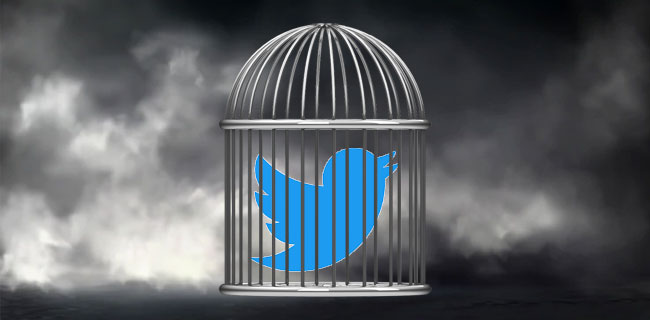
 American journalist Lydia Polgreen in a column for The New York Times has spelled out in detail the dangers of Elon Musk’s takeover of Twitter: for free speech and for democracy and especially for the media in countries like India:
“Twitter has historically fought against censorship. Whether that will continue under Musk seems very much a question. The Indian government has reasons to expect friendly treatment: Musk’s company Tesla has been trying to enter the Indian car market for some time, but in May it hit an impasse in negotiations with the government over tariffs and other issues. India’s Economic Times reported last month that one of Musk’s other companies, SpaceX, would seek government permission to offer its Starlink satellite internet service there.”
https://www.nytimes.com/2022/11/14/opinion/elon-musk-twitter-free-speech-india.html? auth=login-google1tap&login=google1tap&smid=share- url&unlocked_article_code=GhdOtxTJNL_LGexve9SiWf17EppMzzZnGD6_PJyQf9PZadFfN5WC6 12NtVCwgCOxvovJ9QoStaYJRG6K6oi-kFw6LMO8gK3DEal4_ZXypdSX5gZemhEj- 5qwEOSTGGgQt3B5-mjRanURR0bNCa33CD7fA3aA_XlVBxtlfJ0wHwXlfn0Vd_i- Gu4sOx1wj84UyVRZ_yMyA5svphOUIXvCPirIyn1DN13ZeJxmlqqnxvzDaXTi3H7hLKG7OH10xGo5 7Ktd3gj5qrp7q_GZfi-6fjowfwwDXrAYchVNyBK0aCtMjWt921bhF- UMbvus56MECeMLs3c_s1OnTgE5IyW_3qyxUbKNoatddujG3Bk
That the Government of India is averse to free speech that is critical is not new. That the Government of India and the political party which controls it has spent the last eight and a half years tightening the noose on an independent media is not new either. Musk’s various moves to change Twitter will only be of advantage to right-wing oppressors, if he carries on the way he started.
I can hear the screams and shouts about how other governments controlled by other political parties have also attempted to control the media.
The issue is of degrees.
And from that perspective, no one yet even comes close to what the Modi government and the BJP have done to destroy India’s democratic foundation.
Polgreen has looked at Musk’s destructive efforts from the point of view of what she calls “fragile democracies” like India and sadly, that is what we have become in the past eight years. The capitulation of the mainstream media is definitely one of the main reasons for this fragility, and we have discussed this over and over again. But Twitter also gave a platform to marginalised voices which countered – to some extent – the media’s lack of engagement with democracy as well as the growing power of rightwing trolls and regressive mindsets.
Musk’s actions only embolden these sections of society which aim to restore old systems of patriarchy and control. He appears to have little understanding of how technology works in social media platforms. And like Mark Zuckerberg’s early attempts to use India’s population base to control internet usage like his “Free Basics” plan, for instance, Musk also has his Starlink agenda. Many of the arguments to describe Musk are much like those used for Zuckerberg in those days.
The Indian media is largely absent here as well – in decoding Musk, social media and Twitter for its readers and viewers. The reasons are obvious: no commitment to free speech, fear of money and fear of power.
This piece by journalists Aaron Rupar and Noah Berlatsky provide intriguing insights into Musk’s mind:
https://aaronrupar.substack.com/p/elon-musk-destroying-twitter-why
Why am I persisting with this theme?
Because the shrinking of spaces for free speech is not dangerous for just journalists, activists, the marginalised, even the radical, it is eventually dangerous for everyone. Getting trapped in stifling, controlled environments has never benefitted humanity. It has only helped the controller to the detriment of everyone else.
Ranjona Banerji is a senior journalist and commentator. She writes on MxMIndia on Tuesdays and Fridays. Her views here are personal.
 HuffPost announced the appointment of Aman Sethi as Editor-in-Chief of HuffPost India. Aman will be responsible for all editorial output on HuffPost India and oversee the India team of editors and contributors.Aman was previously an Associate Editor with Hindustan Times, prior to which he worked as the Africa Correspondent for The Hindu.