With apologies to none at all
By Vikas Mehta
 The last two weeks were very purposeful. I was a panel member at a leading institute discussing the importance and genuineness of brand purpose in recent times. Coincidentally, two big brands in India, Stayfree and Dove also released some new work on their brand purpose.
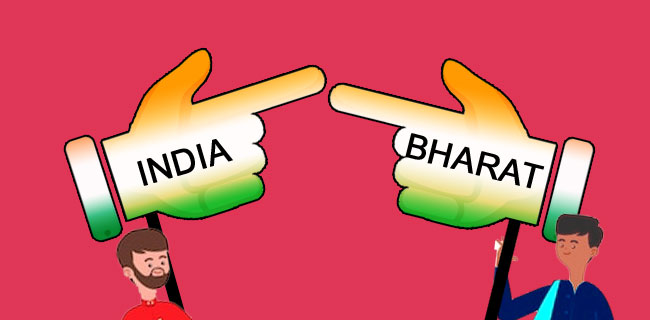
Both the pieces of work, have been panned by some marketing pundits and marketing gurus. While everyone has a reason and right to do so, I find the arguments put forward illuminating the ignorance of what is actually happening in the country. Most of the critics are metro-based with hardly any connect with the real India, Bharat, as it is called by some. Some of course also presume that every consumer is as marketing savvy and informed as they are. Let’s get into the details.
First a look at Dove. And before I begin, here is a disclaimer. I was involved with Unilever brands for more than a decade at a global, regional and local level in South Asia, Middle East, North Africa and Far East and this includes Fair & Lovely now known as Glow & Lovely.
Dove, for many years now, has been talking about body positivity. Very famously, Dove has in the past refrained from using models for its soaps and were using real homemakers, sans glamour and beauty, even in India. So, the body positivity was a natural progression with a scope to use various elements like colour, race, gender, depending upon the market they are in. The current campaign in India is about girls facing beauty issues as parents prepare them for the ‘marriage market”
The issue that critics have raised is first, not with the brand but with the company Unilever. They have chided Unilever who have profited very well with Fair & Lovely in the same marriage market. And I concede it’s a valid point. It does sound hypocritical. But then if a brand is calling out a practice which another brand in the company stable maybe encouraging, is it wrong or gutsy? Sure, the company must look inwards but should it stop raising issues that are real in the society. The marriage market is still a reality. The focus on the daughter’s marriage is still an issue. Or are they saying that the issue is not important. I found some critics mentioning that. And that highlights a bigger problem. If we think that because our daughters or our friends’ daughters or even our driver or help’s daughter are getting educated and are building a career or niche for themselves, it does not mean that the problem does not exist. I live in a small town in North India and I find the focus on the girl’s marriage still takes centrestage from an early age. Prosperity has meant that more money is being spent on the daughter’s beauty issues. Visits to dermatologists, increase in use of facewash, is a sign of the times. But the issue has not subsided or lessened in its importance.
And let us not forget that matchmaking, dowry etc have assumed gigantic proportions. When I started working in marketing more than three decades ago, the big society evil was dowry. Most of public service ads focussed on dowry problems. Now we hardly see any such communication or message. That does not mean that dowry problems or dowry as a society evil has lapsed. It’s in fact more monstrous. A cursory glance at vernacular newspapers in the Class 1 town editions reveal a spate of dowry-related death and torture stories on a continuous basis. The marriage market and the problems associated with someone who is not traditionally beautiful (read fair or blemishless skin) having to shell out more in dowry is a stinking reality of our times. Let us not wish it away. I moved to a small town almost a decade ago and not a month goes by when my wife is not reminded about our daughter’s future in the marriage market and what she should do to help her look better. And my daughter follows in amusement what some of her friends are forced to do.
It’s a bigger hypocrisy that we are trying to attack a purpose which is most relevant just because another brand from the same stable partakes in the marriage market. In fact, I will stick my neck out and claim that Glow & Lovely had stopped partaking in the marriage market even in its earlier avatar of F&L. So that too actually does not hold good. The real issue that Dove has highlighted is the marriage market.
I see similar issues in the panning of the Stayfree communication. Critics claim that the society has moved on from the “period talk is uncomfortable” issue. We have had movies like the Padman and some brands are showing in their demos red colour of blood, so why are we stuck with the same old issue of male friends and relatives uncomfortable with the talk of blood? I am afraid the critics again have a “big city” view. In metros, the issue of periods may not be uncomfortable anymore but in small towns and villages it is still taboo. Actually, I doubt if it has overcome the society stigma even in big cities. Just before the pandemic, I was attending an awards show in a 5-star hotel in a metro and a gent on our table noticed that a lady on the adjoining table had a stain. He pointed it out to his wife and was immediately admonished for making the observation so loudly and openly in front of men too. She then proceeded to discreetly inform the “victim” and help her cover it up with a stole, She was so embarrassed that she left the show, with a fuming partner in tow.
The situations in the Stayfree communication are very common and prevalent in small towns. It’s actually quite irresponsible to think that the issue isn’t relevant anymore. Just because we had many anti-dowry communications did not mean that dowry as an evil was vanquished. Or just because our circle of friends and relatives, even in smaller towns have risen above the period issue does not mean that the society has. The brand has actually opened a new window to the same issue. Teach the boys that talking about periods is not taboo. Just like one detergent brand talks about sharing the load by teaching sons the same at a young impressionable age.
I genuinely think that the metro, western influence phenomena continues to blindside our marketers. We also get overwhelmed by our own rhetoric. Yes, India has done very well. We have taken great strides in pulling up the society and breaking some myths and taboos. But the battle is far from over. A myopic metro-centric view is more detrimental than even the societal woes. Why, the most amusing comment I read was the one in which the marketing person stated that he is not sure that an average Indian user isn’t aware of Unilever, Axe and Glow & Lovely. Did he actually mean that an average Indian user knows that Axe, Glow & Lovely and Dove are all brands belonging to Unilever? Really?
It tells me all about an average Indian marketer.
Vikas Mehta is a senior business and marketing strategy consultant and educator. He is based in Dehradun. This column will appear every other Tuesday (and sometimes on other days as well). His views here are personal
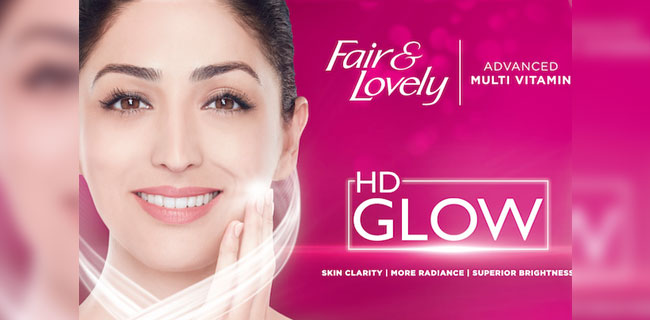
 When Hindustan Unilever announced its decision to rename its moneyspinner $500 million brand Fair & Lovely to Glow & Lovely, it was a classic case of doing too little too late.
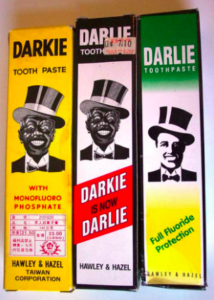 It may interest people to know that the exact opposite of Fair & Lovely existed as a toothpaste in Asia many decades ago. A toothpaste called Darkie. Produced by Hawley and Hazel, the brand was very popular in Asia. The pack showed a smiling black performer. The brand was then acquired by Colgate Palmolive which faced a lot of racist flak on the brand. In 1989, Colgate Palmolive decided to change the brand name to Darlie.