By Our Staff
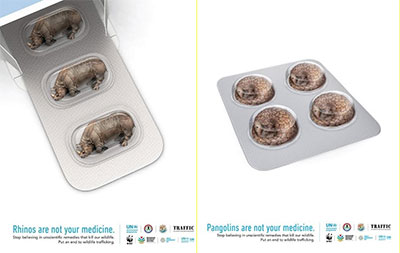 Ogilvy launched two digital campaigns for United Nations Environment Programme (UNEP). The two digital campaigns on Wildlife Trafficking were released on World Environment Day.
Conceptualised by Ogilvy for UNEP in association with WCCB (Wildlife Crime Control Bureau), MoEFCC (Ministry of Environment Forest & Climate Change), and TRAFFIC, this campaign was released on World Environment Day, by Prakash Keshav Javadekar, Minister of Environment, Forest and Climate Change. Javadekar unveiled two campaigns titled, ‘Not Your Medicine’ & ‘#SadEmojis’.
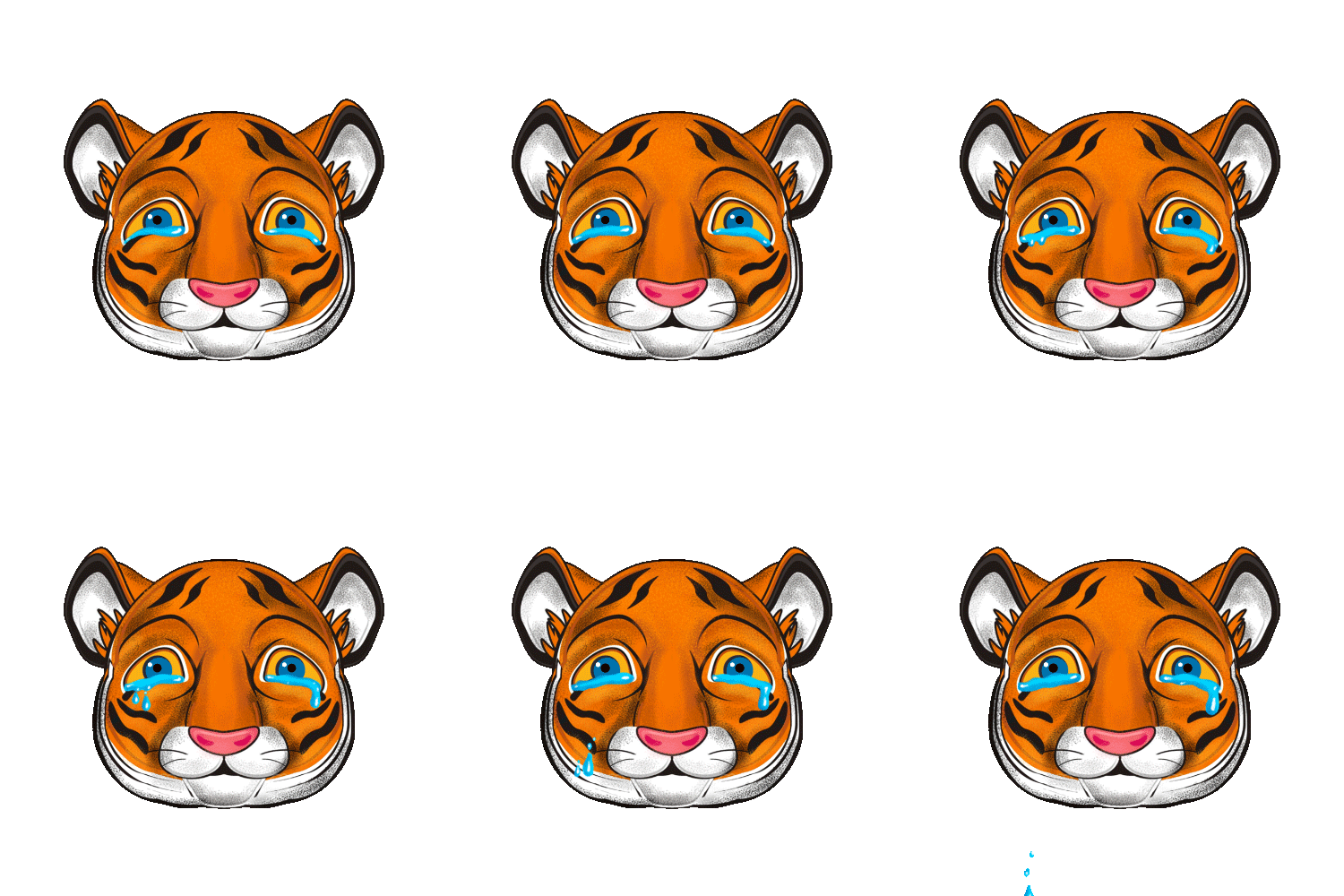
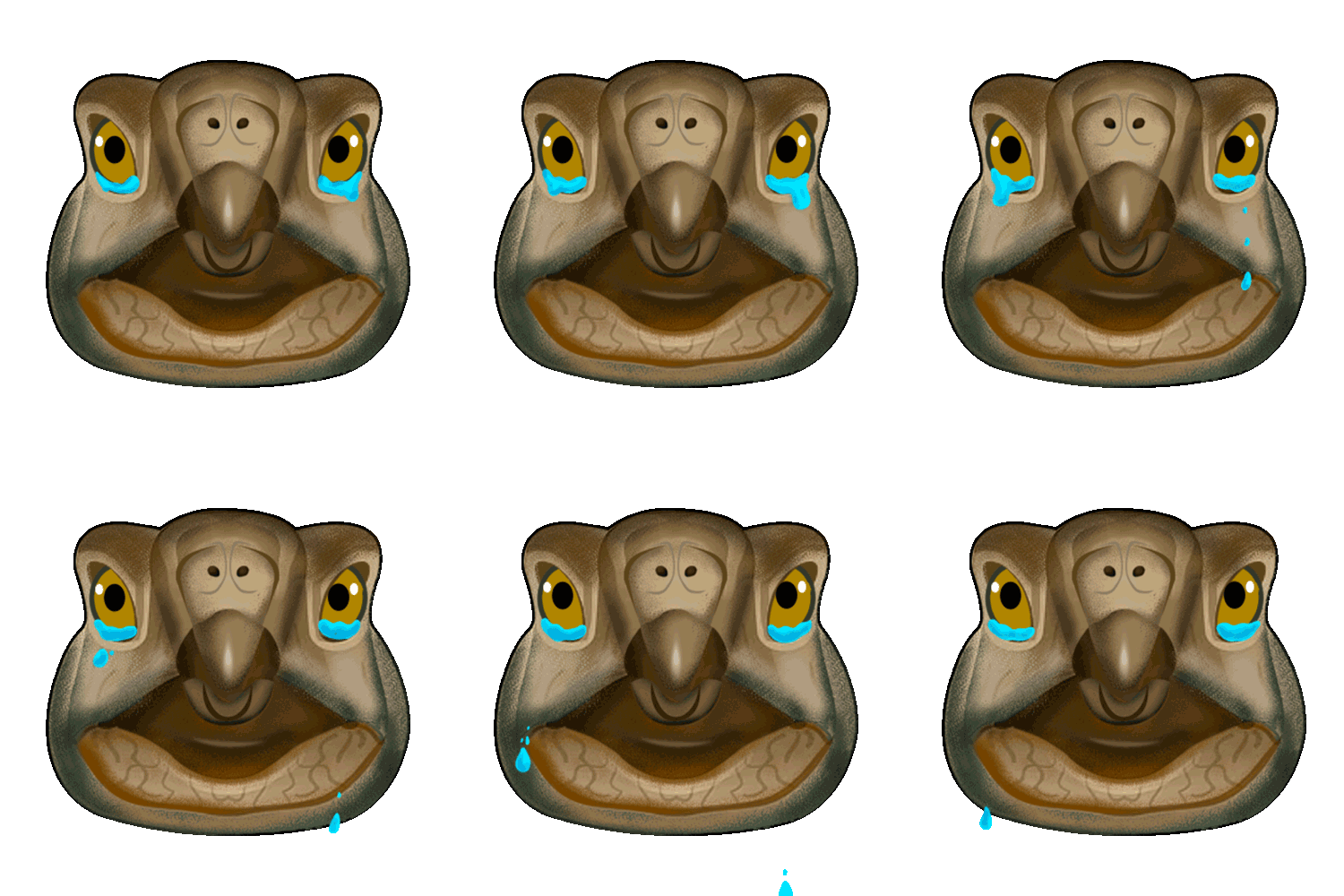

Said Sukesh Nayak, Chief Creative Officer, Ogilvy India: “The first campaign #NotYourMedicine highlights the plight of trafficked wildlife species suffering in the name of fake remedies even today. The second one – #SadEmojis, is a digital campaign wherein we launch a new set of sad emojis of endangered species, through which we aim to spread awareness with every single social conversation.”
Added Atul Bagai, Country Head, United Nations Environment Programme: “India Office, reiterated that “The COVID -19 pandemic has been a wake-up call to the human race to respect nature and to learn to coexist. Illegal wildlife trade is the fourth largest global crime. It is driven by demand for trophies, fashion accessories, exquisite cuisine, exotic pets and products based on cultural/ superstitious beliefs. One of the main reasons for illegal poaching and trade is their unsubstantiated use in traditional medicines. In building back better, we need to remember that these species, traded illegally for false remedies is one of the most serious threats to the existence of wildlife are- Not your medicine!”
 United Nations Environment Programme India (UNEP India) has joined hands with Ogilvy India to launch a campaign to highlight its work on phasing out single use plastic. Fashion designer Masaba Gupta launched a clothing line on this occasion to send out the message: #BeatPlasticPollution.