By Dyanne Coelho
 Excitement loomed large at the Cannes Lions International Festival of Creativity, with the MediaCom-curated session on ‘How to Survive a Zombie Attack’ that focused on AMC’s ‘The Walking Dead’, a television drama that features zombies and portrays the life of humans in the aftermath of a zombie apocalypse. Jon Gittings, Global Business Development Strategy Officer, MediaCom, suggested that these stories ‘help us find solace and conquer our fear of extinction.’ The objective of the session was to highlight the consumer connect to content over the years and how brands can use these insights to market themselves effectively.
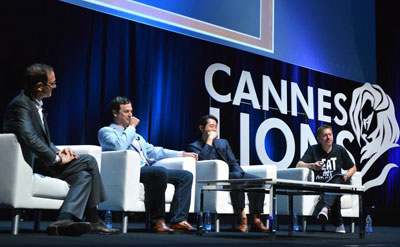 Civilisations throughout time have always created these apocalypse myths, whether it’s the flood, or battles between man and God, Gittings pointed out. These are the stories humanity clings to, to collectively prepare for the threat of our extension. We turn to these stories to find solace and to help us conquer fear, he said.
Gittings placed some interesting facts on the table. For one, Frankenstein was published in 1818 as a reaction to the 19th century’s fear of uncontrollable science. It’s no coincidence that Frankenstein was published the same year that the first successful human blood transfusion took place, he said.In the year 1954, Godzilla was conceived as a reaction to the terrifying, destructive power of the nuclear age. And zombies of course are a uniquely new-world myth, he added. “If apocalypse myths are a way of conquering fear, what exactly are we afraid of in the 21st century,†Gittings asked. “To try and answer that we pulled data on some of the established psychological explanations behind apocalypse myths, and then we correlated that with the viewing data of The Walking Dead. One of those explanations is the fear of how we abuse nature. It raises the question; are we scared of the zombies, or are we scared of becoming a zombie?â€
Said Dave Alpert, Executive Producer of the show, “We have one of the most engaged fan bases out there and it’s great because they let us know when they love something, they let us know when they really don’t like something. We have conversations with them both in person at conventions and online.â€
Josh Sapan, President and CEO, AMC Networks discussed that the elements that make the success of the show is the story, the characters and the craft. “The people behind the show didn’t just say let’s go do a show about this, they were deep into it. My observation even of the actors is that they didn’t find themselves there; they were there because of their origins.â€
Steven Yeun, who plays the character of Glenn Rhee on the show, shared his growth as a character on the show. “It’s great because as an actor you get to grow with the character, you get to change him, to mould him. It’s like a game you get to choose a character and follow him for six seasons. I think that’s what draws people and keeps them there,†he said.
Gittings presented six dimensions that provide information about how brands and storytellers should communicate – hierarchy, individuality, masculinity, femininity, uncertainty, pragmatism and indulgence.Each of these was used in over a 100 countries to understand how each country’s culture works and how we as storytellers can use it to shape content and shape connections for brands. France to begin with was scored high on uncertainty. The uncertainty score shows how tolerant a society is towards ambiguity and whether or not they feel threatened by ambiguity. This means that France doesn’t like uncertainly, it is a society that shows emotions much more freely. It means they like rules but don’t like conflict. The first cluster, US, Canada and UK, was defined by high individuality and high indulgence whereas the second cluster of Turkey, Spain and Brazil, much like France was found to be high on uncertainty and low pragmatism, which means they have a short term culture, and they like yes or no questions. It means that they are quite conventional and don’t like change. The cluster one countries indicate societies that are highly competitive, the like to challenge and question things. In comparison cluster two countries indicate communication that flows like a pyramid in hierarchies.
“By looking at The Walking Dead as a brand, we see how cultural dimensions can help us evolve across diverse geographies,†Gittings pointed out.“It helps us identify what markets can be clustered together, which part of the brand story we should focus on and how we should target it; should we be sensationalist or should we embrace disorder,†he said. Further, it can help us identify how brands should behave in channels and clears the doubt of whether we should ask questions or be more authoritative and issue statements, Gittings added.
“If the apocalypse happened, never wear loose clothing, and get a haircut. That way you won’t be easily caught,†Jon Gittings humoured closing an engaging and informative discussion.
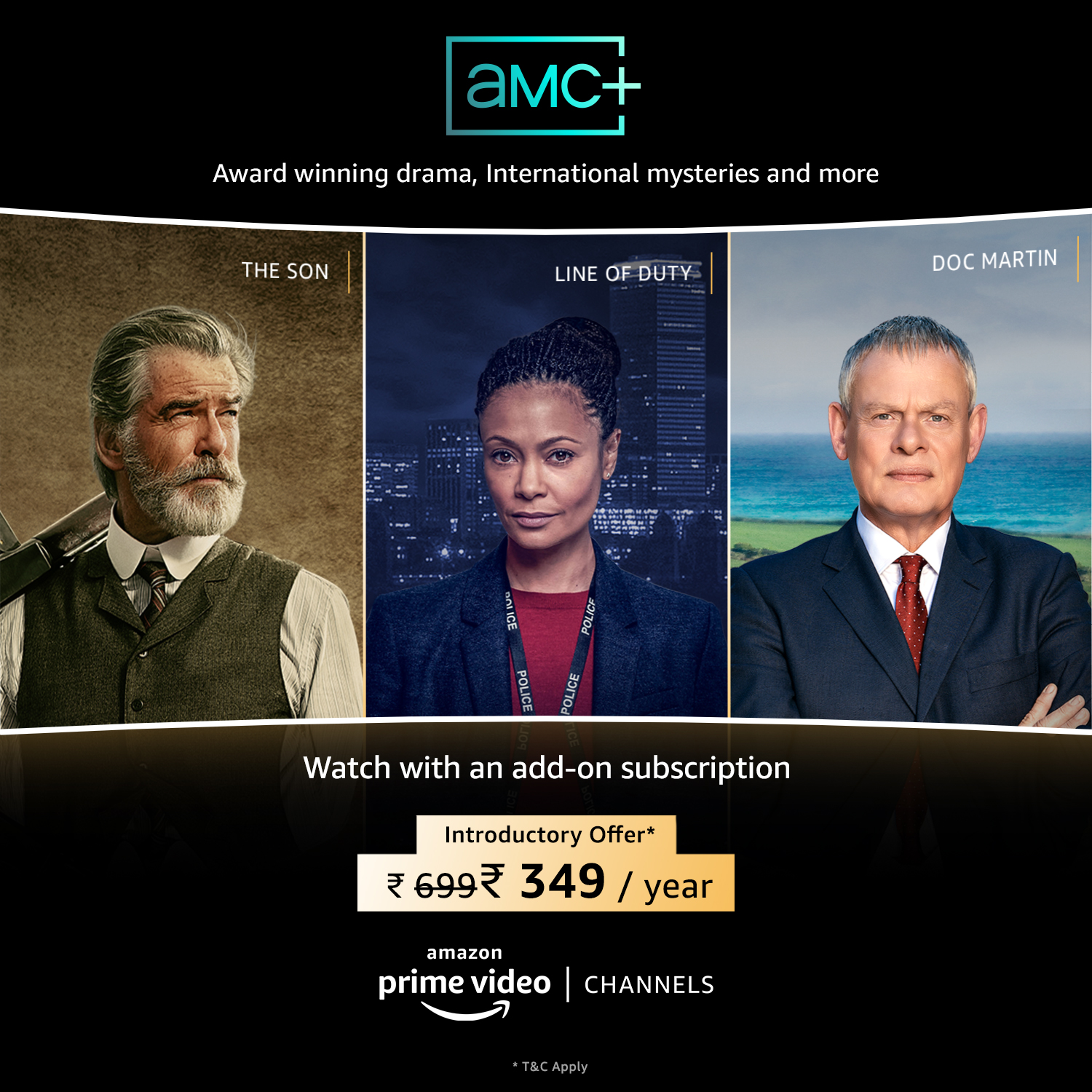 Amazon Prime Video and AMC Networks, an American entertainment company, have announced the launch of AMC+ and Acorn TV on Prime Video Channels. AMC+ is a subscription service that offers Prime members access to scripted dramas, fan-favourite franchises, and a wide range of ad-free exclusive series and films from the US and around the world.