Blog

  • Rahat Beri: New realities of public relations in India

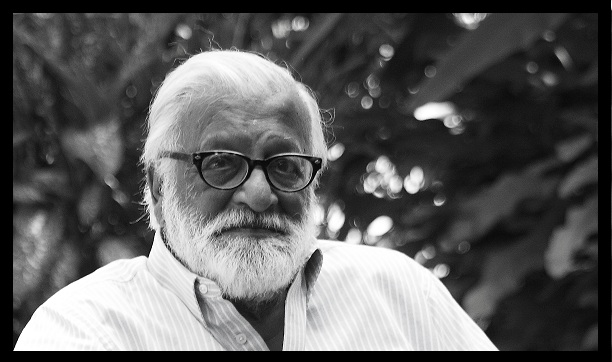
    By Rahat Beri


    The Indian PR industry, though fragmented, is gradually growing and transforming. In India, the industry size is merely Rs 150-200 crore .What the Indian PR industry needs now is to move the communications business into the next stage of evolution, and that can only happen with awareness of the depth and scope of PR.


    In the last decade the market has evolved and also the coporate’s need for image building and leveraging strategy. Technology has started to transform the way public relations works today. Social media is redefining the PR tools, giving this huge opportunity to professionals to truly interact not just with press but public at large. In the Indian corporate sector, PR is well understood and accepted. More companies are investing in PR as social media is in sync with any communication in India and globally as well.


    With the emergence of blogs, user-generated content and other social media tools, there is a lot of debate about the digital space being the final frontier for brand communication. The face of PR is, of course, in digital. But, let us not forget that we are in a country which is still only beginning to explore the variedness and pluralism of traditional media. In fact India will be a great case study for blossoming PR since clients are amazingly enthusiastic about experimenting with new forms of communication, at the same time blending with traditional and alternative methods of communication.


    The new realities

    In addition to the modern organizational culture in India, it is evident that corporates understand the importance of managing both corporate reputation and brand image. Also increasingly stakeholders are more aware, educated and sophisticated about the choices they make. Social media specifically has enhanced the role of a PR agency. In a fast-evolving market-place, 2010 saw the continued expansion of digital and social media with companies and government agencies adopting new channels to communicate and engage with consumers, key influencers and all brand stakeholders.


    PR is becoming broader and strategic. PR professionals will need to develop a new hybrid set of marketing and communication skills, which will include the factors of management consulting, business intelligence, advocacy, reputation management, direct marketing and Internet strategy.


    PR is moving beyond media relations to digital communications, continuous flow of information, advocacy and image management. Digital will probably be the single biggest change in the business as it is new, innovative and dynamic, and gives quick results. Digital communication will ultimately change everything about business.


    PR industry is increasingly embracing new technologies, emerging trends, and the IT industry in a way that fosters honest communication and true relationship-building for both its clients and itself.


    PR is becoming more integral to the overall marketing communication of the company. It is getting integrated within the cultural profile of an organization, within the values embedded in the organization; and it is one of the strongest ways to ensure commitment and loyalty for the organization from various brand stakeholders.


    The rise of various forms of media has not only made the PR department more important in the overall marketing plans of a company but has also expanded the key responsibility areas for a PR agency.


    Given, PR companies gear up to undertake this new route to do business effectively. It is no surprise that public relations firms in India will be thriving provided they meet the following industry challenges.


    Challenges for the PR industry

    The high-growth PR industry is unfortunately caught in the classical trap of oversupply of clients and a shortage of good talent. One of the biggest challenges being faced is the lack of talent entering the industry – both in quality and the quantity.


    The PR business will need to develop a more consultative, brand custodian and strategic approach to meet the increasingly sophisticated challenges faced by its clients.


    PR professionals will need to unite around a measurement standard that emphasizes business results rather than media results.


    The state of PR pedagogy in India is yet to attain rigour and is theoretical. The industry needs to move cohesively towards a curriculum and talent that will be able to meet their needs.


    The PR industry will need to fend off competition from other disciplines that believe they have the skills to help companies communicate and engage with their stakeholders.

    The industry will need to recruit and retain top talent, persuading people that public relations is a worthwhile and rewarding career, a perception problem of the PR industry.

    If the Indian PR industry can meet these challenges, the potential for growth over the next decade is nothing but spectacular. There is immense opportunity to make PR a more important part of the communications arsenal using digital tools.


    Rahat Beri is COO – Percept Profile.
     

  • Reviewing the Reviews: Players

    Players

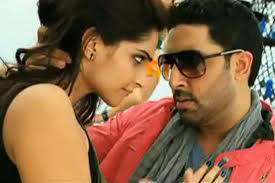
    Key Cast: Abhishek Bachchan, Sonam Kapoor, Bobby Deol, Neil Nitin Mukesh and Bipasha Basu

    Directed By: Directed by: Abbas Mustan

    Screenplay by: Rohit Jugraj, Sudip Sharma

    Produced by: Studio 18

    Doesn’ t happen too often that critics are unanimous in their panning of one film. This feat was achieved by Abbas-Mustan’s Players.


    It was laughed at for uinintentiona1 stupidity, made worse by the fact that is was an official remake of The Italian Job, which is classic heist thriller made in 1969 and 2003, of which the director duo have made a right roya mess. Another bummer for Bachchan Jr. 0ne and a half to two stars across the board, except for the over generous Nikhat Kazmi of the T0I, who gave it 3.5.


    Here s a selection of extracts:

    Sukanya Varma, of rediff.com found it lack’ustre and unimaginative: The real problem with this official remake of The Italian Job is that instead of reproducing a perfectly nuanced screenplay as it is, it tries to act too smart, with excessive elements and needless tampering, in the process making a complete fool of itself. Why can’t you stick to the plan, Bollywood? All this time we witness our filmmakers rip-off Hollywood scene-by-scene but the minute they acquire rights, they are hit by an army of brainwaves or an insuppressible need to improvise (read flounder).


    Gaurav Malani, IndiaTimes Movies:After making a career out of surreptitiously remaking foreign films forever, director-duo Abbas Mustan have proved their recycling capabilities credibly enough to win the opportunity of directing an ‘official’ remake of a Hollywood flick. They have stars, budget, virgin locations and also a readymade film (rather two of them) for reference. But that know-all impudence of the directors to Indianize The Italian Job is like having a pizza with Punjabi tadka topping.


    Aniruddha Guha in DNA: It takes a lot to rip off a film and make it palatable for Indian audiences, and the Men In White, Abbas bhai & Mustan bhai, have done that all their lives. But it must really take a hell lot to buy the official rights of a film, have the license to remake the film scene-by-scene and then say, “You know what, we have the rights to screw with it, so let’s do it.”


    Rajeev Masand, IBN 1ive: Abbas-Mustan, who’ve successfully delivered some engaging thrillers over the years, know a thing or two about pace. ‘Players’ is packed with relentless car chases and plot twists, and the directors throw in their usual stock of skimpily dressed babes and seductive item songs. What they grapple with, unfortunately, are the little details….What fails the film after all, is the over-enthusiasm of its makers, who overstay your hospitality by dragging the film on for an unforgivable 2 hours and 45 minutes. Also, harsh as this may sound, the film suffers considerably on account of its dull cast.


    Mayank Shekhar, HT: With movies per se the scene gets quite muddled up and murky. Almost always. Nothing could’ve prepared you for the moronic mayhem that follows here either. Computer hacker villain (Neil Nitin Mukesh) is now the new-age Shakaal with voice-reognition software across his deadly mansion, “Open the door, baby.” Door opens. “Shut the gate, baby.” Gate shuts. He gawks at girls at various nightclubs from his media room, flicking on screens of his giants iPads, choosing one girl for every night. BMW’s Rs 25 lakh MINI Cooper gets to insert the world’s longest 70 mm commercial through this pic, incidentally on the week of the car’s launch in India.


    Karan Anshuman, Mumbai Mirror :Good films are about bringing new ideas to viewers, and Players is antithetical in this respect. In the remake, the writers substitute what little logic was there to begin with, with songs and add deliberate cheesiness to make the film more accessible for the masses. Indian filmmakers have a tendency to speak down to their audiences, but with Players one suspects that the makers truly believe that this is what cutting-edge is. Two stars, one word: random.


    Shubha Shetty-Saha, Mid-Day : If English is a phunny language, Bollywood is a really phunny place. For several years, it blissfully went through a phase when Hollywood films would be copied scene by scene, with the filmmakers even while blatantly credit stealing, pretended to be making an original film. Now that our conscience is clear and we have the fear of getting sued (whichever comes first), we have started acquiring official rights of Hollywood films. And what do we do with that pricey legal document? We cock a snook at the original script; make it so Bollywoodised that the end product seems the far removed desi bred poor cousin of the original. What is the brilliant idea behind this? No idea sirji!


    Shubhra Gupta, Indian Express: The guys have zero impact. So do the gals. Bipasha is same old, despite the stringiest of bikinis, and the only surprisingly not-bad thing Sonam Kapoor does is to dance dirty. In other places, she is part of the furniture. Even the iconic chase scene starring the colourful Minis, faithfully lifted from the earlier films, is long and dull. Just like the film.


  • RAMcheck: No changes in top rankings in four metros

    By A Correspondent


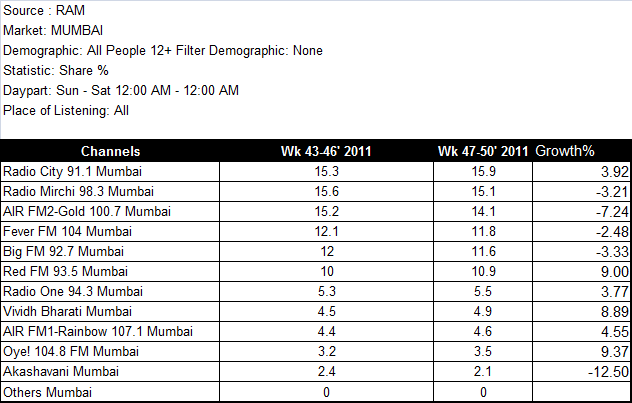
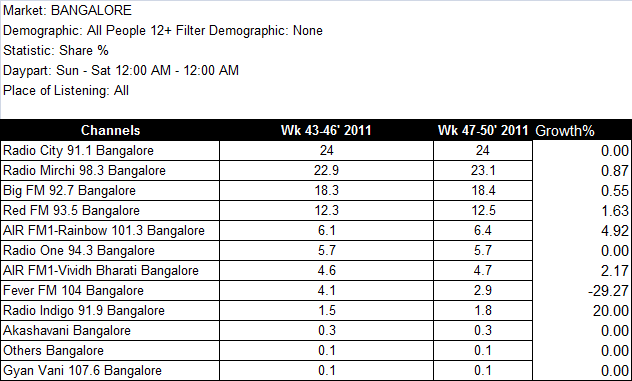
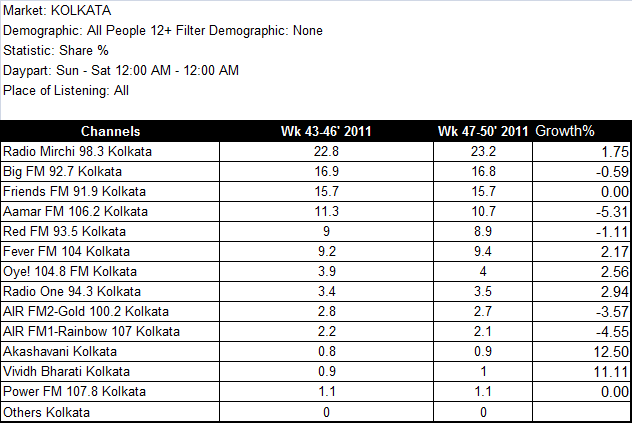
    On Friday, January 6, 2012, Radio Audience Measurement (RAM) – which covers four key metros, Mumbai, Delhi, Kolkata and Bengaluru – released its latest radio listenership figures for Wk 43-46 (last two weeks of October and 1st two weeks of November 2011) Vs Wk 47-50 (Last two weeks of November and 1st week of December 2011).


    According to the latest RAM data, for listeners of 12 years and above, and according to radio channel shares, Radio City, Radio Mirchi, Big FM, Red FM, Fever FM, Radio One, Oye! FM were some of the top FM stations in the big four metros.


    Mumbai:

    In Mumbai,Radio City further strengthened its leadership position in Wk 47-50 as against Wk 43-46 with a growth of 3.92 per cent in its channel shares. Radio Mirchi was rated the second most popular FM station in terms of channel shares followed by AIR FM2 Gold, Fever FM, Big FM, Red FM and Radio One. The other clusters of FM stations in the city are Oye! FM, Vividh Bharati, AIR FM1 Rainbow and Akashavani Mumbai.


    Besides Radio City, Red FM, Radio One, Oye! FM, AIR FM1 Rainbow, Vividh Bharati and Akashavani Mumbai are the only radio stations to have shown growth.


    Delhi:

    Most radio stations inDelhiwitnessed growth in the channel shares in Wk 47-50 as against Wk 43-46. AIR FM2 Gold emerged as the number one FM station inDelhi, its channel share however remained stagnant. Fever FM slipped to the number two position in Wk 47-50 after its channel share saw a decline as compared to Wk 43-46. Fever FM and AIR FM1 Rainbow were the only two FM stations inDelhito have seen a decline in channel shares on Wk 47-50 as against Wk 43-46.


    Radio Mirchi was the third most popular FM station followed by Red FM, Radio City, Big FM, Radio One, and Oye! FM. The other clusters of radio stations inDelhiinclude AIR FM1 Rainbow, Hit FM, Vividh Bharati and Akashavani Delhi.


    Bengaluru:

    There was no change in the station rankings in Bengaluru.Radio City continued to lead Bengaluru followed by Radio Mirchi and Big FM. While Radio City showed neither growth nor decline in its channel share, Radio Mirchi and Big FM saw marginal growth. Fever FM, however, was the only FM station that showed decline in its channel shares.


    Kolkata:

    Kolkata too saw no change in its station rankings. Radio Mirchi, Big FM, Friends FM, Aamar FM and Red FM were the top five FM stations in Kolkata in terms of their channel shares. Radio Mirchi, the most popular FM station in Kolkata has further strengthened its leadership position with a growth of 1.75 per cent in channel shares in Wk 47-50 as compared to Wk 43-46.


    While Radio Mirchi’s nearest rival in Kolkata, Big FM came a distant second with a slight decline of 0.59 per cent in terms of its channel share, the third most popular FM station in Kolkata, Friends FM remained stagnant. Besides Radio Mirchi, Fever FM, Oye! FM and Radio One were the only private FM stations in Kolkata to have witnessed growth in channel shares.


  • Remembering Bal Mundkur


    By A Correspondent


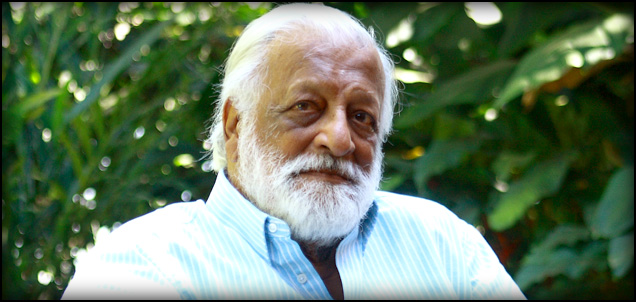
    Founder of Ulka Bal Mundkur, 86, passed away on the morning of January 7, 2012 of heart failure at his residence, ‘Surya’, in Reis Magos, Goa, overlooking the Mandovi River.


    The agency, now Draftfcb + Ulka, celebrated its 50th anniversary last year and is ranked the third largest advertising group in the country.


    Mr Mundkur was originally a naval officer, and later a commercial airline pilot. A modelling offer from his brother, who worked at Levers, marked his entry into the world of advertising which he joined in 1951. Ten years later Mr Mundkur founded Ulka, which means shooting star, and the agency’s career was indeed starry. In a span of 10 years, Ulka became the fourth largest agency in the country, and by far the largest independent Indian start-up.


    A release from Draftfcb + Ulka says, “An avid collector of all things rare and beautiful, Bal’s prized chess set starred in Satyajit Ray’s celebrated Shatranj Ke Khiladi. Bal was not just a businessman, but he was also an extremely passionate crusader for a wide range of causes, from a building for a cerebral palsy hospital to bringing the choir of Trinity College, London on a tour across India.


    “In the nineties, Bal retired… and moved to Goa, where he continued working for causes close to his heart – which included helping set up Asia’s very first Museum of Christian Art in Goa.


    “Bal remained full of energy and enthusiasm till the end – at 85 he set up the Centrum trust, which recently published Ad Katha, the story of Indian Advertising over the decades.


    “Bal has moved on, but he will live on in the hearts of those who knew him.”


    Read:

    Obituary – A dash of spice

    http://www.mxmindia.com/2012/01/obituary-bal-mundkur-slogans-spice-and-a-bite-of-song/


    Tributes – Warmly remembered

    http://www.mxmindia.com/2012/01/bal-mundkur-man-and-memories/


    Mediaah!: RIP, Bal Mundkur

    http://www.mxmindia.com/2012/01/mediaah-rip-bal-mundkur/


    Photograph: Shreta Arora/O Herald O

  • Anil Thakraney: The Bigg Boss Diary

    By Anil Thakraney


    Chances are, if I wasn’t hired to write a blog on media and advertising, I would have given Bigg Boss a quiet miss. Watching fishmarket fights right before dozing off isn’t really my idea of fun. But watch I did, now and then, and now that the show is done and dusted, some observations.


    I have to grudgingly admit that the show is a success in India. Viewership ratings have been climbing every season, and the fifth season opened with a very healthy 4.3. It later fell a bit and hovered around 2, but even that’s not bad for a 10.30 PM reality show. Of course, the grand finale must have recorded a much higher figure. Another indicator of its popularity is the media’s huge interest in the show. Hindi news channels kept a faithful coverage going (they went near orgasmic when the final results were announced) and the show has been a hot topic of discussion on Twitter as well. Much as I hate to admit is, Bigg Boss is here to stay.


    It was quite clear Salman Khan was calling many shots on the show, and was playing way beyond the designated role of an anchor. I would not be surprised if he had a part to play in the elimination rounds, and this makes me wonder. Is the channel not able to stand up to a top actor? Or, is Sallubhai planning to pick up stake in the network? Contestant Pooja Bedi’s absence at the finale raised many eyebrows. She had been tweeting about Salman and Mahak Chahal’s (another contestant) good ‘friendship’.


    Sanjay Dutt does not fit into this format at all. A crashing bore. Hope we won’t have to suffer him in the next season. There’s already enough grief coming from the insane inmates.


    While I understand the show needs crazy and edgy contestants to keep the fights going (and therefore the ratings), do all of them have to be loonies? Does it not make sense to invite at least a few intelligent people on the show to provide some balance? That way, in between ugly confrontations, we viewers can be rewarded with a few meaningful conversations. Surely that would boost TRPs a bit. Something for Colors to think about for the next season. Even a mental asylum has doctors and nurses.


    I failed to see the need for a porn star if she cannot strip on the show. What’s the use of burning so much money on a contestant who cannot do on a family channel that which she knows best? Also, the very burnt-out Shakti Kapoor was a terrible idea, a disaster. And Swami Agnivesh?? Makes you wonder if someone is thinking clearly on the casting.


    Finally, can we please be told how many people voted to keep a contestant in the house? Can we have some numbers please? Can we have some transparency please? So that the frequent charges of rigging can be diluted to a certain extent?


    ***


    [youtube width=”400″ height=”200″]http://www.youtube.com/watch?v=W7av4zOpUSk[/youtube]

    PS: England and Chelsea football captain John Terry has threatened the Indian government with legal action. A photograph of the footballer has been cleared for use on an Indian ciggie brand. Well, hope he does file charges and seek compensation. The government makes too much dosh on excise duty in this product category, and smokers will be happy if some of that goes to a footballer.


  • Bal Mundkur passes away

    Bal Mundkur
    Bal Mundkur

    By A Correspondent


    Bal Mundkur, veteran adman and founder of what is today DraftFCB Ulka, passed away in Goa today. Mr Mundkur founded Ulka in 1961 and was recently seen mingling with the fraternity at Ad Asia 2011 where he also released Ad Katha, a special volume tracking the history of Indian advertising.


    He will be cremated tomorrow (Sunday).


    Notes a citation on the 50 years of the agency (at http://ulka50years.com/history.html):


    “50 years back, a gentleman felt that there was a need for an Indian agency that would challenge the then agency stereotype. He was convinced that the main cities had abundant talent and a community of entrepreneurial clients would embrace an agency that could do pioneering work based on the principal of ‘accountable marketing.’


    Bal Mundkur founded Ulka in 1961 and within the first ten years, the agency made a smooth transition from a creative hot shop to a large mainstream agency. Today, the agency is in the top 5 with 50 of its brands being category leaders.”


    * Please stand by for detailed report


    Also read: Seminar” href=”http://www.india-seminar.com/2004/543/543%20bal%20mundkur.htm” target=”_blank”>An Outsider in Goa (an article in Seminar magazine, published in 2004)


    Photograph: Shreta Arora/O Herald O


  • Kejriwal’s TOI article: same old same old

    By Ranjona Banerji


    Arvind Kejriwal has reached out to fellow Indians in a plea in The Times of India today. The front page of The Times of India says ‘Team Anna confused, does not know the way forward’. It quotes from an article which Kejriwal has written for the paper. But while the front page report talks about the “apparent” confusion in Team Anna, especially after it has been attacked for going after the Congress while being soft on other parties, Kejriwal’s article is, in fact, the same old same old. He does not talk about the Mumbai debacle; he adds a throwaway line about the BJP and corruption but concentrates the article on the perfidy of the Congress.


    Anna Hazare’s ill-health, he conjectures, had more to do with the bad Lokpal bill presented by the government than anything else. If one can venture an opinion, it is this single-minded insistence on attacking only the Congress which has worked against Team Anna. If it loses media sponsorship, it might find the way forward a tad tough. Kejriwal has asked concerned citizens for ideas on how the movement should proceed. It will be interesting to see those suggestions.


    Meanwhile, Hazare’s health remains a matter of concern, with most newspapers and channels focusing on it. TV continues to target members of the anti-corruption movement. The BJP is not the flavour of the week at the moment and if you do not come out strongly against it, then TV will not forgive you – this week at least. This leaves the leaders of the anti-corruption movement floundering a bit since they have not had their core committee meeting to decide on what to do yet! Till the triumvirate speaks, all are lost!


    * * *


    The Indian traders who were detained/ tortured/ attacked in China got so much play on TV that newspapers have started giving the incident more attention. Of course, newspapers have the advantage of setting aside nationalistic outrage and looking at the larger picture. Which includes: other traders not wanting to stop going to that part of China since stuff there is cheap and China requesting Indian traders to follow their laws! This makes for a much larger and more complicated story.


    * * *


    Inflation is down the newspapers tell us and interest rates may be cut as well. Presumably, this is good news.


    * * *


    Will Friday night and Saturday morning be all about slamming the Indian cricket team for its dismal performance so far in Australia? I’m not a fortune teller but my crystal ball says that heavy weather is approaching for MS Dhoni and company!


  • Suresh Balakrishna to join LMG, Premjeet Sodhi likely to replace NP Sathyamurthy (who is joining Mudra)

    By A Correspondent


    Senior mediaperson and former chief operating officer of Mail Today, Suresh Balakrishnan is getting back to the Lintas Media Group fold. He is likely to be CEO of one of the agency’s arms and will report to LMG chairperson Lynn de Souza.


    Confirming the news to MxMIndia, Mr Balakrishnan said he’s looking forward to returning to LMG after a gap of nearly a decade.


    In his 25-plus year career, Mr Balakrishnan started his career in publishing with The Times of India group and spent a fair amount of media agency business at Initiative Media. After he quit Mail Today last year, he took a sabbatical and taught media management at the Symbiosis Institute of Mass Communications amongst others.


    Meanwhile, as reported by MxMIndia on December 15, N P Sathyamurthy is moving to Mudra. He is likely to be replaced by Premjeet Sodhi who is currently with LMG as president, The Collaborative. Yesterday, LMG also announced the elevation of Deputy CEO Sudha Natrajan to CEO of Lintas Initiative Media.


    Image courtesy: Stratagem Media


  • Bajaj Allianz: ‘Not keen on chasing numbers’

    With the current economic crisis casting a dent on the prospects of certain industries, it is turning out to be a testing phase for many players. Not the one to be spared, the insurance sector too has been jolted by the sudden turn of events. Adding to its woes is the recent shift in policy decisions that have been issued by the government in streamlining the industry, but the industry players are responding positively to the new diktat as it would ultimately mean netting in more customers. One of the players who is doing everything right to face the future is Bajaj Allianz.

     

    As Head-Product Development and Market Management, Bajaj Allianz Life Insurance, Rituraj Bhattacharya is taking the onus on himself in adding new customers but not without doing enough ground work and coming up with solutions tailored to meet the needs of the customers. In conversation with MXM India’s Johnson Napier, Mr Bhattacharya shares the reasons behind launching new schemes and why ULIPs would be a suitable investment option for most customers, especially those from the tier 2 & 3 towns and cities, in the future. Excerpts:


    Q: As Head of Product Development & Market Management what are your key responsibilities at Bajaj Allianz?

    It is relatively a difficult time for the industry at large. The new regulation that has come in is customer-centric and has resulted in insurers reassessing their business models. Some of the basic practices that were being followed by retail insurers are being revisited. So it is a period for a lot of consolidation in terms of business models, where players will be forced to develop long-term practices in the organization. A lot of emphasis in our organization has gone in training our work force and preparing them for the future. Once this entire process of training and consolidation is over, we expect better results to come out of the exercise.


    Q: How have the insurance players responded to the sudden shake-up in systems and practices?

    The industry is still in a learning phase and therefore the regulations as a practice will also have to keep evolving. It’s part of the ecosystem. I don’t think it’s only the regulator that is to be blamed; there is some amount of uncertainties in the consumer’s mind. Inflation, fuel prices, etc have taken its toll on the consumer. And where the insurance players are concerned, they too have not been able to replenish their product basket. This has led to consumers being exposed to lesser product offerings from the players. All these factors put together have contributed to the current situation.


    Q: Despite the decibels, insurance is still perceived as a ‘fragile’ investment option. Why are customers still apprehensive about opting for an insurance policy?

    I don’t think that’s the case. If you see, globally, insurance has been a successful offering. It has survived two world wars and other natural calamities where Allianz has settled so many claims. In India, most insurance players like us are financially very stable. Our capital is high, we have a higher solvency than what the guidelines prescribe, etc. So the issue is not about financial stability, it is about the current economic situation that affects different practices as well. It’s just a matter of time before we overcome this crisis.


    Q: What are the investment trends you foresee from the tier 2 and tier 3 towns across India?

    One thing that can be said with certainty is that the insurance penetration is definitely high. Recent studies conducted by IRDA reveal that the awareness levels around insurance products are on the up. People see insurance as a tool, device, instrument that helps them diversify their risks, assets and at the same time get adequate coverage for life. In fact, insurance is the only device which a person with a low disposable income can use to diversify his portfolio. If you see a person with low income around Rs 10-15,000 he finds it difficult to manage his assets around so many different instruments; but he finds it easy to do that within various offerings of a single insurance company.

    In Bajaj Allianz we are happy to cater to the tier 2 and 3 cities. Around 75 per cent of the business comes from these two segments. That’s because we have been able to develop a personal relationship with the consumers from these belts.


    Q: Could you share the growth pattern that has been observed at Bajaj Allianz?

    We have consistently added new customers to our portfolio. In the last financial year, we have issued around 2.2 million policies. We have a total customer base of 8 million insurers. We currently occupy a market share of around 2.8 per cent.


    Q: Could you elaborate on the objective and need for launching new ULIP schemes recently?

    GMIP is a completely new offering from us. We are trying to cater these offerings to certain new growth pockets where we are trying to offer solutions that suit these segments of the population. As a company, we are keen in doing a more stable business. We are not keen in chasing numbers; we hope to deliver quality products with emphasis on strong customer satisfaction.


    Q: What do the newly unveiled commercials seek to propose to the customer?

    If you look at our current communication campaign including the one around GMIP – I think we are more keen on what we as a brand want to deliver to the customer. We want to tell the customer what is the very essence or the insight behind our products that we offer. It is about learning facets about the customer and offering him products tailored to meet their needs. Our latest GMIP commercial talks about uncertain situations that we face in our lives and how we can overcome the same. Given the uncertainties that exist today, is the common man willing to go back to traditional ways of investing? We don’t think so. He is aware of the complex regulatory policies and is therefore on the lookout for products that are simple and address his needs. That’s what we seek to address through our communication.


    Q: Apart from regulations, what are the other challenges facing the industry?

    Changes in regulations are not a challenge as such; it is ultimately being done for the betterment of the industry. It has come as a jolt in the short term because that will mean change in systems and processes. The real challenge is not regulations, it is about how we do our business and develop products for our customers.


    Q: With the coming of several new private players, do you see the dominance of the country’s largest insurance player LIC on the wane?

    LIC is and will continue to be one of the strongest players. We are very small compared to them but customers have opened up and are keen to try out other insurers as well. Most of the customers who have tried us have an LIC policy also, but they are also satisfied with what we have to offer.


    Q: What would be your core focus areas for 2012?

    Over a period of time, I see ULIP getting more preference amongst customers especially those with lower incomes as it promises them more options to save and manage their money. If you see Bajaj Allianz, we have already lined up many products under ULIP. That’s because our focus as an organization is to cater to the masses. So the plan is to increase our portfolio of ULIPs while at the same time we will keep our portfolio of divisional products equally prominent. This will be our key focus in coming years.


  • The Anchor: 9 reasons creativity in advertising is underpaid

    By Sandeep Bomble


    Famous Myths

    #1 India still believes in paying for tangibility. Working hard is often recognized. Man hours matter and define work. Thinking is still an intangible quality which is perceived to be present in everyone.


    #2 Creative beings are often mistaken and perceived as souls only hungry for quality work. They can go to any extent to attain their desired passion. Money is secondary for them as long as their passion is groomed on the right track.


    #3 In India, qualifications and degrees are everything for a well-settled life. A degree holder can demand a big pay cheque. And why not! After all he has spent a bomb on his professional course. How could he consider a 10th pass Art professional as his peer? How can creativity come with a ‘qualified’ tag? “He can’t possibly be creative with no degree backup,” is something often heard, whereas this creative fellow could be a visionary with immense guts to break every clutter.


    #4 It is about the client’s attitude towards creativity. The “anyone can do what you do” attitude. Today, a creative agency goes all out to crack a brilliant communication strategy. Intensive research. Deep thinking. Uncompromised approach on the final execution. Great efforts together bring out that distinctive piece of work. Which can be simple in nature. And the simplicity which isn’t so easy to achieve after reading the most complicated brief often draws the comment: “Oh, even my secretary can write better than this.” Or “My 6-year-old son can draw a better logo for me”. Well, so how would creativity get its due respect and worth?


    Brutal Facts

    #1 The clients have become better negotiators than the agencies. With the advertising market expanding, the retainer figures are going down considerably. even the biggest of the agencies are going low on retainership. Consequently, suppressing the quality small agencies to further compromise on creative fees. As a result, the agencies aren’t comfortable in approving heavy salary cheques down the line. It’s sad but true. This is definitely affecting the quality of work. As the industry isn’t working on what they deserve, but is rather content with what is available.


    #2 The growth in advertising revenue, though being healthier every passing year, can in no way be compared to a lot of its major peer sectors. The turnover of the advertising industry is significantly less in contrast to telecom, IT or financial sectors. Thus the advertising agencies cannot afford to pay their creative employees more than their annual budget.


    #3 Many of the budding creative people lack confidence to ask for the best price for their creative abilities, during their onset. It is only after some years that they realize their creative potential and develop enough self-esteem to rely on the instincts, abilities, conviction and gain the right exposure to demand a more lucrative pay slip.


    #4 The young guns who are fresh entrants seek a break to release their potential to the best of their abilities. They vie to work with the best of the creatives, so, if they go to the well-known industry they come mentally prepared to work for peanuts in bargain for their own development. They fear losing an opportunity in a reputed, sought-after ad agency, and thus sadly settle for whatever the agency wishes to pay them.


    #5 If the creative guys ask for double the salary as compared to their peers or what the agency thinks is best for them, then they have a greater possibility of not being selected because equal numbers of creatives are ready to work for the same or even lesser amount than the industry standards. Thus the agencies rather go the cliched way of having two brains for the price of one expensive quality brain.


    If only we could break these hardbound myths and dispose of them, by practising a common slab of retainership. For instance, charge Rs 5 lakh as retainer fees even to the smallest client. In return, the client enjoys the gradual brand growth, justifying the creative fees in the long run. This way we could standardize the industry format, solving some of the brutal realities, so that creativity breathes fresh and takes pride in matching shoulders with other mighty sectors, head-on.


    Sandeep Bomble is the founder of Palasa.


  • Rock Street Journal founder Amit Saigal no more

    By Akash Raha


    Amit Saigal, Founder and Editor of Rock Street Journal (RSJ) passed away on January 5, 2012 in Goa. According to reports, he was drowned.


    Mr Saigal was a rock lover and an artist himself. He was a part of a band called ‘Impact’ in his early days.


    Mr Saigal, along with Shena Gamat Saigal, started RSJ, a monthly magazine that covers the rock music circuit inIndiaand South Asia in 1993 atAllahabad. He printed the first edition of RSJ at his own expenses inAllahabadand distributed approximately 2,500 copies for free as the magazine hardly had any buyers then.


    But the magazine soon caught the attention of rock lovers and started getting rave reviews. Ever since then, the magazine remains a favourite with rock lovers. Over the years, the magazine has helped to build immense support for rock musicians inIndiaandSouth Asia.


    The magazine is now published fromDelhi. The RSJ group also hosts the Great India Rock Festival, which gives new and budding rock talents a platform to perform.


    Amit Saigal, through his publication and concerts, revolutionized the rock scene in India. Mr Saigal’s untimely demise comes as a shock to one and all.


  • Anil Thakraney: Sach Ka Saamna: A new low in TV programming

    By Anil Thakraney


    I watched two episodes of Sach Ka Saamna (SKS) Season 2, and I must say in contrast, Bigg Boss feels like a house of angels. SKS is a completely debauched and exploitative format, where the poor and the desperate are encouraged to wash their dirty linen in public. And in return, they could take home a crore of rupees. A few lakhs in the bag is almost a certainty.


    Some of the questions put out by the host would make even hardened souls cringe. They range from cheating at workplace to hatred for parents to adultery in marriage. And all this as the contestant’s family sits in the audience. Hottie host Rajeev Khandelwal sweetens the bitter pill by complimenting the buggers for being courageous, and that’s total bullshit. There is no courage out here, only exploitation.


    Remove the prize money, and no one would want to appear on the show, that’s the hard truth. So careers get destroyed, families get broken, marriages lie in ruin… but all justified under the garb of ‘speaking the truth’. Wow!


    The show’s TRPs for season 2 are quite poor. But that could be because this time it’s being aired on the channel Life Ok, Star One’s new avatar. More people will discover the channel and the pathetic show, so with time the ratings will go up. Who on the earth would want to miss out on such depraved programming? It appeals to the ultimate sadist in all of us.


    No, I am not being moralistic out here. And I am aware that desperate for viewership, channel heads would push the envelope on programming. But how can anyone justify blatant exploitation? I would be okay if they only featured loaded celebrities on the show. Richie-rich people who want us to enter their bedrooms only because they enjoy the trespass. But feeding on people’s poverty cannot be condoned at all. Hope Sach Ka Saamna dies a miserable death. Sooner the better.


    * * *


    PS: Must read for all creative people. Great tips on how to energize inspiration and battle creative blocks.


    Link: http://m.guardian.co.uk/culture/2012/jan/02/top-artists-creative-inspiration?cat=culture&type=article


    Former editor and ad man Anil Thakraney is editor-at-large, MxMIndia. The views expressed here are his own