Category: ADVERTISING

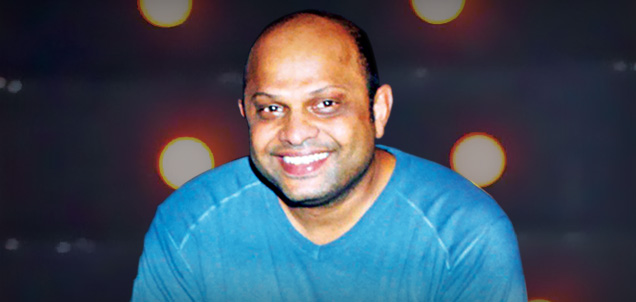
  • Disappointed at not winning the Grand Prix: Agnello Dias


    By Anil Thakraney


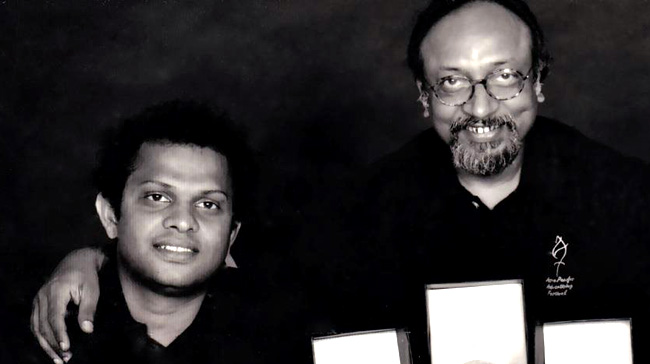
    Taproot’s Agnello Dias and Santosh Padhi ‘changed the game’ for Pepsi. And they’ve done ditto with the Indian ad world. Their huge, rapid success has prompted many creative directors to sit up and seriously consider starting their own little shops. Some have already branched out.


    Creative hotshops aren’t a new phenomenon in this country. Ravi Gupta, elsie Nanji and Mohammed Khan opened their boutiques many years ago. What’s different with Taproot is that they have been doing stunning work for large clients. Like Pepsi, TOI and Airtel.


    This makes the agency path breaking and special. In just three years they have won more Abbies than the number of people in their office. Including peons.


    I meet Agnello Dias for some steaming Southie fare at King Circle’s Mysore Cafe. As India’s most happening creative director shares his mantras and his plans for the future. Aggie is that rare advertising individual who listens more than he speaks. And that perhaps is one of the key reasons behind his enviable success.


    The last time we met was three years ago. You were running around buying computers and aircons for your new agency which had still to be named. How’s the journey been?

    It’s been like mounting a tiger you can’t get off because things have moved so fast in so many different ways. In terms of the actual structure of the agency and in terms of the actual advertising work.


    Did you expect to scale such heights?

    No. I had an idea where I would be and it was much lower than this. I thought we’d be a little quieter and much less in the spotlight. But things have happened and not in the way I thought they would.


    Runner-up agency at Goafest. That is something you would never have imagined three years ago.

    (Smiles). No! We knew we’d do well, we knew we had a couple of good campaigns. But statistical superiority was something we never expected.


    You must be a proud man.

    (Thinks.) Yeah. It was quite a pleasant surprise. I am proud but it’s also slightly unnerving because I wouldn’t like us to be measured against this every year. Though we are cognizant of the fact that it’s any given Sunday, and that the same jury judging the same work again today may have a different result.


    Disappointed that your ‘Har ek Friend’ work (Airtel) didn’t win the Grand Prix?

    Yes. It would be a lie to say that we weren’t disappointed. Because one was always given to believe that a Grand Prix isn’t just about good work, but also about work that has serious impact. And we felt it did have that impact, but the jury thought otherwise. (Shrugs.)


    Any major improvement needed in the Goafest judging process?

    I think we, as an industry, stretch ourselves too thin to find hundred judges. And so we end up having, to a certain extent, judges who are not yet ready for judging. One way to solve that would be to have two categories entirely judged by one set of judges. That itself would bring down the number of judges to fifty. That way we will have a far more concentrated, mature bunch of judges. I judged at the ‘One Show’ and it is the exact opposite out there. One jury judges everything. It’s a nightmare but it can be done.


    Don’t you at times miss the comfort of a large agency?

    I am not sure comfort is the right word, but definitely the conveniences. Figuring out your own airline tickets, talking to directors and producers about edit commissions, rates, etc because we don’t have a secretary and a films department. But one doesn’t really miss the conveniences because one is so engrossed in what one’s doing.


    Do you have a client servicing team and account planners? Are you following the structural format of traditional agencies?

    We don’t have pure strategic planners. We have servicing guys but the ratio would be the opposite of a large agency. It is 5:1 in favour of creative people. We have a managing partner, his name is Manan Mehta. He’s just about 28 years old and he’s the senior most servicing guy we have.


    Are you looking to expand into other cities?

    The only option we talk about is Delhi. We are looking at it, though it may not happen.


    How many clients do you have?

    Maximum ten.


    Want more or are you happy with that?

    If we have to do more than this we will have to hire more staff.


    When you started out you said to me that you guys don’t want to be a large agency. That the day you feel you aren’t able to give personal attention to clients you’ll shut down. Has that view changed?

    (Thinks.) It may be on the cusp of changing. Because so far we have been giving personal attention and therefore we aren’t taking on more clients. We are putting them on to other agencies. We are currently contemplating within the office on where we want to be. If we take on more people, they will be one step removed from Paddy (Santosh Padhi) and me. But we haven’t decided that as yet.


    What does your own heart say?

    I think one level removed is still fine. But no further than that. We don’t want a large reporting structure.


    Does money spoil?

    Yes, it does.


    Rumours have it that Aggie and Paddy are looking for investors to sell the agency and cash in.

    When the multinational networks come to town, they do meet us. We do meet them and talk about exactly this. But in this industry you can’t just sell and go away because no one will buy that. So even after an equity sale we will have to be around for at least five years.


    But you will still make a killing. Find that tempting?

    Yes, it is tempting. We have been talking to various people but it’s not worked out inside our heads.


    Basically they aren’t making offers you can’t refuse.

    Yeah, possibly.


    Okay, enough corporate talk. Let’s move to more interesting stuff. Like creativity. How do you go about creating an ad? Any mantras up your sleeve?

    The process is the same. But within that process there are a few quirks I personally have. We try to push a little more even after we’ve cracked it. We try not to go home early. It’s good old fashioned hard work.


    One campaign you’ve done at Taproot that you are most proud of.

    The ‘TeachIndia’ campaign (Times ofIndia). It was good creative and it’s also something I identify with.


    With ‘Har ek Friend’ I felt you guys have a good understanding of Young India. Did you hang out with the kids, or was that gut feel work? Do you research before starting out?

    Yes, I do. I try to walk the streets, I walk from Matunga (home) to Mahim (office) many times. I stop at all kinds of shops and observe. I once ordered from the teleshopping network just to see how the packet arrives. And I do these things even when there’s no brief. Also, what’s worked for me is that I get fascinated by people who disagree with me. I like to spend more time with them. I think it’s important for all young people in advertising, or anywhere else, to create a persona where people feel comfortable enough to give them negative feedback.


    When you hire, what is the one thing you look for in a young creative person?

    First, I look for resilience. Creative stamina. Because unless you come back as equally strongly as the last time, you will not have a long, successful career. Another thing is keen observation. People who notice things in a room which others don’t. And they should be good listeners.


    The biggest challenge facing the creative director of today.

    I think most national creative directors in large agencies are good. But the structure has turned on itself in such a horrible manner that they have no choice but to be so thinly spread that they are not able to do justice to a particular brand. And the reason for that is the accumulation of overheads by large agencies. So instead of one, you have to focus on eight other accounts because there are eighty other guys sponging off that account. See the number of designations going around. So the agencies should free their creative directors from having to do so much.


    What will the ad agency look like ten years from now?

    I can’t say ten or fifteen years, but the business will become craft agnostic. For example, there are some people who are creative thinkers or planners. And there are some who are not thinkers but craftsmen. Now these guys, because of their high level of craft, become indispensable. And they are given designations or titles which is actually a function of creative thinking. So good art directors become creative directors and attend research briefings though that’s not their core competency. In the future I see press ad shops, where you can get a press ad made. Or film scripting shops. And the ad agency would be a bunch of free thinkers. I think the unbundling of advertising will move to the unbundling of creative.


    Having said all this, is there one senior creative director you do admire?

    (Thinks for a long time.) I like Rajiv Rao (O&M). I think he has a naturally keen eye for aesthetics. He has the ability to boil complex problems down and come up with simplest solutions. And that’s visible in the Vodafone work.


    Didn’t you admire the way The Hindu hit back at your campaign for TOI, Chennai? even though it’s a rival brand.

    Yes, their response was very good. It’s a good contest. They could have done the crafting a little better, but otherwise it was very good.


    Was there any self-doubt when you started out? During the beginning period?

    Yes, there was a lot of self doubt. In fact, apart from The Times, for some time we had very little business. So we just decided to lie low and consolidate. We were open to the fact that we may have to find jobs again. even now if it doesn’t work out we’ll go and apply for jobs in creative agencies.


    One thing about the ad world you don’t like.

    The irrational level of competitiveness. I think it’s great to want to do better, but I wouldn’t applaud somebody else’s mistakes. For example, take the case of hard boiled sweets. Now every client wants to do wacky work in this category because someone started doing it. That’s great news for the whole category. The same thing is happening with electricals. Because of Havells we can’t do a normal ad anymore. We should applaud the people who started it, those who belled the cat. So what I am talking about is the difference between healthy and ruthless competition. The ruthlessness is what I don’t like. The attitude that ‘I didn’t do better so I will pull the other guy down’.
     

  • @Goafest, Taproot emerges tall. And how!


    By Tuhina Anand (with inputs from Robin Thomas)

    Photographs by Shailesh Mule/Fotocorp


    When Big Dad of Indian advertising Ogilvy pockets 51 metals at Creative Abbys at the Goafest 2012, it is something that one expects, so no surprise here really. But when a three-year-old agency goes on to become the runner-up, leaving behind the much settled Leo Burnett, DDB Mudra, Grey and JWT, it is indeed a proud moment for Indian advertising. It says that all is not lost and what still matters in the advertising business is creativity and if you have the ingredients right then there’s no one to stop you from writing your success story. Taproot India and its founders Agnello Dias and Santosh Padhi have shown the industry the might of small and given hope to many aspirants on the same path.


    Talking about Taproot’s success, Agnello Dias said: “It’s been great, a satisfying feeling, but it is also slightly scary because we have got to do even better than last year as expectations have gone up, but as of now, we are just happy that we have performed well at the awards.”


    On Taproot missing out on the Grand Prix as there were huge expectations from Airtel campaign, Santosh Padhi said: “Yes, a lot of people said that our Airtel or Pepsi campaign would win us a Grand Prix, so I think that itself is a Grand Prix for us. Therefore, we have no grudge and we are happy with the way things have turned out for us. And definitely there were two strong competitors against us for the Grand Prix.”


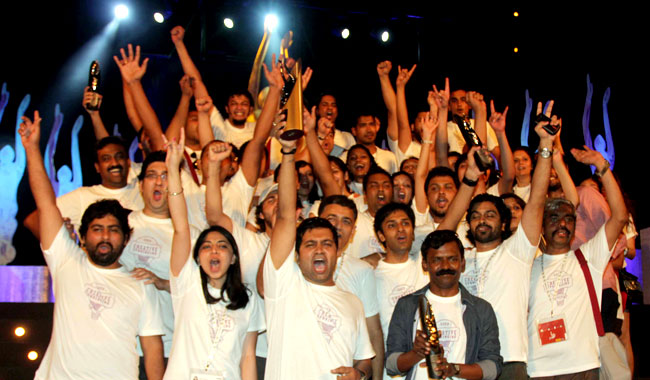
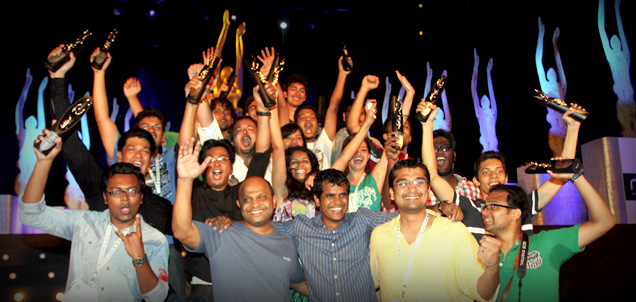
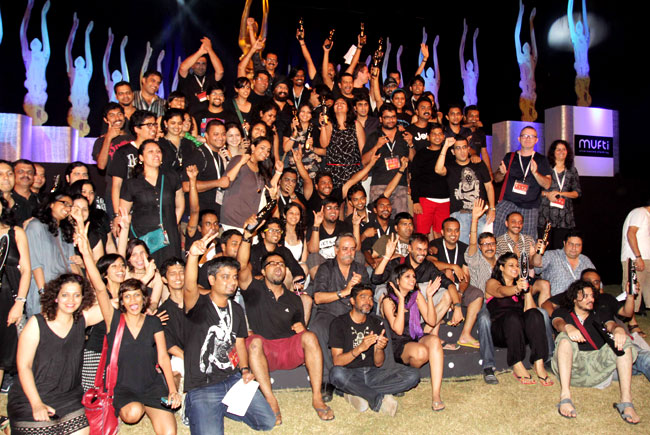
    The victorious Ogilvy team


    The most awarded work at the Goafest was for  brands, including The Times of India, Volkswagen India and Airtel. Even for Ogilvy India, the work that fetched them maximum awards was for Fox Crime. Also the work that got CreativeLand Asia its Grand Prix in the Integrated category was for Audi 8L 3D.


    TOI’s ‘Wake Up Chennai’ (that fetched accolades at Goafest) has been embroiled in controversy as it spoofed its rival, The Hindu. the ad showed how reading the old player (read The Hindu) puts people to sleep and the readers should wake up to something more exciting – The Times of India. The ad was crafted by Taproot which also created Airtel’s Har Friend Zaroori Hai that fetched many awards for the agency across various categories. In fact, Har Friend… can be dubbed among the most popular campaigns of the year.


    A happy Creativeland Asia team


    Ogilvy’s work for Fox Crime titled The Photographs case, made by Good Morning, is in keeping with the genre of the channel and creates a mini thriller for its audience, building anticipation for what to expect on the channel. Talking about the wins, Abhijit Avasthi, NCD, O&M said: “It’s been a great year as always and I think the best part is that we have done well in every category, from design to direct to digital to integrated. Obviously there are some works where one wishes we had got more recognition, like the Cadbury in home campaign, but, overall, we are very happy. I think we have got the best clients who allow us to do really some very interesting work.”


    “It’s very reassuring that we have managed to win the Grand Prix back to back and this year I hold the digital grand prix to a greater importance, simply because it demolishes the myth of lots of clients that digital is something big network agencies cannot do,” he added.


    Volkswagen, which brought awards to DDB Mudra, Grey India and Nomad Films, is a brand that has caught attention because of its innovative use of media since its launch inIndia. While the fraternity may not have lauded all the innovations that Volkswagen did, but it cannot be disputed that the work did catch the attention of the people and fraternity.


    However, if one were to look at the Creative Abbys 2012, it will be remembered for Taproot India, which carved a name for itself among the behemoths, only because of its creative supremacy. More power to all those who want to chart their own path and keep in mind that great ideas zaroori hai and the rest will follow. Right, sirji?


    Click here to view all Goafest 2012 stories


  • TAPROOT! | Pops on the Rise & Rise of Aggie & Paddy


    By K V Sridhar


    Aggie:

    “Agnello Dias, I have always believed, is the Sachin Tendulkar of advertising industry. Aggie has the ability to camouflage himself with any brand, in any tone of voice, and in any style.”

    I have known Aggie for more than 20 years now. I have known him as a young boy who came into the advertising world in the year 1991-92 when I was in Lintas. I have seen him grow as a copywriter, I have seen him grow as a creative director, and I have seen him grow as a man. Agnello Dias, I have always believed, is the Sachin Tendulkar of advertising industry. Aggie has the ability to camouflage himself with any brand, in any tone of voice, and in any style. In fact, when Aggie was a young boy in the industry, he wrote some beautiful copy for Johnson and Johnson’s baby products. When we were in Lintas at that time, I remember asking him to write copy on Johnson’s baby gift pack. Initially I was wondering whether that little boy would be able to write anything on baby-related products, but he surprised us with a brilliant piece of work. It was since then we realized that this boy (Aggie) has got tremendous talent in him because it is not just the skills of copywriting alone that is required, but also observation skills. If you see all the successful creative people, they have all learnt so much from life… It is the people who have gone through a lot of hardship in life, and people with general interest in life, who make a great creative person.


    Aggie has come a long way. It may surprise you that Aggie’s first passion has always been football and not advertising. He came into advertising by default. Aggie not only has the talent of playing with words and expressions, but he also understands human behaviour exceptionally well. It is this combination that has made him a good copywriter.


    To the world Aggie is a very quiet person; however, I believe it is by choice rather than by default because he believes it is his work that must do all the talking. Probably he is the last copywriter or one of the quintessential copywriters in the country who knows how to put across a point of view and win that argument. A lot of copywriters today are clever one-line writers, but there is absolutely no one who can put across a point of view and win an argument. But Aggie was different; he wanted to win that argument, it did not matter where he wrote, whether it was for a newspaper or a woman’s product, he would argue for that point of view. Thus he was always of the opinion that hiding a little bit of his personality is always helpful.


    During his stint in Leo Burnett, I remember Aggie reluctantly accepting the post of ECD. In fact he never wanted to be an ECD because he never really enjoyed handling people, he never enjoyed designations, and he certainly did not enjoy the limelight as he always wanted to be the quiet guy.


    The biggest turning point in his career came after he joined JWT. It was only after joining JWT that he started becoming a little more of an extrovert, started becoming more visible, talking to people and expressing his viewpoint much more emphatically. Most importantly he started becoming a leader wherein he commanded the client’s respect by taking on a brand and transforming it. So, that work got him all the recognition and respect. The clients started respecting him even more for all the work he has done for the big brands like Pepsi, TOI etc. Thus, the relationship he has built and the respect he has earned in JWT is what made him a great creative leader.


    Paddy:

    “Paddy was never satisfied with crafting, he would always work and rework until and unless he achieved perfection. He always had that passion of going the extra mile to achieve perfection.”

    I’ve known Paddy for more than 14 years now. Paddy is passionate about cricket and commercial advertisement, he played cricket with Sachin Tendulkar in school. Paddy was never satisfied with crafting, he would always work and rework until and unless he achieved perfection. He always had that passion of going the extra mile to achieve perfection. So, despite his work being approved, he would sit through the night and polish it further and make it even better. Somewhere down the line I believe he always had this feeling about how much of his work as an ad director will be valued by the industry but, my advice to him has always been that, “You are a great creative guy, a great art director and not many are blessed with this kind of talent. Your greatness in fact comes from your talent, and what you do with your talent matters, and if you use your talent well, you will certainly achieve success.” His greatness therefore came from his art direction, from his simplistic ideas which were without much complication. Art directors are very simple-minded, unlike copywriters, because copywriters have to carry the entire world on their head, but art directors are much more simple. Thus it is his simplistic thinking and his crafting skills and that has become his path to glory. This is also the reason why he is one of the most successful and most respected art directors in the country today.


    Unlike Aggie who commanded respect from the popularity of his work and his ability to camouflage himself into anything whether it is about writing effortlessly a copy on baby products or even question the harmony between India and Pakistan, etc; Paddy on the other hand became popular by his craft and by his peers recognizing him, and when they both came together, it was a perfect combination. Both of them therefore complement each other. While one is the best copywriter of the country, the other is the best art director of the country and when the two come together they become a force to reckon with.


    Both Aggie and Paddy were never interested in designations unlike the younger generation of today. I feel a lot of copywriters today are ashamed of being copywriters, as they want to become creative directors, and they want to supervise somebody else’s work instead of their own work. The trend is similar with art directors too because they feel it is below their dignity to become an ad director or copywriter. Once a copywriter, you are a copywriter for life, if you are an art director, you are an art director for life because that is what becomes your identity.


    I hope they continue to remain the best Art Director and Copywriter and create many more campaigns.


    KV Sridhar aka Pops is the National Creative Director at Leo Burnett.


    As told to Robin Thomas


  • Debrief: Cadbury Shots: Good shot!

    By Anil Thakraney


    Cadbury has launched another little choc bomb called Shots. And keeping in line with their mother positioning of ‘Kuchh meetha ho jaaye’, this one says: Mann mein ladoo phoota.


    The commercial is great fun, and that’s the way it should be for a low-cost candy. It features Bollywood director Anurag Kashyap seated inside a restaurant. He’s screaming over the phone at his casting director who isn’t able to locate the faces Kashyap wants for his new flick. As luck would turn out, the girls he describes are seated at the adjoining table. And of course, the end result is ladoos (Shots) phooting all around.


    [youtube width=”400″ height=”220″]http://www.youtube.com/watch?v=gzndy0hWa1c[/youtube]

    Good stuff. The idea is rooted in Indian culture; many desi youngsters would kill for a break in them movies, and this makes the communication rock. Mann mein ladoo phoota is again a very colloquial, oft-used phrase, and this will establish immediate connect. The treatment is very cute, you would want to see this ad again. And the best part is that the brand doesn’t get lost in all this drama, it plays an intrinsic part in the situation.


    I have just one little doubt: While Anurag Kashyap does appear a lot inside Page 3 pages these days, how many people in India can actually recognize him? And Cadbury Shots is a mass brand. In which case, there was no need really to pay big bucks to a celebrity, a regular bloke would have been good enough. The power totally lies in the idea in this TVC.


    Rating: (On a scale of 1 to 5): 3.5. Entertaining with good brand connect.


  • FoxyMoron retains French Connection

    By A Correspondent


    Digital solutions agency FoxyMoron has retained the French Connection account after a multi-agency pitch. The creative mandate in the digital space for the brand French Connection has been consolidated by this young agency, which has established itself as a powerhouse in the digital space.


    The pitch was a competitive, multi-agency pitch with esteemed agencies Edelman and Jack in the Box participating.


    Founded in 1972 by Stephen Marks, French Connection – the edgy, attitudinal, high street British fashion brand – set out to create well-designed and fashion-forward clothing with a quirky spin on design. Brand Marketing India (BMI), the exclusive licensee for French Connection in India, introduced the brand to the Indian market in April 2007 and has since opened 26 points of sale across 8 cities.


    BMI has ensured that the brand in India emulates the same global strategy with respect to timely seasonal launches, competitive pricing and the highest standards of in-store service.


    Commenting on the same, Harshil Karia, Online Strategist and Co-Founder at FoxyMoron said, “When you’ve got a brand that’s as irreverent as French Connection, the possibilities are endless. We’re glad that the team at French Connection has liked the ideas and strategy presented for the brand to dominate digital and we’re confident that we can do so.”


    With its key focus on the Autumn-Winter collection, FoxyMoron plans to ensure that there is integration between the brand’s on ground/in-store and online activities.


  • An overdose of Kareena Kapoor?

    By A Correspondent


    (c) Perfetti Van Melle India

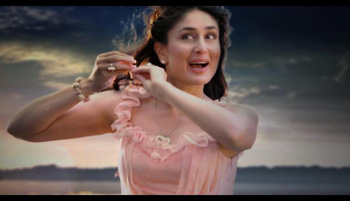
    Some time back it looked like Priyanka Chopra had gone on an overdrive with her brand endorsements; and now it looks like it’s Kareena Kapoor’s turn. She has just been roped in to endorse Philips’ hair care range. This development comes close on heels of the announcement that she is being signed to endorse iBall’s mobile phones. Then there is Head & Shoulders’ new ‘namaste’ campaign with beau Saif Ali Khan that is being aired on the TV currently. Besides these, she already endorses Airtel, Sony Vaio, Vivel, Alpenliebe Choco Eclairs, Lavie, Boro Plus, Mahindra Duro, Anne French, Lux, Pepsi, Globus, Citizen, Sangini Diamonds and few others.


    So what is it that makes Ms Kapoor such a hot pick for brands? Her popularity as a style icon and being one of the most recognizable faces for the consumers, is definitely is a pull. So like any celebrity who rules the endorsement brand wagon when at his/her peak, Ms Kapoor seems to be doing the same. However, the question is, whether there is an overkill of Kareena Kapoor for brand endorsements and should the lady now go slow rather than mint money when the sun (her popularity) is shining?


    Manish Porwal, Managing  Director, Alchemist said that it’s given that female celebs will be used heavily for personal care category, hence we see a lot of Kareena, Priyanka and Katrina endorsing these categories. He added: “However, the change today is that female stars are being used for non-FMCG categories, hence we see Kareena endorsing i-Ball, Mahindra Duro and even Sony Viao.”


    He also pointed that the heroines have a lesser shelf life than their male counterparts, so we do see them going for lesser brands and more days or more brands and lesser days. He said: “I don’t think Kareena Kapoor has gone on a signing spree all of a sudden. The truth about endorsements inIndiais that it is heavily skewed towards celebrities, especially those in the movie business.”


    Talking specifically about Ms Kapoor and her visibility, Harish Bijoor, brand expert & CEO, Harish Bijoor Consults Inc, said: “Yes, there certainly is too much of Kapoor, Sharma and Chopra altogether on the small screen. When brand endorsers endorse more than two brands at a time on television, there is a lack of credibility and distinction between brands, appeals and values. There is a brand-endorser promiscuity going around in the market, and this is a disease for sure. We need a bigger menu of star-faces that endorse diverse sets of brands.”


    He however feels that the brands that Kareena represents use her well. She is fresh, sleek and fits brands that want to appeal to groups that seek sleek and fresh. Kareena does not however work equally well with the broader mass of the population.


    Mr Bijoor cautions though: “It is important for Kareena to phase out one endorsement deal before taking on another.”


    When bringing a celebrity on board, the brand should think about the fit and not just rope in the flavour of the season, which is usually the norm. Alpana Parida, President, DY Works feels that there is lot of vanity branding in case of Ms Kapoor which is not appropriate. She said: “There has to be an alignment between the personality of a brand and that of the celebrity who is brought in to endorse it. In Kareena’s case it’s not been true in few cases. She is definitely not the girl next door, so she could be used for products that want to portray aristocracy or exclusivity.” Giving an example of good use of a celeb in recent times, Ms Parida points towards the Aliva ad featuring Vidya Balan which portrays her in her on-screen avatars, thus making it relatable.”


    With so much of Kapoor and brands, one thing that comes to the mind is that has she left behind the males in this race and emerged as the lead in celebrity brand endorsements? To this, Mr Bijoor, said: “That is a good sign. I do believe we need to break this gender inequality in Bollywood and its more important commercial avatar of ‘advertisingwood’ as well. Female stars firstly need to be paid as well as male stars are in advertising endorsements.”


  • Satvikshop for natural living @ doorsteps

    By A Correspondent


    Bridging the gap between consumers and their quest for a natural lifestyle, Satvikshop.com was launched recently, offering consumers a large collection of organic and ayurvedic solutions and products from reputed brands.

     

    The website offers free consultation with a panel of experts who can best advise you about treatments for various ailments. Consumers can post their questions online and receive answers from the experts. A full-fledged call centre guides consumers on a 24/7 basis.


    Consumers can view and buy ayurvedic products by browsing through various categories, including gender, diseases, organ care, and common ailments. Consumers can search through products from multiple brands as well as all products of a single brand, with around 1000 SKUs already at satvikshop.com.


    The website boasts a strong knowledge base with information on herbs, certifications and their importance. Product attributes include detailed description, brand, ingredients, symptoms, contra-indications, side-effects, user reviews, recipes, nutritional facts, and dosage.


    The e-shop offers free shipping for all orders. The website also features an active blog with regular updates related to  organic and ayurvedic lifestyle.


    “It is our endeavour to promote Satvik living – free of chemicals, pesticides and pollutants that have entered our lives without us noticing”, said Subhanker Sarker, Business Head, Satvikshop.com and Indiatimes Shopping. “With reputed partners such as Dabur, Organic India, Morarka Organic Foods and many more, we are confident of reversing this trend and bringing a healthy lifestyle to our consumers. Pre launch consumer engagement has been very encouraging and we already have a Facebook community which is 15,000 strong.”


    Krishan Guptaa, M.D & Global CEO,Organic India Pvt. Ltd. Said “Association of Organic India and Satvikshop.com is the ideal partnership to deliver authentic Organic products to our consumers. Both companies have similar vision to ensure everyone in the chain from Mother earth, farmers, associates , employees , consumers and planet as a whole wins with this unique partnership.”


    “MOFL being the single largest and oldest retail organic player in India has always been supportive of initiatives that creates awareness and makes organic food more accessible to the masses.  The availability of organic food has not yet spread to every nook and corner of this country, though the health conscious consumers live in every place. We are sure that many consumers who have not been able to buy from shops will now be able to buy it on line. Satvikshop.com provides consumers with a fantastic platform to access the same.The credibility of indiatimes will also convince them to do so.” said  Mukesh Gupta,CEO,Morarka Organic Foods Ltd, Jaipur and Executive Director – Morarka Foundation.


    Times Internet’s latest vertical – Satvikshop.com eyes Rs 160 cr+ by 2013
    By A Correspondent 

    Times Internet recently launched a vertical e-commerce site – Satvikshop.com. It offers consumers wide range of organic and ayurvedic solutions and products from reputed brands. Satvikshop.com is a vertical which is powered and funded by Indiatimes Shopping. The website offers free consultation with a panel of experts who about treatments for various ailments. Post launch, Satvikshop.com will take a 360 degree marketing approach wherein it will leverage all the properties within its group. In conversation with MxMIndia, Subhanker Sarker, COO and Business Head of Indiatimes Shopping & Saatvikshop.com spoke at length about his new vertical, the break-even plans and the post launch marketing plans for Satvikshop.com, the growth targets and much more.


    Q: Despite having a horizontal e-commerce site, Indiatimes shopping, why the need for a vertical – Satvikshop.com?

    Satvikshop.com is a vertical which addresses a need gap of providing organic and ayurvedic product to the Indian consumer, and is powered and funded by Indiatimes Shopping. Indiatimes Shopping is a horizontal portal which has various categories and is probably one of the most per capital efficient e-commerce players. What we figured is that ayurveda in India is estimated to be a humongous Rs. 6,000-crore plus industry. Organic food is estimated to be in excess of around Rs 650 crore now, growing at a CAGR of 15 per cent. So very clearly Indian consumers are adopting health products, and this trend we realize is not limited to large cities but also tier 2 and tier 3 cities. This is where we saw this opportunity of an e-commerce player capable of delivering to the entire country as a brand. Satvikshop.com is therefore also a pioneer in this space. Once this vertical stabilizes we also plan to provide the same product in our horizontal portal i.e. Indiatimes Shopping.


    Q: What kind of research was undertaken before the launch of the vertical? How did you realize the need for an e-commerce site on ayurvedic and organic products?

    We did not do any specific research but we had enough secondary data available which indicated the need and highlighted the opportunity to bring both ayurvedic and organic properties together. Even in the offline scenario you have shops but you will not find one shop which sells both organic and ayurvedic products, thus we saw this as an opportunity.


    Q: You had a soft launch last week; what is the kind of response you have been receiving from consumers and marketers alike?

    A month before the launch, we opened a Facebook page on Satvikshop.com. We received encouraging response in terms of engagement with our potential consumers. Today we are on the fifth day of the commercial launch and our transactions have touched over 100 per day which is also very encouraging.


    Q: Are you in partnership with any brands for the site? Which ones?

    In both ayurveda and organic there are roughly 20 odd brands which contribute to almost 95 per cent of the consumption. We have partnership with most of the significant players, namely Dabur, Morarka and so on. Now, these are different levels of partnership, it ranges from revenue sharing to commission.


    Q: What is the business model that you follow at Satvikshop.com?

    There is a need gap and consumers are looking for a solution, some amount of consultation and recommendations and products are mostly sold on MRPs in India. This is the strength you will find in the offline scenario. As far as online is concerned, here too we are selling the product at the right price, but we will provide free consultation as well as free home delivery, and because it is addressing a need gap, the business has a healthy gross market.


    Q: What is your post launch marketing strategy? How do you intend to reach out to your consumers?

    We will leverage on various properties on our group, and take a 360-degree marketing approach. Our TG is any health-conscious family in India, especially those in tier 1, 2 and 3 cities.


    Q: Do you have a mobile strategy too?

    Mobile as a strategy is linked to Indiatimes Shopping, we already have a very vibrant Android and iPhone app where some amount of transaction is happening. We are looking at innovative ways of mobile payment and all of those will get integrated with Satvikshop.com as well.


    Q: And when do you plan to achieve break-even position?

    We will be profitable within the first 12 months of our launch.


    Q: And the nature or the kind of investments put into Satvikshop.com?

    Satvikshop is a vertical powered and funded by Indiatimes Shopping. Satvikshop will leverage Indiatimes Shopping’s technology platform and supply chain infrastructure to be able to deliver organic and ayurveda products to households across India. We have invested to build a diet and health consultation platform and customised customer support, and will further invest in the infrastructure as we scale up. We will also invest in building the brand Satvikshop.com with a 360-degree approach.


    Q: What are the revenue and growth targets for Satvikshop.com for this year and the next?

    We are targeting nearly Rs. 60 crore this FY and in excess of Rs. 160 crore by the next year.


    Q: Lastly, what are your views on the e-commerce business in India?

    The last couple of years had seen the definitive adoption of online shopping by Indian consumers in a big way, almost across all categories. The trend clearly indicates that e-commerce business in India will grow exponentially. We believe that Indiatimes Shopping, with a planned Gross Margin of 3 per cent and Revenue per Employee per year of Rs. 1.2 crore, is aligned towards a path to profitability as an ecommerce player. Our ASP of Rs. 2200 is highest among all horizontal e-commerce players. Indiatimes Shopping is highly capital efficient and is easily scalable to 10X because of a robust in-house technology platform and the process/model leverage that we have.


  • Strong branding, high ad spends key to growth of consumer goods cos

    By Jwalit Vyas


    Consumer goods companies which have consistently invested in their brands in the past few years are likely to outperform their peers who curtailed their advertisement expenditure in a high inflationary environment.


    During the last fiscal, companies such as HUL, Dabur, Marico, Nestle and Jyothy Laboratories had significantly cut down their advertisement expenditure to protect their margins as high raw material prices were hurting. For instance, HUL brought down its advertisement to sales ratio in FY12 by 250 bps to 11.5 per cent, the lowest in the last three years. Similarly, Dabur India’s domestic advertisement to sales ratio was at 10.6 per cent, its lowest in the last four years. Jyothy Laboratories’ advertisement to sales ratio was only 6.5 per cent.


    Compared to this, companies such as GSK Consumer Healthcare and Colgate have a higher advertisement to sales ratio and have been consistent in their brand investments. While GSK Consumer Healthcare’s advertisement to sales ratio has been consistently over 15 per cent for the last few years, it has been around 13 per cent for Colgate. This will allow these companies to sustain their sales growth and enjoy higher pricing power. Also, these companies will have flexibility with their spending in the coming quarters.


    Strong branding also allows these companies to have a better pricing power and, hence, higher profit margins. The PBIDT (profit before interest, depreciation and tax) margins of GSK Consumer and Colgate are the highest among the lot. In FY12, PBIDT margins of GSK and Colgate were above 22 per cent and 24 per cent, respectively, while that of others were below 20 per cent. HUL, Dabur India and Marico’s PBIDT margins were 16 per cent, 17 per cent and 12 per cent, respectively.


    Interestingly, in the June 2012 quarter, companies which lagged behind have also started to increase their advertisement spends. Dabur, HUL, Marico and Jyothy Laboratories increased their advertisement spend by 51 per cent, 30 per cent, 60 per cent and 77 per cent, respectively. This is likely to continue in the coming quarters as advertisement spend is the key driver for sustainable growth.


    While the sales growth in the previous fiscal was mainly driven by price hikes, volume growth will be critical in the current year to sustain growth. As gross margins are likely to improve for all the consumer products companies due to stabilising raw material prices, the rise in advertisement spend will offset this and restrict the improvement in profitability. However, GSK Consumer and Colgate will have no such constraints. Also strong marketing activities in the earlier quarters will ensure strong volume growth for these companies.


    Source:The Economic Times

    Copyright © 2012, Bennett, Coleman & Co. Ltd. All Rights Reserved


  • Anil Thakraney: Sur Kshetra of commerce & politics

    By Anil Thakraney


    Raj Thackeray’s party has announced that they will disrupt the shooting of the new musical reality show called Sur Kshetra. And the VIP juror, Ms Asha Bhosle, has sweetly turned down their demand to exit from the show. All this tamasha because some Pakistani performers will do their number on the said reality show. At the time of writing this piece over the weekend, there’s a stalemate.


    So then what must the channel, Colors, do? Well, they can’t alter their programming at this stage, that’s for sure. Not just because costly contracts have already been signed, am quite certain a whole lot of the shooting is already completed. Also, and the channel CEO won’t admit to this for obvious reasons, secretly they might be thrilled with Raj’s diktat. Solid, free publicity is always welcome. Especially for a super expensive entertainment TV show.


    Anyway, this is not the first time an agitation has been threatened against TV shows that feature Pakistani artists. And it’s not going to be the last time either. The view that the channels always take, that these shows promote peace and harmony amongst the two nations, is bunkum. If music and sports could have solved the Kashmir dispute, then it would have happened a long time ago. The only reason the Pak artists get invited here, is because they sell. We may not love our neighbour very much, but we are quite curious about them, and are keen to see more of them. So there’s only commerce behind the idea of inviting the ‘enemy’.


    Now, let’s assume for a second that this situation is worrisome for the channel chiefs, that they don’t really want this recurring headache. In which case, what’s the way forward? Because this issue will keep cropping up again and again. In my view, the answer is very simple: They must threaten to shift their shoot locations out of Maharashtra. Perhaps a threat of that sort would panic the ruling state government into some kind of action.


    And where might they choose to go? Very simple! Motabhai Narendra Modi, India’s only business-savvy CM, is waiting with open arms. He loves taking in businesses booted out by politicians in other states. Ask Mamata Didi.


    ***


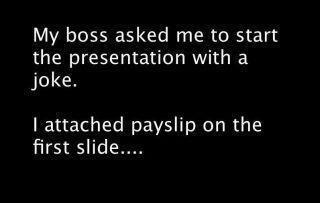
    PS: This one is especially for all the underpaid, overworked, harried young account executives in advertising agencies. Who are made to do all those thankless, ridiculous chores. Including putting the boss’s glitzy presentation together. 🙂


  • The husband’s predicament

    The Campaign:

    Amitabh Diwali Campaign


    The Client:

    Tanishq


    The Agency:

    Lowe Lintas


    The Brief:

    To promote Tanishq diamonds during the peak jewellery buying season – Diwali. It is also the most auspicious time for jewellery purchase.


    Research insights:

    According to Arun Iyer, National Creative Director of Lowe Lintas, “Usually during Diwali gold is the main metal of purchase among consumers. But we have taken this opportunity to push diamonds this Diwali.”


    The thought process behind the creative:

    “We have used the insight of how men always go wrong with their choice of gift during festivities. And this time the attempt is to ensure that they are clear about their choice of gift this Diwali.”


    Media vehicles chosen:

    TV, Radio and Outdoor


    Key issues kept in mind while executing the ad:

    “Since we were using Amitabh and Jaya again, we had to ensure that they come across as normal husband and wife and not like celebrities. Also the situation that was shown is a predicament that every husband goes through in marriage.”


    Does the treatment do justice to the brief?

    “Absolutely. Like I have mentioned earlier Amitabh behaves like any husband would. Despite having clarity about the choice of gift he still falters as women, being women, will always have a different point of view.”


    What is the differentiating factor about the ad?

    “I think it’s the execution. Amitabh and Jaya have been shown going through life’s moments just like any other normal couple would.”


    Market and client feedback:

    “There has been a positive feedback from the market and client. Customers have been talking about it and find the ad very entertaining. The fact that Amitabh gets stumped again by Jaya in the end is the highlight of the film.”


    Credits:

    Creative: Arun Iyer, Rajesh Ramaswamy, Abhijit Ghosh, Adarsh Atal, Indrashish Mukherjee, Prasad Baggi

    Account Management: Sudhir Rajasekharan, Pritish Wesley, Arunabho Sen

    Director: Prakash Varma

    Production House: Nirvana Films

  • AdStrat: Man from Motilal Oswal

    Ramnik Chhabra, Associate Director Marketing, Motilal Oswal Financial Services Ltd

     

    Name of the campaign

    Motilal Oswal Securities Ltd – Man from Motilal Oswal


    Research insights

    When it comes to investing, managing emotions is what can make the difference between making money and losing money. When investing in stock markets, people often go by hearsay rather than research.


    The thought process behind the creative

    To make an intangible product like broking come alive, Motilal Oswal has used ‘the advisor’ as a tangible dimension to their service.


    [youtube width=”400″ height=”220″]http://www.youtube.com/watch?v=0OCwisDoBWE[/youtube]

    Media vehicles chosen

    Cinema, TV, Online.


    Key issues kept in mind while executing the ad

    To make sure the ad captures the basic DNA of the brand – a focus on old-fashioned research and homework, attributes that are timeless in their relevance to investors.


    Does the treatment do justice to the brief?

    The brief was to break clutter, and to showcase a research orientation. The treatment does both quite well.


    What is the differentiating factor about the ad?

    The format of a trailer and the mystique of the old-worldly ‘Man from Motilal Oswal’ differentiates the film and makes it break clutter. It helps us stay focused on the anxieties and concerns of investors, without becoming boring.


    Market/client feedback

    Just launched on 15th August. Initial feedback has been encouraging.


    Compiled by Shubhangi Mehta.


  • AdStrat: 6 Days Mahabachat

    Anand Karir, Senior Creative Director, DDB Mudra


    Name of the Campaign

    6 Days Mahabachat


    Brief

    Mahabachat as a property was conceived in 2006 to spur consumption around the Independence Day holiday, offering great savings across product categories. This year the challenge was to instil confidence into the property promise of big savings at a time when persistent inflation was dampening consumer spirit.


    Research insights

    The consumer reality revealed that they harboured a sense of helplessness towards inflation, with no solution in sight. Over the years, the effect of inflation had moved beyond the kitchen and even impacted their purchases of fashion, education, fuel and entertainment, leading to an overall increase in the cost of living. At the same time consumer aspirations were also on the rise, resulting in an overall state of dissatisfaction.


    The thought process behind the creative

    As a solution to the consumer’s angst, the attempt was to empower consumers with a concrete solution throughout the six days of Mahabachat. The resolve of victory over inflation by participating in Mahabachat was brought alive through the optimistic clarion call of ‘Mehengai pe Halla Bol’.


    Media vehicles chosen

    TVC, Press, Outdoor, Radio, In-store and Digital.


    Key issues kept in mind while executing the ad

    The clarion call of ‘Mehengai pe Halla Bol’ was not an agitation or a morcha against anyone but the joy of having found a solution against inflation at Big Bazaar through the ‘6 days of Mahabachat’. The mood was that of celebration and freedom.


    Does the treatment do justice to the brief?

    Yes.


    What is the differentiating factor about the ad?

    Every Indian detests the inflation of the last few months. Our TG, the middle class Indian housewife, is feeling no different. Her budgets have not grown in proportion to the inflation and this is somewhere tying her hands and giving her a feeling of being helpless. Of not being able to do enough for her family. She wants to do something to change this and vent her feelings. We just gave her feelings an expression – ‘Mehengai pe Halla Bol’. She knows that Big Bazaar has always understood her needs and brought stuff within her reach. Mahabachat 2012 is yet another chapter in that epic.


    The TVC first mildly touches upon her and her family’s day-to-day encounters with inflation and then introduces ‘Mehangai pe Halla Bol’ as a positive cry, during these testing times, asking her to reach out to her friend Big Bazaar and grab everything she and her family wants and deserves, in abundance. Simple poetry narrated in the background subtly sets the mood and puts the point across without letting the harsh reality hit her in the face, which was a very important objective that we wished to achieve.


    Compiled by Shubhangi Mehta.